Source Waterproof Horse Comb for Grooming, Cleaning, and Care
Compare 30 verified listings for the Waterproof Horse Comb, featuring options in PP, aluminum, and plastic materials. Buyers can evaluate specifications like size, weight, and customization availability to find suitable suppliers for grooming and care needs.
Key considerations
Products List
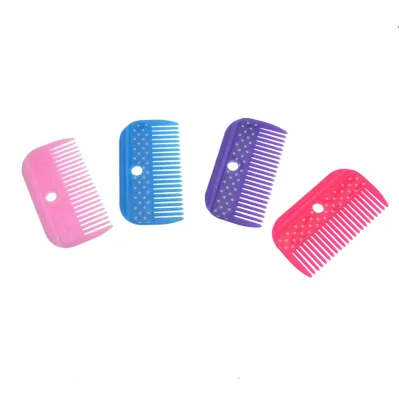
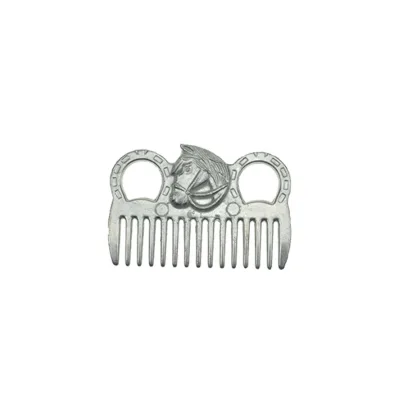


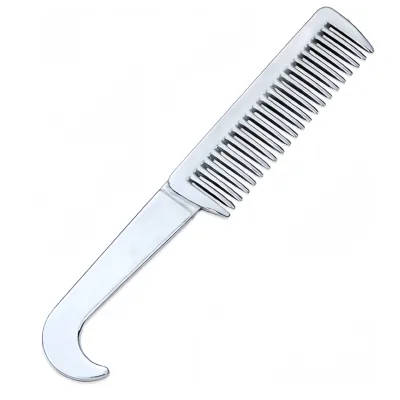
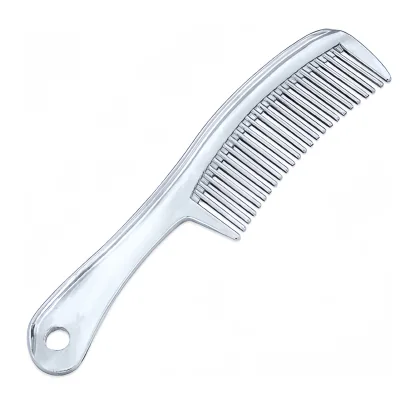


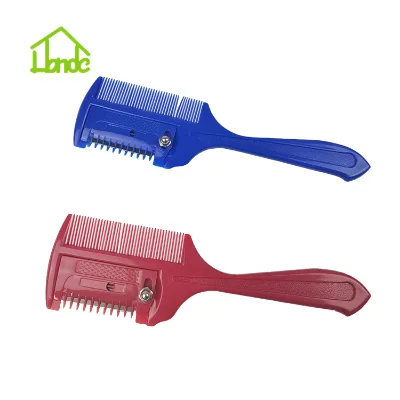
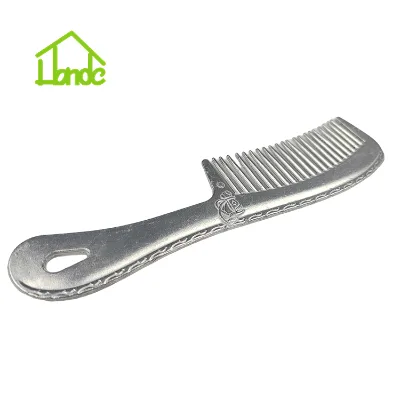
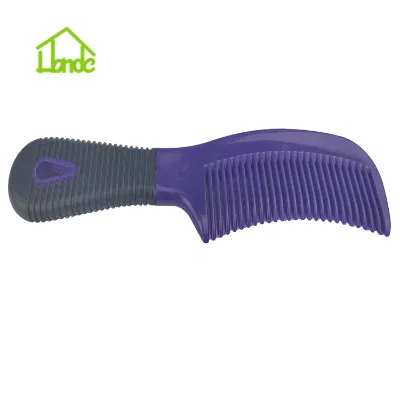
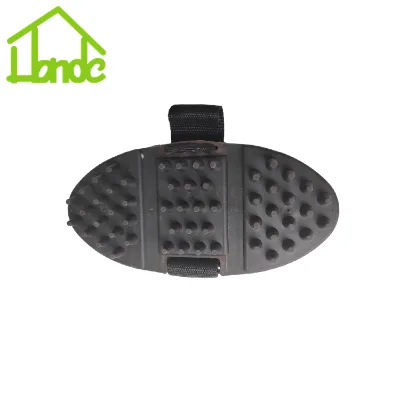
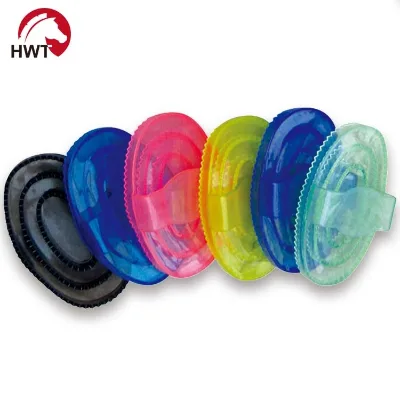
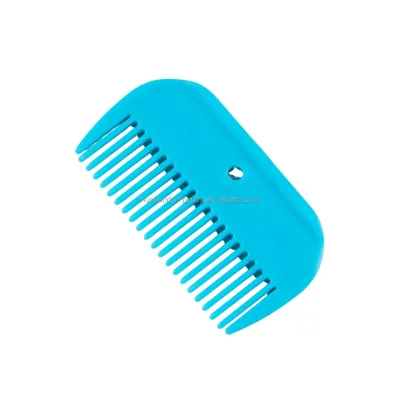
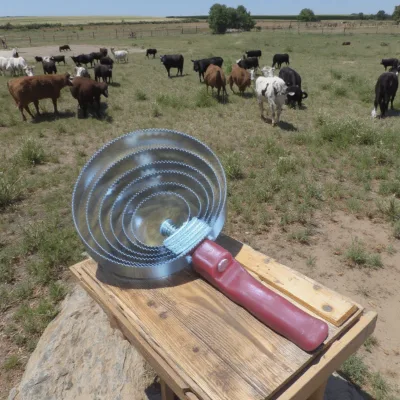


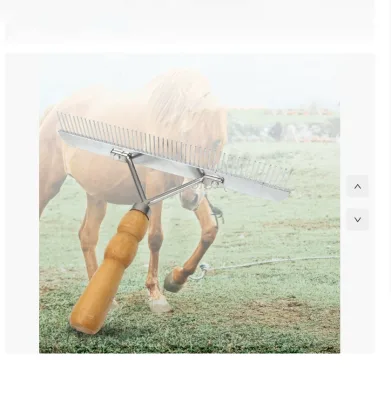
Comprehensive Sourcing Guide
Strategic Sourcing Guide for Waterproof Horse Combs
Understanding Product Specifications and Material Variations
When sourcing a Waterproof Horse Comb, the primary objective is to identify a tool that maintains structural integrity and grooming efficacy in wet conditions. The market presents a diverse array of specifications, and buyers must carefully distinguish between different material compositions and dimensional requirements. Based on available product data, the core material options for these grooming tools include Polypropylene (PP), Aluminum, and Aluminum Alloy. Each material offers distinct advantages regarding weight, durability, and resistance to moisture.
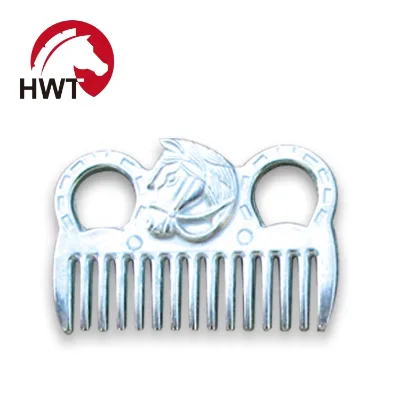
Polypropylene combs are frequently cited with specific dimensions such as 9.55.30.5cm or 106.80.86cm. These models often feature a lightweight profile, with individual unit weights recorded as low as 12.7g or 66.3g depending on the design. The "waterproof" attribute is a critical observation for these items, suggesting that the plastic composition inherently resists water absorption, preventing warping or degradation when used on wet coats. In contrast, aluminum and aluminum alloy combs, such as those identified by model numbers like SC-H18 or GLD-HC1001, present a heavier alternative. These metal variants often weigh significantly more, with single gross weights reaching up to 1.000 kg in certain packaging configurations, or individual unit weights around 66.3g. The aluminum alloy option is particularly noted for its durability, a feature explicitly listed in product attributes.
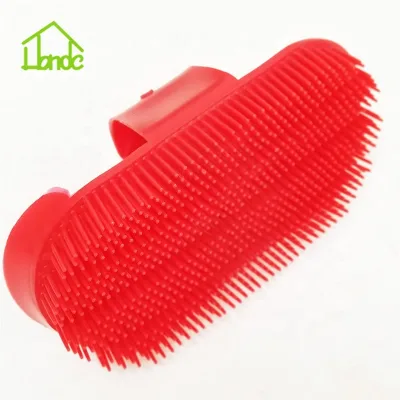
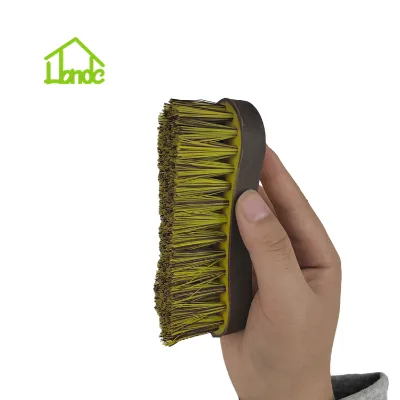
Dimensional consistency is another vital specification. While some listings indicate a single package size of 100X100X100 cm, which likely represents a bulk shipping configuration or a specific packaging error in the source data, other entries provide precise single package dimensions like 15X10X5 cm or 20X3X5 cm. The actual product size varies, with some models measuring 9.55.30.5cm and others 106.80.86cm. Buyers must verify the exact physical dimensions against their specific grooming needs, as the length and width of the comb teeth directly impact the efficiency of detangling and cleaning. The "Horse Curry Comb" and "Horse Brush" designations indicate specific functional types, where the comb may be designed for removing mud and loose hair from the coat, requiring a specific tooth density and spacing that varies by model.
Compliance, Certification, and Standard Verification
In the B2B procurement of grooming equipment, verifying compliance and adherence to standards is essential, even for seemingly simple tools like horse combs. The provided data indicates that the product standard is often defined as "Customer's Requirement." This phrasing suggests that manufacturers may not adhere to a single, universal global standard for all units but rather tailor their production to the specific demands of the buyer or the target market. Consequently, buyers cannot assume that a listed product automatically meets specific international safety or quality certifications without explicit confirmation.
When evaluating compliance, the focus should be on the material safety and the manufacturing process. For plastic combs made of PP, the buyer should verify that the material is food-grade or non-toxic, ensuring it is safe for direct contact with the animal's skin and coat. For aluminum and aluminum alloy combs, the focus shifts to the finish and coating to prevent corrosion, which is critical given the "waterproof" claim. The "Customized" and "is_customized" attributes appearing in the data highlight that many suppliers operate on a flexible basis, allowing for modifications to the product standard. This flexibility is advantageous for branding but requires rigorous quality assurance to ensure that customizations do not compromise the structural integrity or safety of the tool.
Buyers should also investigate the origin of the product to understand the regulatory environment. The data lists "Tianjin, China" and "Fujian, China" as places of origin. While these are major manufacturing hubs, the specific factory certifications (such as ISO 9001) are not explicitly detailed in the provided facts. Therefore, the procurement strategy must include a request for the supplier's quality management system certificates. Additionally, since the product is intended for animal care, verifying that the materials do not contain harmful heavy metals or BPA is a prudent step, even if not explicitly stated in the initial product listing. The "OEM" and "Acceptable" labels suggest that the supplier is open to private labeling, which often involves additional checks to ensure the branding does not violate intellectual property rights or mislead the end consumer regarding the product's origin or quality.
Cost Drivers and Pricing Structure Analysis
The pricing structure for waterproof horse combs is influenced by several dynamic factors, including material costs, customization levels, and order volume. The observed price range in the market data spans from 0.12 to 5 USD per unit. This wide variance indicates that the cost is not uniform and is heavily dependent on the specific attributes of the product selected. Lower-priced items, likely in the 0.12 USD range, may correspond to basic plastic models with minimal customization and standard packaging. Conversely, items approaching the 5 USD mark could involve premium materials like high-grade aluminum alloy, complex manufacturing processes, or extensive customization features.
Material composition is a primary cost driver. Aluminum and aluminum alloy are generally more expensive to source and process than Polypropylene. The weight of the product also plays a role; heavier items like those with a single gross weight of 1.000 kg may incur higher shipping costs, which can be factored into the unit price. Furthermore, the "Customized" nature of the product introduces variable costs. Custom colors, specific branding, or unique dimensions (such as the "Length: as Your Request" attribute) require additional setup time and tooling, which increases the per-unit cost.
Order volume is another critical determinant of price. The Minimum Order Quantity (MOQ) data shows a range from 1 to 2000 pieces, with a specific high-confidence fact noting an MOQ of 1000pcs for certain models. Suppliers often offer tiered pricing, where the unit cost decreases as the order quantity increases. For buyers looking to minimize costs, negotiating based on volume is essential. However, buyers must balance the desire for lower unit prices against the risk of overstocking. The "Supply Ability" of 3000 pairs per month for some suppliers suggests that while they can handle large orders, there may be capacity constraints for very large, urgent requests. Understanding these supply dynamics helps in forecasting costs accurately and negotiating favorable terms that align with the buyer's inventory strategy.
Typical Applications and Functional Performance
Waterproof horse combs serve a specialized role in equine care, designed to function effectively in wet environments where standard grooming tools might fail. The primary application involves the removal of mud, dirt, and loose hair from a horse's coat, particularly after exercise or in rainy conditions. The "waterproof" feature is not merely a marketing term but a functional necessity; it ensures that the comb does not absorb water, which could lead to bacterial growth, rust (in metal combs), or structural warping (in plastic combs).
The data highlights specific product types such as "Horse Curry Comb" and "Horse Brush," indicating that these tools are often used in conjunction with other grooming equipment. A curry comb is typically used to loosen dirt and debris from the coat, while a brush is used to remove the loosened material. The "Manual" operation type confirms that these are hand-held tools requiring physical effort from the groomer. The "Durable" and "Waterproof" attributes suggest that these combs are built to withstand repeated use in harsh conditions, making them suitable for professional stables, equestrian centers, and competitive events.
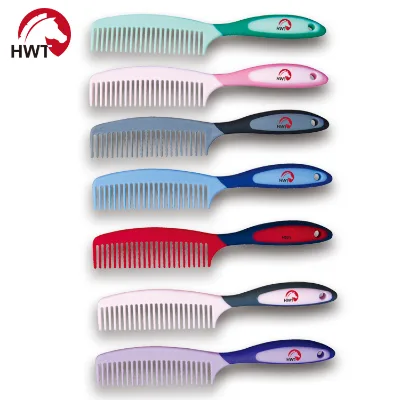
Color options, listed as "Optional," "Cusztomized," or specific numbers (1, 2, 3, 4, 5), allow for color-coding in large stables to differentiate tools for different horses or grooming stations. The "Aluminum" color option for metal combs and the "Customized" color for plastic ones provide aesthetic flexibility. The "Usage: Horse Care Tools" designation reinforces the professional context of these products. Buyers should consider the specific needs of their equine population; for instance, horses with thick winter coats may require combs with specific tooth spacing that differs from those used for short summer coats. The ability to customize the length ("as Your Request") allows for the creation of specialized tools tailored to specific breeds or grooming techniques.
Supplier Evaluation and Operational Capabilities
Evaluating suppliers for waterproof horse combs requires a holistic approach that goes beyond the initial product listing. The data indicates that suppliers offer "OEM" services and accept "Customized" orders, suggesting a high degree of flexibility. However, this flexibility must be balanced with the supplier's ability to maintain consistent quality and meet delivery schedules. The "Sample Time: 7 Days" is a key metric for evaluating responsiveness. A seven-day turnaround for samples is relatively standard, but buyers should verify if this timeline includes shipping time or if it refers solely to the production of the sample unit.
The "Supply Ability" of 3000 pairs per month provides insight into the supplier's production capacity. For buyers with large volume requirements, this capacity might be a limiting factor, necessitating a phased ordering strategy or a discussion about expanding production lines. The "Place of Origin" being listed as "Tianjin, China" or "Fujian, China" indicates that the suppliers are located in established manufacturing regions, which often implies access to a robust supply chain and skilled labor. However, buyers should verify the specific factory location to assess logistics and potential shipping costs.
Packaging is another critical aspect of supplier evaluation. The data mentions various packaging methods, including "OPP Bag + Carton," "PE Bag," and specific carton sizes like 30.52329cm or 322219cm. The "QTY/ctn" (Quantity per Carton) varies, with figures like 500pcs or 200pcs. These variations affect the efficiency of storage and shipping. Buyers should request detailed packing lists to ensure that the packaging is robust enough to protect the combs during transit, especially given the "waterproof" claim which might be compromised if the packaging is damaged. Additionally, the "Single gross weight" and "Single package size" data points are essential for calculating freight costs and determining the optimal shipping method.
Quality Control and Long-Term Procurement Considerations
Implementing a robust quality control (QC) protocol is essential for ensuring that the waterproof horse combs meet the buyer's expectations. Given the "Customer's Requirement" standard, the QC process should be tailored to the specific needs of the order. For plastic combs, checks should focus on the uniformity of the teeth, the absence of burrs that could injure the horse, and the integrity of the material to ensure it does not crack under stress. For aluminum and aluminum alloy combs, inspections should verify the finish for rust resistance and the structural strength of the handle and teeth.
The "Feature: Waterproof" and "Feature: Durable" attributes should be validated through testing. Buyers should request test reports or conduct their own trials to confirm that the combs remain functional after prolonged exposure to water and repeated use. The "is_customized" attribute implies that each order may have unique specifications, making it crucial to approve a pre-production sample before mass production begins. This sample should be tested against the specific requirements of the buyer's market.
Long-term procurement considerations involve building a sustainable relationship with the supplier. The "OEM: Acceptable" and "Customization: Available" features suggest that the supplier is willing to grow with the buyer. However, buyers should monitor the supplier's ability to maintain consistent quality over time, especially as order volumes increase. The "Lead Time" is not explicitly provided in the data, but the "Sample Time: 7 Days" offers a baseline for production speed. Buyers should negotiate clear lead times for bulk orders to avoid disruptions in their supply chain. Additionally, considering the environmental impact of the materials (PP vs. Aluminum) and the packaging (OPP vs. PE) can be a strategic differentiator for buyers targeting eco-conscious markets. By focusing on these long-term factors, buyers can ensure a reliable supply of high-quality waterproof horse combs that meet the evolving needs of the equine care industry.
FAQs
What materials are used for waterproof horse combs?
Waterproof horse combs are primarily made from Polypropylene, Aluminum, or Aluminum Alloy. Polypropylene models are lightweight and resist water absorption, while metal variants offer enhanced durability for heavy-duty grooming tasks in wet conditions.
How can I customize the dimensions of the comb?
You can request custom dimensions as the product allows for length adjustments based on your specific requirements. Suppliers accept customization requests for size and color, enabling you to tailor the tool to specific grooming needs or branding preferences.
Which suppliers offer low minimum order quantities?
Suppliers offer Minimum Order Quantities ranging from 1 to 2000 pieces depending on the specific model. Some listings indicate an MOQ of 1000 pieces, while others allow for smaller trial orders starting at just one unit for sampling purposes.
Can I get samples before placing a bulk order?
Yes, samples are available with a typical production time of 7 days. This allows buyers to verify the waterproof features, material quality, and dimensions before committing to larger quantities from manufacturers in Tianjin or Fujian, China.
What is the typical price range for these combs?
The observed price range for waterproof horse combs spans from 0.12 to 5 USD per unit. Costs vary based on material composition, with basic plastic models being cheaper and premium aluminum alloy options costing more due to processing and durability.
How are the combs packaged for shipping?
Combs are typically packed in OPP bags or PE bags and then placed into cartons. Carton specifications vary, with common sizes including 30.5 by 23 by 29 cm or 32 by 22 by 19 cm, holding quantities like 200 or 500 pieces per carton.