Source Resealable Laundry Bead Packaging Bag for Detergent
Find and compare 30 options for the Resealable Laundry Bead Packaging Bag, featuring custom sizes and moisture-proof materials. Evaluate suppliers based on MOQs, printing styles, and material structures like PET+PA+PE to find the right fit for your household or industrial needs.
Key considerations
Products List
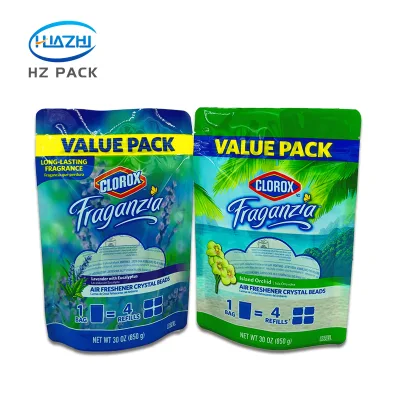


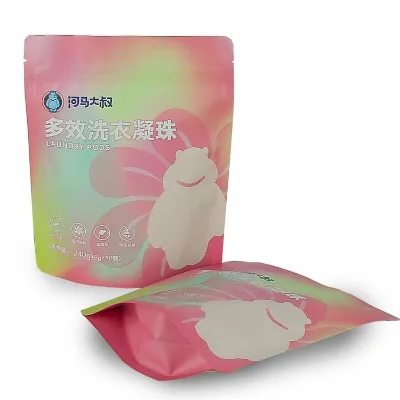
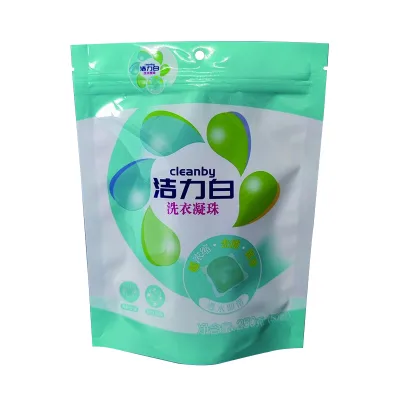


Washing Powder Package Pouch Laundry Detergent Liquid Plastic Heat Seal Nylon Bag
$0.12 - $0.18
MOQ: 10000 Pieces


$0.14 - $0.15
MOQ: 50000 Pieces


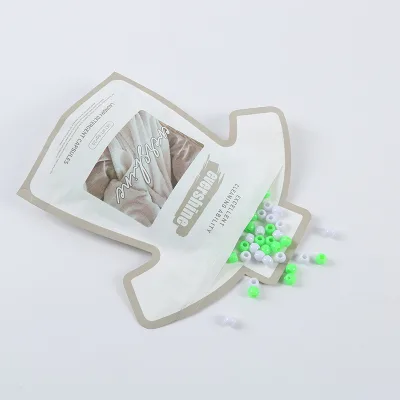


Custom Printing Laundry Powder Package Bag Water Proof Washing Powder Packaging Pouch
$0.03 - $0.06
MOQ: 10000 Pieces

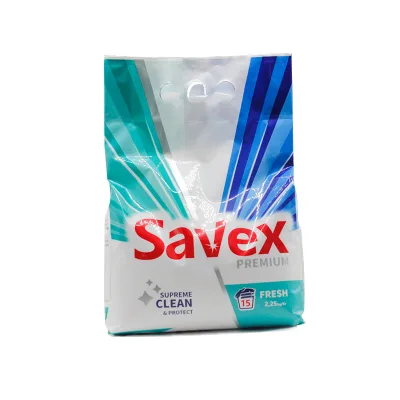


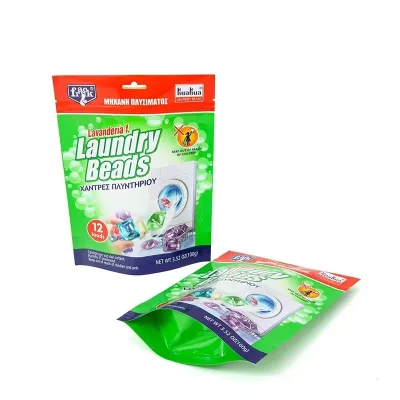
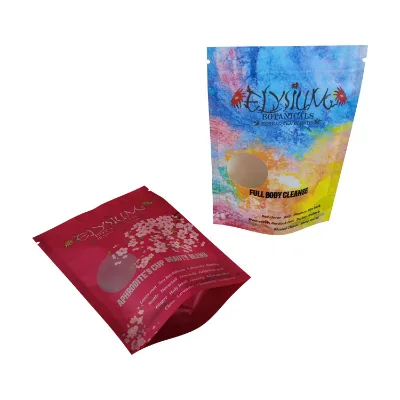

Comprehensive Sourcing Guide
Resealable Laundry Bead Packaging Bag Sourcing Guide
Buyers must first distinguish between standard resealable pouches and specialized water-soluble variants when defining their procurement needs. The market offers composite structures like PET+PA+PE for moisture-proof protection of detergent beads, while other listings describe dissolvable bags designed for infection control in medical or hotel settings. Understanding this fundamental material difference is critical before engaging suppliers, as the functional requirements for a heavy-duty laundry powder bag differ significantly from a disposable, biodegradable laundry bag used in hospitals.
Procurement teams should verify that the supplier explicitly accepts custom orders for specific industrial uses, such as washing powder or household applications. The observed product data indicates a strong focus on customization, with options for tailored sizes, colors, and logos to match brand identity. However, buyers must ensure the selected bag type aligns with the intended closure mechanism, whether it is a zipper top for repeated access or a heat-sealing closure for single-use scenarios, to avoid functional mismatches in the final supply chain.
Product Scope and Observed Listing Signals
The current market signals reveal a diverse range of product attributes, including stand-up zipper pouches and back-side seal bags designed for specific industrial uses. Listings frequently highlight features like moisture proofing and custom laminated finishes, which are essential for protecting detergent beads from humidity and degradation during storage. Buyers should scrutinize the listed material structure, as the combination of PET and PA layers provides the necessary barrier properties for heavy powders, whereas other products may prioritize biodegradability for different waste management requirements.
Observations of single package sizes and gross weights suggest that suppliers offer highly variable dimensions to accommodate different production lines and consumer preferences. While some entries specify exact dimensions like 660*840mm for medical applications, others offer fully customized sizing to meet unique retail needs. This variability requires buyers to clearly define their dimensional requirements early in the process, ensuring that the supplier can deliver the precise shape and appearance, such as folded or round styles, that fit their specific packaging machinery and shelf space constraints.
Technical Specifications to Verify
Technical verification must begin with the surface handling and printing capabilities, as gravure printing is a common standard for high-quality branding on these flexible packages. Buyers should confirm that the supplier utilizes matt lamination gravure printing to ensure the durability of the logo and color customization against abrasion during transport. It is equally important to validate the thickness specifications, which are often listed as custom, to ensure the bag can withstand the weight and sharp edges of laundry beads without tearing or leaking.
The closure mechanism represents another critical technical parameter that dictates the user experience and product integrity. While zipper tops are prevalent for resealable bags, some listings indicate heat-sealing or drawstring styles for different applications. Procurement teams must verify that the chosen closure style matches the intended usage, ensuring that the bag remains secure during shipping and provides the correct opening mechanism for the end consumer, whether for home use or institutional settings like nursing homes.
Compliance and Safety Documentation
Safety documentation is paramount when sourcing packaging for products that may come into contact with food or household cleaning agents. Buyers should request evidence that the composite materials used, such as PET and PA, are non-toxic and safe for their specific application, particularly if the packaging is intended for food-grade detergents or household cleaning products. The absence of specific certification claims in general listings means that buyers must actively demand material safety data sheets to confirm the absence of harmful substances.
For applications involving medical or infection control environments, the biodegradable and non-toxic characteristics of the packaging become regulatory requirements rather than optional features. Buyers must verify that the supplier can provide documentation confirming the dissolvable nature of the bag in both cold and hot water if that is the specified product type. This verification ensures that the packaging meets the necessary environmental and safety standards for disposal in healthcare facilities, preventing contamination risks associated with non-dissolvable waste.
Cost Drivers and Commercial Terms
Cost structures for these packaging solutions are heavily influenced by the complexity of the material structure and the extent of customization required. The use of multi-layer composites like PET+PA+PE, combined with gravure printing and custom lamination, typically commands a higher price point than standard single-layer bags. Buyers should anticipate that orders requiring specific thicknesses, unique colors, or custom logos will incur additional setup and material costs, which must be factored into the total landed cost calculations.
Commercial terms often include significant minimum order quantities, with observed ranges extending up to 100,000 pieces for certain suppliers. The standard MOQ of 3,000 pieces suggests that smaller buyers may face challenges in securing competitive pricing without consolidating orders or negotiating flexible terms. Additionally, the selling units are typically listed as single items, meaning buyers must calculate the total cost based on the specific quantity needed rather than assuming bulk discounts apply automatically to small trial runs.
Supplier Qualification and Quality Control
Supplier qualification should focus on their manufacturing location and their ability to handle custom order requirements efficiently. Many observed listings indicate a place of origin in Guangdong, China, a region known for flexible packaging production, but buyers must verify the specific factory capabilities to ensure they can meet the required production standards. It is essential to confirm that the supplier has the infrastructure to handle the specific printing and sealing processes required for the chosen bag type, ensuring consistency across large production runs.
Quality control protocols must be established to verify that the final product matches the agreed-upon specifications for size, strength, and sealing integrity. Buyers should implement a rigorous inspection process to check for defects in the zipper mechanism, the quality of the gravure printing, and the overall structural integrity of the composite material. Given the variability in product models and styles, a clear quality agreement that defines acceptable tolerances for dimensions and weight is necessary to prevent receiving substandard goods that could compromise the brand's reputation.
Long-Term Procurement Checks
Long-term procurement success depends on maintaining a consistent supply of packaging that meets evolving regulatory and market demands. Buyers should establish a schedule for periodic re-verification of material safety and performance, especially if the product formulation changes or if new environmental regulations are introduced. This proactive approach ensures that the packaging remains compliant and functional, preventing disruptions in the supply chain caused by sudden regulatory changes or material availability issues.
Building a resilient relationship with the supplier involves regular communication regarding production capacity and lead times to manage inventory effectively. Since lead times and specific production schedules are not always explicitly detailed in general listings, buyers must maintain open channels to monitor potential delays or capacity constraints. Regular audits of the supplier's quality control records and production output will help identify any drift in product quality over time, allowing for timely corrective actions before they impact the final product delivery.
FAQs
Can I customize the size and color of the pouch?
Yes, the product supports customized sizes and colors to meet specific branding needs. The material structure uses PET, PA, and PE layers, ensuring durability for detergent beads. You can request specific dimensions according to your requirements, allowing for tailored packaging solutions that fit your product volume and aesthetic preferences effectively.
What is the minimum order quantity for these bags?
The standard minimum order quantity is 3000 pieces for this stand-up zipper pouch. This MOQ applies to the composite material construction featuring moisture-proof properties. Buyers should note that while 3000 is the baseline, larger orders may be accommodated, and custom logos are accepted within this framework for bulk purchases.
How does the zipper top ensure product freshness?
The zipper top closure provides a secure seal that protects contents from moisture and air. Made from PET and PA composite materials, the bag offers robust barrier properties. This design is ideal for detergent beads, preventing clumping and maintaining product integrity during storage and transport, ensuring consistent quality until the consumer opens the package.
What printing methods are available for branding?
Gravure printing is the primary method used for high-quality branding on these pouches. The surface finish includes matt lamination, which enhances visual appeal and tactile feel. Custom logos and designs are accepted, allowing brands to display their identity clearly. This process ensures vibrant colors and sharp details on the customized packaging surface.
Is the packaging suitable for industrial detergent use?
Yes, the bag is designed for industrial uses such as detergent beads and washing powder. Its moisture-proof feature and strong composite material structure protect against environmental factors. The stand-up design facilitates easy handling and storage in commercial settings. This makes it a practical choice for household and industrial laundry product packaging requirements.