Source Waterproof Non Slip PVC Slides for Indoor, Outdoor, and Spa Use
Find 30 Waterproof Non Slip PVC Slides options with customizable logos and anti-slip patterns. Compare models like NR-828 and NR-57, featuring PVC or EVA materials, flat heels, and unisex designs suitable for various seasons and uses; compare the available evidence and request quotations based on your requirements.
Updated
Key considerations
Products List


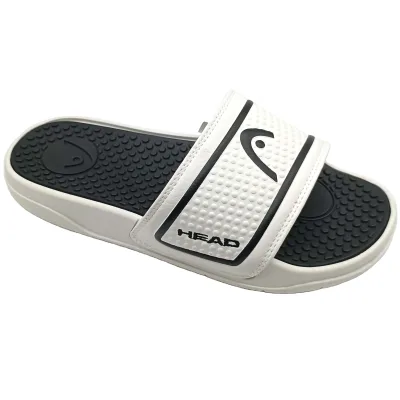
Non Slip Beach Slides Custom Logo Bedroom Slippers Slide Slippers for Women
$2.7395 - $3.1063
MOQ: 2 pairs






Comprehensive Sourcing Guide
Waterproof Non Slip PVC Slides Sourcing Guide
Procuring waterproof non-slip PVC slides requires a disciplined approach to material verification and functional testing, ensuring that the footwear meets both safety and durability standards for diverse environments. Buyers must prioritize suppliers who explicitly confirm the use of polyvinyl chloride compounds that resist water absorption while maintaining structural integrity under repeated stress. The inherent properties of PVC allow for versatile molding, enabling manufacturers to integrate anti-slip patterns directly into the outsole design without compromising the shoe's overall flexibility or comfort.
Sourcing decisions should be guided by observed listing signals that highlight customization capabilities and specific design features such as open-toe styles or air cushion insoles. These attributes indicate a supplier’s ability to adapt products for unisex markets or specific seasonal demands, ranging from spring to winter usage. By focusing on these tangible product characteristics, buyers can filter out generic offerings and identify partners capable of delivering specialized footwear solutions that align with their brand’s unique identity and functional requirements.
Product Scope and Observed Listing Signals
The current market landscape for PVC slides reveals a wide range of product variations, with observed price points spanning from low-cost entry-level items to premium options featuring advanced cushioning technologies. Listings frequently highlight customization options, including customized logos and OEM/ODM acceptance, which are critical for brands seeking to establish distinct market identities. The presence of hand-made attributes in some listings suggests a niche segment focused on artisanal quality, while others emphasize mass production capabilities with high supply abilities, such as ten thousand pairs per month, to meet large-scale retail demands.
Observed minimum order quantities vary significantly, ranging from single pairs for sampling purposes to two pairs for initial bulk orders, indicating flexible engagement models for buyers. Product names often include specific model numbers like NR-828 or NR-57, alongside descriptive terms such as "air cushion" or "slide custom logo," which help in precise identification. These signals allow procurement teams to quickly assess whether a supplier’s inventory aligns with their specific size requirements, color preferences, and branding needs, facilitating a more efficient initial screening process.
Technical Specifications to Verify
Verifying technical specifications is paramount to ensuring that the purchased slides meet functional expectations, particularly regarding size ranges and material composition. Buyers should confirm that the EU size range typically spans from thirty-six to forty-eight, accommodating a broad demographic of users. The insole and outsole materials are frequently listed as PVC, which provides durability and water resistance, while some variants may feature EVA linings for enhanced comfort. It is essential to verify these material claims against physical samples to ensure consistency and to check for specific design elements like flat heels or open-toe structures that define the product’s style.
Additional technical details such as single package dimensions and gross weight provide critical data for logistics planning and cost estimation. For instance, a single package size of thirty by twenty-two by six centimeters and a gross weight of zero point six kilograms offer baseline metrics for calculating shipping volumes and freight costs. Buyers must also verify the packaging details, which may include individual OPP bags, plastic loops, or specific carton configurations, as these affect both product protection and retail presentation. Confirming these specifications ensures that the final product aligns with operational requirements and customer expectations.
Compliance and Safety Documentation
Compliance with safety standards is a non-negotiable aspect of sourcing footwear, particularly for products intended for indoor and outdoor use. Buyers must request documentation that verifies adherence to relevant chemical and physical safety regulations, such as EN71, which governs the safety of toys and certain consumer goods, though its direct applicability to footwear may vary by region. It is crucial to ensure that the PVC materials used do not contain harmful phthalates or heavy metals, and that the anti-slip patterns provide adequate traction to prevent accidents. Suppliers should be able to provide test reports or certificates that confirm these safety parameters are met.
Furthermore, buyers should inquire about the origin of the products, with many listings indicating China as the place of origin, and verify that the manufacturing processes comply with international labor and environmental standards. The port of dispatch, such as Fuzhou, may also influence logistics timelines and costs, so understanding the supply chain geography is important. Ensuring that all compliance documentation is up-to-date and verifiable helps mitigate legal risks and protects the brand’s reputation for selling safe, high-quality products to consumers.
Cost Drivers and Commercial Terms
Understanding the cost drivers behind PVC slides is essential for effective budgeting and negotiation. Factors such as customization requirements, logo printing, and specific packaging choices can significantly impact the final unit price. Buyers should also consider the supply ability of the supplier, as higher production capacities may offer economies of scale, potentially reducing per-unit costs for larger orders. The observed price range of one point seven to two hundred ninety thousand USD suggests a wide variance based on order volume, material quality, and additional services, necessitating careful evaluation of quotes.
Commercial terms, including payment methods, lead times, and return policies, play a crucial role in the overall procurement strategy. Buyers should negotiate clear terms regarding sample costs, which are often refundable upon bulk ordering, and establish realistic timelines for production and delivery. The feature of low price and low MOQ highlighted in some listings may appeal to smaller buyers, but it is important to balance cost savings with quality assurance. Transparent communication about these commercial terms helps prevent misunderstandings and ensures a smooth transaction process from order placement to final delivery.
Supplier Qualification and Quality Control
Supplier qualification involves a thorough assessment of the manufacturer’s capabilities, including their production facilities, quality control processes, and past performance. Buyers should verify the supplier’s ability to handle OEM/ODM requests and their experience in producing customized footwear with specific features like air cushion insoles or anti-slip patterns. Requesting references or case studies from previous clients can provide insights into the supplier’s reliability and consistency. Additionally, conducting factory audits or third-party inspections can help ensure that the manufacturing environment meets international standards for quality and safety.
Quality control measures should be integrated into the procurement process, starting with pre-production samples and continuing through random inspections during production. Buyers must define clear acceptance criteria for defects, such as stitching errors, material inconsistencies, or packaging issues, and communicate these standards to the supplier. Establishing a robust quality control protocol helps minimize the risk of receiving substandard products and ensures that the final shipment meets the buyer’s expectations. Regular communication and feedback loops with the supplier can further enhance product quality and foster a collaborative partnership.
Long-Term Procurement Checks
Long-term procurement success depends on continuous monitoring of supplier performance and market trends. Buyers should regularly review key performance indicators such as on-time delivery rates, product defect rates, and responsiveness to issues. Maintaining open lines of communication with suppliers allows for timely resolution of problems and fosters a relationship built on trust and mutual benefit. Additionally, staying informed about changes in material costs, regulatory requirements, and consumer preferences helps buyers adapt their sourcing strategies to remain competitive in the market.
It is also important to diversify the supplier base to mitigate risks associated with single-source dependencies. Evaluating alternative suppliers periodically ensures that the buyer has access to competitive pricing and innovative product offerings. Implementing a structured review process for existing suppliers, including annual performance assessments, helps identify areas for improvement and reinforces high standards. By proactively managing these long-term checks, buyers can sustain a resilient and efficient supply chain that supports their business growth and customer satisfaction goals.
FAQs
Can I order Waterproof Non Slip PVC Slides with a customized logo?
Yes, you can order these slides with a customized logo as the product supports logo customization. The supplier accepts OEM requests and offers various packaging options including polybags and cartons for bulk orders.
What is the minimum order quantity for these PVC slides?
The minimum order quantity varies by specific model, with some listings requiring just one pair while others require two pairs. This flexibility allows buyers to test the market with small initial orders before committing to larger volumes.
Which sizes are available for the Waterproof Non Slip PVC Slides?
The available sizes range from EU 36 to EU 48, covering a wide spectrum of foot sizes for both men and women. Specific models may list sizes like 36 through 41, ensuring a good fit for most adult customers.
How are the slides packaged for shipping and delivery?
Each pair is typically packed in an individual OPP bag, with options for plastic loops to tie two pieces together. Bulk cartons can hold 15, 24, or 36 pairs depending on the packing configuration chosen by the buyer.
What material is used for the insole and outsole of these slides?
The insole and outsole are both made from PVC material, providing durability and water resistance. Some specific models also feature an EVA lining and an air cushion for enhanced comfort and shock absorption during wear.
Can I find manufacturers who offer low price and low MOQ options?
Yes, certain listings explicitly advertise low price and low MOQ features to attract buyers. These options allow for flexible sourcing strategies while maintaining cost efficiency for small to medium-sized business orders.
Where are these Waterproof Non Slip PVC Slides manufactured and shipped from?
The products originate from China, with dispatch ports located in Fuzhou. This location supports efficient logistics for international buyers seeking reliable supply chains for seasonal footwear items.