Source Waterproof Non-Slip Car Floor Mat for SUVs, Sedans, and Trucks
Compare 30 listings for waterproof non-slip car floor mat options featuring PU, rubber, and TPE materials. Buyers can evaluate customization, thickness, and anti-slip backing for various vehicle models.
Key considerations
Products List


Leather 2 Layer Automotive Floor Mat Car Waterproof and Non-Slip Car Mat
$23.75 - $25.42
MOQ: 100 Pieces


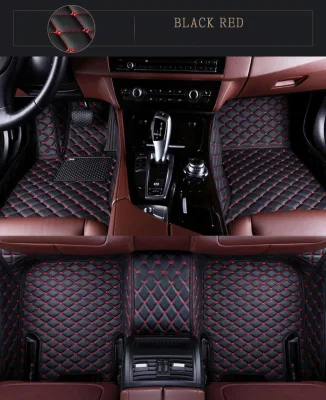


Custom Car Mats 2024 TPE Car Floor Mat Luxury Waterproof Non Slip Car Carpet
$0.50 - $2.00
MOQ: 1000 Meters


Comprehensive Sourcing Guide
Waterproof Non-Slip Car Floor Mat Sourcing Guide
Sourcing high-quality waterproof non-slip car floor mats requires a strategic approach that balances material durability, precise fitment, and commercial viability. These accessories are critical for protecting vehicle interiors from moisture, dirt, and wear, making them a staple in the automotive aftermarket. Buyers must navigate a landscape where product attributes vary significantly between suppliers, ranging from machine-woven mats to molded TPE and latex options. Understanding the specific technical signals and material compositions listed in supplier catalogs is essential to avoid mismatches between procurement expectations and actual product performance.
This guide provides evidence-based procurement advice for sourcing these items, focusing on verified attributes such as material composition, customization options, and packaging standards. By adhering to the observed listing signals and technical specifications, buyers can make informed decisions that align with their target market’s needs. The following sections detail the critical verification steps, compliance considerations, and commercial terms necessary to secure a reliable supply chain for waterproof non-slip car floor mats.
Product Scope and Observed Listing Signals
The current market for car floor mats exhibits a diverse range of product types, primarily categorized by their construction method and material composition. Observed listings indicate the presence of machine-woven mats, machine-molded mats, and specialized three-dimensional designs. Materials range from polyurethane (PU) and rubber to environmental latex and leather variants. Buyers should note that while some products are labeled as "Special Type" or "Universal Type," others are designed for specific client-provided car models. This variation necessitates careful review of the product model codes, such as "SG CAR MAT" or "SG02-A," to ensure the selected item aligns with the intended vehicle application or universal fitment requirements.
Customization is a prevalent feature in this category, offering significant flexibility for brand differentiation. Suppliers frequently accept custom logos and offer customizable colors, including options like black, brown, or optional color schemes. The design aspect often includes "3D All Full" coverage, which suggests enhanced protection for the vehicle’s footwell area. Additionally, functional attributes such as anti-slip backing, waterproofing, and stain resistance are commonly highlighted. Buyers should verify these claims against the specific product description, as some items may emphasize easy cleaning or durability over other features, depending on the material used.
Technical Specifications to Verify
Thickness and dimensional accuracy are critical technical parameters that influence both the fit and the perceived quality of the floor mats. Observed specifications indicate a thickness of 6mm for certain models, while others offer custom thickness options. It is essential to verify the standard dimensions provided by the supplier, such as the 807535 cm specification noted in some listings, against the actual requirements of the target vehicle models. For universal mats, the ability to trim or adjust the fit is often necessary, whereas custom-fit mats require precise alignment with the vehicle’s floor contours. Buyers should request detailed dimension charts to ensure compatibility and avoid returns due to fitment issues.
The construction technique and packaging method also play a vital role in product integrity and logistics efficiency. Machine molding and machine weaving are distinct production methods that affect the mat’s texture and durability. Packaging varies from carton boxes to waterproof canvas bags, with some suppliers offering woven bag and carton combinations. The number of mats per set, typically three pieces for standard configurations, should be confirmed to ensure completeness. Additionally, the origin of the product, often listed as China or Hebei-China, may impact shipping costs and lead times, which buyers should factor into their overall procurement strategy.
Compliance and Safety Documentation
While specific certification statuses for individual products may not be explicitly detailed in all listings, management certifications such as ISO and ISO/TS are frequently mentioned as indicators of supplier quality systems. Buyers should verify the validity of these certifications, particularly ISO/TS, which is relevant for automotive-related products. Although ISO9001 and REACH are noted in background information, their direct applicability to every product batch should be confirmed with the supplier. Ensuring that the materials used, such as environmental latex or rubber, comply with relevant safety and environmental standards is crucial for market acceptance, especially in regions with strict chemical regulations.
Documentation regarding material safety and product performance should be requested to mitigate risk. Buyers should inquire about test results for waterproofing, anti-slip properties, and durability, although specific test data is not provided in the observed listings. It is advisable to ask for material safety data sheets (MSDS) for any latex or rubber components to ensure they meet international safety standards. Additionally, verifying that the product does not emit harmful volatile organic compounds (VOCs) is important for maintaining a healthy vehicle interior environment. Clear communication with the supplier regarding these compliance aspects can prevent potential regulatory issues in the destination market.
Cost Drivers and Commercial Terms
Pricing for waterproof non-slip car floor mats varies based on material quality, customization level, and order volume. Observed price ranges span from $0.5 to $57 USD, reflecting the diversity from basic universal mats to premium custom-fit options. The minimum order quantity (MOQ) typically ranges from 1 to 1000 sets, with some suppliers specifying an MOQ of 50 sets. Buyers should consider the trade-off between lower unit prices for larger orders and the flexibility of smaller MOQs for testing new designs. Competitive pricing is often highlighted, but it is essential to clarify whether this includes customization costs, such as logo printing or specific color matching.
Commercial terms regarding samples and shipping are also significant factors in the procurement process. Suppliers may offer free samples with freight collect, allowing buyers to evaluate product quality before committing to a large order. Sample times are often cited as three days, which can expedite the decision-making process. Packaging costs and methods, such as carton or waterproof canvas bag packing, should be included in the total landed cost calculation. Buyers should negotiate clear terms for payment, shipping, and returns to ensure a smooth transaction and minimize financial risk.
Supplier Qualification and Quality Control
Evaluating supplier qualifications involves assessing their production capabilities and quality control processes. Suppliers offering OEM services and customized designs demonstrate flexibility and responsiveness to buyer needs. It is important to verify the supplier’s ability to handle client-provided car models and produce accurate fitments. Quality control measures should include inspections for material consistency, stitching integrity (for woven mats), and molding precision. Buyers should request photos or videos of the production process to gain insight into the manufacturing standards and ensure that the products meet their quality expectations.
Communication and responsiveness are key indicators of a reliable supplier. Suppliers who provide detailed product information, including specifications, customization options, and packaging details, are more likely to be professional and organized. Buyers should assess the supplier’s willingness to provide samples and answer technical questions promptly. Establishing a clear line of communication for after-sales support is also crucial, especially for addressing any issues related to product defects or fitment problems. Building a relationship with a supplier who values quality and customer satisfaction can lead to long-term benefits and consistent product supply.
Long-Term Procurement Checks
Sustaining a successful procurement strategy for car floor mats requires ongoing monitoring of product performance and market trends. Buyers should regularly review customer feedback to identify any recurring issues related to durability, fitment, or material quality. This feedback can inform future purchasing decisions and help in selecting suppliers who consistently deliver high-quality products. Additionally, staying informed about changes in automotive design and interior trends can help buyers anticipate demand for specific mat styles or materials, such as 3D all-full coverage or eco-friendly latex options.
Continuous evaluation of supplier performance is essential for maintaining a robust supply chain. Buyers should track key performance indicators such as on-time delivery, product defect rates, and responsiveness to issues. Regular audits or quality checks of incoming shipments can help ensure that the products meet the agreed-upon standards. Building a diversified supplier base can mitigate risks associated with single-source dependencies. By maintaining a proactive approach to supplier management and market analysis, buyers can secure a competitive advantage and ensure customer satisfaction in the long term.
FAQs
What materials are used for these car floor mats?
The mats are constructed from PU, rubber, and environmental latex materials. These options provide durability and waterproof performance suitable for various vehicle interiors while ensuring easy cleaning and stain resistance.
Can I request a custom logo on the mats?
Yes, custom logo acceptance is available for these products. Buyers can request personalized designs and branding directly, allowing for tailored solutions that meet specific corporate or personal aesthetic requirements.
What is the minimum order quantity for these mats?
The minimum order quantity is 50 sets for most configurations. Some listings indicate a range from 1 to 1000 units, but the standard baseline for ordering begins at 50 sets per transaction.
How are the mats packaged for shipping?
Packaging options include carton boxes, waterproof canvas bags, or woven bags combined with cartons. This ensures the products remain protected during transit while maintaining their shape and quality upon arrival.
Are these mats suitable for multiple vehicle models?
Yes, the mats are designed to be suitable for multiple vehicle models or client-provided specifications. Buyers can provide their car model details to ensure a precise fit for their specific vehicle.
What is the sample time for these products?
The sample time is typically 3 days with free samples available. However, freight charges for the sample shipment are collected from the buyer, ensuring a quick turnaround for quality verification.
Do these mats feature anti-slip backing?
Yes, the mats feature anti-slip backing to ensure stability inside the vehicle. This design element, combined with waterproof and durable materials, prevents shifting and protects the car floor effectively.