Source Waterproof Non-Slip Horse Stall Mats for Gym Home School
Compare 30 listings for waterproof non-slip horse stall mats suitable for gyms, homes, and schools. Buyers can review specifications like thickness, density, and certifications including ISO and CE to find the right rubber flooring solution.
Key considerations
Products List

Non Slip Anti Wear Rubber Flooring Rubber Cow Mat Horse Stall Mats
$15.00 - $30.00
MOQ: 200 Square Meters


Durable Cow Mattress Rubber Mat for Horse Stable Stall Rubber Horse Cow Mat
$17.00
MOQ: 900 Square Meters


Anti Slip Black Stall Stable Agricultural Rubber Floor Horse Mat Cow Mat
$17.78 - $17.82
MOQ: 50 Pieces


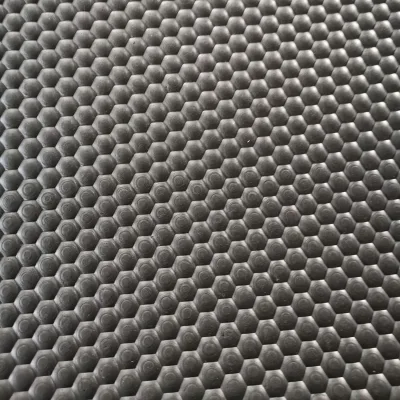
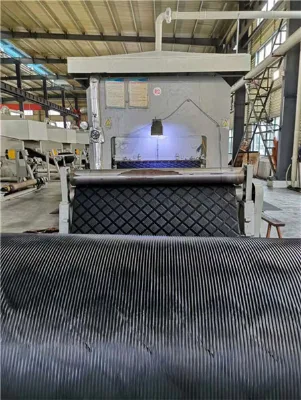


Horse Cow Stable Rubber Non Slip Stable Horse Mat for Sale Made in China
$53.00 - $65.00
MOQ: 200 Pieces


Interlocking Comfortable Anti Slip Rubber Floor Matting Horse Stall Cow Mat
$50.00 - $99.00
MOQ: 10 Rolls

Black Interlocking Antislip Horse Stall Mat Comfortable Cow Rubber Matting
$50.00 - $99.00
MOQ: 10 Rolls


Comprehensive Sourcing Guide
Strategic Sourcing Guide for Waterproof Non-Slip Horse Stall Mats
Understanding Product Specifications and Technical Attributes
When sourcing waterproof non-slip horse stall mats, buyers must first distinguish between general rubber flooring and specialized equine solutions. The available market data indicates a diverse range of product attributes that influence suitability for stable environments. The core product type is identified as Rubber Flooring or Indoor Gym Flooring, with specific applications extending to School, Home, Commercial Club, Playground, and Gym settings. While these applications overlap with horse stalls, the specific requirements for equine use demand rigorous verification of material composition and physical dimensions.
The physical specifications for these mats vary significantly across suppliers. Thickness is a critical parameter, with observed ranges spanning from 12mm to 50mm. Specific product models list thicknesses of 12mm, 17mm, 20mm, 25mm, and 17mm, while other entries suggest a broader range of 6mm to 25mm. For horse stalls, thickness directly correlates with cushioning and durability; thinner mats may not provide adequate shock absorption for equine joints, while thicker options offer superior protection. Standard dimensions often cited include 1830mm by 1220mm (approximately 6ft by 4ft), which aligns with common stall sizing. However, custom sizes are also available, with some products offering lengths up to 10 meters and widths ranging from 0.6m to 2.2m.
Material composition is another vital technical consideration. The raw materials identified include Synthetic Rubber and Pad, with some entries noting Iron as a material component, likely referring to reinforcement or specific industrial-grade slabs rather than the primary flooring surface. The density of the rubber is observed between 1.2 and 1.6, which impacts the weight and stability of the mats. Weight specifications for individual units range from 28kg to 42kg, with some models listed at 3.9kg to 25.7kg depending on the size and density. Buyers should verify that the specific density and weight of the mats they select match the load-bearing requirements of their facility.
Compliance, Certification, and Safety Standards
Ensuring that horse stall mats meet safety and quality standards is paramount for both animal welfare and facility management. The observed market data confirms that products often carry ISO and CE certifications. These certifications indicate that the manufacturer adheres to specific international quality management and safety standards, which is a positive indicator for procurement. However, buyers must not assume that every listed product automatically satisfies these certifications without requesting current documentation.
In addition to general certifications, specific product standards are noted, such as dimensions of 500mm by 500mm or 1000mm by 1000mm, and specific model standards like 12/17mm by 1.22m by 1.83m. For horse stalls, the standard size of 1.22m by 1.83m is particularly relevant as it fits standard stall configurations. The hardness of the rubber is specified as 65+/-5 Shore A, a measure of the material's resistance to indentation. This level of hardness is generally suitable for providing a firm yet resilient surface that prevents hoof injuries while offering enough give to reduce fatigue.
Buyers should also verify the functional attributes listed, such as Waterproof and Soundproof capabilities. These features are essential for maintaining a dry, clean environment in horse stalls, preventing the growth of bacteria and mold that thrive in damp conditions. The soundproofing aspect helps reduce noise levels, which can be beneficial for animal stress reduction. Furthermore, the products are described as having features like Corrosion-resistant, Wear-resistant, Heat-resistant, Cold-resistant, Insulating, and Impact-resistant properties. These characteristics ensure the mats can withstand the harsh conditions of a stable, including exposure to urine, manure, temperature fluctuations, and the heavy impact of horses moving or lying down.
Cost Drivers and Pricing Structures
The pricing for waterproof non-slip horse stall mats is influenced by several factors, including material quality, thickness, and order volume. The observed listed price range in the market is substantial, spanning from $0.51 to $100 per unit. This wide variance suggests that buyers will encounter products ranging from basic, thin rubber sheets to high-density, specialized equine mats. The minimum order quantity (MOQ) also plays a significant role in the total cost of procurement. While some suppliers may offer an MOQ as low as 1 unit, others require a minimum of 200 square meters. This discrepancy highlights the importance of clarifying the MOQ before engaging with a supplier to avoid unexpected financial commitments.
The total cost is not solely determined by the unit price but also by the shipping and logistics involved. The standard shipping port for these products is the Shenzhen Port, which is a major hub in China. Buyers must factor in the lead time for production and delivery, which is observed to range from 2-3 weeks to 10-30 days. Longer lead times may be associated with custom orders or larger production runs. Additionally, the packaging method, whether Regular Package, Pallet, or PE Film and Pallet, can affect shipping costs and the condition of the goods upon arrival.
Buyers should also consider the cost of samples. Some suppliers offer free samples, which can be a valuable tool for evaluating the quality of the rubber before committing to a large order. However, the cost of shipping samples and the time required for evaluation should be included in the overall procurement budget. The weight of the mats, ranging from 28kg to 42kg per unit, will also impact freight charges, as heavier shipments incur higher transportation costs.
Typical Applications and Functional Versatility
While the core keyword focuses on horse stall mats, the product data indicates a broader range of applications. These rubber mats are suitable for School, Home, Commercial Club, Playground, and Gym environments. This versatility suggests that the manufacturing process produces high-quality rubber flooring that can be adapted for various uses. For horse stalls specifically, the mats provide a non-slip surface that is crucial for equine safety. The waterproof and soundproof features make them ideal for creating a hygienic and comfortable environment for animals.
The industrial applications of these mats are also significant, with products labeled as Industrial Rubber Slab or Industrial Flooring. This indicates that the mats can withstand heavy traffic and demanding conditions, making them suitable for high-traffic areas in stables or agricultural facilities. The wear-resistant and impact-resistant properties ensure that the mats maintain their integrity over time, even under the constant pressure and movement of horses.
In addition to stables, these mats can be used in gym settings, where shock absorption and durability are essential. The thickness and density of the mats provide the necessary cushioning for athletic activities, while the waterproof nature ensures easy cleaning and maintenance. The ability to customize the size and thickness allows buyers to tailor the product to specific needs, whether for a small home stable or a large commercial facility.
Supplier Evaluation and Selection Criteria
Selecting the right supplier is a critical step in the procurement process. Buyers should evaluate suppliers based on their ability to provide certified products, adhere to specified lead times, and offer flexible customization options. The observed data shows that customization is available, which is a significant advantage for buyers with unique requirements. However, buyers must verify the extent of customization, including the ability to adjust thickness, size, and color. While the observed color is primarily Black or Black Rubber Sheet, customization may allow for other color options.
The origin of the products is consistently listed as China, with the shipping port being Shenzhen. Buyers should be aware of the logistics involved in importing from this region and ensure that the supplier has a reliable track record for timely delivery. The lead time of 10-30 days or 2-3 weeks should be confirmed with the supplier to align with project timelines. Additionally, the MOQ of 200 square meters for some suppliers may be a barrier for smaller buyers, so it is essential to identify suppliers with lower MOQs if the order volume is limited.
Buyers should also assess the supplier's quality control processes. The presence of ISO and CE certifications is a good starting point, but direct communication with the supplier to request test results and quality assurance documentation is necessary. The ability to provide free samples is another positive indicator, as it allows buyers to physically inspect the product before making a bulk purchase.
Quality Control and Long-Term Procurement Considerations
Quality control is essential to ensure that the horse stall mats meet the required standards for durability and safety. Buyers should verify the tensile strength of the rubber, which is observed to range from 3MPa to 25MPa. This property indicates the material's ability to resist breaking under tension, which is crucial for mats that must withstand the weight and movement of horses. The hardness of 65+/-5 Shore A should also be confirmed to ensure the mats provide the right balance of firmness and cushioning.
Long-term procurement considerations include the maintenance requirements and the lifespan of the mats. The waterproof and wear-resistant features suggest that the mats are designed for long-term use with minimal maintenance. However, buyers should establish a routine cleaning schedule to prevent the buildup of debris and bacteria. The ability to customize the mats allows for future replacements or expansions without the need to source entirely new products.
Buyers should also consider the environmental impact of the mats. The use of synthetic rubber and pad materials should be evaluated for sustainability and recyclability. While the data does not explicitly mention eco-friendly certifications, buyers can inquire about the environmental practices of the supplier. Finally, the cost of ownership, including initial purchase price, shipping, and maintenance, should be calculated to determine the most cost-effective solution for the specific needs of the facility.
Final Procurement Recommendations
In conclusion, sourcing waterproof non-slip horse stall mats requires a comprehensive understanding of product specifications, compliance standards, and supplier capabilities. Buyers must carefully evaluate the thickness, dimensions, and material composition to ensure the mats meet the specific needs of their equine facilities. The wide range of prices and MOQs observed in the market necessitates thorough research and negotiation to secure the best value. By prioritizing suppliers with ISO and CE certifications, flexible customization options, and reliable lead times, buyers can ensure a successful procurement process.
The following table summarizes the key technical specifications and attributes observed in the market data to assist buyers in their evaluation:
| Attribute | Observed Range/Value | Relevance to Horse Stalls |
|---|---|---|
| Thickness | 6mm - 50mm (Common: 12mm, 17mm, 25mm) | Determines cushioning and durability. |
| Dimensions | 1.22m x 1.83m (Standard); Custom sizes available | Fits standard stall sizes; custom for unique layouts. |
| Material | Synthetic Rubber, Pad | Provides resilience and shock absorption. |
| Hardness | 65+/-5 Shore A | Ensures firm yet comfortable surface for hooves. |
| Certifications | ISO, CE | Indicates adherence to quality and safety standards. |
| Features | Waterproof, Soundproof, Wear-resistant, Impact-resistant | Critical for hygiene, noise reduction, and longevity. |
| MOQ | 1 - 3000 (Common: 200sqm) | Affects minimum order volume and cost. |
| Lead Time | 2-3 Weeks to 10-30 Days | Impacts project scheduling and inventory planning. |
By adhering to these guidelines and verifying all claims with the supplier, buyers can make informed decisions that ensure the safety and comfort of their horses while optimizing their procurement strategy.
FAQs
What certifications do waterproof non-slip horse stall mats have?
These mats typically carry ISO and CE certifications to ensure quality and safety standards. Buyers should verify current documentation as not every listed product automatically satisfies these certifications without direct confirmation from the supplier.
How thick should horse stall rubber mats be for optimal cushioning?
Thickness ranges from 12mm to 50mm, with specific models offering 12mm, 17mm, 20mm, or 25mm options. Thicker mats provide superior shock absorption for equine joints, while thinner options may be suitable for lighter traffic areas.
Can I customize the size and thickness of rubber stall mats?
Customization is available for size and thickness to meet specific facility requirements. Buyers can request dimensions like 1.22m by 1.83m or custom lengths up to 10 meters, though minimum order quantities may apply.
What is the typical delivery time for ordering rubber flooring mats?
Delivery times generally range from 2 to 3 weeks or 10 to 30 days depending on order volume. Custom orders or larger production runs may require the longer end of this timeframe to ensure quality production.
Which features make these mats suitable for industrial and stable use?
The mats are waterproof, soundproof, wear-resistant, and impact-resistant to withstand harsh stable conditions. They also offer corrosion, heat, and cold resistance, ensuring durability against urine, manure, and temperature fluctuations.
What is the minimum order quantity for purchasing these rubber mats?
Minimum order quantities vary, with some suppliers requiring 200 square meters while others accept orders as low as 1 unit. Buyers must clarify the specific MOQ with each supplier to avoid unexpected financial commitments.