Source Waterproof Nylon Insulated Cooler Bag for Picnics, Commutes, and Events
Explore 30 verified options for the Waterproof Nylon Insulated Cooler Bag, comparing features like neoprene lining, multiple compartments, and custom printing. Buyers can evaluate MOQs, lead times, and insulation performance to find the ideal lunch or travel solution; compare the available evidence and request quotations based on your requirements.
Updated
Key considerations
Products List


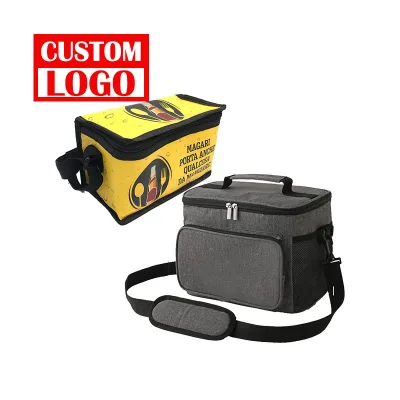
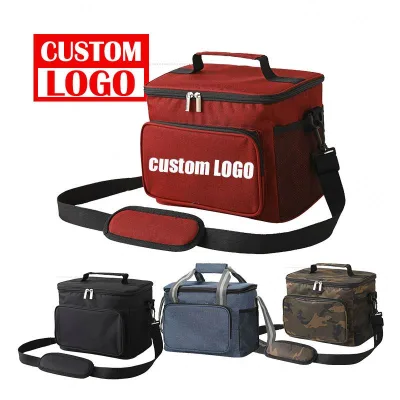
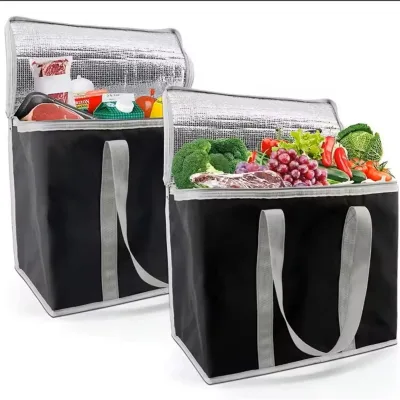


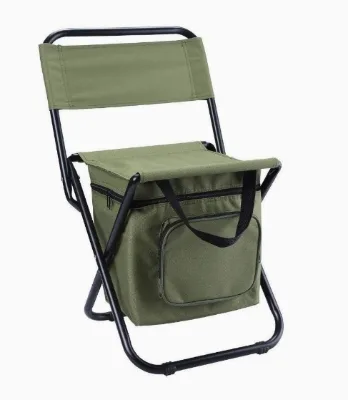
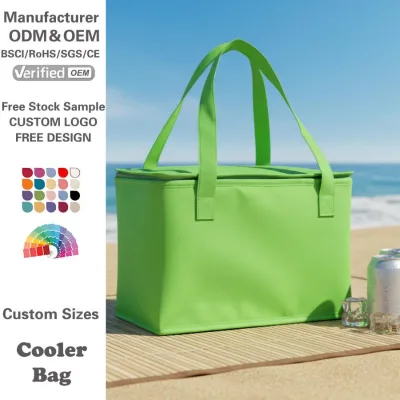
Promotional Waterproof Reusable Insulated Cooler Bags Picnic Ice Cooler Bag
$24.00 - $25.00
MOQ: 300 Pieces

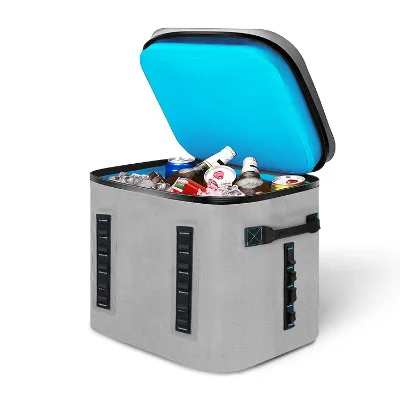




Comprehensive Sourcing Guide
Waterproof Nylon Insulated Cooler Bag Sourcing Guide
Procuring waterproof nylon insulated cooler bags requires a nuanced understanding of material performance and supply chain reliability. While the core keyword emphasizes nylon, observed market data indicates a significant prevalence of neoprene and polyester constructions in current listings. Buyers must carefully distinguish between the requested nylon specification and the actual materials offered by suppliers, as many vendors substitute neoprene for its superior elasticity and insulation properties. This discrepancy necessitates rigorous specification verification during the initial inquiry phase to ensure the final product aligns with your brand’s durability and aesthetic requirements.
The sourcing landscape for these items is characterized by high customization potential and flexible manufacturing models. Most suppliers accept OEM orders, allowing for tailored logo printing, color customization, and specific compartment layouts. However, this flexibility comes with varying minimum order quantities and lead times that can impact inventory planning. Understanding the balance between customization depth and production efficiency is critical for maintaining cost-effectiveness while meeting specific branding goals. Buyers should prioritize suppliers who demonstrate clear communication regarding material substitutions and customization limits to avoid unexpected delays or quality inconsistencies.
Product Scope and Observed Listing Signals
The current market for insulated cooler bags exhibits a wide range of product attributes, with observed prices spanning from $0.04 to $49 USD. This broad price spectrum reflects differences in material quality, insulation thickness, and branding complexity. Minimum order quantities typically range from 50 to 5,000 units, catering to both small boutique brands and large-scale corporate distributors. Buyers should note that while nylon is the target material, many listings feature neoprene or polyester exteriors with aluminum foil linings, which provide comparable waterproof and thermal insulation performance.
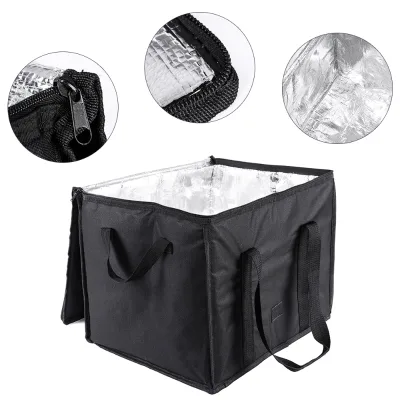
Key product features observed in listings include multiple compartments, top handles, and various closure types such as zippers and heat-sealing mechanisms. Colors are often customizable, with options ranging from standard black and silver to fully printed designs. The presence of rubber logos or full printing services indicates a strong emphasis on brand visibility. Additionally, many products are described as portable and waterproof, with soaking times exceeding six hours, suggesting robust sealing capabilities. These signals help buyers identify suppliers who can meet specific functional and aesthetic demands.
Technical Specifications to Verify
Verifying technical specifications is paramount when sourcing insulated bags, particularly when the desired material is nylon but alternatives like neoprene are common. Buyers must confirm the exact outer material composition, as neoprene offers different durability and flexibility profiles compared to nylon. The insulation layer, often aluminum foil or lining, is crucial for thermal retention. It is essential to verify the thickness and quality of this lining, as it directly impacts the bag’s ability to maintain temperature for extended periods. Suppliers should provide detailed material breakdowns to ensure compliance with performance expectations.
Closure mechanisms and structural integrity are other critical technical aspects. Zippers, heat-sealing, and specific closed-way designs affect the bag’s waterproof performance and ease of use. Buyers should inquire about the quality of zipper tapes and the effectiveness of heat-sealing processes to prevent leaks. Additionally, bearing capacity and gross weight specifications, such as capacities over 10 kg and weights between 1-1.5 kg, provide insights into the bag’s structural robustness. Confirming these details ensures the product can withstand intended use cases without compromising on functionality or durability.
Compliance and Safety Documentation
While specific certification standards were not explicitly detailed in the observed listings, buyers must proactively request relevant compliance documentation from suppliers. For food-contact applications, verifying that materials meet local safety regulations is essential. This includes ensuring that inks used for logo printing and full-color designs are non-toxic and safe for indirect food contact. Suppliers should be able to provide material safety data sheets (MSDS) or equivalent documentation to confirm the absence of harmful substances in the neoprene, nylon, or aluminum components.
Quality assurance processes should also be scrutinized to ensure consistent product safety and performance. Buyers should ask about the supplier’s internal testing protocols for waterproofing and insulation efficiency. Although specific test results were not provided in the initial data, reputable suppliers will have established procedures for validating these claims. Requesting sample testing reports or third-party audit results can provide additional assurance. This due diligence helps mitigate risks associated with product liability and ensures that the cooler bags meet all necessary health and safety standards for their intended market.
Cost Drivers and Commercial Terms
Several factors influence the final cost of insulated cooler bags, including material selection, customization complexity, and order volume. The use of neoprene versus nylon, along with the thickness of the insulation lining, significantly impacts unit pricing. Customization options such as full printing, rubber logos, and specific color matching add to the production cost. Buyers should negotiate based on clear specifications to avoid hidden fees. Understanding the relationship between MOQ and unit price is crucial for optimizing budget allocation, especially for large-volume orders.
Commercial terms also play a vital role in the procurement process. Typical payment terms observed include T/T (Telegraphic Transfer), often requiring a deposit before production begins. Lead times vary, with sample production taking approximately 7-10 days and bulk production ranging from 30 to 60 days after deposit receipt. Buyers must factor these timelines into their supply chain planning to avoid stockouts. Clear communication regarding payment schedules, shipping terms, and potential delays is essential for maintaining a smooth procurement cycle and managing cash flow effectively.
Supplier Qualification and Quality Control
Evaluating supplier qualifications is a critical step in ensuring reliable procurement of insulated cooler bags. Buyers should verify the supplier’s manufacturing capabilities, including their experience with neoprene, nylon, and polyester materials. Assessing their OEM acceptance and customization flexibility provides insight into their ability to meet specific brand requirements. Suppliers with a history of producing customized bags with multiple compartments and various closure types are likely to offer higher quality and more tailored solutions.
Quality control measures should be rigorously assessed to ensure consistent product standards. Buyers should inquire about the supplier’s inspection processes during production and before shipment. Although specific quality control protocols were not detailed, reputable suppliers typically implement checks for stitching integrity, zipper functionality, and waterproof sealing. Requesting pre-shipment samples and conducting random inspections can help identify potential defects early. Establishing a clear quality agreement with the supplier ensures that any deviations from specifications are addressed promptly, maintaining product integrity and customer satisfaction.
Long-Term Procurement Checks
Establishing long-term procurement relationships requires ongoing monitoring of supplier performance and product consistency. Buyers should regularly review supplier delivery times, quality metrics, and responsiveness to issues. Tracking the performance of different material options, such as neoprene versus nylon, helps in making informed decisions about future orders. Maintaining open communication channels with suppliers facilitates continuous improvement and adaptation to changing market demands or regulatory requirements.
Additionally, buyers should periodically reassess their sourcing strategy to ensure it aligns with evolving business needs. This includes evaluating the cost-effectiveness of current suppliers and exploring alternative options if necessary. Staying informed about industry trends and new material innovations can provide competitive advantages. By maintaining a proactive approach to supplier management and quality assurance, buyers can secure a reliable supply of high-quality insulated cooler bags that meet their brand’s standards and customer expectations over the long term.
FAQs
Can I customize the logo on the cooler bag?
Yes, customization is available for the logo. You can choose between a rubber logo or full printed options. The product supports OEM services, allowing you to tailor the design to your brand identity. This feature ensures that the final product aligns with your specific marketing needs and visual requirements.
What is the minimum order quantity for this bag?
The minimum order quantity is 10 pairs. This low MOQ allows for flexible purchasing, making it suitable for small businesses or initial trial orders. Buyers can start with a manageable volume before scaling up production, ensuring efficient inventory management and reduced financial risk for new product introductions.
How long does production take after deposit?
Production time is 45-60 days after receiving the deposit. This timeline ensures quality control and proper manufacturing processes. Buyers should plan their supply chain accordingly to avoid delays. The lead time includes material preparation, production, and initial quality checks before the goods are ready for shipment to the destination.
What material is used for the insulation?
The bag features an aluminum lining for effective insulation. This material helps maintain the temperature of contents for over six hours. The outside material is neoprene, providing durability and flexibility. The combination ensures that food and drinks remain fresh and cool, making it ideal for lunch or outdoor activities.
Is the cooler bag waterproof?
Yes, the cooler bag is waterproof. It is designed with a zipper closure to ensure a secure seal. The material and construction prevent water from entering, protecting the contents from moisture. This feature makes it suitable for various environments, including rainy conditions or wet surfaces, ensuring reliable performance.
What is the sample lead time?
The sample lead time is about 7-10 days. This period allows for the creation and delivery of a prototype for review. Buyers can assess the quality, design, and functionality before committing to a larger order. This quick turnaround helps in making informed decisions and adjusting specifications if necessary.