Source Portable Camera Lens Wrap for DSLR, Mirrorless, Instant
Find 22 Portable Camera Lens Wrap options for DSLR, mirrorless, and instant cameras. Compare neoprene and nylon materials, waterproof features, and custom logo capabilities from suppliers in Guangdong. These wraps offer shockproof protection and lightweight portability for outdoor photography needs.
Updated
Key considerations
Products List
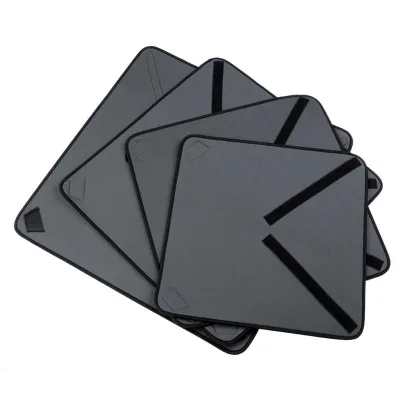
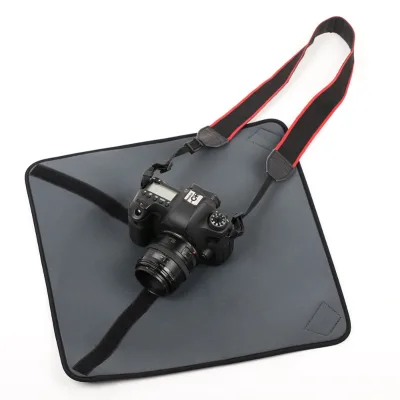
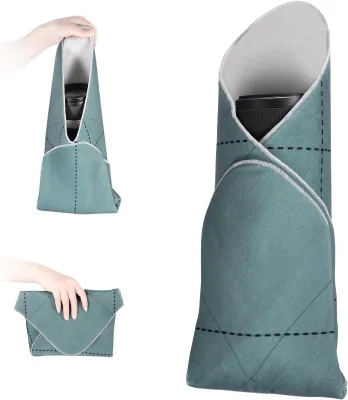
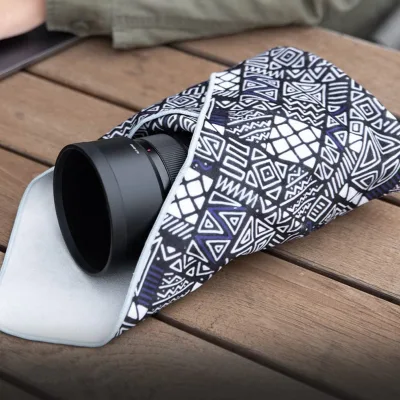
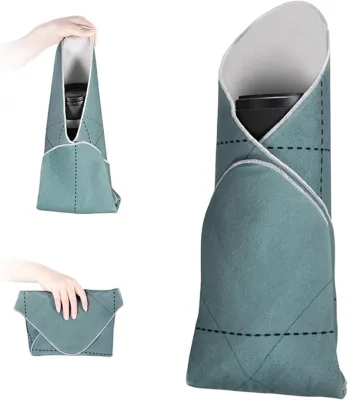
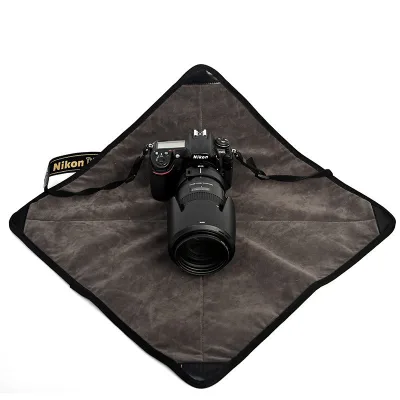
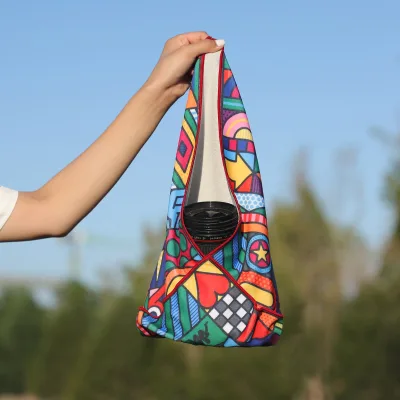
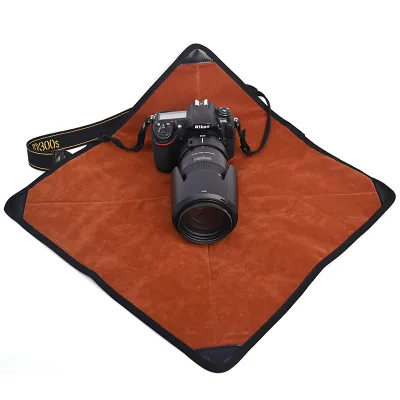
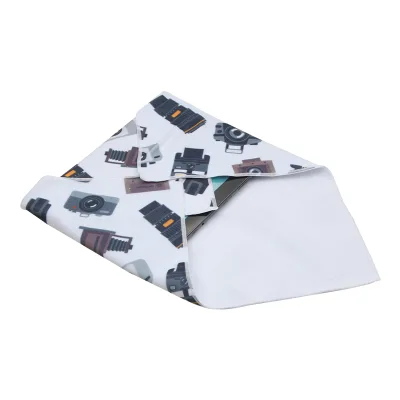
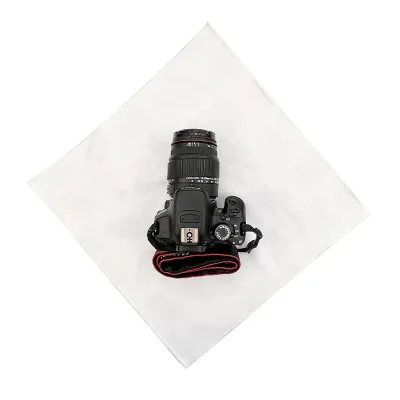
$0.6104 - $2.9965
MOQ: 500 Minimum

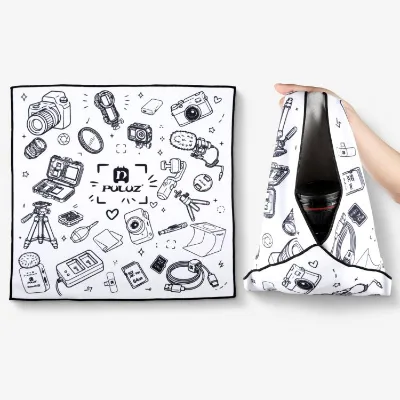
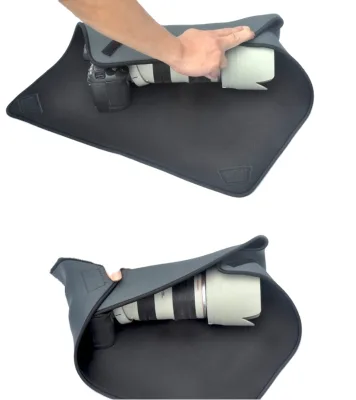
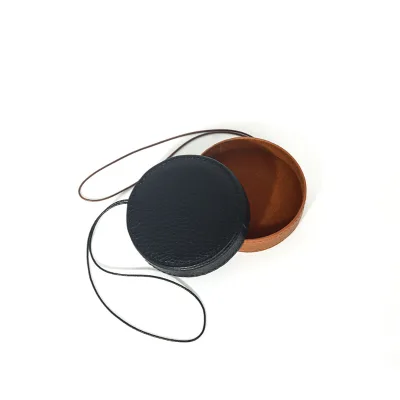
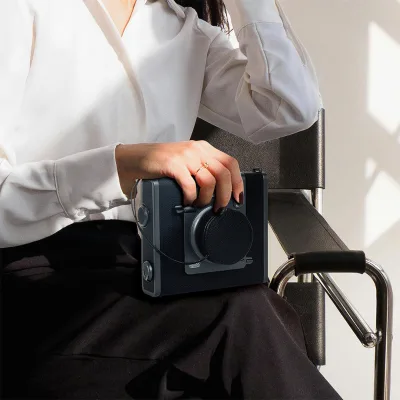
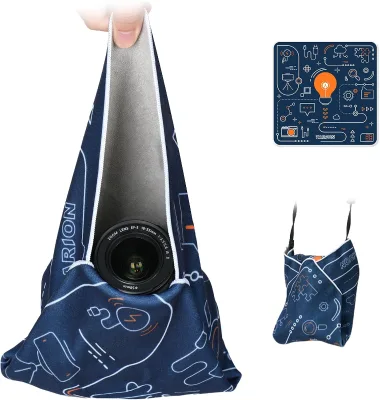

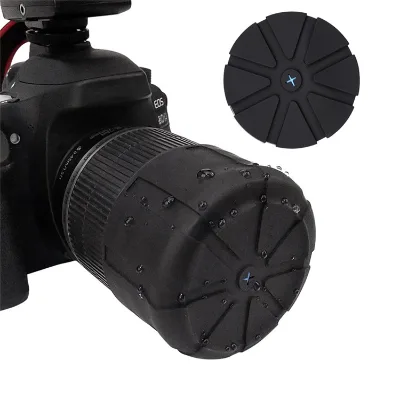


Comprehensive Sourcing Guide
Portable Camera Lens Wrap Sourcing Guide
Procuring protective wraps for camera lenses requires a nuanced understanding of material properties and manufacturing capabilities, particularly when sourcing from major production hubs like Guangdong, China. Buyers must distinguish between soft neoprene wraps designed for shock absorption and durable nylon options intended for lightweight portability. The market offers a variety of styles, ranging from simple and trendy designs to customized ethnic or summer-themed patterns, allowing brands to align product aesthetics with their specific marketing strategies. Understanding these material distinctions is the first step in defining a precise technical brief that suppliers can accurately quote and produce.
The sourcing landscape for these accessories is characterized by flexible minimum order quantities and extensive customization options, including private labeling and logo printing. Suppliers frequently welcome OEM and ODM requests, enabling buyers to tailor colors, sizes, and packaging to their brand identity. However, this flexibility requires careful verification of production capabilities to ensure that custom elements do not compromise the structural integrity or protective function of the wrap. Buyers should prioritize suppliers who demonstrate a clear understanding of the specific use cases, such as DSLR, mirrorless, or instant cameras, to ensure the final product meets the functional demands of professional and amateur photographers alike.
Product Scope and Observed Listing Signals
The current market for portable camera lens wraps exhibits a wide range of product specifications, with observed prices varying significantly based on material quality and customization depth. Listings indicate a price range that reflects the diversity of offerings, from basic protective sleeves to premium branded items. Minimum order quantities are generally accessible, often starting as low as three to five pieces, which facilitates low-risk sampling and initial inventory testing for new buyers. This low barrier to entry allows procurement teams to evaluate sample quality before committing to larger production runs, ensuring that the selected supplier can meet both aesthetic and functional requirements.
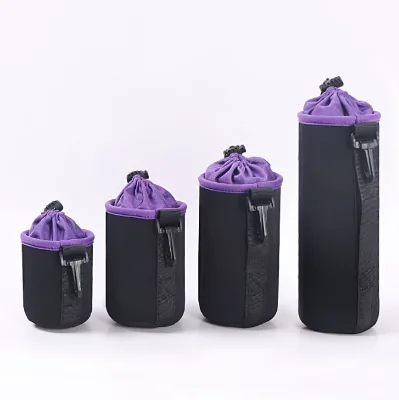
Product attributes observed in the market highlight a strong emphasis on protective features such as waterproofing, shockproofing, and durability. Materials commonly cited include neoprene and nylon, each offering distinct advantages in terms of weight, flexibility, and resistance to environmental elements. Some products are specifically designed for single lenses with capacities ranging from 35-200mm, while others are marketed as universal portable solutions. The packaging is typically simple, often consisting of a single item in an OPP bag, which keeps initial costs low but may require additional branding efforts for retail-ready distribution. Buyers should carefully review these specifications to ensure alignment with their target market's expectations for protection and portability.
Technical Specifications to Verify
When evaluating technical specifications, buyers must prioritize the material composition and its impact on the wrap’s protective performance. Neoprene wraps are often praised for their cushioning properties, providing excellent shock absorption for delicate lens elements, while nylon options offer superior durability and water resistance for outdoor photography. It is crucial to verify the exact thickness and density of the material, as these factors directly influence the level of protection and the overall weight of the product. Additionally, the internal lining, such as grey or soft fabric, should be inspected to ensure it does not scratch the lens surface during insertion or removal, a critical detail for maintaining optical quality.
Dimensional accuracy and capacity are equally important technical considerations that require strict verification. Suppliers should provide precise single package sizes and gross weights to facilitate accurate logistics planning and cost estimation. For instance, some listings specify dimensions like 20x10x4 cm or 24x16x3 cm, which must be cross-referenced with the actual lens dimensions to ensure a snug fit. Buyers should also confirm whether the wrap is designed for specific lens types, such as DSLR, mirrorless, or instant cameras, and whether it includes additional features like self-adhesive magic cloth or adjustable closures. Verifying these details prevents mismatches between the product and the intended camera equipment, reducing the risk of returns and customer dissatisfaction.
Compliance and Safety Documentation
While specific certification requirements for camera lens wraps may vary by destination market, buyers should proactively request documentation related to material safety and environmental compliance. Since these products often come into direct contact with expensive photographic equipment, it is essential to verify that the materials used, such as neoprene or nylon, are free from harmful substances like phthalates or heavy metals. Buyers should inquire about the supplier’s ability to provide test reports or compliance certificates that align with international standards, ensuring that the products are safe for consumers and meet regulatory requirements in key markets. This due diligence helps mitigate legal risks and enhances brand reputation by demonstrating a commitment to product safety.
Additionally, buyers should assess the supplier’s adherence to quality management systems and their willingness to accommodate third-party inspections. Although specific standards may not be explicitly listed in all product descriptions, reputable suppliers often operate under recognized quality frameworks that ensure consistent production standards. Buyers should request information on the supplier’s quality control processes, including how they handle defects and ensure consistency across batches. This proactive approach to compliance and quality assurance provides an additional layer of protection for the buyer, ensuring that the sourced products meet both functional expectations and regulatory obligations.
Cost Drivers and Commercial Terms
The cost of portable camera lens wraps is influenced by several key factors, including material selection, customization complexity, and order volume. Basic neoprene or nylon wraps with minimal customization tend to be more cost-effective, while products featuring private labeling, custom colors, or unique packaging designs incur higher production costs. Buyers should carefully evaluate the trade-off between customization and cost, ensuring that the added value of branding justifies the increased expense. Additionally, the minimum order quantity plays a significant role in pricing, with larger orders typically benefiting from economies of scale, allowing buyers to negotiate more favorable unit prices.
Commercial terms, such as payment methods, lead times, and shipping arrangements, also impact the overall procurement cost. Buyers should clarify these terms early in the negotiation process to avoid unexpected expenses or delays. Suppliers may offer flexible payment options, but buyers should ensure that the terms align with their cash flow requirements and risk management strategies. Furthermore, understanding the lead times for production and shipping is crucial for inventory planning, especially when dealing with customized products that may require additional processing time. By carefully managing these commercial terms, buyers can optimize their procurement strategy and achieve better cost efficiency.
Supplier Qualification and Quality Control
Selecting the right supplier for portable camera lens wraps requires a thorough evaluation of their manufacturing capabilities and quality control processes. Buyers should prioritize suppliers who demonstrate a strong track record in producing camera accessories and who offer comprehensive OEM and ODM services. It is essential to verify the supplier’s ability to handle custom orders, including logo printing, color matching, and packaging design, while maintaining consistent quality standards. Buyers should request samples to assess the craftsmanship, material quality, and overall finish of the product, ensuring that it meets their expectations for durability and aesthetic appeal.
Quality control measures should be a critical component of the supplier evaluation process. Buyers should inquire about the supplier’s internal quality assurance protocols, including how they inspect raw materials, monitor production processes, and conduct final product inspections. Suppliers who implement rigorous quality control measures are more likely to deliver products that meet the buyer’s specifications and reduce the risk of defects. Additionally, buyers should consider the supplier’s responsiveness and communication skills, as these factors are crucial for resolving any issues that may arise during the production or shipping process. By selecting a supplier with strong quality control practices, buyers can ensure a reliable and consistent supply of high-quality camera lens wraps.
Long-Term Procurement Checks
Establishing a long-term procurement strategy for portable camera lens wraps involves continuous monitoring of supplier performance and market trends. Buyers should regularly review supplier metrics, such as on-time delivery rates, product quality consistency, and responsiveness to issues, to ensure that the partnership remains beneficial. It is also important to stay informed about changes in material costs, manufacturing technologies, and consumer preferences, which may impact the sourcing strategy. By maintaining a proactive approach to supplier management, buyers can adapt to market changes and maintain a competitive edge in their product offerings.
Furthermore, buyers should consider the potential for product innovation and expansion in the camera accessory market. As technology evolves, new materials and designs may emerge that offer enhanced protection or functionality for camera lenses. Buyers should engage with their suppliers to explore opportunities for product development and customization, ensuring that their offerings remain relevant and appealing to customers. Additionally, buyers should assess the sustainability practices of their suppliers, as environmental considerations are increasingly important to consumers. By focusing on long-term relationships and continuous improvement, buyers can build a resilient and adaptable supply chain that supports their business growth.
FAQs
What materials are used for portable camera lens wraps?
Portable camera lens wraps are primarily crafted from neoprene or nylon materials. Neoprene options offer shockproof and waterproof protection for DSLR and mirrorless cameras. Nylon variants provide lightweight durability for outdoor photography. These materials ensure the lens case remains protective while maintaining a simple and trendy style for daily use.
Can I customize the logo and color of the wrap?
Yes, OEM and ODM services are warmly welcomed for these camera wraps. Buyers can customize the logo, color, size, and packaging to suit their brand needs. Options include black neoprene with grey interiors or multicolor nylon designs. Private label printing is accepted, allowing for tailored branding on the protective cloth for professional photography gear.
What is the minimum order quantity for these camera wraps?
The minimum order quantity varies by product specification, typically ranging from 3 to 5 pieces. Some listings accept orders as low as 3pcs, while others require 5pcs. This low MOQ allows buyers to test product quality and fit for specific camera lenses before committing to larger bulk orders for their inventory or resale needs.
Which camera types are compatible with these protective wraps?
These wraps are suitable for DSLR, SLR, mirrorless cameras, instant cameras, and action cameras. They also function as lens cases or filter cases. The capacity often supports 35-200mm lenses. This versatility makes them ideal for protecting digital photo camera lenses and mobile phone lenses from scratches, water, and shock during outdoor photography sessions.
Where are these portable camera lens wraps manufactured?
These products are manufactured in Guangdong, China. The region is known for producing durable and waterproof camera accessories. Buyers can source these items directly from factories offering OEM services. The location supports efficient logistics for global shipping, ensuring that lightweight and portable camera wraps reach international markets with reliable lead times and quality control.
What features do these camera wraps provide for protection?
The wraps provide durable, waterproof, and shockproof protection for camera lenses. They are designed with lightweight and portable features for easy carrying. The material shields against scratches and impacts during outdoor photography. Some models include self-adhesive magic cloth elements. This ensures the lens case remains secure and protective for valuable digital photo camera equipment.