Source Waterproof Windstopper Ski Jumpsuit for Skiing, Hiking, and Snowboarding
Find 30 verified options for a Waterproof Windstopper Ski Jumpsuit featuring breathable fabric, custom logos, and OEM services. Compare models like SL2609 and MS10417 with varying MOQs and lead times from Jiangxi and Fujian suppliers; compare the available evidence and request quotations based on your requirements.
Updated
Key considerations
Products List

Professional Waterproof Jumpsuit for Skiing and Snow Sports Kids Jumpsuit
$24.50 - $30.96
MOQ: 500 Pieces


Women Men One Piece Snow Suits Waterproof Windproof Snowsuit Insulated Ski Jumpsuit
$45.00 - $55.00
MOQ: 500 Pieces

Winter Warm Outdoor One Piece Ski Suits Jumpsuit Waterproof Windproof Snowsuits
$46.50 - $55.80
MOQ: 500 Pieces


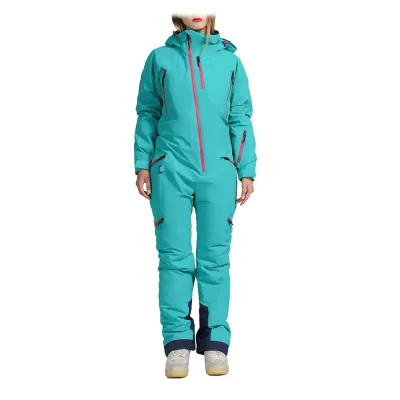
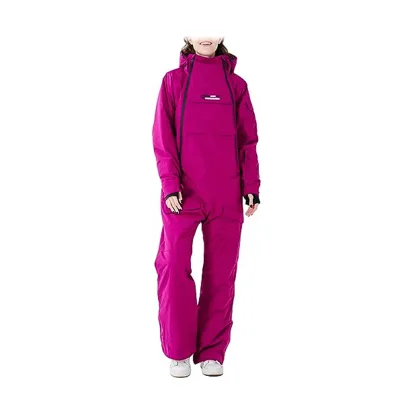
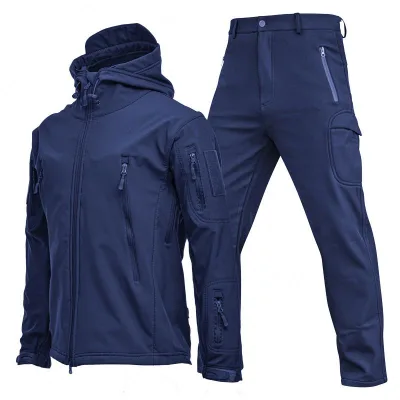
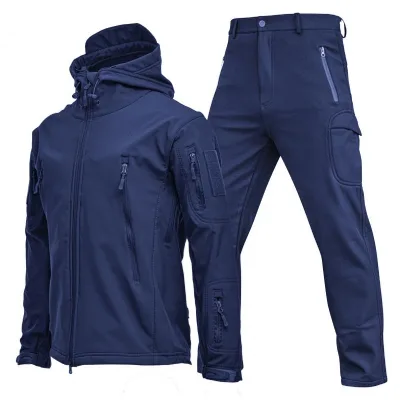
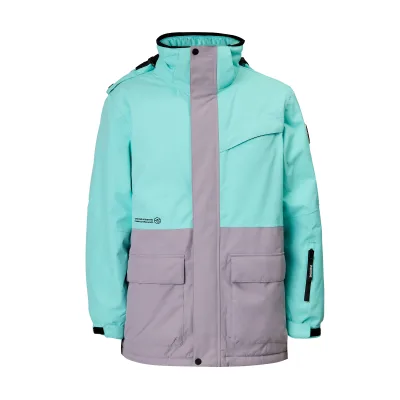
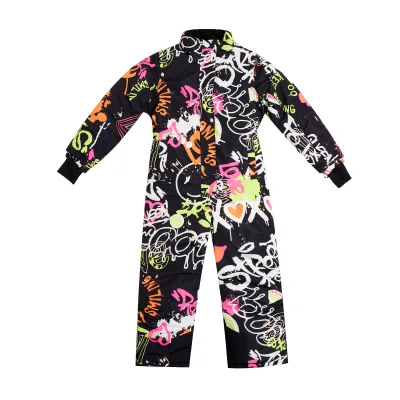
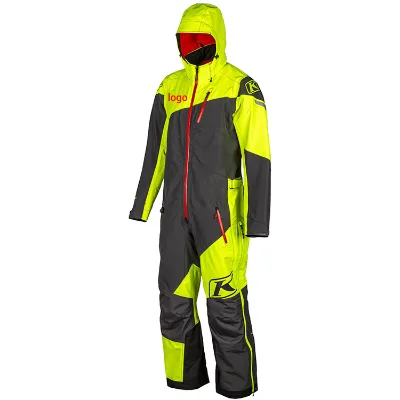
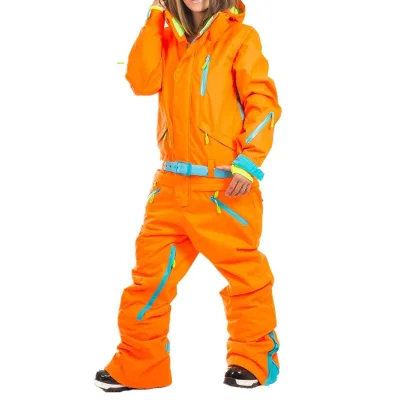
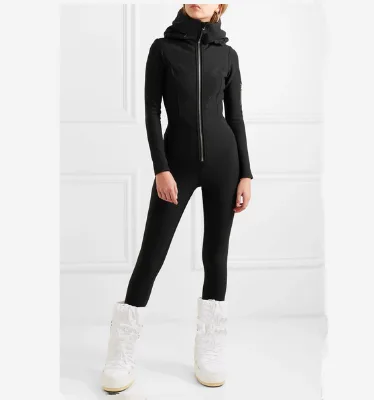
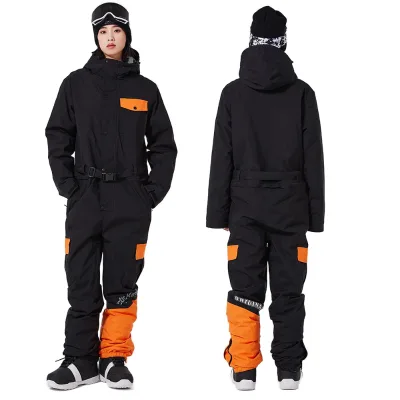
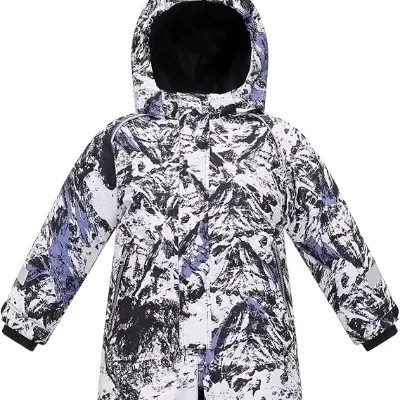
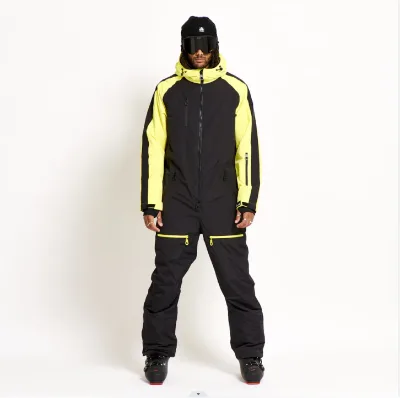
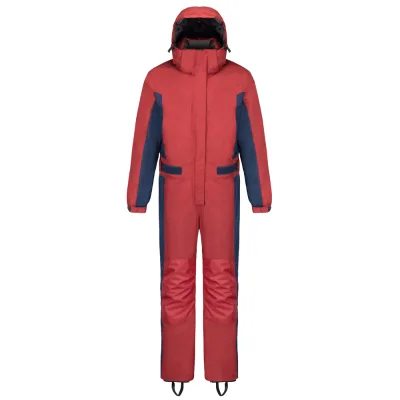
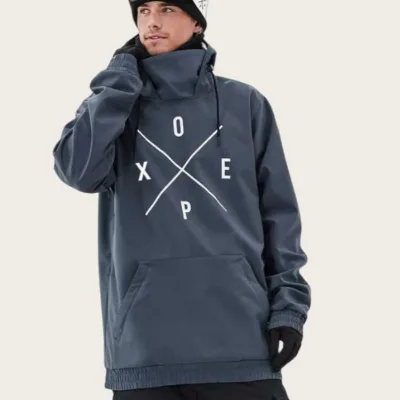

Heavy-Duty Outdoor Waterproof Ski Jumpsuit for Men and Women Winter Sports
$19.66 - $22.49
MOQ: 500 Pieces

Windproof Waterproof Extreme Sports with Detachable Hood Ski Jumpsuit Overall
$26.39 - $27.99
MOQ: 500 Pieces

High-Performance Windproof Skating Ski Jumpsuit for Winter Sports Gear Overall
$27.99 - $29.99
MOQ: 500 Pieces


Lightweight Windproof Warm Ripstop Winter Wear Detachable Hood Snow Ski Jumpsuit
$27.99 - $30.99
MOQ: 500 Pieces


Comprehensive Sourcing Guide
Waterproof Windstopper Ski Jumpsuit Sourcing Guide
Procuring a Waterproof Windstopper Ski Jumpsuit requires balancing high-performance material science with rigorous supply chain verification. Buyers must prioritize garments that offer comprehensive protection against alpine elements while maintaining mobility and thermal efficiency. The core challenge lies in distinguishing between marketing terminology and verified technical specifications, ensuring that the selected suit meets the specific environmental demands of the intended use case.
This guide outlines the critical evaluation steps for sourcing these specialized garments. It focuses on interpreting observed market signals, verifying technical attributes, and establishing robust commercial terms. By adhering to these evidence-based procurement strategies, buyers can mitigate risk and secure high-quality inventory that aligns with brand standards and customer expectations in the competitive outdoor apparel market.
Product Scope and Observed Listing Signals
Market listings for waterproof ski suits frequently highlight customization capabilities, with many suppliers offering logo application via heat transfer, printing, or embroidery. The observed product range includes unisex designs intended for adult users, emphasizing versatility across different body types and skill levels. Buyers should note that customization options often extend to labeling and packaging, allowing for brand-specific presentation that enhances retail appeal and inventory management efficiency.
Material composition is a primary indicator of quality, with polyester being a dominant fabric choice due to its durability and moisture-wicking properties. Some listings specify blends such as 96% polyester and 4% elastane, which provide necessary stretch for athletic movement without compromising structural integrity. The presence of features like windbreak, rip-stop, and breathability ratings suggests a focus on high-intensity activities, requiring buyers to verify these claims against actual product samples before committing to large orders.
Technical Specifications to Verify
Technical performance metrics are critical for evaluating the suitability of a ski jumpsuit for extreme weather conditions. Buyers should verify waterproof ratings, with some observed products offering 15,000mm ratings, and breathability ratings around 15,000G/M²/24h. These figures indicate the fabric's ability to repel liquid water while allowing sweat vapor to escape, preventing overheating during strenuous activity. Confirming these ratings through independent lab tests or supplier-provided documentation is essential for ensuring product reliability.
Additional design features significantly impact functionality and user comfort. Look for fixed snow skirts to prevent snow ingress, underarm zipper vents for temperature regulation, and specialized pockets for ski passes and goggles. The inclusion of heat-reflective lining and PFC-free DWR treatments demonstrates a commitment to both thermal efficiency and environmental sustainability. Verifying the quality of zippers, such as SBS brands, ensures long-term durability and smooth operation in freezing conditions.
Compliance and Safety Documentation
Regulatory compliance and safety certifications are non-negotiable for international trade in outdoor apparel. Buyers must request documentation for standards such as BSCI, BV, ITS, TUV, ISO 9001:2008, and Oeko-Tex 100. These certifications verify that the manufacturing process adheres to ethical labor practices, quality management systems, and chemical safety limits. Ensuring that all supplied products meet these rigorous standards protects the buyer from legal liabilities and reputational damage in regulated markets.
Sustainability claims, such as PFC-free DWR treatments, require substantiation through credible third-party verification. Buyers should inquire about the specific environmental standards met by the supplier and request relevant test reports. Additionally, verifying the origin of materials and the manufacturing location, such as Jiangxi or Fujian in China, helps assess the supply chain's transparency and reliability. Clear documentation of these compliance aspects is vital for maintaining brand integrity and meeting consumer expectations for responsible sourcing.
Cost Drivers and Commercial Terms
Pricing for waterproof ski jumpsuits varies based on material complexity, customization levels, and order volume. Observed price ranges in the market span from approximately $15.6 to $118.8 USD, reflecting differences in fabric quality, feature sets, and brand positioning. Buyers should analyze cost structures carefully, considering that higher prices may correlate with superior waterproof ratings, advanced breathability technologies, and more extensive customization options. Understanding these drivers helps in budgeting and negotiating favorable terms.
Minimum Order Quantities (MOQ) and lead times are significant commercial factors influencing procurement strategy. Typical MOQs range from 500 to 1,000 pieces, with production lead times extending from 45 to 60 days. Sample times usually take 7-10 days, allowing for quality assessment before full-scale production. Buyers must align their inventory planning with these timelines to avoid stockouts or excess inventory, ensuring that commercial terms support their sales cycles and market demand fluctuations.
Supplier Qualification and Quality Control
Supplier qualification involves a thorough assessment of manufacturing capabilities and quality control processes. Buyers should verify the supplier's experience in producing technical outerwear and their ability to handle OEM/ODM requests. Requesting detailed information about their production lines, workforce, and quality assurance protocols provides insight into their reliability and consistency. Suppliers with established certifications and transparent operations are generally better equipped to meet stringent quality requirements.
Quality control measures should be integrated throughout the production process, from material inspection to final packaging. Buyers should define clear acceptance criteria for defects, stitching, and functional components like zippers and vents. Implementing pre-shipment inspections and requiring detailed packing specifications, such as polybag and carton configurations, ensures that products arrive in optimal condition. Establishing a robust quality control framework minimizes the risk of receiving substandard goods and protects the brand's reputation.
Long-Term Procurement Checks
Sustaining a successful procurement relationship requires ongoing monitoring and periodic re-evaluation of supplier performance. Buyers should track key performance indicators such as on-time delivery rates, defect rates, and responsiveness to issues. Regular audits and feedback loops help identify areas for improvement and ensure that suppliers continue to meet evolving quality and compliance standards. Maintaining open communication channels fosters collaboration and enables proactive problem-solving.
Adapting to market trends and technological advancements is crucial for long-term competitiveness. Buyers should stay informed about new materials, sustainable practices, and design innovations in the ski apparel sector. Periodically reviewing product specifications and supplier capabilities ensures that the sourcing strategy remains aligned with customer expectations and regulatory changes. By continuously refining procurement processes, buyers can secure a reliable supply of high-performance ski jumpsuits that drive business growth and customer satisfaction.
FAQs
Can I customize the logo on the ski suit?
Yes, customization is available for the ski suit. Buyers can choose from heat transfer, printing, or embroidery methods to apply their logo. The product also accepts custom labels and offers customized packaging options to meet specific branding requirements for bulk orders.
What is the waterproof rating of the suit?
The suit features a waterproof rating of 15,000mm. It is constructed with a PFC-free DWR treatment and includes a heat reflective lining. These specifications ensure effective protection against snow and moisture while maintaining breathability for active use in cold environments.
What certifications does the manufacturer hold?
The manufacturer holds several key certifications including BSCI, BV, ITS, TUV, ISO 9001:2008, and Oeko-Tex 100. These credentials verify compliance with international standards for quality management, social responsibility, and material safety, ensuring reliable sourcing for global buyers.
What is the production lead time for orders?
The production lead time ranges from 45 to 60 days. Sample preparation typically takes 7 to 10 days. Buyers should plan their procurement schedule accordingly to account for these manufacturing durations when coordinating deliveries for seasonal ski apparel requirements.
What is the minimum order quantity for this suit?
The minimum order quantity is 500 pieces. Some listings indicate an MOQ of 1000 pieces depending on the specific model and customization level. Buyers should confirm the exact MOQ with the supplier based on their selected model number and packaging requirements.
Where is the ski suit manufactured?
The ski suits are manufactured in China, with origins noted in Jiangxi and Fujian provinces. These locations are established hubs for textile production, providing access to specialized materials and efficient supply chains for international B2B sourcing of technical outdoor apparel.