Source Waterproof Oxford Shoulder Bag for Sports, Travel, and Work
Find 30 Waterproof Oxford Shoulder Bag options with varying sizes, materials, and customization features. Compare specifications for sports, camping, and student use to select the ideal bag for your needs; compare the available evidence and request quotations based on your requirements.
Updated
Key considerations
Products List











Comprehensive Sourcing Guide
Waterproof Oxford Shoulder Bag Sourcing Guide
Procuring waterproof shoulder bags requires a disciplined approach to material verification and supply chain transparency. Buyers must prioritize suppliers who provide clear evidence of fabric treatment and construction integrity. The core challenge lies in distinguishing between marketing claims and actual performance metrics, particularly when sourcing from international markets. Establishing a rigorous verification process early in the sourcing journey prevents costly mismatches between expected and delivered product quality.
This guide outlines the essential steps for evaluating suppliers, verifying technical specifications, and ensuring compliance with safety standards. By focusing on observable listing signals and documented certifications, buyers can mitigate risks associated with counterfeit materials or substandard manufacturing processes. The following sections provide a structured framework for making informed procurement decisions that align with both functional requirements and commercial objectives.
Product Scope and Observed Listing Signals
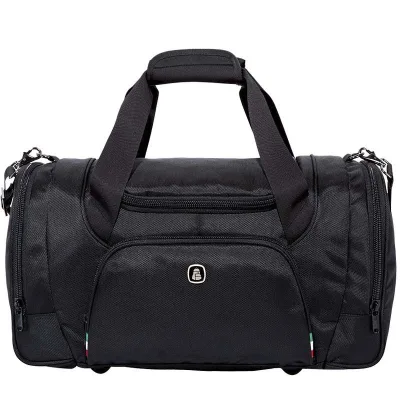
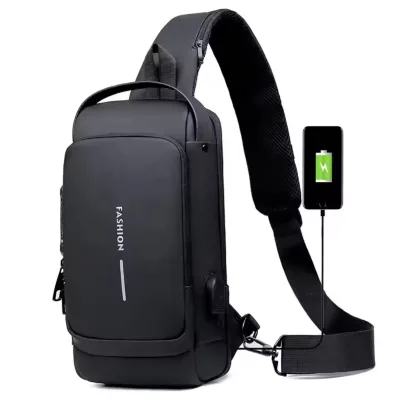
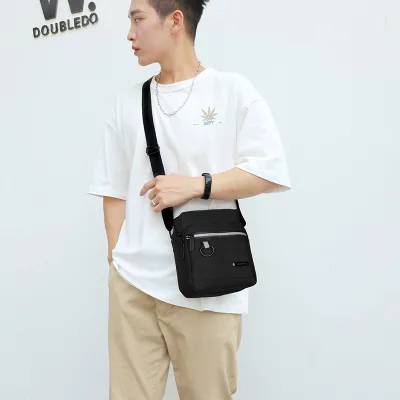
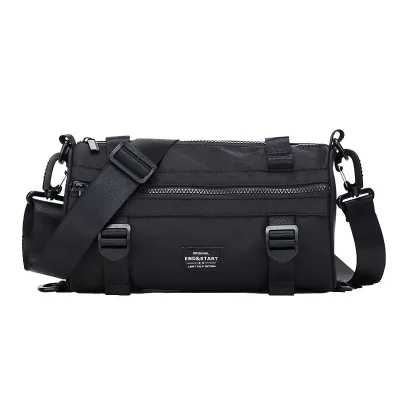
Market listings for waterproof shoulder bags often highlight specific design features that cater to diverse consumer needs. Observed data indicates a prevalence of single-compartment designs with shoulder strap configurations, suitable for sports, camping, and travel applications. These bags frequently feature large sizes, such as 21x26x11cm or 20x8x25cm, and are marketed as unisex products with a sport or business style. The presence of customization options suggests that many manufacturers offer OEM services, allowing buyers to tailor colors and branding to their specific market demands.
Color variations observed in listings include black, red, dark green, white, orange, khaki, and blue, with some suppliers offering custom color matching. The material composition is predominantly polyester, with some products specifying nylon for interior linings to enhance durability and water resistance. Weight specifications vary, with typical units ranging from 0.31kg to 0.5kg, indicating a focus on lightweight portability without compromising structural integrity. These attributes collectively define the functional scope of the product category, guiding buyers in selecting models that best fit their operational requirements.
Technical Specifications to Verify
Verifying technical specifications is critical to ensuring that the purchased bags meet performance expectations. Buyers should confirm the fabric type, ensuring it is indeed waterproof oxford or a comparable high-density polyester with appropriate coatings. The presence of silicon coating or similar treatments should be documented to validate water resistance claims. Additionally, the weave type, such as plain woven, and the alkali content, if applicable, should be verified to assess the material's longevity and resistance to environmental degradation.
Interior structure and compartmentalization are also key technical aspects to evaluate. Products with multiple compartments or specific shapes, such as square or dakai styles, offer enhanced organizational capabilities. Buyers should inspect strap types, ensuring they are robust single shoulder straps or crossbody configurations that provide comfort and security. The carrying method, whether handheld or crossbody, should align with the intended usage scenario. Confirming these details through supplier documentation or sample testing helps prevent discrepancies between ordered and delivered specifications.
Compliance and Safety Documentation
Compliance with international standards is essential for ensuring product safety and market acceptance. Buyers should request certification documents, such as ISO and CE marks, to verify that the manufacturer adheres to recognized quality and safety protocols. These certifications indicate that the production processes and materials have undergone rigorous testing and meet specific regulatory requirements. Without such documentation, buyers risk sourcing products that may not comply with local laws or industry standards, potentially leading to legal liabilities or market rejection.
In addition to certifications, buyers should inquire about any specific safety tests conducted on the materials, such as flammability or chemical resistance tests. While specific test results may not always be publicly available, suppliers should be willing to provide summaries or third-party lab reports upon request. Ensuring that the products are free from harmful substances and meet environmental standards is crucial for maintaining brand reputation and consumer trust. Proper documentation serves as a safeguard against potential compliance issues downstream in the supply chain.
Cost Drivers and Commercial Terms
Understanding the factors that influence pricing is vital for effective budget management. The cost of waterproof shoulder bags is driven by material quality, customization complexity, and order volume. Higher-grade waterproof fabrics and additional features, such as multiple compartments or specialized coatings, typically increase the unit price. Buyers should also consider the impact of customization, such as custom colors or branding, which may incur additional setup fees or higher per-unit costs.
Commercial terms, including minimum order quantities (MOQ) and lead times, significantly affect procurement strategy. Observed MOQs range from 2 to 1000 units, offering flexibility for both small-scale and large-volume orders. Lead times can vary based on production capacity and customization requirements, so buyers should negotiate clear delivery schedules to align with their inventory needs. Payment terms and shipping costs should also be factored into the total cost analysis to ensure a comprehensive understanding of the financial implications of the procurement decision.
Supplier Qualification and Quality Control
Supplier qualification is a critical step in mitigating supply chain risks. Buyers should conduct thorough due diligence to verify the manufacturer's production capabilities, quality control processes, and financial stability. This includes reviewing the supplier's facility, equipment, and workforce to ensure they can consistently produce high-quality products. Requesting references or case studies from previous clients can provide additional insights into the supplier's reliability and performance history.
Implementing a robust quality control plan is essential to maintain product standards throughout the production process. Buyers should define clear quality criteria and inspection points, such as pre-production, during-production, and pre-shipment inspections. Engaging third-party inspection services can provide an objective assessment of product quality and compliance with specifications. Establishing a feedback loop for continuous improvement helps address any issues promptly and ensures that the supplier remains aligned with the buyer's quality expectations.
Long-Term Procurement Checks
Long-term procurement success depends on establishing a sustainable relationship with suppliers. Buyers should regularly review supplier performance metrics, such as on-time delivery rates, defect rates, and responsiveness to issues. This ongoing evaluation helps identify potential problems early and allows for proactive management of the supply chain. Building a partnership based on mutual trust and clear communication fosters collaboration and innovation, leading to better product offerings and improved market competitiveness.
Additionally, buyers should stay informed about industry trends and technological advancements that may impact product development. This includes monitoring changes in material science, manufacturing techniques, and consumer preferences. By staying ahead of these trends, buyers can anticipate market shifts and adjust their procurement strategies accordingly. Regularly updating supplier contracts and quality standards ensures that the procurement process remains aligned with evolving business needs and regulatory requirements, securing long-term value and resilience.
FAQs
What materials are used for waterproof oxford shoulder bags?
These bags typically use polyester or oxford fabric for the main body to ensure durability and water resistance. Some models feature nylon for the inside material to enhance strength. The straps are often made from sturdy webbing, and hardware is selected for reliable performance in outdoor sports and travel environments.
Can I customize the color of these shoulder bags?
Yes, customization is available for many models. Buyers can select from standard colors like black, red, dark green, white, or grey. OEM services allow for specific brand colors. This flexibility supports business needs for unique branding or matching specific corporate or team identities for sports and student usage.
What certifications do these bags typically hold?
Many suppliers provide bags with ISO and CE certifications. These credentials indicate adherence to quality management and safety standards. Buyers should verify specific documentation with manufacturers. Certifications help ensure the products meet international requirements for export and distribution, providing confidence in the manufacturing process and product safety for end users.
What is the typical weight of a large shoulder bag?
Large models often weigh around 0.5kg, while smaller crossbody styles may weigh approximately 0.31kg. These weights balance durability with portability. The lightweight design makes them suitable for daily commuting, student use, and light travel. Buyers can choose based on their specific capacity and weight preferences for different usage scenarios.
How are these bags packaged for shipping?
Packaging varies by supplier and order size. Common methods include standard individual packing, carton packaging for bulk orders, or plastic bags on pallets. Proper packaging protects the bags during transit. Buyers should confirm the specific packing method with the supplier to ensure goods arrive safely and to optimize storage and handling efficiency.
What sizes are available for these shoulder bags?
Sizes range from compact crossbody dimensions like 20x8x25 cm to larger options such as 21x26x11 cm. Some models offer big capacity for extensive storage. Buyers should select the size that fits their daily carry needs. Dimensions are critical for ensuring the bag accommodates required items while maintaining a comfortable fit.