Waterproof Oxford Shoulder Bag Suppliers and Manufacturers
Explore 18 verified suppliers offering waterproof oxford shoulder bags with varying lead times, response speeds, and certifications. Compare dimensions, pricing, and customization options to select the right factory for your needs. Contact suppliers directly to request samples; review the available evidence before requesting comparable quotations from suitable candidates.
Updated
Suppliers List

Hangzhou Boran Tool Bag Co., Ltd.
- Verified by SGS
- Trading Company
- China Zhejiang
- Lead time30 days
- Avg. response≤ 15h
Main productsBag, Tool Bag
Main marketsEurope,Australia

Guangzhou Fu Li Ya Industry Co., Ltd.
- Verified by TUVRHEINLAND
- Combined
- China Guangdong
- Lead time30 days
- Avg. response≤ 11h
Main productsShopping Bag, Promotional Bag, Canvas Bag, Polyester Bag, Cotton Bag, Tote Bag, Non Woven Bag, Garment Bag, Cooler Bag, Hand Bag
Main marketsEurope,North America

Ningbo Universal Import & Export Co., Ltd.
- Verified by TUVRHEINLAND
- Trading Company
- China Zhejiang
- Lead time30 days
- Avg. response≤ 24h
Main productsBags & Cases, Inflatable Toys, Stationary, Textile, Craft, Outdoor Sports
Main marketsOthers(foreignTradeCapacity.exportBusinessCapacityMarketOther),Australia

Qingdao Sanliang Yipin Network Technology Co., Ltd
- Verified by SGS
- Manufacturer/Factory
- China Shandong
- Lead time30 days
- Avg. response≤ 8h
Main productsBag, Plush Toys, Clothes, Pet Accessories, Jewellery
Main marketsSouth America,Eastern Europe,Mid East,North America,Southeast Asia,Eastern Asia,Oceania,Western Europe,Africa

Quanzhou Song Hu Bags Co., Ltd.
- Verified by BV
- Combined
- China Fujian
- Lead time30 days
- Avg. response≤ 2h
Main productsTravel Bag, Backpacks, School Bag, Cooler Bag, Bike Bags, Laptop Documents Briefcase, Documents Bag, Sports Bag, Hydration Bag, Mountain Backpacks
Main marketsDomestic
Jiangsu Perfect International Trade Co., Ltd.
- Trading Company
- Jiangsu, China
- Lead time10 days
- Avg. response≤ 2h
Main productsGloves,Hats,Caps,Bags,Backpack
Main marketsNorth America(80.00%), South America(20.00%)

Jinjiang Jiaxing Supply Management Co., Ltd.
- Verified by TUVRHEINLAND
- Trading Company
- China Fujian
- Lead time30 days
- Avg. response≤ 2h
Main productsEVA Clogs, Flip Flop, Shoe Charms, Shopping Bags, Wristbands, Gifts, Promotional Gifts, Slipper, Sport Cap, Ball
Main marketsNorth America

Shanghai Tuanjue Trading Co., Ltd.
- Trading Company
- China Shanghai
- Lead time0 days
- Avg. response≤ 25h
Main productsLadies' Bag
Anhui Ineo International Trading Co., Ltd.
- Verified by SGS Group
- Trading Company
- Lead time30 days
- Avg. response≤ 1h
Main productsBackpack, Cosmetic Bag, Handbeg, Travel bag, Insulation bag
Main marketsNorth America(50%), Northern Europe(20%), Southeast Asia(10%)

Guangzhou Juli Leather Co., Ltd
- Verified by SGS
- Combined
- China Guangdong
- Lead time30 days
- Avg. response≤ 12h
Main productsBackpack, Travel Backpack, Laptop Backpack
Main marketsSouth America,East Asia(Japan/ South Korea),Domestic,Europe

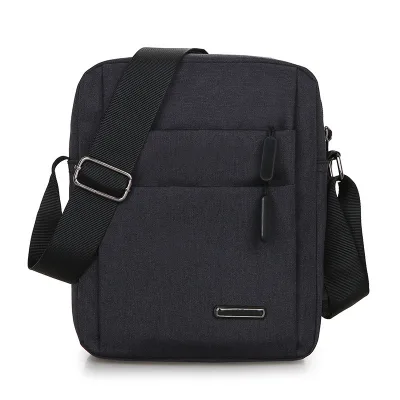
Large Capacity Water-Repellent Fabric Practical Minimalist Shoulder Bag
$10.50 - $13.50
MOQ: 500 Pieces

Durable Waterproof Hard-Wearing Polyester Lining Multi-Pocket Shoulder Bag
$10.50 - $13.50
MOQ: 500 Pieces

High Performance Minimalist Waterproof Adjustable Shoulder Bag for Outdoor
$10.50 - $13.50
MOQ: 500 Pieces


Xiamen Beyond Creative Gifts Co., Ltd.
- Verified by Intertek
- Trading Company
- Lead time15 days
- Avg. response≤ 2h
Main productsPencil Case, School Bag
Main marketsNorth America(35%), Domestic Market(27%), Eastern Europe(10%)

Zhengzhou Yunguang Technology Co., Ltd.
- Verified by TUVRHEINLAND
- Trading Company
- China Henan
- Lead time30 days
- Avg. response≤ 8h
Main marketsDomestic

Quanzhou Lingyuan Bags Co., Ltd.
- Verified by SGS
- Combined
- China Fujian
- Lead time45 days
- Avg. response≤ 3h
Main productsSchool Bag, Sports Bag, Trolley Bag, Promotional Bag, Ladies Bag, Backpack, Hiking Backpack, Ski Bag, Hockey Bag, Bike Bag
Main marketsEurope,North America
Guangzhou Jingnian Industrial Co., Ltd.
- Verified by SGS Group
- Manufacturer, Trading Company
- Lead time25 days
- Avg. response≤ 3h
Main productsBags for women, Wallet
Main marketsNorth America(20%), South America(20%), Western Europe(20%)
- Verified by SGS Group
- Manufacturer, Trading Company
- Lead time30 days
- Avg. response≤ 2h
Main productsDry Backpack, Cooler Bag, Hiking Backpack, Tactical Bag, Waterproof Duffel Bag
Main marketsWestern Europe(45%), North America(25%), Northern Europe(15%)
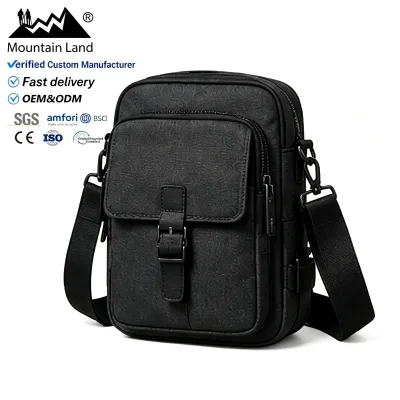
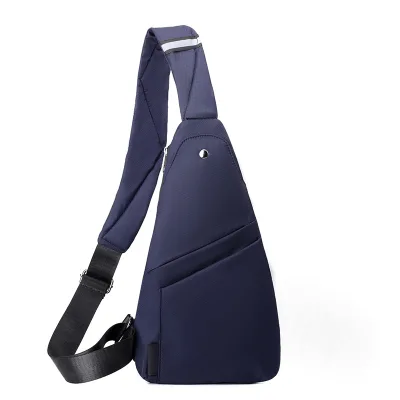
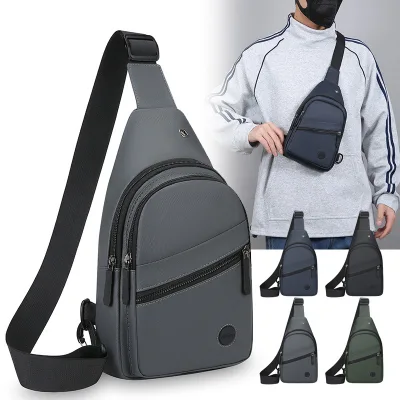
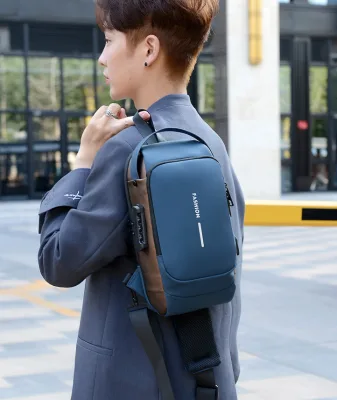
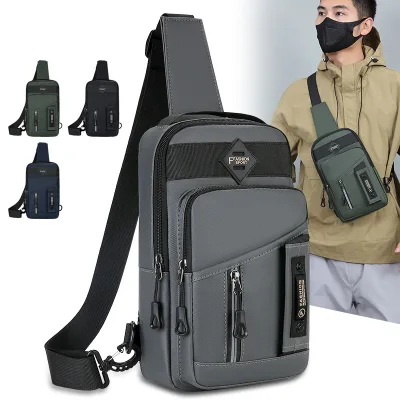
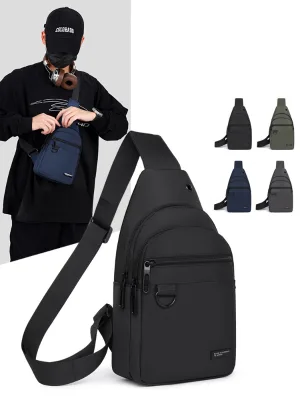
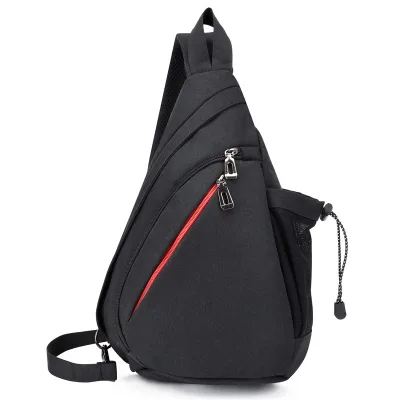
Water Resistant Crossbody Personal Pocket Bag Lightweight Chest Shoulder Bag
$3.5413 - $5.7254
MOQ: 500 pieces
- Trading Company
- Guangdong, China
- Lead time0 days
- Avg. response≤ 5h
Main productsChildren's Toys,Anime action,Garden port,Plush toys,S925 Silver Jewelry
Main marketsWestern Europe(20.00%), South America(20.00%), North America(20.00%), Southeast Asia(10.00%), South Asia(5.00%), Northern Europe(5.00%), Eastern Europe(5.00%), Eastern Asia(5.00%), Mid East(5.00%), Africa(5.00%)
Anhui Three Six Seven Travel Products Co., Ltd.
- Manufacturer, Trading Company
- Lead time旺季: "1 - 300":7,"> 300":"To be negotiated", 淡季: "1 - 300":7,"> 300":"To be negotiated"
- Avg. response≤ 3h
Main productsBackpack, School Bags, Messenger bags, Women Bags, Fanny pack
Shenzhen D-One Bags Company Ltd
- Manufacturer, Trading Company
- Guangdong, China
- Lead time25 days
- Avg. response≤ 3h
Main productsshopping bag,cosmetic bag,backpack,cooler bag,sport bag
Main marketsNorth America(35.00%), Western Europe(13.00%), Eastern Asia(12.00%), Domestic Market(8.00%), Northern Europe(6.00%), Eastern Europe(5.00%), Southern Europe(5.00%), Southeast Asia(5.00%), South America(2.50%), Mid East(2.00%), Oceania(2.00%), Central America(2.00%), Africa(1.50%), South Asia(1.00%)


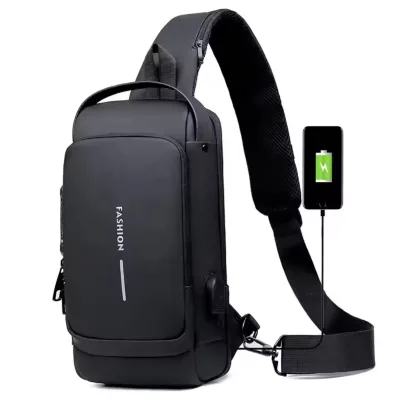
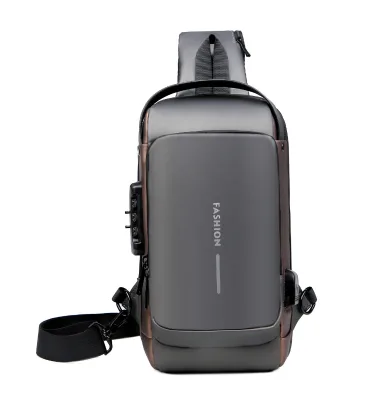


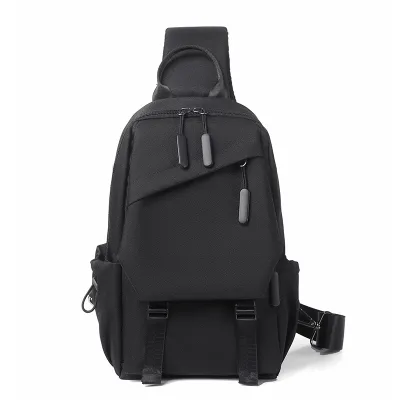
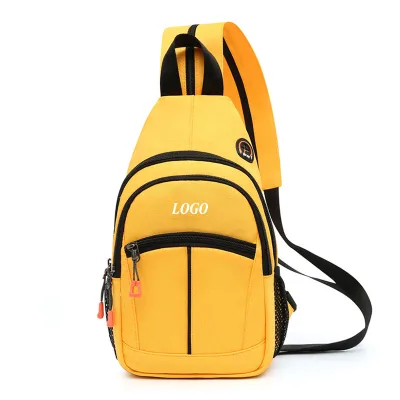
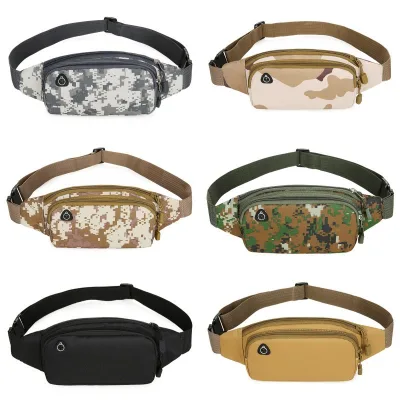


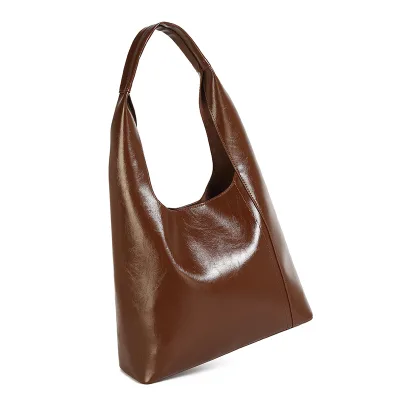
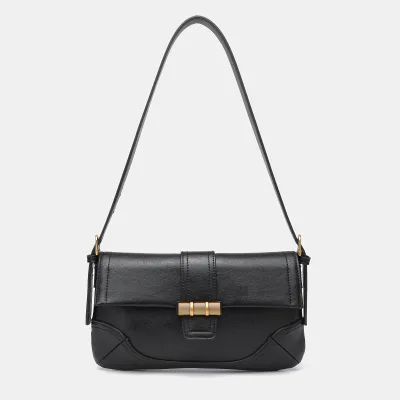
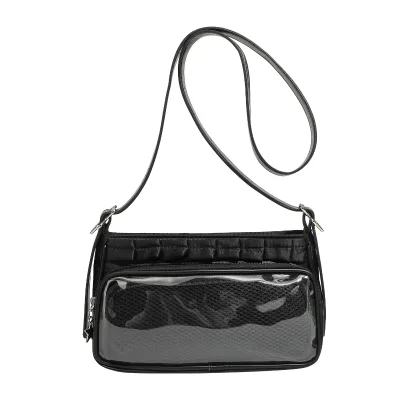
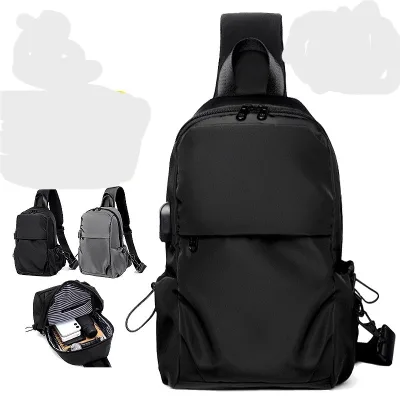
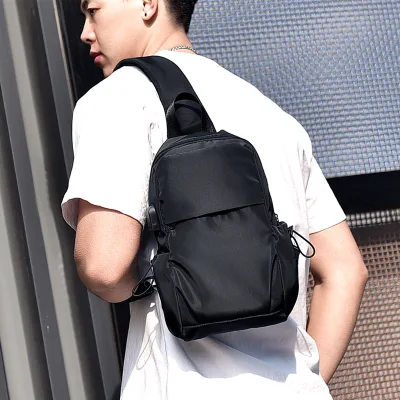
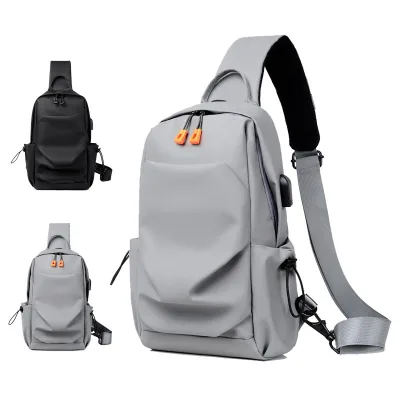
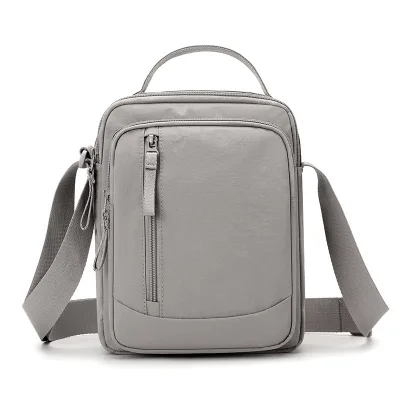
Comprehensive Sourcing Guide
Waterproof Oxford Shoulder Bag Supplier Concentration and Factory Types
The current supplier landscape for waterproof oxford shoulder bags reveals a distinct geographic concentration in China, specifically within the Zhejiang and Guangdong provinces. These regions serve as primary manufacturing hubs, offering buyers access to established industrial clusters that specialize in bag and case production. Factories located in these areas often benefit from mature supply chains for raw materials like nylon, polyester, and PU leather, which are frequently cited in product attributes alongside oxford cloth. When evaluating potential partners, it is crucial to distinguish between different company types, as this significantly impacts your sourcing strategy. Trading companies, for instance, may offer a broader variety of styles and lower minimum order quantities, acting as intermediaries that aggregate products from multiple smaller workshops. In contrast, combined entities or direct manufacturers might provide greater control over the production process, allowing for more extensive customization options such as ODM and OEM services. Understanding this distinction helps buyers align their expectations with the supplier’s actual capabilities, ensuring that the chosen partner can meet specific design requirements for waterproofing and material durability.
Beyond geographic location, the type of manufacturing capability available varies widely among suppliers. Some factories highlight their ability to handle complex customization requests, including specific compartment layouts, handle types, and size variations, which are essential for specialized shoulder bag designs. Others may focus on high-volume production of standard items, leveraging economies of scale to offer competitive pricing. It is important to note that not all suppliers display the same level of transparency regarding their operational structure. Some may list themselves as trading companies while actually managing their own production lines, while others may strictly act as sales agents. Buyers should carefully review the main products listed by each supplier to determine if their expertise aligns with the specific needs of waterproof oxford shoulder bags. This alignment ensures that the supplier has the necessary technical knowledge to handle the unique challenges of working with waterproof materials, such as seam sealing and material selection, which are critical for the product’s performance and longevity in various weather conditions.
How to Verify Waterproof Oxford Shoulder Bag Suppliers
Verifying the credibility of a supplier is a critical step in mitigating risk when sourcing waterproof oxford shoulder bags. One of the most reliable indicators of a supplier’s legitimacy is their verification status, which often includes third-party audits by recognized organizations. For example, some suppliers may hold certifications from SGS or TÜV Rheinland, which provide independent confirmation of their business practices and product quality standards. These certifications are particularly valuable when assessing a supplier’s ability to maintain consistent quality control measures, which are essential for products that must withstand rigorous use and exposure to the elements. Buyers should prioritize suppliers who display these verification badges, as they indicate a higher level of accountability and adherence to international standards. Additionally, checking the supplier’s response time can offer insights into their operational efficiency and customer service quality. A faster response time, such as under fifteen hours, often suggests a well-organized team that is responsive to buyer inquiries and capable of handling urgent requests.
In addition to verification badges and response times, buyers should examine the supplier’s product evidence to ensure it aligns with their specific requirements. Detailed product attributes, such as material composition, waterproof ratings, and customization options, provide a clear picture of the supplier’s technical capabilities. For instance, some suppliers may offer products with specific inside materials like polyester, which can enhance comfort and durability. Others may highlight features such as scratch resistance or breathability, which are important for consumer satisfaction. It is also important to verify the supplier’s establishment year and company type, as these factors can indicate their experience and stability in the market. Suppliers with a longer history in the industry may have more refined processes and a better understanding of market trends. By combining these verification methods, buyers can build a comprehensive profile of each potential supplier, allowing them to make informed decisions based on concrete evidence rather than assumptions. This thorough approach helps ensure that the selected supplier can deliver high-quality waterproof oxford shoulder bags that meet both functional and aesthetic expectations.
What to Compare Across Waterproof Oxford Shoulder Bag Suppliers
When comparing suppliers, several key dimensions must be evaluated to determine the best fit for your business needs. Lead time is a critical factor, as it directly impacts your inventory management and ability to meet market demand. Some suppliers may offer lead times of around thirty days, which is typical for standard production runs, while others may have longer or shorter cycles depending on their current workload and production capacity. Minimum order quantity (MOQ) is another essential consideration, as it affects your initial investment and risk exposure. Suppliers may have MOQs ranging from five hundred to two thousand units, with some offering more flexibility for smaller orders. Response time also plays a significant role in the sourcing process, as quick communication is vital for resolving issues and finalizing orders. Additionally, pricing is a major differentiator, with costs varying based on material quality, customization level, and order volume. Buyers should compare price ranges across different suppliers to identify the most cost-effective options without compromising on quality.
Beyond these quantitative metrics, qualitative factors such as customization capabilities and product variety should also be compared. Some suppliers may offer extensive customization options, including logo printing, color variations, and structural modifications, which are crucial for brand differentiation. Others may focus on a limited range of standard products, which can be advantageous for buyers seeking simplicity and consistency. The supplier’s main products and specialization can also provide insights into their expertise and reliability. For example, a supplier that primarily manufactures bags and cases may have more specialized knowledge and equipment than a general trading company. Additionally, the supplier’s capacity for research and development, such as offering ODM or OEM services, can be a significant advantage for buyers looking to innovate or launch new product lines. By systematically comparing these dimensions, buyers can create a weighted scoring system to objectively evaluate each supplier. This structured approach ensures that all critical factors are considered, leading to a more balanced and informed decision that aligns with the buyer’s strategic goals and operational requirements.
Common Waterproof Oxford Shoulder Bag Sourcing Risks
Sourcing waterproof oxford shoulder bags from international suppliers involves several inherent risks that buyers must proactively manage. One of the most significant risks is quality inconsistency, which can arise from variations in material sourcing or manufacturing processes. Even with verified suppliers, there is a possibility that the final product may not meet the specified waterproof standards or durability expectations. This risk is heightened when dealing with suppliers who have multiple production lines or outsource certain components. Another common risk is communication breakdown, which can lead to misunderstandings regarding product specifications, packaging requirements, or delivery schedules. This is particularly relevant when working with suppliers in different time zones or with limited English proficiency. To mitigate these risks, buyers should establish clear and detailed communication protocols, including written confirmations of all specifications and regular progress updates. Additionally, conducting pre-shipment inspections or hiring third-party inspection services can help identify and rectify quality issues before the goods are shipped.
Intellectual property and design theft is another critical risk, especially when working with suppliers who offer ODM services or handle custom designs. Buyers must ensure that their designs are protected through appropriate legal agreements and that the supplier has a strong track record of respecting intellectual property rights. Furthermore, supply chain disruptions, such as raw material shortages or logistical delays, can impact lead times and increase costs. Buyers should diversify their supplier base and maintain open lines of communication to stay informed about potential disruptions. It is also important to verify the supplier’s financial stability and reputation to avoid partnerships with companies that may face operational challenges. By identifying these common risks and implementing robust mitigation strategies, buyers can protect their interests and ensure a smoother sourcing process. This proactive approach helps build a resilient supply chain that can withstand external pressures and deliver consistent quality to end consumers.
Waterproof Oxford Shoulder Bag Regional Sourcing and Logistics
Regional sourcing plays a pivotal role in determining the overall cost and efficiency of the supply chain for waterproof oxford shoulder bags. Suppliers located in China, particularly in provinces like Zhejiang and Guangdong, benefit from established logistics networks and proximity to major ports, which can reduce shipping times and costs. These regions are known for their manufacturing clusters, which facilitate easy access to raw materials and skilled labor, further enhancing production efficiency. However, buyers must also consider the logistical implications of sourcing from these regions, including customs clearance procedures and potential tariffs. Understanding the specific logistics requirements of each region can help buyers optimize their shipping strategies and minimize delays. Additionally, the choice of shipping method, whether by sea, air, or express courier, will impact the lead time and cost of the final product. Buyers should work closely with their suppliers to determine the most suitable logistics solution based on their urgency and budget constraints.
Beyond logistics, regional factors such as local regulations and environmental standards can also influence the sourcing process. Suppliers in certain regions may be subject to stricter environmental regulations, which can affect production costs and timelines. Buyers should ensure that their suppliers comply with relevant environmental standards, such as ISO 14001, to avoid potential compliance issues. Furthermore, the local infrastructure and transportation network can impact the reliability of deliveries. Buyers should assess the supplier’s location in relation to major transportation hubs to ensure timely and efficient delivery. By carefully considering these regional factors, buyers can make informed decisions that balance cost, quality, and reliability. This holistic approach to regional sourcing helps create a more resilient and efficient supply chain, ultimately benefiting both the buyer and the end consumer.
Waterproof Oxford Shoulder Bag Commercial Terms and Order Planning
Effective order planning and clear commercial terms are essential for a successful sourcing experience with Waterproof Oxford Shoulder Bag suppliers. Buyers should negotiate payment terms that align with their cash flow needs, such as using escrow services to secure transactions and protect against fraud. Escrow provides a layer of security by holding funds until the buyer confirms receipt and satisfaction with the goods. Additionally, buyers should clarify the terms of customization, including any additional costs for logo printing, special packaging, or unique design features. It is also important to establish clear expectations regarding lead times and delivery schedules, including penalties for delays. These terms should be documented in a formal contract to ensure mutual understanding and accountability. Furthermore, buyers should plan for potential variations in order volume, ensuring that the supplier can scale production up or down as needed. This flexibility is crucial for managing market fluctuations and avoiding stockouts or excess inventory.
In addition to commercial terms, buyers should consider the long-term relationship with their supplier. Building a strong partnership can lead to better pricing, priority production, and improved communication. Buyers should provide regular feedback and maintain open lines of communication to foster trust and collaboration. It is also important to review the supplier’s after-sales support, including warranty policies and return procedures, to ensure that any issues can be resolved efficiently. By carefully planning commercial terms and fostering a collaborative relationship, buyers can create a sustainable sourcing strategy that supports their business growth. This strategic approach helps minimize risks and maximize value, ensuring that the sourcing process contributes positively to the overall success of the business.
FAQs
What is the price range for waterproof shoulder bags?
Waterproof shoulder bags are available at various price points depending on material and customization. Basic models start around $3.50 per unit, while premium nylon options with custom packing can reach $21.50. Buyers should verify specific quotes based on order volume and material selection to ensure accurate budgeting.
What is the minimum order quantity for these bags?
Minimum order quantities typically range from 500 to 2000 units. Some suppliers require a minimum of 500 pieces for standard shoulder bags, while others may demand 1000 or 2000 units for specific fashion or leather styles. Buyers must confirm the exact MOQ with the supplier before placing an order.
How long does production take for these orders?
Production lead times generally average around 30 days for standard orders. Some suppliers may have different turnaround times based on customization requirements or material availability. Buyers should confirm the specific lead time with the supplier to ensure timely delivery and align with their inventory planning schedules effectively.
Are customization options available for these shoulder bags?
Yes, customization is widely available for most waterproof shoulder bag models. Suppliers offer options for custom packing, branding, and specific material selections like nylon or PU leather. Buyers can request tailored designs to meet their brand requirements, ensuring the final product aligns with their specific market needs and aesthetic preferences.
Where are these suppliers located?
Suppliers for these bags are primarily located in China, specifically in Zhejiang and Guangdong provinces. These regions are known for their robust manufacturing capabilities and supply chain efficiency. Buyers can expect a concentration of factories in these areas, facilitating easier logistics and communication for international procurement teams.
What certifications do these suppliers hold?
Verified suppliers often hold certifications such as SGS and ISO14001:2015. Some may also be verified by TÜV Rheinland. These certifications indicate adherence to quality management and environmental standards. Buyers should request current certification documents to verify compliance with their specific regulatory requirements and corporate social responsibility policies.