Source Welded Exhaust Pipes Kit for Cars, Trucks, and Motorcycles
Compare 30 listings for Welded Exhaust Pipes Kit from Chinese manufacturers. Buyers can evaluate specifications like material grade, dimensions, and certifications to find suitable options for automotive exhaust systems; compare the available evidence and request quotations based on your requirements.
Updated
Key considerations
Products List


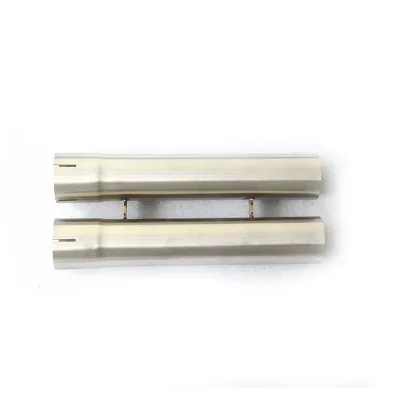
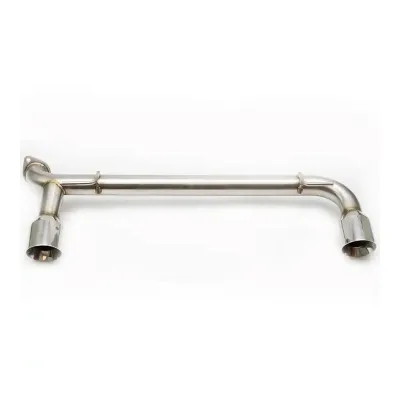
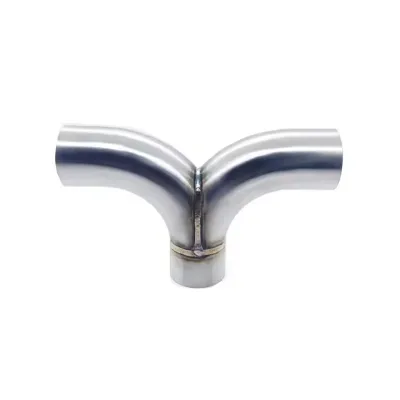


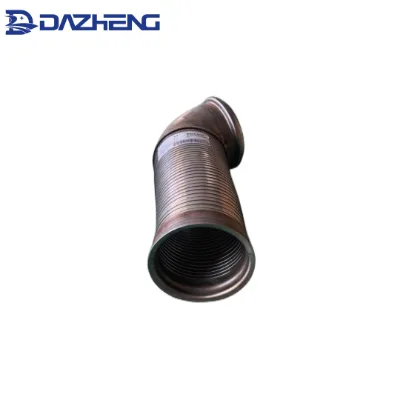

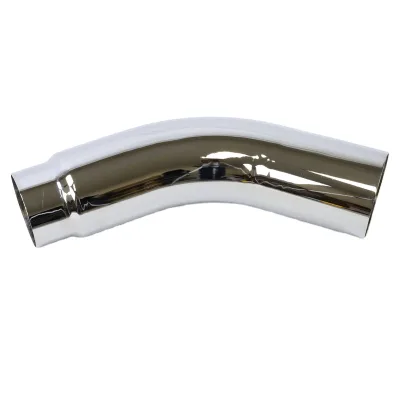
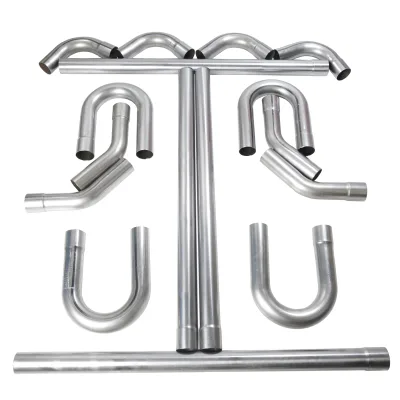
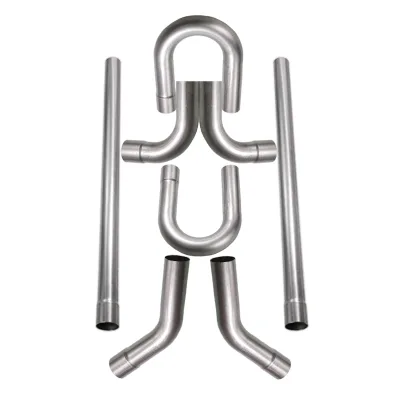
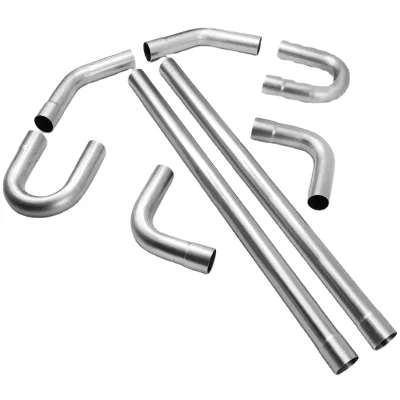


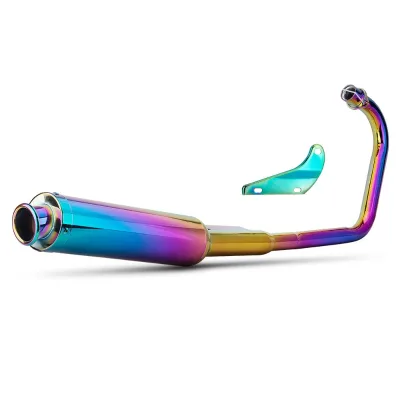
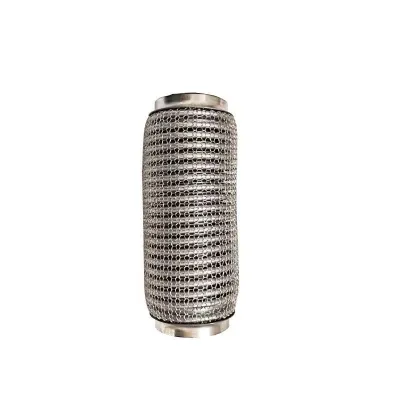
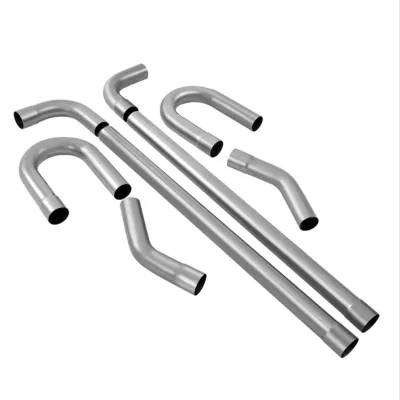
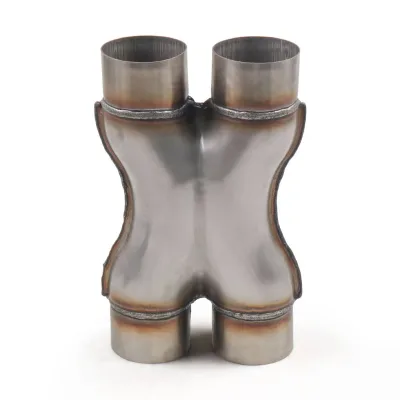
Comprehensive Sourcing Guide
Welded Exhaust Pipes Kit Sourcing Guide
Procuring a Welded Exhaust Pipes Kit requires a disciplined approach to verifying material integrity and dimensional accuracy, as these components are critical for vehicle performance and emissions compliance. Buyers must prioritize suppliers who demonstrate consistent quality in stainless steel fabrication, particularly when sourcing from major manufacturing hubs like Shandong and Anhui in China. The observed market signals indicate a wide range of product types, from standard steel pipes to specialized 304 and 400 series ferritic stainless steel options, each serving distinct thermal and structural needs. Understanding these material distinctions is the first step in aligning procurement with specific engine noise reduction and aerodynamic efficiency goals.
The sourcing landscape includes diverse configurations, such as round pipes with custom lengths up to six meters and specific wall thicknesses ranging from 0.33mm to 3.0mm. Buyers should note that while some listings offer high-temperature service capabilities up to 800°C, others focus on standard industrial applications with tighter tolerances. It is essential to evaluate the supplier’s ability to provide customizations, including outside diameters from 8mm to 219mm, while ensuring that magnetic properties and ferromagnetic characteristics meet the specific engineering requirements of the target chassis or engine system.
Product Scope and Observed Listing Signals
The current market for welded exhaust pipes kits presents a heterogeneous mix of products, primarily originating from Chinese manufacturing centers. Listings frequently highlight key attributes such as noise source reduction, specifically targeting engine noise and transmission noise, which are critical for automotive chassis optimization. The observed product range includes various models like PDM-08, PDM-05, and DMT400-3, indicating that buyers will encounter specialized variants rather than a single universal solution. This diversity necessitates a careful review of each listing to ensure the specific kit components match the intended vehicle fitment, which is often categorized broadly as "Other" in general catalogs.
Packaging and logistics details vary significantly across suppliers, with options ranging from simple plastic bags and cartons to more robust wooden pallets wrapped in plastic. These packaging methods are crucial for protecting the pipes during transit, especially given the potential for deformation in thin-walled stainless steel components. Buyers should also observe that some suppliers emphasize high-quality welding techniques, such as high-temperature TIG welding, which directly impacts the durability and leak-proof integrity of the exhaust system. Verifying these physical handling and construction details is vital for preventing damage and ensuring long-term reliability in the final assembly.
Technical Specifications to Verify
Dimensional accuracy is paramount when sourcing exhaust pipes, as even minor deviations can lead to fitment issues and performance losses. Buyers must verify the outside diameter and wall thickness tolerances, noting that some suppliers offer tight OD tolerances of up to ±0.13mm for diameters less than one inch. Additionally, wall thickness tolerances are typically capped at ±8% of the nominal thickness, a critical factor for maintaining structural integrity under thermal stress. The standard specifications often cited include ID over overall length ratios, which must be cross-referenced with the specific engine manifold and muffler connections to ensure a seamless fit.
Material grade selection is another critical technical consideration, with options spanning from standard steel to 300 and 400 series stainless steels. The 304 stainless steel is commonly used for its corrosion resistance, while 400 series ferritic stainless steel offers specific magnetic and thermal properties suitable for high-temperature environments. Buyers should confirm the exact grade and standard compliance, such as AISI, ASTM, DIN, EN, GB, or JIS, to ensure the material can withstand the operational heat range of up to 650°C to 800°C. This verification prevents premature failure due to oxidation or thermal fatigue in high-performance applications.
Compliance and Safety Documentation
Regulatory compliance is a non-negotiable aspect of exhaust system procurement, particularly regarding emissions and noise standards. Buyers must ensure that the supplied pipes and kits meet the relevant discharge standards, such as Euro I, which governs the permissible levels of pollutants released by the vehicle. While specific certification lists may vary, common standards referenced include ISO, JIS, AISI, ASTM, and GB, indicating a broad adherence to international quality and safety benchmarks. Verifying these certifications is essential for ensuring that the exhaust system does not violate local environmental regulations or vehicle safety codes.
Documentation should also include detailed material test reports and welding procedure specifications to validate the integrity of the joints. High-temperature TIG welding requires precise control to prevent defects such as porosity or lack of fusion, which can lead to exhaust leaks and increased noise levels. Buyers should request evidence of quality control processes, including inspections for magnetic properties and heat resistance, to confirm that the components can reliably perform in high-stress environments. This documentation serves as a critical safeguard against liability and ensures that the final assembly meets all safety and performance expectations.
Cost Drivers and Commercial Terms
Pricing for welded exhaust pipes kits is influenced by several factors, including material costs, manufacturing complexity, and order volume. The observed price range is broad, reflecting the diversity of materials and specifications available in the market. Buyers should be aware that customizations, such as specific lengths or non-standard diameters, often incur additional costs. Additionally, the minimum order quantity (MOQ) can vary significantly, with some suppliers requiring bulk purchases of 3-5 tons, while others offer smaller MOQs of 50 pieces, allowing for more flexible procurement strategies for smaller projects.
Commercial terms also play a significant role in the total cost of ownership, with lead times and payment terms affecting cash flow and inventory management. Suppliers may offer negotiable MOQs and flexible packaging options, which can reduce logistics costs and minimize storage requirements. Buyers should carefully evaluate the total landed cost, including shipping and handling, rather than focusing solely on the unit price. Understanding these commercial dynamics helps in negotiating favorable terms and ensuring a stable supply chain for ongoing production needs.
Supplier Qualification and Quality Control
Evaluating supplier qualifications is essential to mitigate risks associated with quality inconsistencies and delivery delays. Buyers should prioritize suppliers with established manufacturing capabilities in regions known for automotive component production, such as Shandong and Anhui. These regions often have a concentration of specialized factories with experience in stainless steel fabrication and exhaust system assembly. Verifying the supplier’s production capacity and quality management systems ensures that they can meet the required specifications and maintain consistent output over time.
Quality control processes should include rigorous inspections at various stages of production, from raw material intake to final packaging. Buyers should inquire about the supplier’s testing protocols for weld integrity, dimensional accuracy, and material composition. Suppliers who offer 24-hour service and high-quality guarantees demonstrate a commitment to customer satisfaction and problem resolution. Establishing a clear communication channel with the supplier facilitates quick responses to any issues that may arise during the procurement process, ensuring a smoother transaction and better overall experience.
Long-Term Procurement Checks
Sustaining a reliable supply chain for exhaust pipes requires ongoing monitoring and periodic re-evaluation of supplier performance. Buyers should track key performance indicators such as on-time delivery rates, defect rates, and responsiveness to quality issues. Regular audits of the supplier’s quality control processes can help identify potential problems before they impact production. Additionally, staying informed about changes in industry standards and regulations ensures that the procured components remain compliant with current requirements, avoiding costly recalls or modifications.
Building a long-term relationship with qualified suppliers can lead to better pricing, priority service, and access to new product developments. Buyers should engage in regular reviews of the supply chain to identify opportunities for cost savings and efficiency improvements. This proactive approach helps in maintaining a competitive edge and ensures that the exhaust system components continue to meet the evolving needs of the vehicle platform. By focusing on continuous improvement and strategic partnership, buyers can secure a stable and high-quality supply of welded exhaust pipes kits.
FAQs
What certifications are available for welded exhaust pipes?
Certifications include ISO, JIS, AISI, ASTM, GB, and EN standards. These ensure the pipes meet international quality benchmarks for automotive applications. Buyers can verify specific compliance based on their regional requirements before placing orders.
Can I customize the dimensions of the exhaust pipes?
Customization is available for outside diameter, wall thickness, and length. Dimensions range from 8mm to 219mm with custom lengths up to 6 meters. This flexibility allows manufacturers to tailor products to specific engine chassis noise requirements.
What is the minimum order quantity for stainless steel pipes?
The minimum order quantity is typically 3 to 5 tons for bulk orders. Some suppliers may accept smaller quantities like 50 pieces depending on the specific product model. Buyers should negotiate MOQ terms directly with the manufacturer.
Which materials are used for the exhaust pipe body?
The body material is primarily steel, including 304 and 300 series stainless steel. These materials offer high-temperature resistance up to 800 degrees Celsius. The ferromagnetic property is also noted for specific grades used in automotive systems.
How are the exhaust pipes packed for shipping?
Packing options include plastic bags with cartons, cartons on pallets, or wrapped plastic on wooden pallets. Specific packaging depends on the product model and order size. This ensures protection during transit to North America or Europe markets.
What is the origin location of these exhaust pipe manufacturers?
Products originate from Shandong and Anhui provinces in China. These regions host factories specializing in stainless steel pipes and exhaust systems. Buyers can source directly from these locations for competitive pricing and established supply chains.
What discharge standards do the exhaust pipes meet?
Discharge standards include Euro I compliance for specific models. Other standards like AISI, ASTM, DIN, and JIS apply to general pipe specifications. This ensures the products meet environmental and performance requirements for various vehicle types.