Source Whitening Papaya Face Cream for skin brightening, hydration, and daily care
Explore 30 options for Whitening Papaya Face Cream designed for skin brightening, hydration, and daily care. Buyers can compare formulations featuring ingredients like Vitamin C and Niacinamide, alongside varying packaging and customization services from manufacturers in Guangdong.
Key considerations
Products List
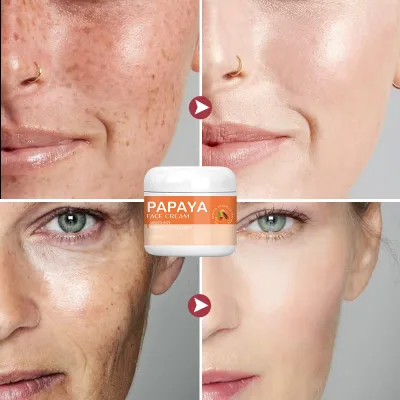


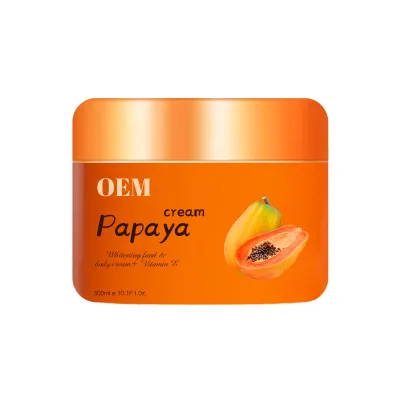
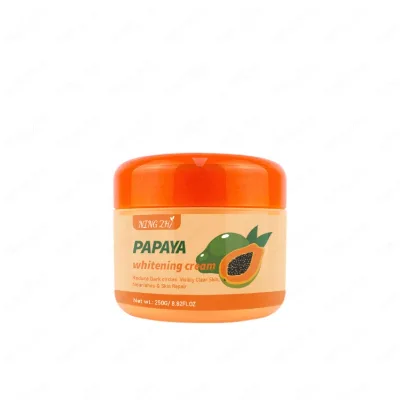
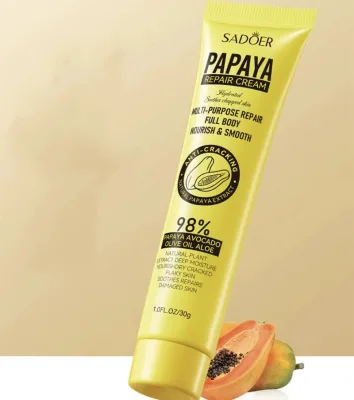
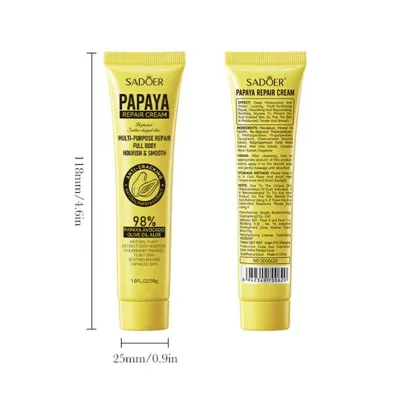


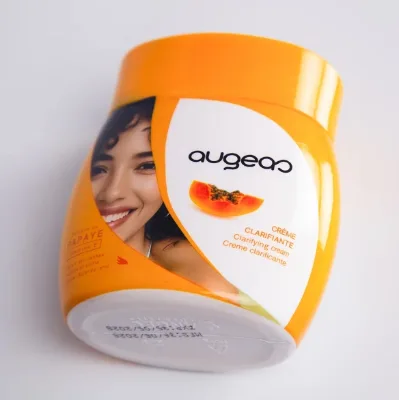
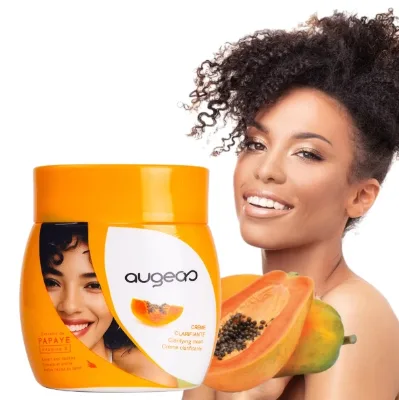
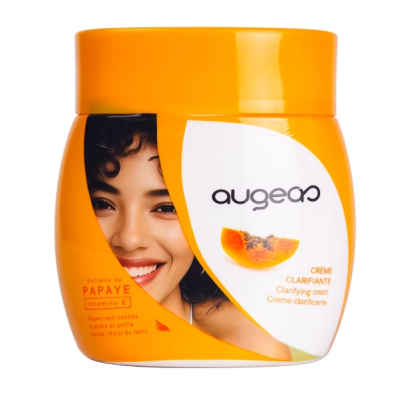
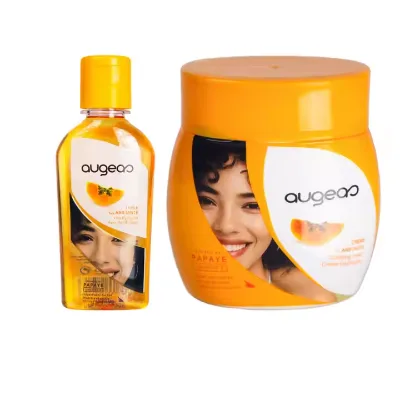


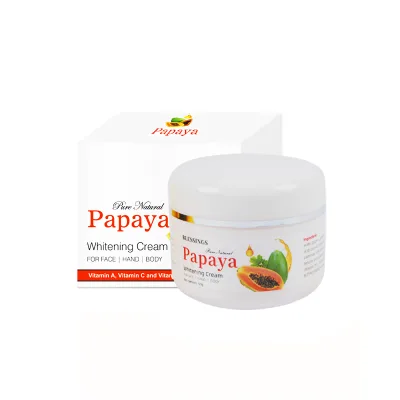
Comprehensive Sourcing Guide
Strategic Sourcing Guide for Whitening Papaya Face Cream
Understanding Product Specifications and Formulation Variability
When sourcing Whitening Papaya Face Cream, buyers must first navigate a landscape of diverse technical specifications that define the final product's efficacy and market positioning. The core keyword implies a specific botanical focus, yet the actual product data reveals a spectrum of formulations ranging from simple moisturizing creams to complex multi-ingredient systems. The primary observation is that the product category includes "Papaya Whitening Cream" and "Face Cream" as distinct but overlapping identifiers. While the papaya variant is explicitly noted to contain "Papaya extract" alongside "Vitamin E, Jojoba Oil, and Coconut Oil," other entries in the same category list "Vitamin C, Niacinamide, and Arbutin" as main ingredients. This indicates that "papaya" in the product title may refer to a specific scent profile or a primary botanical extract, while the functional whitening mechanism often relies on a combination of active ingredients.
The physical form of the product is consistently observed as a "Cream," with net weights varying significantly between 30g, 50g, and larger volumes such as 300 mL. The packaging format is typically a "Box" contained within "Cartons," with a standard net weight of 50g being a common reference point for individual units. However, buyers must verify if the 300 mL volume refers to a bulk supply or a specific large-format product, as this drastically impacts logistics. The shelf life is a critical specification, with a documented range of 3 years, which suggests stable formulations suitable for long-term inventory holding. Furthermore, the product is designed for "All Skin Types" and is intended for "Daily Care," with usage times split between "Day" and "Night" applications. This versatility allows for a broader target market, but procurement teams must ensure the specific batch ordered matches the intended usage time, as some formulations may be optimized for night repair while others focus on daytime protection.
Compliance, Certification, and Regulatory Verification
In the global beauty and personal care market, compliance is not merely a formality but a prerequisite for market entry. The supplied data indicates that "MSDS" (Material Safety Data Sheet) is a documented certification for these products. This document is essential for verifying the chemical composition and safety handling of the ingredients, particularly when shipping across borders. However, the presence of an MSDS does not automatically guarantee compliance with all regional regulations, such as the EU's CPNP notification or the US FDA's cosmetic regulations. Buyers must verify if the supplier provides additional certifications relevant to their target market, such as ISO 22716 for Good Manufacturing Practices (GMP) or specific organic certifications if the "Organic" ingredient claim is a selling point.
The ingredient list includes "Organic" components, but the term "Organic" is not a regulated standard in all jurisdictions without specific third-party verification. Buyers should request proof of organic certification for the papaya extract and other botanical ingredients to validate marketing claims. Additionally, the product features "Whitening," "Lightening," and "Pigmentation Correctors," which are functional claims that often trigger stricter regulatory scrutiny. In markets like the EU, certain whitening agents may be restricted or require specific safety assessments. The "MSDS" provides a baseline for safety data, but procurement teams must ensure the supplier can provide a Certificate of Analysis (CoA) that details the concentration of active ingredients like "Niacinamide" and "Arbutin" to ensure they fall within legal limits. Without these specific documents, the risk of product seizure or regulatory fines increases significantly.
Cost Drivers and Pricing Structure Analysis
The pricing for Whitening Papaya Face Cream is highly variable, with observed listed prices ranging from $0.30 to $150.00 USD. This wide disparity is driven by several key factors, primarily the complexity of the formulation, the quality of raw materials, and the level of customization required. A product priced at the lower end of the spectrum likely utilizes standard ingredients and minimal customization, whereas the higher-end pricing suggests premium botanical extracts, advanced delivery systems, or extensive branding services. The "MOQ" (Minimum Order Quantity) is another critical cost driver, with observed ranges from 1 unit to 30,000 units. Suppliers offering an MOQ of 1,000 pieces for customized orders suggest a tiered pricing model where unit costs decrease as volume increases.
Buyers must understand that the "OEM/ODM" support mentioned in the product data is a significant cost variable. Customization options such as "Gold Stamping" for logos, "Customized" fragrances (e.g., Papaya/Customized), and private labeling add layers of production complexity and cost. The "One-stop Service" offered by suppliers often bundles packaging, formulation, and logistics, which can streamline the process but may come at a premium compared to sourcing components separately. The "Volume" options, such as 100g, 250g, or customized sizes, also influence the final cost per unit. Larger volumes may reduce the cost per gram due to economies of scale in packaging and filling, but they increase the total capital outlay. Buyers should analyze the total cost of ownership, including shipping, duties, and potential inventory holding costs, rather than focusing solely on the unit price.
Supplier Evaluation and Manufacturing Capabilities
Evaluating suppliers for Whitening Papaya Face Cream requires a deep dive into their manufacturing capabilities and business models. The product data identifies the supplier type as "OBM (Original Brand Manufacturing)," "Private Label," and "OEM/ODM" support. This indicates that the supplier is capable of producing under their own brand or manufacturing for the buyer's brand. The "Place of Origin" is consistently listed as "Guangdong, China," a region known for a robust cosmetics manufacturing ecosystem. However, buyers must verify the specific factory's capacity to handle the required volume and quality standards. The "Available Quantity" of 1,000 units in the data suggests that some suppliers may have limited stock for immediate dispatch, while others operate on a made-to-order basis.
The "Service" level described as "One-stop Service" implies that the supplier can handle everything from formulation to packaging and shipping. This is advantageous for buyers with limited internal resources, but it requires rigorous vetting to ensure the supplier does not outsource critical steps to third parties without the buyer's knowledge. The "Customization" availability is a key differentiator; suppliers offering "Gold Stamping" and "Customized" fragrances demonstrate a higher level of flexibility. Buyers should request samples to test the consistency of the "Papaya" scent and the texture of the cream, as these sensory attributes are difficult to replicate remotely. Additionally, the "Shelf Life" of 3 years should be verified through stability testing reports to ensure the product remains effective throughout its intended lifespan.
Quality Control and Performance Verification
Quality control in the cosmetics industry is paramount to prevent adverse reactions and ensure product efficacy. The "Main Ingredient" lists vary, with some products featuring "Glycerin" as a base, while others highlight "Vitamin C, Niacinamide, and Arbutin." These active ingredients are known for their whitening and brightening properties, but their efficacy depends on concentration and formulation stability. Buyers must insist on a Certificate of Analysis (CoA) for every batch, which should confirm the presence and concentration of these actives. The "Feature" list includes "Anti-Aging," "Skin Revitalizer," and "Firming," claims that require clinical or consumer testing data to substantiate. Without such data, these claims remain unverified marketing statements.
The "Net Weight" and "Volume" specifications must be strictly adhered to during quality inspections. Discrepancies in fill volume can lead to customer dissatisfaction and regulatory issues. The "Packing" in "Box" and "Cartons" must be inspected for durability and protection against light and moisture, which can degrade active ingredients like Vitamin C. The "MSDS" certification is a starting point, but buyers should also request stability test results to confirm the 3-year shelf life claim. Furthermore, the "Used For" designation as "Women" and "Adults" requires that the product be free from ingredients harmful to these demographics. Quality control protocols should include microbial testing, heavy metal screening, and patch testing to ensure the product is safe for "All Skin Types."
Long-Term Procurement and Supply Chain Considerations
Long-term procurement of Whitening Papaya Face Cream involves more than just securing a single order; it requires building a resilient supply chain. The "MOQ" of 1,000 pieces for customized orders suggests that buyers need to plan their inventory carefully to avoid stockouts or overstocking. The "Lead Time" is not explicitly provided in the data, but buyers should negotiate clear timelines for production and shipping, especially when dealing with "Customized" elements like logo stamping and specific fragrances. The "Selling Units" as "Single item" indicates that the product is ready for retail distribution, but buyers must ensure the packaging is retail-ready and compliant with local labeling laws.
The "Brand Name" being "OEM" or "Your Brand" highlights the importance of intellectual property protection. Buyers should ensure that the supplier signs a non-disclosure agreement (NDA) to protect their brand identity and formulation secrets. The "Service" of "One-stop Service" can be a double-edged sword; while it simplifies the process, it also creates a single point of failure. Buyers should consider diversifying their supplier base or maintaining a backup supplier to mitigate risks. Finally, the "Time Used" distinction between "Day" and "Night" suggests that buyers may need to stock both variants to meet diverse consumer needs. A strategic approach involves analyzing market trends to determine the optimal mix of day and night creams, ensuring that the supply chain can adapt to changing consumer preferences without significant disruption.
FAQs
What are the main ingredients in Whitening Papaya Face Cream?
Main ingredients often include papaya extract, vitamin C, niacinamide, and arbutin for whitening. Some formulations also contain glycerin, vitamin E, jojoba oil, and coconut oil for moisturizing and nourishing properties suitable for all skin types.
Can I customize the logo and fragrance of the cream?
Yes, customization is available including gold stamping for logos and customized fragrances like papaya. Suppliers support OEM and ODM services allowing buyers to specify unique branding and scent profiles to match their brand identity.
What is the minimum order quantity for customized orders?
The minimum order quantity for customized orders is typically 1000 pieces. However, some standard items may have lower MOQs starting from 1 unit, while bulk orders can go up to 30000 units depending on the supplier capacity.
How long is the shelf life of the whitening cream?
The documented shelf life for these products is 3 years. This duration ensures stability for inventory holding, provided the cream is stored correctly in its box and carton packaging to protect against light and moisture.
Which certifications are provided for safety and compliance?
MSDS certification is documented for these products to verify chemical composition and safety handling. Buyers should also request a Certificate of Analysis to confirm active ingredient concentrations and ensure compliance with regional regulatory standards.
Where are the manufacturers located and what is the origin?
The place of origin for these products is consistently listed as Guangdong, China. This region hosts a robust cosmetics manufacturing ecosystem capable of handling both private label and original brand manufacturing services.
What packaging formats are available for the face cream?
Products are typically packed in boxes contained within cartons for bulk shipping. Individual units often have net weights of 30g, 50g, or 300mL, with options for customized volumes like 100g or 250g to suit specific retail needs.