Source Whitening Plant-Based Vitamin C Lotion for Body Face and Skin
Find 30 options for Whitening Plant-Based Vitamin C Lotion designed for body, face, and skin revitalization. Buyers can compare features like pigmentation removal, moisturizing effects, and customization services from verified manufacturers in Guangdong.
Key considerations
Products List


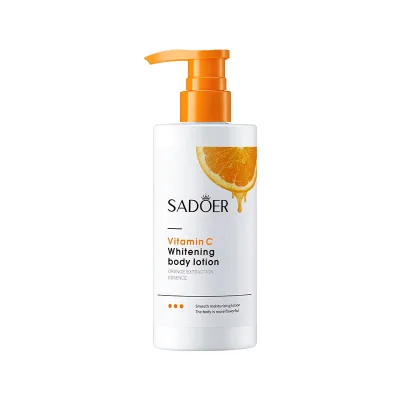
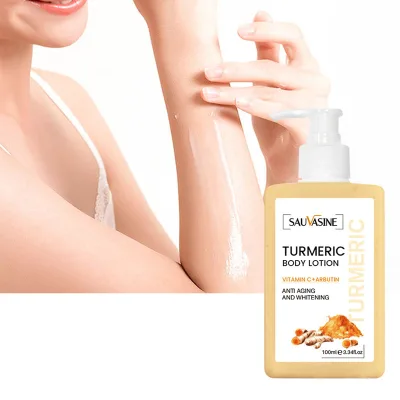
Beauty Cosmetics Skin Care Anti Aging Whitening Vitamin C Turmeric Body Lotion
$2.00 - $2.80
MOQ: 100 Pieces





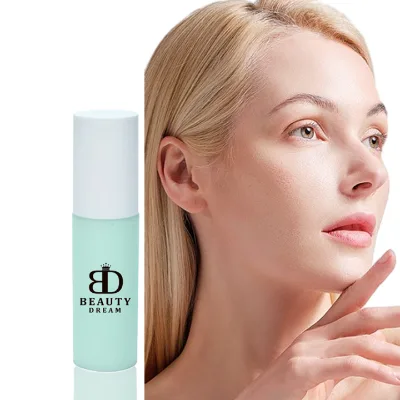
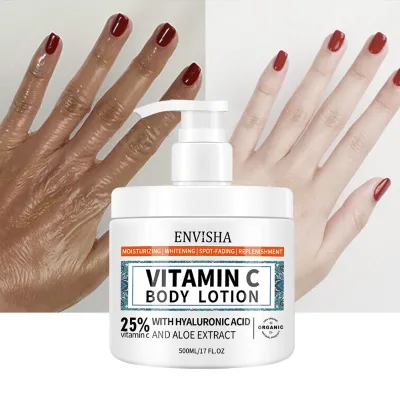
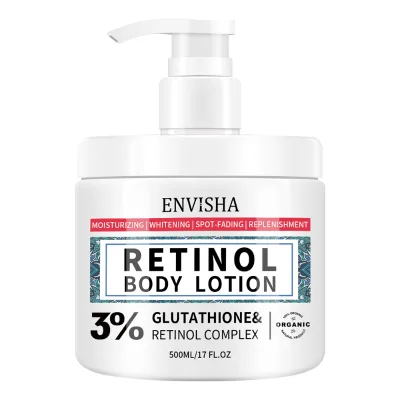


Comprehensive Sourcing Guide
Whitening Plant-Based Vitamin C Lotion Sourcing Guide
Sourcing whitening plant-based vitamin C lotions requires a nuanced understanding of how botanical extracts interact with synthetic brightening agents to deliver consistent efficacy. Buyers must recognize that "plant-based" often refers to the inclusion of soothing or stabilizing botanicals rather than the exclusion of all synthetic actives. In the current market, formulations frequently combine Vitamin C derivatives with ingredients like aloe vera, turmeric, or shea butter to balance brightening power with skin barrier support. This guide outlines the critical verification steps for procurement professionals seeking to source these products, focusing on specification accuracy, regulatory compliance, and supply chain reliability.
The procurement landscape for these lotions is characterized by a high degree of customization and private label opportunities. Most manufacturers operate as OEM or ODM providers, allowing buyers to tailor the base formula, scent, and packaging to specific brand identities. However, this flexibility introduces complexity in quality control, as the final product’s performance depends heavily on the stability of the Vitamin C component and the purity of the plant extracts. Buyers must establish clear technical requirements early in the sourcing process to ensure that the "plant-based" claim is substantiated by the ingredient list and that the whitening efficacy is measurable and repeatable.
Product Scope and Observed Listing Signals
The observed product range for whitening plant-based vitamin C lotions spans multiple form factors, primarily focusing on body lotions and specialized serums. Listings indicate a strong presence of multi-ingredient formulations that combine Vitamin C with other brightening agents such as niacinamide, glutathione, and turmeric. These combinations are designed to address various skin concerns, including dark spots, pigmentation, and uneven skin tone. The product types observed include anti-spot pigmentation creams, turmeric body lotions, and multi-vitamin brightening lotions, suggesting that buyers should look beyond simple Vitamin C products to find comprehensive brightening solutions.
Key features highlighted in the market include moisturizing, nourishing, and skin revitalizing properties, which are essential for maintaining skin health while undergoing brightening treatments. The observed main ingredients often include aloe vera, glycerin, shea butter, and various plant extracts, which serve to mitigate potential irritation from active brightening agents. Additionally, some products incorporate specialized ingredients like dead sea salt, emu oil, or green tea, indicating a trend toward holistic skincare formulations. Buyers should verify that the specific plant-based claims align with the actual ingredient profile, as marketing terms can sometimes be broader than the technical formulation.
Technical Specifications to Verify
Volume and packaging standards vary significantly across suppliers, with observed sizes ranging from 30ml serums to 250ml body lotions. Buyers must confirm the exact volume and packaging type, as options include paper boxes, normal packages, or carton-packed units. The customization of volume is a common feature, allowing brands to select sizes that fit their retail strategy, whether for trial-sized serums or full-size body care products. It is crucial to verify the material compatibility between the lotion and the packaging, especially for Vitamin C formulations, which can be sensitive to light and air exposure.
The formulation model and specific ingredient concentrations are critical technical specifications that require rigorous verification. For instance, some products are labeled with specific concentrations, such as 15% Vitamin C, which implies a high potency that may require careful stability testing. Buyers should request detailed ingredient lists to confirm the presence and proportion of plant-based extracts and Vitamin C derivatives. Additionally, the skin type compatibility, ranging from normal and oily to combination and all skin types, should be matched with the target demographic to ensure product suitability and minimize adverse reactions.
Compliance and Safety Documentation
Regulatory compliance is a cornerstone of sourcing whitening lotions, with certifications such as CE, GMP, MSDS, and FDA being commonly observed. These certifications indicate that the manufacturing facility adheres to specific quality and safety standards, which is essential for products intended for global distribution. Buyers must verify the validity and scope of these certifications, ensuring they cover the specific product lines being sourced. The presence of MSDS (Material Safety Data Sheet) is particularly important for understanding the chemical composition and handling requirements of the lotion.
In addition to product-specific certifications, buyers should inquire about broader quality management standards, such as ISO 9001 or ISO 14001, although these are often background standards rather than product-specific claims. The origin of the products, frequently noted as Guangdong or Guangzhou in China, should be cross-referenced with the supplier’s legal entity to ensure transparency. Buyers must also verify that the product labeling complies with the regulatory requirements of the destination market, including ingredient listing, net weight, and usage instructions.
Cost Drivers and Commercial Terms
The cost of whitening plant-based vitamin C lotions is influenced by several factors, including the concentration of active ingredients, the complexity of the formulation, and the packaging materials. Observed price ranges and MOQs (Minimum Order Quantities) vary widely, with MOQs ranging from 20 to 10,000 units depending on the supplier and product type. Buyers should negotiate MOQs based on their sales forecast and storage capacity, keeping in mind that lower MOQs may come with higher per-unit costs. The customization of the formula and packaging can also impact the final price, so it is essential to clarify all customization requirements upfront.
Commercial terms such as EXW, FOB, CIF, CFR, DAP, and DDP are commonly offered, providing flexibility in logistics and risk management. Buyers should select the term that best aligns with their supply chain capabilities and cost structure. Production times typically range from 7 to 30 days, which should be factored into inventory planning and launch schedules. It is advisable to establish clear communication channels with the supplier to monitor production progress and address any potential delays promptly.
Supplier Qualification and Quality Control
Supplier qualification involves assessing the manufacturer’s capability to produce consistent, high-quality whitening lotions. Buyers should verify the supplier’s experience in OEM/ODM services and their ability to handle private label requirements. The availability of customization services, including formula modification and packaging design, is a key indicator of a supplier’s flexibility and expertise. Buyers should request samples to evaluate the product’s texture, scent, and initial efficacy before committing to large orders.
Quality control measures should be clearly defined in the procurement agreement, including pre-shipment inspections and third-party testing if necessary. Buyers should inquire about the supplier’s internal quality control processes, such as raw material testing and finished product analysis. The ability to provide batch-specific test reports for stability, microbial safety, and active ingredient concentration is a strong indicator of a reliable supplier. Establishing a clear protocol for handling non-conforming products is also essential to mitigate risks associated with quality issues.
Long-Term Procurement Checks
Long-term procurement success depends on the supplier’s ability to maintain product consistency and adapt to market changes. Buyers should establish regular review cycles to assess product performance, customer feedback, and regulatory updates. The stability of the Vitamin C formulation over time is a critical factor, as degradation can lead to reduced efficacy and potential safety issues. Buyers should request periodic stability test results to ensure that the product remains effective throughout its shelf life.
Additionally, buyers should monitor the supplier’s capacity to scale production and manage supply chain disruptions. The ability to source high-quality raw materials, such as pure Vitamin C and plant extracts, is essential for maintaining product integrity. Building a strong relationship with the supplier, including open communication and collaborative problem-solving, can help address challenges proactively. Regular audits and performance evaluations can ensure that the supplier continues to meet the buyer’s quality and service expectations over the long term.
FAQs
What certifications do the Whitening Plant-Based Vitamin C Lotion products have?
The products hold CE, GMP, MSDS, and FDA certifications. These documents verify compliance with safety and quality standards for manufacturing and export, ensuring the items meet international regulatory requirements for skin care applications.
Can I customize the packaging and specifications for this lotion?
Yes, customization is available for packaging and specifications. Buyers can select from options like paper boxes or cartons, and choose standard volumes such as 100ml, 200ml, or 250ml to match their specific branding and market needs.
What is the minimum order quantity for these whitening lotions?
The minimum order quantity ranges from 20 to 10,000 units depending on the specific product model. Some items like the 15% Vitamin C serum require 100 pieces, while other bulk options allow for lower or higher entry thresholds.
How long does production take for custom orders of this lotion?
Production time typically spans 7 to 30 days for custom orders. This duration accounts for formulation adjustments, packaging customization, and quality checks required before the goods are ready for shipment from the manufacturing facility in Guangdong.
Which main ingredients are used in the plant based vitamin c lotion?
Key ingredients include Aloe Vera, Glycerin, Shea Butter, and Vitamin C. Some formulations also incorporate Turmeric, Dead Sea Salt, Emu oil, Green Tea, and Pearl to enhance moisturizing, lightening, and skin revitalizing effects for various skin types.
What are the primary functions of this Whitening Plant-Based Vitamin C Lotion?
The lotion functions as a moisturizer, exfoliator, and skin revitalizer. It is specifically designed to remove pigmentation, fade dark spots, treat acne, and provide instant whitening effects while nourishing the skin for a brighter complexion.