Source widebody bolt-on body kit with spoiler for cars, trucks, and SUVs
Explore 30 listings for the widebody bolt-on body kit with spoiler designed for universal fitment on various vehicle models. Buyers can compare features like ABS construction, self-adhesive tape backing, and easy installation options from verified Chinese manufacturers.
Key considerations
Products List


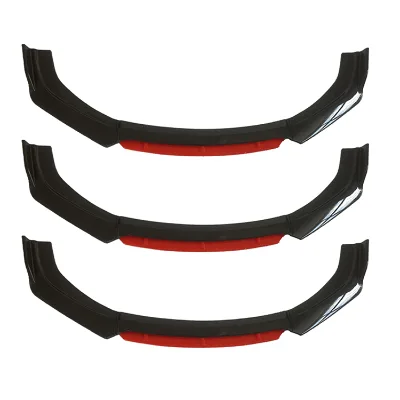


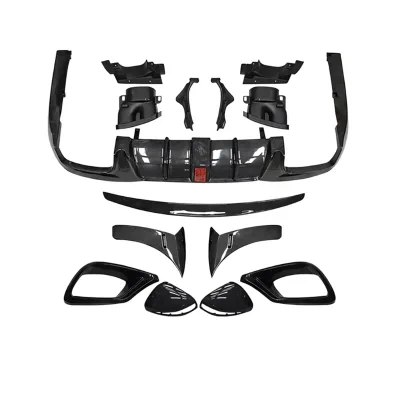
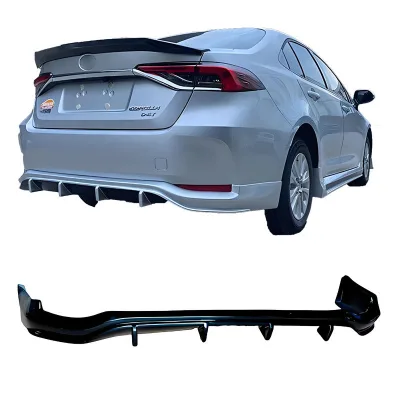
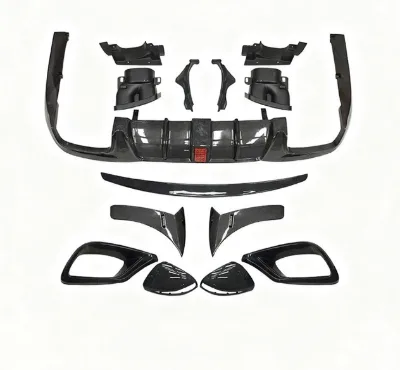
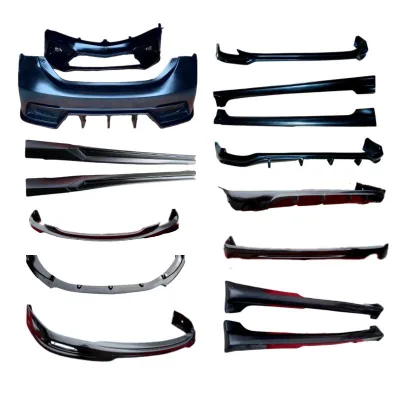


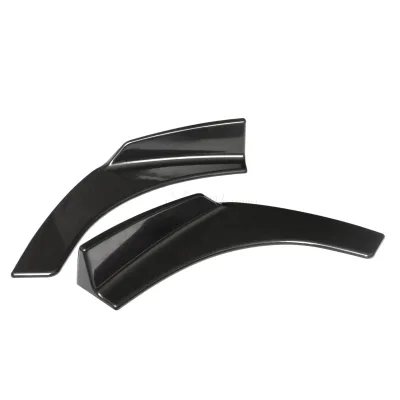


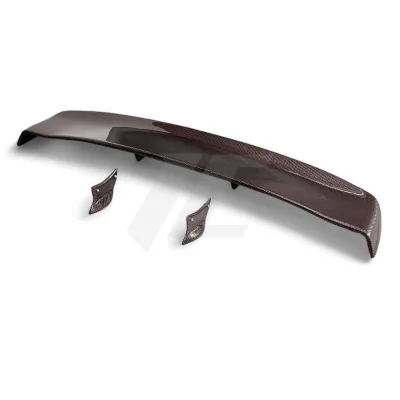
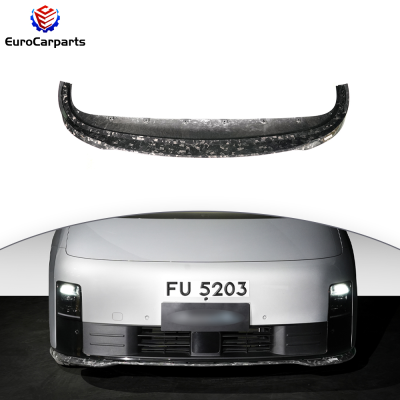
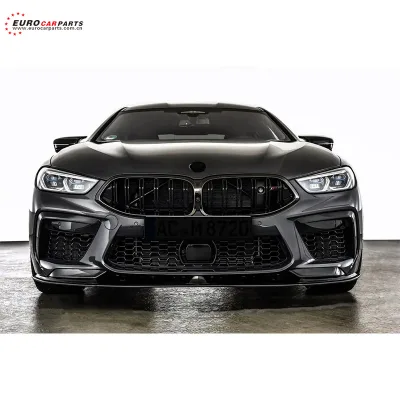
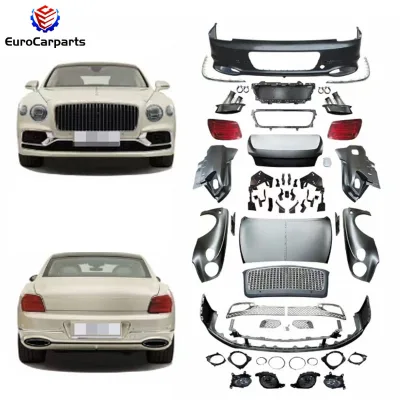
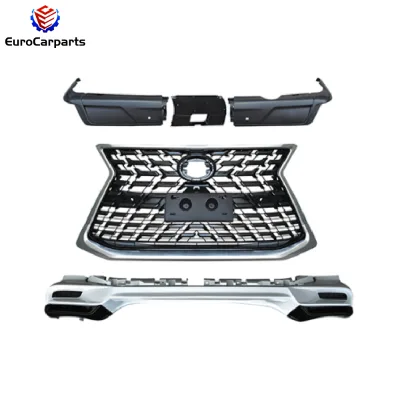
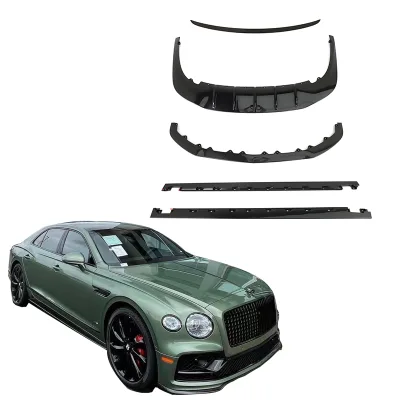
Comprehensive Sourcing Guide
Strategic Sourcing Guide for Widebody Bolt-on Body Kits with Spoilers
Technical Specifications and Material Composition
When sourcing a widebody bolt-on body kit with a spoiler, the primary objective is to identify components that offer structural integrity while maintaining the aesthetic and functional goals of vehicle modification. The supplied product data indicates a diverse range of material compositions, with Acrylonitrile Butadiene Styrene (ABS) and Polyvinyl Chloride (PVC) appearing as primary candidates. ABS is frequently cited in the context of new condition parts, offering a balance of impact resistance and ease of molding, which is critical for complex widebody geometries. Conversely, PVC is noted in specific certification contexts, suggesting its use in flexible or adhesive-backed applications, such as side skirts or specific trim elements.
The physical dimensions of these kits vary significantly based on the intended application. Observed specifications include standard packing dimensions of 1352030 cm and 94x30x10cm, alongside specific product standards like 17cm25cm18cm for smaller components. For spoiler-specific items, lengths may extend to 1.5 meters or be fully customizable. Buyers must verify that the "Universal" fitment claims, which appear in some listings, align with the specific vehicle platform. While some products are labeled as "Universal Side Skirts/Rear Front/Chin," others explicitly state "Universal Fitment: No," indicating a need for precise model matching. The attachment method is a critical technical differentiator; the data highlights "Screw-On" as a primary method for bumper lips and spoilers, often accompanied by "Other mounting hardware." This contrasts with adhesive-only solutions, such as those utilizing "Self Adhesive Tape" backing, which are common for stickers or lightweight trim but less suitable for high-stress widebody panels.
Compliance, Certification, and Regulatory Standards
Navigating the regulatory landscape for automotive body kits requires careful verification of certifications and material standards. The supplied data explicitly lists "CCC" (China Compulsory Certification) and "ISO" as certifications associated with specific product entries. While CCC is a mandatory standard for products sold within China, its presence in international listings often signals adherence to specific manufacturing quality controls. However, buyers must distinguish between certifications for the raw material versus the finished assembly. The data notes "ISO Material:PVC," suggesting that the certification may apply to the material composition rather than the final vehicle modification system.
In addition to formal certifications, buyers should verify compliance with local vehicle modification laws. Widebody kits often alter the vehicle's width, which can trigger regulatory scrutiny regarding road legality. The "prod_standard" field lists specific dimensions like "1352030 cm," but these represent packaging or component sizes rather than legal width limits. It is imperative to confirm that the selected kit does not exceed local maximum width allowances. Furthermore, the "Brand Name: Hongyang" and "OEM Service: Yes" attributes indicate that some suppliers offer original equipment manufacturer services, which may imply a higher level of quality assurance and traceability. Buyers should request documentation proving that the specific batch of parts meets the stated ISO or CCC standards, as these claims should be validated against the specific SKU being purchased.
Cost Drivers and Pricing Variables
The pricing structure for widebody bolt-on body kits is influenced by a complex interplay of material costs, customization levels, and order volume. The observed price range in the market spans from $2.8 to $20,200 USD. This vast disparity reflects the difference between small accessories, such as carbon fiber stickers or single spoiler units, and complete widebody systems. The lower end of the spectrum likely corresponds to items like "Car Stickers" or "Rear Roof Spoilers" with minimal material usage, while the upper end encompasses full-body kits involving extensive ABS or composite molding.
Minimum Order Quantity (MOQ) is a significant cost driver. The data shows an MOQ range from 1 to 1000 units, with specific listings citing an MOQ of 50 PCS for bumper lips. Buyers sourcing for a single vehicle will find that the unit cost is significantly higher than those purchasing in bulk for fleet upgrades or retail distribution. Customization is a major factor in price escalation; the "Customized" attribute and "1.5m or customize" specifications indicate that non-standard dimensions or bespoke designs command a premium. Additionally, the "Service: OEM&ODM" capability suggests that suppliers offering design and engineering support will charge higher rates compared to those selling off-the-shelf inventory. Buyers should also account for packaging costs, as the data lists various packing methods including "Carton Box," "Roll," and "OPP" bags, which can impact the final landed cost, especially for international shipping.
Typical Applications and Vehicle Compatibility
Widebody bolt-on body kits with spoilers are primarily designed for automotive modification and aesthetic enhancement, though they also serve functional purposes such as aerodynamic stability and body protection. The "Application" field in the data lists "Car" and "Universal Side Skirts/Rear Front/Chin," indicating broad usage across various vehicle types. However, the "Car Model: Universal" designation requires careful interpretation. While some products claim to fit "almost cars," others specify "Universal Fitment: No," suggesting that a specific model match is necessary for proper installation.
The "Usage" attribute highlights "Protection Car Body," implying that these kits are not merely decorative but also serve to shield the vehicle from minor impacts and road debris. The "Function" is described as "Decoraion" (Decoration) and "Car Modification," reinforcing their role in personalization. Specific applications include "Front Bumper" lips, "Rear Roof Spoilers," and "Side Skirts." The "Position" attribute further clarifies that components are designed for specific locations, such as the front bumper or rear spoiler area. Buyers must ensure that the "Car Make" compatibility is verified, as the "fit for almost cars" claim may be marketing language rather than a technical guarantee. For retrofit or upgrade purposes, the "Purpose" is explicitly stated as "for retrofit/upgrade," making these kits suitable for existing vehicles rather than factory-integrated systems.
Supplier Evaluation and Service Capabilities
Evaluating suppliers for widebody body kits requires a focus on their manufacturing capabilities, service offerings, and geographic origin. The data indicates that products originate from "Guangdong, China" and "Jiangsu, China," two major manufacturing hubs known for automotive parts production. Buyers should prioritize suppliers who offer "OEM&ODM" services, as this indicates the ability to customize designs and manage production runs tailored to specific requirements. The presence of "Brand Name: Hongyang" suggests that established brands exist in this sector, though buyers should verify the reputation and track record of any specific entity.
Service levels are another critical evaluation metric. The "Service" attribute confirms that OEM and ODM support is available, which is essential for buyers seeking custom-fit solutions. Additionally, the "Warranty: 12 Months" attribute provides a baseline for after-sales support, though buyers should confirm the terms of this warranty, including coverage for installation errors or material defects. The "Condition" is consistently listed as "New" or "Brand New," ensuring that buyers receive fresh inventory rather than refurbished goods. Buyers should also assess the "Features" such as "Easy Installation" and "Durable" performance, as these directly impact the total cost of ownership and customer satisfaction.
Quality Control and Long-Term Procurement Considerations
Ensuring the quality of widebody kits involves rigorous inspection of materials, fitment, and finish. The "Material" attributes of ABS and PVC suggest that buyers should request samples to test for flexibility, impact resistance, and UV stability. The "Features" list includes "Durable," but this is an observation that must be validated through physical testing or third-party verification. The "Attachment Type" of "Screw-On" implies a need for precise hole alignment and the inclusion of "Other mounting hardware," which should be checked for corrosion resistance and strength.
Long-term procurement considerations include the availability of spare parts and the consistency of supply. The "Selling Units: Single item" attribute suggests that some suppliers sell individual components, which is beneficial for repairs or replacements. However, for complete kits, buyers should verify the "Packing" consistency, as variations between "Carton," "Roll," and "OPP" packaging can affect storage and shipping logistics. The "Customization: Available" attribute indicates that suppliers can adapt to changing market demands, but buyers should establish clear communication channels to manage these custom orders effectively. Finally, the "Place of Origin" being China requires buyers to consider potential supply chain disruptions and to implement robust quality control protocols before accepting large shipments.
Comparative Analysis of Product Attributes
To facilitate decision-making, the following table summarizes key attributes observed in the supplied product data, highlighting the variations buyers may encounter.
| Attribute Category | Observed Values | Implications for Buyers |
|---|---|---|
| Material | ABS, PVC | ABS offers rigidity for structural parts; PVC is flexible, often for trim or adhesive parts. |
| Fitment | Universal, No (Specific) | "Universal" requires verification of actual fit; "No" mandates exact model matching. |
| Attachment | Screw-On, Self Adhesive | Screw-on provides permanent, strong mounting; adhesive is easier but less durable for widebodies. |
| Certification | CCC, ISO | Verify if certification applies to material or final assembly; check local regulatory acceptance. |
| MOQ | 1 - 1000, Specific 50 PCS | Low MOQ allows sampling; high MOQ reduces unit cost but increases inventory risk. |
| Origin | Guangdong, Jiangsu, China | Major hubs with established supply chains; verify specific factory capabilities. |
| Warranty | 12 Months | Standard duration; confirm coverage scope and claim process. |
| Condition | New, Brand New | Ensure parts are not refurbished; check for manufacturing defects upon receipt. |
By systematically analyzing these attributes, buyers can mitigate risks associated with sourcing widebody bolt-on body kits with spoilers. The data underscores the importance of verifying technical specifications, understanding the nuances of fitment, and selecting suppliers with robust service and quality control frameworks. This disciplined approach ensures that the final procurement aligns with both aesthetic goals and functional requirements.
FAQs
What materials are used for widebody bolt-on body kits with spoiler?
The kits primarily use ABS and PVC materials. ABS offers impact resistance for structural parts, while PVC is often used for flexible trim or adhesive-backed components like stickers.
How are these body kits attached to the vehicle?
Most components utilize a screw-on attachment type with included mounting hardware. Some lighter items like stickers rely on self-adhesive tape backing for installation.
Can I find universal fitment for these body kits?
Some listings claim universal fitment for almost all cars, but others specify no universal fitment. Buyers must verify specific model compatibility before purchasing to ensure proper installation.
What certifications are available for these automotive parts?
Products may carry CCC and ISO certifications. These standards often apply to the raw material composition or manufacturing quality rather than the final vehicle modification system.
Which locations supply these widebody kits?
Products originate from major manufacturing hubs in Guangdong and Jiangsu, China. These regions have established supply chains for automotive parts production and customization services.
What is the typical minimum order quantity for these kits?
Minimum order quantities range from 1 to 1000 units depending on the supplier. Specific items like bumper lips may require a minimum of 50 pieces per order.
Do suppliers offer customization for these body kits?
Yes, customization is available for dimensions and designs. Suppliers can provide OEM and ODM services to create bespoke solutions with lengths up to 1.5 meters or specific custom sizes.