Source Lab Color Modes Colorimeter for Paint, Ink, and Plastic
Find and compare Lab Color Modes Colorimeter options from verified manufacturers. This sourcing guide covers 30 products with features like CIELAB and HunterLAB display modes, suitable for paint, ink, plastic, and textile applications. Evaluate specifications including accuracy, light sources, and connectivity to find the right instrument for your quality control needs.
Updated
Key considerations
Products List
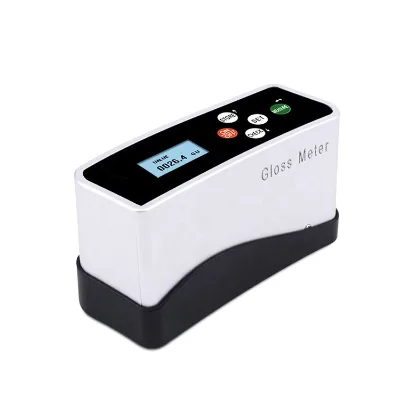
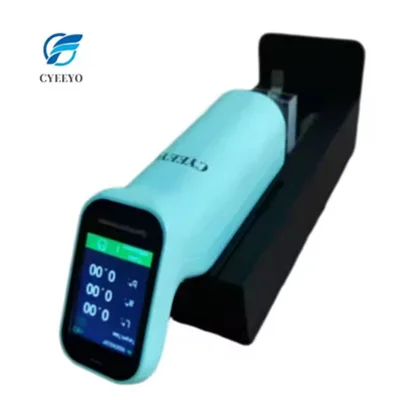
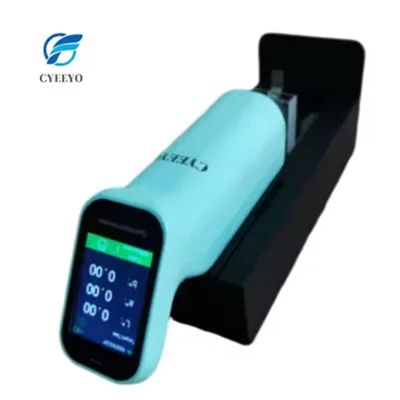


Comparator Colorimeter Lovibond Colorimeter Laboratory Automatic Tintometer
$450.00 - $650.00
MOQ: 1 Pieces


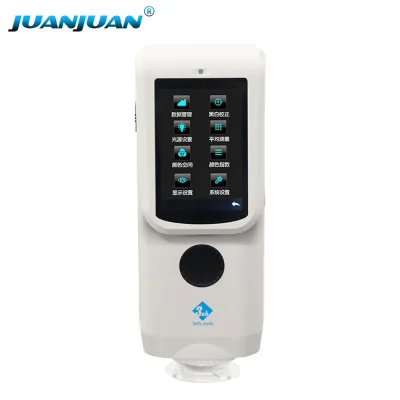
3nh Factory Lab Test Colorimeter and Color Difference Meter for Medical Laboratory
$620.00 - $646.00
MOQ: 1 Pieces


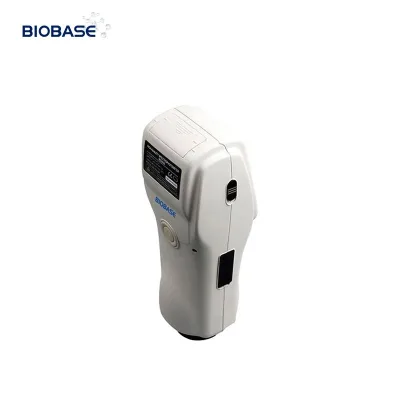
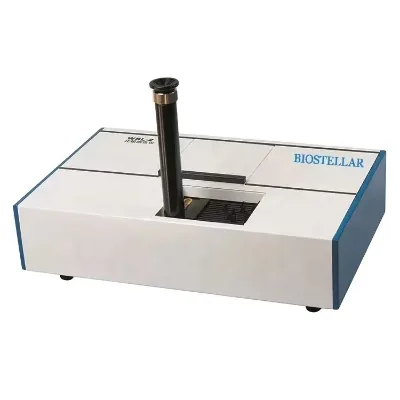
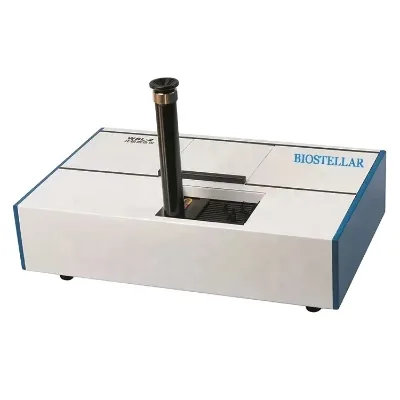

Precision Colorimeter-Colorimeter-Laboratory Precision Colorimeter Instrument
$1.00 - $500.00
MOQ: 1 Pieces


$1300.00 - $1500.00
MOQ: 1 Sets


Comprehensive Sourcing Guide
Lab Color Modes Colorimeter Sourcing Guide
Procuring a Lab Color Modes Colorimeter requires a precise understanding of how optical measurement translates into actionable quality control data for manufacturing environments. Buyers must recognize that these instruments serve as the primary verification tool for color consistency across diverse materials, ensuring that final products meet strict aesthetic and functional standards. The selection process hinges on matching the device’s optical configuration to the specific material properties, such as translucency, opacity, or surface texture, which directly influence measurement accuracy.
This guide focuses on the technical and commercial realities of sourcing these devices, drawing from observed market listings and supplier specifications. It provides a structured approach to evaluating product scope, verifying critical technical parameters, and ensuring compliance with international safety and performance norms. By adhering to these evidence-based criteria, procurement teams can mitigate the risk of acquiring instruments that fail to deliver the necessary precision for their specific industrial applications.
Product Scope and Observed Listing Signals
The current market for color measurement instruments reveals a diverse range of devices tailored to specific industrial needs, with observed listings indicating a price range from zero to twelve thousand two hundred USD. These variations reflect differences in optical technology, software capabilities, and build quality, with many suppliers offering minimum order quantities of one unit to accommodate single-laboratory purchases. Buyers should note that product names often combine multiple functions, such as spectrophotometry and colorimetry, requiring careful scrutiny of the actual measurement capabilities rather than relying solely on marketing titles.
Observed attributes highlight a strong emphasis on customized support, with many suppliers offering OEM, ODM, and OBM services to integrate these devices into existing production workflows. The product scope extends beyond simple color matching to include comprehensive data analysis, with devices supporting various color modes like CIELAB, CIELCH, and HunterLAB. This flexibility allows laboratories to standardize their reporting formats across different departments, ensuring that color data is consistent and comparable regardless of the specific instrument used for initial measurements.
Technical Specifications to Verify
When evaluating technical specifications, buyers must prioritize the illumination condition and measurement geometry, as these factors fundamentally determine the accuracy of color data. Observed listings frequently cite the CIE Recommendation 8/d configuration, which is standard for many opaque samples, but buyers should verify if the device supports other geometries for translucent or glossy materials. Additionally, the wavelength resolution and measurement range are critical; for instance, some devices offer a wavelength resolution of 0.5nm, while others may have broader ranges, impacting the ability to detect subtle color differences in complex formulations.
Accuracy and stability metrics are equally important for long-term reliability, with observed specifications indicating accuracy classes ranging from standard to high accuracy. Buyers should verify the repeatability and stability values, such as a stable value of plus or minus 0.4 gloss units over ten minutes, to ensure consistent performance over time. Furthermore, the test interval and measurement caliber options, such as 4mm, 8mm, or 16mm apertures, must align with the sample sizes and surface areas typical in the buyer’s production environment to avoid measurement errors.
Compliance and Safety Documentation
Compliance with international standards is a non-negotiable aspect of sourcing laboratory equipment, ensuring that devices meet rigorous safety and performance criteria. Observed listings frequently reference certifications such as CE, ISO, FCC, 3C, and ROHS, which indicate adherence to specific regulatory frameworks for electrical safety and environmental impact. Buyers must verify that the provided certificates are current and applicable to the specific model being purchased, as certification status can vary between different product lines and manufacturing batches.
In addition to general safety certifications, buyers should check for compliance with specific industry norms that govern color measurement practices. Observed standards include GB9754, ISO2813, ASTM-D532, and ASTM-C584, which define the methods for measuring gloss and color properties of various materials. Ensuring that the device complies with these recognized standards is essential for maintaining quality control processes that are accepted by international clients and regulatory bodies, thereby facilitating smoother trade and compliance audits.
Cost Drivers and Commercial Terms
The cost of a Lab Color Modes Colorimeter is influenced by several key factors, including the complexity of the optical system, the quality of the light source, and the sophistication of the software interface. Observed listings show a wide price range, reflecting the disparity between basic handheld units and advanced benchtop spectrophotometers with extensive connectivity options. Buyers should consider the total cost of ownership, which includes not only the initial purchase price but also the cost of maintenance, calibration, and potential software upgrades over the device’s lifespan.
Commercial terms such as warranty and after-sales support are critical components of the procurement decision, with many suppliers offering a two-year warranty as a standard package. Buyers should verify the scope of this warranty, including coverage for parts and labor, and inquire about the availability of technical support and training. Additionally, the single gross weight and package dimensions, which can vary significantly between models, may impact shipping costs and logistics planning, particularly for international orders where freight charges can add substantial overhead to the final cost.
Supplier Qualification and Quality Control
Supplier qualification is a vital step in ensuring the reliability and longevity of the purchased equipment, requiring a thorough assessment of the manufacturer’s capabilities and reputation. Buyers should verify the place of origin and manufacturing facilities, as observed listings indicate production in regions such as Guangdong and Shandong in China, which are known for their electronics and instrumentation manufacturing hubs. Evaluating the supplier’s history of producing similar devices and their ability to provide customized solutions can provide insights into their technical expertise and commitment to quality.
Quality control processes should be explicitly discussed with potential suppliers, including the testing procedures used before shipment and the availability of calibration certificates. Buyers should request documentation that demonstrates the device’s performance against specified accuracy and stability metrics, ensuring that the instrument meets the required standards out of the box. Additionally, inquiring about the supplier’s policy for handling defective units and their responsiveness to technical issues can help mitigate the risks associated with equipment failure in a critical laboratory environment.
Long-Term Procurement Checks
Long-term procurement success depends on establishing a robust framework for ongoing maintenance, calibration, and performance verification of the color measurement instruments. Buyers should develop a schedule for regular calibration using certified reference standards to ensure that the device continues to provide accurate measurements over time. This proactive approach helps to identify any drift in performance early, allowing for timely adjustments or repairs before they impact production quality or product consistency.
Furthermore, buyers should monitor advancements in color measurement technology and software updates that may enhance the functionality of their existing devices. Engaging with suppliers for firmware updates and new feature releases can extend the useful life of the instrument and improve its integration with modern laboratory information management systems. By maintaining a strong relationship with the supplier and staying informed about industry best practices, procurement teams can ensure that their color measurement capabilities remain competitive and reliable in the long term.
FAQs
What color modes does the digital hunter lab colorimeter support?
The device supports multiple color modes including CIELAB, CIELCH, CIEXYZ, CIELUV, HunterLAB, and sRGB. It also displays CMYK color modes for print industry applications. This versatility allows users to analyze color data across various industry standards and ensure accurate color matching for textiles, food, and paint products.
Can the colorimeter measure whiteness and yellowness indices?
Yes, the instrument measures whiteness and yellowness indices including Ganz Brightness, ISO Brightness, and Yellowness Index. These metrics are essential for quality control in industries like plastics and paper. The device provides precise data to help manufacturers maintain consistent product appearance and meet specific industry brightness requirements.
What is the accuracy class of the spectrophotometer colorimeter?
The spectrophotometer colorimeter is classified as High Accuracy. It features an indication error of plus or minus 1.0 gloss units and a stable value of plus or minus 0.4 gloss units per ten minutes. This high precision ensures reliable measurements for paint, ink, and marble applications in laboratory settings.
Which certifications does the lab colorimeter hold?
The product holds CE, ISO, FCC, 3C, and ROHS certifications. These credentials confirm compliance with international safety and environmental standards. The device also adheres to norms such as GB9754, ISO2813, ASTM-D532, and ASTM-C584, ensuring it meets rigorous testing requirements for global market distribution and professional laboratory use.
What is the warranty period for the color measurement device?
The color measurement device comes with a two-year warranty. This coverage protects buyers against manufacturing defects and ensures long-term reliability. The warranty applies to the unit regardless of its specific model number, providing peace of mind for businesses investing in high-accuracy color analysis equipment for their production lines.
How does the device communicate with external systems?
The colorimeter supports Bluetooth communication and USB connectivity via a Type B connector. It also features an RS-232 interface with a baud rate of 115200bps. These options allow seamless data transfer to computers or printers, facilitating efficient integration into existing laboratory workflows and automated quality control systems.