Source Magnetic Dampened Auto Level for Construction, Surveying, and Leveling
Find 30 Magnetic Dampened Auto Level options from Chinese manufacturers. Compare specifications like IP66 ratings, magnification, and leveling accuracy to select the right tool for your project needs. These instruments feature aluminum alloy bodies and magnetic compensators for reliable performance in various field conditions.
Updated
Key considerations
Products List
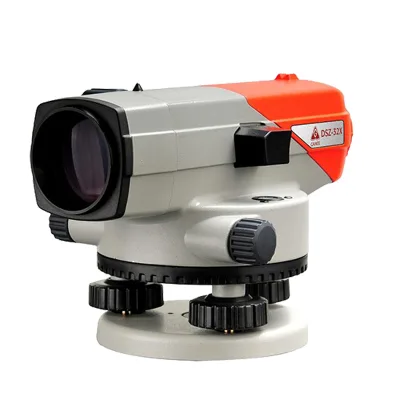
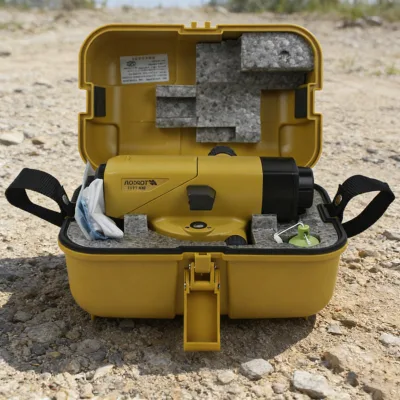
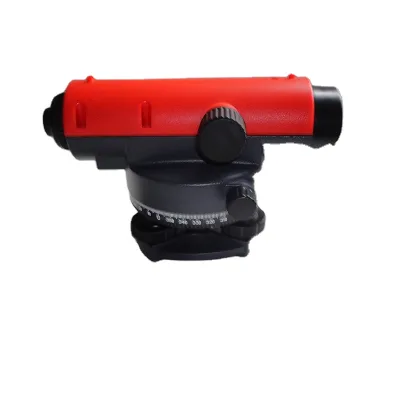
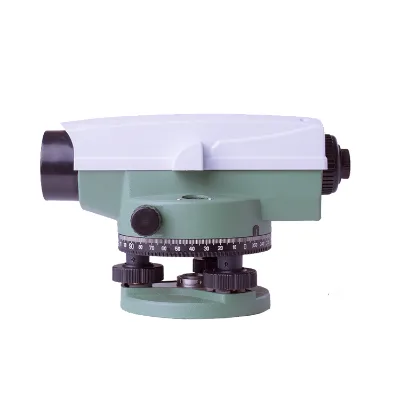
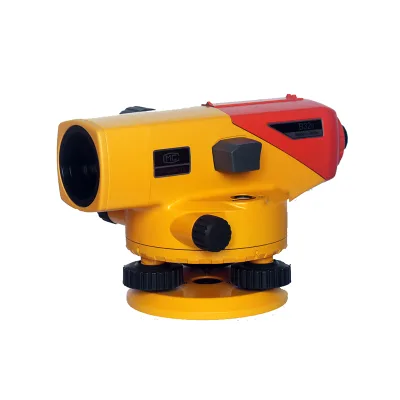
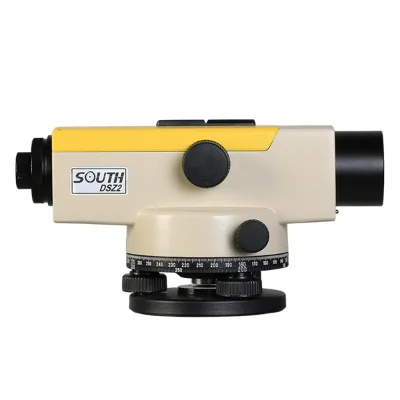
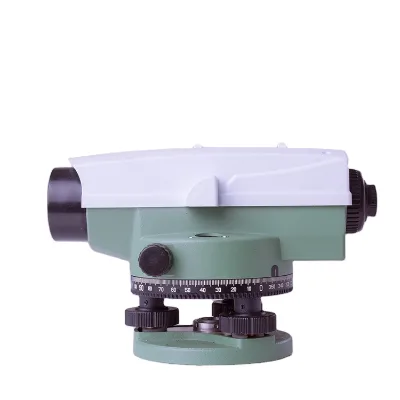
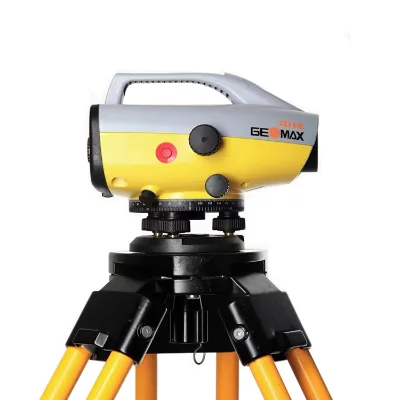


High Measurement Precision Automatic Level Surveying Instrument Auto Level
$289.00 - $299.00
MOQ: 1 Pieces


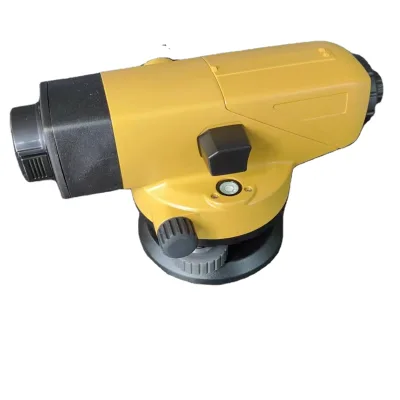
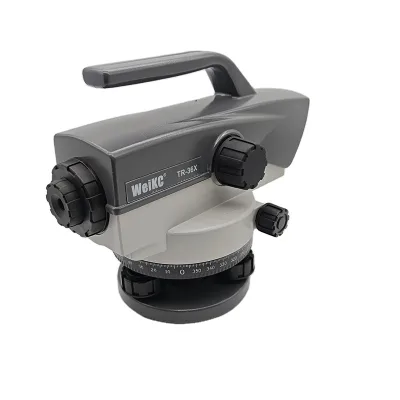
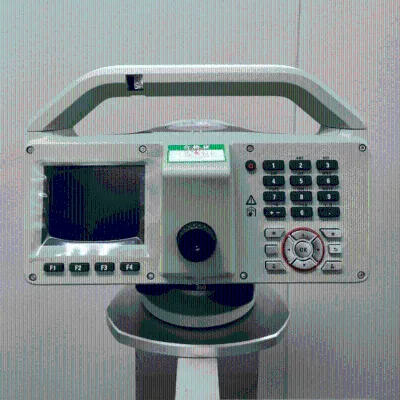
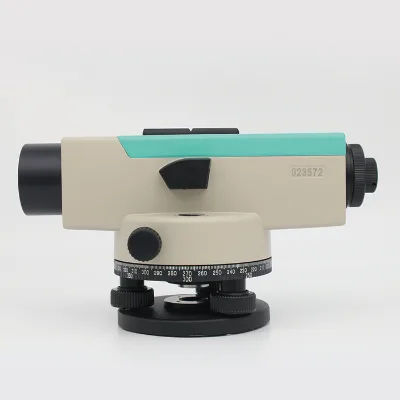
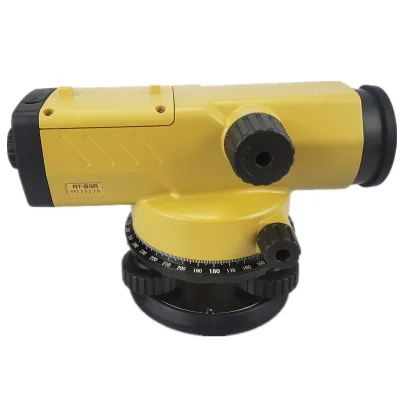
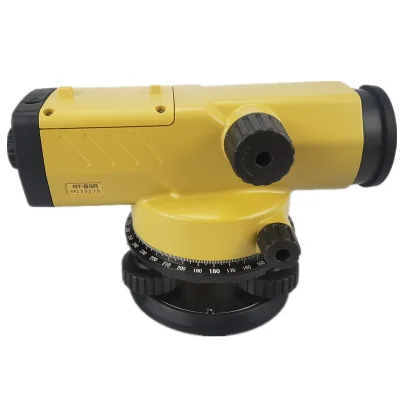
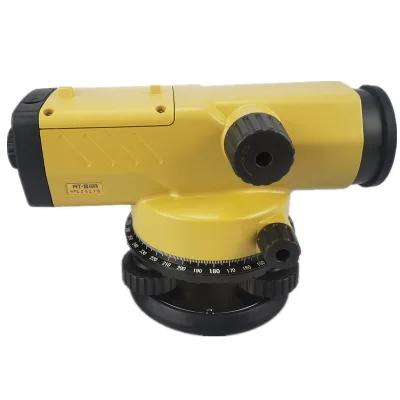
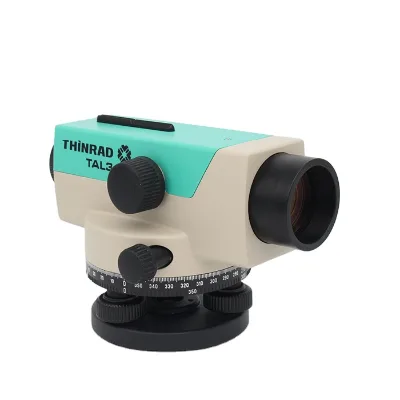
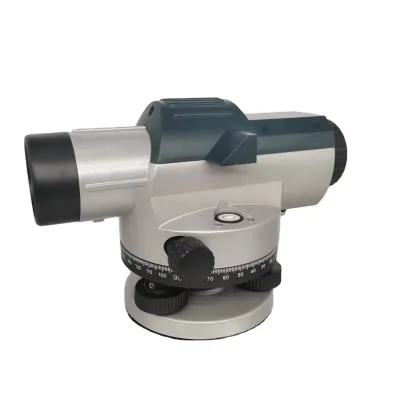
Factory Sale 32X Magnetic Damping Land Surveying Auto Level Equipment
$77.0081 - $97.5437
MOQ: 2 pieces
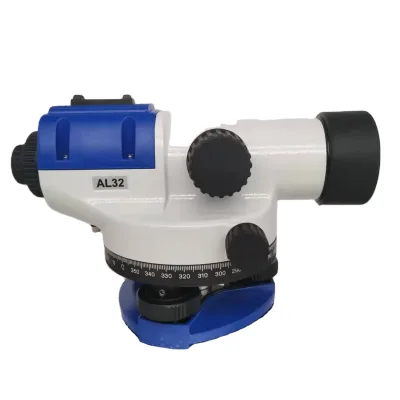
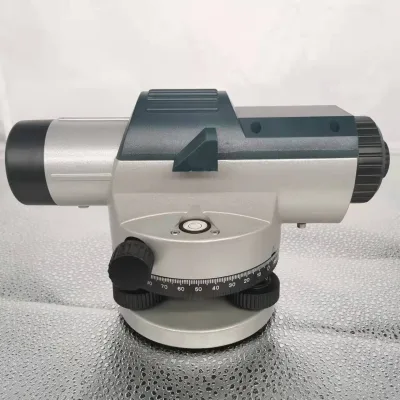
Special Measurement Design Auto Level 32X Magnetic Damping Auto for Sale
$77.0081 - $97.5437
MOQ: 2 pieces
Comprehensive Sourcing Guide
Magnetic Dampened Auto Level Sourcing Guide
Sourcing magnetic dampened auto levels requires a disciplined approach to verifying optical precision and mechanical stability. These instruments are critical for construction and surveying tasks where consistent elevation data is paramount. Buyers must distinguish between standard optical levels and those featuring magnetic compensators, which offer superior resistance to vibration and rapid settling times. The core value lies in the internal damping mechanism that stabilizes the line of sight, ensuring accuracy even in dynamic field conditions.
Procurement teams should focus on suppliers who provide transparent technical documentation regarding the compensator’s range and sensitivity. The market offers various models with differing magnification powers and objective apertures, necessitating careful selection based on specific project requirements. Understanding the interplay between magnification, aperture size, and leveling accuracy is essential for selecting the right tool. This guide outlines the key verification steps to ensure the purchased equipment meets professional standards for reliability and performance.
Product Scope and Observed Listing Signals
The current market presents a diverse array of auto levels, with observed prices ranging from $45 to $2,750 USD. This wide variance reflects differences in build quality, optical clarity, and included accessories. Buyers should note that the minimum order quantity (MOQ) typically ranges from 1 to 2 units, indicating that suppliers are flexible for both single-unit trials and small batch orders. This flexibility allows procurement teams to test individual units before committing to larger purchases, reducing initial risk.
Product listings frequently highlight key attributes such as IP66 protection, indicating resistance to dust and water ingress, which is vital for outdoor construction environments. Common materials include aluminum alloy, providing a balance of durability and lightweight portability. Observed weights vary, with some models weighing around 1.4kg to 1.75kg, while others, possibly including heavy-duty cases, may reach 25kg. These physical specifications help buyers assess portability and handling requirements for field teams.
Technical Specifications to Verify
Verification of magnification and objective aperture is crucial for determining the instrument’s effective range. Observed models feature magnifications of 24X, 28X, and 32X, with objective apertures ranging from 32mm to 42mm. Higher magnification enhances detail resolution at distance, while larger apertures improve image brightness in low-light conditions. Buyers must match these specs to their typical working distances, ensuring the level provides clear visibility without excessive eye strain during prolonged use.
Leveling accuracy and shortest sighting distance are equally important technical parameters. Some models boast an accuracy of ±0.1% or ±0.3", with a 1km double run leveling error of 1mm to 1.5mm. The shortest sighting distance typically ranges from 0.3m to 0.5m, affecting usability in confined spaces. Additionally, the measurement range of 0-100m defines the operational envelope. Procurement teams should request detailed calibration certificates to confirm these figures, as they directly impact project precision and compliance with engineering tolerances.
Compliance and Safety Documentation
While specific certification standards are not universally listed, buyers should insist on documentation that verifies the instrument’s compliance with relevant metrological standards. The presence of an IP66 rating suggests adherence to ingress protection norms, but formal certification marks should be requested for quality assurance. Suppliers offering OEM, ODM, or OBM support often have established quality management systems, which can be a proxy for regulatory compliance. Verifying these systems ensures that the manufacturing process meets international quality benchmarks.
Warranty terms provide a critical layer of protection for the buyer. Most observed listings offer a one-year warranty, which is standard for precision optical instruments. This coverage typically includes defects in materials and workmanship, offering recourse if the magnetic compensator fails or optical elements degrade prematurely. Buyers should clarify the warranty’s scope, including whether it covers accidental damage or only manufacturing faults. Clear warranty terms reduce long-term ownership costs and ensure support availability in case of instrument failure.
Cost Drivers and Commercial Terms
Several factors influence the final cost of magnetic dampened auto levels. The complexity of the magnetic compensator mechanism, the quality of optical glass, and the durability of the aluminum alloy housing are primary cost drivers. Models with higher magnification and larger apertures generally command higher prices due to the precision engineering required. Additionally, the inclusion of accessories such as tripods, carrying cases, and leveling rods can significantly impact the total package cost.
Commercial terms often include flexible shipping options, such as Less than Container Load (LCL) services, which are cost-effective for smaller orders. Buyers should obtain detailed shipping quotes to understand total landed costs, including duties and handling fees. The observed single gross weights, ranging from 7kg to 25kg, affect shipping logistics and costs. Negotiating bulk discounts for larger orders can yield significant savings, especially when leveraging the suppliers’ willingness to support OEM or ODM projects.
Supplier Qualification and Quality Control
Evaluating supplier qualifications is essential for ensuring consistent product quality. Buyers should prioritize suppliers with a proven track record in manufacturing precision optical instruments. The availability of customized support, including OEM and ODM services, indicates a supplier’s capability to adapt products to specific buyer requirements. This flexibility often correlates with a robust quality control infrastructure, as these suppliers must maintain strict tolerances to meet diverse client specifications.
Quality control processes should include rigorous testing of the magnetic compensator’s response time and stability. Buyers should request test reports or calibration data that demonstrate the instrument’s performance under various conditions. The place of origin, often Jiangxi or Jiangsu in China, suggests a concentration of manufacturing expertise in these regions. Verifying the supplier’s production facilities and quality assurance protocols helps mitigate the risk of receiving substandard equipment that may fail in the field.
Long-Term Procurement Checks
Long-term procurement success depends on establishing a reliable supply chain for maintenance and replacement parts. Buyers should confirm the availability of spare components, such as eyepieces, objective lenses, and compensator units, to extend the instrument’s lifespan. Suppliers offering software reengineering or technical support can provide valuable assistance in troubleshooting and optimizing instrument performance over time. This support is crucial for maintaining accuracy in critical surveying applications.
Regular calibration and maintenance schedules should be integrated into the procurement strategy to ensure ongoing accuracy. Buyers should negotiate service agreements that include periodic calibration checks and repairs. The observed model numbers, such as DSZ-32X, AT-B2, and X3, should be tracked to ensure compatibility with existing equipment and accessories. Establishing a long-term relationship with a qualified supplier ensures consistent quality and support, reducing downtime and enhancing project efficiency.
FAQs
What is the magnification range for these auto levels?
The magnification ranges from 24X to 32X depending on the specific model selected. This variation allows users to choose the appropriate optical power for their surveying needs. Higher magnification aids in reading distant staffs clearly, while lower options may offer wider fields of view for general leveling tasks.
How accurate is the leveling performance of these devices?
Leveling accuracy varies by model, with some achieving ±0.1% and others ±0.3 inches. The 1km double run leveling tolerance is typically 1mm to 1.5mm. These specifications ensure reliable elevation data for construction and engineering projects, meeting standard industrial precision requirements for professional surveying applications.
Can buyers request custom branding or OEM services?
Yes, customized support including OEM, ODM, and OBM services is available. Buyers can request specific branding or software reengineering to meet unique project requirements. This flexibility allows businesses to align the equipment with their corporate identity or specific operational workflows, ensuring the tools integrate seamlessly into their existing systems.
What is the warranty period for these surveying instruments?
The standard warranty period is one year for these auto levels. This coverage protects buyers against manufacturing defects and ensures product reliability during initial use. Buyers should retain purchase documentation to validate warranty claims, ensuring they receive support or repairs within the specified timeframe for their investment.
What material is used to construct the main body?
The main body is constructed from durable aluminium alloy. This material provides a lightweight yet robust structure, weighing approximately 1.4kg to 1.75kg. The aluminium construction ensures resistance to corrosion and physical impact, making the instruments suitable for demanding outdoor surveying environments and long-term field use.
What is the shortest sighting distance for these levels?
The shortest sighting distance ranges from 0.3 meters to 0.5 meters depending on the model. This close focusing capability allows for precise measurements in confined spaces or near obstacles. Users can achieve accurate readings even when the staff is positioned very close to the instrument, enhancing versatility in tight work areas.