Source portable lab dna dual-channel fluorometer for labs, clinics, schools
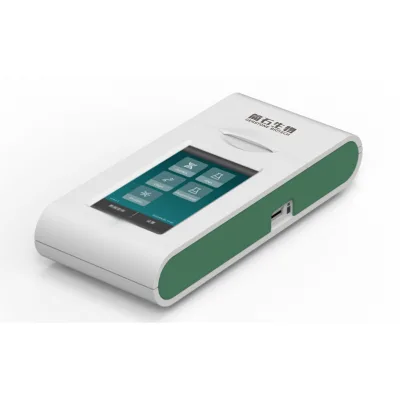
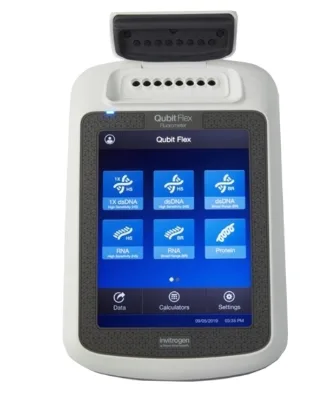
Compare 30 portable lab dna dual-channel fluorometer options from verified suppliers. These devices feature photodiode detectors, LED light sources, and rapid detection times suitable for liquid sample analysis in various laboratory settings; compare the available evidence and request quotations based on your requirements.
Updated
Key considerations
Products List
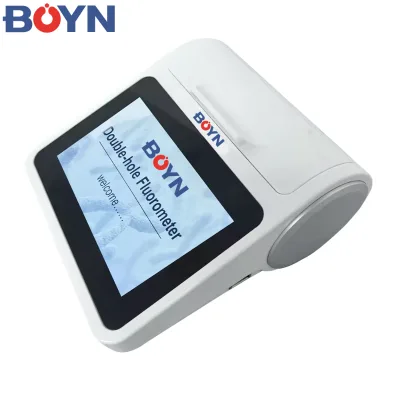


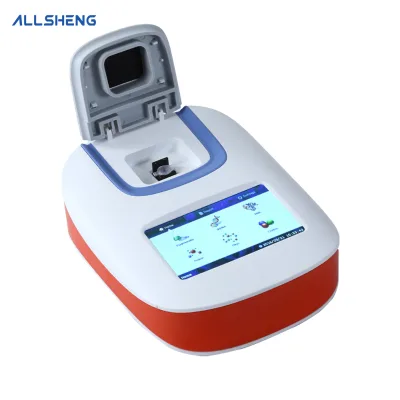
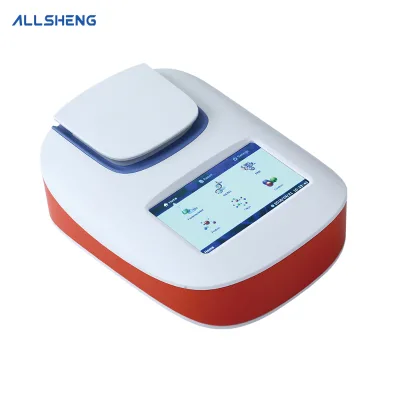
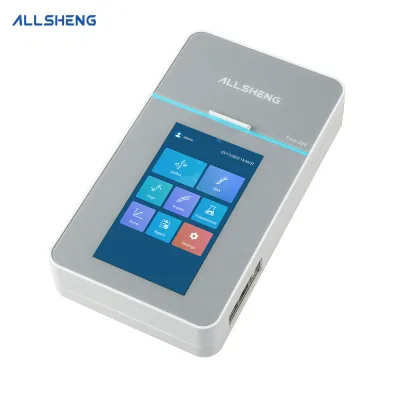
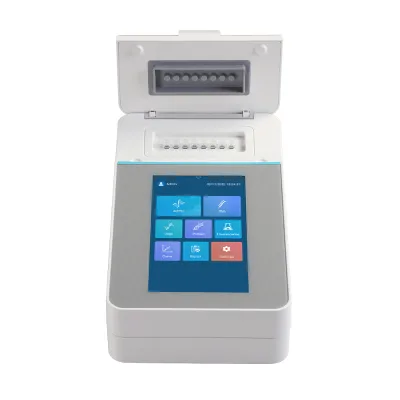
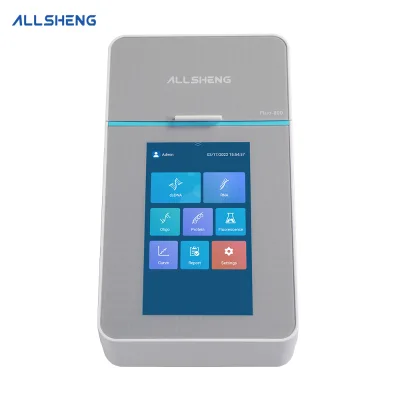
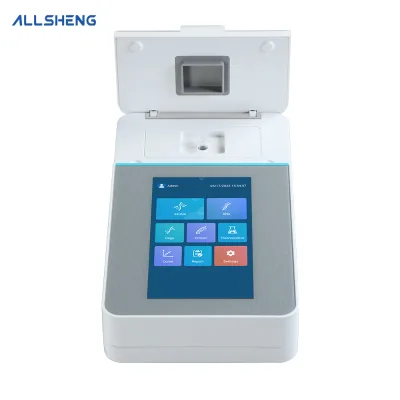
$3453.8945 - $3608.5465
MOQ: 1 pieces
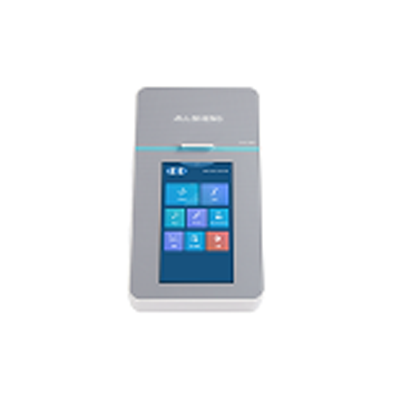
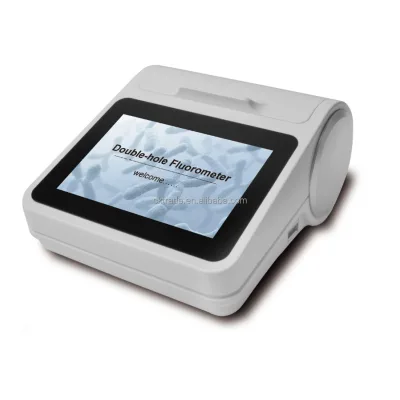
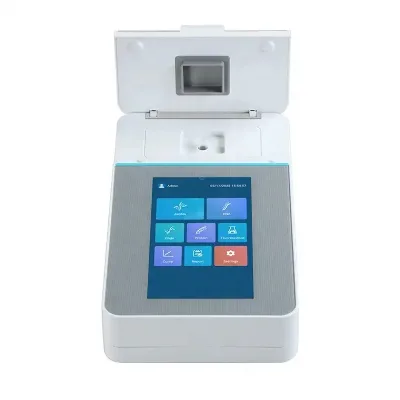
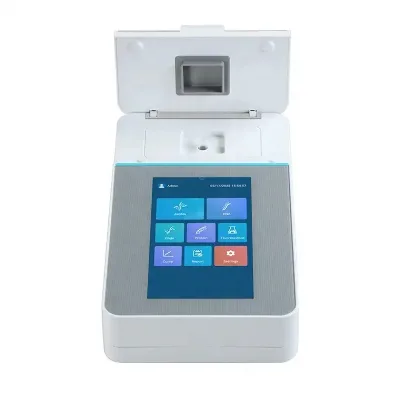
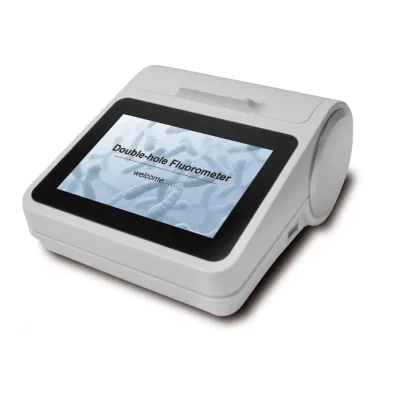

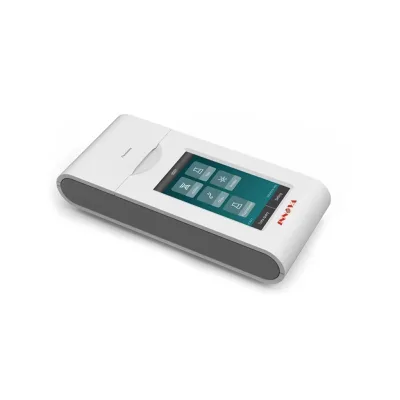
1 and 8 Channels Lab Photodiode Fluorescence Detector Quantitative Fluorometer
$100.00 - $4000.00
MOQ: 1 Pieces

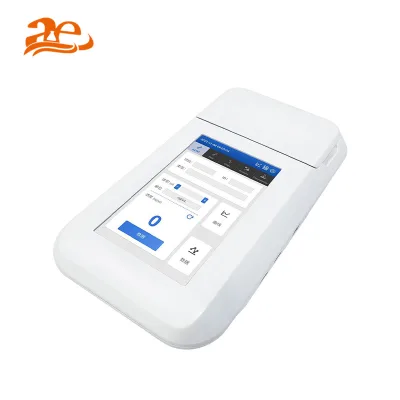
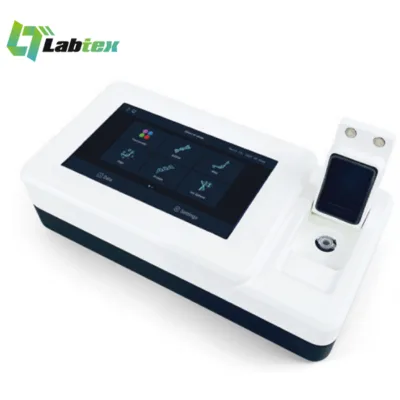
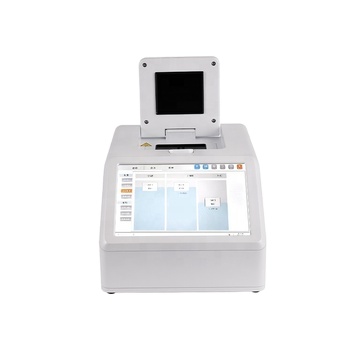

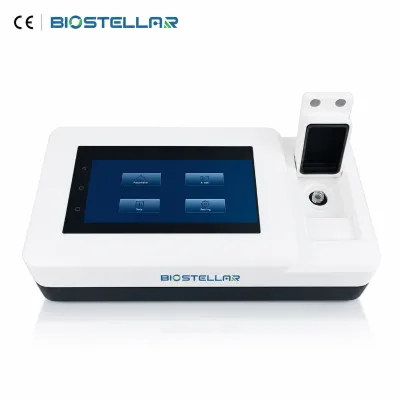
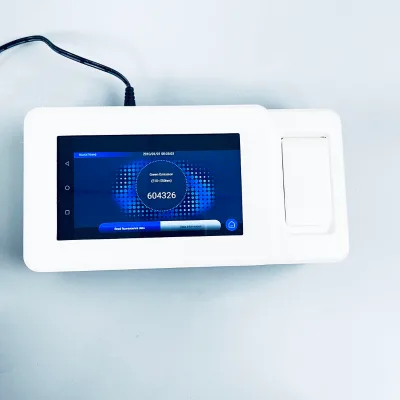


Laboratory 200-900nm Fluorometer Fluorescence Spectrophotometer Price
$4200.00 - $11900.00
MOQ: 1 Pieces
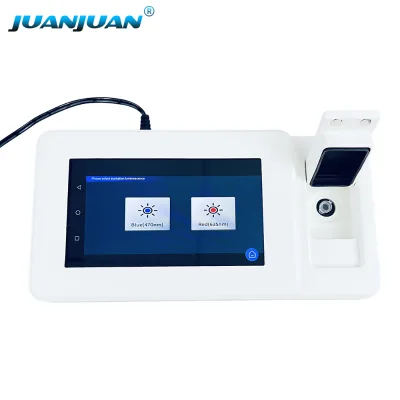
Comprehensive Sourcing Guide
Portable Lab DNA Dual-Channel Fluorometer Sourcing Guide
Procuring a portable lab DNA dual-channel fluorometer requires careful evaluation of optical architecture and detector sensitivity to ensure accurate quantification of nucleic acids. Buyers must prioritize instruments that offer high-resolution detection capabilities, as the precision of fluorescence measurements directly impacts the reliability of downstream molecular biology applications. The core technology typically relies on specific excitation and emission filters to isolate target signals from background noise, ensuring that low-concentration samples are detected with minimal error.
When sourcing these devices, it is essential to verify the light source stability and the detector’s measurement range to confirm compatibility with your specific assay requirements. Dual-channel systems often utilize distinct wavelengths for different sample types, such as distinguishing between double-stranded DNA and other nucleic acid forms. Understanding the underlying principle of the spectrometer, whether it employs a single-color LED or a more complex array, helps buyers assess the instrument’s versatility and long-term performance in a laboratory setting.
Product Scope and Observed Listing Signals
Market listings for portable fluorometers often highlight key attributes such as detection time, weight, and data storage capacity, which are critical for mobile or high-throughput laboratory environments. Observed specifications frequently include a detection time of five seconds or less, enabling rapid sample analysis without compromising throughput. The physical footprint is another significant factor, with many units designed for portability, weighing between zero and fifty kilograms, and featuring compact packaging dimensions that facilitate easy transport and storage in confined lab spaces.
Buyers should also note the customization options available, including OEM, ODM, and OBM services, which allow for tailored solutions to meet specific institutional needs. The presence of digital displays and automatic performance features indicates a user-friendly interface designed to streamline operation. Additionally, the availability of standard carton packing and single-item selling units suggests that these devices are often marketed as complete, ready-to-use systems rather than components requiring extensive assembly or integration with external hardware.
Technical Specifications to Verify
The optical performance of a dual-channel fluorometer is defined by its excitation and emission filters, which must be carefully matched to the fluorophores used in your assays. Typical configurations include blue excitation filters in the 430-495nm range and red filters in the 604-644nm range, paired with green emission filters at 510-580nm and red filters at 672-712nm. Verifying these spectral ranges ensures that the instrument can effectively capture the fluorescence signals from your specific DNA samples, minimizing cross-talk and maximizing signal-to-noise ratio.
Detector stability and linearity are equally critical parameters that influence data accuracy. Buyers should confirm that the photodiode detector offers a measurement capability of 300 to 1000nm and maintains a stability of 1.5% or better over time. Linearity, often expressed as an R-squared value of 0.995 or higher, is essential for ensuring that the instrument provides consistent readings across a wide range of sample concentrations. Additionally, the calibration type, whether two-point or three-point standards, should be compatible with your laboratory’s quality control protocols.
Compliance and Safety Documentation
Regulatory compliance is a fundamental requirement for laboratory equipment, and buyers must ensure that the fluorometer meets relevant safety and performance standards. The CE certification is a common indicator that the device adheres to European health, safety, and environmental protection standards, which is often a prerequisite for import and use in many international markets. Verifying this certification helps mitigate risks associated with electrical safety and electromagnetic compatibility, ensuring that the instrument operates safely within your laboratory environment.
Beyond basic certifications, buyers should inquire about additional quality management standards, such as ISO compliance, which may be offered by certain manufacturers. These standards reflect the supplier’s commitment to consistent manufacturing processes and quality control, which can be crucial for maintaining the long-term reliability of the instrument. It is also important to review the warranty terms, which typically range from one to fourteen months, to understand the level of support and protection provided against manufacturing defects or early failures.
Cost Drivers and Commercial Terms
The price of a portable lab DNA dual-channel fluorometer is influenced by several factors, including the complexity of the optical system, the quality of the detector, and the level of customization required. Observed price ranges can vary significantly, from entry-level models to high-end systems with advanced features, reflecting differences in performance and durability. Buyers should consider the total cost of ownership, including maintenance, calibration, and potential replacement parts, rather than focusing solely on the initial purchase price.
Minimum order quantities (MOQ) and lead times are also important commercial considerations, particularly for institutional buyers or those sourcing multiple units. While some suppliers may offer low MOQs of one to seven units, others might have higher thresholds for customized orders. Understanding these terms helps in planning procurement budgets and timelines, ensuring that the equipment is available when needed for critical research or diagnostic projects. Additionally, the availability of sample tubes, such as 0.5mL PCR tubes, may impact the overall cost and convenience of operation.
Supplier Qualification and Quality Control
Evaluating the supplier’s manufacturing capabilities and quality control processes is essential for ensuring the reliability of the purchased fluorometer. Buyers should verify the supplier’s location, with many manufacturers based in regions like Zhejiang, China, known for their electronics and laboratory equipment production. Assessing the supplier’s experience in OEM, ODM, and OBM services can provide insight into their flexibility and ability to meet specific technical requirements.
Quality control measures, such as rigorous testing of detector stability and linearity, are critical indicators of a supplier’s commitment to product excellence. Buyers should request documentation of these tests, including data on detection limits, such as 0.005ng/UL for double-stranded DNA, to confirm the instrument’s sensitivity. Additionally, reviewing the supplier’s warranty and after-sales support policies can help ensure that any technical issues are resolved promptly, minimizing downtime and maintaining the integrity of laboratory operations.
Long-Term Procurement Checks
Sustaining the performance of a portable lab DNA dual-channel fluorometer over time requires regular maintenance and calibration. Buyers should establish a schedule for verifying the instrument’s stability and linearity, using the provided calibration standards to ensure consistent accuracy. Keeping a record of maintenance activities and any deviations from expected performance can help identify potential issues early, allowing for timely intervention and repair.
Furthermore, staying informed about updates in fluorescence technology and assay requirements can help buyers determine when to upgrade or replace their existing equipment. As new fluorophores and detection methods emerge, the compatibility of the current instrument with these advancements becomes increasingly important. By maintaining a proactive approach to equipment management and supplier relationships, laboratories can ensure that their fluorometers continue to deliver reliable and precise results for years to come.
FAQs
What is the detection limit for dsDNA in this fluorometer?
The detection limit is 0.005ng/UL for dsDNA HS. This high sensitivity ensures accurate quantification of low-concentration samples. The device utilizes a photodiode detector with a measurement capability of 300 to 1000nm. It supports automatic performance and digital display for precise laboratory results under normal pressure and temperature conditions.
Can this portable lab dna dual-channel fluorometer support OEM customization?
Yes, OEM, ODM, and OBM customization support is available. The product allows for tailored branding and design modifications to meet specific client requirements. This flexibility enables businesses to integrate the device into their existing workflows seamlessly. The customization options ensure that the equipment aligns with unique operational needs and brand identities.
What certifications does the BN-FL-200 model hold?
The BN-FL-200 model holds CE certification. This indicates compliance with European health, safety, and environmental protection standards. The certification ensures the device meets rigorous quality benchmarks for laboratory apparatus. Buyers can rely on this verified standard for safe and effective operation in various laboratory environments across different regions.
How long is the warranty period for this spectrometer?
The warranty period is 14 months or 1 year. This coverage provides assurance against manufacturing defects and operational issues. Buyers receive support for the specified duration to ensure reliable performance. The warranty terms are clearly defined to protect the investment and maintain confidence in the device's durability and functionality.
What is the power supply requirement for this device?
The power supply requirement is 220V. This standard voltage ensures compatibility with common laboratory electrical systems. The device is designed to operate efficiently under this power condition. Users should verify their local power infrastructure matches this requirement to ensure safe and uninterrupted operation during experiments and analyses.
What is the single gross weight of the packaged unit?
The single gross weight is 15.000 kg. This weight includes the device and standard carton packing. It is important for logistics planning and shipping cost estimation. The packaging dimensions are 30x26x9 cm, facilitating easy handling and storage. Buyers can use this data for accurate freight calculations and warehouse space planning.