4WD Electric Cargo UTV Suppliers and Manufacturers
Source 21 verified manufacturers of 4WD Electric Cargo UTV vehicles from China. Compare grounded dimensions including ISO certifications, lead times, and pricing to identify suitable suppliers. Contact factories directly to request quotes and verify production capabilities; review the available evidence before requesting comparable quotations from suitable candidates.
Updated
Suppliers List

Shanghai Lannmarker Industrial Co., Ltd.
- Verified by TUVRHEINLAND
- Manufacturer/Factory
- China Shanghai
- Lead time15 days
- Avg. response≤ 3h
Main productsElectric Scooter, Electric Bike, Rice Transplanter, ATV/UTV, Motorcycle, Golf Cart, Plastic Bathtub
Main marketsSouth America,Eastern Europe,Mid East,North America,Southeast Asia,Eastern Asia,Oceania,Western Europe,Africa

Guangdong Yatian Industrial Co., Ltd.
- Verified by BV
- Manufacturer
- China Guangdong
- Lead time23 days
- Avg. response≤ 4h
Main productsElectric Golf Cart, Electric Retro Car, Electric Tourist Bus, Electric Utility Car, Food Truck, Electric Fire Fighting Car, Hunting Golf Cart, 2WD UTV (Utility Task Vehicle), 4WD UTV (Utility Task Vehicle), Patrol Vehicle
Main marketsSouth America,Africa,Southeast Asia/ Mideast,Europe,Australia,North America


High Quality 4WD Side by Sides off-Road Utility 4X4 UTV Electric Utility Vehicle
$8200.00 - $8900.00
MOQ: 1 unit

Suzhou Leon Technology Co., Ltd.
- Trading Company
- Jiangsu, China
- Lead time10 days
- Avg. response≤ 7h
Main productsElectric Scooter,Citycoco,3 wheel Electric scooter,Electric Biycle,Bike
Main marketsWestern Europe(20.00%), Northern Europe(20.00%), North America(20.00%), Southern Europe(10.00%), South America(10.00%), Africa(10.00%), Southeast Asia(5.00%), Mid East(5.00%)
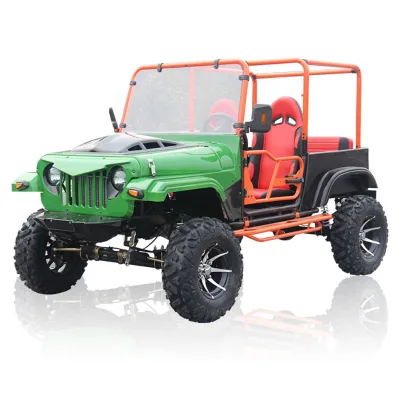
$2484.7004 - $2898.8172
MOQ: 1 pieces
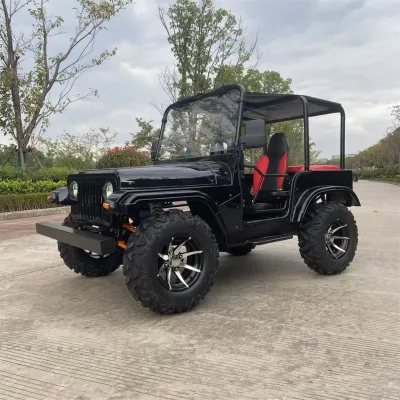
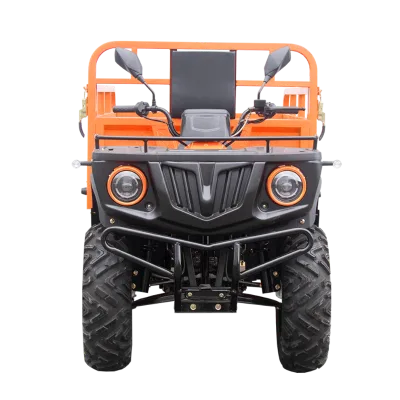
Factory Directly Selling Car Utv Shaft Drive Quad Bike Electric Atv Cargo for Sale
$3920.5792 - $4126.9254
MOQ: 1 pieces

$2464.2351 - $2874.941
MOQ: 1 pieces
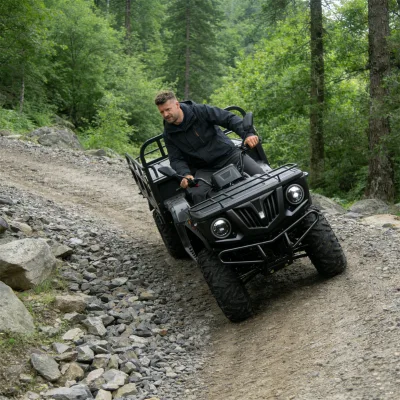
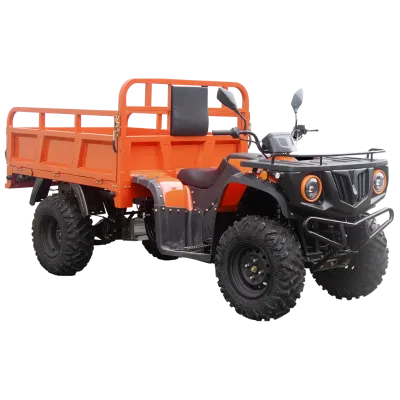
43Kmh Utv Utility Vehicle Sale Electric Atv for Hunting With Winch
$3901.7056 - $4107.0586
MOQ: 1 pieces

- Verified by SGS
- Combined
- China Shandong
- Lead time15 days
- Avg. response≤ 7h
Main productsElectric Scooter, Electric Tricycle, Golf Cart
Main marketsNorth America


Electric UTV Eco-Friendly Utility Vehicle Perfect for Ranch & Park Patrol
$2100.00 - $2300.00
MOQ: 2 Pieces
Guangdong Yatian Industrial Co., Ltd.
- Verified by SGS Group
- Manufacturer, Trading Company
- Lead time20 days
- Avg. response≤ 2h
Main productsElectric Vintage Car, Electric Golf Cart, Electric Sightseeing Car, Electric Multifunctional Vehicle, Electric Truck
Main marketsNorth America(40%), Western Europe(12%), South America(10%)
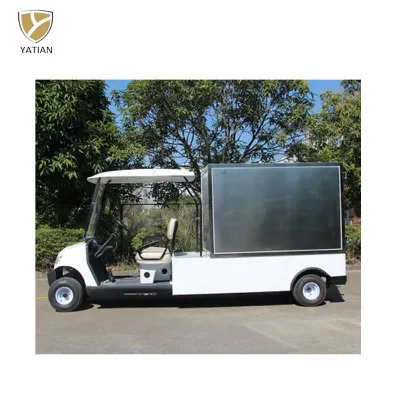
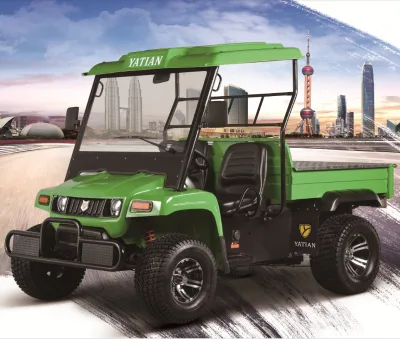
Electric Utv Eec Approved Lithium Battery Utv 72v 4x4 Lithium Battery Utvs With Eec Coc
$8477.7392 - $9304.8358
MOQ: 1 units
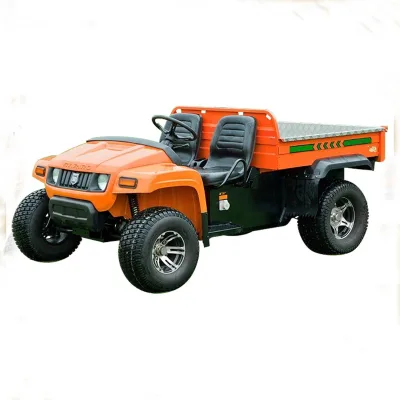
Durable Electric Utv With CE Certification
$6900.00 - $8100.00
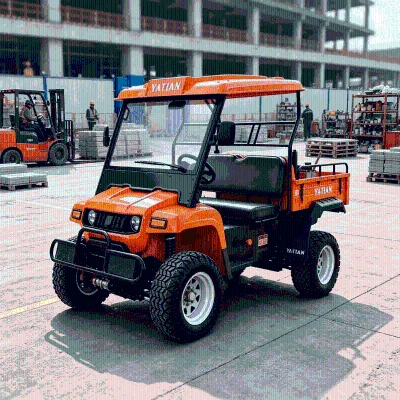
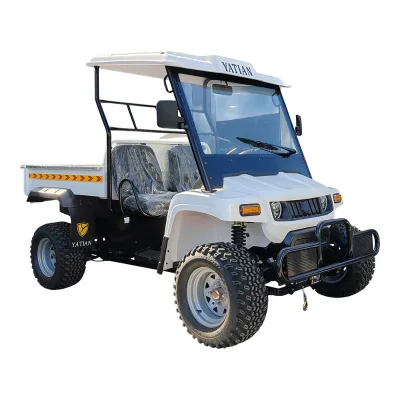
Electric Agriculture Tractor Hydraulic Tandem Dump utv
$6600.00 - $7600.00
Yiwu Licong E-Commerce Company Limited
- Manufacturer, Trading Company
- Zhejiang, China
- Lead time15 days
- Avg. response≤ 3h
Main productsElectric Scooter,Go Kart,Farm ATV,Mini Jeep,UTV
Main marketsWestern Europe(20.00%), Eastern Europe(20.00%), Northern Europe(20.00%), Southern Europe(20.00%), Southeast Asia(5.00%), Domestic Market(5.00%), Mid East(4.00%), South America(3.00%), North America(3.00%)

Guizhou Zhonghui Heavy Industry Co., Ltd.
- Verified by SGS
- Combined
- China Guizhou
- Lead time23 days
- Avg. response≤ 5h
Main marketsDomestic


Reliable 4X4 Electric UTV for off-Road Enthusiasts and Professionals
$9000.00 - $11000.00
MOQ: 1 Pieces

$13200.00 - $16800.00
MOQ: 1 Pieces

Yongkang Hao Hao Vehicle Co., Ltd.
- Verified by SGS
- Combined
- China Zhejiang
- Lead time30 days
- Avg. response≤ 16h
Main productsATV
Main marketsEurope
Foshan Green Electric Vehicle Techology Co., Ltd.
- Manufacturer, Trading Company, Other
- Guangdong, China
- Lead time0 days
- Avg. response≤ 6h
Main productsElectric car,Electric vehicle high voltage system,Electric scooter,Converting car oil to electricity,Electric Drive System
Main marketsNorth America(25.00%), Mid East(20.00%), Western Europe(15.00%), Northern Europe(10.00%), Southeast Asia(5.00%), South America(5.00%), Southern Europe(5.00%), Eastern Europe(5.00%), Central America(3.00%), Africa(3.00%), South Asia(2.00%), Eastern Asia(1.00%), Oceania(1.00%)

Shandong Mmc Machinery Co., Ltd.
- Verified by TUVRHEINLAND
- Trading Company,Manufacturer/Factory
- China Shandong
- Lead time15 days
- Avg. response≤ 7h
Main productsGolf Cart, Gas Golf Cart, UTV, ATV, Electric ATV, Electric Dirt Bike, Electric Bike, Go-Kart, Jet Ski, Snowmobile
Main marketsSouth America,Eastern Europe,Mid East,North America,Southeast Asia,Eastern Asia,Oceania,Western Europe,Africa

Electric UTV 3 Seats 4X4 Battery Powered Utility Vehicle with Cargo Box
$8650.00 - $8900.00
MOQ: 1 Pieces

$8650.00 - $8900.00
MOQ: 1 Pieces


$8650.00 - $8900.00
MOQ: 1 Pieces
Suzhou Lexsong Electromechanical Equipment Co., Ltd.
- Verified by Intertek
- Trading Company
- Lead time30 days
- Avg. response≤ 4h
Main productsElectric Golf Cart, Electric Sightseeing Bus, Enclosed Area Used Electric Truck, Enclosed Area Used Electric Car, Enclosed Area Used UTV
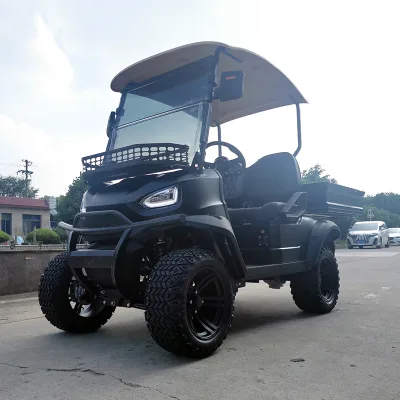
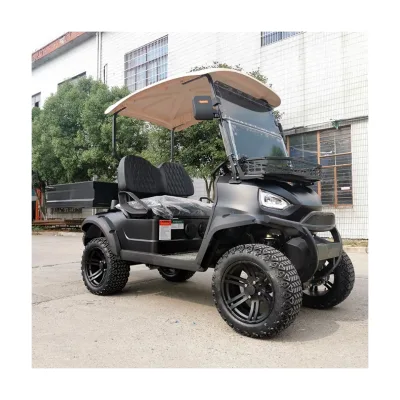
72V 115AH Mini Cargo Electric 4x4 Utv Lifted Golf Buggy Price
$4612.00 - $4912.00
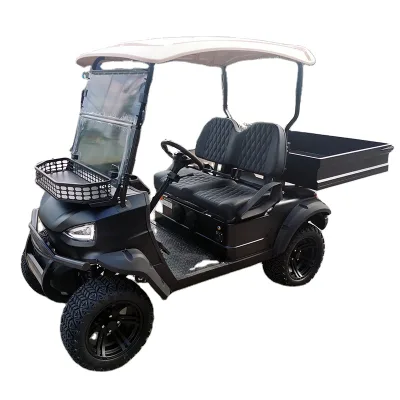
Newest Design Mini Utv 2 Seater off Road Golf Carts with Steel Cargo Box
$4755.0345 - $5064.3385
MOQ: 1 units
Zhengzhou Beiyouqu Amusement Equipment Co., Ltd.
- Trading Company
- Henan, China
- Lead time7 days
- Avg. response≤ 6h
Main productsOutdoor play equipment
Main marketsNorthern Europe(20.00%), North America(15.00%), Southeast Asia(15.00%), Eastern Europe(10.00%), Mid East(10.00%), Eastern Asia(10.00%), Southern Europe(10.00%), Western Europe(5.00%), South Asia(5.00%)
- Manufacturer, Trading Company
- Zhejiang, China
- Lead time25 days
- Avg. response≤ 8h
Main productsATV,QUAD,ELECTRIC ATV,UTV,GO KART
Main marketsEastern Europe(15.00%), South Asia(10.00%), Northern Europe(10.00%), Central America(10.00%), Western Europe(10.00%), Africa(10.00%), Southeast Asia(10.00%), North America(10.00%), South America(10.00%), Domestic Market(5.00%)
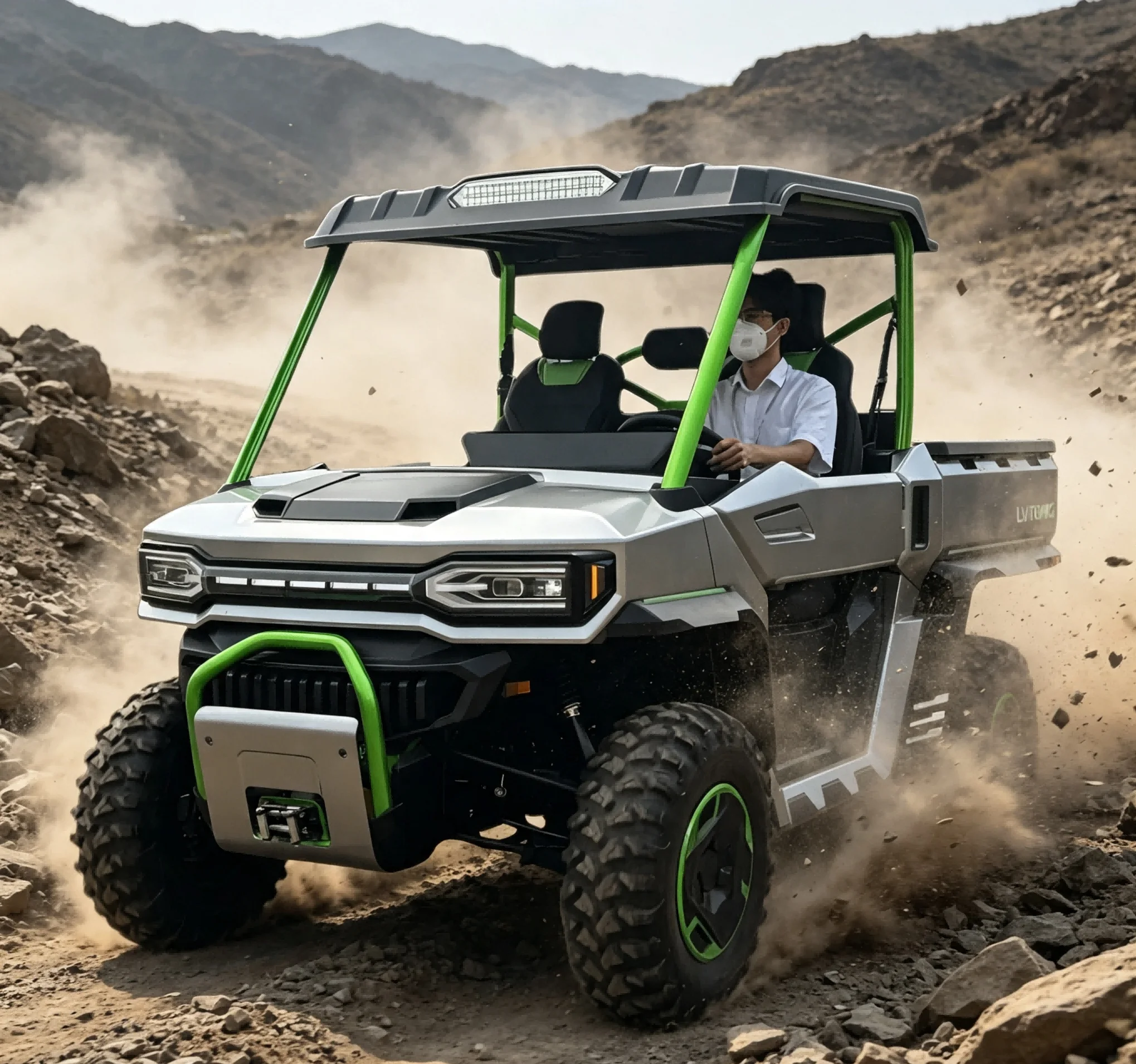
Anhui Green Electronic Trade Co., Ltd.
- Trading Company
- Anhui, China
- Lead time7 days
- Avg. response≤ 4h
Main productsgolf cart,sightseeing bus,UTVs,mini car,classic cars
Main marketsNorth America(50.00%), Southeast Asia(10.00%), South Asia(10.00%), Western Europe(10.00%), Eastern Europe(5.00%), Southern Europe(5.00%), South America(5.00%), Mid East(5.00%)
Luoyang Yuanli Technology Co., Ltd.
- Manufacturer
- Henan, China
- Lead time0 days
- Avg. response≤ 3h
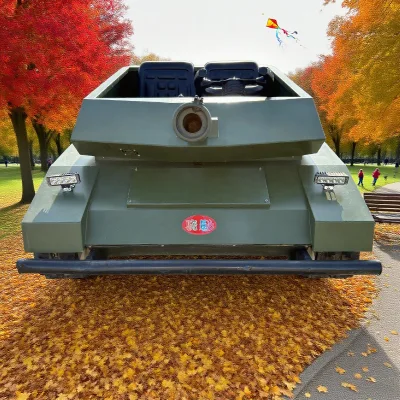
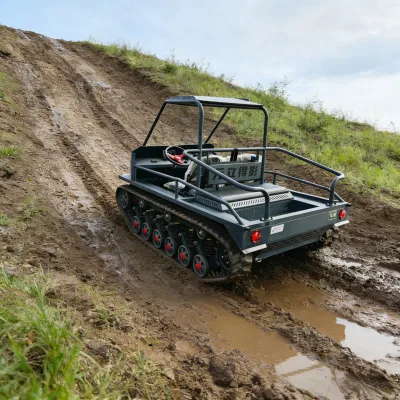
Main productsAll Terrain Pleasure Tank; Go Kart For Fun; Track ATV
Main marketsDomestic Market(95.00%), Africa(5.00%)
Wuhan Lna Machinery Equipment Co., Ltd.
- Verified by TüVRheinland
- Trading Company
- Lead time6 days
- Avg. response≤ 4h
Main productsATV, Buggy, Go Kart, UTVs, Electric ATVs
Main marketsSoutheast Asia(30%), Western Europe(30%), Central America(20%)

LNA rental use 500cc utv car lease purpose utv cargo business operation
$3800.00 - $4000.00
MOQ: 1 sets
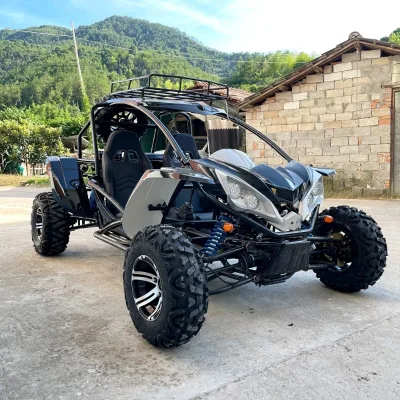
LNA well produced hydraulic disc brake 500cc street legal electric utv
$3700.00 - $4000.00
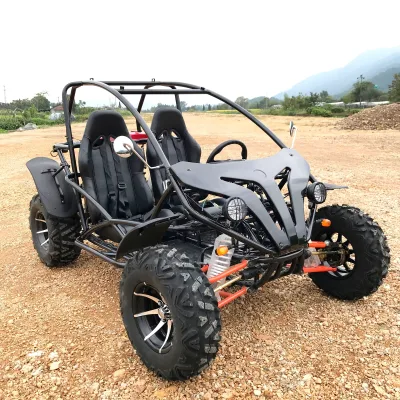
LNA long-range electric start 200cc gasoline utv
$1668.0041 - $1876.5046
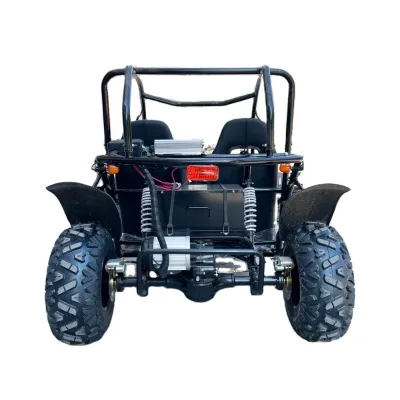
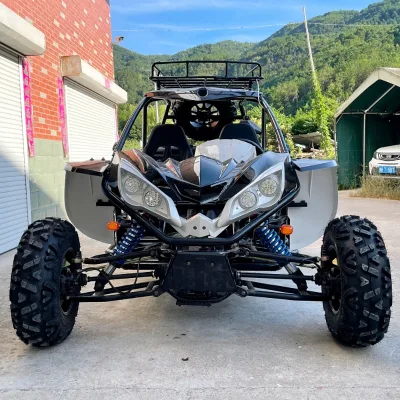
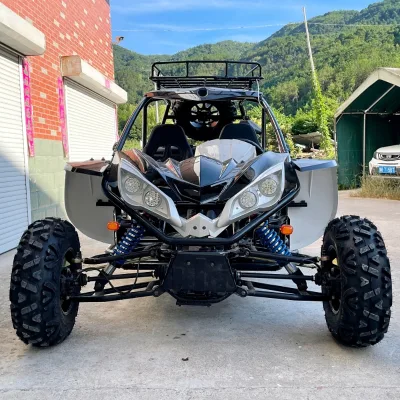
LNA electric start 500cc 4x4 china utv four-wheeled utv mud tires rocky terrain
$3700.00 - $3900.00
MOQ: 1 sets
Yongkang Bode Industry Co., Ltd.
- Manufacturer, Trading Company
- Zhejiang, China
- Lead time25 days
- Avg. response≤ 9h
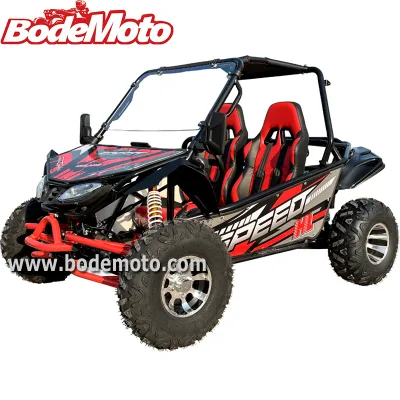
Main productsATV,BUGGY,GO KART,QUAD,DIRT BIKE
Main marketsWestern Europe(20.00%), Mid East(20.00%), Northern Europe(20.00%), South America(20.00%), Eastern Europe(10.00%), Central America(10.00%)
Qingdao Maytop International Trade Co., Ltd.
- Verified by TüVRheinland
- Trading Company
- Lead time0 days
- Avg. response≤ 2h
Main productsGolf Cart, Electric Car, ATV, ATV With Trailer, Buggy
Main marketsNorth America(55%), South America(20%), Eastern Europe(10%)
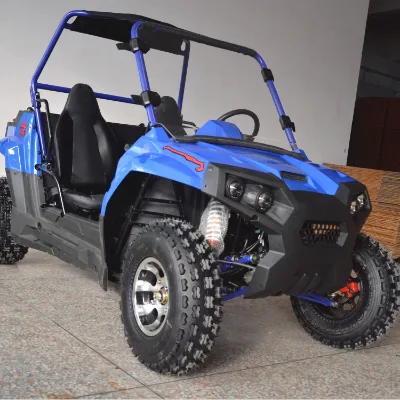
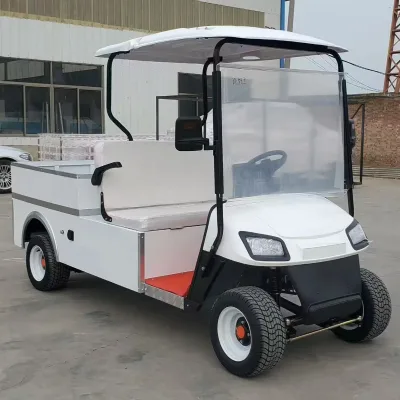
$2325.2896 - $2548.5587
MOQ: 1 sets
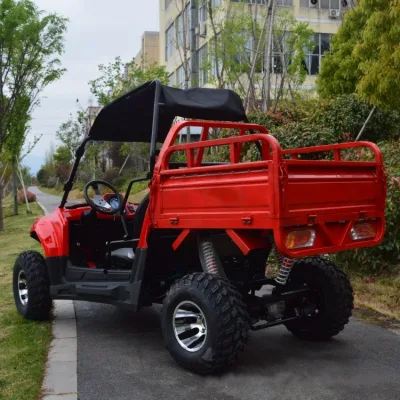
Farm Utv 4x4 With Dumper 200cc 300ccv Farm Vehicle 4x4 With Trailer
$1800.00 - $2350.00

Wiztem Industry Company Limited
- Manufacturer/Factory
- China Zhejiang
- Lead time23 days
- Avg. response≤ 13h
Main productsElectric Scooter, ATV, Go Kart, UTV, Dirt Bike, Mini Jeep, Electric ATV, Trike Roadster, Citycoco, City Coco
Main marketsSouth America,Eastern Europe,Mid East,North America,Southeast Asia,Eastern Asia,Oceania,Western Europe,Africa

- Verified by SGS
- Manufacturer/Factory
- China Guangdong
- Lead time45 days
- Avg. response≤ 7h
Main productsGolf Cart, UTV, ATV, Motorcycle, Utility Vehicle, Electric Robot, Spare Parts
Main marketsSouth America,Eastern Europe,Mid East,North America,Southeast Asia,Eastern Asia,Oceania,Western Europe,Africa

Hainan Yulong Machinery Technology Co., Ltd.
- Verified by SGS
- Combined
- China Hainan
- Lead time23 days
- Avg. response≤ 3h
Main productsGolf Cart, Mini Bus, Sightseeing Bus, UTV, Electric Vehicle, Lsv, Shuttle Bus, Golf Buggy
Main marketsDomestic


High Quality Unique Electric UTV 4X4 Electric Professionalism Electric Farm Utvs for Adult
Negotiable
MOQ: 1 Pieces


Hot Sale Electric UTV 4X4 with Automatic Transmission 2 Seats Directly From China
Negotiable
MOQ: 1 Pieces


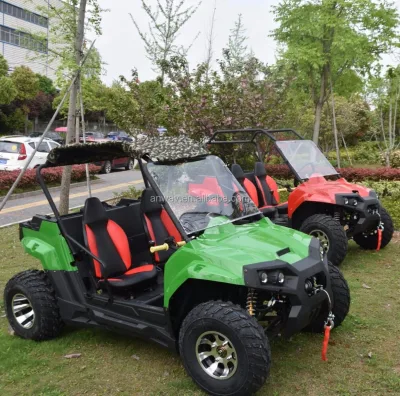
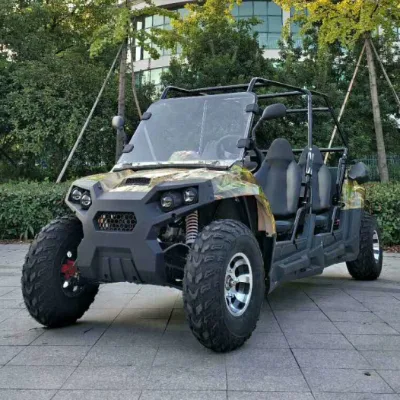
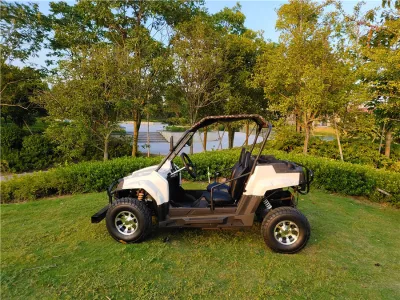



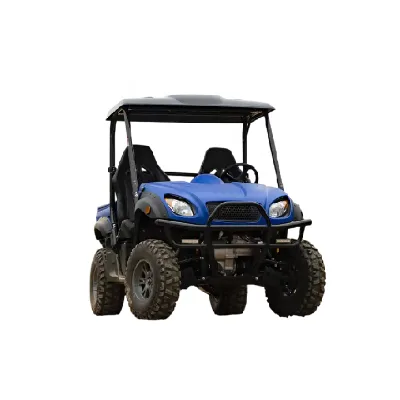
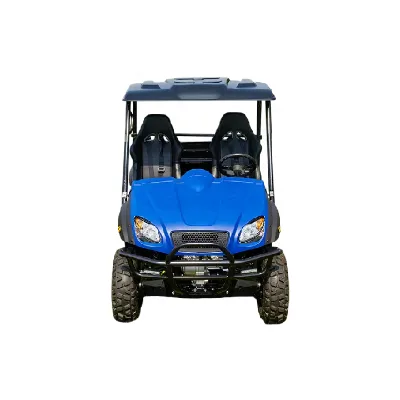
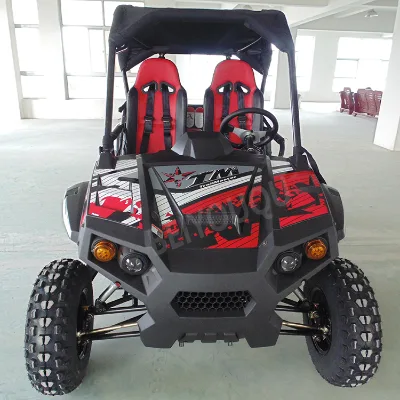
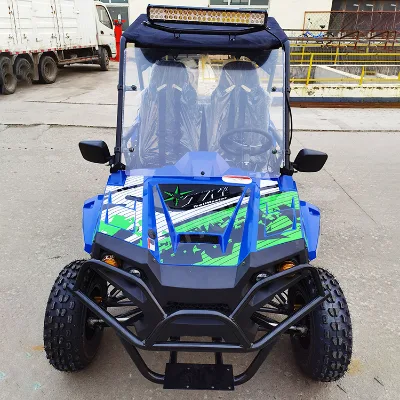
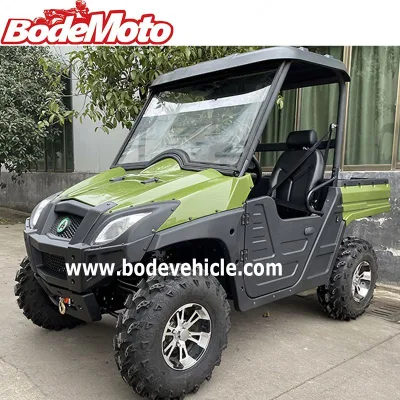


Comprehensive Sourcing Guide
4WD Electric Cargo UTV Supplier Concentration and Factory Types
The sourcing landscape for four-wheel-drive electric cargo utility task vehicles reveals distinct manufacturing clusters primarily located in China, with significant concentrations in Shanghai and Guangdong provinces. Suppliers in Shanghai often operate as comprehensive manufacturers and factories, leveraging established industrial infrastructure to produce a diverse range of vehicles including electric scooters, ATVs, and specialized utility carts. These entities frequently hold ISO 9000 and ISO 9001 system certifications, indicating a standardized approach to quality management within their production facilities. The presence of such certifications suggests that these factories have implemented rigorous internal controls for their assembly lines, which is crucial for maintaining consistency in complex electric vehicle components like battery management systems and motor controllers. Buyers evaluating suppliers from this region should look for evidence of these quality management systems as a baseline indicator of operational maturity.
In contrast, manufacturers based in Guangdong, such as those in Guangzhou, often specialize in electric utility vehicles, golf carts, and patrol vehicles, with a strong focus on OEM and ODM capabilities. These suppliers typically hold ISO 9001:2015 and ISO 14001:2015 certificates, reflecting a commitment to both quality and environmental standards. The distinction between these regional clusters can influence product design and target markets, with some factories focusing on rugged off-road utility models while others prioritize compact agricultural or recreational applications. Understanding the specific factory type and its primary product focus helps buyers align their sourcing strategy with their operational needs. Whether seeking a high-performance 4WD cargo vehicle or a compact utility cart, identifying the right manufacturing cluster ensures access to suppliers with relevant expertise and established production lines tailored to specific vehicle categories.
How to Verify 4WD Electric Cargo UTV Suppliers
Verifying the legitimacy and capability of suppliers requires a multi-layered approach that goes beyond basic company profiles. Buyers should prioritize suppliers who have undergone third-party verification processes, such as those conducted by TÜV Rheinland or Bureau Veritas (BV). These verification badges provide an additional layer of confidence regarding the supplier’s business license, factory audits, and operational authenticity. For instance, some manufacturers display TÜV Rheinland verification, while others may hold BV credentials, each indicating a different verification body’s assessment of the company’s standing. This external validation is critical in mitigating the risk of engaging with trading companies that may misrepresent themselves as direct manufacturers. Buyers must carefully review these verification details to ensure the supplier has the physical capacity and legal standing to fulfill large orders.
Beyond verification badges, assessing the supplier’s response time and communication efficiency is a practical method for gauging their operational readiness. A response time metric, such as 2.45 hours or 3.41 hours, offers insight into how quickly a supplier can address inquiries, provide quotations, or resolve technical questions. Faster response times often correlate with better customer service and more agile supply chain management, which are essential when dealing with complex machinery like electric UTVs. Additionally, buyers should examine the supplier’s main product listings to ensure they align with the specific 4WD Electric Cargo UTV requirements. Suppliers listing a broad range of electric vehicles, from golf carts to farm utility vehicles, may have versatile production lines, but buyers must confirm that the specific model they are interested in is a core offering rather than a peripheral item. This due diligence helps ensure that the supplier has dedicated resources and expertise for the specific vehicle type being sourced.
What to Compare Across 4WD Electric Cargo UTV Suppliers
When evaluating multiple suppliers, comparing key operational metrics such as lead time, minimum order quantity (MOQ), and pricing structures is essential for making an informed decision. Lead times can vary significantly, with some suppliers offering a 15-day turnaround while others may require 23 days or more. This difference can impact inventory planning and project timelines, making it crucial to align supplier capabilities with your delivery requirements. Similarly, MOQs can range from as low as one unit, allowing for sample testing or small-scale trials, to higher thresholds for bulk orders. Understanding these constraints helps buyers determine which suppliers can accommodate their order volume without incurring excessive costs or facing long wait times. Comparing these logistical factors side-by-side provides a clear picture of each supplier’s flexibility and capacity.
Technical specifications and certification standards are another critical area for comparison. Suppliers may offer vehicles with different battery capacities, motor types, and certification packages. For example, some models might feature a 72V 140AH lead-acid gel battery with a 10KW PMSM motor, while others may use a 48V lead-acid battery with varying power outputs. Certifications such as EEC, EPA, CE, and DOT indicate compliance with regional regulatory standards, which is vital for importing vehicles into specific markets. Buyers should compare these technical attributes to ensure the selected UTV meets their performance needs and legal requirements. Additionally, comparing the range, max speed, and climbing ability of different models helps identify the most suitable vehicle for specific terrain and usage scenarios. This detailed technical comparison ensures that the chosen supplier provides a product that aligns with both operational demands and regulatory compliance.
Common 4WD Electric Cargo UTV Sourcing Risks
One of the primary risks in sourcing electric UTVs is the potential mismatch between advertised specifications and actual product performance. Buyers must be cautious of discrepancies in battery capacity, motor power, and range claims. For instance, a supplier might advertise a 100km range, but real-world conditions such as terrain, load, and temperature can significantly reduce this figure. Additionally, the type of battery, whether lead-acid gel or lithium-ion, affects longevity and maintenance costs. Buyers should verify these technical details through sample testing or third-party inspections to ensure the product meets the stated specifications. Failure to do so can result in operational inefficiencies and unexpected maintenance costs, undermining the value of the purchase.
Another significant risk involves the variability in build quality and after-sales support. While some suppliers offer robust steel frame construction and durable tires, others may use inferior materials that compromise safety and longevity. Buyers should examine product attributes such as tire dimensions, dump bed capacity, and overall dimensions to assess build quality. Furthermore, the availability of spare parts and technical support is crucial for long-term operation. Suppliers with strong OEM/ODM capabilities may offer better customization and support, but buyers must confirm the availability of components like chargers, batteries, and motor controllers. Without reliable after-sales support, even a high-quality vehicle can become obsolete due to lack of maintenance. Buyers should prioritize suppliers with proven track records and clear support policies to mitigate these risks.
4WD Electric Cargo UTV Regional Sourcing and Logistics
Sourcing from specific regions in China, such as Shanghai and Guangdong, involves distinct logistical considerations that impact shipping costs and delivery times. Suppliers in Shanghai often ship from this major port city, which offers extensive global shipping connections. This can result in faster transit times to various international destinations, particularly for buyers in Europe and North America. However, buyers must account for local export regulations and documentation requirements, which can vary by region. Understanding the origin of the product, such as Shanghai or Guangzhou, helps in estimating shipping logistics and potential customs delays. Buyers should work with suppliers who have experience in international shipping to ensure smooth customs clearance and timely delivery.
Logistics also involve packaging and handling of large, heavy items like electric UTVs. Suppliers may use different packing methods, such as carton boxes or steel frames covered by cartons, which affect the vehicle’s protection during transit. For example, some models are packed in iron frames, while others use steel frames with carton coverings. Buyers should verify the packing method to ensure the vehicle arrives without damage. Additionally, the dimensions of the packed vehicle, such as 2623x1440x2003mm or 3750x1460x1900mm, impact container loading efficiency and shipping costs. Buyers should calculate the volume and weight of the shipment to optimize container space and reduce freight expenses. Proper logistics planning ensures that the vehicle is delivered safely and cost-effectively, minimizing the risk of damage and additional handling fees.
4WD Electric Cargo UTV Commercial Terms and Order Planning
Commercial terms, including pricing and payment structures, play a crucial role in the final cost of sourcing electric UTVs. Prices can vary widely, with some models ranging from $3,000 to $9,000, depending on specifications and customization options. Buyers should compare price ranges across suppliers to identify competitive offers while ensuring that the price reflects the quality and features of the vehicle. For instance, a 2-seater utility vehicle might cost between $3,000 and $9,000, while a 4-seat 4WD cargo model could range from $5,450 to $6,950. Understanding these price variations helps buyers budget effectively and negotiate better terms. Additionally, buyers should inquire about bulk discounts or promotional offers that can reduce the overall cost of the order.
Order planning involves aligning the purchase with production schedules and inventory needs. Suppliers with shorter lead times, such as 15 days, allow for quicker order fulfillment, which is beneficial for urgent projects. However, buyers must also consider the supplier’s capacity to handle large orders without compromising quality. Some suppliers offer OEM/ODM services, which may require additional time for design and prototyping. Buyers should plan their orders well in advance to accommodate these processes. Furthermore, understanding the supplier’s response time and communication efficiency helps in managing expectations and resolving issues promptly. By carefully planning the order timeline and commercial terms, buyers can ensure a smooth procurement process and timely delivery of the electric UTVs.
FAQs
What is the price range for 4WD electric cargo UTVs?
Prices for 4WD electric cargo UTVs typically range from $3,000 to $9,000 depending on specifications. Basic 2-seater models start around $3,000, while higher-capacity 4-seater utility vehicles with advanced features can cost up to $9,000. Buyers should verify specific pricing based on battery capacity and customization options.
What certifications do these electric UTVs hold?
Manufacturers offer UTVs with various certifications including EEC, EPA, CE, and DOT. Specific models may carry ISO 9001 or ISO 9000 system certifications. Buyers should confirm which regulatory standards apply to their target market, as certification availability varies by supplier and specific vehicle configuration.
What is the typical lead time for these vehicles?
Lead times for 4WD electric cargo UTVs generally range from 15 to 23 days. This timeframe depends on the manufacturer's location and current production capacity. Buyers should confirm exact delivery schedules with suppliers, as lead times may vary based on order volume and customization requirements.
What battery specifications are common for these UTVs?
Common battery specifications include 48V or 72V lead-acid gel batteries with capacities ranging from standard configurations to 140AH. Charging times typically range from 6 to 10 hours. Maximum driving ranges vary, with some models offering up to 100km on a single charge.
What is the minimum order quantity for these vehicles?
The minimum order quantity for 4WD electric cargo UTVs is often just one unit. This allows buyers to test market demand or purchase single vehicles for specific operational needs. Buyers should verify MOQ policies with individual suppliers, as terms may vary based on customization and shipping arrangements.
Where are these electric UTVs manufactured?
These vehicles are primarily manufactured in China, with production facilities located in Shanghai and Guangdong provinces. Buyers should verify specific manufacturing locations with suppliers, as production sites may differ based on product lines and supply chain logistics. Origin details are typically included in product specifications.