High Polished Vintage Gold Ring Suppliers and Manufacturers
Source 24 verified suppliers for High Polished Vintage Gold Ring products. Compare key dimensions including Zhejiang and Guangdong locations, ISO 9001 certification, response times, and lead times. Review specific pricing and MOQ details to identify the right partner for your needs.
Updated
Suppliers List
- Manufacturer, Trading Company
- Zhejiang, China
- Lead time10 days
- Avg. response≤ 4h
Main productsStainless Steel Jewelry,Fashion Jewelry,necklace,earrings,bracelet
Main marketsWestern Europe(50.00%), North America(45.00%), Domestic Market(5.00%)
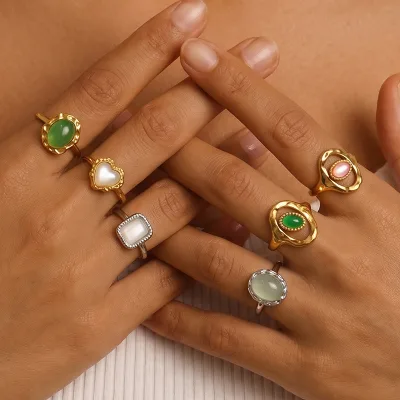
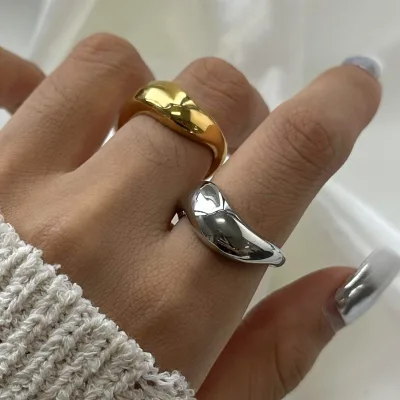
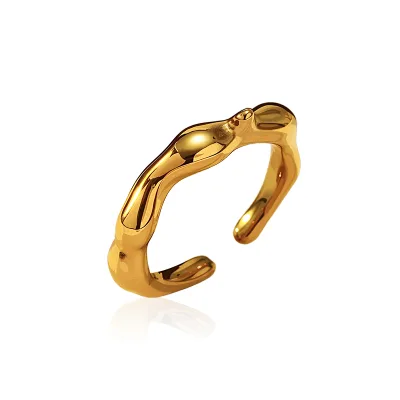
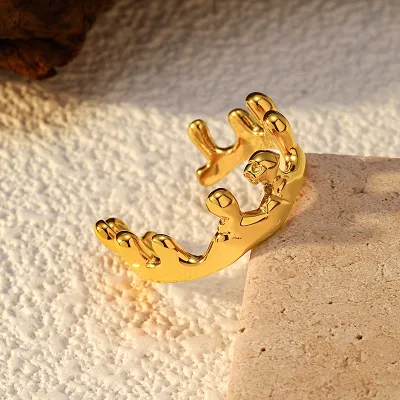
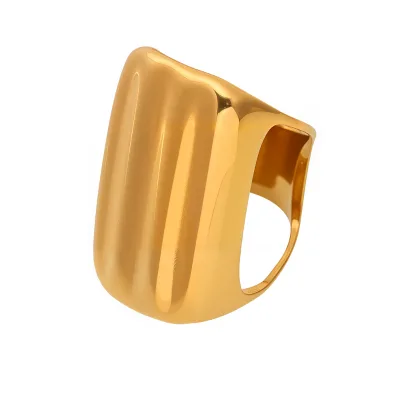
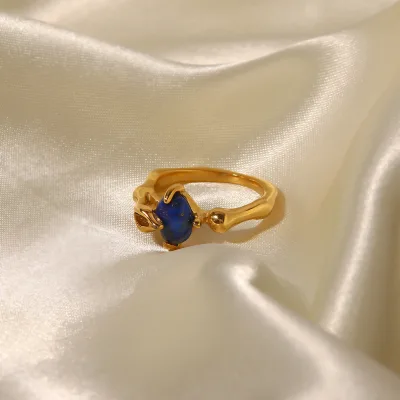
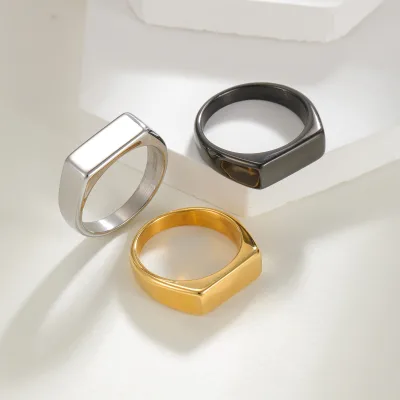
Gold-plated Ring, Simple and Versatile, Daily Commuting Style, Factory Direct Sales
$2.25 - $2.80
MOQ: 2 pieces
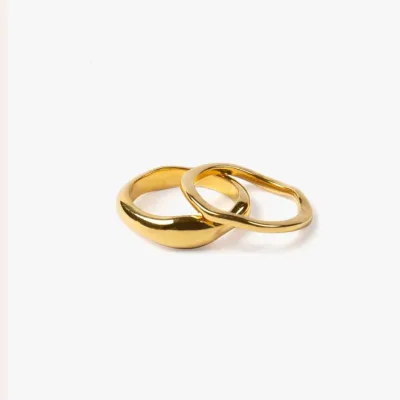
$2.25 - $2.70
MOQ: 2 pieces

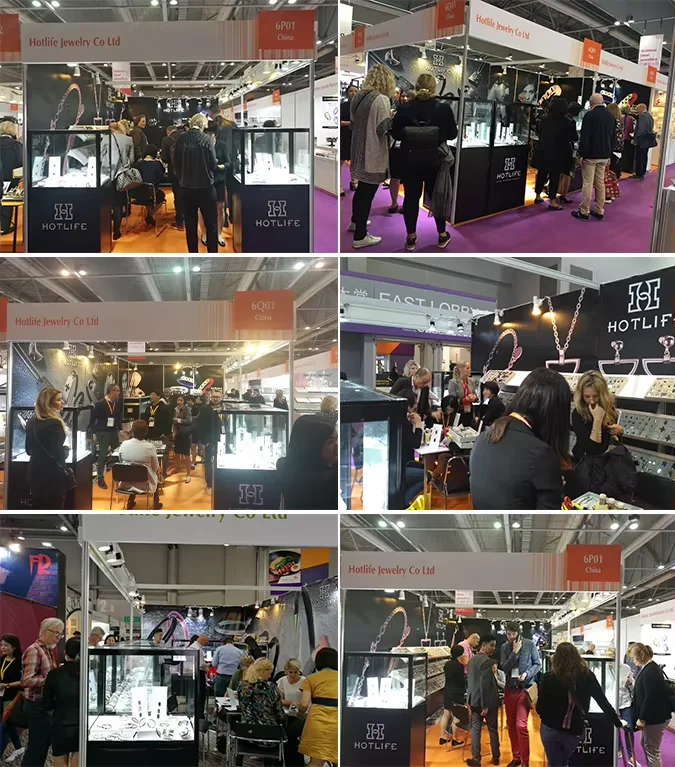
Longyuan (Guangzhou) Industrial Development Co., Ltd.
- Verified by TUVRHEINLAND
- Manufacturer/Factory
- China Guangdong
- Lead time23 days
- Avg. response≤ 6h
Main productsJewelry, Fashion Watch, Hair Accessories, Men Jewelry, Women Jewelry, Pendants, Brooches, Bracelets, Crowns, Necklaces
Main marketsSouth America,Eastern Europe,Mid East,North America,Western Europe
Guangzhou Tianyi Jewelry Co., Ltd.
- Manufacturer, Trading Company, Distributor/Wholesaler
- Guangdong, China
- Lead time15 days
- Avg. response≤ 4h
Main productsBracelet,Necklace,Earring,Ring,Pendant
Main marketsWestern Europe(40.00%), Northern Europe(20.00%), Central America(10.00%), North America(10.00%), South America(10.00%), Southern Europe(5.00%), Eastern Europe(5.00%)

Guangzhou Huifu Jewelry Co., Ltd.
- Verified by BV
- Manufacturer/Factory
- China Guangdong
- Lead time90 days
- Avg. response≤ 4h
Main productsJewelry, Stainless Steel Jewelry, Stainless Steel Ring, Stainless Steel Pendant, Stainless Steel Earring, Fashion Jewelry, Ring, Necklace, Pendant, Bracelet
Main marketsEastern Europe,Mid East,North America,Western Europe,Africa

- Verified by BV
- Trading Company,Manufacturer/Factory
- China Guangdong
- Lead time0 days
- Avg. response≤ 9h
Main productsSilver Jewelry, Brass Jewelry, Fashion Jewelry, Semi-Precious
Main marketsSouth America,Eastern Europe,Mid East,Southeast Asia,Eastern Asia,Oceania,Western Europe,Africa


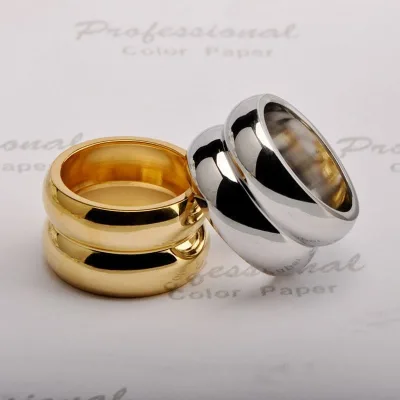
Luxury High quality jewelry gold plated sterling silver golden yellow wide ring
$48.05 - $61.64
MOQ: 1 Pieces


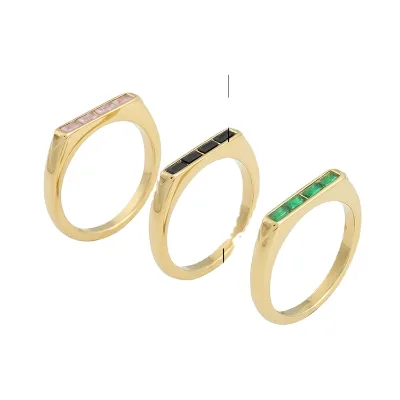
Elegant jewelry ring square zirconia vintage gold ring for fashion hand accessories
$12.30 - $14.91
MOQ: 1 Pieces


Guangzhou Baobaili Jewelry Co., Ltd.
- Verified by SGS
- Combined
- China Guangdong
- Lead time15 days
- Avg. response≤ 9h
Main marketsDomestic,North America


Hot Selling Exaggerated Starry Silver Ring for Hip-Hop Style Enthusiasts
$9.99 - $100.00
MOQ: 1 Pieces

- Verified by TUVRHEINLAND
- Combined
- China Guangdong
- Lead time30 days
- Avg. response≤ 4h
Main marketsDomestic
- Verified by SGS Group
- Manufacturer, Trading Company
- Lead time30 days
- Avg. response≤ 6h
Main productsFashion Jewelry
Main marketsNorth America(60%), Western Europe(20%), Eastern Europe(6%)

GOODLINESS JEWELLERY CO., LIMITED
- Verified by SGS
- Manufacturer
- China Guangdong
- Lead time23 days
- Avg. response≤ 6h
Main productsFashion Glasses, Fashion Watch, Fashion Hair Accessory, Stainless Steel Necklace, Stainless Steel Ring, Stainless Steel Earrings, Key Chain, Brooch
Main marketsSoutheast Asia/ Mideast,Europe,North America
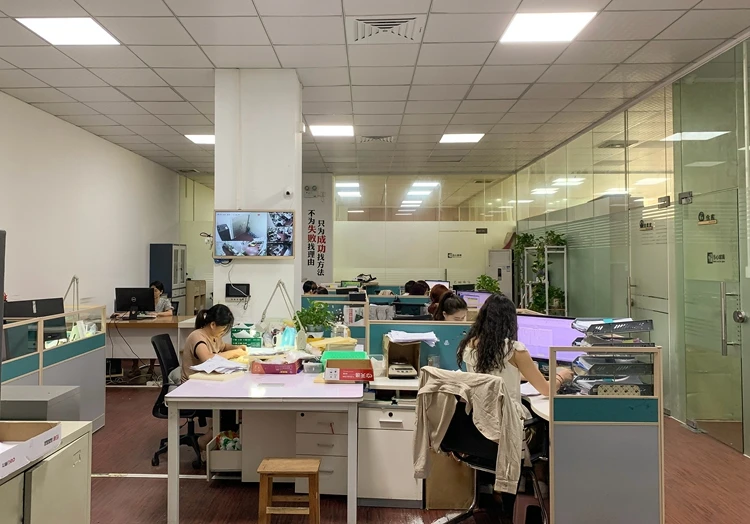
Guangzhou Quanqing Jewelry Co., Ltd.
- Manufacturer
- Guangdong, China
- Lead time0 days
- Avg. response≤ 2h
Main products925 silver jewelry,K gold jewelry,gemstone jewelry
Main marketsNorth America(50.00%), Southeast Asia(10.00%), South America(10.00%), Central America(10.00%), Eastern Europe(5.00%), Africa(5.00%), Mid East(5.00%), Eastern Asia(3.00%), Southern Europe(2.00%)

GOODLINESS JEWELLERY CO., LIMITED
- Verified by SGS
- Manufacturer
- China Guangdong
- Lead time23 days
- Avg. response≤ 6h
Main products925 Silver Ring, Brass Jewelry, 925 Silver Earring, 925 Silver Necklace, 925 Silver Set, 925 Silver Bangle, Customer's Design, 925 Silver Bracelet, Silver Accessory, Brass Accessory
Main marketsSoutheast Asia/ Mideast,Europe,North America

Huainan Lanjin Trading Co., Ltd.
- Trading Company
- Anhui, China
- Lead time15 days
- Avg. response≤ 3h
Main productsnecklace,earrings,rings,body jewelry,Hair accessories
Main marketsWestern Europe(30.00%), North America(30.00%), Eastern Asia(20.00%), South Asia(10.00%), Africa(5.00%), Oceania(5.00%)
Beyaly Jewelry (Shenzhen) Limited
- Verified by Intertek
- Trading Company
- Lead time30 days
- Avg. response≤ 2h
Main productsRings, Earrings, Pendants, Necklace, Bracelet Bangle
Main marketsNorth America(62%), Western Europe(30%), Oceania(8%)
Dongguan Fengyuan Hardware Jewelry Co., Ltd.
- Verified by SGS Group
- Manufacturer, Trading Company
- Lead time15 days
- Avg. response≤ 1h
Main productsRings, Earrings, Necklaces, Bracelets, Brooches
Main marketsNorth America(60%), Western Europe(15%), Mid East(10%)

- Verified by BV
- Combined
- China Guangdong
- Lead time23 days
- Avg. response≤ 4h
Main products925 Sterling Silver Jewelry, Brass Jewelry, Fashion Jewelry, Jewelry, Jewellery, Necklace, Ring, Bracelet, Bangle, Pendant
Main marketsEurope,North America

- Verified by BV
- Combined
- China Guangdong
- Lead time45 days
- Avg. response≤ 2h
Main productsStainless Steel Ring, Titanium Ring, Jewelry
Main marketsEurope,North America
Shenzhen Dunshang Technology Co., Ltd.
- Manufacturer, Trading Company, Distributor/Wholesaler
- Guangdong, China
- Lead time7 days
- Avg. response≤ 4h
Main productsJewelry,Necklace,Bracelet,Earrings,Ring
Main marketsNorth America(40.00%), South Asia(5.00%), Southern Europe(5.00%), Northern Europe(5.00%), Central America(5.00%), Western Europe(5.00%), Eastern Asia(5.00%), Mid East(5.00%), Oceania(5.00%), Africa(5.00%), Southeast Asia(5.00%), Eastern Europe(5.00%), South America(5.00%)
Dongguan Changan Fantasy Accessories Factory (Individual Business)
- Verified by TüVRheinland
- Trading Company
- Guangdong, China
- Lead time7 days
- Avg. response≤ 1h
Main productsStainless Steel Rings, Stainless Steel Earings, Stainless Steel Necklaces, Stainless Steel Bracelets & Bangles, Fashion Jewelry Sets
Main marketsNorth America(25%), Northern Europe(15%), Eastern Asia(10%)
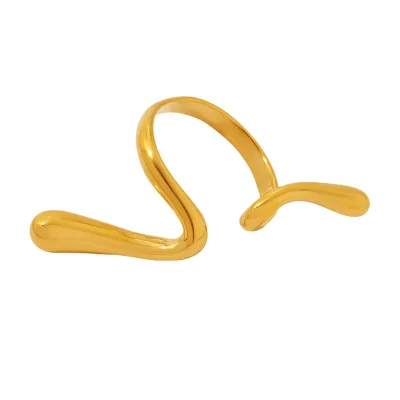
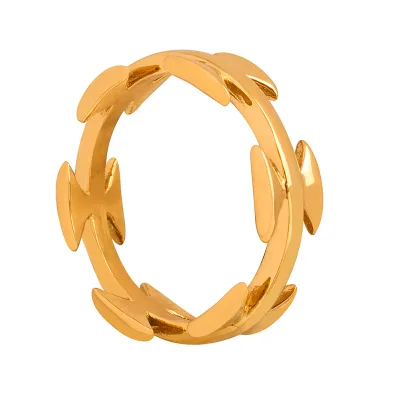
$3.0339 - $3.2493
MOQ: 1 pieces
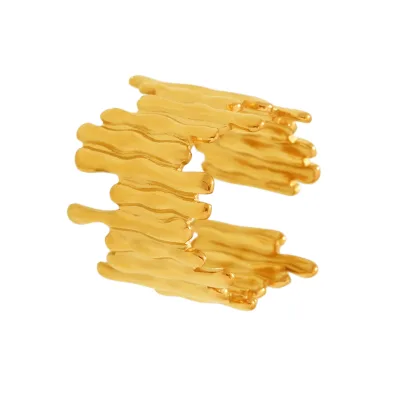
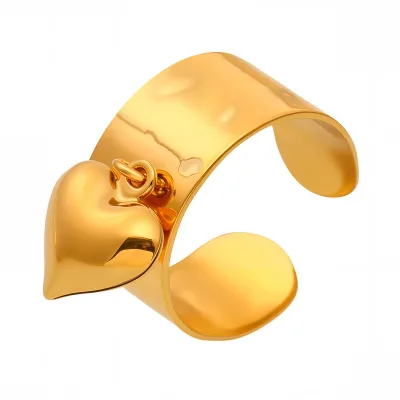

Qingdao Gemopia Jewelry Co., Ltd.
- Combined
- China Shandong
- Lead time30 days
- Avg. response≤ 5h
Main productsGold Jewelry, Silver Ring
Main marketsSouth America,Africa,Southeast Asia/ Mideast,East Asia(Japan/ South Korea),Domestic,Europe,Australia,North America
- Trading Company
- Zhejiang, China
- Lead time25 days
- Avg. response≤ 4h
Main productsNecklace,Bracelet,Ring,Earring,Jewelry Accessories
Main marketsDomestic Market(100.00%), South America(100.00%), Mid East(100.00%), North America(34.00%), Western Europe(20.00%), Southern Europe(10.00%), Northern Europe(10.00%), Oceania(10.00%), Southeast Asia(5.00%), Eastern Europe(5.00%), Eastern Asia(2.00%), Central America(2.00%), Africa(1.00%), South Asia(1.00%)

Jinjiang Jiaxing Supply Management Co., Ltd.
- Verified by TUVRHEINLAND
- Trading Company
- China Fujian
- Lead time30 days
- Avg. response≤ 2h
Main productsEVA Clogs, Flip Flop, Shoe Charms, Shopping Bags, Wristbands, Gifts, Promotional Gifts, Slipper, Sport Cap, Ball
Main marketsNorth America

- Trading Company
- Zhejiang, China
- Lead time30 days
- Avg. response≤ 6h
Main productsFashion Jewelries,Promotional Gifts,Crafts,Toys
Main marketsWestern Europe(30.00%), North America(20.00%), Eastern Europe(10.00%), Northern Europe(5.00%), Oceania(5.00%), Central America(5.00%), Southern Europe(5.00%), Mid East(2.00%), South Asia(2.00%), South America(2.00%), Eastern Asia(2.00%), Domestic Market(1.00%), Africa(1.00%), Southeast Asia(1.00%)
Dongguan Xionggang Hardware & Accessories Co., Ltd.
- Manufacturer, Trading Company
- Guangdong, China
- Lead time15 days
- Avg. response≤ 3h
Main productsStainless Steel Ring,Stainless Steel Necklace,TISCO Jewellery,Stainless Steel Earrings,Stainless steel bracelet
Main marketsSoutheast Asia(20.00%), Africa(18.00%), South America(10.00%), North America(10.00%), Central America(10.00%), Mid East(8.00%), Eastern Asia(5.00%), South Asia(5.00%), Northern Europe(3.00%), Western Europe(3.00%), Domestic Market(2.00%), Oceania(2.00%), Southern Europe(2.00%), Eastern Europe(2.00%)
Yiwu Hongri Import & Export Co., Ltd.
- Verified by TüVRheinland
- Trading Company
- Lead time0 days
- Avg. response≤ 8h
Main productsFashion Bracelets, Fashion Necklaces, Fashion Earrings, Fashion Rings, Fashion Jewelry Sets
Main marketsNorth America(80%), Western Europe(7%), Oceania(6%)






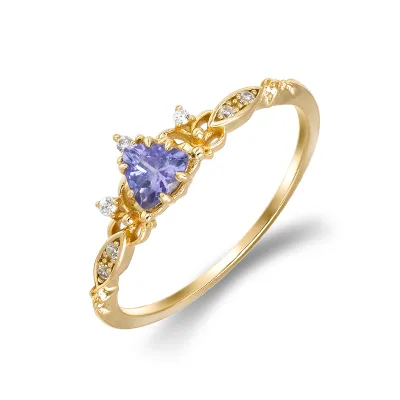


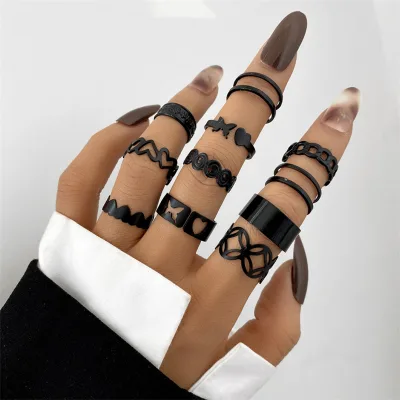
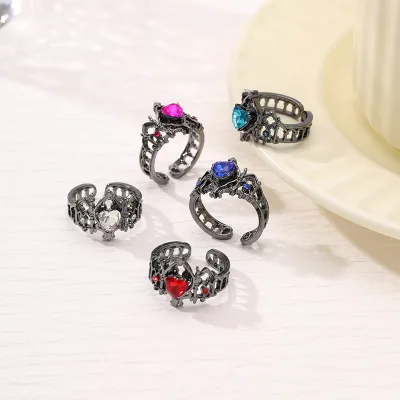
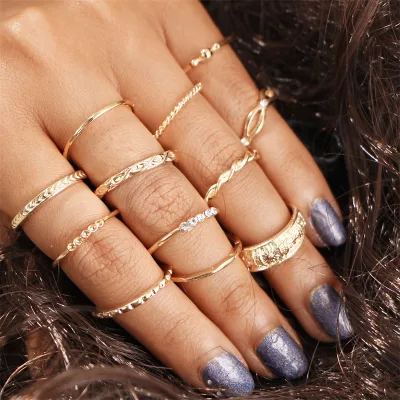
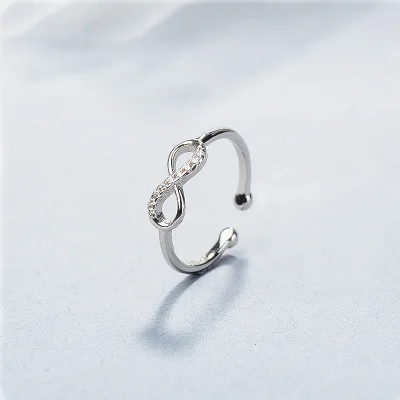
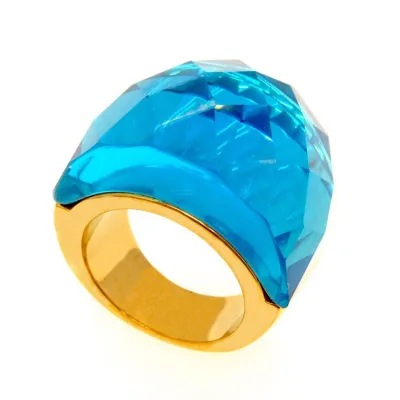
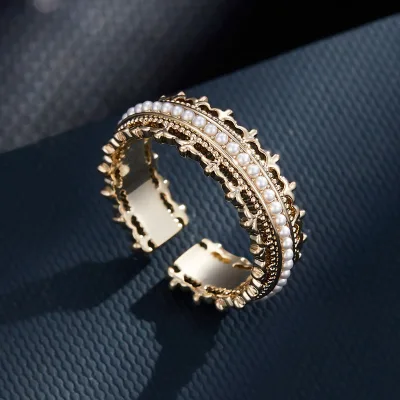

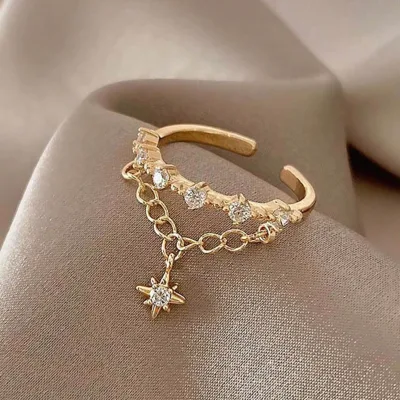


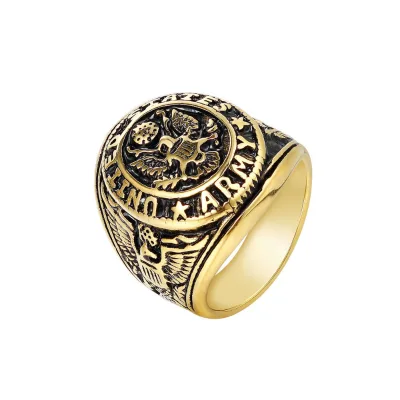
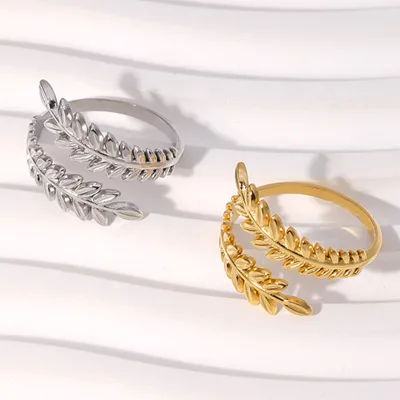
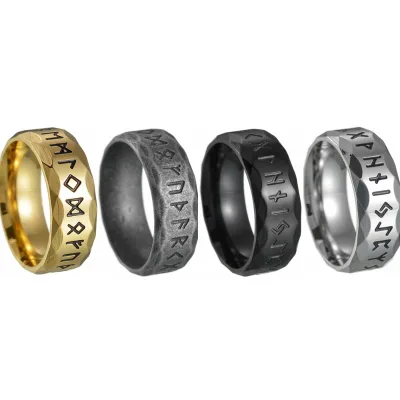


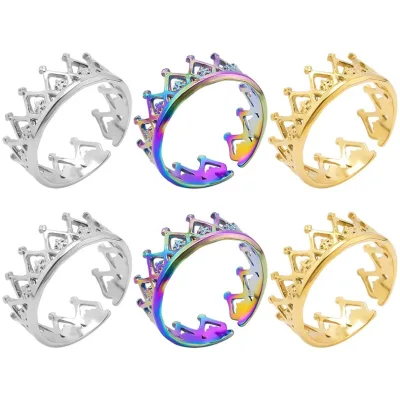


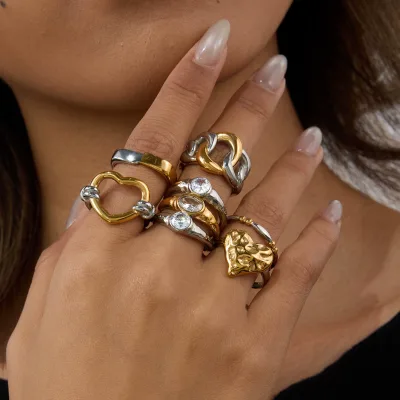
Comprehensive Sourcing Guide
High Polished Vintage Gold Ring Supplier Concentration and Factory Types
Suppliers of High Polished Vintage Gold Ring styles on major B2B platforms cluster heavily in China, and the current supplier results point to two specific provinces: Zhejiang and Guangdong. Zhejiang-based companies in these results list stainless steel jewelry, fashion jewelry, necklaces, earrings and bracelets as main products, and typically operate as both manufacturer and trading company. Guangdong entries include a factory in the broader Jewelry, Fashion Watch, Hair Accessories, Pendants, Brooches, Bracelets, Crowns and Necklaces category. When results lack location data for some entries, the buyer should treat the supplier list as geographically incomplete rather than assuming every listing belongs to a known cluster, and should ask each candidate directly for its city and production address.
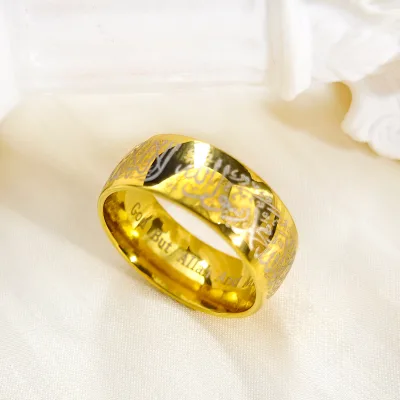
Factory types in this category split into three practical groups. First, manufacturers who produce rings in-house and list electroplating as their fabrication processing; these suit buyers who want control over plating thickness and custom finishes. Second, trading companies that combine in-house production with outsourced items, useful when a buyer wants rings plus matching necklaces or bracelets from one order. Third, pure resellers with no production evidence, which should be screened out early. Product evidence in the current results — geometric gold-plated stainless steel rings, punk-style 18K gold listings, and minimalist daily-wear pieces — suggests the vintage court and two-color finishes are actively listed, so buyers should confirm which factory type actually owns the tooling behind those designs.
How to Verify High Polished Vintage Gold Ring Suppliers
Verification starts with the platform signals already displayed in the results. One Guangdong factory carries ISO 9001 system certification and holds third-party verification from TUV Rheinland, which are meaningful trust markers when comparing candidates. Other suppliers in the results show no certification in their displayed data, which does not mean they lack credentials but does mean the buyer must request certificates directly and check scope — an ISO certificate for general manufacturing is not proof of plating-line quality. Response time is a second verifiable signal: entries in these results show response times of roughly four hours and just under six hours, so a candidate taking days to reply to a first inquiry is underperforming against the visible benchmark.
Beyond platform labels, verification should focus on production reality. Ask whether the factory performs its own electroplating or outsources it, because plating determines whether a gold-tone vintage finish resists fading — one listing explicitly markets a wear-resistant coating that does not fade, but that claim requires sample testing, not acceptance. Request ring samples in both gold and steel colorways before committing, since several listings offer Gold, Silver and multiple Gold-numbered variants. Check whether customization is genuinely available: one Guangdong entry states customization available and warmly welcomes OEM and ODM, which the buyer should confirm by asking for a custom design example. Finally, verify the registered business name, address, and export history, and never rely on a single product photo to confirm that a vintage ring design is produced in-house rather than resold.
What to Compare Across High Polished Vintage Gold Ring Suppliers
Build a comparison table using the attributes that actually appear in supplier data. Lead time is the clearest contrast: entries in the current results range from about 10 days to 23 days, and one Guangdong product listing states delivery within 20–35 days after deposit, so buyers should compare a stated lead time against the per-product delivery promise and treat the longer figure as the planning number. Response time matters for iteration speed on vintage finishes; entries showing roughly four to six hours indicate what responsive candidates look like. MOQs vary widely — some listings show MOQs as low as 2 pieces while factory entries show 30, 40 or 50 pieces — so match MOQ to your testing strategy before comparing unit prices.
Price ranges in the results run roughly from about $1.42–$1.99 to $2.25–$2.80 and $2.90–$3.10 per piece, but price only means something alongside material (stainless steel versus 925 sterling silver, where one listing states 92.5% purity), plating method, and ring-size availability. Also compare main product lines: a supplier listing only rings differs from one covering necklaces, earrings and bracelets if you plan a coordinated vintage collection. Location, company type, establishment year, escrow availability and certification status round out the table, but never assume a displayed attribute applies to every candidate — absent data is a question to ask, not a conclusion. Score each supplier on the same dimensions so the comparison stays honest.
Common High Polished Vintage Gold Ring Sourcing Risks
The dominant risk in this category is plating durability. High polished gold-tone finishes on stainless steel are produced by electroplating, and sellers market claims such as coatings that do not fade, but polishing and plating quality vary between factories and cannot be judged from photographs. Always test samples for polish consistency, color matching between Gold variants (several listings offer Gold-1 through Gold-4 type variations), and wear over time. A second risk is misreading the supplier type: a listing from a manufacturer and trading company may still outsource the vintage ring itself, meaning the lead time quoted by the trading side is only as reliable as an unverified subcontractor.
Size and specification mismatches create quiet losses. Some listings sell vintage rings in one-size form, others in sizes 6, 7, 8, which behaves very differently in retail returns. MOQ misunderstanding is another trap: a low MOQ on a product page may be a sample-level allowance, while the factory entry requires 30–50 pieces, and the discrepancy surfaces only at order time. Payment and shipment terms also carry risk — one listing names T/T, bank transfer, PayPal and Western Union as payment options and DHL, FedEx, TNT and UPS as shipment channels, but buyers should confirm terms in writing rather than trusting listing text. Finally, delivery windows of 20–35 days after deposit can slip during peak plating seasons, so build buffer time into launch plans and agree on delay remedies before paying.
High Polished Vintage Gold Ring Regional Sourcing and Logistics
The evidence in these results supports sourcing from two Chinese provinces. Zhejiang suppliers, positioned within a stainless steel and fashion jewelry product base covering necklaces, earrings and bracelets, typically quote shorter lead times — one entry shows around 10 days — which suits replenishment orders and rapid sampling cycles. Guangdong, with a factory whose product origin is stated as Guangzhou, China, offers deeper vintage-ring specialization, electroplating capability, OEM support and certification signals, but with longer quoted lead times around 23 days and per-product delivery windows of 20–35 days. When a candidate's province is not displayed, ask directly rather than inferring from product style, because vintage court designs are produced in multiple regions.
Logistics planning should start from the shipment channels named in the listings: express carriers such as DHL, FedEx, TNT and UPS for samples and small orders, and consolidated sea or air freight for volume production. MOQ interacts with logistics cost — a 30-piece or 40-piece ring order ships economically by express, while a 2-piece MOQ order is essentially a sample purchase and should be treated as such for cost planning. Packing is another practical checkpoint: at least one listing specifies OPP bag and strong carton packing, which is appropriate for polished rings prone to surface scratches. Confirm that inner packaging prevents piece-to-piece abrasion, because a high polished finish shows transit scuffing immediately, and request packing photos before approving the production run.
High Polished Vintage Gold Ring Commercial Terms and Order Planning
Commercial terms in this category follow a recognizable pattern visible in the results. One Guangdong listing states payment accepted via T/T, bank transfer, PayPal and Western Union, with shipment by DHL, FedEx, TNT, UPS and similar carriers. Whichever payment route you choose, tie a meaningful balance payment to passed sample approval or inspection, since vintage plating defects are found at inspection, not at invoice. Agree deposit percentage, delivery window (one listing quotes 20–35 days after deposit), and remedy terms for late delivery in writing. If platform escrow is available to a candidate, use it for initial orders; if not, a verified factory credential such as ISO 9001 and third-party verification reduces, but does not eliminate, payment risk.
Order planning should sequence small before large. Start with a sample order at the lowest displayed MOQ — some listings allow as few as 2 pieces — to test gold-tone accuracy across the offered color variants and ring sizes, then move to factory MOQs of 30, 40 or 50 pieces per design. Budget against the observed price bands of roughly $1.42–$3.10 per piece while confirming what material and plating each price represents. Plan inventory around the longer lead times rather than the shorter headline figures, and reserve customization discussions — one supplier explicitly welcomes OEM and ODM — for after the first repeat order, when the factory relationship and quality baseline are established and tooling costs can be negotiated with real leverage.
FAQs
What is the price range for vintage gold rings?
Prices for vintage gold rings typically range from $1.42 to $3.10 per unit. This variation depends on specific plating types, such as 18K gold or rhodium, and the complexity of the geometric or court-style designs. Buyers should check individual product listings for exact pricing tiers based on order volume.
What is the minimum order quantity for these rings?
Minimum order quantities vary significantly by supplier and product style. Some manufacturers accept orders as low as two pieces for specific trendy items, while others require a minimum of 30 to 50 pieces for customized or wholesale vintage designs. Always verify the specific MOQ listed for the chosen ring style before placing an order.
How long does production take for these rings?
Production lead times generally range from 10 to 23 days. Some suppliers offer faster turnaround times for standard items, while others may require up to 35 days after receiving the deposit for customized or complex electroplated designs. Buyers should confirm the exact delivery schedule with the supplier to ensure timely receipt.
Are these rings made from stainless steel?
Yes, many vintage gold rings are crafted from stainless steel with gold plating. This material ensures durability and wear resistance while maintaining the elegant appearance of gold. Some listings also offer sterling silver options with 92.5% purity. The choice of material affects the ring's longevity and suitability for daily wear or special occasions.
Do suppliers offer customization services?
Many suppliers offer OEM and ODM customization services for vintage gold rings. Buyers can request custom designs, specific ring sizes, and unique plating colors like rose gold or black. Customization is often available for orders meeting the minimum quantity requirements, allowing businesses to create unique products tailored to their market needs.
Where are these ring suppliers located?
Suppliers for vintage gold rings are primarily located in Zhejiang and Guangdong, China. These regions are known for their robust manufacturing capabilities in fashion jewelry. Buyers can expect efficient logistics and a wide variety of styles from these locations, ensuring access to high-quality products with competitive pricing and reliable shipping options.