5380mAh Laptop Battery Suppliers and Manufacturers
Find 23 verified suppliers offering 5380mAh Laptop Battery options with varying lead times, certifications, and prices. Compare response times, MOQs, and product attributes like voltage and capacity before requesting quotes; review the available evidence before requesting comparable quotations from suitable candidates.
Updated
Suppliers List

Luoyang Apower Imp. & Exp. Co., Ltd.
- Verified by TUVRHEINLAND
- Trading Company
- China Henan
- Lead time15 days
- Avg. response≤ 3h
Main products18650 Battery, Rechargeable Battery, Battery Pack, Lithium Battery, Li Ion Battery, Lithium Ion Battery, LiFePO4 Battery, Power Supply, Storage Battery, LFP Battery
Main marketsSouth America,Southeast Asia/ Mideast,Europe,North America


Genuine Original Laptop Battery PA3817u 11.1V 5000mAh with Good Quality
$10.69 - $12.98
MOQ: 10 Pieces


Wholesale Notebook Battery 11.1V 5000mAh Portable Laptop Battery for Lenovo
$11.50 - $12.90
MOQ: 10 Pieces

Wholesale Laptop Batteries for Lenovo Laptop Y460 Y560 with Long Use Time
$12.00 - $13.90
MOQ: 10 Pieces

Replacement Li-ion Laptop Notebook Computer Battery for Y460 11.1V 5200mAh Laptop Battery Pack
$10.19 - $10.99
MOQ: 130 Pieces

Shenzhen Yanxin Technology Development Co., Ltd
- Verified by SGS
- Trading Company
- China Guangdong
- Lead time15 days
- Avg. response≤ 3h
Main productsLaptop Battery, Laptop Charger, LCD, Laptop Parts, Laptop Accessory, Battery, Charger, Power, Screen, Keyboard
Main marketsDomestic


Long-Lasting C31n1905 Laptop Battery Compatible with Asus Devices C31n1905 Laptop Battery
$1.00 - $99.00
MOQ: 10 Pieces


L22b4PE0 L22c4PE0 L22D4PE0 L22L4PE0 L22m4PE0 Laptop Battery for Lenovo Rechargeable Notebook Battery
$1.00 - $99.00
MOQ: 10 Pieces


Dongguan Lewe Electronics Co., Ltd.
- Verified by BV
- Combined
- China Guangdong
- Lead time15 days
- Avg. response≤ 9h
Main productsLaptop Battery Packs, Power Tool Battery Packs, Power Bank, Mobile Battery Packs, AC Adapters, Storage Battery, Travel Battery, Backup Battery, Portable Power Bank, External Battery Pack
Main marketsAustralia,North America

Rechargeable Replacement Laptop Battery for Toshiba L800 L805 L830 L840 11.1V 5000mAh
$10.00 - $20.00
MOQ: 10 Pieces


$10.00 - $20.00
MOQ: 10 Pieces

$10.00 - $20.00
MOQ: 10 Pieces

Laptop Battery for Lenovo G550 3000 B460 3000 B550 3000 G430 11.1V 5200mAh Black
$10.00 - $20.00
MOQ: 10 Pieces

$10.00 - $20.00
MOQ: 10 Pieces

Shenzhen Faiyifa Technology Co., Ltd.
- Trading Company
- Guangdong, China
- Lead time0 days
- Avg. response≤ 4h
Main productsLaptop LCD,Motherboard,keyboard,Battery,Cover Case
Main marketsNorth America(60.00%), South Asia(15.00%), South America(10.00%), Oceania(5.00%), Eastern Europe(3.00%), Southeast Asia(3.00%), Domestic Market(1.00%), Western Europe(1.00%), Southern Europe(1.00%), Northern Europe(1.00%)
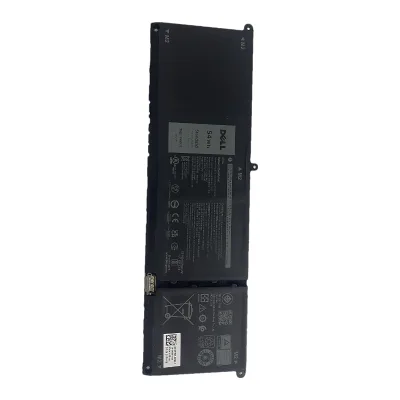
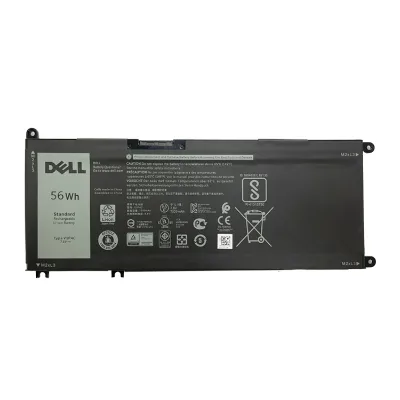
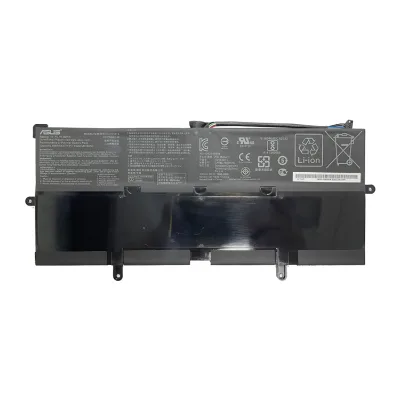
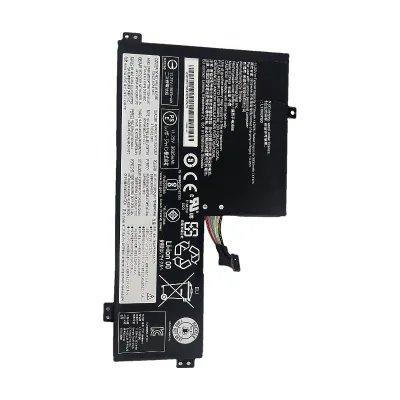
5B10S73396 for Lenovo 11.25 V 3735 MAh 42 Wh Battery 81TA0000US Chromebook C340-11
$20.00 - $22.00
MOQ: 1 pieces

Shenzhen Singo Electronics Co., Ltd
- Verified by SGS
- Manufacturer
- China Guangdong
- Lead time15 days
- Avg. response≤ 6h
Main productsLaptop Battery, Apple Laptop Battery, Cameras Battery, Jump Start, Portable Power Bank, Digital Camera Battery, Laptop Adapter


Laptop Battery for Hasee K350c-I5 I7 X311 W230bat-6 6-87-W230s-4271 11.1V 4400mAh 49wh
$18.65 - $25.35
MOQ: 5 Pieces


Laptop Battery for Asus V4000f V4000d V5200j V4000fj C21n1818 B21n1818-2 V4000f 7.7V 37wh
$15.90 - $20.83
MOQ: 5 Pieces
Shenzhen Mild-Trans Industrial Co., Ltd.
- Verified by TüVRheinland
- Trading Company
- Lead time7 days
- Avg. response≤ 8h
Main productsLaptop Screen, Laptop Keyboard, Laptop Battery, Laptop Adapter, Laptop Cover
Main marketsSouth America(20%), Southeast Asia(15%), Africa(15%)
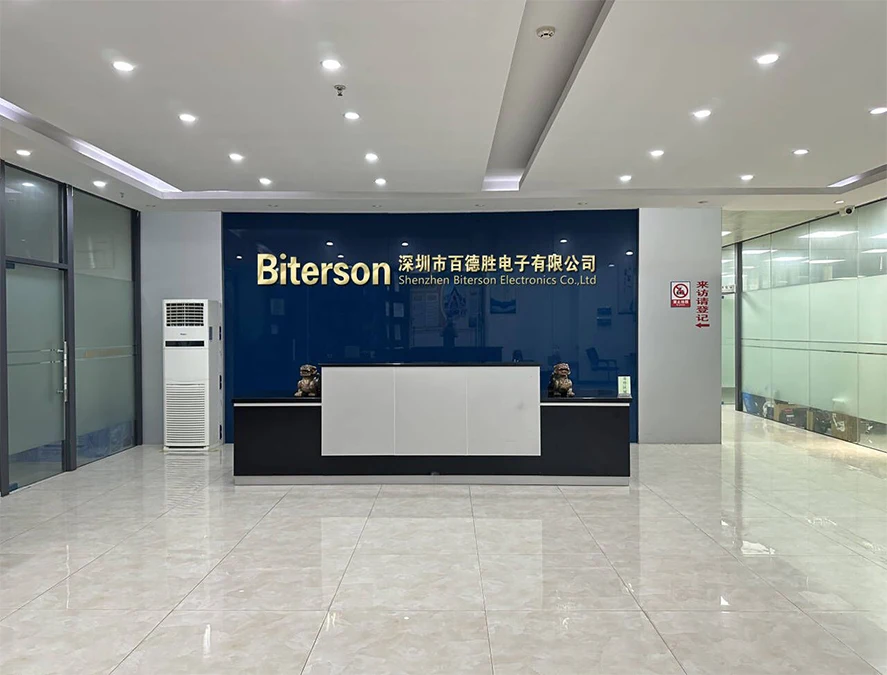
Shenzhen Biterson Electronics Co., Ltd.
- Trading Company
- Guangdong, China
- Lead time35 days
- Avg. response≤ 2h
Main productsLithium Iron Phosphate (LiFePO4)/Lithium Ion/Li-Polymer/Nickel-Metal Hydride (Ni-MH) Battery Packs
Main marketsDomestic Market(20.00%), Western Europe(20.00%), North America(20.00%), Southern Europe(10.00%), Southeast Asia(10.00%), Northern Europe(10.00%), Eastern Europe(10.00%)
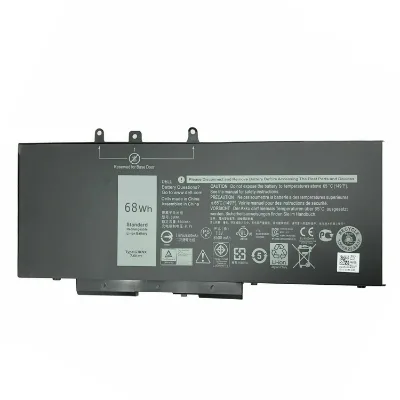
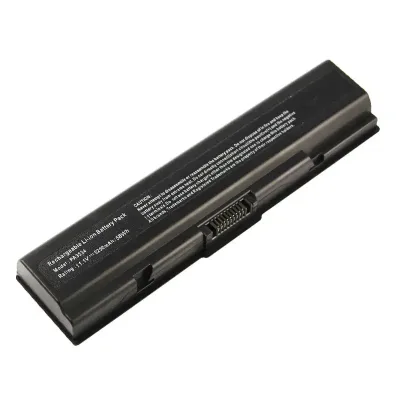
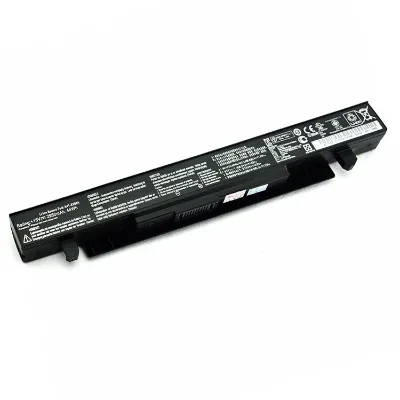
$13.3563 - $16.8524
MOQ: 10 pieces
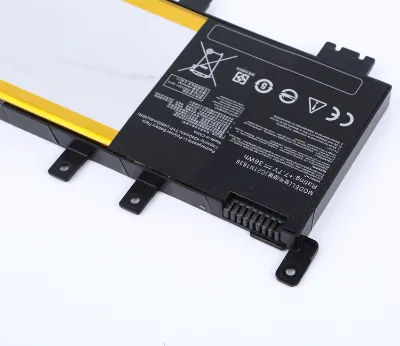

Liyuan Battery Technology (Yichun) Co., Ltd.
- Verified by BV
- Combined
- China Jiangxi
- Lead time23 days
- Avg. response≤ 4h
Main productsButton Battery, 3V Lithium Button Coin Cell, 1.5V Manganese Dioxide Button Cell, 3.6V Rechargeable Button Cell, Button Battery with Weld Foot, Button Battery with Welding Wire, Alkaline Battery, Carbon-Zinc Battery, Ni-MH Battery, Ni-CD Battery
Main marketsDomestic

Factory Direct Low Price Laptop Rechargeable Batteries Ly550784 for HP
$28.50 - $29.00
MOQ: 1000 Pieces

Hot Sale Best Quality Battery Ly9754D Suitable for Lenovo Laptop 4400mAh
$28.50 - $29.00
MOQ: 1000 Pieces

Factory Supply Replacement Endurance High-Power Laptop Battery Ly89vb5 with CE
$28.50 - $29.00
MOQ: 1000 Pieces

Factory Directly Sell Brand New Laptop Battery for Lenovo Ideapad 530s-14ikb
$28.50 - $29.00
MOQ: 1000 Pieces

Hot Sales Replacement Battery Cells Laptop Battery CB502V7 14.8V for Lenovo
$28.50 - $29.00
MOQ: 1000 Pieces

Guangzhou Longhe Electronics Co., Ltd.
- Manufacturer, Trading Company
- Guangdong, China
- Lead time7 days
- Avg. response≤ 3h
Main productsMobile Battery/Polymer Battery/3C Parts/Cable,laptop battery,watch battery,phone battery,Tablet battery
Main marketsDomestic Market(20.00%), Western Europe(20.00%), Southeast Asia(20.00%), Eastern Europe(20.00%), North America(20.00%)
- Trading Company
- Hong Kong S.A.R.
- Lead time0 days
- Avg. response≤ 2h
Main productswatch,flat,mobile phone
Main marketsSoutheast Asia(20.00%), North America(10.00%), Central America(10.00%), South Asia(10.00%), South America(5.00%), Eastern Europe(5.00%), Africa(5.00%), Oceania(5.00%), Mid East(5.00%), Eastern Asia(5.00%), Western Europe(5.00%), Northern Europe(5.00%), Southern Europe(5.00%), Domestic Market(5.00%)
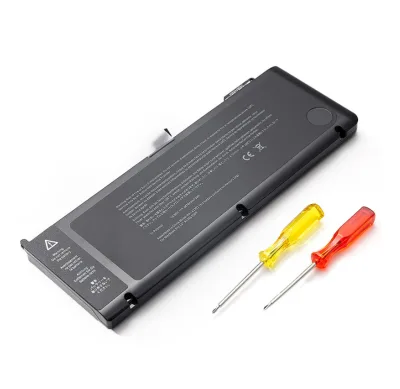
Built-in Laptop Battery Suitable for Apple Laptop A1321 A1382 Battery A1286 MB470 MB471 Computer
$25.00 - $50.00
MOQ: 1 Minimum
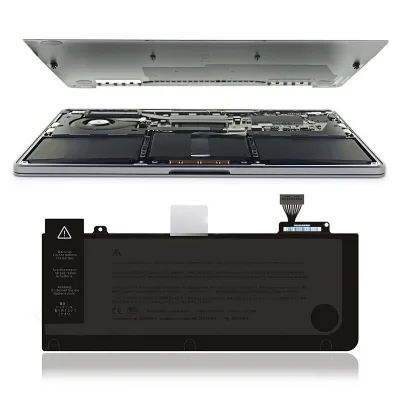
Li Ion Laptop Batteries Notebook A1278 A1322 Laptop Replacement Battery for Laptop11-13-15 Inches
$22.00 - $50.00
MOQ: 1 Minimum
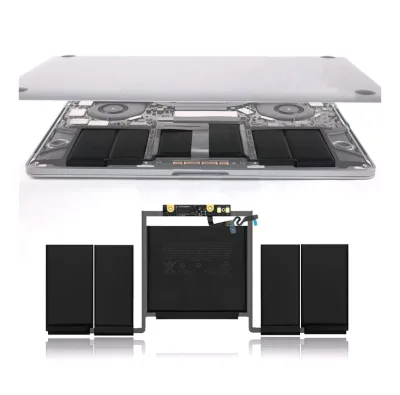
Genuine 6-Cell Laptop Battery A1819 New Series Digital for In-Stock Laptops
$26.00 - $50.00
MOQ: 1 Minimum
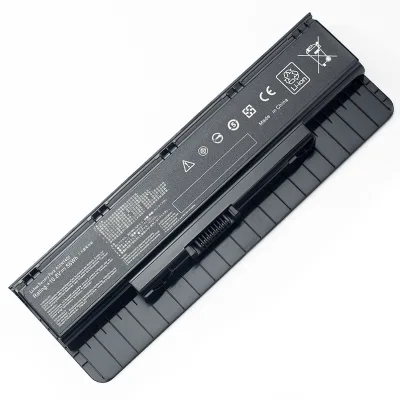
Lithium-Ion Laptop Battery for ASUS N551J Notebook Battery G771JK/JM/JW/V/Z G551J G58VM A32N1405
$18.00 - $46.00
MOQ: 1 Minimum

Shenzhen Three Six Zero Industrial Co., Ltd.
- Manufacturer, Trading Company
- Guangdong, China
- Lead time15 days
- Avg. response≤ 8h
Main productslaptop cover case,battery pack,notebook adapter,laptop keyboard,screen cable
Main marketsNorth America(30.00%), Eastern Europe(15.00%), South America(15.00%), Western Europe(10.00%), Southern Europe(5.00%), Northern Europe(5.00%), Southeast Asia(5.00%), Mid East(5.00%), Oceania(5.00%), Africa(5.00%)

Shenzhen Just Ewin Electronic Co., Ltd.
- Manufacturer, Trading Company, Distributor/Wholesaler
- Guangdong, China
- Lead time2 days
- Avg. response≤ 6h
Main productsLaptop LED LCD screen,Laptop touch digitizer,Laptop Keyboard,Laptop Battery,Laptop Adaptor
Main marketsEastern Europe(15.00%), South America(15.00%), Western Europe(15.00%), Domestic Market(10.00%), South Asia(6.00%), Southeast Asia(6.00%), Southern Europe(5.00%), Northern Europe(5.00%), Oceania(5.00%), North America(5.00%), Eastern Asia(5.00%), Mid East(5.00%), Central America(2.00%), Africa(1.00%)
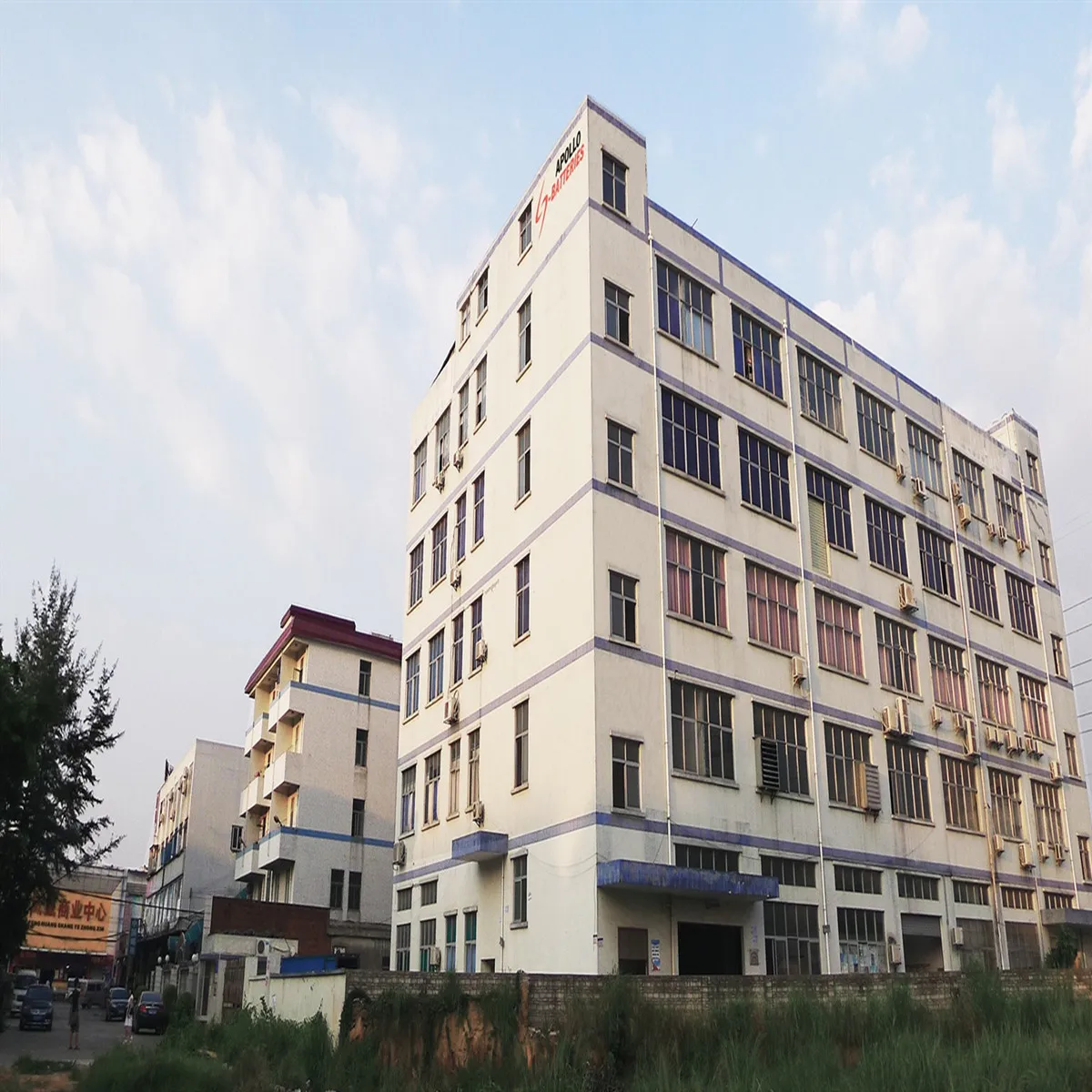
Shenzhen Apollo International Electronics Co., Ltd.
- Manufacturer, Trading Company
- Guangdong, China
- Lead time10 days
- Avg. response≤ 5h
Main productsLaptop Batteries,Laptop Adapters,Camera Batteries & Chargers & Grips,Mobile Phone Batteries,Power Tool Batteries & Chargers
Main marketsEastern Europe(20.00%), Northern Europe(20.00%), Western Europe(20.00%), Southern Europe(15.00%), North America(15.00%), Central America(5.00%), South America(5.00%)

Shenzhen Jiazijia Information Technology Co., Ltd.
- Trading Company, Agent
- guangdong, China
- Lead time30 days
- Avg. response≤ 3h
Main productslaptop battery,medical battery,phone battery,tools battery
Main marketsNorth America(80.00%), Mid East(10.00%), Eastern Europe(10.00%)
Dongguan Win-Hsin Electronic Co., Ltd.
- Verified by TüVRheinland
- Trading Company
- Lead time5 days
- Avg. response≤ 2h
Main productsLaptop Keyboard, Laptop Battery, Laptop Adapter, Laptop Screen, Other Laptop Accessories
Main marketsSoutheast Asia(30%), South America(20%), Eastern Europe(15%)
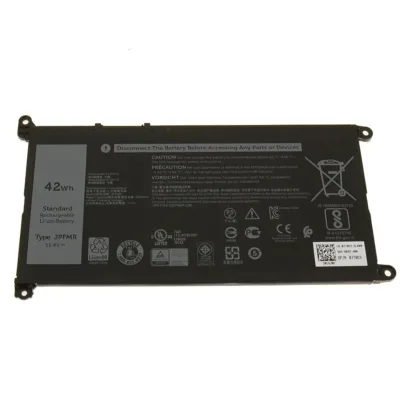
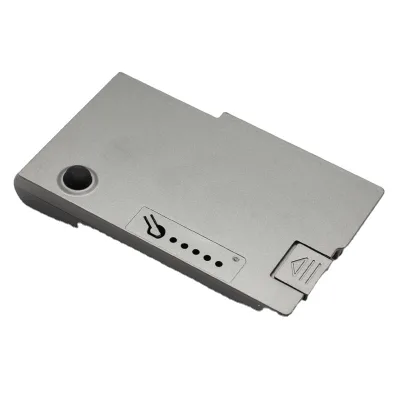
Laptop Battery JPFMR for Dell Chromebook 3100 3400 14 5493 5488 15 5593 JPFMR 7T0D3 Battery Laptop
$6.96 - $13.49
MOQ: 5 pieces

Shenzhen Chengyuan Technology Co., Limited
- Manufacturer, Distributor/Wholesaler
- Guangdong, China
- Lead time7 days
- Avg. response≤ 2h
Main productslaptop battery,AC adapters,laptop keyboards,battery pack
Main marketsNorth America(53.00%), Western Europe(35.00%), Northern Europe(3.00%), South America(2.50%), Southern Europe(2.00%), Eastern Europe(1.50%), Oceania(1.00%), South Asia(1.00%), Southeast Asia(0.50%), Africa(0.50%)
Shenzhen Bejiate Industrial Development Co., Ltd.
- Manufacturer, Trading Company, Distributor/Wholesaler
- Guangdong, China
- Lead time3 days
- Avg. response≤ 5h
Main productslaptop battery,laptop adapter,laptop keyboard,laptop screen
Main marketsWestern Europe(25.00%), South America(25.00%), North America(25.00%), Domestic Market(5.00%), Eastern Asia(3.00%), Oceania(3.00%), Northern Europe(3.00%), South Asia(2.50%), Southeast Asia(2.00%), Mid East(2.00%), Southern Europe(1.50%), Central America(1.00%), Eastern Europe(1.00%), Africa(1.00%)
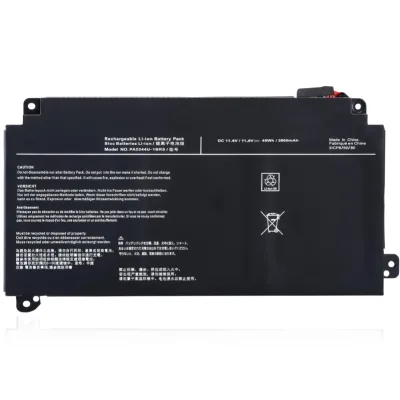
$16.2166 - $23.5396
MOQ: 10 pieces
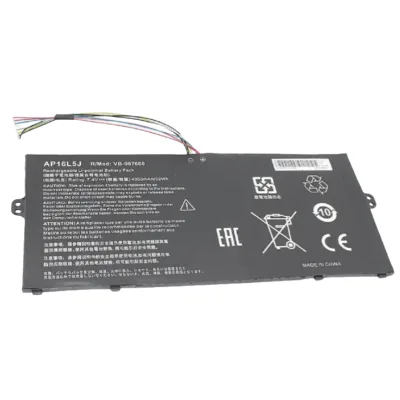
$8.2654 - $13.3922
MOQ: 10 pieces
$8.1233 - $13.1618
MOQ: 10 pieces
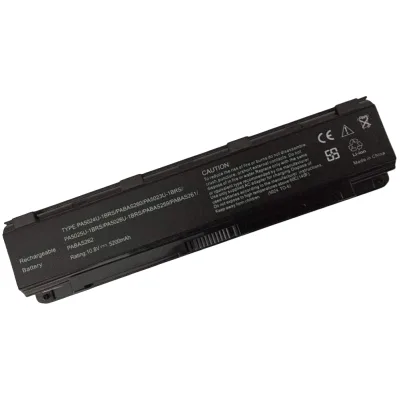
$8.1233 - $13.1618
MOQ: 10 pieces
$9.0493 - $13.1618
MOQ: 10 pieces
Mildtrans Industrial Co., Limited
- Verified by SGS Group
- Trading Company
- Lead time2 days
- Avg. response≤ 9h
Main productsLaptop Screen, Laptop Keyboard, Laptop Battery, Laptop Adapter, Laptop Shell
Main marketsSouth America(25%), Southern Europe(20%), Southeast Asia(15%)
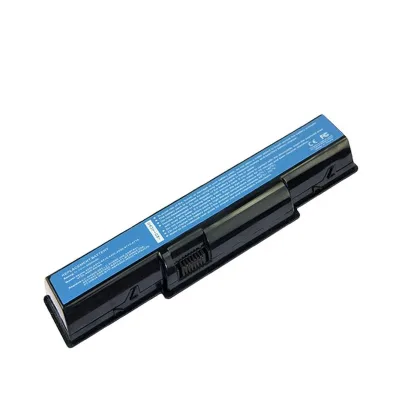
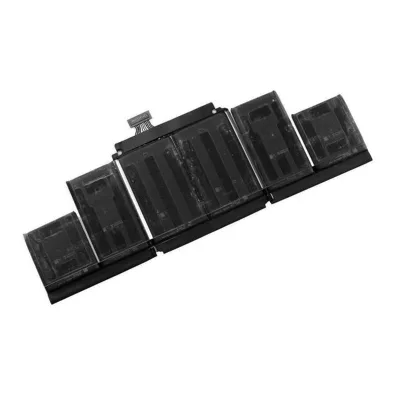
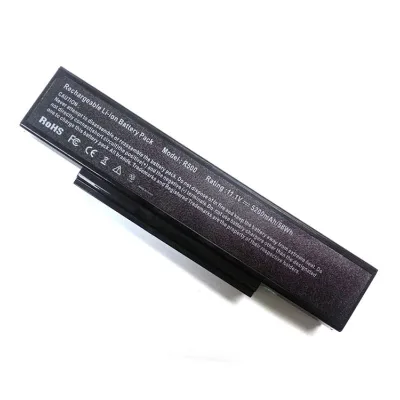
11.1V 5200mAh Notebook Battery for LG LB62119E R500 S510-X R500E R50 XNOTE RB500 Battery
$18.5085
MOQ: 10 Minimum
Shenzhen Bamtop Technology Limited
- Manufacturer
- Guangdong, China
- Lead time2 days
- Avg. response≤ 12h
Main productslaptop keyboard,Notebook PC Keyboard
Main marketsSouth America(40.00%), North America(20.00%), Central America(10.00%), Western Europe(10.00%), Eastern Europe(10.00%), Southern Europe(5.00%), Northern Europe(5.00%)
Shenzhen Delongyi Energy Co., Ltd.
- Manufacturer
- Guangdong, China
- Lead time30 days
- Avg. response≤ 3h
Main productschargers,batteries,keyboards,cables,LCD screens
Main marketsNorth America(40.00%), Western Europe(15.00%), South America(10.00%), Domestic Market(5.00%), Southern Europe(5.00%), Northern Europe(5.00%), Central America(5.00%), Eastern Europe(5.00%), Mid East(5.00%), Oceania(5.00%)

Shenzhen Buyee Technology Development Co., Ltd.
- Manufacturer, Trading Company
- Guangdong, China
- Lead time3 days
- Avg. response≤ 5h
Main productsLaptop LCD,Laptop batteries,Laptop keyboard,Laptop charger,Laptop repair parts
Main marketsNorthern Europe(20.00%), North America(16.00%), Central America(15.00%), Southern Europe(10.00%), Eastern Europe(10.00%), Western Europe(10.00%), South America(5.00%), Domestic Market(2.00%), South Asia(2.00%), Oceania(2.00%), Mid East(2.00%), Africa(2.00%), Southeast Asia(2.00%), Eastern Asia(2.00%)

Guangzhou zhanming Electronics Co.,Ltd.
- Verified by CTI
- Combined
- China Guangdong
- Lead time15 days
- Avg. response≤ 7h
Main productsLaptop Adapter, Laptop Charger, Power Supply, LED/LCD Adapter
Main marketsEurope


$9.30 - $9.90
MOQ: 5 Pieces


Shenzhen Jiageer Technology Co., Ltd.
- Trading Company
- Guangdong, China
- Lead time0 days
- Avg. response≤ 8h
Main productsLaptop Keyboard, Laptop Adapter, Laptop Memory
Main marketsNorth America(50.00%), South America(20.00%), Western Europe(5.00%), Southern Europe(5.00%), Central America(5.00%), Eastern Europe(5.00%), Oceania(3.00%), Southeast Asia(3.00%), Eastern Asia(1.00%), Northern Europe(1.00%), Africa(1.00%), Mid East(1.00%)
Comprehensive Sourcing Guide
5380mAh Laptop Battery Supplier Concentration and Factory Types
The current supplier landscape for laptop batteries reveals a distinct concentration of manufacturing and trading entities within specific industrial regions in China. Data indicates that suppliers are primarily located in Henan and Guangdong provinces, with Guangdong emerging as a significant hub for digital battery production. This geographic clustering suggests that buyers seeking 5380mAh laptop batteries will likely encounter vendors operating from these established electronics manufacturing zones. The presence of suppliers in Guangdong is particularly notable, as this region is historically known for its robust supply chain infrastructure for consumer electronics components. Buyers should recognize that while the core keyword specifies a 5380mAh capacity, the actual product listings often feature similar capacities such as 5000mAh or 5200mAh, indicating that exact capacity matches may require careful verification of product specifications rather than relying solely on search titles. The concentration in these areas implies that logistics and raw material access are optimized for battery production, potentially offering competitive advantages in terms of supply chain efficiency. However, buyers must navigate this concentration by distinguishing between pure manufacturing facilities and trading companies that may aggregate products from multiple smaller factories. Understanding this geographic distribution helps in assessing the reliability of supply chains and the potential for factory audits, as proximity to known industrial clusters can facilitate more straightforward verification processes for international buyers.
In terms of company structure, the majority of observed suppliers are classified as trading companies rather than direct manufacturers. This distinction is critical for buyers evaluating the 5380mAh Laptop Battery market, as trading companies often serve as intermediaries that consolidate inventory from various sources. While trading companies can offer convenience and a broader range of compatible models, they may not provide the same level of direct control over production quality or customization as a factory would. The product evidence shows a variety of battery types, including Li-ion, Li Polymer, and LiFePO4, suggesting that trading companies may source from different specialized manufacturers depending on the specific battery chemistry required. Buyers should be aware that the term "5380mAh" might be used loosely in some listings, with actual products varying in capacity, voltage, and cell configuration. The presence of trading companies also implies that buyers might need to engage in more detailed communication to ensure that the specific battery model they require is available and meets their technical specifications. This structure can affect lead times and pricing, as trading companies add a layer of markup and coordination. Therefore, understanding the type of supplier is essential for setting realistic expectations regarding product availability, customization options, and the overall sourcing strategy for laptop batteries in this competitive market.
How to Verify 5380mAh Laptop Battery Suppliers
Verifying the credibility of suppliers for 5380mAh laptop batteries requires a rigorous approach to checking certifications and verification badges. The current data shows that some suppliers hold TUVRHEINLAND verification, which is a significant indicator of third-party assessment. Buyers should prioritize suppliers with such recognized verification badges, as they indicate that the supplier has undergone external scrutiny regarding their business operations and product quality. Additionally, product-level certifications are crucial for ensuring safety and compliance in international markets. The observed product attributes include a wide range of certifications such as CE, UL, CB, TUV, RoHS, CTIA, KC, PSE, GOST-R, and SASO. Buyers must verify that the specific 5380mAh battery model they intend to purchase carries the necessary certifications for their target market. For instance, selling in Europe requires CE and RoHS compliance, while the US market may demand UL certification. The presence of multiple certifications on a single product listing suggests a high level of regulatory adherence, but buyers should request valid certificates for the exact model number to avoid accepting generic or expired documentation. It is also important to note that some listings may show "NIL" for system certification, which could indicate a lack of comprehensive quality management system audits. Buyers should treat suppliers with missing system certifications with caution and request additional proof of quality control processes.
Beyond certifications, buyers should assess the supplier's response time and communication efficiency as indicators of their operational reliability. The data indicates an average response time of 2.77 hours, which is a useful metric for evaluating how quickly a supplier can address inquiries or resolve issues. A faster response time often correlates with better customer service and more agile problem-solving capabilities, which are vital when dealing with custom battery orders or technical specifications. Buyers should test the supplier's responsiveness by sending detailed inquiries about the 5380mAh battery, including questions about cell origin, protection circuit board (PCB) specifications, and warranty terms. The ability of the supplier to provide clear, accurate, and timely answers can reveal their technical expertise and commitment to customer satisfaction. Furthermore, buyers should look for evidence of customization availability, as many suppliers list "Available" for customization options. This indicates that the supplier can accommodate specific requirements, such as custom branding, packaging, or battery configuration. However, buyers must ensure that customization does not compromise safety standards or certification validity. By combining verification of badges and certifications with an assessment of communication quality, buyers can build a more comprehensive profile of each supplier's reliability and suitability for their sourcing needs.
What to Compare Across 5380mAh Laptop Battery Suppliers
When evaluating suppliers for 5380mAh laptop batteries, buyers should compare key commercial and logistical dimensions such as lead time, minimum order quantity (MOQ), and pricing structures. The observed data shows a lead time of 15 days for some suppliers, which is a standard benchmark for production and delivery. Buyers should compare this against their own inventory requirements and production schedules to ensure that the lead time aligns with their needs. Additionally, MOQs vary significantly, with some suppliers requiring as few as 10 units while others demand 500 units. This variation allows buyers to choose suppliers that match their order volume, whether they are testing the market with small batches or placing large-scale orders. Pricing is another critical factor, with observed price ranges for similar laptop batteries varying from approximately $10.69 to $29.90. Buyers should compare these prices in the context of the battery's specifications, such as capacity, voltage, and certification level, to determine the true value proposition. It is important to note that the price for a 5380mAh battery may differ from the observed prices for 5000mAh or 5200mAh models, so buyers should request specific quotes for their required capacity. Comparing these dimensions across multiple suppliers helps buyers identify the most cost-effective and reliable partners for their sourcing strategy.
In addition to commercial terms, buyers should compare the main products and technical specifications offered by each supplier. The data indicates that suppliers offer a wide range of battery types, including 18650 batteries, Li-ion batteries, and LiFePO4 batteries. Buyers should verify that the supplier specializes in the specific type of laptop battery they need, as expertise in one area may not translate to another. Technical specifications such as voltage, capacity, and weight are also important comparison points. For example, observed products have voltages ranging from 10.8V to 14.8V and capacities from 4400mAh to 5200mAh. Buyers must ensure that the 5380mAh battery they select matches the voltage and physical dimensions of their target laptop model. The presence of detailed product attributes, such as cycle life and material type, provides further insight into the battery's performance and durability. Buyers should compare these technical details to assess the quality and longevity of the batteries offered by different suppliers. Additionally, the availability of customization options, such as custom branding or packaging, can be a differentiating factor for buyers looking to build their own brand. By systematically comparing these attributes, buyers can make informed decisions that balance cost, quality, and suitability for their specific application.
Common 5380mAh Laptop Battery Sourcing Risks
One of the primary risks in sourcing 5380mAh laptop batteries is the potential discrepancy between advertised specifications and actual product performance. Buyers may encounter suppliers who list batteries with nominal capacities that do not match the actual usable capacity, leading to shorter battery life in the final product. This risk is exacerbated by the fact that many suppliers are trading companies that may not have direct control over the manufacturing process. To mitigate this risk, buyers should request detailed test reports or third-party verification of the battery's capacity and performance. Additionally, buyers should be cautious of suppliers who offer prices that are significantly lower than the market average, as this may indicate the use of substandard cells or recycled materials. The observed data shows a wide range of prices, which suggests that there is significant variation in quality and cost. Buyers should investigate the source of the cells and the manufacturing process to ensure that the batteries meet their quality standards. Another risk is the lack of consistent certification across different product batches. Buyers should verify that each batch of batteries comes with valid and up-to-date certifications, as regulatory compliance is essential for selling in international markets. Failure to maintain certification can lead to customs delays or product recalls.
Another significant risk is the potential for supply chain disruptions, particularly when dealing with suppliers in concentrated industrial regions. While geographic clustering can offer logistical advantages, it also means that a local disruption, such as a power outage or regulatory change, can affect multiple suppliers simultaneously. Buyers should diversify their supplier base to reduce this risk, rather than relying on a single source for their 5380mAh battery needs. Additionally, buyers should be aware of the risks associated with customization, as custom orders may have longer lead times and higher MOQs. If a supplier fails to meet the customization requirements, it can delay the buyer's product launch. Buyers should establish clear communication channels and set realistic expectations regarding customization timelines. Furthermore, the risk of intellectual property infringement is a concern, especially when dealing with trading companies that may source from multiple factories. Buyers should ensure that their designs and branding are protected and that suppliers adhere to confidentiality agreements. By identifying and addressing these risks proactively, buyers can build a more resilient sourcing strategy for 5380mAh laptop batteries. It is also important to monitor the supplier's financial stability and operational history to ensure they can fulfill long-term contracts.
5380mAh Laptop Battery Regional Sourcing and Logistics
Sourcing 5380mAh laptop batteries from China involves navigating the logistical advantages and challenges associated with major manufacturing hubs. The data indicates that suppliers are primarily located in Henan and Guangdong provinces, with Guangdong being a key center for electronics manufacturing. Buyers should consider the logistical implications of sourcing from these regions, as they offer well-developed infrastructure for shipping and export. Guangdong, in particular, has access to major ports such as Shenzhen and Guangzhou, which can facilitate efficient international shipping. Buyers should compare shipping costs and transit times from different suppliers to determine the most cost-effective logistics solution. Additionally, buyers should be aware of the potential for customs delays and import duties, which can vary depending on the destination country. Understanding the specific HS codes for laptop batteries and ensuring that all documentation is accurate can help minimize these delays. The presence of suppliers in Henan may also offer alternative logistics options, particularly for buyers sourcing from inland regions. Buyers should evaluate the supplier's experience with international shipping and their ability to handle export documentation.
Logistics also involve the management of inventory and warehousing, particularly for buyers who place large orders. Buyers should consider the lead time of 15 days observed in the data when planning their inventory replenishment cycles. This lead time includes production and preparation for shipment, so buyers should factor in additional time for transit and customs clearance. Buyers may also need to arrange for warehousing in their destination country to manage stock levels effectively. The ability of
FAQs
What is the price range for 5380mAh laptop batteries?
Prices for compatible laptop batteries typically range from $10.69 to $29.90 depending on the specific model and capacity. For instance, a 5000mAh unit may cost between $10.69 and $12.98, while higher capacity packs can reach up to $29.90. Buyers should verify exact pricing for their required voltage and brand compatibility before ordering.
What certifications do these laptop batteries hold?
Manufacturers generally provide batteries with CE, UL, CB, TUV, RoHS, CTIA, KC, PSE, GOST-R, and SASO certifications. These standards ensure safety and quality for international markets. Buyers should request specific certification documents for their target region to confirm compliance with local electrical safety regulations and import requirements.
What is the minimum order quantity for these batteries?
Minimum order quantities vary by supplier, with some requiring as few as 10 units while others demand 500 pieces. Smaller MOQs are often available for standard replacement models, whereas bulk orders for specific custom specifications may require higher volumes. Buyers should confirm the exact MOQ with the supplier before finalizing their purchase agreement.
How long does production and shipping take?
Standard lead times for manufacturing these batteries are approximately 15 days. This timeframe covers production and initial preparation for shipment. Buyers should account for additional transit time depending on the destination country and chosen shipping method to ensure timely delivery for their inventory needs.
Are customization options available for these batteries?
Customization is available for many laptop battery models, allowing buyers to specify voltage, capacity, and connector types. Suppliers can often tailor products to fit specific laptop brands like Dell, Toshiba, or Lenovo. Buyers should provide detailed specifications to ensure the customized battery meets their technical requirements and device compatibility.
What is the warranty period for these batteries?
Most suppliers offer a one-year warranty for their laptop batteries. This coverage typically protects against manufacturing defects and performance issues under normal use. Buyers should review the specific warranty terms provided by the supplier to understand the scope of coverage and the process for claiming replacements or repairs.