Adjustable Ceiling Air Grille Suppliers and Manufacturers
Source 23 Adjustable Ceiling Air Grille suppliers from China Guangdong and Zhejiang. Compare lead times, MOQs, prices, and certifications like CE and ISO 9001. Contact verified factories for quotes; review the available evidence before requesting comparable quotations from suitable candidates.
Updated
Suppliers List

YINGDE VENTECH AIR CONDITIONING CO., LTD.
- Verified by BV
- Combined
- China Guangdong
- Lead time30 days
- Avg. response≤ 4h
Main productsAir Diffuser, Air Grille, Air Damper, Air Filter, Air Duct, Duct Fitting
Main marketsAfrica,Southeast Asia/ Mideast,East Asia(Japan/ South Korea),Domestic,Europe,Australia,North America

Rubber Type Adjustable Blades Return Aluminum Ceiling Double Deflection Air Grille
$3.11 - $12.00
MOQ: 1 Pieces


Return Adjustable Blades Single Deflection Grille Aluminum Ceiling Air Grille for Ventilation
$3.11 - $12.00
MOQ: 1 Pieces

Ningbo Aoshun Electrical Co., Ltd
- Verified by CTI
- Manufacturer/Factory
- China Zhejiang
- Lead time23 days
- Avg. response≤ 8h
Main productsWall Mounted Exhaust Fan, Mixed Flow Inline Fan, Air Curtain, Centrifugal Fan, Industrial Fan, Ventilation Air Grille & Other Accessories, Ceiling Mounted Exhaust Fan, Inline Duct Fan, Bathroom Ventilation Exhaust Fan, Ventilation Exhaust Fan
Main marketsSouth America,Mid East,Southeast Asia,Oceania,Western Europe

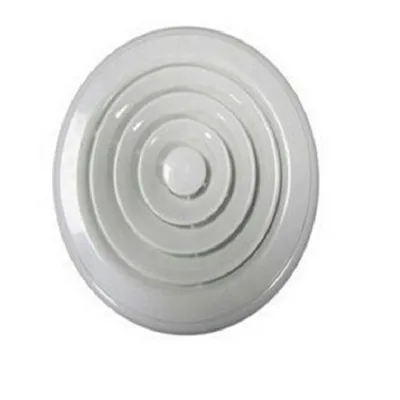
Circular Ceiling Diffuser, Adjustable Ceiling Diffuser, Round Supply Air Grille
$1.03 - $1.25
MOQ: 100 Pieces


Good Quality Plastic Air Vent Adjustable Airflow 4 Inches ABS/PP Ceiling Air Diffuser Round Grill
$0.92 - $1.02
MOQ: 100 Pieces

Factory OEM Customized Ventilation Aluminium Air Grille for HVAC Popular
$0.92 - $1.02
MOQ: 100 Pieces
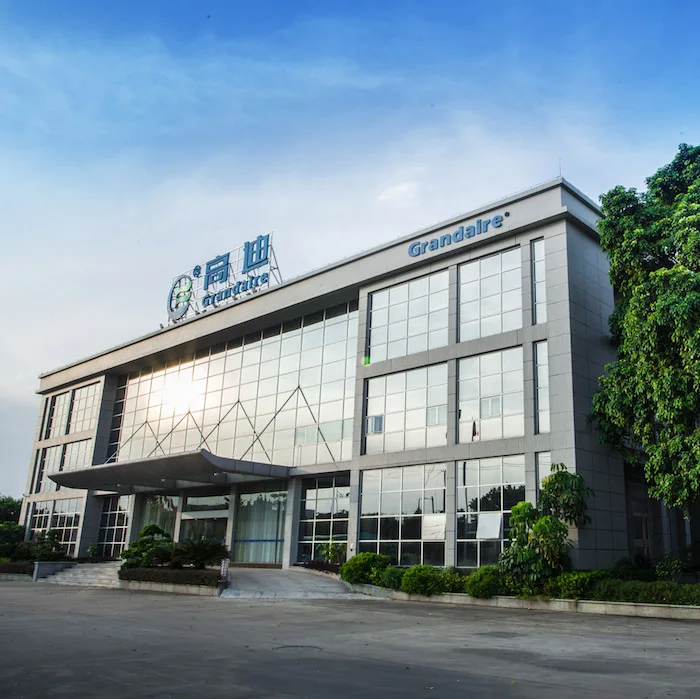
Zhaoqing Grandaire Air Conditioning Co., Ltd.
- Manufacturer
- Guangdong, China
- Lead time15 days
- Avg. response≤ 2h
Main productsAluminum Diffuser,Steel Diffuser,Motorised Damper,Plenum Box,HVAC Accessories
Main marketsOceania(45.00%), Western Europe(20.00%), North America(20.00%), Southern Europe(5.00%), Southeast Asia(5.00%), Eastern Europe(5.00%)
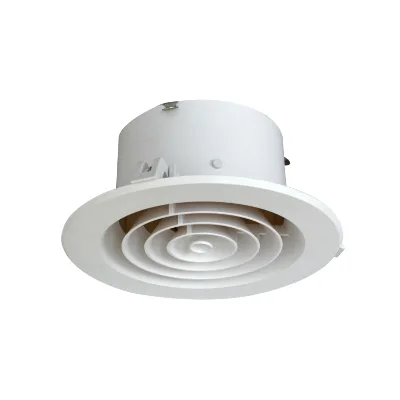
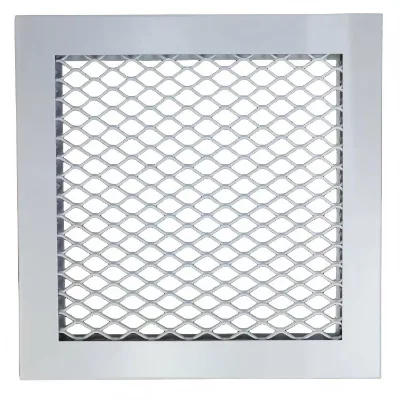
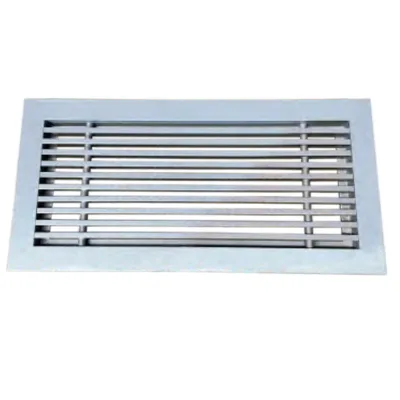
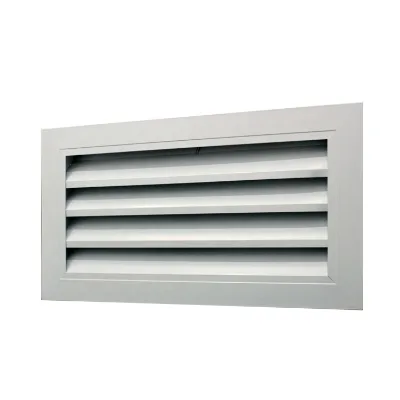
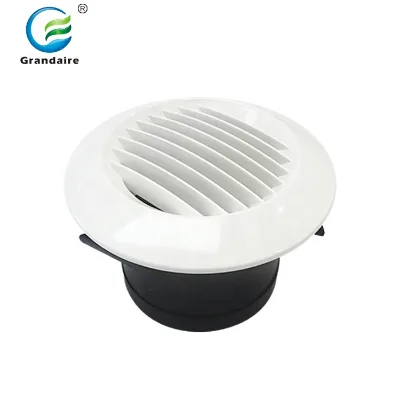
Customized Sizes Heavy Duty Return Air Floor Grille Without Filter for Ventilation
$15.349
MOQ: 1 Minimum


- Verified by SGS
- Trading Company
- China Zhejiang
- Lead time23 days
- Avg. response≤ 3h
Main productsRefrigeration, HVAC, Ventilation, Washing Machine Parts, Dryer Parts, Air Conditioning Parts, Customized Metal Products, AC Installation Products, Electrical
Main marketsSouth America,Africa,Southeast Asia/ Mideast,East Asia(Japan/ South Korea),Europe,Australia,North America
Ningbo Aoshun Electrical Co., Ltd.
- Verified by TüVRheinland
- Trading Company
- Lead time30 days
- Avg. response≤ 2h
Main productsExhaust Fan
Main marketsOceania(55%), South America(22%), Western Europe(12%)
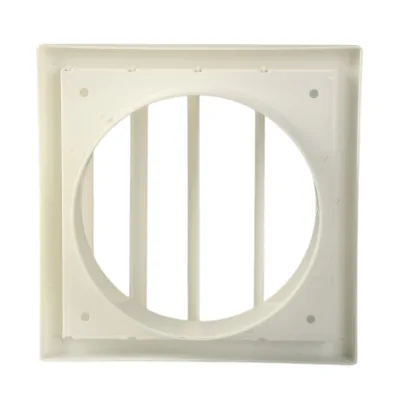
Customized Logo Brand Adjustable Air Outlet Grille Construction Ceiling Diffusion Air Vent
$0.8722 - $1.2821
MOQ: 100 pieces
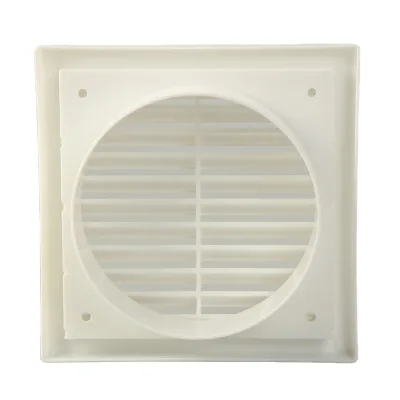
Air Conditioning Aluminum Round air Ceiling Diffuser air Grille for Hvac System
$0.99 - $1.99
MOQ: 500
Guangzhou Greenforest Ventilation Equipment Co., Ltd.
- Verified by TüVRheinland
- Manufacturer, Trading Company
- Lead time0 days
- Avg. response≤ 2h
Main productsAir Cap, Exhaust Fan, Fan, Air Vent, Flange
Main marketsMid East(40%), Southeast Asia(15%), Africa(15%)
Hangzhou Lifeng Imp. & Exp. Co., Ltd.
- Verified by SGS Group
- Manufacturer, Trading Company
- Lead time0 days
- Avg. response≤ 4h
Main productsSpiral Duct Fitting and Damper, Fixing System, Air Diffuser, Condensate Pump
Main marketsNorth America(20%), Eastern Europe(15%), Western Europe(15%)

NINGBO SANHE REFRIGERATION CO., LTD.
- Verified by BV
- Trading Company
- China Zhejiang
- Lead time30 days
- Avg. response≤ 4h
Main productsCompressor, Refrigerant, Copper Tube & Coil, Air Conditioner Parts, Refrigeration Parts, Refrigerator Parts, Service Tools, Buildings Automation, Washing Machine Parts, Car Air Conditioning Parts
Main marketsSouth America,Africa,Southeast Asia/ Mideast,East Asia(Japan/ South Korea),Europe,Australia,North America


Best Quality Ventilation Grill Supply Air Grille Aluminum Adjustable Double Deflection Air Grille
$3.09 - $4.59
MOQ: 1000 Pieces

- Verified by Intertek
- Manufacturer, Trading Company
- Lead time35 days
- Avg. response≤ 2h
Main productsLinear Slot Diffuser, Linear Bar Grille, Jet Diffuser, Barrel Air Volume Damper, Plenum Box
Main marketsOceania(45%), Western Europe(20%), North America(15%)

Zhongshan SJ Hardware Co., Ltd.
- Combined
- China Guangdong
- Lead time30 days
- Avg. response≤ 9h
Main productsAluminum Profile, Aluminum Ventilation Grill, Aluminum Worktop Profile, Aluminum Handles, Aluminum Desk Cable Insert Box, Castor Wheel, Wire Baskets for Kitchen, Stainless Steel Handles, Kitchen Accessories, Furniture Fittings
Main marketsAfrica,Southeast Asia/ Mideast,Europe


Modern Decorative Ceiling Air Vent Covers Grille with Adjustable Damper HVAC Supply
$0.70
MOQ: 1000 Pieces


Aluminum Ventilation Grids Air Holes Vent Grilles Aluminum Air Ventilation Grille
$0.70
MOQ: 1000 Pieces


Wuhu Aihua Industrial Manufacturing Co., Ltd.
- Combined
- China Anhui
- Lead time30 days
- Avg. response≤ 8h
Main productsAccess Panel, Plastic Access Panel, Duct Access Door, Aluminum Access Panel, Access Panel with Gypsum Board, Roof Access Hatch, RV Skylight, Air Register/Gille/Diffuser, Air Vent Louvers, Fired Rated Access Door
Main marketsSouth America,Africa,Southeast Asia/ Mideast,East Asia(Japan/ South Korea),Domestic,Europe,Australia,North America

Jiaxing Subo Pipe Industry Co., Ltd.
- Verified by TUVRHEINLAND
- Trading Company,Manufacturer/Factory
- China Zhejiang
- Lead time23 days
- Avg. response≤ 9h
Main productsFlexible Duct, Insulated Flexible Duct, Semi-Rigid Aluminum Duct, HVAC Components, Flexible Duct Connector, Aluminum Foil Laminate, Copper Line Set, Duct Fan, Flexible Duct Making Machine, Air Diffuser
Main marketsSouth America,Mid East,North America,Southeast Asia,Oceania,Western Europe

Plastic Adjustable Ventilation System Air Vent Grilles Ceiling Air Duct Diffuser
$4.00 - $10.00
MOQ: 100 Pieces

Aluminum Double Deflection Air Grille with Damper Adjustable Air Vent Diffuser
$3.00 - $10.00
MOQ: 10 Pieces

Linear Vent Diffuser Ceiling Plastic Air Grille for HVAC System Air Conditioning
$5.00 - $30.00
MOQ: 10 Pieces


Fresh Supply Air Grille Return Ceiling Customization Size Color Air Ventilation Parts
$3.00 - $10.00
MOQ: 10 Pieces

Ningbo Fanshun Air-Conditioner Equipment Co., Ltd.
- Manufacturer, Trading Company
- Zhejiang, China
- Lead time36 days
- Avg. response≤ 4h
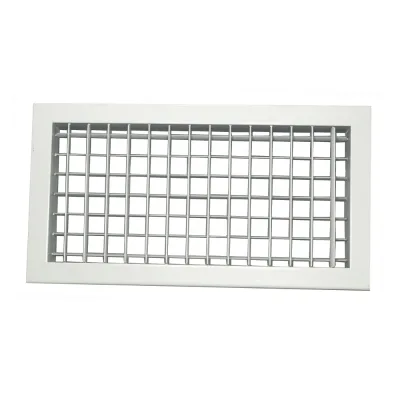
Main productsair diffuser,single deflection grille,Linear slot diffuser,Eggcrate grille,jet nozzle
Main marketsEastern Europe(20.00%), Western Europe(20.00%), North America(15.00%), Southeast Asia(15.00%), Mid East(10.00%), Oceania(10.00%), Africa(5.00%), Eastern Asia(5.00%)
$3.0743 - $17.4194
MOQ: 100 Minimum
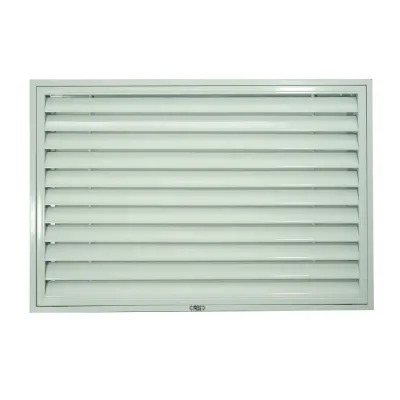
Customized HVAC Air Ventilation Grille With Filter Door Link Filter Grilles Removable Core
$4.1305 - $20.6493
MOQ: 100 Minimum
Zhongshan Hongshengwei Technology Development Co., Ltd.
- Verified by SGS Group
- Manufacturer, Trading Company
- Lead time15 days
- Avg. response≤ 1h
Main productsAir Grille, Air Diffuser, Linear Grille, Linear Slot Diffuser, Air Vent
Main marketsDomestic Market(45%), North America(30%), Southeast Asia(15%)
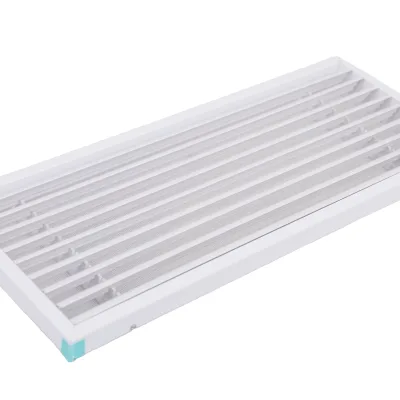
$5.1552 - $10.3104
MOQ: 5 pieces
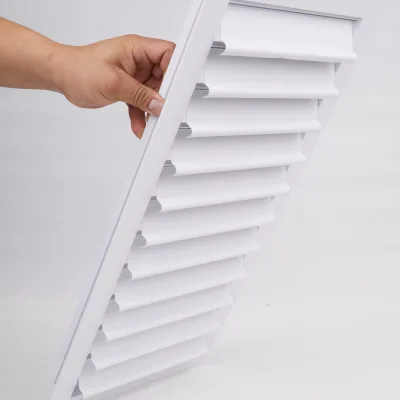
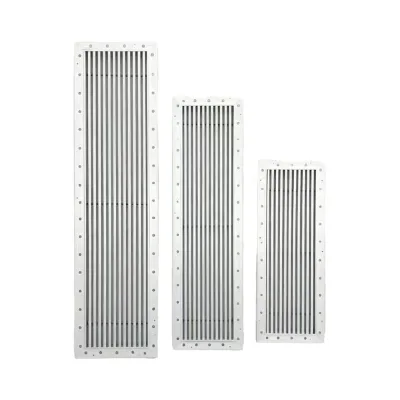
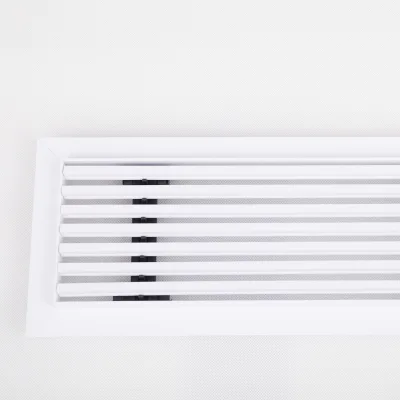
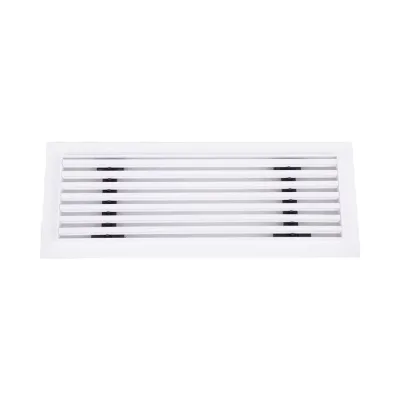
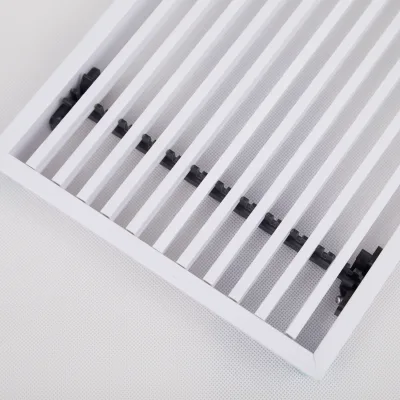
Guangdong Huaqi Plastic Products Co., Ltd.
- Manufacturer
- Guangdong, China
- Lead time0 days
- Avg. response≤ 3h
Main productsPlastic product,Ventilation equipment,hardware,Air conditioning equipment and accessories,Tuyere section
Main marketsDomestic Market(50.00%), Southeast Asia(15.00%), South Asia(8.00%), Central America(5.00%), Eastern Asia(5.00%), Eastern Europe(2.00%), Southern Europe(2.00%), Northern Europe(2.00%), Africa(2.00%), North America(2.00%), Western Europe(2.00%), South America(2.00%), Mid East(2.00%), Oceania(1.00%)

ZHEJIANG SHUNSHI INTELLIGENT&TECHNOLOGY CO., LTD.
- Verified by TUVRHEINLAND
- Combined
- China Zhejiang
- Lead time15 days
- Avg. response≤ 8h
Main productsAccess Panel, Inspection Hatch, Access Door, Fire Rated Access Panel, Aluminum Access Panel, Steel Access Panel, Roof Hatch, Access Door Panel, Access Trap Door, Ceiling Manhole
Main marketsAfrica,Southeast Asia/ Mideast,Europe
Wuxi AIRSMITH Ventilation Equipment Co., Ltd.
- Manufacturer
- Jiangsu, China
- Lead time15 days
- Avg. response≤ 1h
Main productsStainless steel air duct,Spiral air duct,Stainless steel elbow,Air valve,Flange
Main marketsSoutheast Asia(40.00%), North America(30.00%), South America(20.00%)
Ningbo Hseng Electrical Co., Ltd.
- Trading Company
- Lead time旺季: "1 - 100":10,"101 - 500":20,"501 - 1000":30,"> 1000":"To be negotiated", 淡季: "1 - 100":10,"101 - 500":20,"501 - 1000":30,"> 1000":"To be negotiated"
- Avg. response≤ 2h
Main productsVentilation Fan, Ventilation Accessories, AU Switch & Socket, AU Conduit System, AU Electrical Accessories
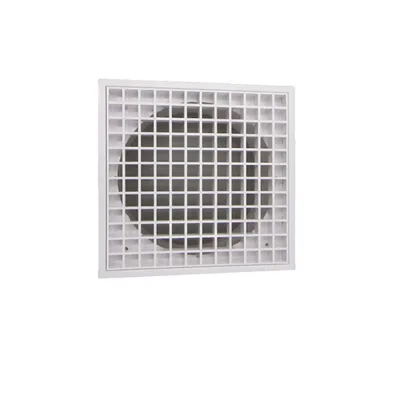
$2.9726 - $3.2792
MOQ: 100 packs
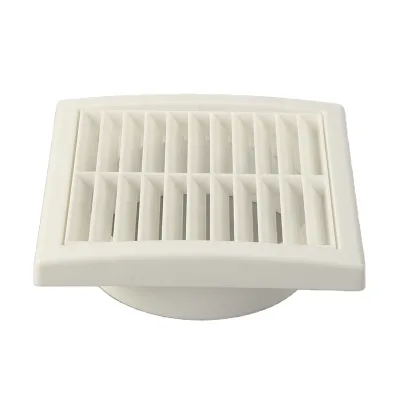
Ceiling Air Grille Air Condition Plastic Outlet Vent Cover Linear Grilles
$0.8318 - $1.0382
MOQ: 100 pieces
$0.1225 - $1.0008
MOQ: 100 pieces
$0.12 - $0.98
MOQ: 100 pieces
$1.3389 - $1.6471
MOQ: 1 pieces
Shanghai Galaxyfiber Industry Co., Ltd.
- Verified by TüVRheinland
- Manufacturer, Trading Company
- Lead time15 days
- Avg. response≤ 4h
Main productsWindow Screen, Fiberglass Adhesive Tape, Paper Joint Tape, Metal Corner Tape, Fire Blanket
Main marketsNorth America(25%), South America(25%), Eastern Europe(15%)
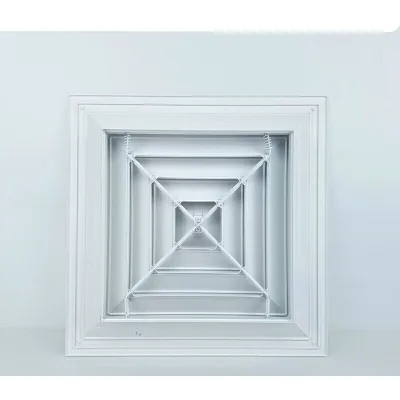
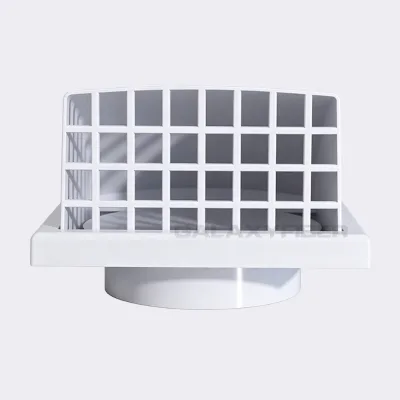
Modern Square Plastic External Air Vent Grille
$3.20 - $3.50

Hangzhou Qualpro Technology Co., Ltd.
- Manufacturer, Trading Company
- Zhejiang, China
- Lead time30 days
- Avg. response≤ 3h
Main productsaccess panel,access door,trapdoor,inspection door,access hatch
Main marketsWestern Europe(30.00%), North America(28.00%), Mid East(20.00%), South America(5.00%), Southern Europe(5.00%), Oceania(5.00%), Eastern Europe(4.00%), Northern Europe(3.00%)
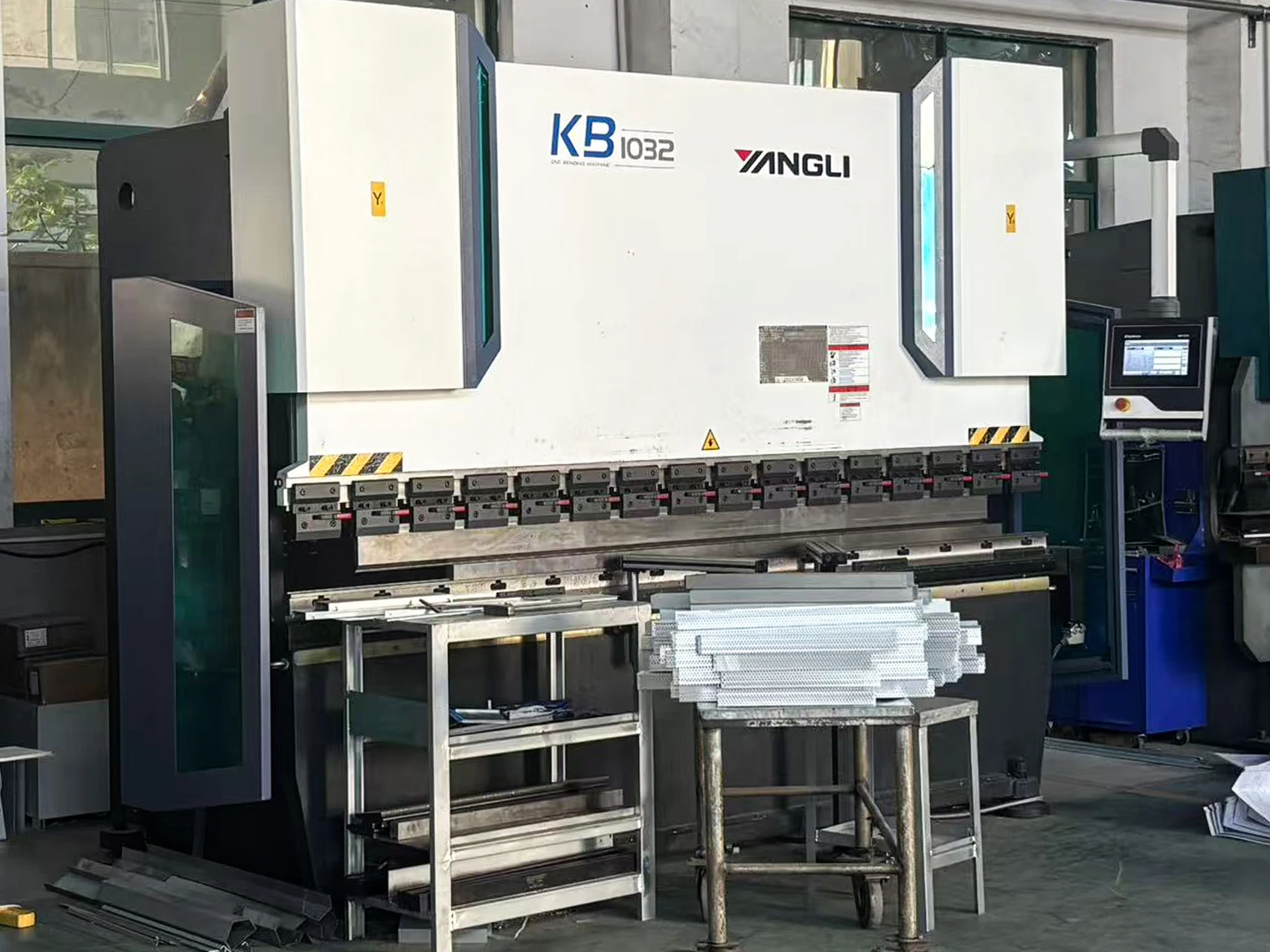
A.r. Rain (shanghai) Technology Co., Ltd.
- Manufacturer, Trading Company
- Shanghai, China
- Lead time12 days
- Avg. response≤ 4h
Main productsAir conditioner outlet,Ventilation Products,Detachable Container House,Expandable Container House,Folding Container House
Main marketsSouth America(50.00%), North America(50.00%)
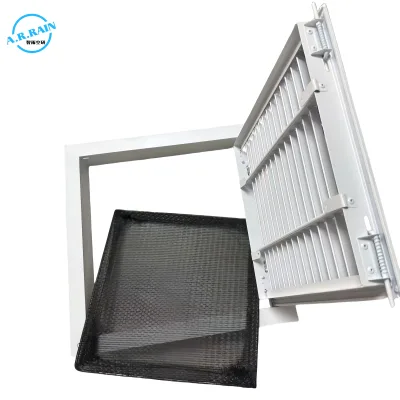
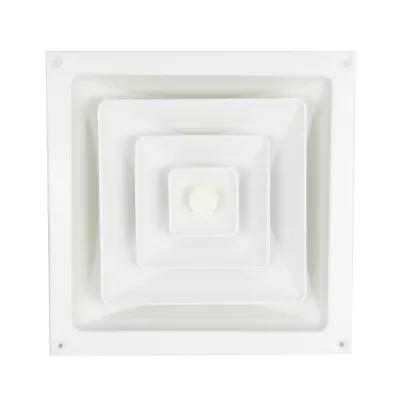
$8.4404 - $11.3053
MOQ: 10 pieces


- Verified by SGS
- Trading Company,Manufacturer/Factory
- China Zhejiang
- Lead time0 days
- Avg. response≤ 8h
Main productsTools, Car Equipments, Rubber Material, Auto Parts, Slipper, Construction Hand Tool, Garden Tools, Hardware Tools, Food Packing Material
Main marketsSouth America,Eastern Europe,Mid East,North America,Southeast Asia,Eastern Asia,Oceania,Western Europe,Africa

Qingdao Chengmingde Industry and Trade Co., Ltd.
- Verified by SGS
- Trading Company
- China Shandong
- Lead time15 days
- Avg. response≤ 1h
Main productsLight Industrial Daily Necessities, Industrial Equipment and Components, Building and Decorative Materials, Hardware Tools
Main marketsSoutheast Asia/ Mideast


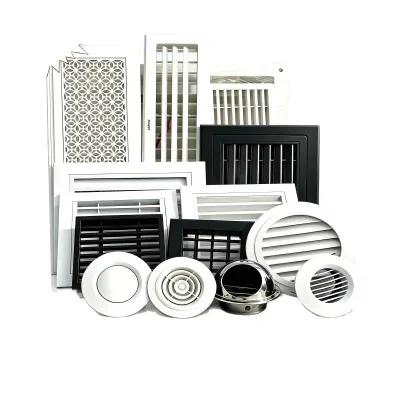
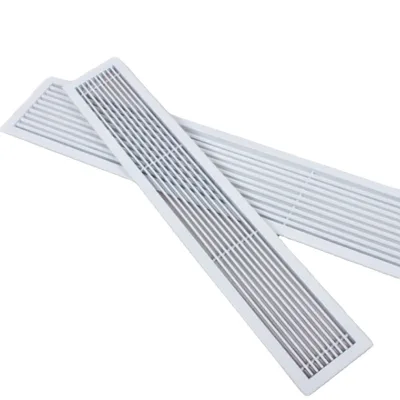
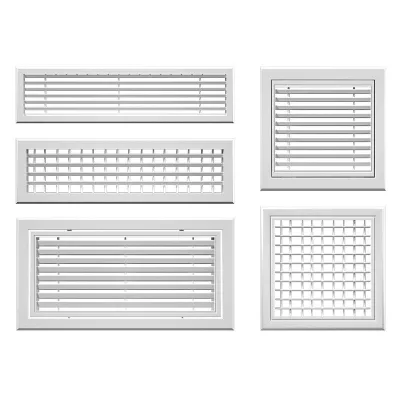
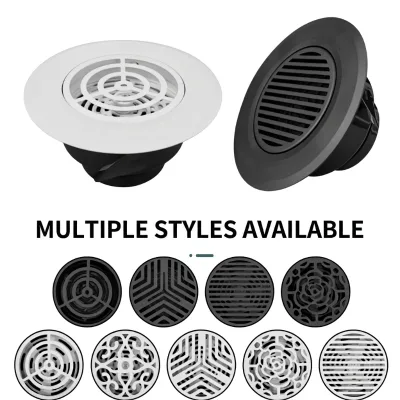








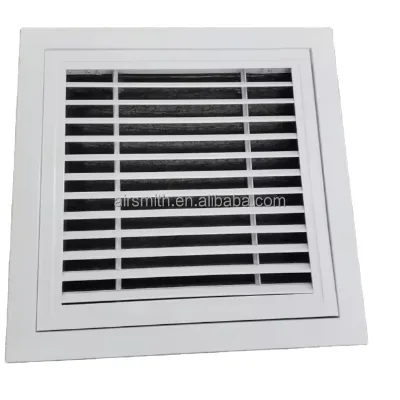
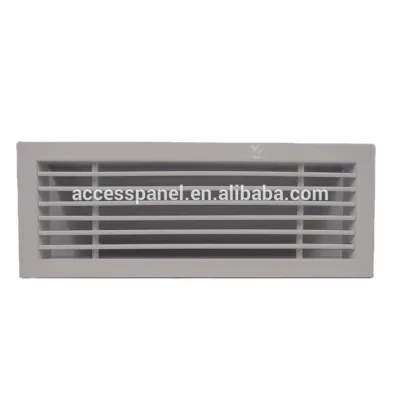
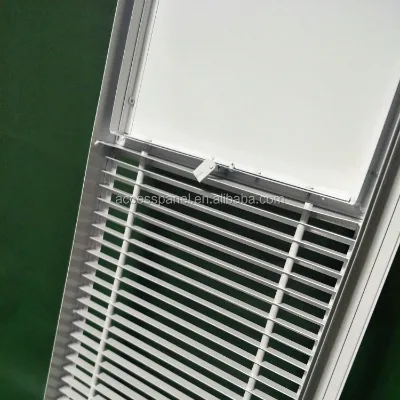


Comprehensive Sourcing Guide
Adjustable Ceiling Air Grille Supplier Concentration and Factory Types
Suppliers of adjustable ceiling air grilles on major B2B platforms cluster heavily in China, and the current supplier results point to two provinces in particular: Guangdong and Zhejiang. Guangdong-based listings in this category focus on registers and grilles as core HVAC products, with a supplier whose main products include air diffusers, air grilles, air dampers, air filters, air ducts and duct fittings, operating as a combined manufacturer and trader. Zhejiang-based listings lean toward ventilation equipment more broadly, with main products spanning wall-mounted exhaust fans, mixed flow inline fans, air curtains, centrifugal fans, inline duct fans and ventilation air grilles and accessories, typically from factory-type companies. This split matters to buyers: a Guangdong combined supplier may aggregate grille lines with a full ductwork range, while a Zhejiang factory may manufacture fans in-house and source or produce grilles as accessories.
When the platform data does not reveal a region for some listings, buyers should not assume a cluster. Instead, filter by the location field where it is displayed, cross-check the place of origin stated in product attributes, and confirm the province directly in pre-sales correspondence before planning any visit or inspection. Company type is equally important. Manufacturer/factory listings, combined manufacturer-and-trader entities, and pure trading companies appear side by side in search results, and the label alone does not guarantee capability, so verify what each company actually produces versus resells before shortlisting.
How to Verify Adjustable Ceiling Air Grille Suppliers
Verification should start with the platform credentials that are actually displayed, then move to documents the supplier provides directly. In the current results, one Guangdong supplier carries a third-party verification mark of BV with no system certification listed, while a Zhejiang supplier shows a CTI verification mark together with an ISO 9001 system certification. These are different layers: third-party on-site verification addresses whether the company exists and operates as described, whereas a system certification addresses quality management processes. Do not assume every supplier holds either; treat the absence of a displayed certification as an open question to raise, not a disqualification.
Product-level evidence adds another verification channel. Some listings display a CE certification on individual grille products, and one Zhejiang product shows SAA and CE certificates with a stated warranty period, while others list only a verification body at company level. Ask each shortlisted supplier for certificate copies that match the exact product model, check that the certificate covers aluminum grilles with powder coating rather than an unrelated product line, and confirm validity dates. For the aluminum construction itself, request the stated thickness options in writing—listings in this category show values such as 0.8 mm and 1.2 mm—and ask whether third-party material reports are available. Finally, verify customization claims, since listings advertise adjustable blades, opposed blade dampers and custom sizes; ask for photos of past custom orders or a sample before committing to production quantities.
What to Compare Across Adjustable Ceiling Air Grille Suppliers
Build a comparison sheet from the dimensions displayed in search results, but only record values that are actually shown for each supplier. Lead time is one of the clearest discriminators: current results show a 30-day lead time for the Guangdong supplier and 23 days for the Zhejiang supplier, a difference that can decide an urgent project. Response time also varies meaningfully—roughly four hours versus seven in the displayed data—affecting how quickly you can resolve specification questions during production. MOQ differs sharply even within the same product family: current listings show minimum orders of 1 piece, 10 pieces and 50 pieces for different grille models, so a buyer needing a small retrofit batch and one fitting a full project will favor different suppliers.
Beyond these, compare main product ranges, since a supplier listing duct fittings and dampers alongside grilles can consolidate more of your bill of materials. Check whether OEM, ODM or own-brand capacity is declared, as current suppliers differ in this respect. Price ranges are displayed for several grille models—from under two dollars to around twelve per unit—but treat them as negotiation anchors rather than quotes, since finish, size, thickness and damper options all move the final price. Where an attribute such as establishment year or escrow support is not shown for a given supplier, list it as "to verify" rather than filling the cell with an assumption.
Common Adjustable Ceiling Air Grille Sourcing Risks
The most frequent risk in this category is specification drift. Adjustable ceiling grilles involve many interdependent variables—aluminum thickness (with 0.8 mm, 1.0 mm and 1.2 mm appearing in current listings), blade type, damper inclusion, powder coating color, and square or rectangular shape—and a verbal agreement on "standard" often produces a grille that does not match the opening or the airflow design. Counter this by requiring dimensioned drawings, blade adjustment details, and explicit confirmation of whether an opposed blade damper is included, since some listings offer the damper only as an optional accessory.
Color and finish mismatch is a second common failure. Listings reference Ral 9010, Ral 9016 and anodized finishes, but powder coating batches can vary between production runs, so request a coated sample before mass production, especially if grilles must match diffusers or dampers sourced elsewhere. A third risk is packaging and transit damage: aluminum grilles with thin walls deform easily, and while some listings specify carton packing with a fixed count per carton, others state only "carton." Confirm inner protection and carton counts per unit. Verification risk also exists—a verification badge at company level does not certify the specific grille model, and a CE mark shown on one product listing does not automatically extend across a supplier's range. Finally, note that some listings show unusually low minimums; confirm whether such MOQs apply to standard sizes only, as custom sizes frequently carry higher minimums or tooling considerations.
Adjustable Ceiling Air Grille Regional Sourcing and Logistics
Because the current supplier evidence points to Guangdong and Zhejiang, logistics planning should start from those two provinces. Guangdong offers proximity to major export ports serving the Pearl River Delta manufacturing belt, which is convenient when your grille order is combined with air ducts, diffusers or dampers from the same region. Zhejiang's ventilation manufacturing base likewise sits within reach of significant eastern port infrastructure. However, do not plan routes on assumptions—confirm each supplier's loading port, whether they quote EXW, FOB or another incoterm, and whether mixed-container loading with other suppliers is feasible. Aluminum grilles are volume-heavy but lightweight, so container utilization is usually governed by carton dimensions rather than weight; ask each supplier for packed carton dimensions and units per carton, which some listings partially disclose.
Lead times of 23 and 30 days shown in current results are production lead times only; add inland transit, customs clearance and ocean freight to your project schedule. If your project timeline is tight, the shorter displayed lead time may be decisive, but confirm it applies to your specific grille model, finish and quantity, since powder coating and custom sizes can extend production. For smaller quantities—feasible given some listings show a 1-piece MOQ—air freight is worth pricing, though the volume-to-weight ratio of grilles makes it comparatively costly per unit. Regional consolidation also helps quality: sourcing grilles, dampers and duct fittings from one province simplifies inspection visits and reduces the chance of finish mismatch across components installed side by side on a ceiling.
Adjustable Ceiling Air Grille Commercial Terms and Order Planning
Payment and commercial terms vary across suppliers, so extract them explicitly before ordering. Current product listings in this category show T/T as the stated payment term for several grille models, which typically means an upfront deposit with the balance before shipment—confirm the exact deposit percentage, and ask whether alternative structures such as balance against inspection are possible. One Zhejiang product listing states a 3-year warranty, which is worth benchmarking when comparing suppliers, but get warranty scope in writing: does it cover coating defects, blade mechanism failures, or deformation, and what proof or return process applies? Where escrow, trade assurance or third-party payment protection is not displayed for a supplier, ask directly what secure payment options they support rather than assuming coverage.
Order planning should reflect the MOQ spread visible in current data—models showing 1-piece, 10-piece and 50-piece minimums—by matching order size to the right supplier tier. For a first order, consider a split: a small paid sample batch of the exact specification (thickness, Ral color, damper option, size), followed by the production order after approval. Some listings state samples are freely provided, but confirm who pays freight and whether sample cost is credited against the bulk order. Lock the price validity window too, since displayed ranges—for example roughly two to six dollars or five to seven dollars per unit on different models—move with aluminum prices and finish requirements. Finally, align the production lead time with your installation schedule and add buffer for coating and inspection before the goods leave the factory.
(Word count: approximately 1,392)
FAQs
What is the price range for adjustable ceiling air grilles?
Prices for adjustable ceiling air grilles typically range from $1.98 to $12.00 per unit. The final cost depends on material thickness, customization options, and whether accessories like dampers are included. Buyers should request specific quotes based on their required dimensions and finish preferences to get accurate pricing.
What is the minimum order quantity for these grilles?
Minimum order quantities vary by supplier and product type. Some manufacturers accept orders as low as one piece for samples, while others require a minimum of ten or fifty units for standard production runs. Buyers should verify the specific MOQ with the supplier before placing bulk orders to avoid delays.
How long does production take for custom grilles?
Production lead times generally range from 23 to 30 days after order confirmation. This timeframe allows for material preparation, manufacturing, and quality checks. Buyers requiring faster turnaround should discuss expedited options with suppliers, as standard production schedules may not accommodate urgent project deadlines without additional fees.
Are adjustable ceiling air grilles customizable in size?
Yes, most suppliers offer customized sizes to fit specific HVAC duct dimensions. Standard square and rectangular shapes are available, but buyers can request tailored measurements. Customization is often available for both the grille frame and blade configurations, ensuring a precise fit for various installation requirements and aesthetic preferences.
What certifications are available for these air grilles?
Common certifications include CE and BV verification for quality assurance. Some products also carry SAA certification depending on the region. Buyers should request valid certificates from suppliers to ensure compliance with local building codes and safety standards. Verification status helps confirm the reliability of the manufacturing process and product quality.
What materials are used for ceiling air grilles?
Aluminum is the primary material used due to its durability and lightweight properties. Some options include plastic for specific applications. Aluminum grilles often feature powder coating or anodized finishes for corrosion resistance. Buyers can choose from various colors and surface finishes to match their interior design requirements and environmental conditions.