Self Adhesive PVC Roofing Membrane Suppliers and Manufacturers
Source Self Adhesive PVC Roofing Membrane from 21 verified suppliers in China. Compare key dimensions including ISO certifications, lead times, and MOQs. Contact suppliers directly to request quotes and samples for your project; review the available evidence before requesting comparable quotations from suitable candidates.
Updated
Suppliers List

Shandong Mile Building Materials Co., Ltd.
- Trading Company
- China Shandong
- Lead time30 days
- Avg. response≤ 6h
Main productsSelf-Adhesive Bitumen Flashing Tape, Butyl Rubber Tape, PVC Swimming Pool Liner, PVC Roofing Membrane, HDPE Waterproofing Membrane, Tpo Waterproofing Membrane, EPDM Waterproofing Membrane, Film Materials
Main marketsSoutheast Asia/ Mideast,Europe,North America


Anti UV Waterproofing PVC Waterproofing Membrane Roofing Membrane
$7.50 - $8.50
MOQ: 1000 Square Meters


Building Material Homogeneous / Reinforced Self-Adhesive PVC Roofing Membrane Sheet
$3.80 - $5.20
MOQ: 3000 Square Meters

Waterproof PVC Roofing and Building Membrane with Polyester Reinforcement
$3.80 - $5.20
MOQ: 3000 Square Meters

Jiangsu Canlon Building Materials Co., Ltd.
- Verified by BV
- Manufacturer/Factory
- China Jiangsu
- Lead time15 days
- Avg. response≤ 21h
Main productsWaterproof Membrane, Waterproof Materials, Polyurethane Coating, Single Ply Roofing, Roofing Membrane
Main marketsSouth America,Eastern Europe,Mid East,North America,Southeast Asia,Eastern Asia,Oceania,Western Europe,Africa


Membrane Waterproofing PVC Roofing Membrane Roof Waterproofing Solutions
$2.50 - $6.50
MOQ: 1000 Square Meters


PVC Roofing Waterproof PVC Waterproofing Membrane for Flat Roof Polyester Reinforced
$2.50 - $6.50
MOQ: 1000 Square Meters

Qingdao Wenrun Holding Co., Ltd
- Verified by CTI
- Combined
- China Shandong
- Lead time15 days
- Avg. response≤ 1h
Main productsWaterproof Membrane, PVC Roof Membrane, Tpo Roof Membrane, EPDM Roof Membrane, EPDM Pond Liner, Polymer Waterproof Membrane, Geomembrane, Tpo Membrane, Roof Flashing, Screws
Main marketsSouth America,Africa,Southeast Asia/ Mideast,Europe,Australia,North America

Self-Adhesive Weldable High Elastic Anti-Aging PVC Roof Waterproof Membrane
$3.20 - $3.80
MOQ: 500 Square Meters

PVC Roofing Membrane Polyester Reinforced Roof Waterproofing Membrane
$3.20 - $3.80
MOQ: 500 Square Meters

Top-Quality Building Roofing Material PVC Waterproofing Roofing Membrane
$3.20 - $3.80
MOQ: 500 Square Meters

High-Performance PVC Membrane for Superior Waterproof Roofing Solutions
$3.20 - $3.80
MOQ: 500 Square Meters


High Polymer Building Materials PVC Waterproof Membrane for Roof Waterproofing
$3.20 - $3.80
MOQ: 500 Square Meters
Shouguang Lufeng Waterproof Materials Co., Ltd.
- Verified by SGS Group
- Manufacturer, Trading Company
- Lead time15 days
- Avg. response≤ 1h
Main productsWaterproof Tape, Waterpoof Coating, Waterproof Membrane, Waterproof Sheeting, Geotextile Membrane
Main marketsSoutheast Asia(30%), South Asia(15%), Domestic Market(15%)

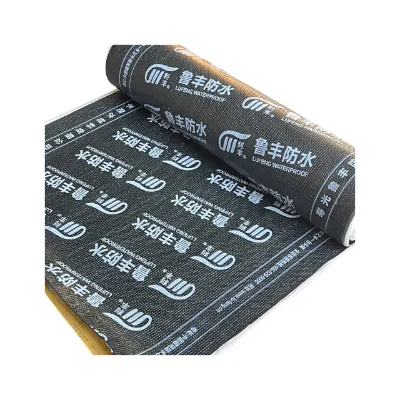
Self Adhesive Waterproof High Polymer Polyethylene Waterproofing Membrane for Roof Foundations
$1.93 - $3.80
MOQ: 1000 Minimum
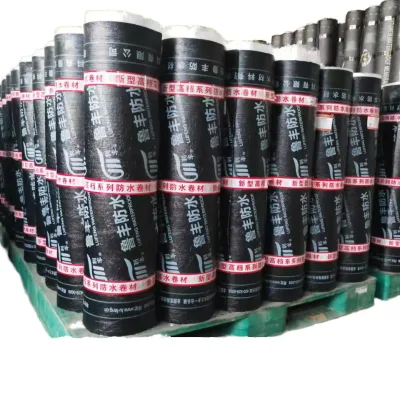
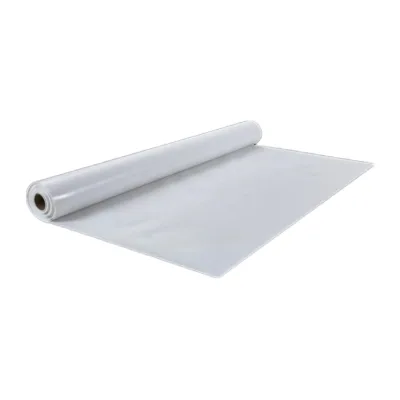
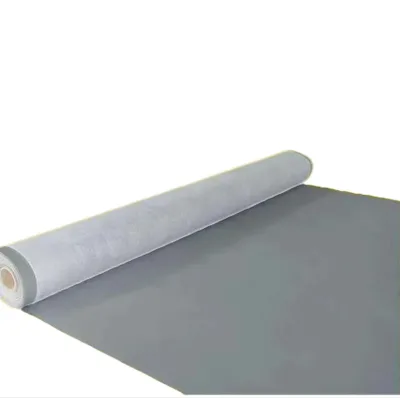
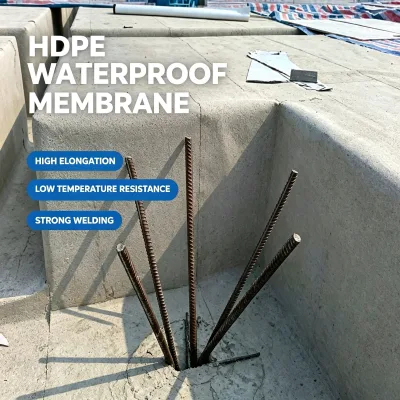

- Verified by BV
- Trading Company
- China Shandong
- Lead time15 days
- Avg. response≤ 5h
Main productsPVC Waterproof Membrane, EPDM Waterproof Membrane, Bitumen Waterproof Membrane, Tpo Waterproof Membrane, Waterproof Coating, Roof Shingles, High-Polymer HDPE Membrane, HDPE Geomembrane, Non-Woven Geotextile, Prefabricated Objects & Metal Fasteners
Main marketsSoutheast Asia/ Mideast


High Polymer PVC Self Adhesive Waterproof Membrane for Flat Roof
$4.60 - $5.00
MOQ: 1000 Square Meters


Suzhou Arisons New Material Co.,Ltd.
- Verified by BV
- Trading Company
- China Jiangsu
- Lead time15 days
- Avg. response≤ 2h
Main productsWaterproof Membrane, PVC Waterproof Membrane, Hydrophilic Waterstop, Bentonite Waterstop, EPDM Waterproof Membrane, Swelling Waterstop, PVC Waterstop, TPE Joint Tape, Rubber Sealing, Tpo Waterproof Membrane
Main marketsOthers(foreignTradeCapacity.exportBusinessCapacityMarketOther),Southeast Asia/ Mideast,Europe,Australia

PVC Roofing Membrane Polyester Reinforced Roof Waterproofing Membrane
$2.65 - $3.29
MOQ: 500 Square Meters


Reinforced PVC Waterproof Membrane Building Material Waterproofing Membrane
$2.89 - $3.99
MOQ: 500 Square Meters

Highly Durable Full Adhesived Roofing Membrane PVC Polymer Waterproof Membrane
$2.89 - $3.99
MOQ: 500 Square Meters

Top-Quality Building Roofing Material PVC Waterproofing Roofing Membrane
$2.89 - $3.99
MOQ: 500 Square Meters

Xingshidun New Material Co., Ltd.
- Trading Company,Manufacturer/Factory
- China Hebei
- Lead time15 days
- Avg. response≤ 2h
Main productsWaterproof Membrane, EPDM Membrane, Tpo Membrane, PVC Membrane, HDPE Membrane, Non-Asphalt Waterproof Membrane, Construction Waterproofing, Building Material, Roofing Sheet, Self Adhesive Butyl Tape
Main marketsSouth America,Eastern Europe,Mid East,North America,Southeast Asia,Eastern Asia,Oceania,Western Europe,Africa


PVC Roof Membrane for Flat Roof Roofing Waterproof Building Material
$2.40 - $4.00
MOQ: 500 Square Meters


Shandong Bring Plenitude New Materials Co., Ltd.
- Verified by SGS Group
- Manufacturer, Trading Company
- Lead time10 days
- Avg. response≤ 1h
Main productsTPO Membrane, EPDM Membrane, PVC Membrane, Geomembrane, Geotextile
Main marketsNorth America(50%), South America(10%), Eastern Europe(10%)
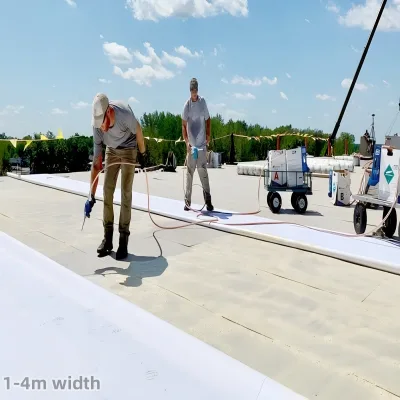
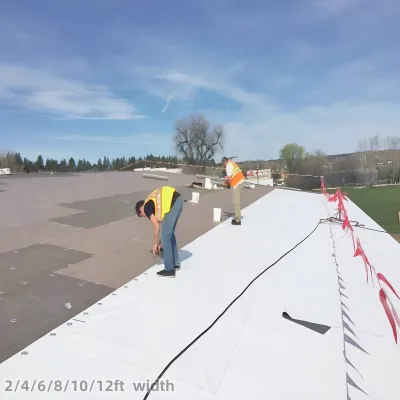
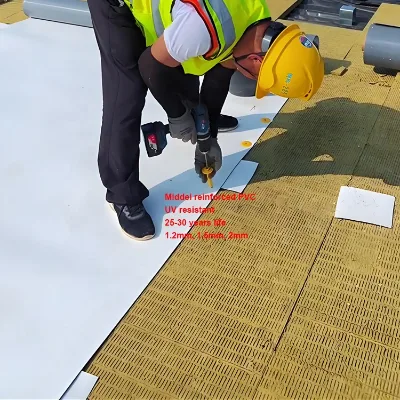
$2.5118 - $4.2322
MOQ: 1000 Minimum
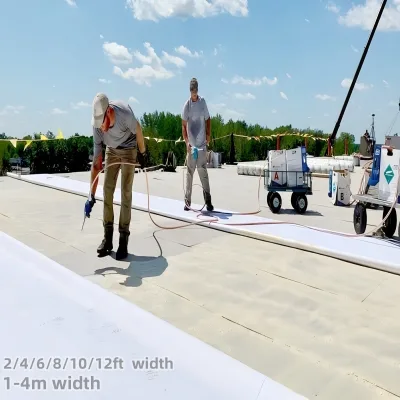
$2.34 - $3.86
MOQ: 500 Minimum
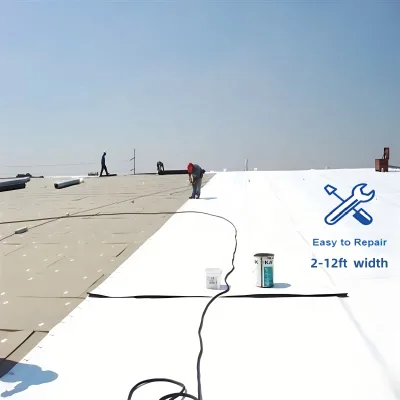
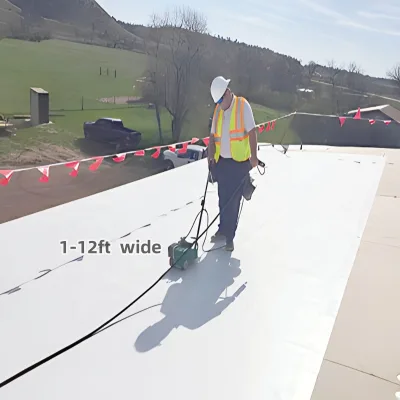
$3.1162 - $3.9554
MOQ: 500 Minimum
Hebei Chenyu Waterproof Building Materials Co., Ltd.
- Verified by SGS Group
- Manufacturer, Trading Company
- Lead time15 days
- Avg. response≤ 1h
Main productsLiquid Waterproof Membrane, SBS Modified Bitumen Waterproof Membrane, Polyurethane Waterproof Coating
Main marketsDomestic Market(70%), North America(10%), Southeast Asia(10%)
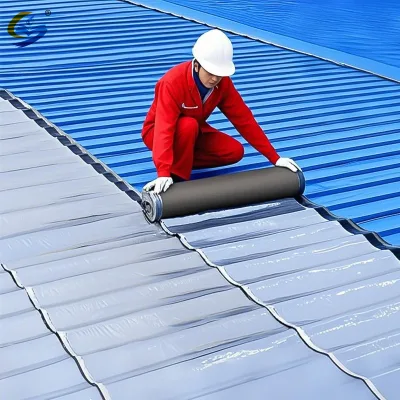
$1.6336 - $2.9471
MOQ: 1 Minimum
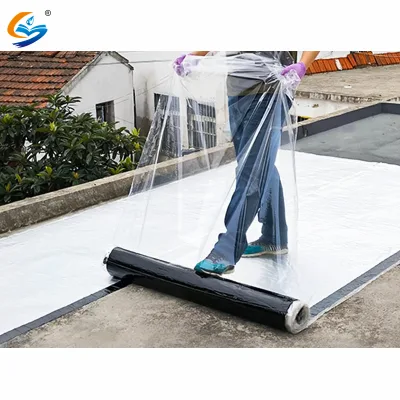
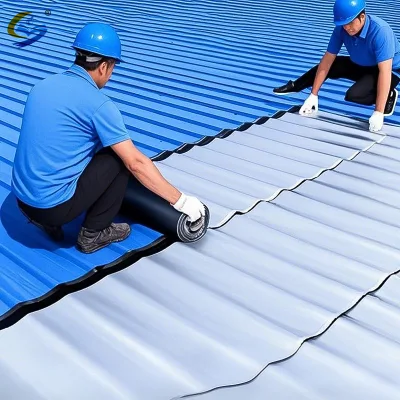
$0.8333 - $2.989
MOQ: 1000 Minimum
Beijing Jianhai International Waterproof New Materials Co., Ltd.
- Verified by SGS Group
- Manufacturer, Trading Company
- Lead time7 days
- Avg. response≤ 5h
Main productsBuilding waterproofing paint, Building waterproof coil, Concrete grout chemical, Application Devices & Tools
Main marketsSoutheast Asia(50%), Mid East(20%), Africa(20%)
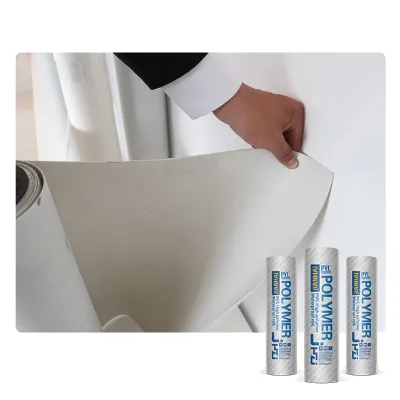
$3.6682 - $4.5389
MOQ: 100 Minimum
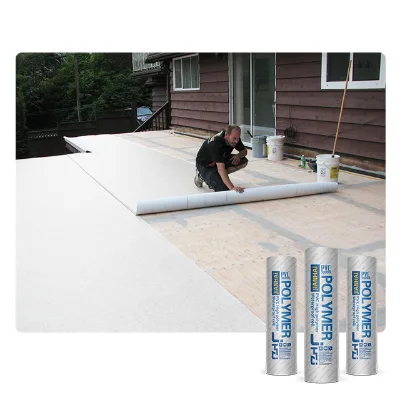
Self Adhesive PVC Roofing Membrane With Butyl Glue for Easy Installation on Concrete and Metal Decks
$3.6592 - $5.3751
MOQ: 100 Minimum
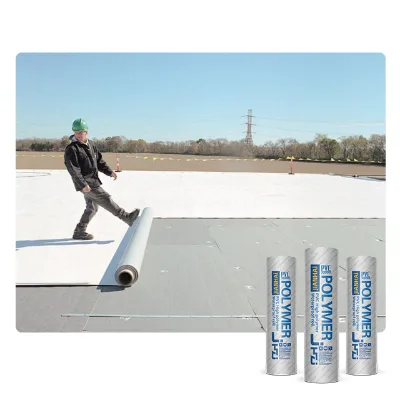
$3.56 - $5.23
MOQ: 100 Minimum
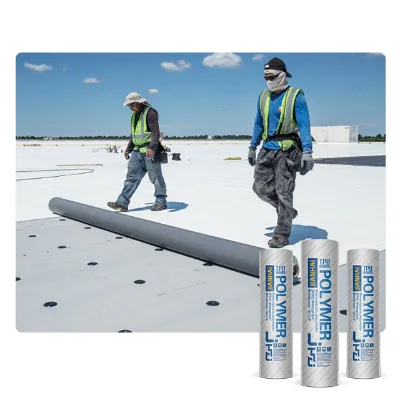
$4.20 - $4.80
MOQ: 500 Minimum
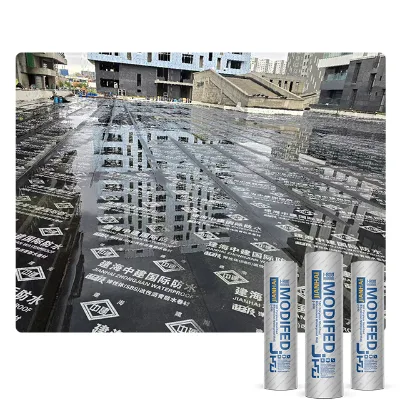
$3.6742 - $5.3961
MOQ: 100 Minimum

- Verified by BV
- Manufacturer/Factory
- China Shandong
- Lead time15 days
- Avg. response≤ 3h
Main productsGeomembrane, EPDM Pond Liner, Geocell, Concrete Blanket, PVC Pond Liner, Scaffold Safety Net, Other Geosynthetics Materails
Main marketsSouth America,Mid East,North America,Southeast Asia,Eastern Asia,Western Europe


$1.43 - $3.72
MOQ: 1200 Square Meters

$1.43 - $3.72
MOQ: 1200 Square Meters

Jinan United Perfect Building Materials Corporation
- Verified by BV
- Trading Company,Manufacturer/Factory
- China Shandong
- Lead time15 days
- Avg. response≤ 7h
Main productsAluminum Foil Lamination Facing, Aluminum Foil Fiberglass Fabric, Synthetic Roofing Underalyment, 7628 Fiberglass Fabric, Black Fiberglass Fabric Bgf, Black Fiberglass Tissue Bgt, Rock Wool Insulation, Fiberglass Wool Insulation
Main marketsSouth America,Eastern Europe,Mid East,North America,Southeast Asia,Africa


High Quality Breathable 1.5mm Thick Reinforced PVC Waterproof Roofing Membrane
$0.10 - $10.00
MOQ: 1000 Meters

Weifang Luyang Waterproof Material Co., Ltd.
- Verified by TüVRheinland
- Manufacturer, Trading Company
- Lead time7 days
- Avg. response≤ 2h
Main productsBitumen Waterproof Membrane, High Polymer Waterproof Membrane, Waterpoof Coating
Main marketsNorth America(20%), Southeast Asia(20%), Eastern Europe(10%)
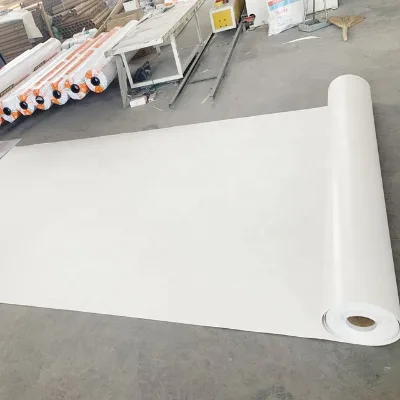
$1.9478 - $6.1381
MOQ: 500 Minimum
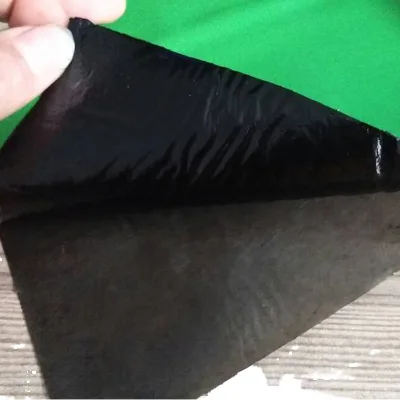
High-strength Cross-pressure Membrane Roofing Waterproofing Membrane
$1.4287 - $5.1238
MOQ: 500 Minimum
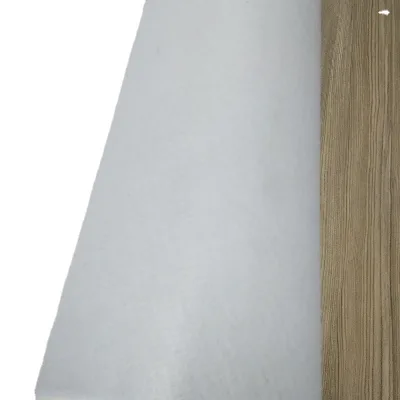
Guangdong Dessini Building Materials Co., Ltd.
- Trading Company
- Guangdong, China
- Lead time0 days
- Avg. response≤ 1h
Main productsBuilding waterproof material,waterproof coating,Metallic paint,Ceramic tile supplementary material,Rust conversion agent
Main marketsNorth America(30.00%), Southeast Asia(15.00%), South America(15.00%), Western Europe(10.00%), Africa(10.00%), Mid East(8.00%), Southern Europe(5.00%), Eastern Asia(4.00%), Eastern Europe(3.00%)
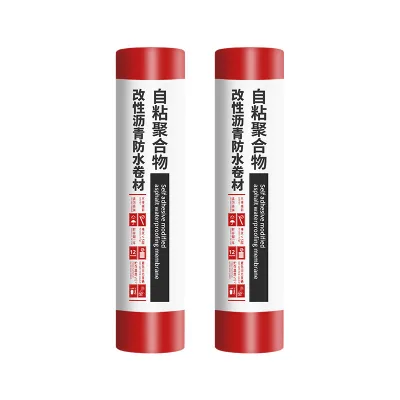
Self-adhesive Roofing Modified Asphalt Aluminum Coil Waterproof Membrane
$1.49 - $1.89
MOQ: 100 square
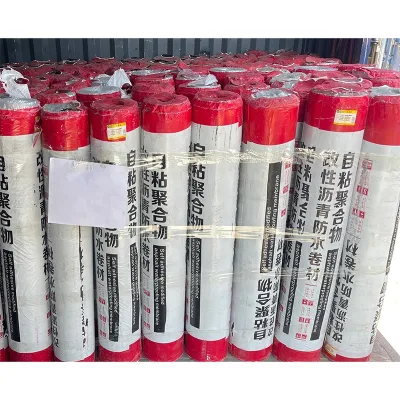
Shandong Dingtai Waterproof Technology Co., Ltd.
- Verified by Intertek
- Trading Company
- Lead time15 days
- Avg. response≤ 2h
Main productsBitumen Waterproof Membrane, PP PE Composite Waterproof Membrane, TPO Waterproof Membrane, HDPE Geomembrane, Waterproof Coating
Main marketsSoutheast Asia(28%), North America(18%), South America(18%)
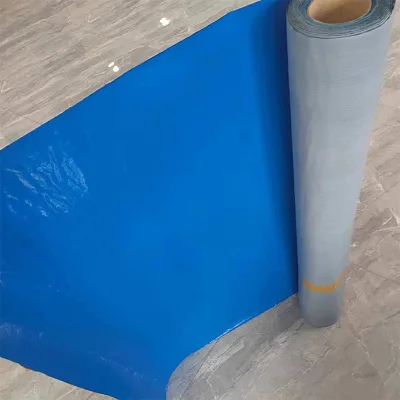
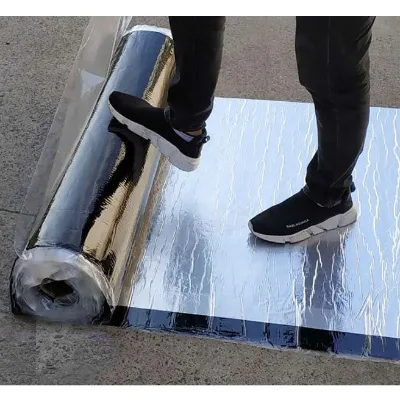
$1.20 - $5.99
MOQ: 500 Minimum
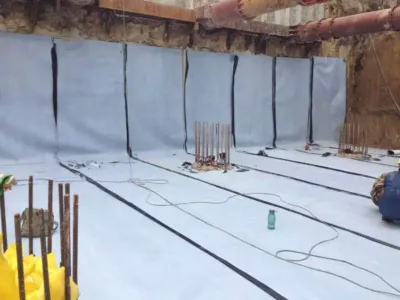
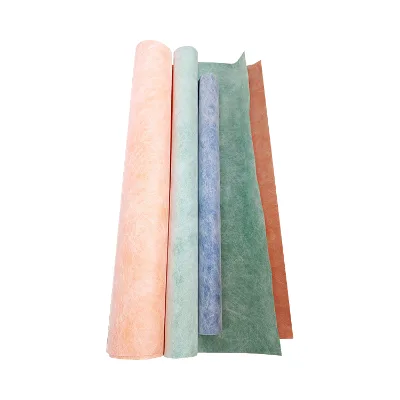
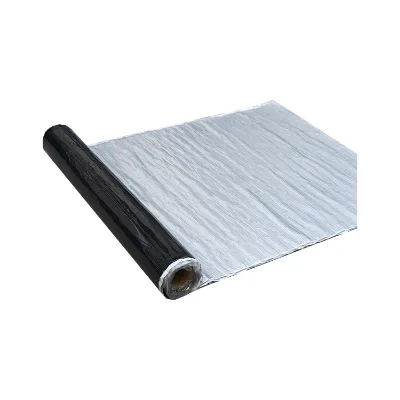
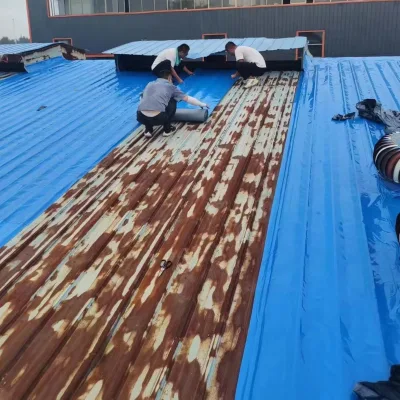
Huafeng Waterproof Materials Co., Ltd.
- Manufacturer
- Shandong, China
- Lead time10 days
- Avg. response≤ 7h
Main productswaterproof membrane,waterproof coating,waterproofing materials,polyethylene membrane,Non-woven fabrics
Main marketsSouthern Europe(50.00%), South Asia(30.00%), Oceania(20.00%)
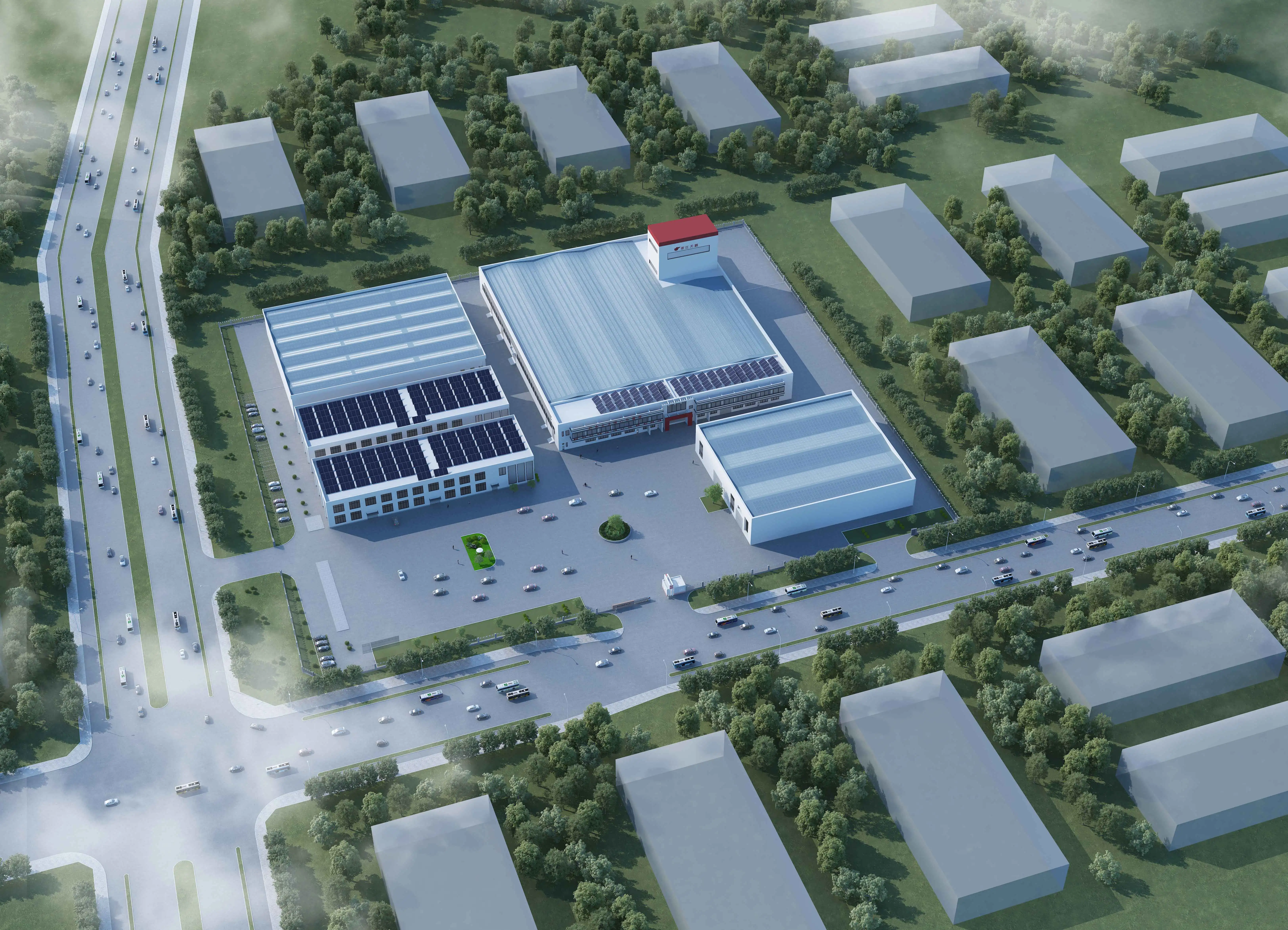
Hangzhou Rixi Yunyang Technology Co., Ltd.
- Trading Company
- Zhejiang Province, China
- Lead time15 days
- Avg. response≤ 2h
Main productsGeotextile,Geomembrane,Drainage Mesh,Air Fiber,Air Fiber Series Products
Main marketsDomestic Market(20.00%), North America(20.00%), Eastern Asia(10.00%), South America(10.00%), Southeast Asia(10.00%), South Asia(10.00%), Oceania(5.00%), Eastern Europe(5.00%), Southern Europe(5.00%), Northern Europe(5.00%)
Dongying Zhengyu Waterproof Technology Co., Ltd.
- Verified by TüVRheinland
- Manufacturer, Trading Company
- Shandong, China
- Lead time10 days
- Avg. response≤ 2h
Main productsSBS Elastomer Modified Asphalt Waterproofing Membrane, Self-adhesive Polymer Modified Bitumen Waterproof Roll, Thermoplastic Polyolefin TPO Waterproofing Membrane, PE-PP Waterproof Roll, Water-based Waterproof Coatings
Main marketsSoutheast Asia(30%), North America(15%), South America(15%)
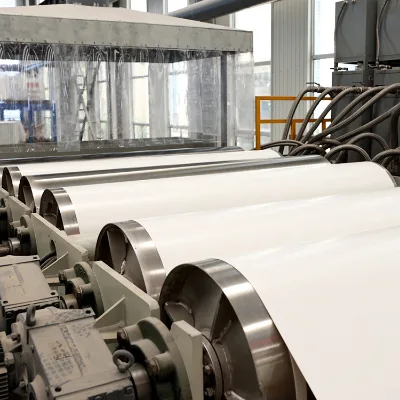
$15.60 - $19.20
MOQ: 2000 Minimum
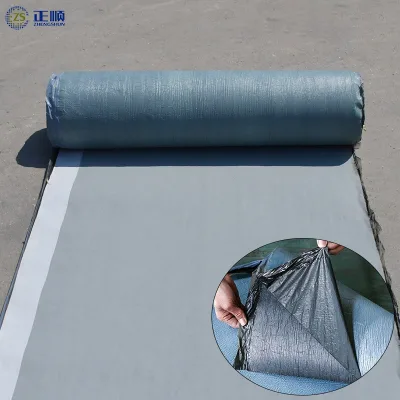
Hangzhou Budexon Building Materials Co., Ltd.
- Verified by TüVRheinland
- Trading Company
- Lead time15 days
- Avg. response≤ 2h
Main productsRoofing Tiles, Rain Gutters, Roofing Shingles, Nails, Waterproof
Main marketsSoutheast Asia(50%), Africa(20%), South America(10%)
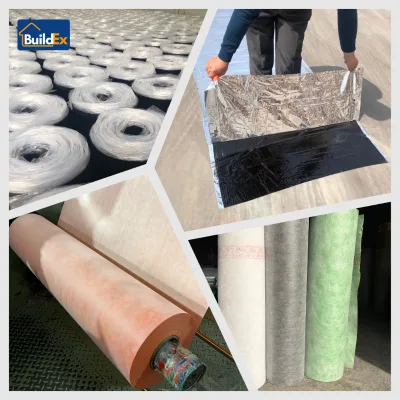
Flexible Roofing Waterproof Membrane for Steel and Concrete Roofing Systems
$0.567 - $0.8228
MOQ: 5 square
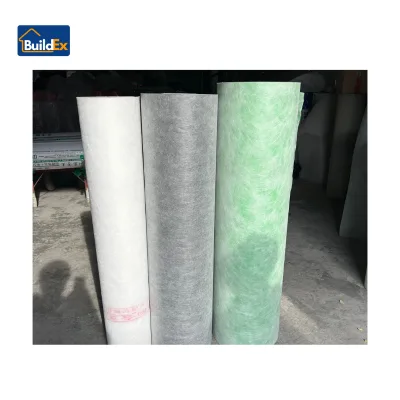

Guangdong Gongli New Materials Co., Ltd.
- Verified by SGS
- Combined
- China Guangdong
- Lead time15 days
- Avg. response≤ 6h
Main productsPVC Roof Tile, ASA PVC Roof Sheet, Polycarbonate Sheet, PVC Roof Seet, ASA Synthetic Resin Roof Tile, Transparent Tile, UPVC Roof Sheet, FRP Sheet, Plastic Roof Sheet, Teja De PVC
Main marketsSouth America,Africa,Southeast Asia/ Mideast,Domestic,Europe

Hubei Juyons Waterproof Materials Technology Co., Ltd.
- Verified by SGS
- Combined
- China Hubei
- Lead time23 days
- Avg. response≤ 1h
Main productsWaterproof Material, Waterproof Membrane, Waterproof Coating, Bitumen-Based Waterproofing Material, Polymer-Modified Bitumen Membrane, Polyurethane Waterproof Coating, Acrylic Waterproof Coating, HDPE Waterproof Membrane(with Sand), High Polymer Modified Asphalt Waterproof Coating
Main marketsDomestic


High-Quality PVC Waterproof Membrane for Effective Roofing Solutions
$4.50 - $6.80
MOQ: 2000 Square Meters

Premium Building Material Self Adhesive Roofing Waterproof Membrane in Roll
$2.60 - $4.50
MOQ: 2000 Square Meters

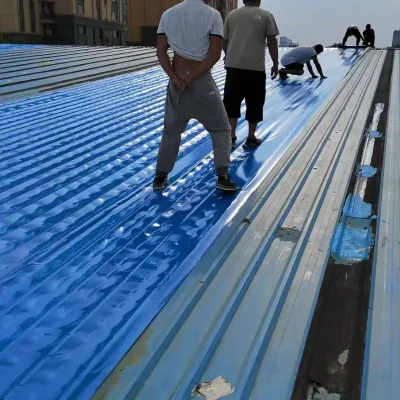
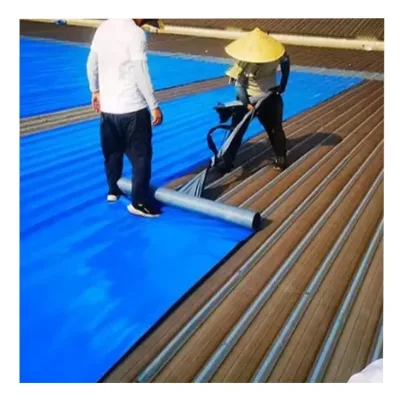
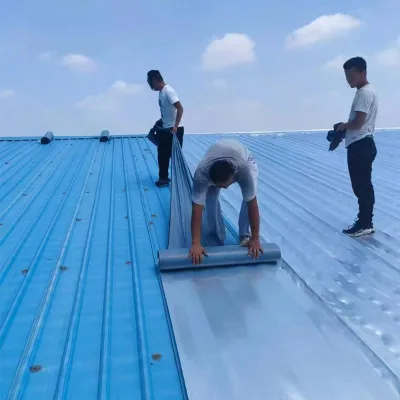
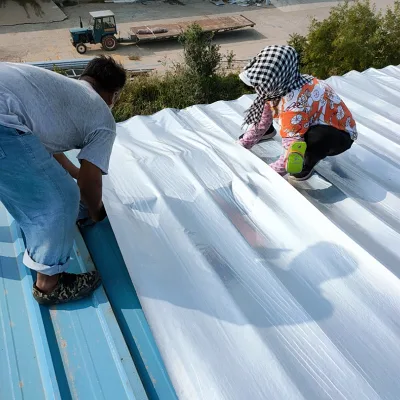
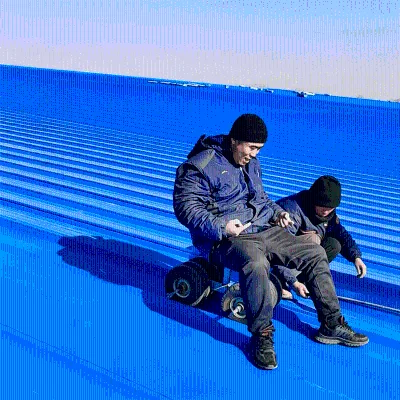
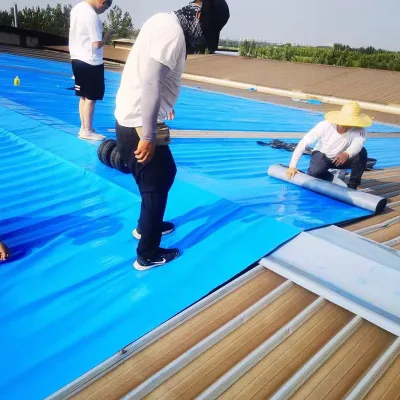


Comprehensive Sourcing Guide
Self Adhesive PVC Roofing Membrane Supplier Concentration and Factory Types
Buyers searching for Self Adhesive PVC Roofing Membrane will encounter suppliers concentrated in a small number of Chinese provinces. The current results show listings from Shandong and Jiangsu, which confirms that both provinces are active sourcing points for this product category. Shandong-based listings in these results include trading companies as well as product-focused sellers, while a Jiangsu entry identifies itself as a manufacturer/factory with its own brand and OEM/ODM capability. This mix matters: a trading company may aggregate multiple membrane types and offer flexibility across adhesives, but a factory listing generally indicates direct control over calendering, lamination, and roll conversion.
When the visible results do not tell you where the market is clustered, you can identify clusters yourself in three ways. First, filter supplier results by province and note which locations repeat across multiple listings. Second, inspect the "Place of Origin" attribute shown on individual product pages, which in these results already discloses China and Shandong Province for several membranes. Third, check main-product lines: suppliers whose catalogs center on waterproofing membranes, flashing tapes, and single-ply roofing are more likely to sit inside an established cluster than general building-material traders. Treat company type as a screening question rather than a verdict. Ask a trading company which factory produces the membrane, and ask a factory whether the adhesive lamination is done in-house or outsourced.
How to Verify Self Adhesive PVC Roofing Membrane Suppliers
Verification starts with the credentials that are actually displayed and ends with documents you request yourself. One supplier in the current results carries an ISO9001:2015 system certificate, and a Jiangsu manufacturer shows third-party verification plus a long list of management-system certifications. Neither of these proves product quality by itself, so request the specific certificates cited on the product listing. Several PVC roofing membrane listings here state "ISO, CE" as product certification, and one adds MSDS. Ask each supplier for the certificate numbers and issuing bodies behind these labels, then confirm they apply to the exact membrane grade you intend to buy, not merely to the factory generally.
Beyond paperwork, verify through evidence tied to production. Ask for a recent third-party test report for peel strength, thickness tolerance, and UV resistance on the self-adhesive product, since these properties differ from thermally welded PVC sheet. One listing here describes a self-adhesive roof membrane with polyester mesh reinforcement and kraft packing; confirm the reinforcement structure in writing before sampling. Use response speed as a practical signal: a Shandong trader in these results reports an average response time of roughly five hours, while the Jiangsu manufacturer reports about twenty-one hours, a difference worth noting but not deciding on alone. Finally, request samples of the actual adhesive-backed product, inspect the release liner and overlap quality, and, for large orders, commission an inspection at the producing facility before shipment.
What to Compare Across Self Adhesive PVC Roofing Membrane Suppliers
Build a comparison table using the dimensions visible on supplier listings, but confirm any value before relying on it. Useful displayed attributes in this category include supplier location, company type, lead time, minimum order quantity, average response time, verification status, and main-product range. For example, one supplier reports a thirty-day lead time while another reports fifteen days; that spread directly affects your project schedule and should be validated against the season and order size. Minimum quantities in the current membrane listings range from 1,000 square meters to 3,000 square meters, which conveniently matches the way this product is typically ordered, by square meter per roll.
Also compare the commercial and product attributes shown on the membrane listings themselves. Prices in these results span roughly 2.50 to 8.50 per unit of measure across different PVC roofing membranes, a wide band that reflects differences in thickness, reinforcement, and self-adhesive construction, so never compare prices without aligning specifications. Thickness options shown include 1.0 mm to 2.0 mm with 1.5 mm described as popular; widths include 2.05 m and 3.05 m; roll lengths include 20 m, 30 m, and 50 m. Warranty terms differ sharply too, from one listing offering a 12-month warranty to another offering 5 years. Add customization availability, packing format, and after-sales service such as online technical support as tie-breaker columns before ranking suppliers.
Common Self Adhesive PVC Roofing Membrane Sourcing Risks
The most frequent risk in this category is specification drift. A supplier may quote one membrane grade and ship another, particularly between self-adhesive and hot-air-welded versions, since some listings in these results advertise hot air welding as the application method while others center on self-adhesive construction. Confirm in writing which bonding system you are buying, the adhesive thickness, and whether polyester mesh reinforcement is included, because these details drive both price and installation method. A second risk is misread certification: "ISO, CE" on a product page is a claim, not proof, so unverified labels should be treated as unconfirmed until documents arrive.
Logistics and warranty risks follow. A thirty-day lead time from one supplier versus fifteen days from another may hide differences in stock availability versus made-to-order production; ask whether your width and thickness are routinely stocked. Packing also matters: these listings mention kraft packing, palletized rolls, and a stated container loading of 8,000 square meters per 40-foot container, so confirm roll dimensions and pallet counts to avoid damaged edges or wasted container space. Warranty claims are another weak point, given the gap between 12-month and 5-year warranty offers in the current results; agree on the claim process, required installation documentation, and coverage terms before payment. Finally, beware of response-time decay after the deposit is paid, and keep all specification confirmations in a signed document rather than chat messages.
Self Adhesive PVC Roofing Membrane Regional Sourcing and Logistics
The evidence in these results points to two provinces worth shortlisting: Shandong and Jiangsu. A Shandong-based listing covers a trading company whose main products include self-adhesive bitumen flashing tape, butyl rubber tape, PVC swimming pool liner, PVC roofing membrane, and HDPE, TPO, and EPDM waterproofing membranes, which suggests access to a broad waterproofing ecosystem. The Jiangsu listing is a manufacturer/factory with its own brand and OEM/ODM service, and it states a fifteen-day lead time, indicating production capacity relatively close to export ports. Both provinces have coastal access, but you should confirm the actual port of loading and inland freight cost with each supplier rather than assuming parity.
Logistics planning for this product revolves around roll geometry and container utilization. The listings here show rolls of 2.0 m by 20 m and 2 m by 20 m as common standards, with widths up to 3.05 m and lengths to 50 m on some products, and one manufacturer states 8,000 square meters per 40-foot container. Confirm palletized versus kraft packing, because pallet count changes how much membrane you can fit and how well edges are protected. Sample orders can move by courier, but bulk self-adhesive membrane needs protection from heat and compression in transit, so discuss container loading plans, floor-loaded versus palletized options, and shipping season. Always ask whether quoted lead times include production only or also booking and port cut-off times.
Self Adhesive PVC Roofing Membrane Commercial Terms and Order Planning
Commercial terms should be settled in the same conversation as specifications. Use the displayed values as anchors: minimum orders in these results run from 1,000 to 3,000 square meters, one listing offers free samples, prices range from about 2.50 to 8.50 depending on the membrane, and customization is marked as available on multiple PVC roofing membrane listings. Ask whether the quoted price covers your chosen thickness, reinforcement, and adhesive system, and whether customization affects the minimum order quantity or the lead time. Clarify Incoterms, payment structure, and whether third-party inspection before shipment is permitted as a condition of payment.
Order planning should sequence procurement around your installation calendar. Start with samples from two or three shortlisted suppliers, test adhesive tack and overlap bonding on your actual substrate, and only then commit to a bulk order. Respect the reported response times when planning: five hours from one supplier and roughly twenty-one from another suggests very different communication rhythms, which matters when revisions arise mid-production. Build the fifteen- to thirty-day lead times seen in these listings into your schedule with buffer for booking and inspection. For repeat purchasing, negotiate a rolling forecast with the manufacturer-type supplier and keep a trading-company alternative active for flexibility. Finally, document warranty length, packing format, container loading, and after-sales support such as online technical support in the contract before any deposit changes hands.
FAQs
What is the typical lead time for Self Adhesive PVC Roofing Membrane orders?
Manufacturers in China generally require 15 to 30 days to produce and ship Self Adhesive PVC Roofing Membrane. This timeframe depends on order volume and production scheduling. Buyers should confirm specific delivery dates with suppliers before placing orders to ensure project timelines are met.
What certifications are standard for Self Adhesive PVC Roofing Membrane products?
Most self adhesive PVC roofing membranes carry ISO and CE certifications. Some products also include MSDS documentation for safety compliance. These certifications verify that the material meets international quality and safety standards for construction and roofing applications across different global markets.
What is the minimum order quantity for Self Adhesive PVC Roofing Membrane?
Minimum order quantities typically range from 1000 to 3000 square meters. Specific MOQs vary by supplier and product specifications. Buyers should verify the exact MOQ requirements with their chosen supplier to ensure the order meets production thresholds and pricing tiers.
What is the price range for Self Adhesive PVC Roofing Membrane?
Prices for Self Adhesive PVC Roofing Membrane generally range from 2.50 to 8.50 per square meter. Costs vary based on thickness, width, and specific material features. Buyers should request detailed quotes to understand pricing based on their specific project requirements and volume.
What thickness options are available for Self Adhesive PVC Roofing Membrane?
Common thickness options include 1.0mm, 1.5mm, and 2.0mm. Some suppliers offer customized thicknesses to meet specific project needs. Buyers should select the appropriate thickness based on structural requirements and local building codes for optimal waterproofing performance and durability.
What is the warranty period for Self Adhesive PVC Roofing Membrane?
Warranty periods typically range from 1 to 5 years depending on the product grade. Some manufacturers offer extended warranties for high polymer variants. Buyers should verify warranty terms with suppliers to ensure adequate coverage for long-term roofing performance and material integrity.