gluten-free hydrogen water capsules Suppliers and Manufacturers
Source gluten-free hydrogen water capsules from 28 verified suppliers. Compare lead times, MOQs, certifications, and response rates to find the right partner. Review product specs and request samples today; review the available evidence before requesting comparable quotations from suitable candidates.
Updated
Suppliers List
Shenzhen Greenpie biotechnology Co.,Ltd
- Verified by TüVRheinland
- Manufacturer, Trading Company
- Lead time25 days
- Avg. response≤ 3h
Main productsCoffee, Collagen, Protein, Energy Drink, Gummy
Main marketsNorth America(70%), Western Europe(12%), Domestic Market(10%)
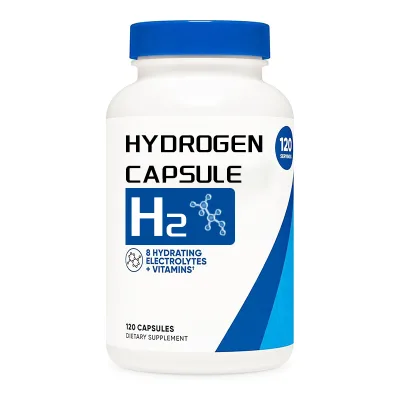
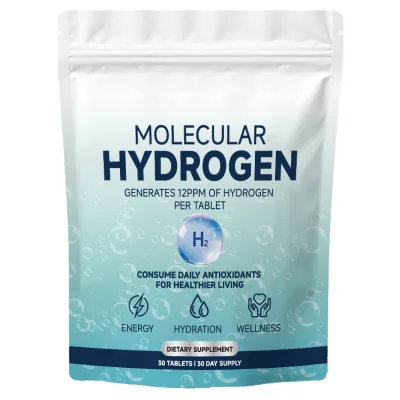
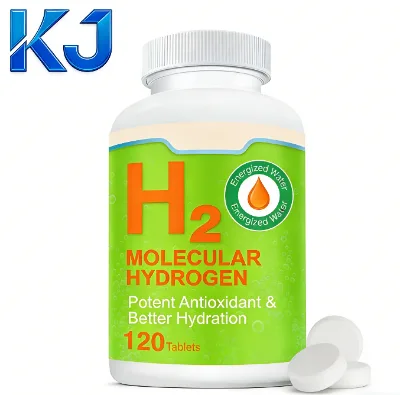
OEM Custom Private Label H2 Hydrogen Water Capsules Molecular Hydrogen Health Capsules Supplement
$3.00 - $3.50
MOQ: 500 pieces
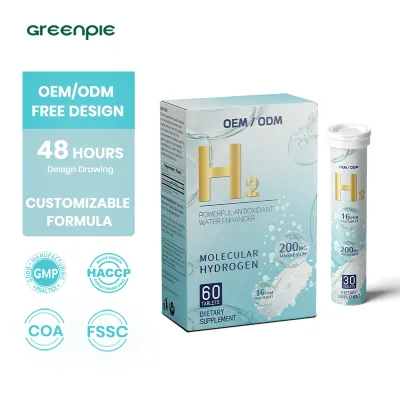
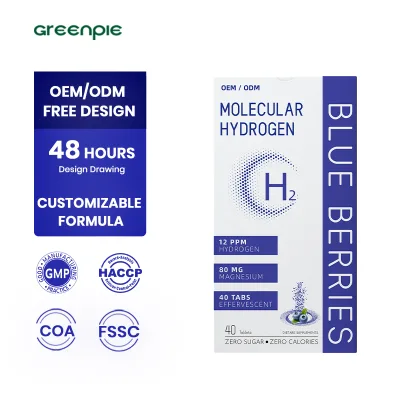
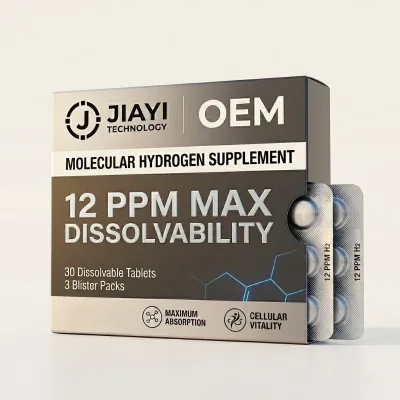
Sichuan Jiayi Technology Co., Ltd.
- Trading Company
- sichuan, China
- Lead time0 days
- Avg. response≤ 1h
Main productsDietary supplements,capsules,gummies,tablets
Main marketsSouthern Europe(35.00%), Western Europe(30.00%), North America(20.00%), Eastern Europe(10.00%), South America(5.00%)
Guangzhou Linnuo Pharmaceutical Co., Ltd.
- Verified by TüVRheinland
- Manufacturer, Trading Company
- Lead time15 days
- Avg. response≤ 1h
Main productsGummy, Powders, Capsules, Solid Drink, Tablets
Main marketsNorth America(30%), Western Europe(30%), South America(10%)
- Verified by TüVRheinland
- Trading Company
- Lead time3 days
- Avg. response≤ 7h
Main productsDietary Supplement, Cosmetic Raw Materials, Plant Extracts, Nutritional Ingredients, Organic Mushroom Extract
Main marketsNorth America(30%), Western Europe(30%), Oceania(10%)
Xixian New Area Biyouti Biotechnology Co., Ltd.
- Manufacturer, Trading Company
- Shaanxi, China
- Lead time8 days
- Avg. response≤ 2h
Main productsNutrition Gel for Dogs and Cats,Dog Probiotic,Horse Gel Apple Flavor,Chewable Tablets for Dogs Immune Support,Joint Care for Dogs
Main marketsDomestic Market(30.00%), North America(10.00%), Central America(10.00%), Eastern Asia(10.00%), Africa(10.00%), Southeast Asia(10.00%), Eastern Europe(10.00%), South America(10.00%)

Hebei Songhekang Biotechnology Co., Ltd
- Verified by CTI
- Trading Company
- China Hebei
- Lead time30 days
- Avg. response≤ 3h
Main productsCapsule, Tablet, Gummies, Softgel, Powder, Nutritional Supplement, Protein, Supplement, Women Health, Health Food
Main marketsDomestic


$0.01 - $0.08
MOQ: 100000 Pieces

Fast Dissolving Hydrogen Tablets for Enhanced Brain Function and Vitality
$0.01 - $0.06
MOQ: 100000 capsules
Mandu Pharmaceutical (Zhengzhou) Co., Ltd.
- Verified by TüVRheinland
- Trading Company
- Henan, China
- Lead time15 days
- Avg. response≤ 2h
Main productsGummies, Capsules, Powder, Solid Drink, Tablets
Benyuanda Health Technology Industry (Guangdong) Co., Ltd.
- Verified by SGS Group
- Manufacturer, Trading Company
- Lead time10 days
- Avg. response≤ 4h
Main productsSoftgels Capsules, Capsules, Press Tablets, Powder, Liquid Drink
Guangzhou Ludingji Pharmaceutical Co., Ltd.
- Verified by TüVRheinland
- Trading Company
- Lead time0 days
- Avg. response≤ 4h
Main productsGummies, Capsules, Sofgel, Collagen Powder, Drop
Main marketsNorth America(15%), Western Europe(15%), Eastern Europe(10%)

Xi'an Weineng Power Biotechnology Co., Ltd.
- Verified by TUVRHEINLAND
- Trading Company
- China Shaanxi
- Lead time15 days
- Avg. response≤ 2h
Main productsOEM Gummies, OEM Liquid Drops, OEM Capsules, Collagen, Vitamins, Women's Health, Weight Loss, Men's Health, Sports & Endurance, Digestive Health
Main marketsSoutheast Asia/ Mideast,Europe,North America

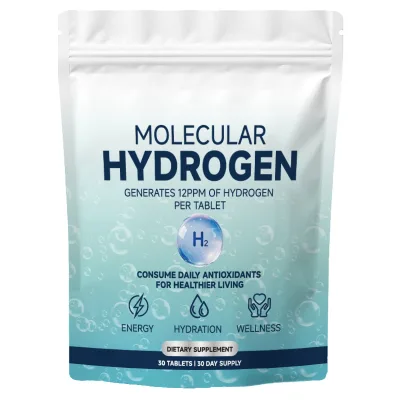
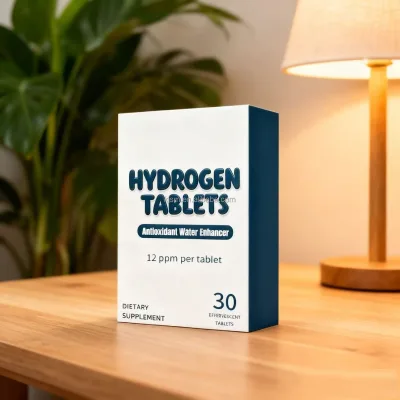
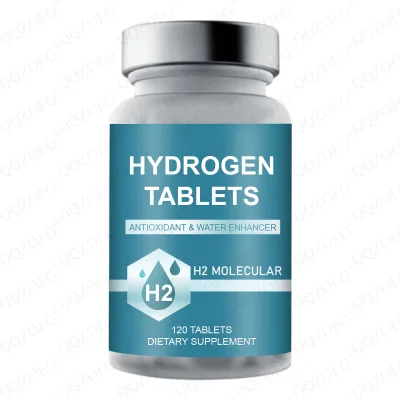
Hydrogen Water Tablets Healr Molecular H2 Hydrogen Tablets Hi Concentration
$2.29 - $2.89
MOQ: 500 Pieces


Guangdong Yangchun Xinde Biotechnology Development Co., Ltd.
- Verified by TüVRheinland
- Manufacturer, Trading Company
- Lead time5 days
- Avg. response≤ 5h
Main productsCollagen Powder, Maca Capsules, Muscle Building Protein Powder, Weight Loss Coffee, Vitamin E Capsules
Main marketsDomestic Market(40%), North America(30%), Southeast Asia(10%)

Shenzhen Come Health Biotechnology Co.,Ltd
- Verified by BV
- Manufacturer/Factory
- China Guangdong
- Lead time23 days
- Avg. response≤ 2h
Main productsGummies, Capsule, Liquid Drops, Instant Coffee, Electrolyte Powder, Sofe Capsule, Tablets, Caffine Pouches, Jelly, Gel
Main marketsSouth America,Eastern Europe,Mid East,North America,Southeast Asia,Eastern Asia,Oceania,Western Europe,Africa

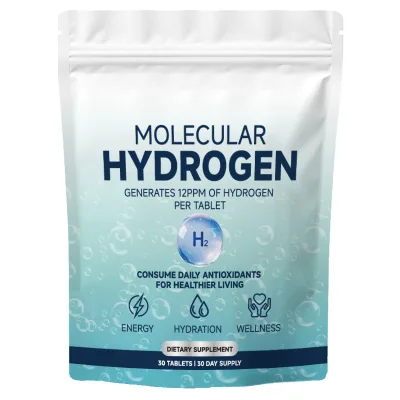
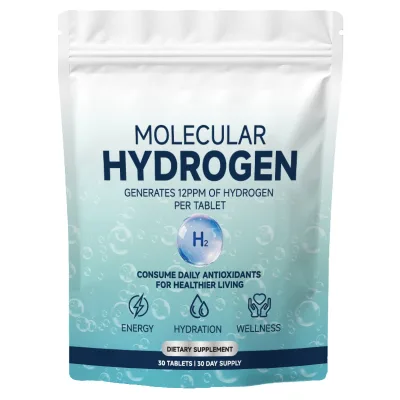
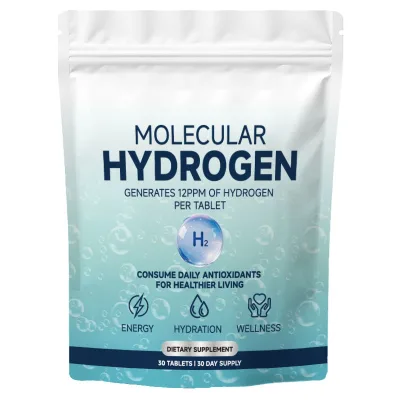
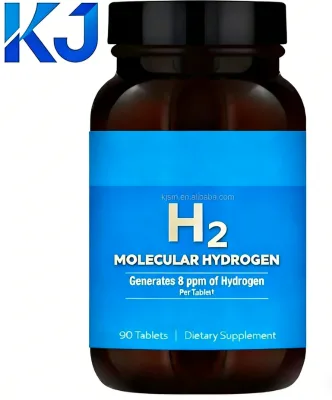
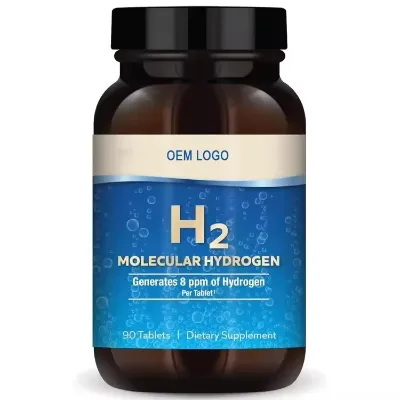
Molecular Hydrogen Tablets Water Hydrogen Rich Tablet Hydrogen Tablets for Drinking Water
$3.00 - $3.50
MOQ: 500 Bags

Portable H2 Hydrogen Tablet Magnesium Fight Support Health Hydrogen Water Tablets
$3.00 - $3.50
MOQ: 500 Bags

- Verified by TUVRHEINLAND
- Trading Company
- China Shaanxi
- Lead time15 days
- Avg. response≤ 3h
Main productsSupplement Capsules, Amino Acid, Supplement Gummies, Fenbendazole, Supplement Tablets, Herbal Extract, Methylene Blue, Viatmins
Main marketsEurope,Australia,North America

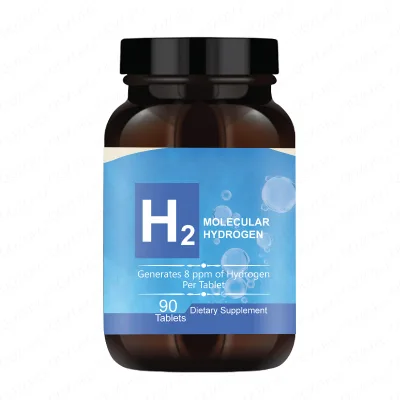
Custom Molecular Hydrogen Tablets, Boost Energy & Vitality Gluten Free Herbal Supplement
$3.55 - $3.80
MOQ: 500 Bottle

$2.00 - $3.60
MOQ: 100 Pieces


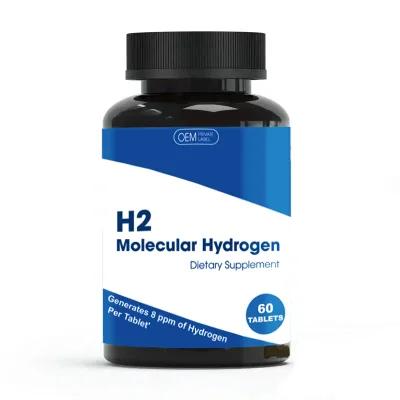
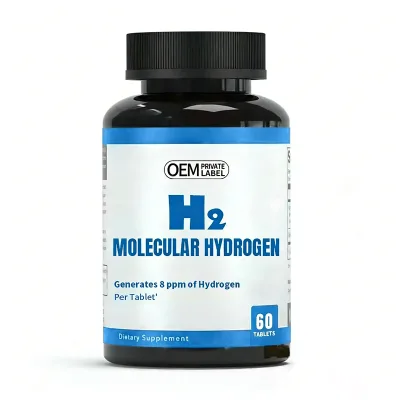
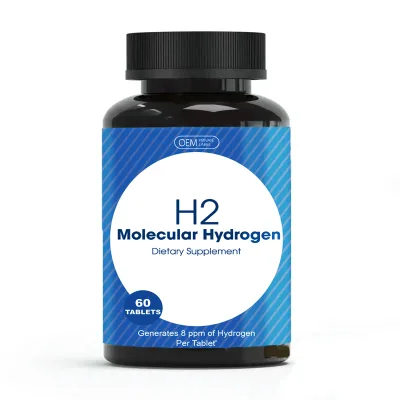
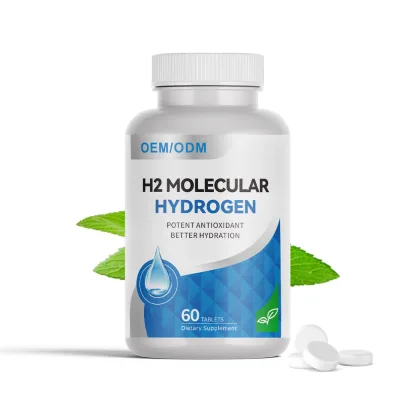
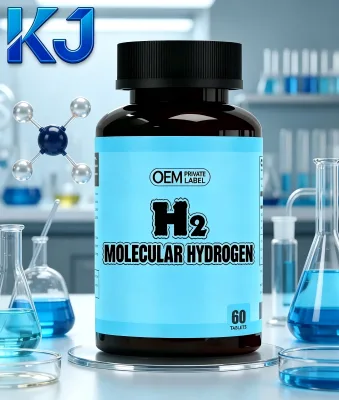
OEM Molecular Hydrogen Tablets 60 Tablets, Support Cellular Health Non-GMO Dietary Supplement
$3.55 - $3.80
MOQ: 500 Bottle

China OEM Molecular Hydrogen Tablets Support Cellular Health Non-GMO Dietary Supplement
$3.55 - $3.80
MOQ: 500 Bottle
Guangzhou Ludingji Biotechnology Co., Ltd.
- Verified by Intertek
- Trading Company
- Lead time25 days
- Avg. response≤ 5h
Main productsGummy, Drops, Powder, Vitamins Capsules, Vitamins Drops
Main marketsNorth America(30%), Southeast Asia(18%), Oceania(12%)
Henan Nuoou Biotechnology Co., Ltd.
- Verified by SGS Group
- Trading Company
- Lead time10 days
- Avg. response≤ 2h
Main productsMelatonin Gummies, Biotin Gummies, Protein Gummies, Magnesium Complex Capsules, Women Probiotic Capsules
Main marketsNorth America(70%), Oceania(10%), Western Europe(10%)
Guangzhou Yuanzhi Biological Technology Co., Ltd.
- Verified by SGS Group
- Manufacturer, Trading Company
- Lead time0 days
- Avg. response≤ 2h
Main productsgummies, capsules, liquid drops, powders
Main marketsNorth America(50%), Southeast Asia(20%), Western Europe(18%)

Zhongyuan (Wuhan) Trading Co., Ltd
- Verified by CTI
- Trading Company
- China Hubei
- Lead time23 days
- Avg. response≤ 10h
Main productsHealth Products
Main marketsDomestic
Anhui Fulai Pharmaceutical Co., Ltd.
- Verified by TüVRheinland
- Manufacturer, Trading Company
- Lead time15 days
- Avg. response≤ 1h
Main productsProtein Powder, Capsules, Softgel, Chewable Tablets, Oral Liquid
Main marketsDomestic Market(90%), North America(4%), Western Europe(3%)
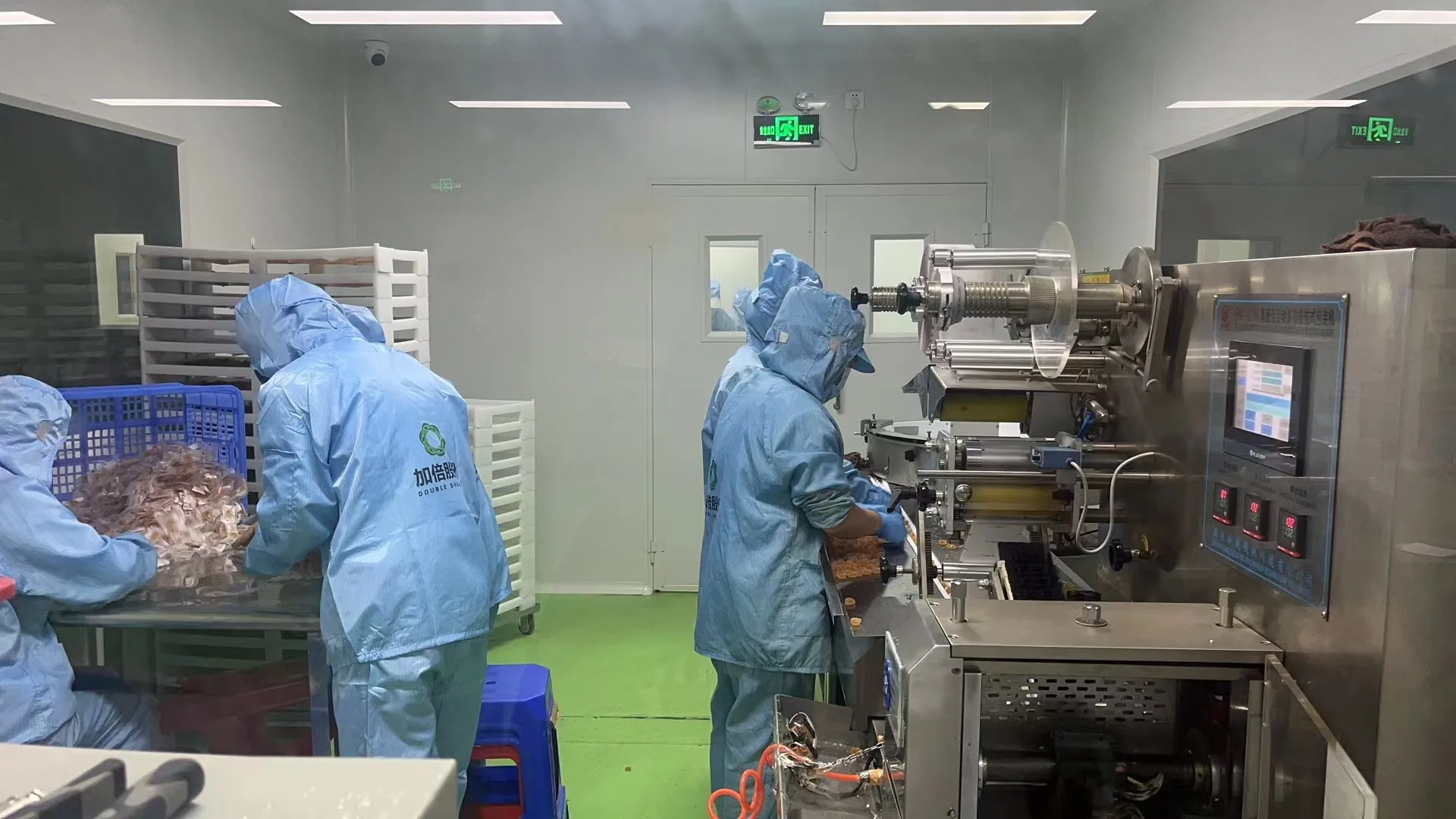
Jining Palm Tree International Co., Ltd.
- Trading Company
- Shandong, China
- Lead time7 days
- Avg. response≤ 2h
Main productsGummies,Capsules,Tablets,Oral Liquid Drops,Powder
Main marketsNorth America(50.00%), Domestic Market(10.00%), Southeast Asia(10.00%), Eastern Europe(5.00%), Southern Europe(5.00%), Northern Europe(5.00%), Western Europe(5.00%), Africa(5.00%), South America(5.00%)
Guangdong Changcheng Pharmaceutical Biotechnology Co., Ltd.
- Verified by SGS Group
- Manufacturer, Trading Company
- Lead time10 days
- Avg. response≤ 5h
Main productsTablet, Drops, Capsules, Resin & Gel, Soft Candy

- Verified by CTI
- Trading Company
- China Shaanxi
- Lead time30 days
- Avg. response≤ 2h
Main productsHealth food
Main marketsEurope

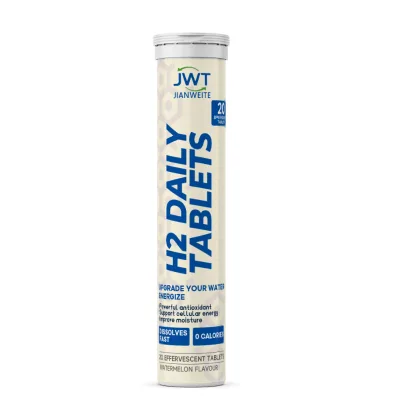
Lab Tested Wellness Effervescent Tablet Hydration Antioxidant Natural Pure Molecular Hydrogen
$2.89 - $3.59
MOQ: 100 Pieces

Daily Body Support Balanced Mineral Effervescent Supplement Premium Molecular Hydrogen
$2.89 - $3.59
MOQ: 100 Pieces
Zhengzhou Kunjing Trading Co., Ltd.
- Verified by Intertek
- Trading Company
- Lead time0 days
- Avg. response≤ 1h
Main productsGummy, Tablets, Pre-packed Food
Main marketsNorth America(40%), Western Europe(30%), Southeast Asia(20%)
Jianweite (Zhengzhou) Pharmaceutical Technology Co., Ltd.
- Verified by TüVRheinland
- Trading Company
- Lead time20 days
- Avg. response≤ 2h
Main productsGummies, Softgels And Capsules, Drops, Powder, Tablets
Main marketsNorth America(40%), Eastern Europe(10%), Western Europe(10%)
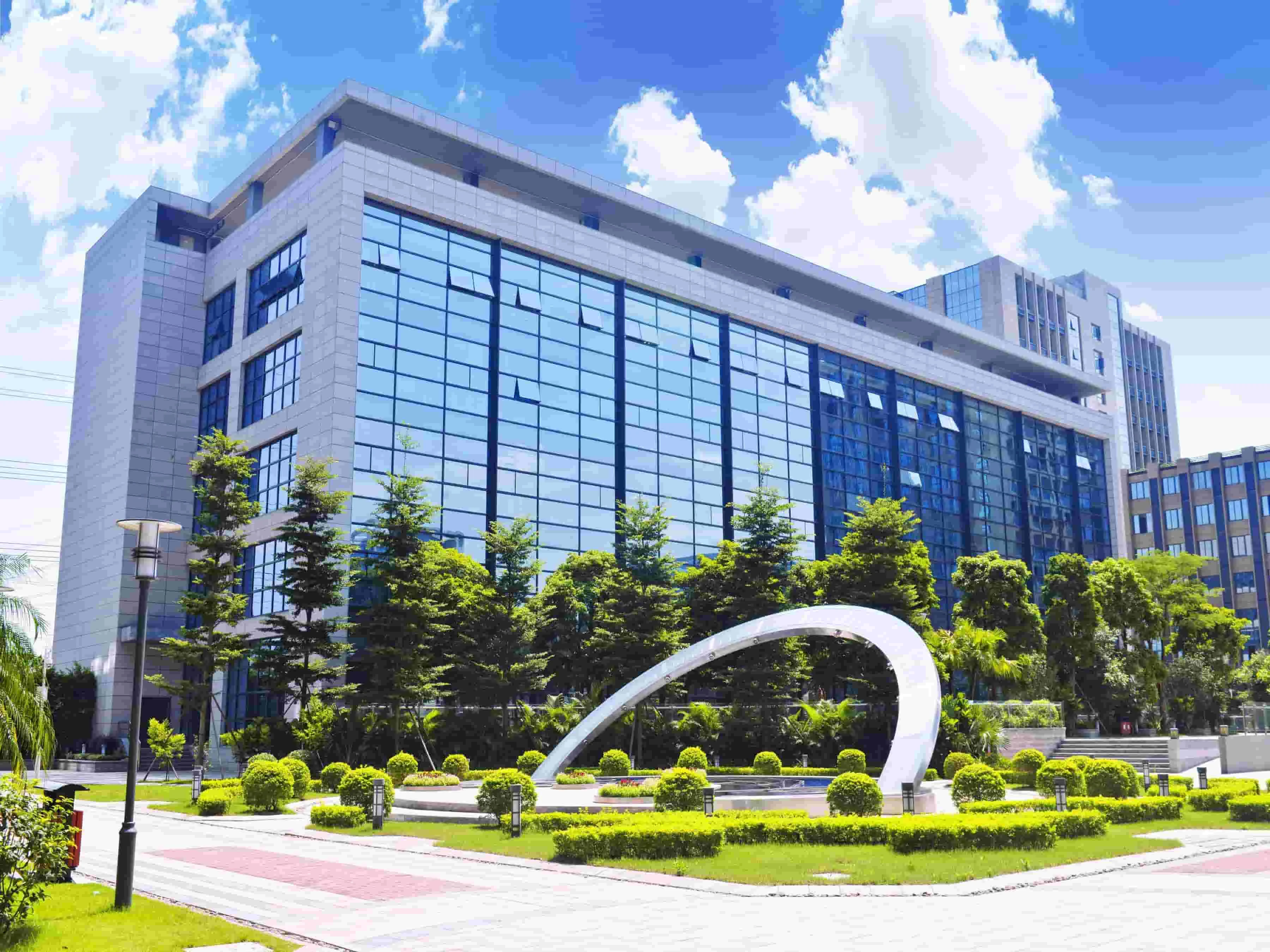
Guangzhou Jinweikang Biotechnology Co., Ltd.
- Manufacturer, Trading Company
- Guangdong, China
- Lead time0 days
- Avg. response≤ 2h
Main productsgummy candy,tablet,capsule,drops,powder
Main marketsNorth America(80.00%), Southern Europe(10.00%), Western Europe(10.00%)
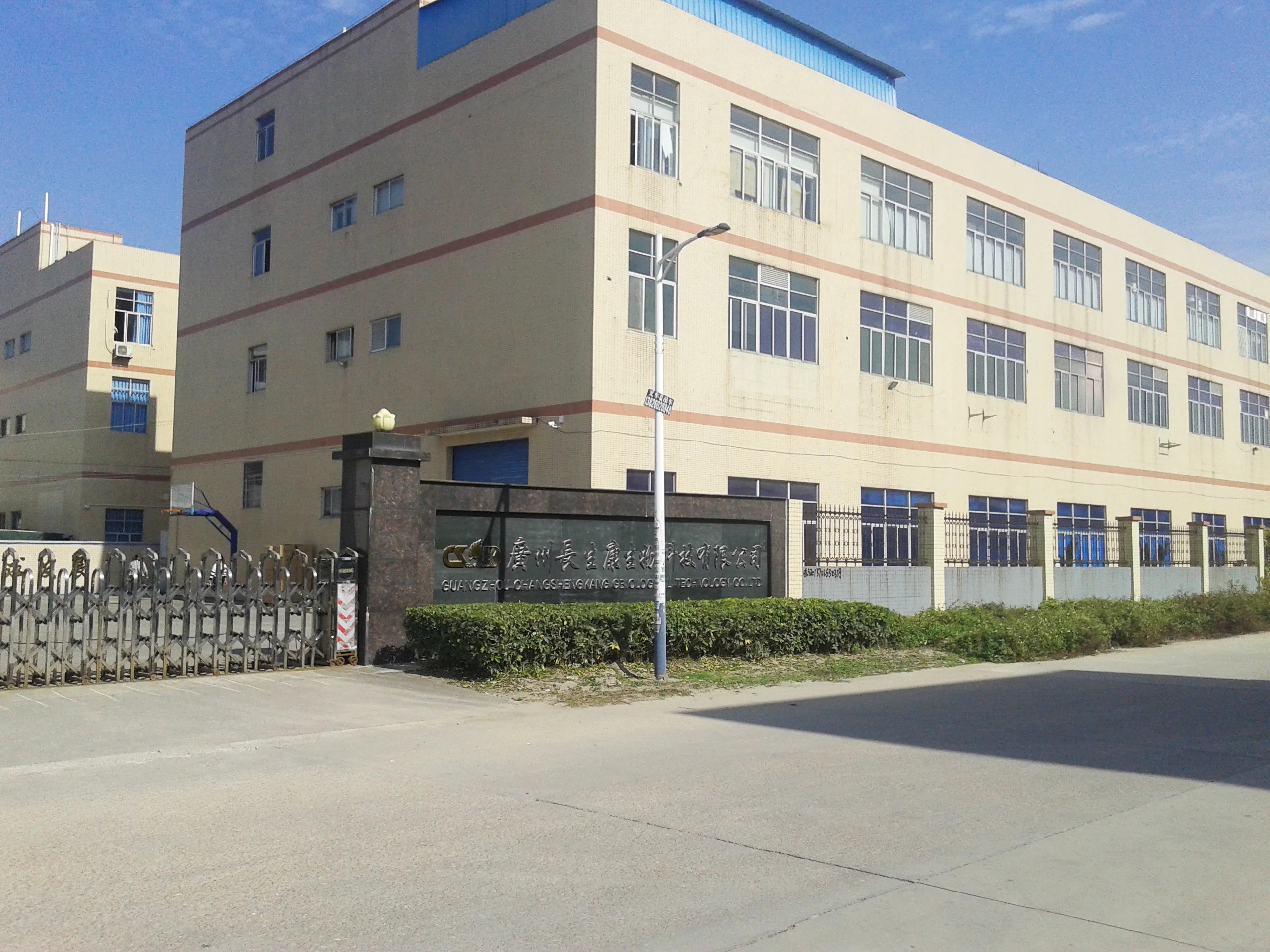
Guangzhou Siyi Biotechnology Co., Ltd.
- Manufacturer, Trading Company
- Guangdong, China
- Lead time15 days
- Avg. response≤ 2h
Main productsHealth Food,Food
Main marketsDomestic Market(70.00%), Southeast Asia(11.00%), North America(5.00%), Africa(3.00%), Southern Europe(2.00%), Eastern Europe(1.00%), South America(1.00%), South Asia(1.00%), Northern Europe(1.00%), Central America(1.00%), Western Europe(1.00%), Eastern Asia(1.00%), Mid East(1.00%), Oceania(1.00%)
Weihai Baihe Biology Technological Co., Ltd.
- Verified by Intertek
- Manufacturer, Trading Company
- Lead time20 days
Main productsTablet, Capsule, Powder & Sachet, Functional Liquid, Softgel
Main marketsDomestic Market(70%), North America(10%), Southeast Asia(5%)

Shandong Yuwang Pharmaceutical Co., Ltd.
- Verified by TUVRHEINLAND
- Combined
- China Shandong
- Lead time30 days
- Avg. response≤ 2h
Main productsFish Oil, Fish Oil Softgel, Hard Capsule, Tablet
Main marketsNorth America

Qingdao Hiseeking Enterprises Co., Ltd.
- Trading Company
- China Shandong
- Lead time30 days
- Avg. response≤ 25h
Main productsMedicine, Capsule, Western Medicine
Main marketsSouth America,Mid East,Eastern Asia,Africa


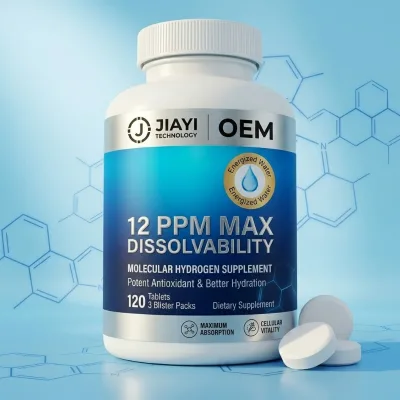
GMP Certificated, Nutritional Supplement, Liquid Calcium Soft Capsule, Liquid Calcium
Negotiable
MOQ: 5000 Capsules
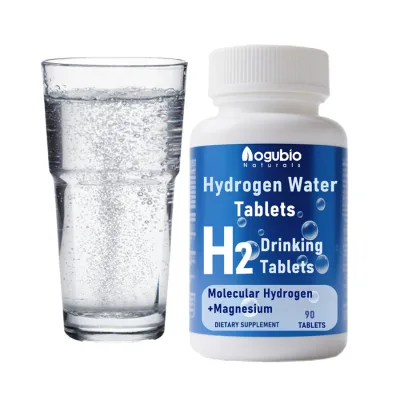
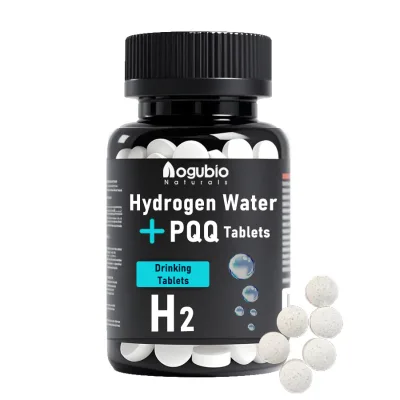
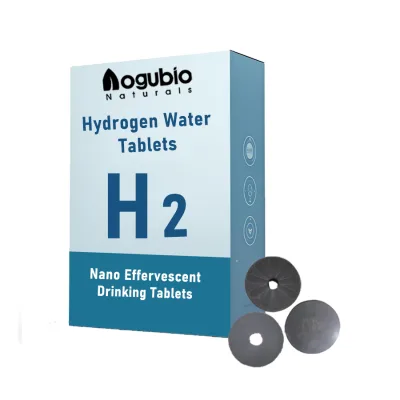
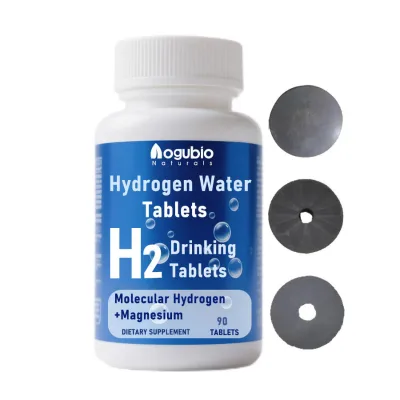
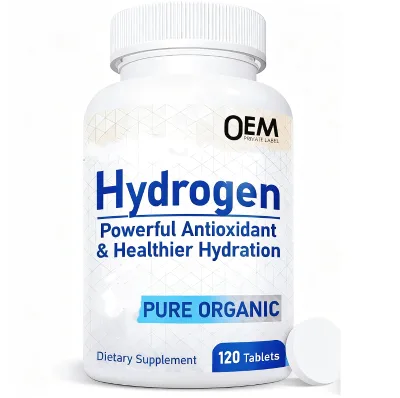
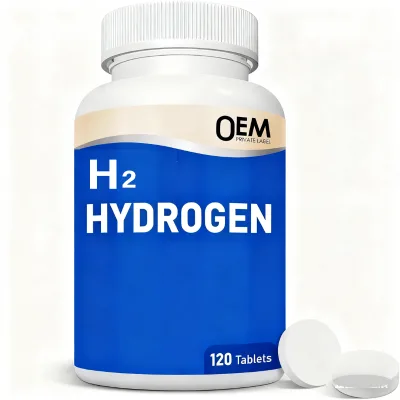
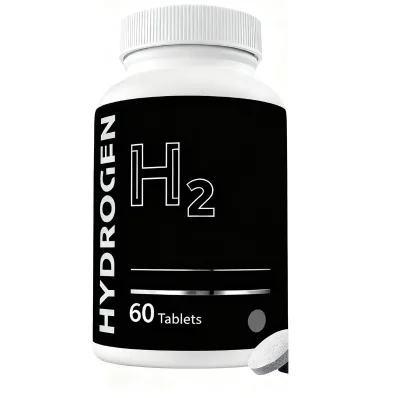
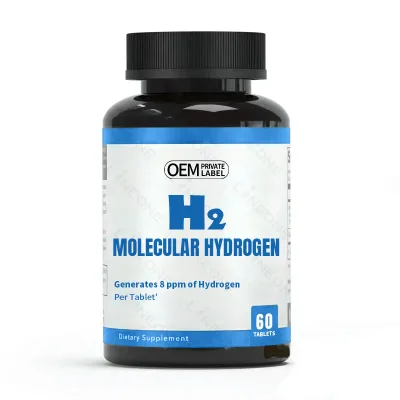
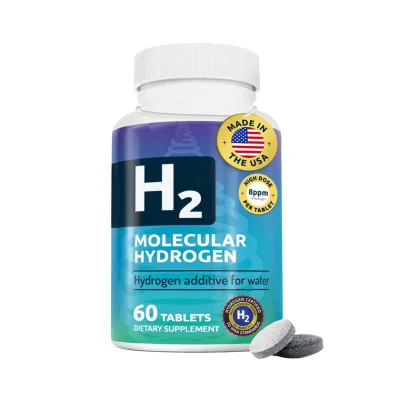
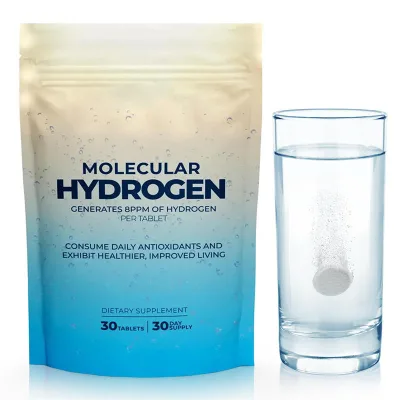
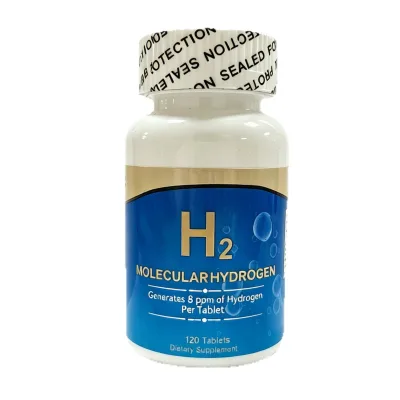
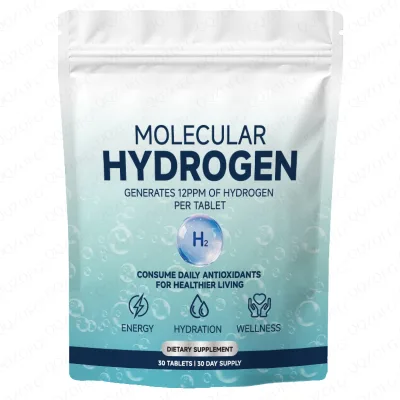
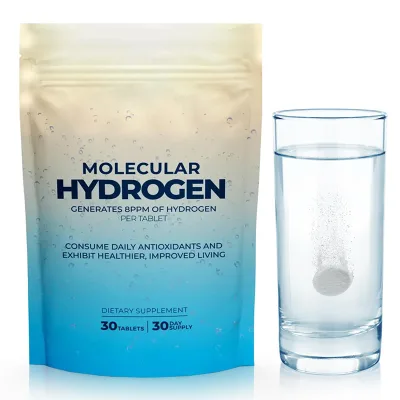
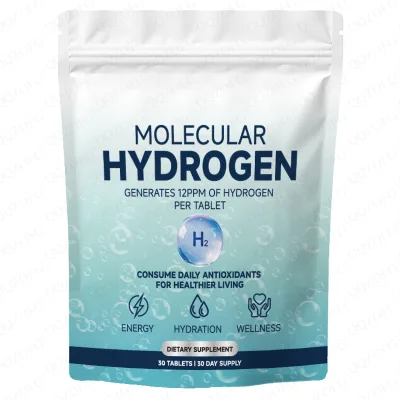
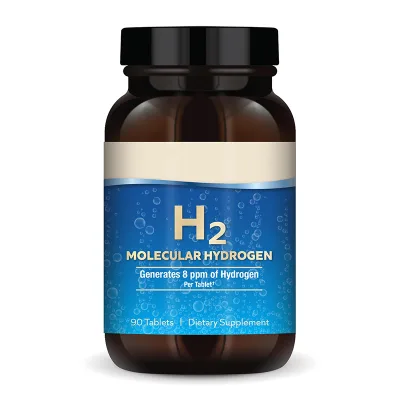
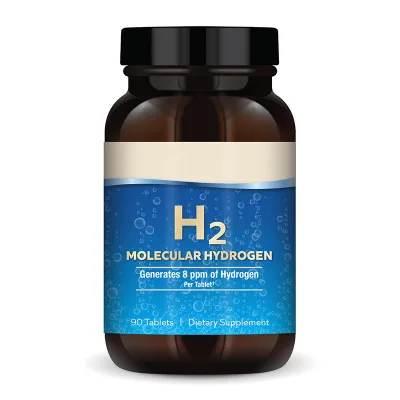
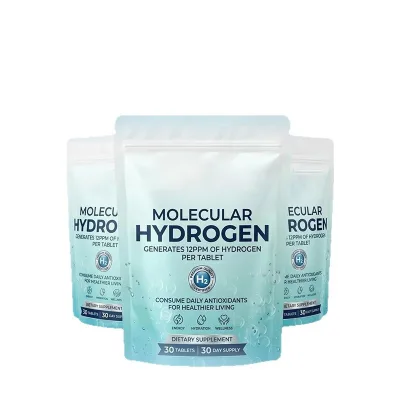
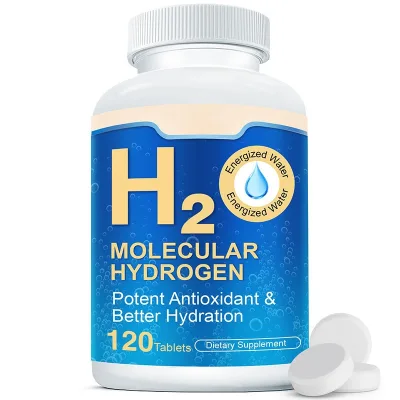
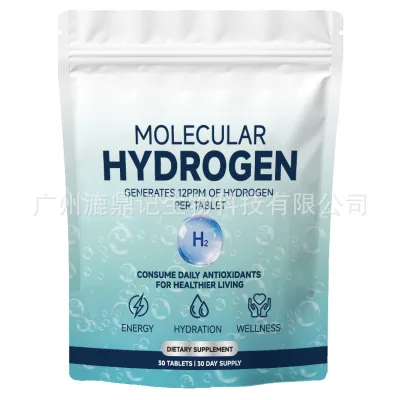
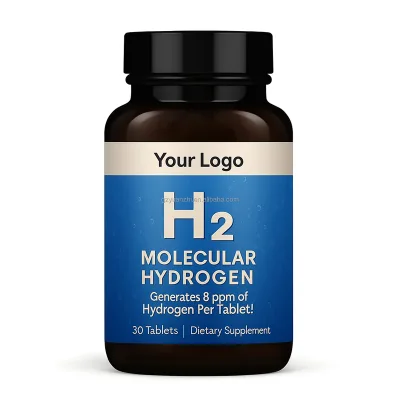
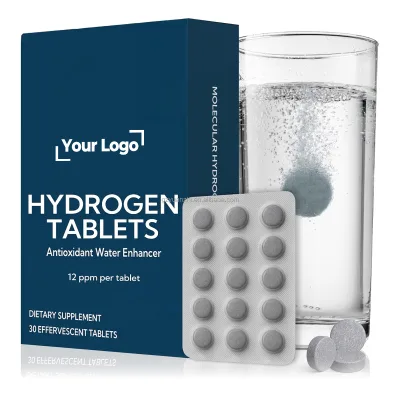


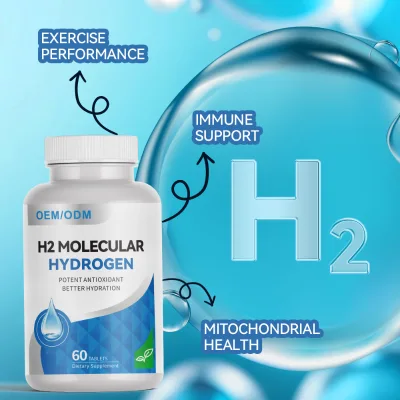
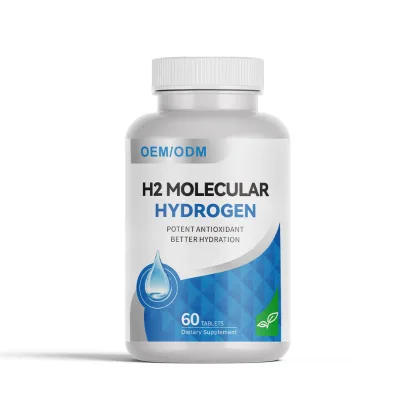
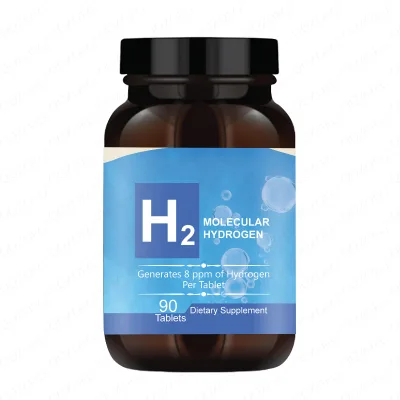
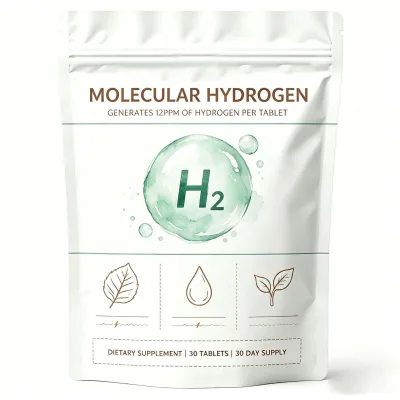
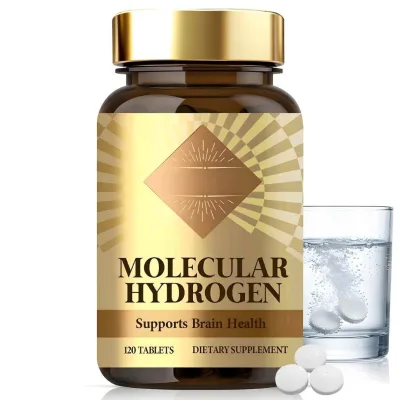
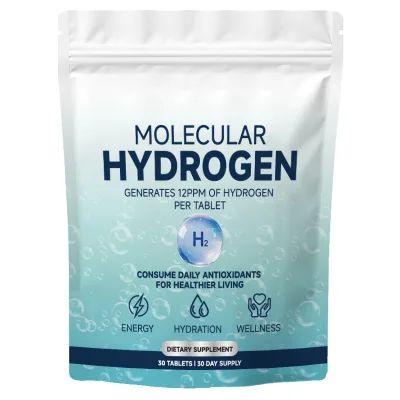


Comprehensive Sourcing Guide
Gluten-Free Hydrogen Water Capsules Supplier Concentration and Factory Types
When evaluating the landscape for gluten-free hydrogen water capsules, buyers must first distinguish between the primary types of entities available in the supply chain. The current market data indicates a mix of manufacturers and trading companies, each offering distinct advantages for different procurement strategies. Manufacturers are typically equipped with direct production capabilities, allowing for greater control over the formulation and quality assurance processes. This is particularly relevant for products like hydrogen capsules, where the preservation of molecular hydrogen integrity during the encapsulation process is critical. The presence of specialized capabilities such as sample processing, graphic processing, and customized on-demand services suggests that many suppliers are prepared to handle bespoke requirements. These facilities often possess the technical infrastructure to manage complex dosage forms, ensuring that the final product meets specific functional claims, such as improving immunity or providing energy support.
Trading companies, on the other hand, serve as intermediaries that aggregate products from multiple factories. This model can be beneficial for buyers seeking a broader variety of options or those who require consolidated shipping from different sources. However, it introduces an additional layer of complexity regarding quality verification and communication. The data shows that some suppliers are verified by third-party inspection bodies like TüVRheinland, which adds a layer of credibility to their operational standards. Buyers should carefully assess whether a supplier is a direct manufacturer or a trading entity, as this distinction impacts lead times, pricing structures, and the ability to conduct on-site audits. Understanding this dynamic is essential for establishing a reliable supply chain, as direct manufacturers may offer more flexibility in customizing gluten-free formulations, while trading companies might provide faster access to existing stock or diverse product lines.
How to Verify Gluten-Free Hydrogen Water Capsules Suppliers
Verification is a critical step in ensuring that suppliers can consistently deliver high-quality gluten-free hydrogen water capsules. Buyers should prioritize suppliers who hold recognized system certifications, such as HACCP, FSSC22000, and MSDS, as these indicate a commitment to food safety and hazardous materials management. These certifications are particularly important for dietary supplements, where cross-contamination with gluten or other allergens must be strictly prevented. Additionally, verification status from reputable third-party agencies like TüVRheinland provides an external validation of the supplier’s business legitimacy and operational capabilities. Buyers should request copies of these certificates and verify their validity through the issuing bodies to ensure they are current and applicable to the specific product lines being sourced.
Beyond certifications, buyers should investigate the supplier’s response time and overall communication efficiency. A response time of three days or less is a positive indicator of a responsive and organized procurement team, which is crucial for resolving issues quickly during the sourcing process. It is also important to verify the supplier’s ability to provide detailed product specifications, including storage requirements, shelf life, and applicable demographics. For instance, some hydrogen capsules are specified for adult use only, with clear warnings for pregnant women, newborns, and children. Buyers should ensure that the supplier’s documentation aligns with these safety guidelines and that they can provide comprehensive ingredient lists, confirming the absence of gluten-containing additives. This level of due diligence helps mitigate risks associated with non-compliance and ensures that the final product meets regulatory standards in the target market.
What to Compare Across Gluten-Free Hydrogen Water Capsules Suppliers
When comparing suppliers, buyers should focus on key operational metrics such as minimum order quantities (MOQ), lead times, and pricing structures. The data indicates that MOQs can vary, with some suppliers requiring a minimum of 500 bottles for custom orders. This threshold is significant for buyers who are testing the market or launching new products, as it impacts initial inventory costs and cash flow. Lead times are another critical factor, with some suppliers indicating a lead time of 25 days, while others may have different production schedules. Buyers should clarify these timelines to ensure they align with their sales forecasts and inventory management strategies. Additionally, pricing should be evaluated in the context of the product’s specifications, such as the concentration of hydrogen or the inclusion of additional ingredients like magnesium or silicon.
Response speed is another dimension that can differentiate suppliers. A faster response time, such as one day, suggests a more agile and customer-centric approach, which can be advantageous for resolving queries or negotiating terms. Buyers should also compare the range of main products offered by each supplier. Some suppliers specialize in dietary supplements, capsules, gummies, and tablets, while others may have a broader focus including coffee, collagen, and energy drinks. This specialization can indicate a deeper expertise in specific product categories, potentially leading to higher quality and more innovative solutions. Furthermore, buyers should assess the supplier’s capacity for customization, including private labeling and OEM services, as these capabilities are often essential for building a unique brand identity in the competitive health supplement market.
Common Gluten-Free Hydrogen Water Capsules Sourcing Risks
One of the primary risks in sourcing gluten-free hydrogen water capsules is the potential for mislabeling or inaccurate ingredient disclosure. Buyers must ensure that suppliers provide transparent and accurate information regarding the product’s composition, including any additives or fillers that may contain gluten. The data shows that some products are explicitly labeled as gluten-free, but buyers should verify this claim through third-party testing or certification. Another risk is the variability in product effectiveness, particularly for hydrogen-based supplements where the concentration of molecular hydrogen can impact the final product’s efficacy. Buyers should request detailed specifications, such as the ppm (parts per million) of hydrogen, to ensure that the product meets their quality standards.
Storage and shelf life are also critical factors that can affect product quality. Hydrogen capsules often require specific storage conditions, such as a dry and cool place, to maintain their integrity. Buyers should confirm that suppliers have robust quality control measures in place to ensure that products are stored and shipped under appropriate conditions. Additionally, the risk of supply chain disruptions cannot be overlooked. Buyers should assess the supplier’s production capacity and reliability to ensure they can meet demand consistently. This includes evaluating their ability to handle peak seasons or unexpected order surges. By identifying and mitigating these risks early in the sourcing process, buyers can establish a more secure and reliable supply chain for their gluten-free hydrogen water capsules.
Gluten-Free Hydrogen Water Capsules Regional Sourcing and Logistics
Regional sourcing plays a significant role in the logistics and cost structure of gluten-free hydrogen water capsules. The data indicates that many suppliers are located in regions such as Guangdong and Sichuan in China, which are known for their manufacturing capabilities in the health supplement industry. Buyers should consider the logistical implications of sourcing from these regions, including shipping times, customs procedures, and potential tariffs. Proximity to major ports and transportation hubs can reduce lead times and shipping costs, making it easier to maintain a steady supply of products. Additionally, buyers should evaluate the supplier’s experience with international shipping and their ability to handle complex logistics requirements, such as temperature-controlled transport for sensitive products.
Understanding the regional manufacturing clusters can also provide insights into the local regulatory environment and industry standards. Suppliers in these regions may be more familiar with international compliance requirements, which can simplify the certification and approval process for exporting products. Buyers should also consider the availability of local support services, such as quality inspection agencies and logistics providers, which can enhance the reliability of the supply chain. By carefully assessing the regional advantages and challenges, buyers can make informed decisions about where to source their gluten-free hydrogen water capsules, ensuring that they balance cost, quality, and logistical efficiency. This strategic approach helps mitigate risks associated with international trade and ensures a smoother procurement process.
Gluten-Free Hydrogen Water Capsules Commercial Terms and Order Planning
Commercial terms and order planning are essential components of a successful sourcing strategy for gluten-free hydrogen water capsules. Buyers should negotiate clear terms regarding payment methods, delivery schedules, and return policies to protect their interests. The data shows that some suppliers offer OEM and ODM services, which can be beneficial for buyers looking to create custom products. However, these services often come with higher MOQs and longer lead times, which must be factored into the order planning process. Buyers should also consider the cost implications of customization, including design fees and tooling costs, to ensure that the final product remains profitable.
Effective order planning involves forecasting demand accurately and aligning production schedules accordingly. Buyers should work closely with suppliers to establish realistic production timelines and inventory levels, taking into account seasonal variations and market trends. It is also important to have contingency plans in place for potential disruptions, such as raw material shortages or production delays. By maintaining open communication and building strong relationships with suppliers, buyers can enhance their ability to respond to changes in demand and ensure a consistent supply of high-quality gluten-free hydrogen water capsules. This proactive approach helps minimize risks and maximizes the efficiency of the procurement process, leading to better business outcomes.
FAQs
What is the minimum order quantity for private label hydrogen capsules?
The minimum order quantity is 500 bottles for custom private label hydrogen capsules. This threshold applies to OEM orders where buyers request specific branding and packaging designs. Suppliers typically require this volume to justify the setup costs for graphic processing and customized production runs on demand.
How long does production take for hydrogen supplement orders?
Standard lead times for hydrogen supplement orders are approximately 25 days. This duration covers the manufacturing, quality control, and packaging phases. Buyers should account for this timeline when planning inventory, as it reflects the typical processing speed for manufacturers and trading companies in the region.
Are these hydrogen capsules certified for international safety standards?
Yes, suppliers hold HACCP, FSSC22000, and MSDS certifications. These credentials verify that the manufacturing processes meet rigorous food safety and chemical handling standards. Additionally, products are verified by TüVRheinland, providing an extra layer of assurance regarding product quality and compliance for global markets.
What is the shelf life of hydrogen water capsules?
The shelf life for hydrogen water capsules is 24 months or two years. To maintain potency, products should be stored in a dry and cool place. This storage requirement ensures the stability of the molecular hydrogen content and prevents degradation of the capsule shell over time.
Can I get samples before placing a bulk order?
Suppliers support sample requests for hydrogen capsules to evaluate quality before bulk purchasing. This allows buyers to verify the product form, dosage, and packaging fit. Samples are available for both capsule and tablet formats, helping buyers make informed decisions about their private label strategies.
What is the price range for hydrogen water tablets?
The price range for hydrogen water tablets is between 3.00 and 3.99 per unit. This variation depends on the specific product type, such as capsules or effervescent tablets, and the order volume. Buyers can expect competitive pricing for OEM orders that meet the minimum quantity requirements.