Air Polisher Suppliers and Manufacturers
Source 23 verified Air Polisher suppliers from China for pneumatic tools. Compare lead times, MOQs, certifications, and response rates to identify suitable factories. Review product specs and request quotes directly; review the available evidence before requesting comparable quotations from suitable candidates.
Updated
Suppliers List

Dongguan Kaibao Precision Machinery Co., Ltd.
- Verified by SGS
- Manufacturer/Factory
- China Guangdong
- Lead time15 days
- Avg. response≤ 3h
Main productsAir Sander, Air Angle Grinder, Air Die Grinder, Air Screwdriver, Air Mini Grinder, Air Wrench, Air Spray Gun, Air Riveter, Air Drill, Sanding Pad&Abrasive Parts
Main marketsSouth America,Eastern Europe,Mid East,North America,Southeast Asia,Eastern Asia,Oceania,Western Europe,Africa

Ningbo Fulaitesi Technology Co., Ltd.
- Manufacturer
- Zhejiang, China
- Lead time15 days
- Avg. response≤ 2h
Main productsAir sander,Air polisher,Air grinder,Air drill,Air saw/cutoff tools
Main marketsMid East(40.00%), Southeast Asia(32.00%), Western Europe(22.00%), North America(5.00%), Southern Europe(1.00%)
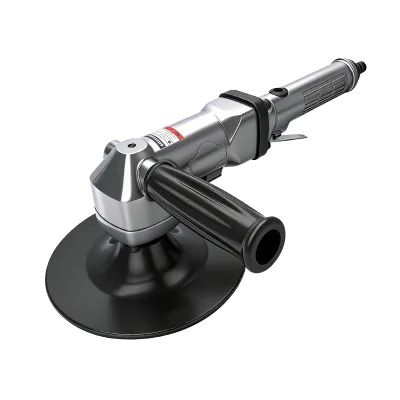
$42.50 - $45.50
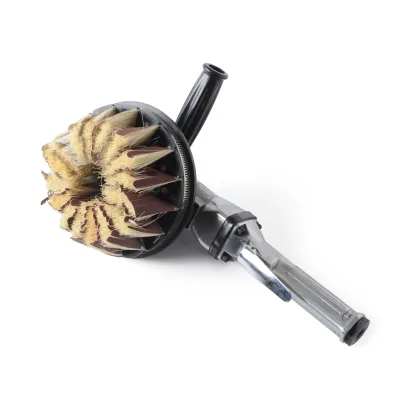
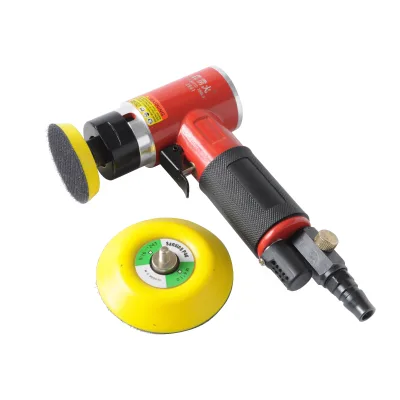
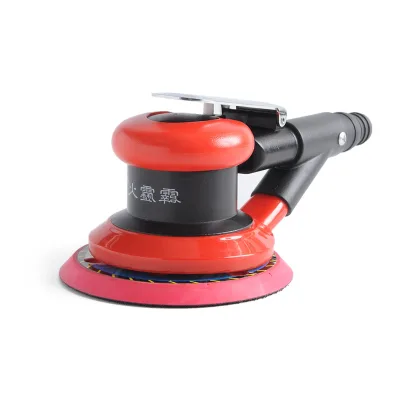
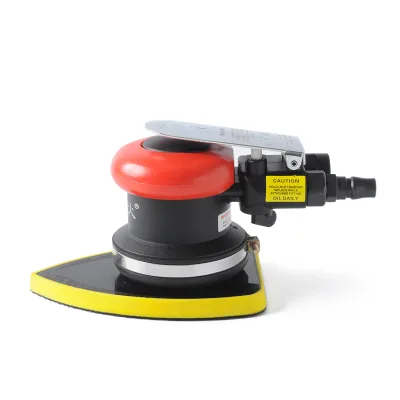
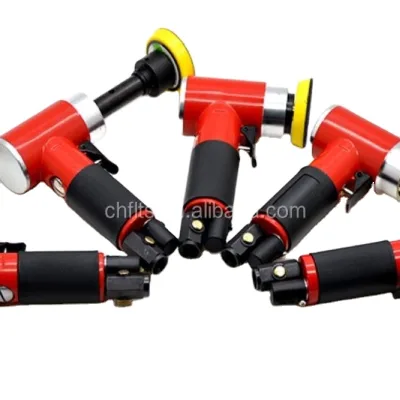

Dongguan Karlux Precision Machinery Science and Technology Co., Ltd.
- Manufacturer/Factory
- China Guangdong
- Lead time15 days
- Avg. response≤ 3h
Main productsAir Tool, Air Sander, Air Spray Gun, Air Riveter, Air Wrench, Air Screwdriver, Abrasives, Sanding Pad, Electric Sander, Air Grinder
Main marketsSouth America,Eastern Europe,Mid East,North America,Southeast Asia,Eastern Asia,Oceania,Western Europe,Africa


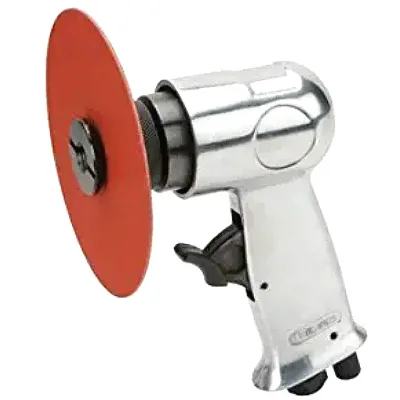
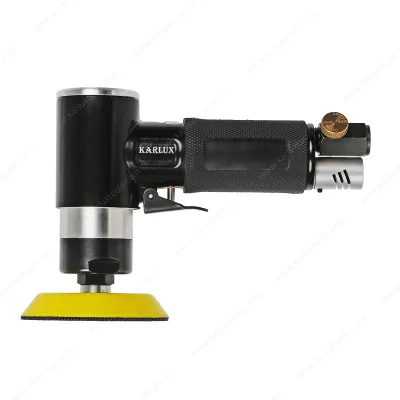
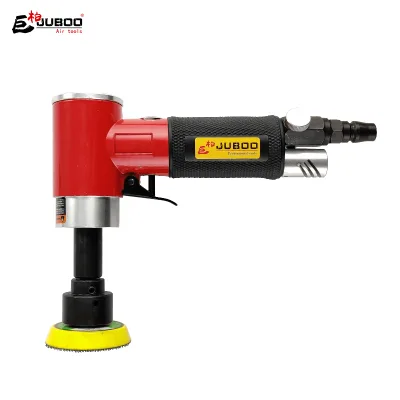
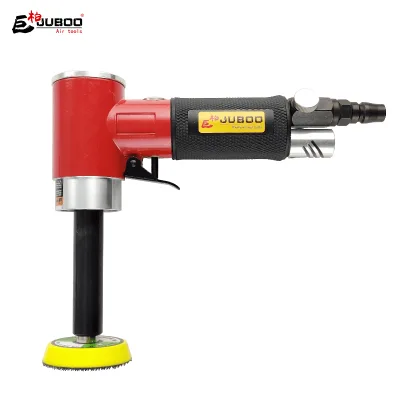
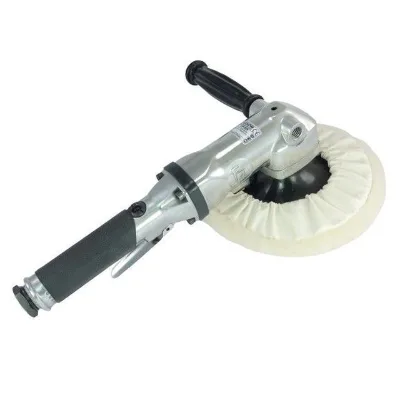
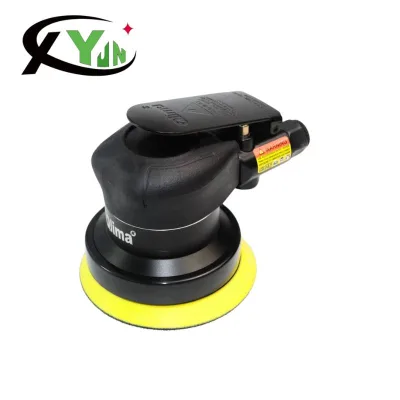
2500rpm 3inch 75mm Concentric Rotation Polishing Air Sanding Machine Air Sander Angle Polisher
$45.70 - $85.20
MOQ: 1 Pieces


Ningbo Cloudtop Tools Co., Ltd.
- Trading Company,Manufacturer/Factory
- China Zhejiang
- Lead time30 days
- Avg. response≤ 8h
Main productsSpray Gun, Pneumatic Tool, Air Tool, Air Impact Wrench, Air Riveter, Air Sander, Air Nailer, Air Filter, Air Screwdriver, Air Ratchet Wrench
Main marketsSouth America,Eastern Europe,Mid East,North America,Southeast Asia,Eastern Asia,Oceania,Western Europe,Africa
- Verified by SGS Group
- Manufacturer, Trading Company
- Lead time45 days
- Avg. response≤ 6h
Main productsSandblaster, Air filter, Air regulator, Tire inflator, Air blow gun
Main marketsNorth America(65%), Oceania(5%), Mid East(5%)
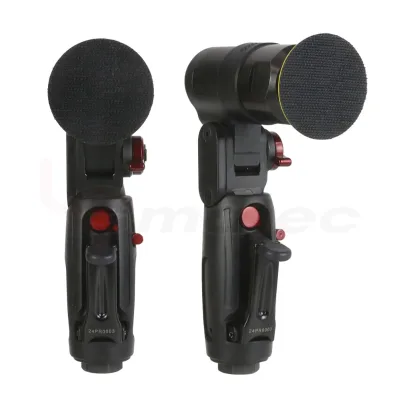
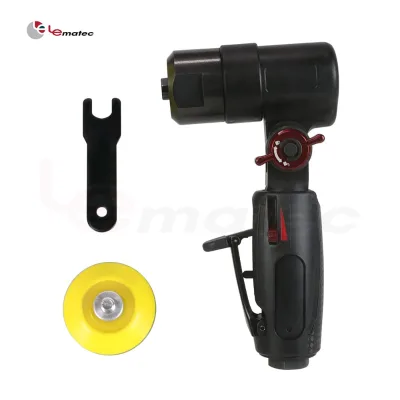
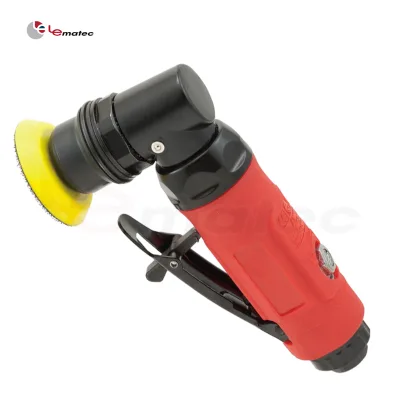
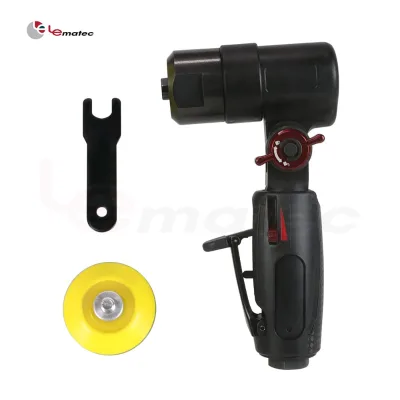
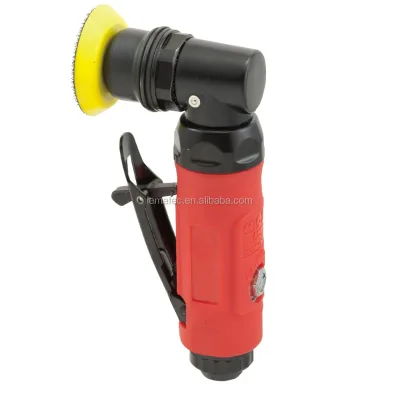
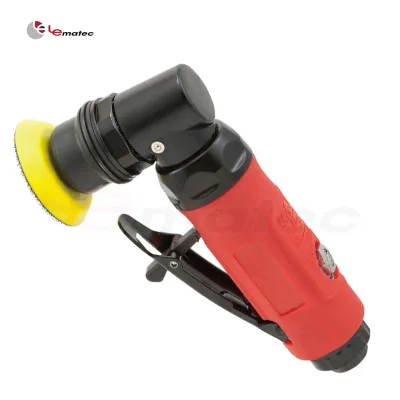
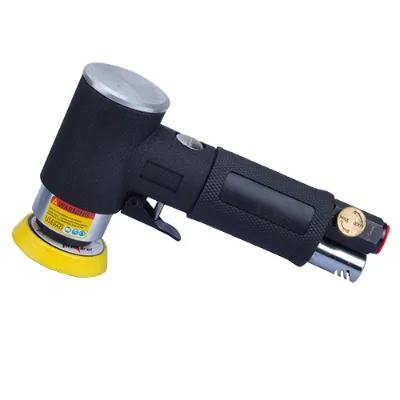
High-Performance Mini Air Sander for Auto Body Buffing and Spot Repairs Taiwan Made
$59.00 - $63.00
MOQ: 1 Minimum

- Manufacturer, Trading Company
- Shanghai, China
- Lead time10 days
- Avg. response≤ 1h
Main productsDiamond Polishing Pads, Diamond Cutting Disc, Tools and Accessories, Polishing Machine, Diamond Powder
Main marketsEastern Europe(15.00%), South America(15.00%), Southeast Asia(15.00%), South Asia(10.00%), Eastern Asia(10.00%), North America(10.00%), Northern Europe(5.00%), Western Europe(5.00%), Africa(5.00%), Mid East(5.00%), Southern Europe(2.00%), Central America(2.00%), Oceania(1.00%)
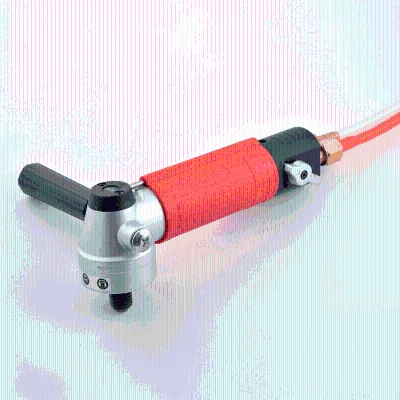
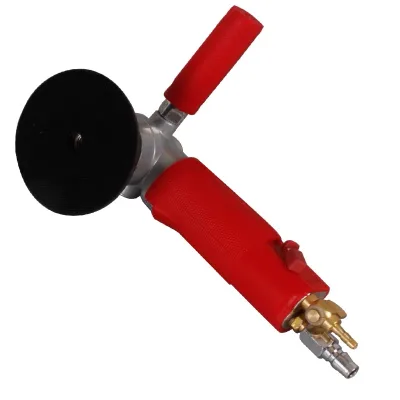
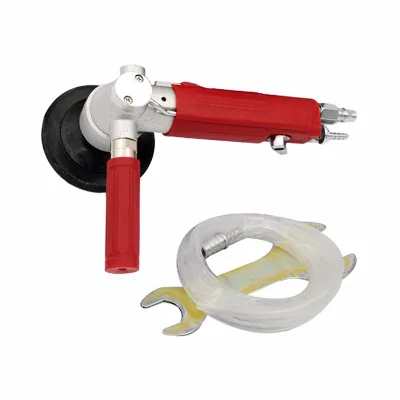
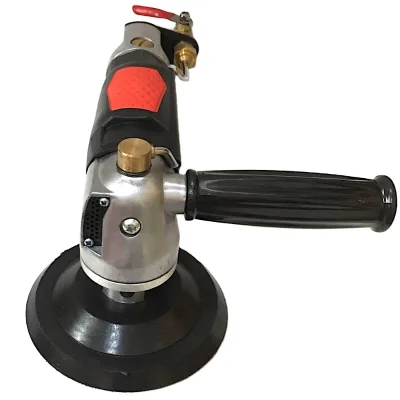
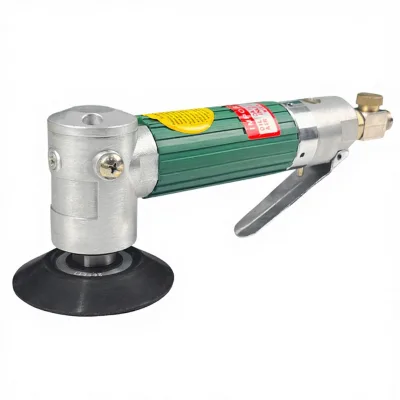
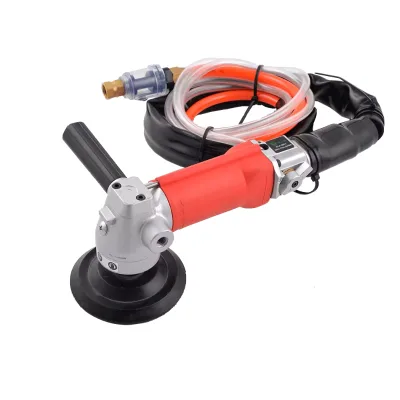
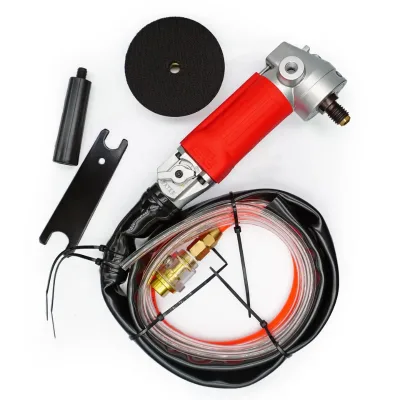
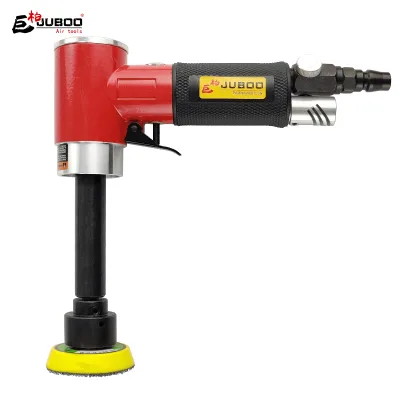
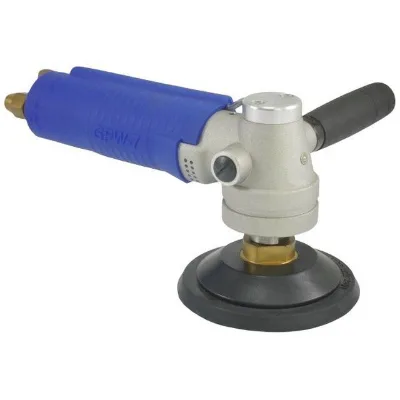
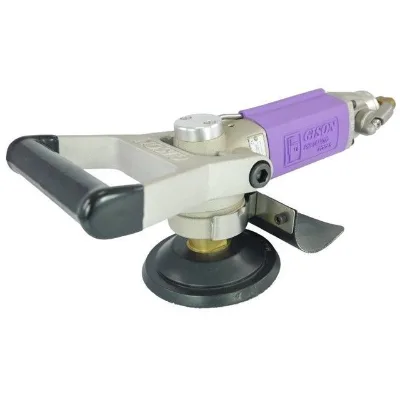
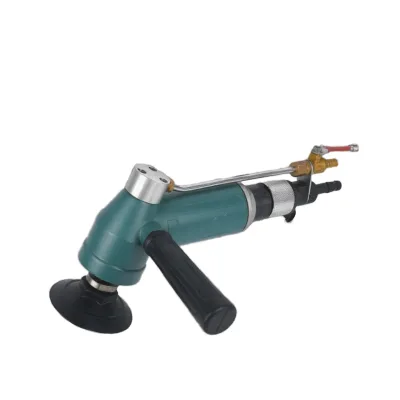
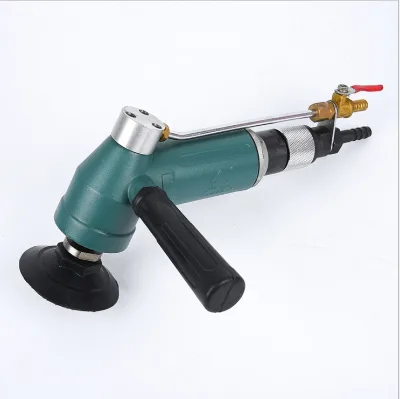
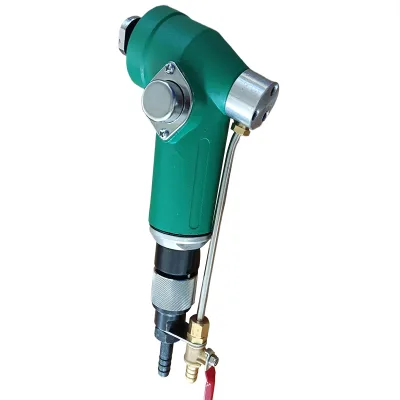
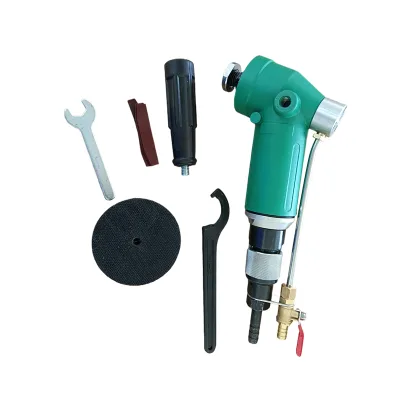
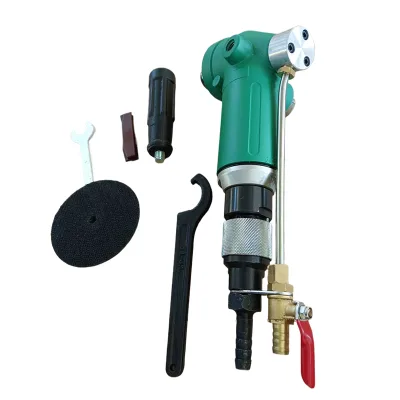
Portable Machine Pneumatic Air Wet Polishing Grinder Front Rear Side Exaust Air Polisher
$98.00 - $100.00
MOQ: 1
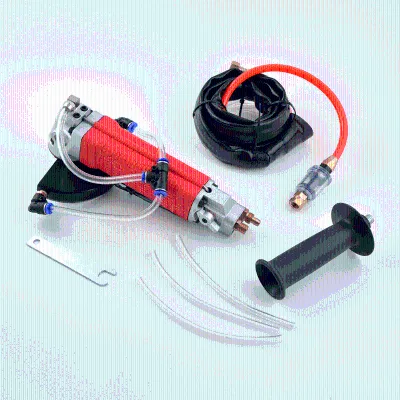
Little Ant Premium Rear Exhaust air Wet Polisher for Granite Marble Stone Machinery
$124.1545 - $142.6227
MOQ: 10 pieces
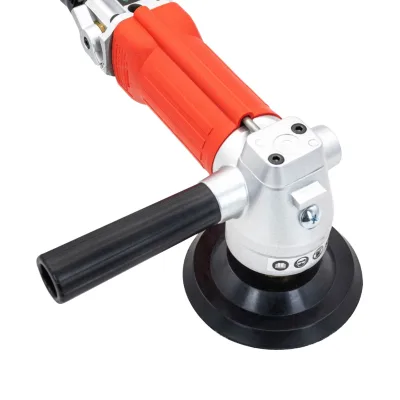
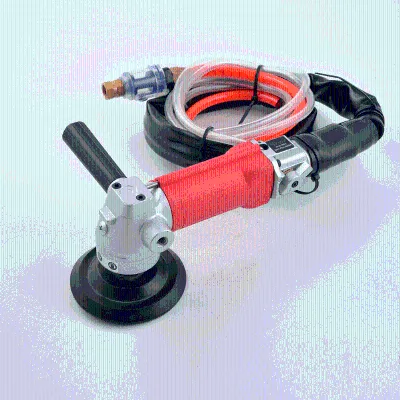
$130.1326 - $141.4034
MOQ: 2 pieces
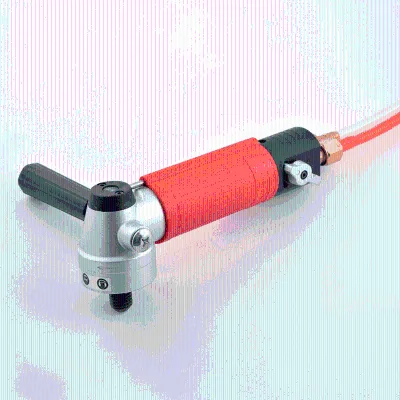

XIAMEN MURAT NEW MATERIALS CO., LTD.
- Verified by TUVRHEINLAND
- Trading Company,Manufacturer/Factory
- China Fujian
- Lead time15 days
- Avg. response≤ 13h
Main productsDiamond Polishing Pads, Diamond Saw Blade, Concrete Polishing Tool, Grinding Cup Wheel, Diamond Segment, Floor Polishing Pads, Stone Tool, Abrasive Brush, Grinding Tool, Polishing Pad
Main marketsSouth America,Eastern Europe,Mid East,North America,Southeast Asia,Eastern Asia,Oceania,Western Europe,Africa

Fuzhou Golden Moral Imp & Exp Co., Ltd.
- Verified by CTI
- Trading Company
- China Fujian
- Lead time23 days
- Avg. response≤ 5h
Main productsMiner Lamp, Water Well Drill, Construction Machinery, Safety Protection Product, Mining Machine, Air Compressor, Drilling Tools, Detector Instrument, Steel Rails, Chemical Products
Main marketsSouth America,Southeast Asia/ Mideast,North America

Qingdao Tarboya Tools Co., Ltd.
- Trading Company
- Shandong, China
- Lead time10 days
- Avg. response≤ 8h
Main productsPneumatic Tools,Air Tools,Air Beveler,Air Impact Wrench,Die Grinders
Main marketsNorth America(57.00%), Western Europe(37.00%), South America(2.00%), Eastern Europe(2.00%), Southeast Asia(1.00%), Oceania(1.00%)
Ningbo Xiangrui Air Tools Co., Ltd.
- Manufacturer
- Zhejiang, China
- Lead time35 days
- Avg. response≤ 9h
Main productsAIR SANDER,AIR SAW,AIR GRINDER,AIR BLOW GUN,AIR BELT SANDER
Main marketsNorth America(80.00%), Western Europe(15.00%), Eastern Asia(5.00%)
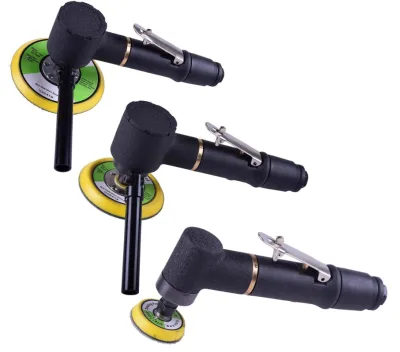
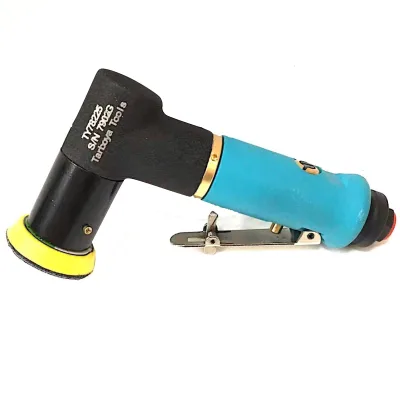
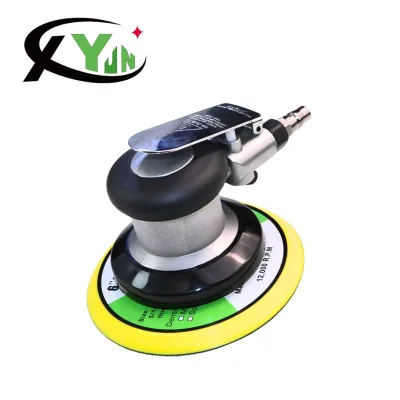
Air Polisher / Sander (Pneumatic) 2" 3" 4""
$30.00 - $50.00
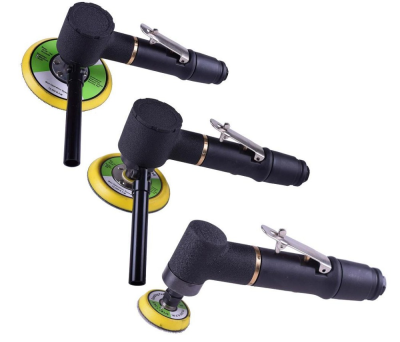
$27.00 - $40.00
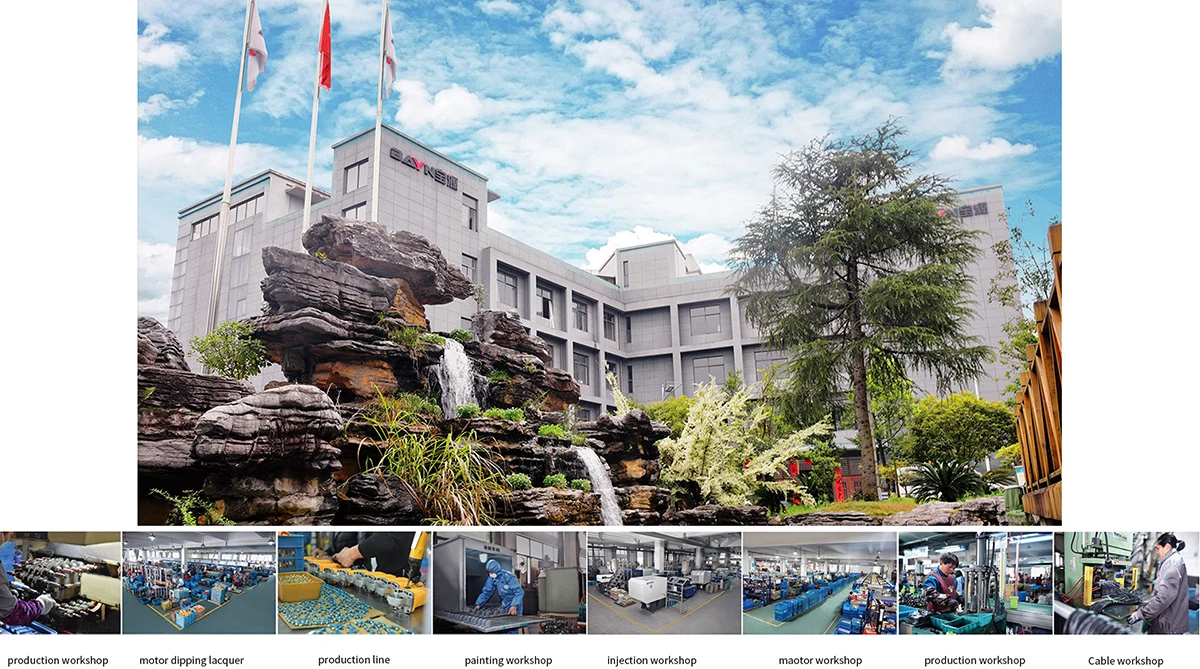
- Trading Company
- Zhejiang, China
- Lead time30 days
- Avg. response≤ 4h
Main productsPower Tools, Pneumatic Tools, Hand Tools, Car Care Tools, Garden Tools
Main marketsNorth America(30.00%), Western Europe(30.00%), South America(10.00%), Southern Europe(9.00%), Northern Europe(8.00%), Eastern Europe(7.00%), South Asia(1.00%), Oceania(1.00%), Eastern Asia(1.00%), Africa(1.00%), Mid East(1.00%), Southeast Asia(1.00%)
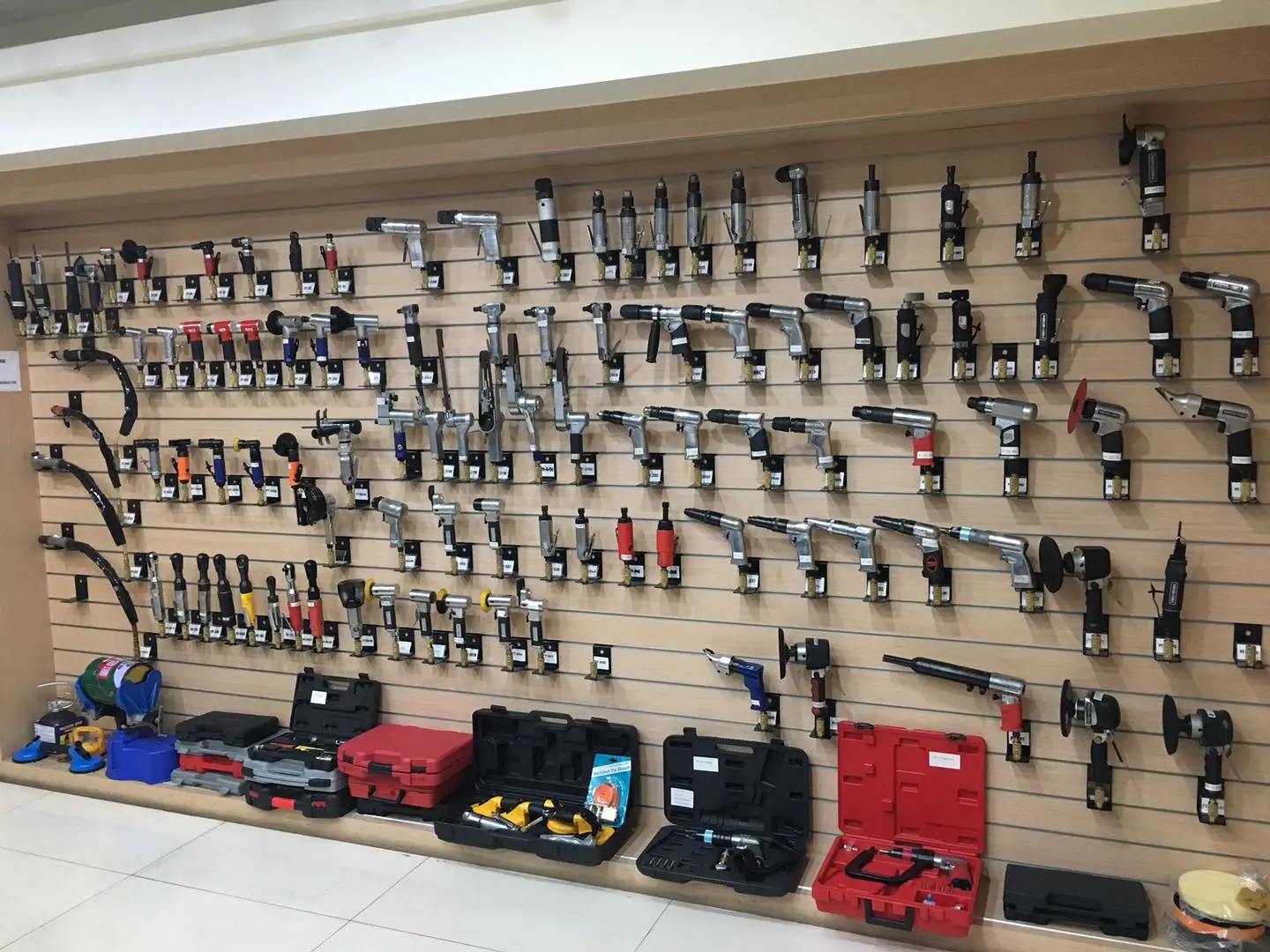
Dongguan Karlux Precision Machinery Science And Technology Co., Ltd.
- Manufacturer, Trading Company
- Guangdong, China
- Lead time7 days
- Avg. response≤ 3h
Main productsair spray guns,air sanders,abrasives,air wrench,air screwdrivers
Main marketsEastern Europe(20.00%), Southeast Asia(10.00%), North America(10.00%), Western Europe(10.00%), Domestic Market(5.00%), South Asia(5.00%), Southern Europe(5.00%), Northern Europe(5.00%), Central America(5.00%), South America(5.00%), Eastern Asia(5.00%), Mid East(5.00%), Oceania(5.00%), Africa(5.00%)

- Verified by SGS
- Trading Company
- China Shanghai
- Lead time15 days
- Avg. response≤ 1h
Main productsPower-Tool, Flexible Shaft, Extension Spindle, Grinder, Sander, Grinding Machine, Abrasive, Polishing Pad, Carbide Burrs, Power Tool
Main marketsSoutheast Asia/ Mideast

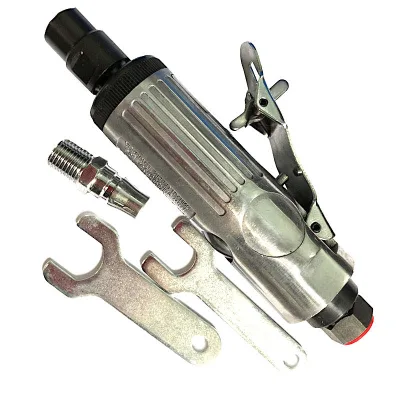
Air Grinding Machine Pneumatic Angle Grinder Air Sander Polisher Air Grinding Machine
$25.50 - $28.00
MOQ: 1 Pieces


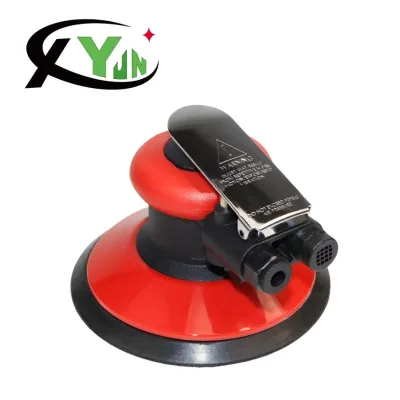
Chinese Free Speed Air Pneumatic Power Tools Air Sander Random Orbital Sander Polisher
$61.00 - $75.00
MOQ: 1 Pieces

TAIZHOU LIZHOU PNEUMATIC TOOLS CO., LTD.
- Manufacturer/Factory
- China Zhejiang
- Lead time38 days
- Avg. response≤ 16h
Main productsPneumatic/Air Tools, Air Impact Wrench, Air Die Grinder, Pneumatic Screwdriver, Li-ion Battery Wrench, Air Orbital Sander, Tire Pressure Gun, Air Ratchet Wrench...., Li-ion Battery Drill. etc. Sander, Li-ion Battery Ratchet Wrench
Main marketsSouth America,Eastern Europe,Mid East,North America,Southeast Asia,Eastern Asia,Oceania,Western Europe,Africa
- Verified by SGS Group
- Manufacturer, Trading Company
- Lead time30 days
- Avg. response≤ 10h
Main productsAir Tools, Hand Tools, Power Tools
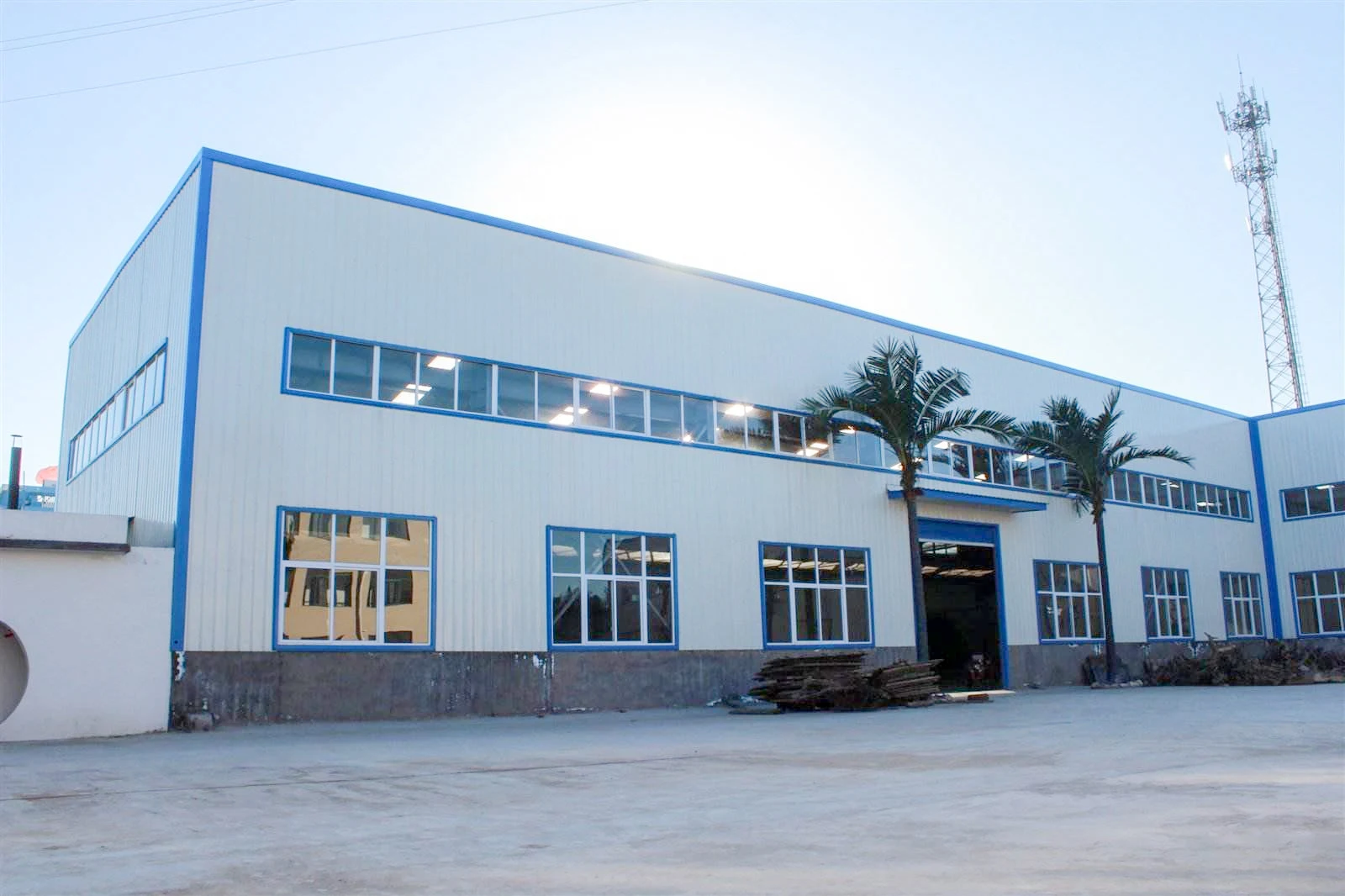
Yantai Dianysaw Mfg. Co., Ltd.
- Manufacturer, Trading Company
- Shandong, China
- Lead time30 days
- Avg. response≤ 3h
Main productsDiamond Blades,Polishing Pads,Cup Wheels,Core Bits,Router Bits
Main marketsEastern Europe(30.00%), North America(20.00%), Domestic Market(20.00%), South America(10.00%), Oceania(10.00%), Mid East(5.00%), Northern Europe(5.00%)
Changzhou Hailiang Hardware Co., Ltd.
- Trading Company
- Jiangsu, China
- Lead time0 days
- Avg. response≤ 1h
Main productsPneumatic tools,Pneumatic stirrer,Air motors,Pneumatic handheld tool,Pneumatic reducer
Main marketsDomestic Market(95.00%), Mid East(5.00%)
Foshan Asin Dental Equipment Co., Limited
- Verified by TüVRheinland
- Trading Company
- Lead time7 days
- Avg. response≤ 3h
Main productsHigh Speed & Low Speed Handpiece, Endo Motor & Apex Locator, Dental Loupes & Headlight, Air Prophy, Micromotor
Main marketsSouth America(20%), Western Europe(20%), Mid East(15%)
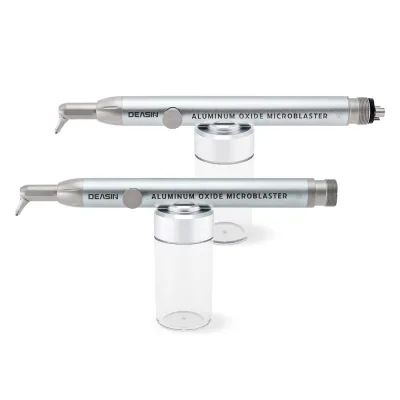
$25.8823 - $28.9895
MOQ: 1 pieces
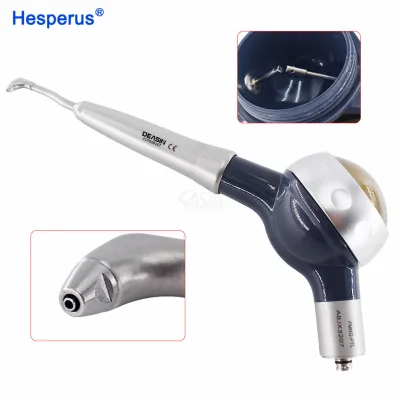
$71.434 - $81.6382
MOQ: 1 pieces
- Verified by SGS Group
- Manufacturer
- Lead time45 days
- Avg. response≤ 10h
Main productsAir Tools / pneumatic tools (air tools, pneumatic tools, air wrench, air grinder, air sander, air polisher, air wet abrasive tool, air screwdriver, air drill, air hammer, air cutter, vacuum suction cup and other accessories.)
Main marketsWestern Europe(23%), Southeast Asia(22%), North America(18%)
Ningbo Xiangyun Pneumatic Tool Co., Ltd.
- Manufacturer
- Zhejiang, China
- Lead time7 days
- Avg. response≤ 7h
Main productspneumatic tools,pneumatic sander,pneumatic polisher
Main marketsDomestic Market(25.00%), North America(25.00%), Eastern Asia(20.00%), Southeast Asia(15.00%), Western Europe(10.00%), Mid East(5.00%)
Beijing Liqsteel Products Co., Ltd.
- Verified by SGS Group
- Trading Company
- Lead time12 days
- Avg. response≤ 3h
Main productsSaw blade, Drill Bit, Grinding Wheel, Polishing Pad
Main marketsNorth America(27%), South America(18%), Oceania(11%)
Taizhou Kahe Pneumatic Machinery Co., Ltd.
- Manufacturer
- Zhejiang, China
- Lead time0 days
- Avg. response≤ 3h
Main productsPneumatic wrench,air hammer,High-pressure grease pump,Pneumatic grinding machine,Pneumatic Angle grinder
Main marketsSoutheast Asia(100.00%)

Nanan Ein Diamond Tools Co., Ltd.
- Trading Company
- Fujian, China
- Lead time25 days
- Avg. response≤ 10h
Main productsDIAMOND TOOLS,GANGSAW BLADE,DIAMOND SEGENT,STONE BRIDGE SAW MACHINE,GRINDING TOOLS
Main marketsDomestic Market(50.00%), Eastern Europe(6.00%), Mid East(6.00%), South America(5.00%), North America(5.00%), South Asia(5.00%), Southeast Asia(5.00%), Northern Europe(3.00%), Oceania(3.00%), Western Europe(3.00%), Eastern Asia(3.00%), Central America(2.00%), Africa(2.00%), Southern Europe(2.00%)




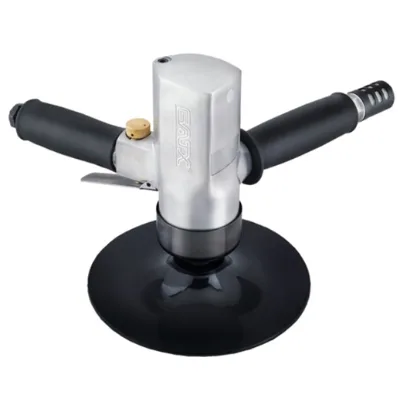
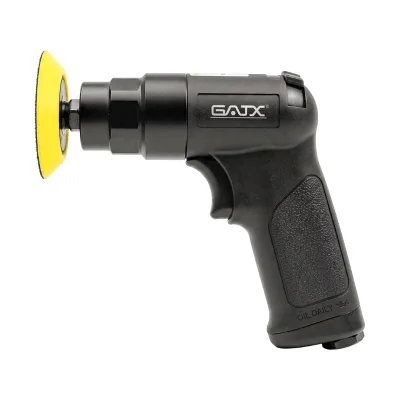
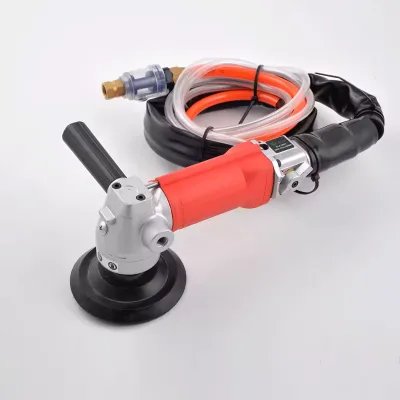
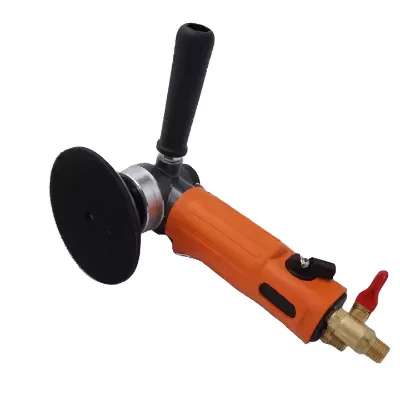
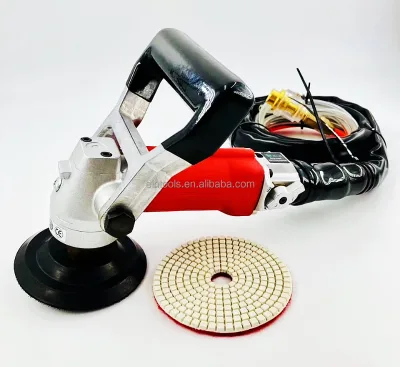
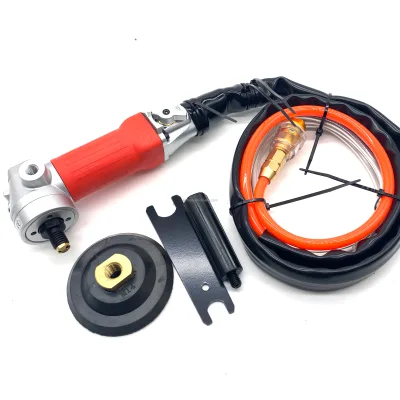
Comprehensive Sourcing Guide
Air Polisher Supplier Concentration and Factory Types
The current supplier landscape for air polishers reveals a distinct geographic concentration in China, with specific manufacturing hubs identified in Guangdong and Zhejiang provinces. These regions are critical for sourcing because they host a dense network of specialized factories capable of producing pneumatic tools at scale. When evaluating potential partners, buyers should prioritize suppliers located in these areas, as the local supply chain infrastructure supports the production of complex mechanical components like piston motors and rotary gears. The presence of manufacturers in Guangdong and Zhejiang suggests a mature ecosystem for tool production, where raw materials and assembly expertise are readily available. This concentration allows for more efficient logistics and potentially faster turnaround times for bulk orders. However, buyers must verify that the supplier’s stated location matches their actual factory operations, as some trading companies may list their office address rather than the production site. Understanding this geographic distribution helps in assessing the reliability of the supply chain and the potential for visiting facilities during due diligence.
Supplier types in this category vary between pure manufacturers and factories that also offer trading services. The data indicates that many suppliers are classified as Manufacturer/Factory or simply Manufacturer, which implies direct control over the production process. This is a significant advantage for buyers seeking customization, such as OEM or ODM services, as seen in the capabilities of some listed entities. These factories often possess the ability to produce their own brands or adapt existing models to meet specific client requirements. In contrast, trading companies might offer a broader range of products but lack direct oversight of quality control and production schedules. Buyers should look for suppliers that explicitly state their company type as a manufacturer to ensure they are dealing with the source of production. This distinction is crucial for negotiating better prices and securing more flexible terms regarding design changes and production timelines. Verifying the supplier’s operational model ensures alignment with the buyer’s needs for either standardized products or customized solutions.
How to Verify Air Polisher Suppliers
Verification is a critical step in mitigating risk when sourcing air polishers from international suppliers. Buyers should prioritize suppliers who have undergone third-party verification processes, such as SGS certification, which provides an additional layer of trust regarding the supplier’s legitimacy and operational standards. The presence of such verification badges indicates that an independent agency has inspected the supplier’s facilities and business practices. However, buyers should not rely solely on these badges; they must also review the specific scope of the verification to ensure it covers the relevant product lines. Additionally, checking the supplier’s response time can serve as an indirect indicator of their operational efficiency and customer service quality. A rapid response time, such as the 2.26 hours observed in some results, suggests a well-staffed and responsive team that can address inquiries and resolve issues promptly. This responsiveness is particularly important during the negotiation phase and when managing post-order communications.
Beyond verification badges and response times, buyers should assess the supplier’s product evidence and technical documentation. Detailed product specifications, including model numbers, pad sizes, and free speeds, demonstrate a supplier’s technical competence and attention to detail. For instance, suppliers listing specific models like Kb-329 or 3m7403 with comprehensive attributes show a higher level of professionalism. Buyers should request detailed datasheets and compare them against industry standards to ensure the products meet their performance requirements. Furthermore, examining the supplier’s main products can reveal their specialization; a supplier focusing primarily on air polishers and related pneumatic tools is likely more knowledgeable than a generalist. Buyers should also inquire about the supplier’s quality control processes and ask for evidence of past inspections or test reports. This due diligence helps in building a relationship with a supplier who is not only verified but also technically capable of delivering high-quality air polishers.
What to Compare Across Air Polisher Suppliers
When comparing suppliers, buyers should focus on key operational metrics such as lead time, minimum order quantity (MOQ), and pricing structures. Lead times vary among suppliers, with some offering a standard 15-day turnaround, which is a useful benchmark for planning inventory and delivery schedules. Buyers should clarify whether this lead time includes production only or also accounts for shipping and customs clearance. Similarly, MOQs can range significantly, from as low as one unit for sample orders to higher quantities like 12 units for bulk purchases. Understanding these thresholds helps buyers determine the supplier’s flexibility and suitability for their order volume. Pricing is another critical factor, with costs ranging from approximately $49 to $105 per unit depending on the model and specifications. Buyers should request detailed quotes that break down costs to understand the value proposition of each supplier. Comparing these metrics side-by-side allows for a more objective assessment of each potential partner.
In addition to operational metrics, buyers should evaluate the customization options and certification standards offered by suppliers. Some suppliers provide customization services, allowing for branding and design modifications, which is essential for buyers looking to establish their own brand identity. The availability of OEM and ODM services, as noted in some supplier profiles, indicates a higher level of manufacturing capability. Buyers should also check for relevant certifications such as CE, SGS, and ISO, which ensure that the products meet international safety and quality standards. These certifications are particularly important for markets with strict regulatory requirements. Furthermore, comparing the technical specifications of the air polishers, such as free speed, pad size, and working style, helps in selecting the right product for specific applications. Buyers should create a comparison matrix to track these attributes across multiple suppliers, ensuring that they select a partner who offers the best combination of price, quality, and service.
Common Air Polisher Sourcing Risks
One of the primary risks in sourcing air polishers is the discrepancy between advertised specifications and actual product performance. Buyers may encounter suppliers who exaggerate technical attributes, such as free speed or durability, leading to subpar products that fail to meet operational needs. This risk is heightened when dealing with suppliers who lack transparent technical documentation or third-party verification. To mitigate this, buyers should insist on receiving physical samples before committing to large orders. Testing these samples under real-world conditions can reveal any gaps between advertised and actual performance. Additionally, buyers should be cautious of suppliers who offer prices significantly lower than the market average, as this may indicate the use of inferior materials or compromised quality control processes. It is essential to balance cost considerations with quality assurance to avoid long-term reputational and financial damage.
Another significant risk is the lack of clear communication regarding production timelines and order status. Delays in production can disrupt supply chains and lead to missed deadlines, particularly if the supplier has poor project management practices. Buyers should establish clear communication channels and request regular updates on production progress. Suppliers with slow response times or vague answers to status inquiries may pose a higher risk of delays. Furthermore, buyers should be aware of potential issues with packaging and shipping, especially for fragile pneumatic tools. Inadequate packaging can lead to damage during transit, resulting in additional costs and customer dissatisfaction. To address this, buyers should specify packaging requirements in the contract and verify that the supplier uses appropriate protective materials. By proactively identifying and addressing these risks, buyers can build a more resilient and reliable supply chain for their Air Polisher needs.
Air Polisher Regional Sourcing and Logistics
Sourcing air polishers from China, particularly from Guangdong and Zhejiang provinces, offers logistical advantages due to the region’s advanced manufacturing infrastructure and port accessibility. These provinces are home to numerous industrial clusters dedicated to tool manufacturing, which facilitates efficient production and distribution. Buyers should consider the proximity of the supplier to major shipping ports, as this can impact transit times and shipping costs. Guangdong, for instance, has access to ports like Shenzhen and Guangzhou, which are well-connected to global trade routes. Zhejiang, with its proximity to Shanghai, also offers convenient shipping options. Understanding the logistical landscape helps buyers plan their supply chain more effectively and anticipate potential delays. Buyers should also consider the impact of seasonal factors, such as holidays and weather conditions, on shipping schedules. Planning around these factors can help ensure timely delivery of goods.
Logistics planning should also include considerations for customs clearance and import regulations in the buyer’s home country. Different regions have varying requirements for product certifications and documentation, which can affect the clearance process. Buyers should ensure that their suppliers provide all necessary documentation, including certificates of origin and compliance certificates, to facilitate smooth customs clearance. Additionally, buyers should evaluate the supplier’s experience with international shipping to ensure they can handle the complexities of cross-border logistics. Suppliers who have a track record of successful exports are more likely to navigate customs procedures efficiently. Buyers should also discuss shipping terms, such as FOB or CIF, to determine who is responsible for various aspects of the logistics process. Clear agreement on these terms helps avoid unexpected costs and responsibilities. By carefully planning the logistical aspects of sourcing, buyers can minimize disruptions and ensure a smooth supply chain.
Air Polisher Commercial Terms and Order Planning
Commercial terms play a crucial role in the success of Air Polisher sourcing projects. Buyers should negotiate clear payment terms that protect their interests, such as using escrow services or letter of credit arrangements for large orders. These financial safeguards help mitigate the risk of non-delivery or non-payment. Additionally, buyers should specify the warranty terms and after-sales support policies in the contract. A robust warranty policy ensures that any defects or issues with the air polishers are addressed promptly by the supplier. Buyers should also clarify the responsibilities for returns and replacements, including who bears the cost of return shipping. Clear commercial terms help establish a fair and transparent business relationship, reducing the potential for disputes. Buyers should review these terms carefully and seek legal advice if necessary to ensure they are fully protected.
Order planning is equally important for managing inventory and cash flow effectively. Buyers should align their order quantities with their sales forecasts and storage capacity to avoid overstocking or stockouts. Considering the lead times and MOQs of suppliers, buyers can plan their orders to optimize production schedules and minimize holding costs. For example, if a supplier has a 15-day lead time and a low MOQ, buyers can place smaller, more frequent orders to maintain a steady supply. Conversely, for suppliers with longer lead times and higher MOQs, buyers may need to plan further in advance and order in larger batches. Buyers should also consider the seasonal demand for air polishers, particularly in industries like automotive detailing and construction, to adjust their ordering strategy accordingly. By integrating commercial terms and order planning, buyers can create a resilient and efficient sourcing strategy that supports their business goals.
FAQs
What is the price range for air polishers?
Prices for air polishers typically range from $49 to $105 per unit. Specific models like the 5-inch sander start around $49, while 6-inch machines can reach $105. Buyers should check individual product listings for exact pricing based on customization and order volume.
What is the minimum order quantity for air polishers?
Minimum order quantities vary by supplier and model. Some manufacturers accept orders as low as one unit, while others require a minimum of 12 pieces. Buyers should verify the specific MOQ for their chosen model, as it directly impacts initial procurement costs and inventory planning.
How long does delivery take for air polishers?
Standard lead times for air polishers are approximately 15 days. This timeframe allows for manufacturing and quality checks before shipment. Buyers should confirm exact delivery schedules with suppliers, as rush orders or customizations may alter the standard production timeline significantly.
What certifications do air polishers have?
Many air polishers come with CE, SGS, and ISO certifications. These standards ensure compliance with international safety and quality requirements. Buyers should verify specific certification documents for each model to ensure they meet local regulatory standards and industry safety protocols for professional use.
Where are air polishers manufactured?
Air polishers are primarily manufactured in China, with key production hubs in Guangdong and Zhejiang provinces. These regions offer robust supply chains for pneumatic tools. Buyers can expect consistent quality and competitive pricing from these established manufacturing centers when sourcing bulk orders.
What is the response time for supplier inquiries?
Suppliers typically respond to inquiries within 2 to 2.26 hours. This rapid response ensures efficient communication regarding specifications and pricing. Buyers can expect timely updates on order status and technical details, facilitating smoother negotiations and faster decision-making during the sourcing process.