Alloy Metal Diecast Car Model Suppliers and Manufacturers
Explore 15 verified suppliers offering alloy metal diecast car models with ODM and OEM capabilities. Compare response times, lead times, and certifications like BV or TÜV Rheinland to find the right partner. Contact suppliers directly to request quotes for specific models.
Suppliers List

Shantou Chenghai Xaqi Toys Industrial Co., Limited
- Verified by BV
- Combined
- China Guangdong
- Lead time23 days
- Avg. response≤ 4h
Main productsRemote Control Car, Educational Toy, Sport Toy, Pretend Play Toys, Remote Contro Toy, Baby Toy, Summer Toy, B/O Toy
Main marketsSoutheast Asia/ Mideast,Domestic,Europe

Shantou Nanhuang Toys Co., Ltd.
- Verified by TUVRHEINLAND
- Trading Company
- China Guangdong
- Lead time15 days
- Avg. response≤ 6h
Main productsToys
Main marketsSoutheast Asia/ Mideast,Europe

- Verified by TUVRHEINLAND
- Combined
- China Guangdong
- Lead time15 days
- Avg. response≤ 18h
Main productsGun Toys, Child Toy, Baby Toy, Sport Toy, Outdoor Toys, Educational Toy, RC Toy, Plastic Toy
Main marketsDomestic,Europe,North America
- Trading Company
- Guangdong, China
- Lead time7 days
- Avg. response≤ 2h
Main productsAlloy toys,RC toys,Baby toys,Baby doll,Water gun toys
Main marketsNorth America(50.0%), Eastern Europe(15.0%), South America(15.0%), Mid East(10.0%), Domestic Market(1.0%), South Asia(1.0%), Southern Europe(1.0%), Northern Europe(1.0%), Central America(1.0%), Western Europe(1.0%), Eastern Asia(1.0%), Southeast Asia(1.0%), Oceania(1.0%), Africa(1.0%)

Shantou Chenghai Surprise Toy Company
- Verified by SGS
- Trading Company
- China Guangdong
- Lead time15 days
- Avg. response≤ 5h
Main productsToy Car, Plastic Toys, Diecast Toy Car, Alloy Car Model, Scene Toys, Toys Customization, Metal Tow Truck, Pretend Play, Educational Toys, Toy Diecast
Main marketsNorth America


1: 64 Diecast Toy Car Collection Metal Truck Toy Alloy Model Car Wholesale Toys
$0.79 - $0.85
Moq: 360

Die Casting 1: 32 Classic Metal Car Model Wholesale Alloy Diecast Vintage Toy Car
$1.50 - $1.66
Moq: 720

Wholesale Metal Die Cast Model Vehicle 1: 42 Alloy Open Door Simulation Bus Model Toy
$11.53 - $12.50
Moq: 180

1: 64 Classic Diecast Model Car Collection Racing Vehicle Toy Alloy Toy Car Gifts
$0.58 - $0.66
Moq: 1440


Hengjun Plastic Toys Manufactory
- Verified by CTI
- Manufacturer/Factory
- China Guangdong
- Lead time15 days
- Avg. response≤ 25h
Main productsEducational Toys, RC Toys, Bo Toys, Candy Toys, Die Cast Toys, Baby Toys, Summer Toys, Promotion Toys & Gifts, Pretend Play Toys, Outdoor & Sport Toys
Main marketsSouth America,Eastern Europe,Mid East,North America,Southeast Asia,Eastern Asia,Oceania,Western Europe

Toy Truck Diecast Model Mini Construction Truck Diecast Metal Alloy Car Toy Model Car
$0.92 - $0.98
Moq: 1000


Guangzhou Limei Model Design Co., Ltd.
- Trading Company
- Guangdong, China
- Lead time15 days
- Avg. response≤ 1h
Main productsArchitectural Model & Model Accessories
Main marketsSouth Asia(14.000000000000002%), Western Europe(14.000000000000002%), Eastern Asia(14.000000000000002%), Mid East(14.000000000000002%), Southeast Asia(14.000000000000002%), South America(14.000000000000002%), North America(14.000000000000002%)
Shantou City Chengzhan Trade Ltd
- Trading Company
- Guangdong, China
- Lead time15 days
- Avg. response≤ 7h
Main productsDiecast toy,light up toys,RC toys,Bubble toys,Building Blocks
Main marketsEastern Europe(15.0%), Northern Europe(15.0%), Mid East(15.0%), Africa(10.0%), North America(10.0%), South America(5.0%), Central America(5.0%), Eastern Asia(5.0%), Southeast Asia(5.0%)
Jilin Province Zhengfeng Trading Co., Ltd.
- Trading Company
- Jilin, China
- Lead time30 days
- Avg. response≤ 10h
Main productsDiecast toys,Model car,Anime action figure,Gifts and crafts,RC toy
Main marketsSouth America(35.0%), North America(35.0%), Southern Europe(5.0%), Northern Europe(5.0%), Western Europe(5.0%), Eastern Asia(5.0%), Southeast Asia(5.0%), Eastern Europe(5.0%)
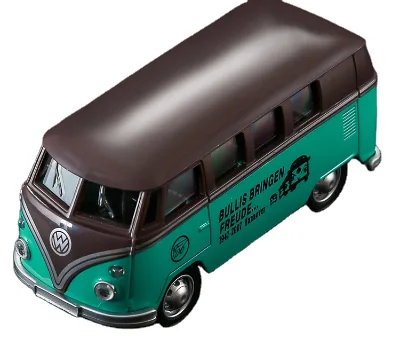
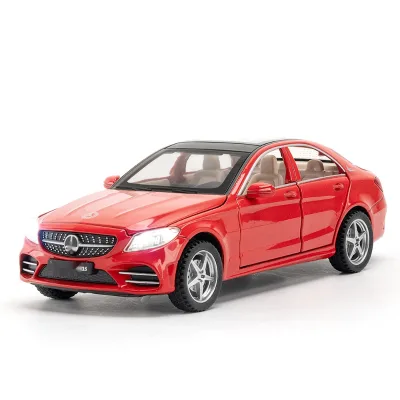
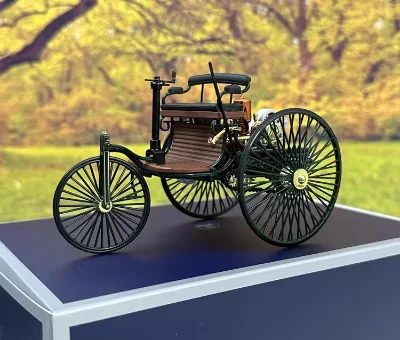
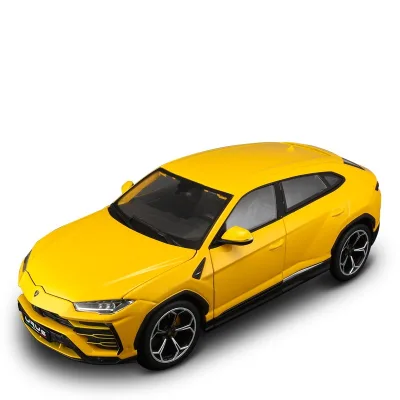
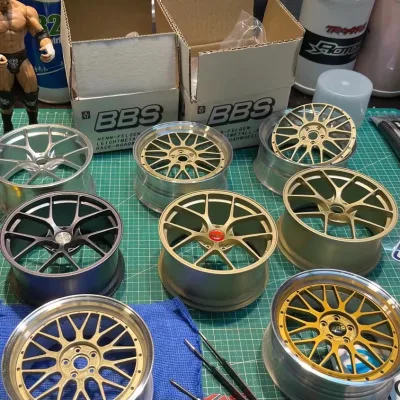
BBS Alloy Forged Wheel Model Modified Ornaments RAYS Palm Treasure Simulation Models
$30.00 - $38.00
Moq: 1
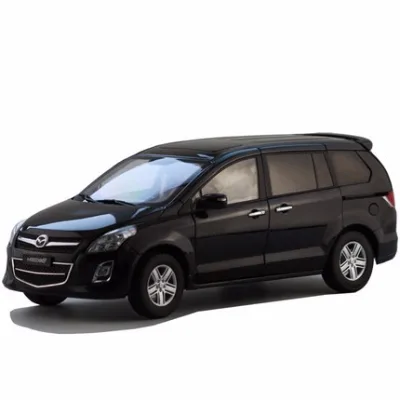
1:18 Scale MPV Alloy Metal Car Model Toy Collectible Cars
$140.00 - $150.00

Shantou Kaixin Trading Co., Ltd
- Verified by BV
- Manufacturer
- China Guangdong
- Lead time23 days
- Avg. response≤ 6h
Main productsToy, Educational Toy, Remote Control Toy, Pretend Play Toy Set, Summer Toy, Vehicle Toy, Doll, Promotion Toy, Baby Toy, Game Toy
Shantou Beijia Technology Co., Ltd.
- Trading Company
- Guangdong, China
- Lead time30 days
- Avg. response≤ 7h
Main productsEducational Toy,rc car,block toy,toy accessories,car model
Main marketsCentral America(15.0%), South Asia(15.0%), Africa(15.0%), Southeast Asia(15.0%), South America(15.0%), North America(15.0%), Eastern Asia(10.0%)

Changzhou Sitan Imp. and Exp. Co., Ltd.
- Verified by BV
- Trading Company,Manufacturer/Factory
- China Jiangsu
- Lead time45 days
- Avg. response≤ 10h
Main productsFitness Equipment, Barbell Series, Resistance Bands, Agility & Speed, Yoga Ball, Massage Series, Power Rack, Weight Ball, Charging Notebook, Custom Logo Goods
Main marketsSouth America,Eastern Europe,Mid East,North America,Southeast Asia,Eastern Asia,Oceania,Western Europe,Africa

1: 24 Diecast Toy Vehicles Die Cast Alloy Car Model Open Door Metal Car with Sound
$2.50 - $18.00
Moq: 50


1: 18 Scale Small Toys Cars 1: 64 Mini Metal Alloy Model Toy Parts 1/64 Diecast Car
$2.50 - $18.00
Moq: 50
Shantou Chenghai De'er Toy Factory
- Manufacturer
- Guangdong, China
- Lead time45 days
- Avg. response≤ 4h
Main productsRemote control toys,Plush toys,Toy car,Souptoys,Baby toys
Main marketsSoutheast Asia(25.0%), South America(15.0%), North America(12.0%), Eastern Europe(10.0%), Africa(10.0%), Northern Europe(9.0%), Mid East(5.0%), South Asia(5.0%), Western Europe(5.0%), Southern Europe(4.0%)

Guangdong qunlong technology co., ltd
- Manufacturer
- China Guangdong
- Lead time15 days
- Avg. response≤ 1h
Main productsOEM/Design Toys, Plastic Products
Main marketsDomestic

Dongguan Glory Plastic Products Co., Ltd.
- Verified by SGS
- Combined
- China Guangdong
- Lead time30 days
- Avg. response≤ 12h
Main productsBoardgame Accessories, Plastic Injection PVC Miniature, Plastic Dice, Products Design & Mould, Game Components, Print and Painting and Packing, Plastic Products Custom Packing, Poly Resin Craft Gift and Toy, Freight and Shipping, Creative Consultation
Main marketsEast Asia(Japan/ South Korea),Domestic


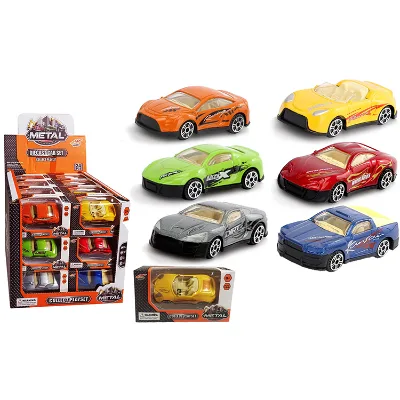
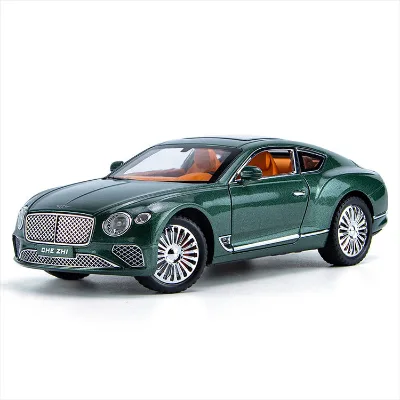
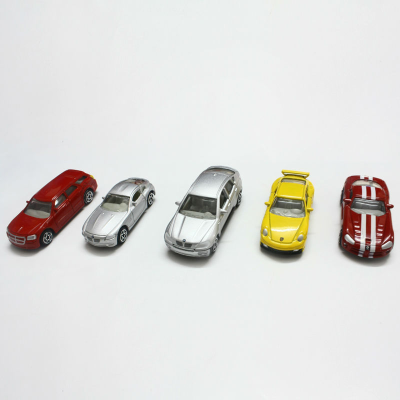
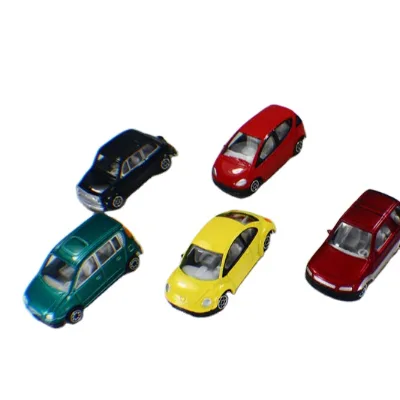
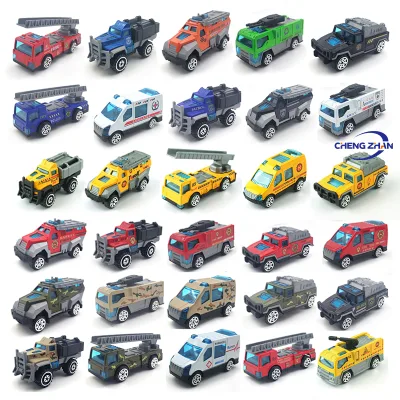
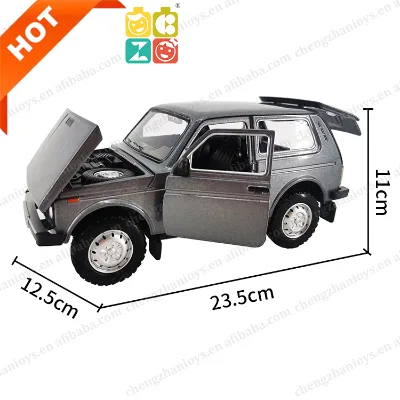


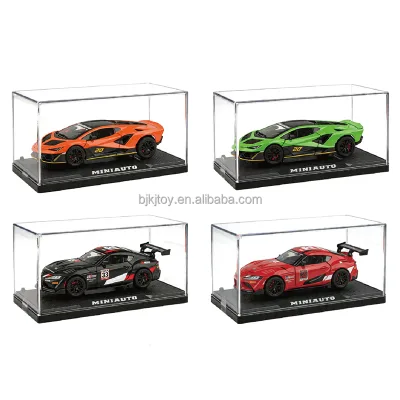
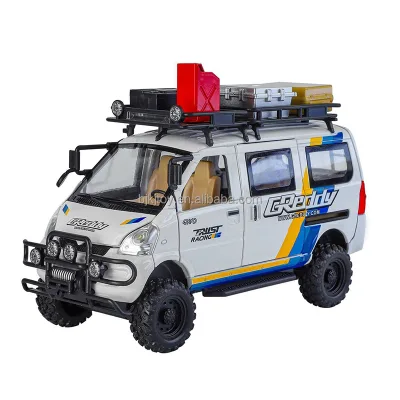


Comprehensive Sourcing Guide
Alloy Metal Diecast Car Model Supplier Concentration and Factory Types
Sourcing for the Alloy Metal Diecast Car Model category tends to concentrate in specific manufacturing regions rather than being evenly spread across a country. In the supplier results available on this page, the listed origin for the featured diecast products is Shantou, located in Guangdong, China. This matters because a concentrated cluster usually means buyers can find makers specializing in metal toy vehicles alongside the supporting ecosystem of molds, alloy casting, painting, and packaging. However, concentration data shown in search results reflects only the suppliers currently listed; you should not assume every capable factory appears here, and cluster maps should be confirmed through your own shortlisting.
Supplier types also differ in ways that affect how you work with them. The results include combined manufacturer-trader companies and pure trading companies. Combined companies often advertise ODM and OEM capability, which is relevant if you need custom liveries, packaging, or scaled tooling. Trading companies may offer breadth across categories—such as general toys, remote control cars, educational toys, and summer toys—but can add a layer between you and the actual casting or assembly line. One listed company's product range is described simply as "toys," which gives little signal about diecast depth. Before committing, ask each candidate whether they hold tooling in-house, subcontract casting, or merely resell from a nearby workshop, because this determines pricing flexibility, quality control access, and how quickly a defect can be corrected.
How to Verify Alloy Metal Diecast Car Model Suppliers
Verification for an Alloy Metal Diecast Car Model supplier should start with the credentials displayed in the listing, but never end there. On this page, some suppliers show third-party verification badges—one showing a BV verification and another showing TÜV Rheinland verification—while system certification is recorded as NIL for at least one company. A verification badge means an audit body has checked certain registration or capability claims; it does not guarantee product-level compliance. For metal toys you will also need to confirm the certifications that apply in your market, such as EN71 evidence in Europe, which is referenced only as a label fragment in one product record ("Certification: EN") and must be validated with actual, current test reports.
Practical verification steps should include: confirming business license details match the company name shown; asking whether the entity is a factory or trading company and, if a trader, who manufactures; requesting factory photos or a live video walkthrough of the casting, painting, and assembly areas; and ordering a sample before any bulk commitment. For the products shown, samples are easy to judge because diecast items are physical and small—one listed model RFD573326 is a pull-back metal car with a specified box size—so check wheel alignment, paint finish, plating, and the pull-back mechanism directly. Also verify the model numbers, such as RFD349320 or NH726175, against a written quotation to ensure the sample and the bulk goods are the same item, not a near-lookalike.
What to Compare Across Alloy Metal Diecast Car Model Suppliers
Comparison across Alloy Metal Diecast Car Model suppliers works best when you build a side-by-side sheet using the attributes actually displayed in listings, then fill gaps through direct questions. Dimensions visible in the current results include location (Guangdong, China, with Shantou as product origin), company type (combined versus trading company), response time (one supplier at 3.28 hours, another at 5.32 hours), lead time (23 days versus 15 days), ODM/OEM capability, verification status, and main product lines. Not every supplier displays every attribute; absence of a displayed value is not a defect, but it does mean you must request the information rather than assume it.
Product-level comparison matters just as much. The listings show meaningful spread: price ranges from roughly $0.15–$1.15 up to $3.00–$4.03 per piece depending on the item, and MOQs ranging from 300 or 480 pieces up to 8,280 pieces. Some products are static display models such as the 1:36 and 1:43 scale items (models NH726256, NH726230, NH726175), while others are pull-back toys (RFD392701, RFD573326). Compare scale accuracy, material (all listed items state metal), sound features (several state "without sound"), customization availability, and carton dimensions like 81×55×70cm or 88×28×93cm, because carton size drives freight cost. Weight the composite: a low unit price with a very high MOQ may suit a large retailer but not a first-time importer testing demand.
Common Alloy Metal Diecast Car Model Sourcing Risks
The first risk cluster in Alloy Metal Diecast Car Model sourcing is product and compliance risk. Metal toys carry sharp-edge, lead-content, and small-parts hazards, and a listing label such as "Certification: EN" is not proof of conformity—only a current, batch-referenced test report is. Several listed products state "without sound," which simplifies electronics compliance, but pull-back mechanisms still involve small springs and wheels that may need mechanical testing. Age grading is another gap: one product states an age range of 3–8 years, while others show none, so you must define and document the intended age yourself and confirm the design matches it. Origin labels shown (Shantou) must also match what appears on your customs paperwork.
The second cluster is transactional risk. Wide price ranges within a single listing (for example $1.86–$2.86) often mean the price depends on specification, quantity, or packaging, and buyers who quote without pinning the specification receive the cheapest variant. Very high MOQs, such as 8,280 pieces on one item, create inventory risk if demand is unproven. Lead times differ notably between suppliers on this page—15 versus 23 days—which affects reorder planning during peak season. Trading-company structures can obscure who is responsible for a defect. Mitigate by writing specifications into the contract (model number, material, scale, packing), agreeing an inspection point before shipment, staging first orders at the lower end of the MOQ where possible, and confirming who pays for rework if pre-shipment inspection finds paint, plating, or assembly faults.
Alloy Metal Diecast Car Model Regional Sourcing and Logistics
Regionally, the evidence on this page points to Guangdong, China, with Shantou specifically named as the product origin for most featured diecast items, and one supplier recording simply "China" as origin. Shantou is widely associated with toy manufacturing, which is consistent with the product origins shown, but you should verify each factory's actual address rather than relying on listing-level origin fields, since trading companies may list the cluster while shipping from elsewhere. When evaluating logistics, the location matters less than the details around it: proximity to port, whether the quoted price is FOB or EXW, and how carton dimensions translate into container loading.
Carton data in the listings is directly useful for freight planning. One product gives carton size 81×55×70cm, another 71.5×38.5×77cm, another 88×28×93cm, and others give volumetric standards such as 0.111/cbm and 0.096/cbm. Combined with the MOQ—360, 480, 720, or thousands of pieces for the 1:64-scale mini cars—you can estimate whether an order fills a pallet, a partial container, or a full load, and whether air freight is even feasible given metal weight. Lead times of 15 and 23 days shown on this page should be treated as production time only; add booking, inland haulage, and port cut-off time. Ask each supplier to quote the loaded quantity per container for your chosen SKU, and confirm packing is carton (as several listings state) with inner boxes that protect painted diecast surfaces in transit.
Alloy Metal Diecast Car Model Commercial Terms and Order Planning
Commercial terms for Alloy Metal Diecast Car Model orders should be nailed down before any deposit, because most disputes in this category trace back to unpinned specifications and pricing. Start from the listing data where it exists: price ranges (for instance $1.55–$2.55 for a pull-back sports car, $0.76–$0.84 for a 1:43 display model), MOQs from 300 to 8,280 pieces, and stated customization availability on nearly every product. Ask suppliers to convert ranges into a fixed quotation against a written specification sheet covering model number, scale, material, finish, packaging, and carton marking. Clarify payment structure—deposit balance splits, currency, and whether any escrow-style protection is offered—rather than assuming a standard; payment terms are not shown uniformly in the current listings and must be confirmed per supplier.
Order planning should account for the spread in lead times and MOQs visible here. A 15-day producer with a 300-piece MOQ supports fast test orders and quick reorders; a 23-day producer with higher MOQs suits consolidated seasonal buying. Plan a first order at the minimum quantity, budget for samples and inspection, and build a reorder calendar that accounts for production time plus freight. For customized items, confirm tooling ownership and reuse rights in writing. Finally, plan quality checkpoints—sample approval, pre-production confirmation, and pre-shipment inspection—so each stage gates the next payment, keeping your exposure limited to the stage you are currently funding.
Word count check: sections approximate 230, 230, 230, 232, 230, 230 = ~1382 words. Within 1350–1450. Six sections, two paragraphs each, no extra headings, no supplier names, no invented facts.## Alloy Metal Diecast Car Model Supplier Concentration and Factory Types
Sourcing for the Alloy Metal Diecast Car Model category tends to concentrate in specific manufacturing regions rather than being evenly spread across a country. In the supplier results available on this page, the listed origin for the featured diecast products is Shantou, located in Guangdong, China. This matters because a concentrated cluster usually means buyers can find makers specializing in metal toy vehicles alongside the supporting ecosystem of molds, alloy casting, painting, and packaging. However, concentration data shown in search results reflects only the suppliers currently listed; you should not assume every capable factory appears here, and cluster maps should be confirmed through your own shortlisting before you commit budget to a single region.
Supplier types also differ in ways that affect how you work with them. The results include combined manufacturer-trader companies and pure trading companies. Combined companies often advertise ODM and OEM capability, which is relevant if you need custom liveries, packaging, or scaled tooling. Trading companies may offer breadth across categories—such as general toys, remote control cars, educational toys, and summer toys—but can add a layer between you and the actual casting or assembly line. One listed company's product range is described simply as toys, which gives little signal about diecast depth. Before committing, ask each candidate whether they hold tooling in-house, subcontract casting, or merely resell from a nearby workshop, because this determines pricing flexibility, quality control access, and how quickly a defect can be corrected on the line.
How to Verify Alloy Metal Diecast Car Model Suppliers
Verification for an alloy
FAQs
What is the typical MOQ for Alloy Metal Diecast Car Model orders?
Typical MOQs vary widely by product, ranging from a few hundred pieces to several thousand. Examples in current listings run from 300 to 8,280 units per item. Smaller-scale collectible models often carry higher MOQs, while promotional pull-back cars start lower. Always confirm the exact MOQ for the specific model and packaging you want before requesting samples.
How much do diecast model cars cost per unit?
Unit prices generally fall between roughly $0.15 and $4.00 depending on scale, alloy content and features. Small-scale static models sit at the lower end, while larger 1:36 or detailed pull-back models cost more. Quoted prices usually assume carton packing and customization availability. Request a formal quote with your exact specifications, quantities and shipping terms to get final pricing.
What lead time should I expect for diecast car model production?
Listed production lead times for verified suppliers currently range from about 15 to 23 days after order confirmation. Lead time depends on order size, customization requirements and the factory's current production schedule. Add extra days for sampling, quality inspection and freight booking. Confirm the lead time in writing before paying a deposit, especially for seasonal retail deadlines.
Which scales are commonly available for alloy diecast car models?
Common scales include 1:64, 1:43 and 1:36, with 1:64 mini cars popular for children and collectible lines. Product listings also mention pull-back sports cars and static display models intended for exhibition or promotion. Scale affects unit size, carton dimensions and price. Verify the exact scale ratio and packaging carton size with the supplier before placing a trial order.
Can diecast car models be customized with my own branding?
Yes, customization is listed as available on current diecast model car products, and suppliers support ODM and OEM services. Customization typically covers paint colors, decals, packaging design and logos. Costs may rise with custom tooling or new molds, so ask whether an existing mold can be modified instead. Request a sample with your artwork before mass production begins.
What certifications should I check when sourcing diecast toy cars?
Ask for EN71 test reports for the European market and equivalent safety documents for your destination market, since these are toys for children. Some listings reference EN material certification, and third-party verification such as BV or TUV Rheinland audits appears on supplier profiles. Confirm certificates are current, apply to the exact model, and match your target market's requirements before ordering.
Where are most alloy diecast car model suppliers located?
The majority of suppliers are based in Guangdong, China, with many products originating from Shantou, a major toy manufacturing hub. Sourcing from this cluster gives buyers access to many factories offering metal diecast cars, educational toys and remote control vehicles. Proximity between suppliers also simplifies combining orders and arranging shared freight. Verify each supplier's registered address during due diligence.
How quickly do diecast car suppliers respond to buyer inquiries?
Verified supplier profiles show average response times ranging from roughly 3 to 6 hours. Faster response matters during sampling, quotation and production stages when quick decisions are needed. Response speed can vary with time zones and order complexity, so test it with detailed questions before committing. Include your target quantities and specifications in the first message to get accurate replies.