Remote Start Children Bumper Car Suppliers and Manufacturers
Explore 21 verified options for Remote Start Children Bumper Car suppliers and manufacturers in China. Compare dimensions, certifications, lead times, and response rates to find the right factory. Contact suppliers directly to request quotes and verify specifications; review the available evidence before requesting comparable quotations from suitable candidates.
Suppliers List

Hebei Good Mother Childrens Products Co., Ltd.
- Verified by SGS
- Manufacturer/Factory
- China Hebei
- Lead time15 days
- Avg. response≤ 13h
Main productsBike, Ride on Car, Scooter, Bicycle, Baby Walker, Mold, Children Car, Children Motorbike, Children Bike
Main marketsSouth America,Eastern Europe,Mid East,North America,Southeast Asia,Eastern Asia,Oceania,Western Europe,Africa

Dongguan Feiyue FRP Products Co., Ltd.
- Verified by CTI
- Combined
- China Guangdong
- Lead time38 days
- Avg. response≤ 9h
Main productsFiberglass Sculpture, Fiberglass Chair, Fiberglass Shell, Bumper Car, Fiberglass Planter, FRP Medical Shell, Telephone Booth, Portable Toilet, Table and Chairs, Fiberglass Auto Parts
Main marketsDomestic

Guangzhou EPARK Electronic Technology Co., Ltd.
- Verified by SGS
- Combined
- China Guangdong
- Lead time15 days
- Avg. response≤ 3h
Main products9d Vr, Racing Game Machines, Boxing Machine, Kids Game Machine, Claw Machine, Arcade Game Machine, Vr Simulator Series, Kiddie Ride, Basketball Game Machine, Amusement Game Machine
Main marketsSouth America,Africa,Southeast Asia/ Mideast


Kids Rides Outdoor Amusement Bumper Cars Electric Bumper Car for Children
$1200.00 - $2300.00
MOQ: 1 set


Children's Electric Car Paw Fire Brigade Playground Electric Bumper Car
$1000.00 - $2000.00
MOQ: 1 set


Henan Baolu Amusement Equipment Co., Ltd.
- Verified by BV
- Combined
- China Henan
- Lead time15 days
- Avg. response≤ 8h
Main productsBumper Car, Selfcontrol Plane, Flying Chair, Amusement Park Rides, Carousel, Pirate Ship, Disco Tagada, Swing Pendulum, Ferris Wheel, Shark Sliding Train
Main marketsSouth America

Guangzhou Xiao Tong Yao Amusement Equipment Co., Ltd.
- Verified by TUVRHEINLAND
- Combined
- China Guangdong
- Lead time15 days
- Avg. response≤ 3h
Main productsAmusement Equipment, Game Machine, Arcade Machine, Outdoor Amusement, Indoor Playground, Amusement Car, Kiddie Rides, Rolling Car, Happy Car, Le Bar Car
Main marketsSoutheast Asia/ Mideast,Domestic,North America

Junbai Industry and Trade Company(Hebei) Co., Ltd
- Verified by CTI
- Combined
- China Hebei
- Lead time30 days
- Avg. response≤ 6h
Main productsChildren's Toys Cars, Bicycle, Kids Bike, Scooter, Stroller, Children's Tricycle, Children's Electric Vehicles, Child Seat, Children's Car Accessories, Bicycle Accessories
Main marketsOthers(foreignTradeCapacity.exportBusinessCapacityMarketOther),Domestic
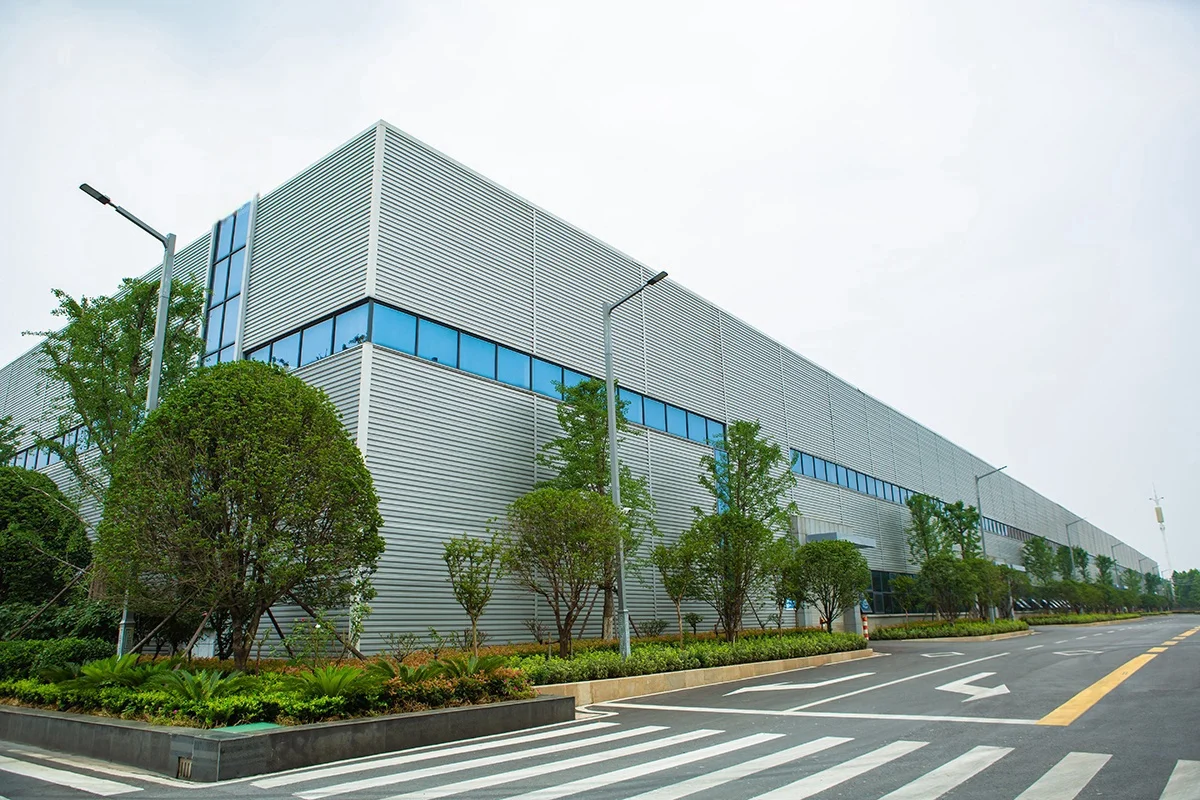
- Manufacturer
- Henan, China
- Lead time0 days
- Avg. response≤ 4h
Main productsInflatable Castles,Inflatable Slides,Inflatable Tents,Inflatable Competitive Games,Inflatable Advertising Products
Main marketsEastern Europe(20.0%), Western Europe(15.0%), North America(15.0%), South America(15.0%), Southern Europe(10.0%), Central America(10.0%), Southeast Asia(5.0%), Northern Europe(5.0%), Eastern Asia(5.0%)

Guangzhou Dinibao Animation Technology Co., Ltd.
- Verified by SGS
- Combined
- China Guangdong
- Lead time15 days
- Avg. response≤ 2h
Main productsRacing Arcade Machine, Motorcycle Arcade Machine, Shooting Arcade Machine, Arcade Ticket Machine, Arcade Prize Machine, Gashapon/Vending Machine, Kids Arcade Machine, Arcade Air Hockey Table, Carousel/Kiddie Ride/Kid Train, Basketball Arcade Machine
Main marketsSouth America,Southeast Asia/ Mideast,Europe,Australia,North America

Shenzhen Zhehua Technology Co., Ltd.
- Manufacturer/Factory
- China Guangdong
- Lead time45 days
- Avg. response≤ 13h
Main productsRide on Car, Toy Car, Children Car, Kids Motorcycle, Toy, Baby Tricycle, Toys, Kid Toy
Main marketsSouth America,Eastern Europe,Mid East,North America,Oceania,Western Europe


Hot Sale 24V Children Rechargeable Electric Car Kids Remote Control Car
$99.00 - $109.00
MOQ: 20 Pieces

Dongguan Haohaole Amusement Technology Co., Ltd.
- Manufacturer, Trading Company
- Guangdong, China
- Lead time7 days
- Avg. response≤ 1h
Main productsBumper Car,Children's luminous play car,Amusement Equipment,Outdoor parent-child battery car,Children's Ride
Main marketsDomestic Market(10.0%), South Asia(10.0%), Southern Europe(10.0%), Northern Europe(10.0%), Central America(10.0%), Western Europe(10.0%), Eastern Asia(10.0%), Mid East(10.0%), Oceania(10.0%), Africa(10.0%), Southeast Asia(10.0%), Eastern Europe(10.0%), South America(10.0%), North America(10.0%)

Guangzhou Colorful Park Animation Technology Co., Ltd
- Verified by SGS
- Combined
- China Guangdong
- Lead time15 days
- Avg. response≤ 5h
Main productsGame Machine, Video Game, Arcade Game Machines, Vending Machine, Car Racing Game Machine, 5D 7D 9d Cinema, Key Master Machine, Claw Crane Machine, Kiddle Ride, Amusement Machine
Main marketsAfrica,Southeast Asia/ Mideast,Europe,North America

Colorfulpark Bumper Car Remote Control Car Dinosaur Kids Ride on Car Kids Car
$345.00 - $380.00
MOQ: 1 Pieces


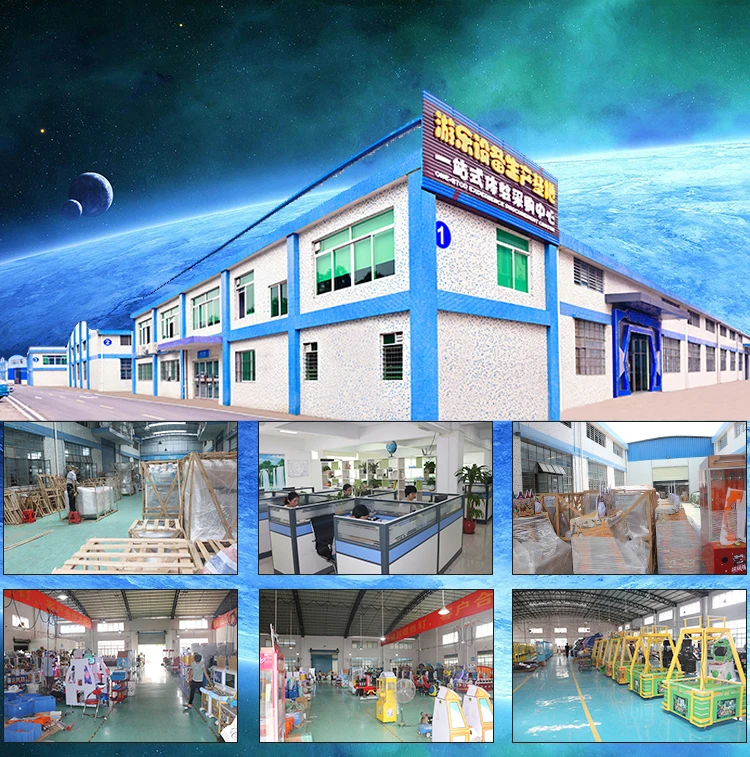
Guangzhou Cheerfun Technology Co., Ltd.
- Manufacturer
- Guangdong, China
- Lead time15 days
- Avg. response≤ 5h
Main productsVending machine,Doll machine,Fighting machine,Game machine,Bowling
Main marketsDomestic Market(60.0%), Western Europe(18.0%), North America(14.000000000000002%), Mid East(8.0%)
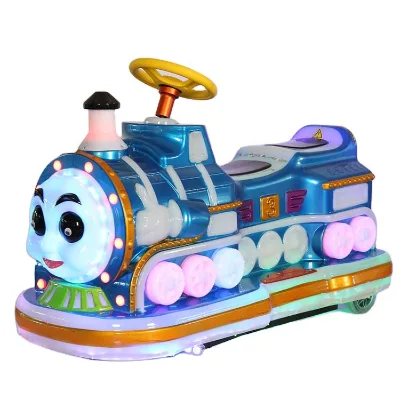
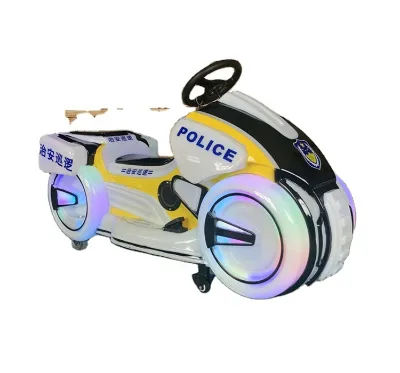
$371.19 - $682.24
MOQ: 1 Minimum
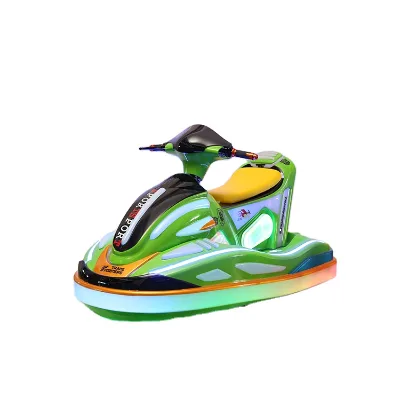

- Verified by BV
- Trading Company,Manufacturer/Factory
- China Zhejiang
- Lead time15 days
- Avg. response≤ 9h
Main productsCeramic Mug, Kitchen Storage, Water Bottle, Cookware Set, Charger Plates, Shaker Set, Storage Rack, Food Container, Kitchen Accessories, Yiwu Agent
Main marketsSouth America,Eastern Europe,Mid East,North America,Southeast Asia,Eastern Asia,Oceania,Western Europe,Africa

Guangzhou Ama Amusement Equipment Co, . Ltd
- Verified by SGS
- Combined
- China Guangdong
- Lead time30 days
- Avg. response≤ 6h
Main productsCoin Operated Game Meachine, Toy Crane Machine, Swing Machine, Kiddie Ride, Cotton Candy Machine, Kiddy Ride, Amusement Game, Prize Game, Soft Play, Arcade Game Machine
Main marketsSouth America,Africa,Southeast Asia/ Mideast,East Asia(Japan/ South Korea),Europe,Australia,North America

Ama Bumper Car Kids Ride Electric Bumper Cars Electric Battery Electric Bumper Car
$1150.00 - $1250.00
MOQ: 1 Sets

Ama Bumper Car Kids Ride Electric Bumper Cars Electric Battery 24V Electric Bumper Car for Kids
$700.00 - $880.00
MOQ: 1 piece

$700.00 - $860.00
MOQ: 1 piece

HEBEI XINGJIU VEHICLE INDUSTRY SCI-TECH CO., LTD.
- Combined
- China Hebei
- Lead time23 days
- Avg. response≤ 7h
Main productsBike, Bicycle, Mountain Bike, Children Scooter, Electric Toy Car, Children Bicycle, Kick Scooter, Balance Scooter
Main marketsSouth America,Africa,Southeast Asia/ Mideast,East Asia(Japan/ South Korea),Domestic,Europe,Australia,North America

$23.50 - $26.90
MOQ: 50 Pieces

$23.50 - $26.90
MOQ: 50 Pieces


Shantou Xinxin Technology Co., Ltd
- Verified by CTI
- Trading Company
- China Guangdong
- Lead time15 days
- Avg. response≤ 3h
Main productsToys, RC Toys, Children's Cosmetics, Drone, Remote Control Toy, Plasticene, Superlight Clay, Electrical Toys, Remote-Control-Toys, Toy
Main marketsSouth America,Southeast Asia/ Mideast,Europe,North America

New Arrival Remote Control Car Toy Kids Play Battery Operated Bumper Cars RC Toys
$10.75 - $12.91
MOQ: 80 Pieces

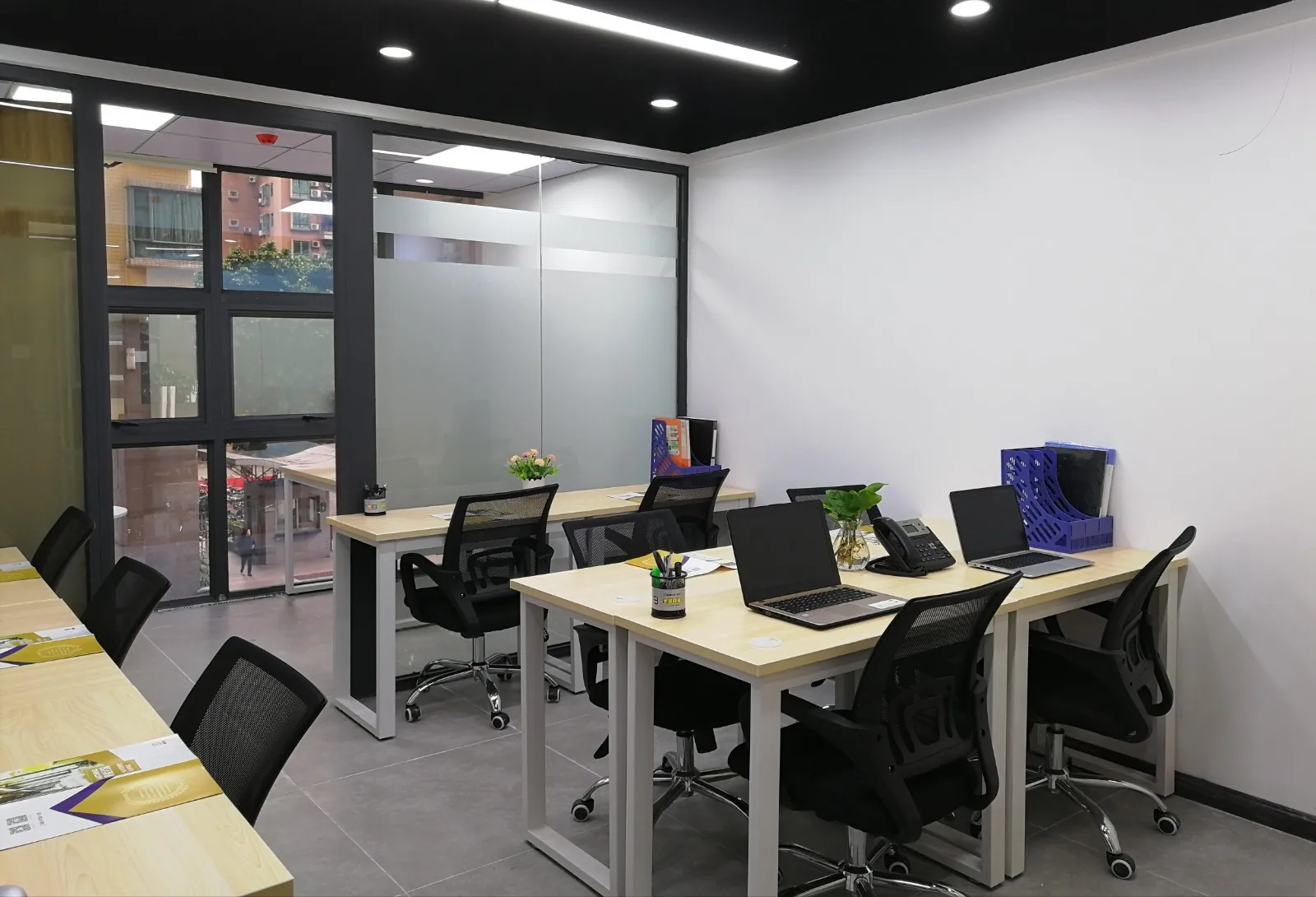
Hebei Jianran Trading Co., Ltd.
- Trading Company
- Hebei, China
- Lead time10 days
- Avg. response≤ 2h
Main productsmotorcycle tire,bicycle tire,motorcycle tube,inter tube
Main marketsNorth America(50.0%), South America(23.0%), Southeast Asia(10.0%), Southern Europe(2.0%), South Asia(2.0%), Northern Europe(2.0%), Central America(2.0%), Western Europe(2.0%), Mid East(2.0%), Africa(2.0%), Eastern Europe(2.0%), Eastern Asia(1.0%)
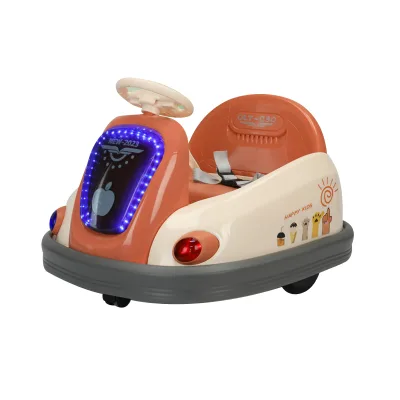
360 Degree Spinning Action 12v Electric Car Toy Kids Ride on Toy Car Drift Bumper Car
$26.43 - $33.46
MOQ: 20 pieces
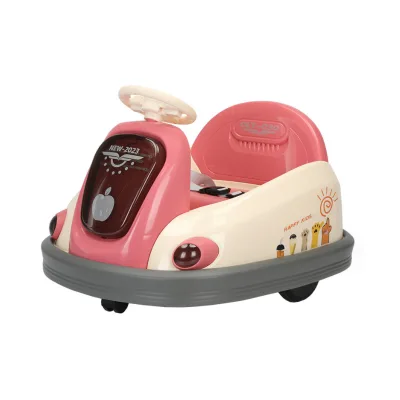

Shenzhen SJF Technology Co., Ltd.
- Verified by BV
- Manufacturer/Factory
- China Guangdong
- Lead time23 days
- Avg. response≤ 11h
Main productsElectric Scooter, Electric Bike, Electric Motorcycle, Electric Dirt Bike, Kid Scooter, Balance Bike
Main marketsSouth America,Mid East,North America

Xingtai Tianjiu Bicycle Parts Co., Ltd
- Verified by SGS
- Combined
- China Hebei
- Lead time30 days
- Avg. response≤ 4h
Main productsBicycle Parts, Bicycle, Bicycle Crank&Chainwheel, Bicycle Brake Sets, Saddle, Pedal, Bicycle Accessories, Bicycle Tire, Children Toy Vehicle, Bike Parts
Main marketsAfrica,Domestic,Europe

XINGTAI REITERSTON VEHICLE CO., LTD.
- Combined
- China Hebei
- Lead time23 days
- Avg. response≤ 3h
Main productsChildrens Scooters, Kick Scooter, Bike, Children's Electric Cars, Mountain Biking, Scooter, Children's Balancing Car, Electric Motorcycle, Electric Car Toys, Juguetes Para Vehiculos Electricos
Main marketsDomestic

Children's Favorite Electric Bumper Cars/Cool Lights/360 Swivel Wheels/Remote-Controlled Toy Cars
$28.50 - $32.50
MOQ: 100 piece

$37.20 - $43.20
MOQ: 50 piece

Hebei Wanhao New Materials Technology Co., LTD
- Verified by SGS
- Trading Company
- China Hebei
- Lead time15 days
- Avg. response≤ 4h
Main marketsDomestic


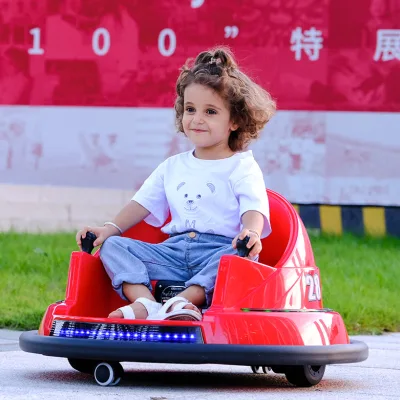
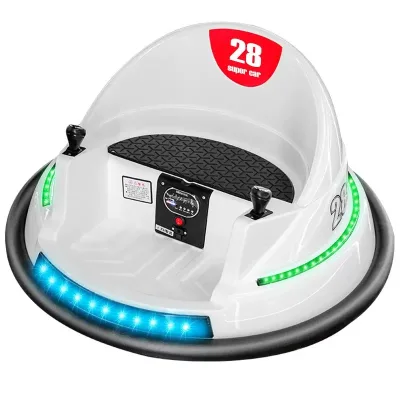
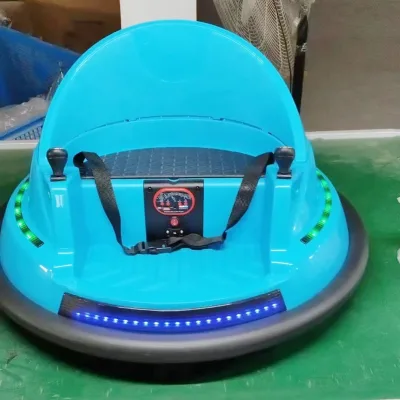


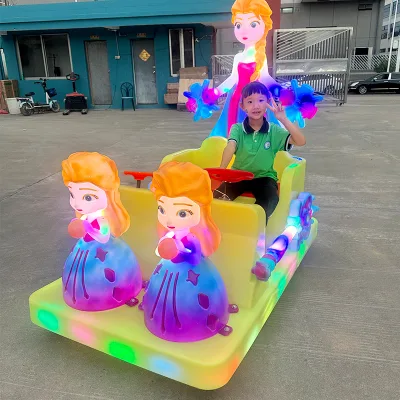
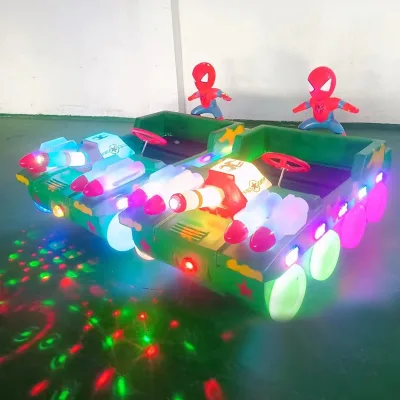
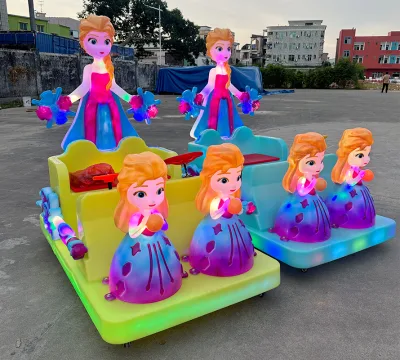


Comprehensive Sourcing Guide
Remote Start Children Bumper Car Supplier Concentration and Factory Types
The current supplier landscape for remote start children bumper cars shows a concentration of manufacturers primarily located in China, with specific clusters identified in Hebei and Guangdong provinces. Fact-based observations confirm that suppliers in Hebei often list main products including bicycles, scooters, and various children's ride-on vehicles alongside bumper cars, suggesting a manufacturing ecosystem focused on small electric mobility toys. In contrast, suppliers in Guangdong, such as those in Dongguan, frequently specialize in fiberglass sculptures, amusement park facilities, and larger outdoor equipment, indicating a regional specialization in more robust, commercial-grade ride-on units. This geographic split implies that buyers seeking smaller, plastic-based recreational cars may find different inventory profiles compared to those sourcing heavy-duty fiberglass models for amusement parks.
Company types vary significantly across these regions, ranging from pure manufacturers and factories to combined entities that may blend production with trading functions. Evidence indicates that many suppliers operate as manufacturers with their own brands, offering OEM and ODM capabilities, which allows for customization of the remote start features and vehicle aesthetics. Some suppliers are verified by third-party agencies like SGS or CTI, providing a layer of assurance regarding their operational legitimacy, while others may lack specific verification badges in the current data set. Buyers should note that the presence of a manufacturer label does not guarantee a specific production capacity or facility size, so understanding the specific company type is essential for aligning expectations with the supplier's actual ability to fulfill large or customized orders for remote start technology.
How to Verify Remote Start Children Bumper Car Suppliers
Verification of suppliers for remote start children bumper cars requires a rigorous check of third-party credentials and system certifications rather than relying solely on self-reported claims. Current data shows that some suppliers hold ISO 14001 and ISO 9001 certifications, which indicate adherence to environmental and quality management standards, while others may display no system certifications at all. Buyers must prioritize suppliers with active verification from recognized agencies such as SGS or CTI, as these external audits provide concrete evidence of the supplier's business status and operational integrity. The absence of a verification badge or certification in the provided facts should not be assumed to be a negative trait but rather a signal to request specific documentation before proceeding with any transaction.
Beyond certifications, the response time and communication speed of a supplier serve as critical indicators of their reliability and operational efficiency. Observed response times vary widely, with some suppliers demonstrating rapid engagement within a few hours, while others may take significantly longer to reply to inquiries. A fast response time often correlates with a well-stocked inventory and an active sales team capable of handling custom requests for remote start systems quickly. Buyers should also examine the supplier's main product list to ensure that bumper cars are a core competency rather than a peripheral offering, as suppliers focusing heavily on related items like scooters or arcade machines may have more specialized expertise in the specific mechanics of electric ride-on vehicles.
What to Compare Across Remote Start Children Bumper Car Suppliers
When evaluating potential partners, buyers must compare specific operational metrics such as lead times, minimum order quantities, and pricing structures to determine the best fit for their project. Lead times in the current market range from approximately 15 days to over 38 days, a variance that can significantly impact project timelines and inventory planning. Minimum order quantities also differ, with some suppliers requiring orders as low as one unit for testing purposes, while others may set thresholds of four or five units. These differences are crucial for buyers who need to balance cost efficiency with the flexibility to test new remote start models before committing to larger production runs.
Pricing and product specifications provide another vital dimension for comparison, with unit costs varying based on materials, battery capacity, and customization options. Evidence shows price ranges from roughly 30 dollars for smaller plastic models to over 1,200 dollars for larger fiberglass commercial units, reflecting the diversity in product quality and intended usage environments. Buyers should scrutinize attributes such as battery type, motor power, and age suitability to ensure the product matches their target market requirements. Additionally, the availability of customization services, including logo printing and color options, should be weighed against the base price to calculate the true cost of a tailored solution.
Common Remote Start Children Bumper Car Sourcing Risks
One significant risk in sourcing remote start children bumper cars involves the potential mismatch between advertised capabilities and actual product performance, particularly regarding the remote start functionality. While some product listings explicitly mention customization and specific battery configurations, the reliability of the remote control system itself may not be detailed in standard product attributes. Buyers must verify that the remote start feature is robust enough for the intended environment, whether it is a small indoor playground or a large outdoor amusement park, as failures in this specific technology could lead to safety hazards or operational downtime. The lack of detailed technical specifications for the remote system in some listings necessitates direct inquiry to confirm compatibility and range.
Another critical risk is the variability in shipping and packaging standards, which can affect the condition of the vehicles upon arrival. Product attributes indicate different packing methods, ranging from simple box packaging to more robust solutions involving bubble packs, well paper, and strong wood frames. For larger units, shipping methods are often listed as sea or air freight, but the specific handling requirements for fragile components like motors and batteries may not be fully detailed. Buyers should be aware that inconsistent packaging standards across different suppliers can lead to damage during transit, especially for heavier fiberglass models, and should insist on clear packaging protocols in the purchase agreement to mitigate this risk.
Remote Start Children Bumper Car Regional Sourcing and Logistics
Sourcing from China offers distinct logistical advantages and challenges depending on the specific province of the manufacturer. Suppliers in Hebei and Guangdong represent the primary hubs, each with different logistical profiles that affect shipping costs and delivery times. Guangdong, being a major coastal manufacturing hub, often provides access to efficient port infrastructure, which can streamline the export process for larger orders. In contrast, suppliers in Hebei may have different transportation networks that could influence the overall lead time and cost structure for international shipments. Buyers should consider these regional differences when planning their supply chain, as the location of the factory directly impacts the complexity and expense of moving goods to global markets.
Logistics planning must also account for the specific dimensions and weight of the bumper cars, which vary significantly between plastic and fiberglass models. Product data shows dimensions ranging from compact sizes suitable for small children to larger units measuring over two meters in length. These physical attributes dictate the shipping method, whether it requires container loading for bulk orders or specialized freight for oversized items. Buyers need to calculate the total landed cost, including freight, insurance, and customs duties, based on the specific product dimensions and weight provided by the supplier. Understanding these logistical constraints early in the sourcing process helps prevent unexpected delays and cost overruns during the final stages of order fulfillment.
Remote Start Children Bumper Car Commercial Terms and Order Planning
Commercial terms for remote start children bumper cars often include specific warranty provisions and payment structures that vary by supplier. Some product listings explicitly mention a one-year warranty, which provides a baseline level of protection for buyers against manufacturing defects. However, the scope of this warranty, including coverage for remote start components and battery life, should be clarified in the contract to ensure it meets the buyer's expectations. Additionally, suppliers may offer different payment terms, and buyers should negotiate conditions that align with their cash flow and risk management strategies, ensuring that payments are tied to clear milestones such as production completion or shipment.
Order planning requires a strategic approach to managing inventory and production schedules, especially given the variability in lead times and minimum order quantities. With lead times ranging from two weeks to over a month, buyers must factor in these durations when forecasting demand and placing orders to avoid stockouts. The ability to customize products, such as adding logos or changing colors, adds complexity to the planning process, as these customizations may extend the production timeline. Buyers should establish a clear communication channel with the supplier to track progress and address any potential delays proactively, ensuring that the final delivery aligns with their business objectives and market launch schedules.
FAQs
What is the price range for children's electric bumper cars?
Prices for children's electric bumper cars typically range from $30.70 to $1,250.00. Smaller plastic models cost around $30.70 to $33.40, while larger amusement-grade units range from $600.00 to $1,250.00. Costs vary based on battery capacity, motor power, and material quality.
What is the minimum order quantity for these vehicles?
The minimum order quantity varies by supplier and product type. Some manufacturers require a minimum of 1 unit for trial orders, while others set the MOQ at 4 or 5 units. Buyers should check specific product listings to confirm the exact minimum quantity required for purchase.
How long does production and delivery take?
Lead times for these vehicles generally range from 15 to 38 days. Faster production is available from some manufacturers, while others with larger or more complex units may require up to 38 days. Buyers should confirm specific timelines with suppliers before placing orders to ensure timely delivery.
Are these bumper cars suitable for indoor and outdoor use?
Yes, many models are designed for both indoor and outdoor use. Specifications often list usage as indoor rides or outdoor rides, with durable plastic construction. Buyers should verify the specific usage conditions and weather resistance of the chosen model to ensure it meets their operational environment requirements.
What certifications do these products typically have?
Certifications vary by manufacturer. Some products carry CE certification for safety compliance, while suppliers may hold ISO 9001 or ISO 14001 system certifications. Buyers should request specific product certificates and verify supplier credentials to ensure the vehicles meet the safety standards required in their target market.
Can these cars be customized with logos or colors?
Customization is available for many models. Suppliers offer options for logo printing, custom colors like yellow, blue, or pink, and tailored shapes. Buyers can request OEM or ODM services to brand the vehicles. Confirm customization details and any associated costs with the supplier before finalizing the order.