Friction Toy Car Carrier Suppliers and Manufacturers in China
Compare 25 Friction Toy Car Carrier suppliers by location, lead time, and MOQ. Verify certifications like CE and ROHS before contacting factories in Guangdong or Fujian for custom orders; review the available evidence before requesting comparable quotations from suitable candidates.
Suppliers List
Xiamen Hengji Hengxin Trading Co., Ltd.
- Trading Company
- Fujian, China
- Lead time20 days
- Avg. response≤ 3h
Main productsRemote Control Toys,Educational Toys,Baby Toys,Outdoor Toys,rc planes
Main marketsSouth America(70.0%), Mid East(20.0%), North America(5.0%), Africa(3.0%), Northern Europe(1.0%), Eastern Europe(1.0%)
- Verified by SGS Group
- Trading Company
- Lead time15 days
Main productsPlastic Toys, RC Cars, Sport Toys, Sand Beach Toys, Pretend Play Toys
Main marketsWestern Europe(84%), North America(5%), Eastern Europe(2%)
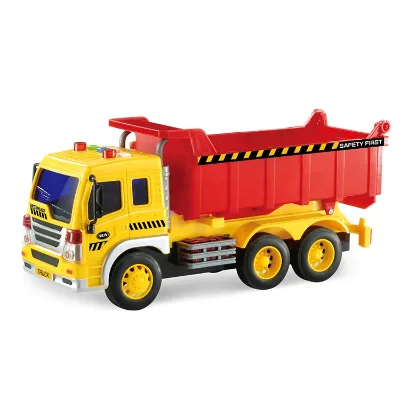
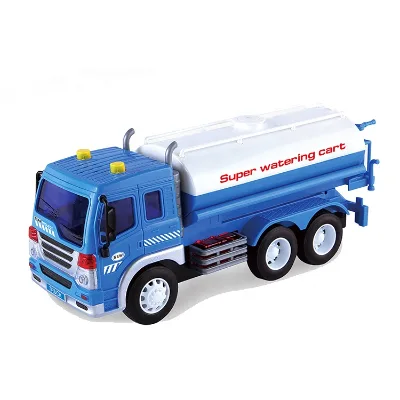
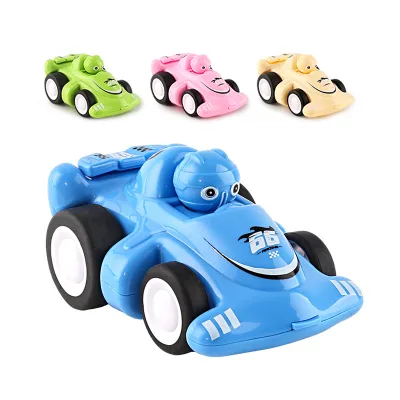
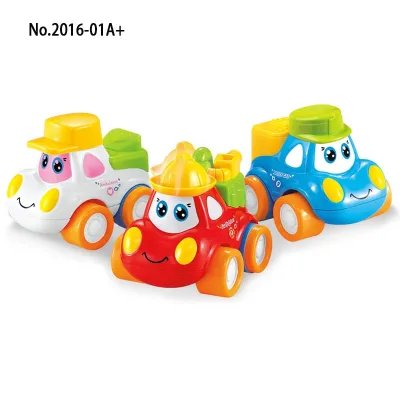
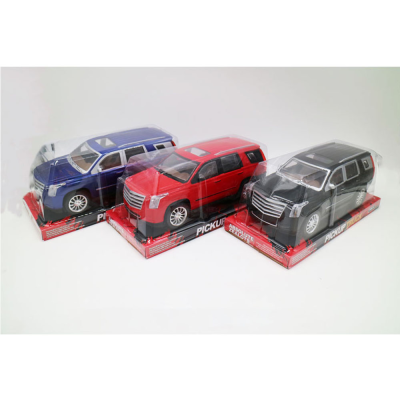
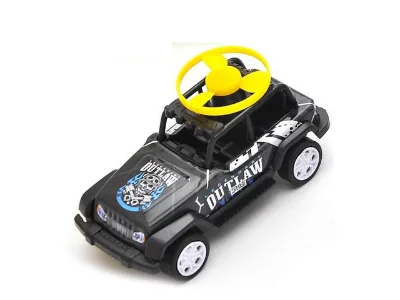
New Colorful Cute Inertial Plastic Toy Car Friction
Contact supplier
Shantou Liansheng Toys Co., Ltd.
- Verified by TüVRheinland
- Trading Company
- Lead time15 days
- Avg. response≤ 3h
Main productsMontessori Toys, Play House Toys, Baby Toys, Building Block Toys, Sport Toys
Main marketsEastern Europe(30%), Western Europe(20%), South America(10%)
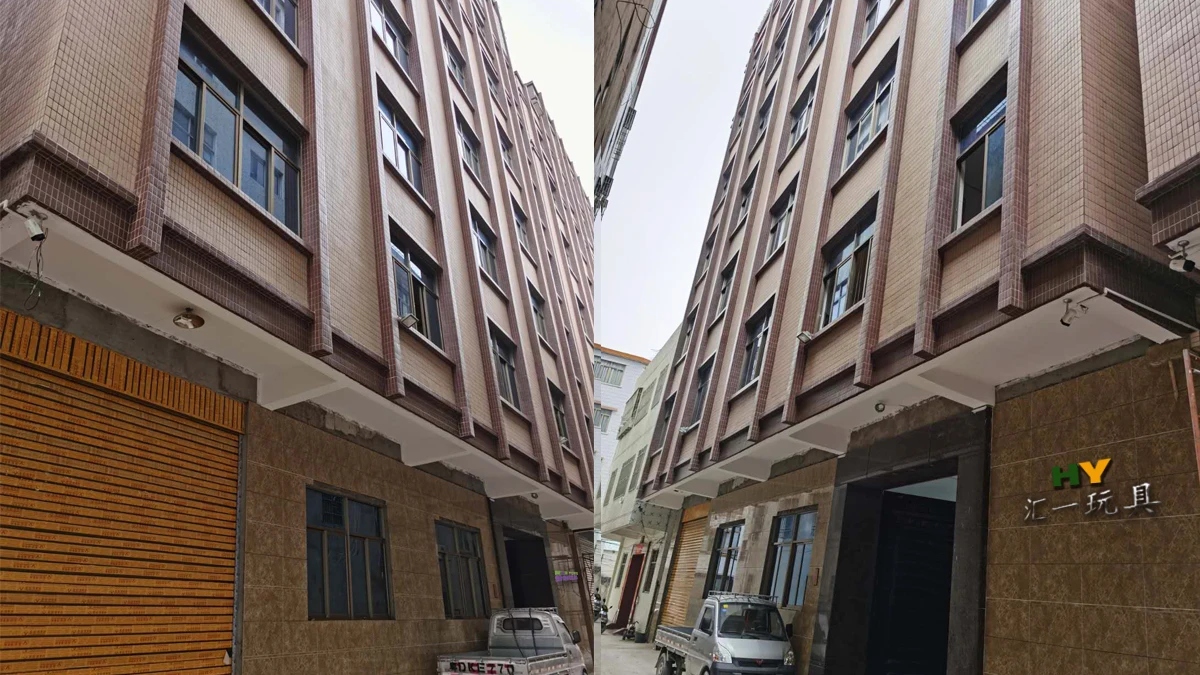
Guangzhou Hooyi Trading Co., Ltd.
- Manufacturer, Trading Company
- Guangdong, China
- Lead time30 days
- Avg. response≤ 14h
Main productsPlastic Toys,Plush Toy,Digital Toys,Gifts,Crafts
Main marketsNorth America(25.0%), Eastern Europe(25.0%), South America(20.0%), Western Europe(8.0%), Southeast Asia(8.0%), Africa(5.0%), Oceania(3.0%), Eastern Asia(2.0%), Mid East(2.0%), Northern Europe(2.0%)
- Verified by TüVRheinland
- Manufacturer, Trading Company
- Lead time20 days
- Avg. response≤ 5h
Main productsEducational Toys, Baby Toys, Remote Control Toys, Summer Toys, Outdoor Toys
Main marketsNorth America(21%), Western Europe(20%), South America(10%)
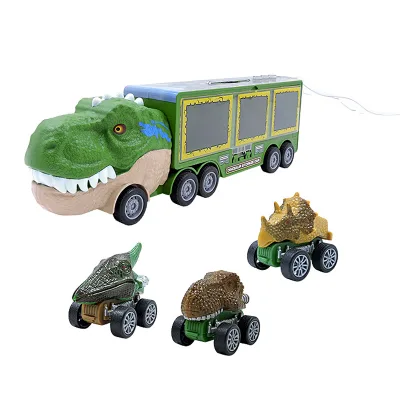
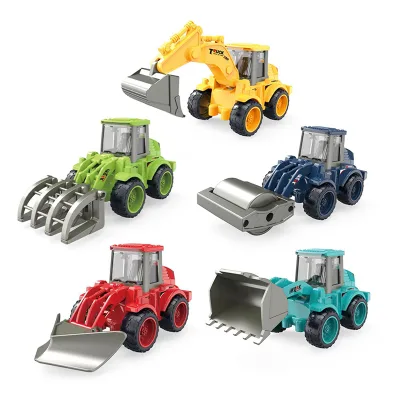
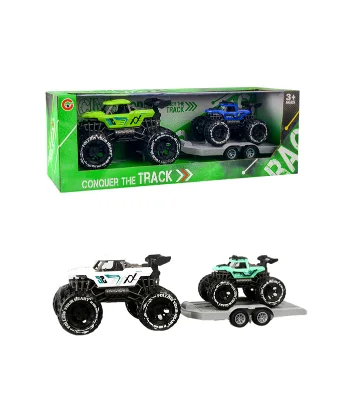
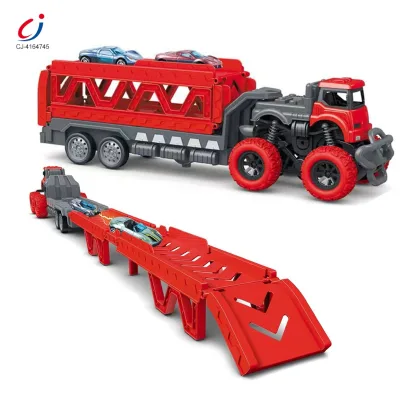
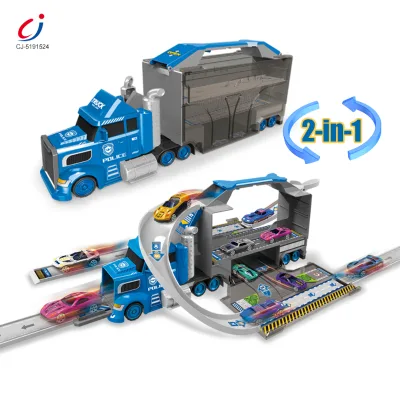
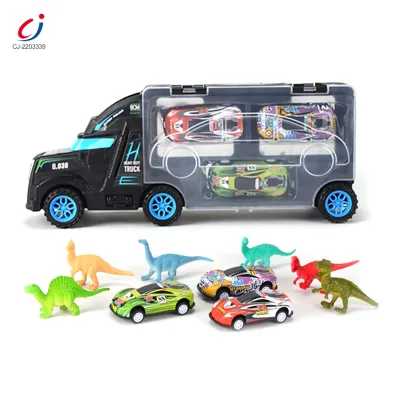
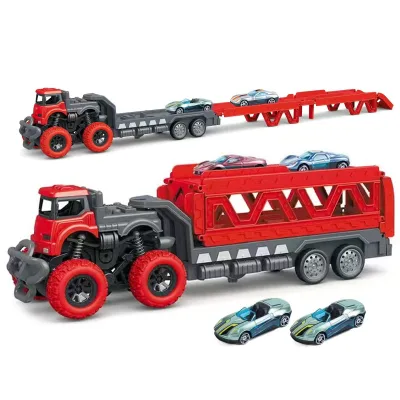
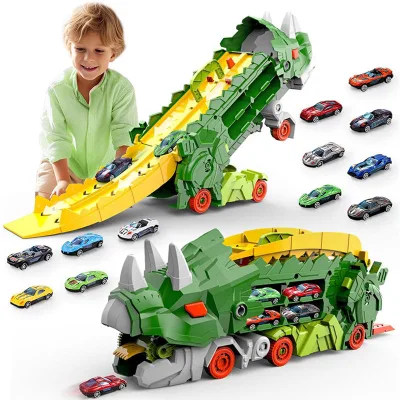
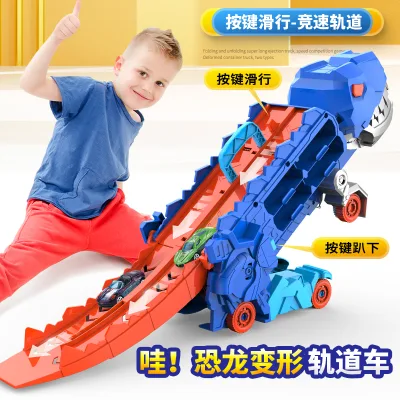
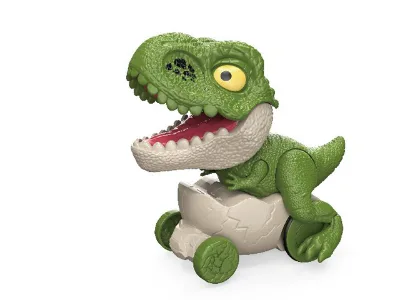
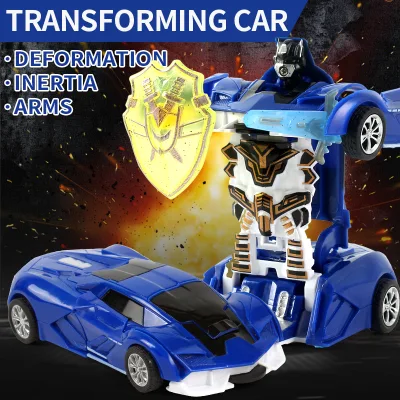
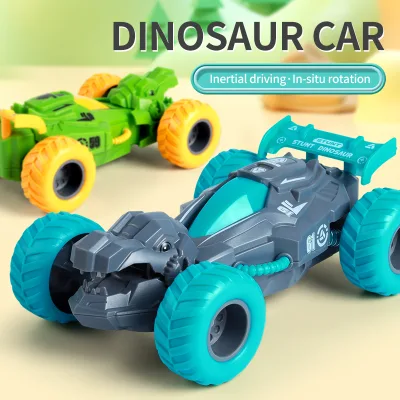
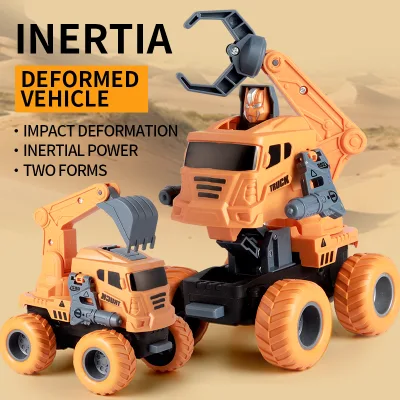
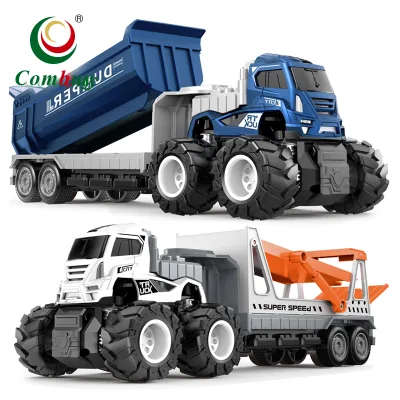
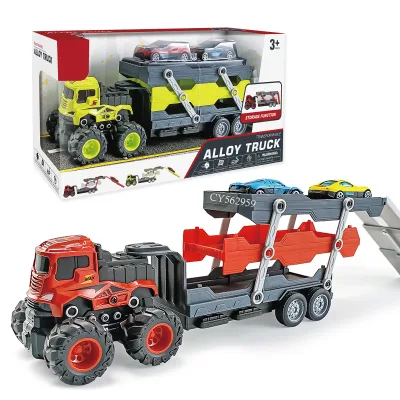
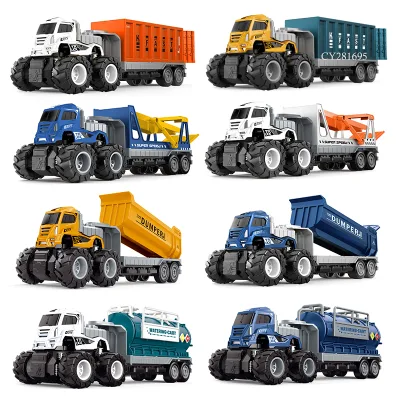
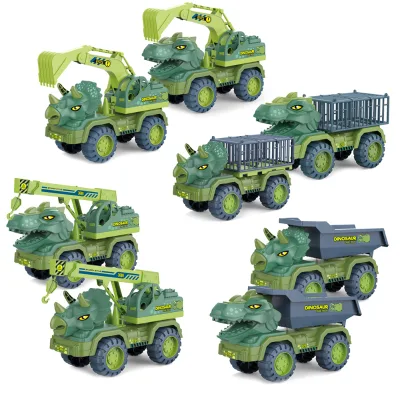
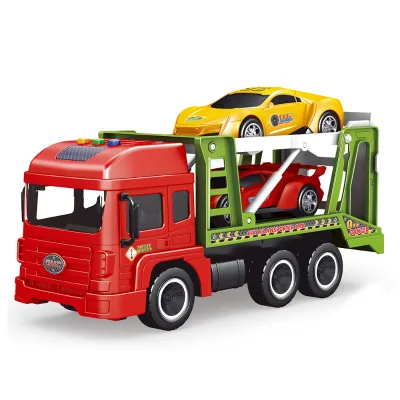
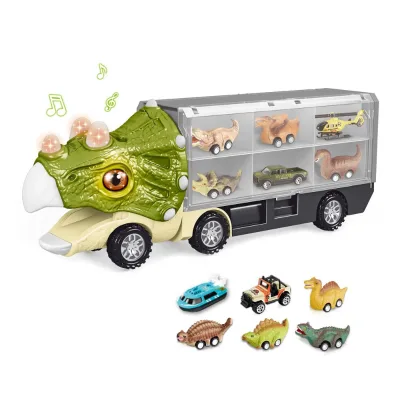
Deformation Catapult Friction Powered Truck Dinosaur Truck Transport Car Carrier Toy
$4.23 - $4.34
Moq: 200
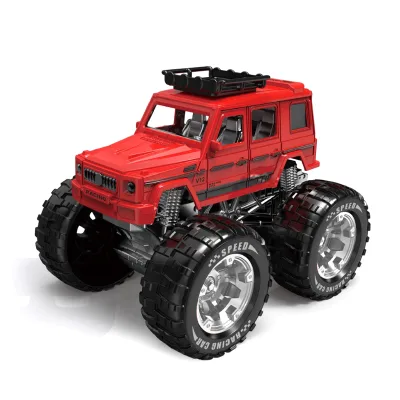
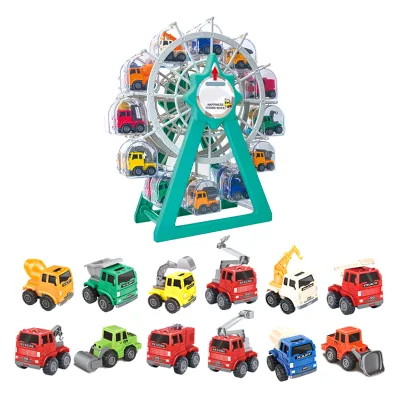
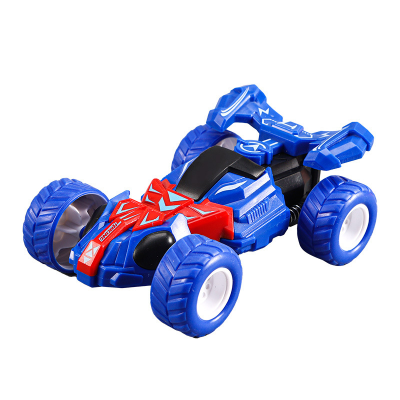
SHANTOU BHX TECHNOLOGY CO., LTD.
- Manufacturer, Trading Company
- Lead time旺季: "1 - 200":12,"> 200":"To be negotiated", 淡季: "1 - 200":12,"> 200":"To be negotiated"
Main productsGun Toy, Educational Toy, Outdoor Toy, Baby Toy, Remote Control Toy
Guangzhou Baolilong Toys Trading Co., Limited
- Trading Company
- Guangdong, China
- Lead time45 days
- Avg. response≤ 8h
Main productspromotion toys,dollar chain shop toys,OEM and ODM,candy toy,capsule toy
Main marketsNorthern Europe(35.0%), Mid East(25.0%), Eastern Europe(25.0%), South Asia(10.0%), South America(5.0%)
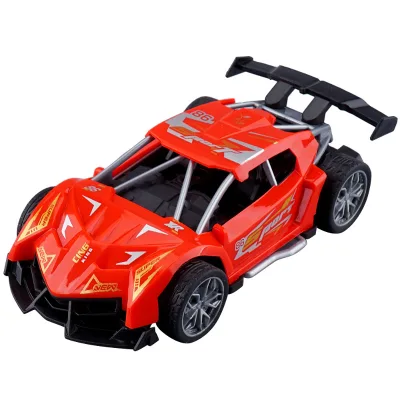
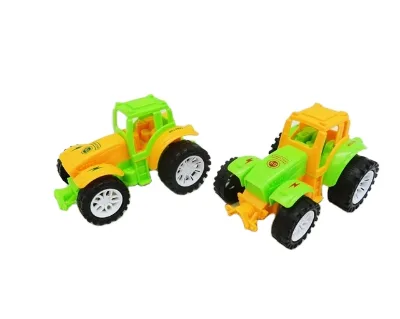
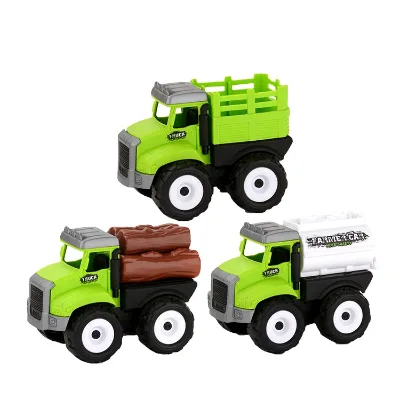
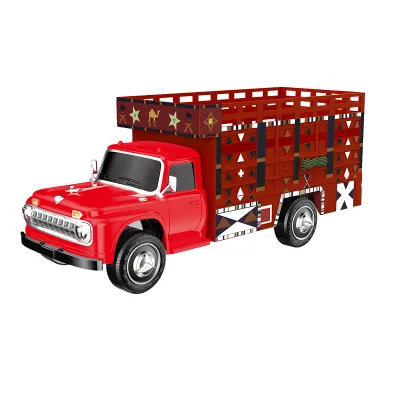
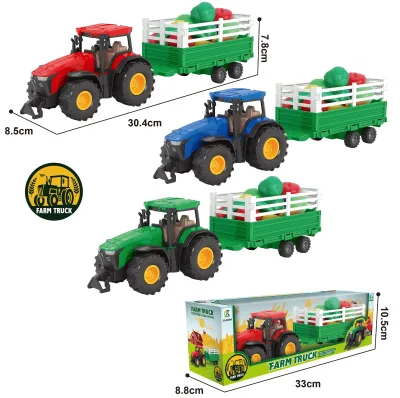
Promotional Cheap Farmer Truck Toys Friction Farmer Cars Friction Toy Vehicle
Contact supplier
Moq: 10
Guangdong Chuangfa Plastic Toys Co., Ltd.
- Manufacturer, Trading Company
- Guangdong, China
- Lead time15 days
- Avg. response≤ 19h
Main productsToys
Main marketsDomestic Market(40.0%), Eastern Asia(24.0%), North America(18.0%), South America(6.0%), Mid East(6.0%), Western Europe(3.0%), Eastern Europe(3.0%)
Shantou Dio Toys Trade Co., Ltd.
- Verified by SGS Group
- Trading Company
- Lead time7 days
- Avg. response≤ 2h
Main productsDoll Toys, Track Toys, Educational Toys, RC Toys, Pretend Play Toys
Main marketsEastern Asia(12%), North America(10%), South America(10%)
SHANTOU BHX TECHNOLOGY CO., LTD.
- Verified by SGS Group
- Manufacturer, Trading Company
- Guangdong, China
- Lead time5 days
Main productsBaby Toy, Radio Control Toy, Play Set Toy, Outdoor Toy, Educational Toy
Main marketsNorth America(15%), South America(10%), Mid East(10%)
Shantou Chenghai Dc Toys Industrial Co., Ltd.
- Manufacturer, Trading Company
- Guangdong, China
- Lead time20 days
- Avg. response≤ 2h
Main productsRC Drone,Intelligent Pets,Building Block,Summer Toy,Pretend Play Set
Main marketsEastern Europe(50.0%), Southeast Asia(20.0%), Africa(10.0%)

Shantou Kaixin Trading Co., Ltd
- Verified by BV
- Manufacturer
- China Guangdong
- Lead time23 days
- Avg. response≤ 6h
Main productsToy, Educational Toy, Remote Control Toy, Pretend Play Toy Set, Summer Toy, Vehicle Toy, Doll, Promotion Toy, Baby Toy, Game Toy
Shantou Chenghai Peiye Toys Firm
- Trading Company
- Guangdong, China
- Lead time30 days
- Avg. response≤ 3h
Main productsTOY,NOVELTY,STEAM,SPORT,GAME
Main marketsNorth America(50.0%), Southern Europe(8.0%), Eastern Europe(8.0%), Western Europe(8.0%), Southeast Asia(6.0%), Mid East(5.0%), Northern Europe(5.0%), South America(5.0%), Eastern Asia(5.0%)

Shantou Chenghai Xaqi Toys Industrial Co., Limited
- Verified by BV
- Combined
- China Guangdong
- Lead time23 days
- Avg. response≤ 4h
Main productsRemote Control Car, Educational Toy, Sport Toy, Pretend Play Toys, Remote Contro Toy, Baby Toy, Summer Toy, B/O Toy
Main marketsSoutheast Asia/ Mideast,Domestic,Europe

Shantou Nanhuang Toys Co., Ltd.
- Verified by TUVRHEINLAND
- Trading Company
- China Guangdong
- Lead time15 days
- Avg. response≤ 6h
Main productsToys
Main marketsSoutheast Asia/ Mideast,Europe
Shantou Huayuan Trading Company Limited
- Trading Company
- Guangdong, China
- Lead time5 days
- Avg. response≤ 6h
Main productsPlastic Toys,Baby Toys,Educuation Toys,Outdoor Toys,Die Cast Toys
Main marketsEastern Europe(17.0%), Oceania(13.0%), Mid East(12.0%), North America(9.0%), South Asia(8.0%), Domestic Market(6.0%), Africa(5.0%), Northern Europe(5.0%), South America(5.0%), Western Europe(4.0%), Eastern Asia(4.0%), Southern Europe(4.0%), Southeast Asia(4.0%), Central America(4.0%)
Shantou Beilisi Toys Co., Ltd.
- Verified by Intertek
- Manufacturer, Trading Company
- Lead time15 days
- Avg. response≤ 1h
Main productsWater Gun, Candy Toys, Building Block, Toy Car, Bubble Toy
Main marketsDomestic Market(20%), North America(15%), Mid East(15%)
Guangzhou Combuy Toys Co., Ltd.
- Trading Company
- Guangdong, China
- Lead time30 days
- Avg. response≤ 4h
Main productsEducational Toy,Building blocks,Baby Toy,Summer Toy,RC Toys
Main marketsMid East(20.0%), Eastern Europe(20.0%), South America(20.0%), North America(20.0%), Western Europe(10.0%), Eastern Asia(10.0%)
Shantou Cypress Toys Co., Ltd.
- Verified by TüVRheinland
- Trading Company
- Lead time25 days
- Avg. response≤ 3h
Main productsRole Play Toys, Educational Toys, Dinosaur Toys
Main marketsWestern Europe(35%), North America(20%), Southeast Asia(20%)
Shantou Believe-Fly Science And Educational Co., Ltd.
- Manufacturer, Trading Company
- Lead time旺季: "1 - 48":5,"> 48":"To be negotiated", 淡季: "1 - 48":5,"> 48":"To be negotiated"
- Avg. response≤ 5h
Main productsRC Toy,Candy toy,Promotional toy,Educational toy,Animal toy
Shantou Capable Toys Co., Ltd.
- Trading Company
- Lead time旺季: "18 - 180":7,"> 180":"To be negotiated", 淡季: "18 - 180":7,"> 180":"To be negotiated"
- Avg. response≤ 10h
Main productseducational toys,RC drone,RC Toy,Wooden toy,Plastic toy

- Verified by TUVRHEINLAND
- Trading Company,Manufacturer/Factory
- China Guangdong
- Lead time23 days
- Avg. response≤ 8h
Main productsToys, Children Toys, Track Car Toys, Candy Toys, Kid Play Tent, Small & Fun Toys, Family Toys, Boy Toys, Girl Toys, Plastic Toys
Main marketsSouth America,Eastern Europe,North America,Southeast Asia,Eastern Asia,Western Europe

Shantou S-Partner Toys Co., Ltd.
- Verified by CTI
- Trading Company
- China Guangdong
- Lead time30 days
- Avg. response≤ 7h
Main marketsSouth America,Southeast Asia/ Mideast,East Asia(Japan/ South Korea),Europe,North America

Shantou Tego Toys Company Limited
- Verified by SGS
- Trading Company
- China Guangdong
- Lead time45 days
- Avg. response≤ 15h
Main productsSummer Toy, Girl Toy, Die Cast Toy, Wholesale Toy, Childred Toy
Main marketsSoutheast Asia/ Mideast,Domestic,Australia

Shantou Shengxinda Toy Co., Ltd.
- Verified by SGS
- Trading Company,Manufacturer/Factory,Other
- China Guangdong
- Lead time23 days
- Avg. response≤ 21h
Main productsPlastic Toys, Education Toys, Outdoor Sport Toys, Pet Toys, Pretend Play Toys, RC Toys
Main marketsSouth America,Eastern Europe,North America,Western Europe
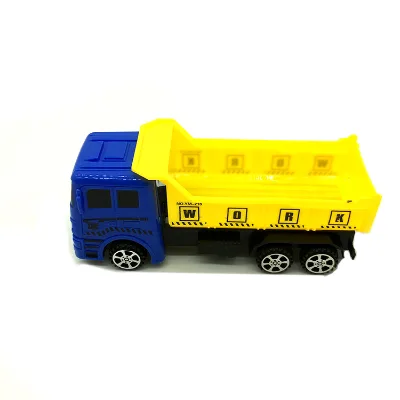
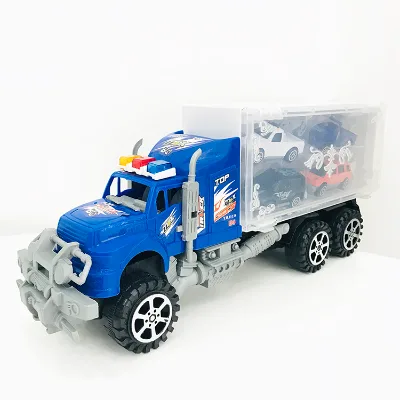
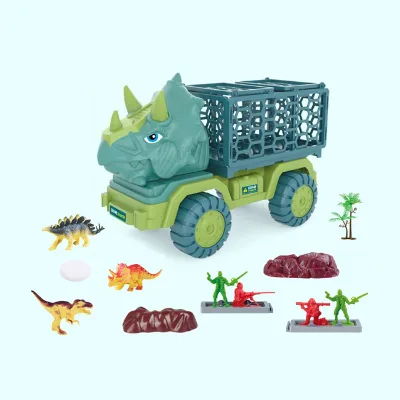
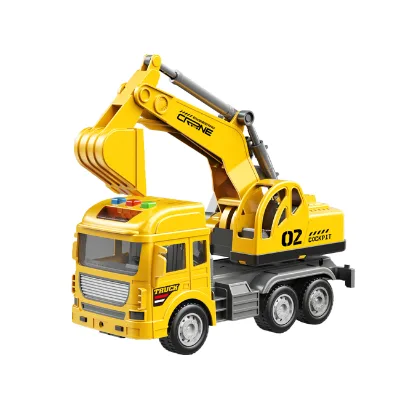
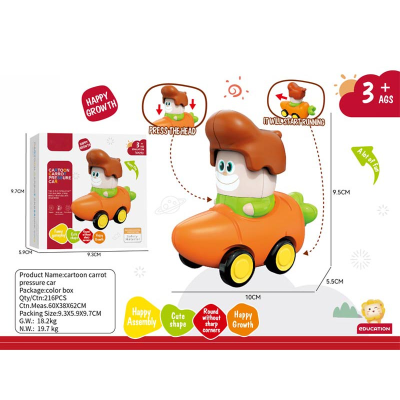
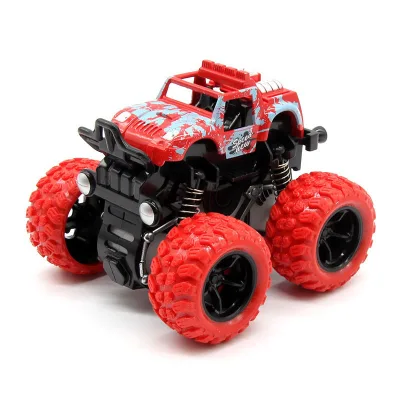
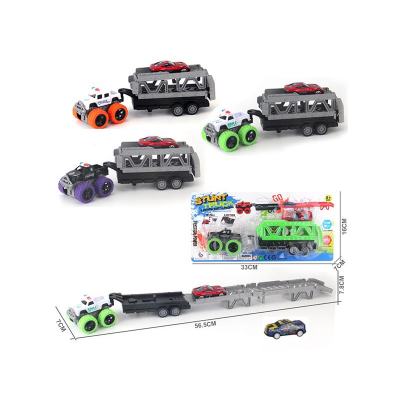
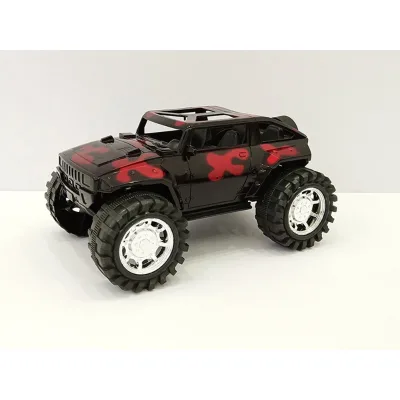




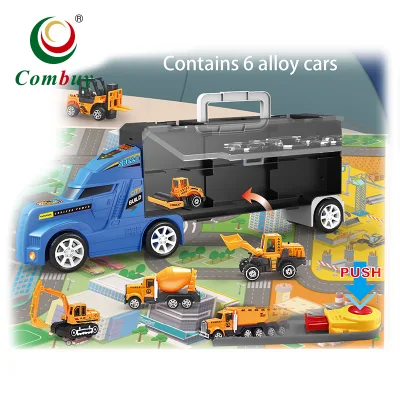
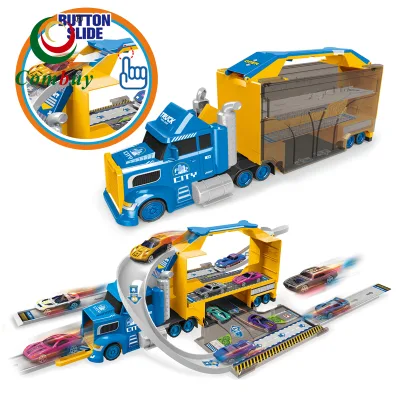
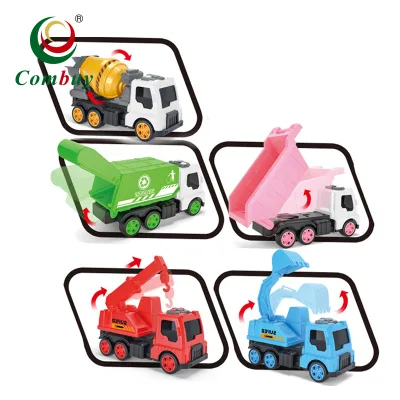
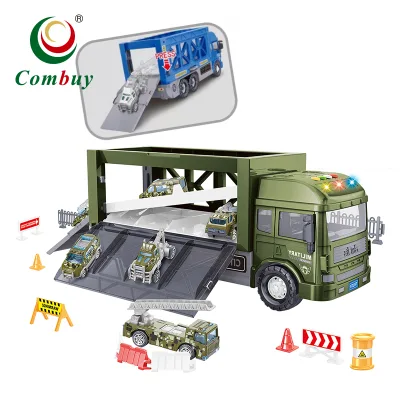


Comprehensive Sourcing Guide
Friction Toy Car Carrier Supplier Concentration and Factory Types
The current supplier landscape for friction toy car carriers reveals a distinct concentration of manufacturing activity within specific Chinese provinces, with Guangdong identified as a primary place of origin for these items. This regional clustering suggests a mature supply chain ecosystem where specialized tooling and plastic injection molding capabilities are readily available, allowing for efficient production of complex vehicle designs. Buyers evaluating suppliers should note that while the general supplier location data points to Fujian, the specific product attributes for friction cars consistently list Guangdong as the origin, indicating that many trading companies may source from or operate within this manufacturing hub. Understanding this geographic nuance is critical for accurate logistics planning and assessing the authenticity of factory-direct claims versus trading company intermediaries.
Company types in this sector vary significantly, with trading companies being a prominent entity type observed in the results. These entities often aggregate products from multiple factories, offering a broader catalog that includes remote control toys, educational toys, and outdoor toys alongside friction vehicles. In contrast, some suppliers may operate as direct manufacturers with specific capabilities in light customization, sample processing, and graphic processing. Buyers must distinguish between these models because trading companies might offer more flexible minimum order quantities and faster response times, whereas direct factories may provide better pricing for large volumes and deeper control over material specifications like ABS plastic or standard plastic compositions.
How to Verify Friction Toy Car Carrier Suppliers
Verification processes for Friction Toy Car Carrier suppliers should prioritize checking for recognized third-party certifications and group verifications to ensure product safety and manufacturing legitimacy. Evidence from current results indicates that some suppliers hold SGS Group verification, which serves as a strong indicator of operational reliability and adherence to international trade standards. Additionally, specific product listings display certifications such as CE and ROHS, which are essential for ensuring that the plastic materials and electrical components, if any, meet European safety and environmental regulations. Buyers should actively request and validate these certificates rather than relying solely on supplier assertions, as the presence of such documentation significantly reduces the risk of receiving non-compliant goods that could face customs delays or market rejection.
Beyond certifications, verifying the supplier’s response time and communication efficiency is a practical method for assessing their professionalism and reliability. Current data shows response times of approximately three hours for some suppliers, which suggests a high level of engagement and readiness to address buyer inquiries promptly. This metric is particularly important for international trade, where clear and rapid communication can prevent misunderstandings regarding product specifications, packaging details, and shipping arrangements. Buyers should test supplier responsiveness by asking detailed questions about customization options, such as OEM/ODM acceptance, and evaluate the quality and speed of the replies to gauge whether the supplier can handle complex orders effectively.
What to Compare Across Friction Toy Car Carrier Suppliers
When comparing suppliers, buyers should closely examine the minimum order quantities (MOQ) and pricing structures to determine which option aligns best with their inventory needs and budget constraints. The observed MOQs vary widely, ranging from as low as one unit or one carton to higher thresholds of 300 pieces or three cartons, depending on the specific product model and packaging configuration. For instance, some friction car toys are available with an MOQ of just one, making them suitable for small-scale testing or niche markets, while others require bulk purchases that may be better suited for large retailers. Understanding these variations allows buyers to negotiate more effectively and select suppliers that offer the flexibility required for their specific business model, whether it involves dropshipping, small batch imports, or large-scale distribution.
Lead times and supply ability are another critical dimension for comparison, as they directly impact inventory management and customer satisfaction. Current results indicate lead times of around 15 to 20 days, with some suppliers boasting a supply ability of 5000 pieces per day, which demonstrates significant production capacity. Buyers should compare these figures against their own sales forecasts to ensure that the supplier can meet demand without causing delays. Additionally, comparing the main products offered by each supplier can reveal their specialization; some focus heavily on plastic toys and RC cars, while others offer a diverse range including sand beach toys and pretend play items. This diversity can be advantageous for buyers looking to consolidate orders or expand their product lines with complementary items.
Common Friction Toy Car Carrier Sourcing Risks
One significant risk in sourcing friction toy car carriers is the potential discrepancy between the stated product specifications and the actual goods received, particularly regarding materials and battery information. Some product listings indicate "No Battery" or "No Battery" explicitly, while others mention voltage ranges or specific battery types like AG13, creating confusion about the power requirements of the toys. Buyers must carefully verify these details to ensure that the products match their marketing claims and safety standards, especially if they are targeting markets with strict regulations on toy batteries. Mislabeling or inconsistent information can lead to customer dissatisfaction, returns, or even legal issues if the toys are deemed unsafe or non-compliant with local laws.
Another risk involves the variability in packaging and single package sizes, which can affect shipping costs and storage efficiency. The observed single package sizes range from compact dimensions like 23166.5cm to larger boxes measuring 45X16.5X17 cm, with corresponding variations in gross weight and carton volumes. Buyers need to calculate the total landed cost accurately by considering these packaging differences, as inefficient packing can inflate freight expenses and reduce profit margins. Furthermore, the lack of standardized branding, with many products listing "NO" or "N/A" for brand names, may require buyers to invest in custom packaging or labeling, adding another layer of complexity and cost to the sourcing process.
Friction Toy Car Carrier Regional Sourcing and Logistics
Sourcing friction toy car carriers from Guangdong, China, offers logistical advantages due to the region’s well-established export infrastructure and proximity to major ports such as Shantou, Shenzhen, and Ningbo. These ports facilitate efficient dispatch of goods, reducing transit times and providing buyers with multiple shipping options to suit their destination markets. Buyers should leverage this geographic benefit by coordinating with suppliers who have experience in exporting to their specific regions, ensuring that documentation and customs clearance processes are handled smoothly. The concentration of suppliers in this area also allows for easier factory audits and quality control visits, as buyers can visit multiple facilities in a short period to verify production capabilities and working conditions.
However, buyers must also consider the implications of sourcing from trading companies located in different provinces, such as Fujian, which may add an extra layer of logistics complexity. While these trading companies might offer competitive prices and a wider product range, they may not have direct control over the manufacturing process, potentially leading to delays or communication gaps. To mitigate this risk, buyers should establish clear communication channels and request detailed shipping schedules from the actual factories in Guangdong. Understanding the supply chain dynamics between trading companies and manufacturers is crucial for maintaining control over the order timeline and ensuring that goods are dispatched promptly from the correct origin points.
Friction Toy Car Carrier Commercial Terms and Order Planning
Commercial terms for friction toy car carriers often include provisions for OEM/ODM services, allowing buyers to customize products with their own branding and packaging. This flexibility is particularly valuable for businesses looking to build a unique brand identity in the competitive toy market. Buyers should inquire about the specific requirements for customization, such as minimum quantities for custom molds or printing, and assess whether the supplier’s capabilities in graphic processing and sample processing meet their design needs. Additionally, understanding the warranty terms, such as the one-year warranty offered on some products, provides an added layer of protection against manufacturing defects, ensuring that buyers can address any quality issues that arise after delivery.
Order planning should also account for the various age ranges and product styles available, as this affects target market segmentation and marketing strategies. Products are designed for age groups ranging from 0 to 24 months to 14 years and up, with styles including friction toys and inertial cars. Buyers should align their orders with their target demographic, ensuring that the selected products meet the safety and engagement standards for the intended age group. By carefully planning orders based on these specifications, buyers can optimize their inventory mix, reduce the risk of unsold stock, and maximize sales potential across different customer segments.
FAQs
What is the typical lead time for friction toy car orders?
Manufacturers generally require 15 to 20 days to complete production runs. This timeframe allows for quality checks and packaging preparation. Buyers should confirm specific schedules with suppliers before finalizing payment to ensure timely delivery for seasonal demands.
Do friction toy cars require batteries to operate?
Most friction toy cars operate without batteries, relying on mechanical inertia or pull-back mechanisms. Some models may include small batteries for lights or sounds, but the primary movement is battery-free. Always check product specifications to confirm power requirements.
What is the minimum order quantity for these toys?
Minimum order quantities vary significantly by supplier and product type. Some manufacturers accept orders as low as one piece for samples, while others require 300 pieces or three cartons for bulk purchases. Review individual product listings to determine the specific MOQ.
Are these toys safe for young children?
Many friction toy cars are certified with CE and ROHS standards, ensuring material safety. Products are often labeled for age ranges starting from two years or older. Verify specific age recommendations and safety certifications on the product page before purchasing for toddlers.
Can suppliers provide custom branding or packaging?
Many trading companies and manufacturers offer OEM and ODM services for custom branding. Buyers can often request customized packaging designs or specific product colors. Confirm customization options and any associated costs directly with the supplier during the inquiry process.
Where are these friction toy cars typically manufactured?
Production facilities are primarily located in Guangdong and Fujian provinces in China. These regions are known for robust toy manufacturing infrastructure. Buyers can verify specific factory locations and supply chain details through the supplier's product origin information.
What is the price range for wholesale friction cars?
Wholesale prices typically range from $0.30 to $3.08 per unit depending on complexity and material. Simple plastic models are often cheaper, while detailed carrier trucks cost more. Bulk orders usually secure better pricing tiers from verified suppliers.