Rechargeable Heated Ski Socks Suppliers and Manufacturers
Explore 21 verified options for Rechargeable Heated Ski Socks from Guangdong, China. Compare response times, lead times, MOQs, certifications, and pricing to find the right partner. Contact suppliers directly to request samples or custom orders; review the available evidence before requesting comparable quotations from suitable candidates.
Suppliers List
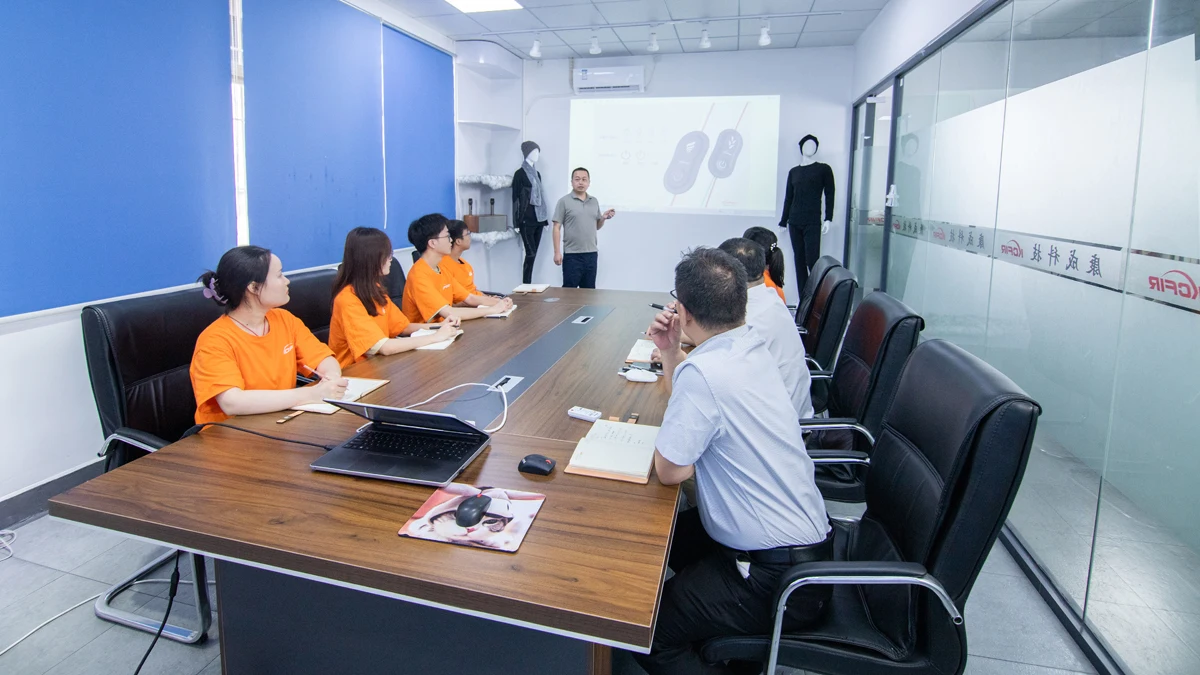
Shenzhen Kangcheng Century Technology Co., Ltd.
- Manufacturer, Trading Company
- Guangdong, China
- Lead time15 days
- Avg. response≤ 10h
Main productsHeated Insoes,Heated Socks,Heated Gloves,Heated Clothes,Thermal Massager
Main marketsNorthern Europe(30.00%), North America(25.00%), Western Europe(22.00%), Domestic Market(10.00%), Oceania(5.00%), Eastern Asia(5.00%), South America(3.00%)
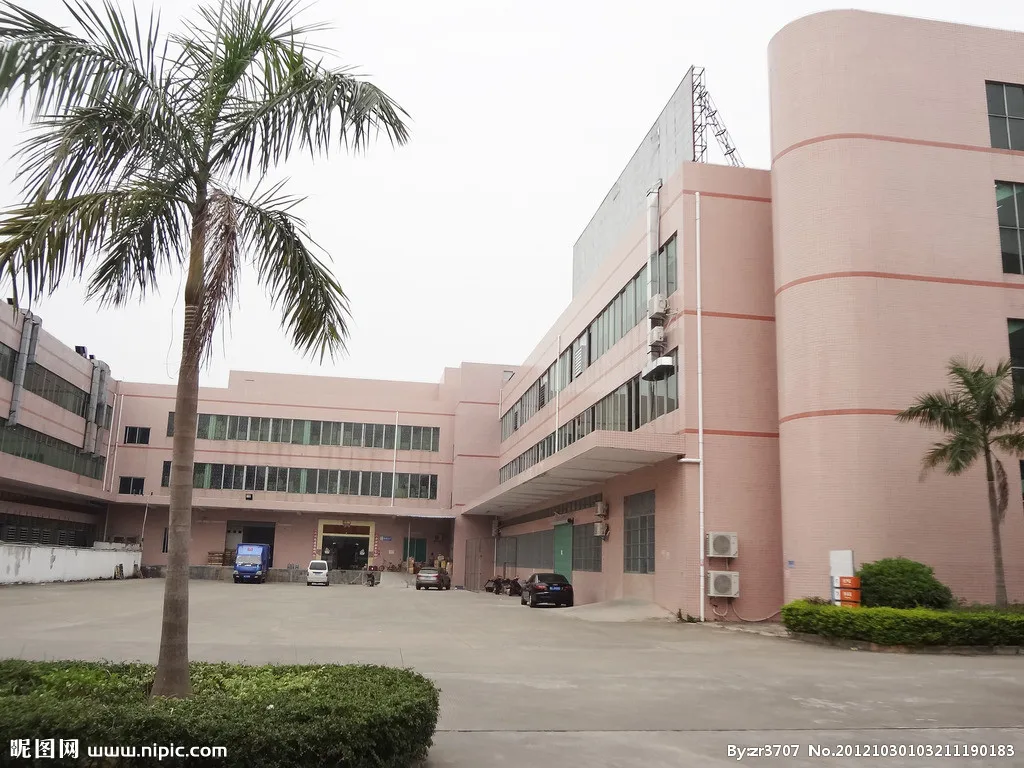
Shenzhen Ejoy Technology Co., Ltd.
- Trading Company
- Guangdong, China
- Lead time5 days
- Avg. response≤ 6h
Main productsHeated Jacket/Heated Vest/Heated Gloves/Heated Scarf/Heated Slippers
Main marketsNorth America(35.00%), Western Europe(25.00%), Southern Europe(10.00%), Northern Europe(10.00%), Eastern Europe(10.00%), Eastern Asia(5.00%), Mid East(5.00%)
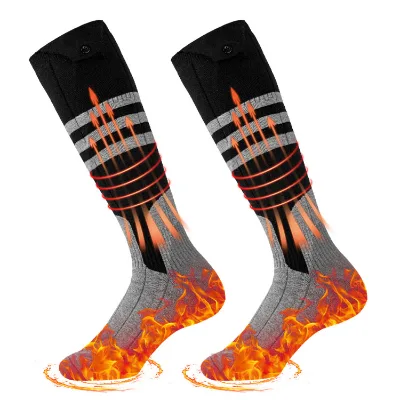
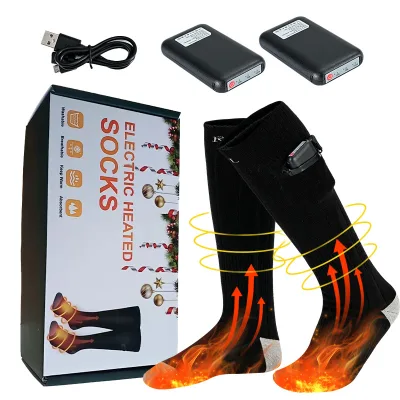
Winter Camping Ski Hiking Fishing Heated Sock Rechargeable Thermal Heated Socks
$5.61 - $7.14
MOQ: 5 pairs

Shenzhen Simcos Technology Co., Ltd.
- Verified by SGS
- Combined
- China Guangdong
- Lead time30 days
- Avg. response≤ 5h
Main productsRed Light Therapy, Heated Gloves, Heated Socks, Infrared Light Therapy, Heated Insoles, Heated Jacket, Heated Vest, Red Light Therapy Panel
Main marketsEurope,North America

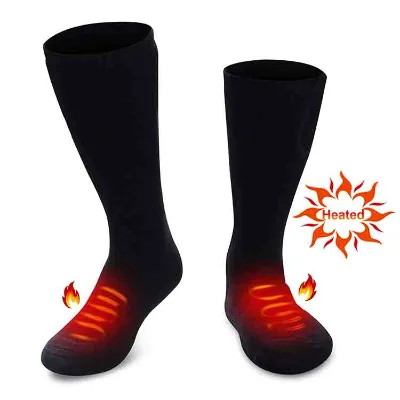
7.4V 3000mAh Lithium Battery Heated Socks APP Control Rechargeable Ski Heated Socks
$23.10 - $26.00
MOQ: 2 Pairs


Nanchang ICE BEAR Cooling and Warming Household Products Co., Ltd.
- Manufacturer/Factory
- China Jiangxi
- Lead time45 days
- Avg. response≤ 14h
Main productsCooling Mat, Dog Pool, Pet Pad, Dog Cooling Vest, Dog Cooling Bed, Cooling Cap, Cooling Scarf, Splash Pad, Heating Pad
Main marketsEastern Europe,North America

Electric Rechargeable Battery Heated Socks Foot Warmer Thermal Heated Socks
$6.90 - $9.90
MOQ: 100 Pieces


Unisex Rechargeable Electric Heated Socks Battery Powered Knee High Socks
$6.90 - $9.90
MOQ: 100 Pieces


Heated Socks Rechargeable Electric Thermal Cotton Warm Socks for Winter Outdoor Activities
$6.90 - $9.90
MOQ: 100 Pieces


Chinapack Ningbo Import & Export Co., Ltd.
- Verified by SGS
- Trading Company,Manufacturer/Factory
- China Zhejiang
- Lead time23 days
- Avg. response≤ 18h
Main productsSnowboard, Water Bottle, Promotional Hats, Glass Bottle, Ski Set, Snowboot, Snowboard Binding, Home Sock, Hood, Scarf
Main marketsSouth America,Eastern Europe,North America,Southeast Asia,Eastern Asia,Oceania,Western Europe


Core-Spun Yarn Heated Socks for Soles Ski Fishing Electric Heated Socks
$16.00 - $25.00
MOQ: 1000 Pairs


Shenzhen Eigday Heating Limited
- Manufacturer, Trading Company
- Lead time旺季: "1 - 10":3,"> 10":"To be negotiated", 淡季: "1 - 10":3,"> 10":"To be negotiated"
- Avg. response≤ 2h
Main productsHeated Gloves, Heated Socks, Heated Apparel, LED Flashlight Gloves, Heated Cushion
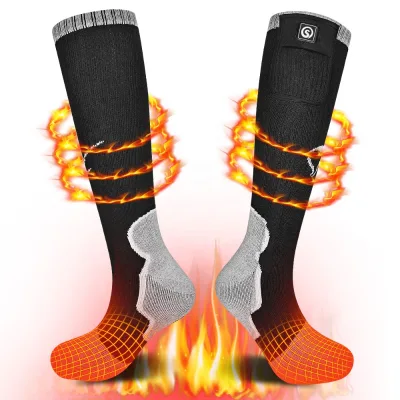
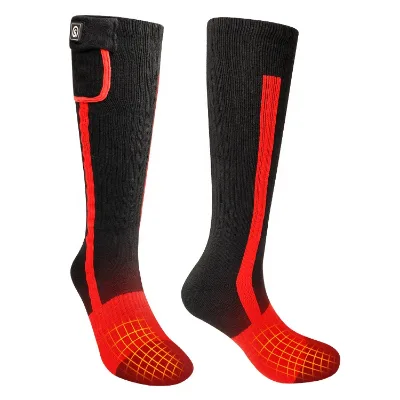
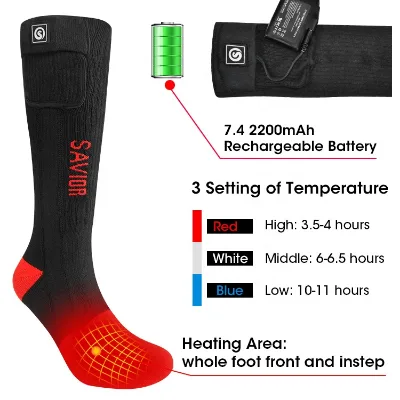
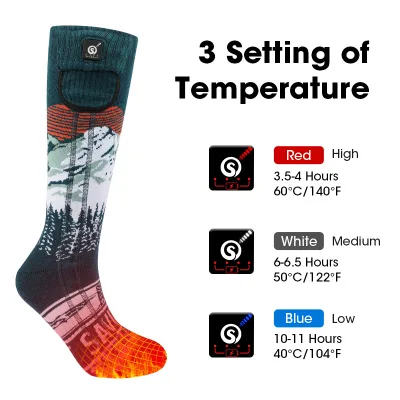
Best Heated Socks Ski Rechargeable Self Heating Socks Battery Power Rechargeable Heated Socks
$30.94 - $38.49
MOQ: 100 pairs
Dongguan Aibote Electric Heating Products Co.. Ltd.
- Manufacturer, Trading Company
- Guangdong, China
- Lead time0 days
- Avg. response≤ 3h
Main productsHeated Clothes/Heated Gloves/Heated Eye Mask/Heated Sokcs/Heating Pad,heated glove,heated socks,heating element,usb heated eye mask
Main marketsEastern Asia(30.00%), North America(30.00%), Northern Europe(20.00%), Western Europe(20.00%)
Dongguan Qianying Electric Heating Technology Co., Ltd.
- Verified by TüVRheinland
- Manufacturer, Trading Company
- Lead time0 days
- Avg. response≤ 3h
Main productsHeated Jacket, Heated Glove, Heated Vest, Heated Socks, Red Light Therapy Cap
Main marketsNorth America(20%), Eastern Europe(15%), Southern Europe(12%)
Shenzhen Electrotec Business Limited
- Manufacturer, Trading Company
- Lead time旺季: "1 - 500":35,"> 500":"To be negotiated", 淡季: "1 - 500":35,"> 500":"To be negotiated"
- Avg. response≤ 3h
Main productsHeating Clothing, Cooling Clothing, Heated Socks, Heating Pad, Heated Gloves
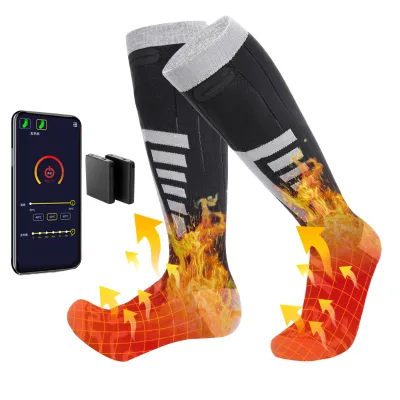
$19.50 - $21.90
MOQ: 500 pieces
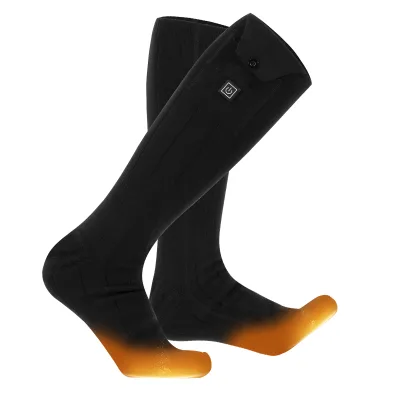
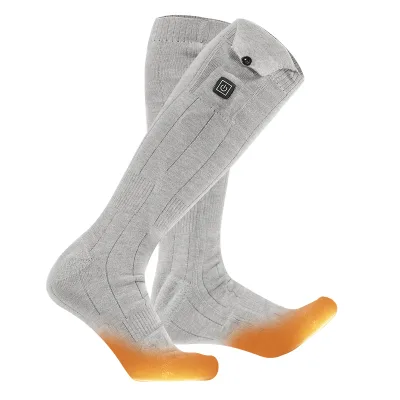
$9.50 - $12.50
MOQ: 1000 Minimum
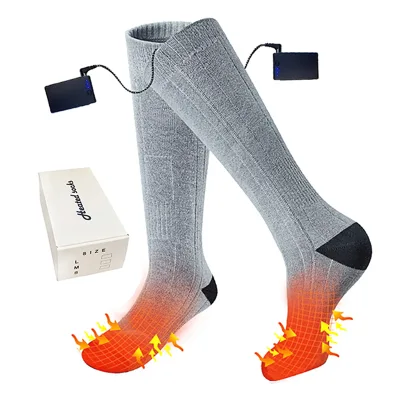
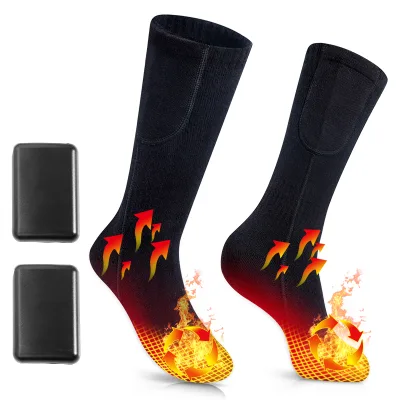
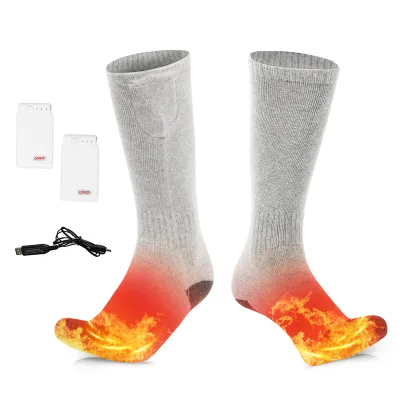
Foshan Nanhai Fengxiang Knit Factory
- Verified by Intertek
- Manufacturer, Trading Company
- Lead time0 days
- Avg. response≤ 2h
Main productsSocks
Main marketsDomestic Market(65%), North America(15%), Eastern Europe(10%)
Dongguan S-King Insoles Limited
- Verified by SGS Group
- Manufacturer, Trading Company
- Lead time15 days
- Avg. response≤ 2h
Main productsHeated Insoles/Orthotic & Sports Insoles/Foot Care Products/High Heel products, Heated Gloves
Main marketsNorth America(40%), Eastern Europe(15%), Northern Europe(15%)
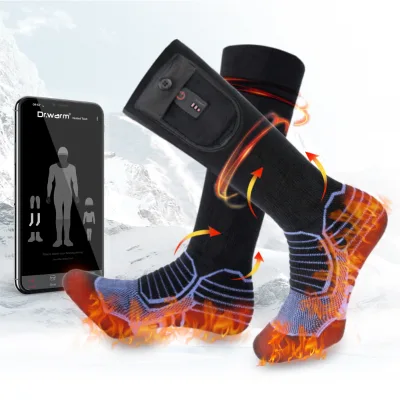
$33.41 - $41.21
MOQ: 100 pairs
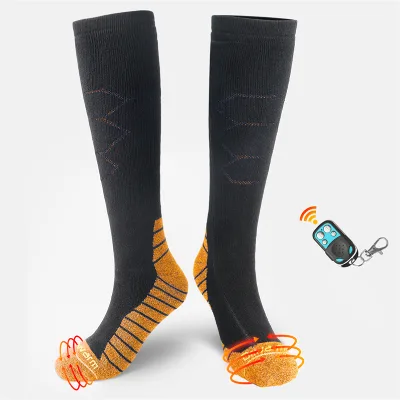
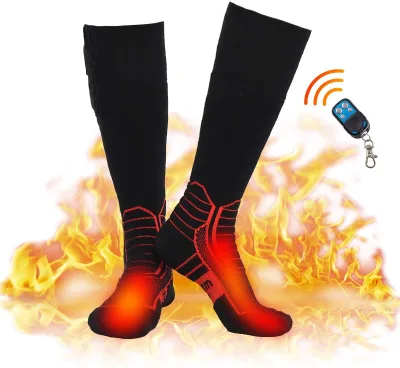
$35.20 - $37.80
MOQ: 50 pairs
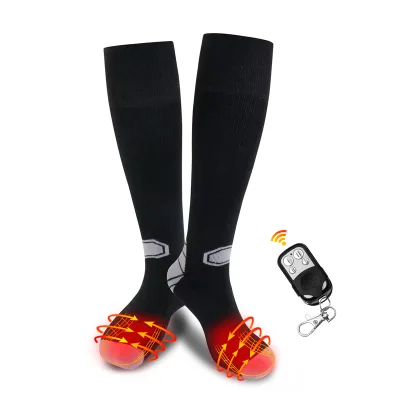
Wind Proof Self Heating Foot Therapy Thin Thermal Cotton Ski Warmer Electric Battery Heated Socks
$33.00 - $35.00
MOQ: 100 pairs
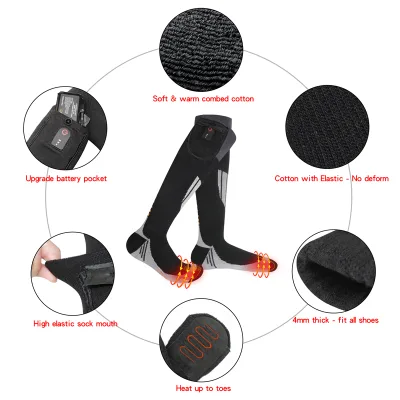
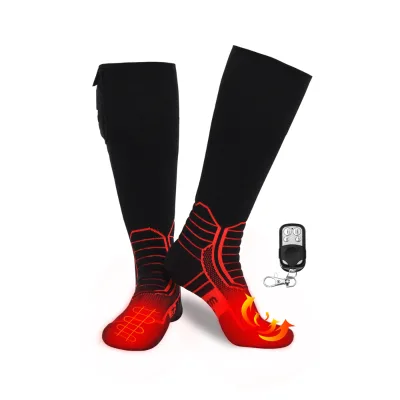
Custom Pattern Winter 7.4V 2600mah Battery Electric Rechargeable Heated Socks for Outdoor Sports
$33.41 - $41.21
MOQ: 100 pairs
Zhejiang Compports Sports Socks Co., Ltd.
- Verified by SGS Group
- Manufacturer, Trading Company
- Lead time0 days
- Avg. response≤ 3h
Main productsMedical Compression Socks, Sports Socks, Anti slip socks, Tights, Sports Compression Sleeve
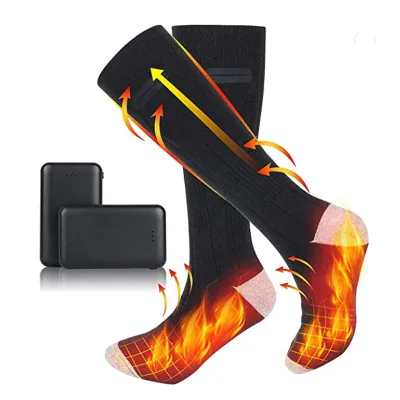
USB Rechargeable Heated Ski Socks Unisex Self-Heating Crew Winter Footwear Thick 3D Knitted
$17.32 - $19.29
MOQ: 2 Minimum
Shijiazhuang Aofeite Imp & Exp Co., Ltd.
- Manufacturer, Trading Company
- Lead time旺季: "1 - 100":7,"> 100":"To be negotiated", 淡季: "1 - 100":7,"> 100":"To be negotiated"
- Avg. response≤ 2h
Main productsBack support belt, Lumbar Support Belt, Knee pads, Ankle brace, Wrist guard

- Verified by CTI
- Trading Company
- China Zhejiang
- Lead time30 days
- Avg. response≤ 4h
Main productsSocks, Men Socks, Sports Socks, Cotton Socks, Custom Socks, Women Socks, Baby Socks, Grip Socks, Crew Socks, Dress Socks
Main marketsSoutheast Asia/ Mideast

Factory Coolmax Customized Rechargeable Electric Heated Socks Battery Operated Socks
$0.60 - $2.60
MOQ: 100 Pairs

High Quality Cotton Warm Sport Ski Socks Warming Socks Heat Tech Smart Heated Warming Work Ski Socks
$0.79 - $1.93
MOQ: 200 Pairs


Changzhou Mydays Energy Technology Co., Ltd.
- Verified by CTI
- Trading Company
- China Jiangsu
- Lead time30 days
- Avg. response≤ 5h
Main productsTransmission Shaft, Motor Housing, Motor Shaft, Van Seat, Car Seat, Auto Seat, Drone Accessories, Modified Auto Seat
Main marketsSoutheast Asia/ Mideast,Domestic,Europe,Australia,North America
Shenzhen Green Bright Technology Limited Company
- Manufacturer, Trading Company
- Guangdong, China
- Lead time0 days
- Avg. response≤ 2h
Main productsWaist Belt,self heating blanket,Knee Pad,Thermostats,Graphene Heated Sheet
Main marketsDomestic Market(50.00%), North America(10.00%), Western Europe(10.00%), Southeast Asia(10.00%), Eastern Europe(10.00%), South America(10.00%)
- Verified by Intertek
- Manufacturer, Trading Company
- Lead time30 days
- Avg. response≤ 2h
Main productsHeated Insoles, Heated Gloves, Heated Socks, Heated Clothing, Heating Pad
Main marketsNorth America(45%), Eastern Europe(24%), Western Europe(13%)
Dongguan Xi Li Jian Technology Co., Ltd.
- Verified by SGS Group
- Manufacturer, Trading Company
- Lead time30 days
- Avg. response≤ 3h
Main productsFoot Massager, Shoulder Massager, Waist Massager, Red Light Therapy Belt, Heating Pad
Main marketsNorth America(25%), Western Europe(15%), Mid East(10%)
- Trading Company
- Taiwan, China
- Lead time30 days
- Avg. response≤ 6h
Main productsCarbon fiber heated Apparels,Heated Accessories,Heated Medicare far infrared Wrap,Heated Gloves,Heated Safety Jacket
Main marketsNorth America(30.00%), Western Europe(25.00%), Eastern Europe(15.00%), Southeast Asia(10.00%), Northern Europe(6.00%), Domestic Market(5.00%), Southern Europe(3.00%), South America(2.00%), Central America(2.00%), Mid East(2.00%)

Foshan Dongsheng Hengda International Trading Co., Ltd
- Verified by SGS
- Manufacturer
- China Guangdong
- Lead time23 days
- Avg. response≤ 5h
Main productsSport Socks, Running Socks, Basketball Socks, Football Socks, Ski Socks, Wool Socks, Compression Socks, Grip Socks, Hiking Socks, Yoga Socks

- Verified by SGS
- Trading Company
- China Guangdong
- Lead time15 days
- Avg. response≤ 10h
Main productsConsumer Electronics, Car Accessories, Mini Thermal Printers, Garden Lights, Lawn Mower Accessories, Portable Speakers, Digital Camera, Mini Projectors
Main marketsOthers(foreignTradeCapacity.exportBusinessCapacityMarketOther),Europe
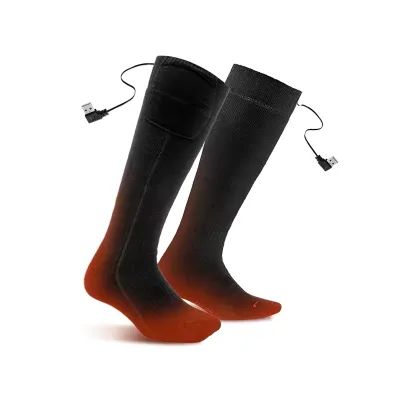
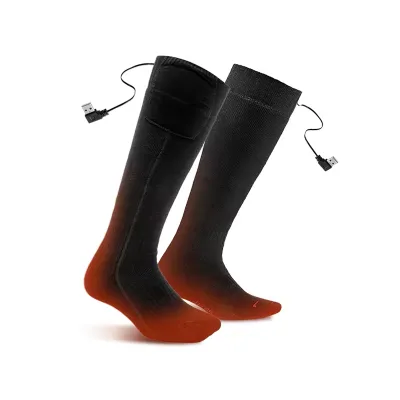
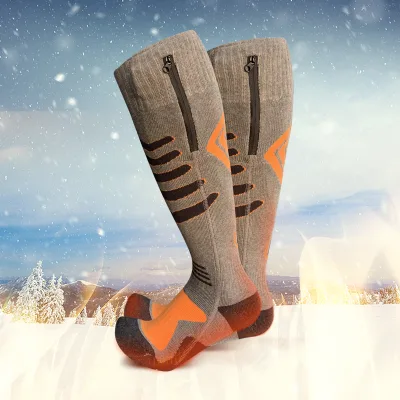
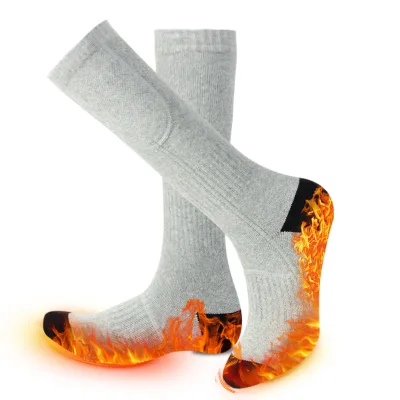
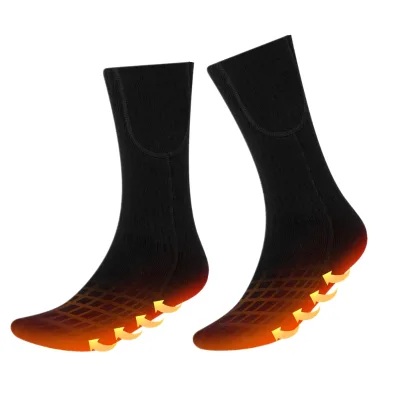
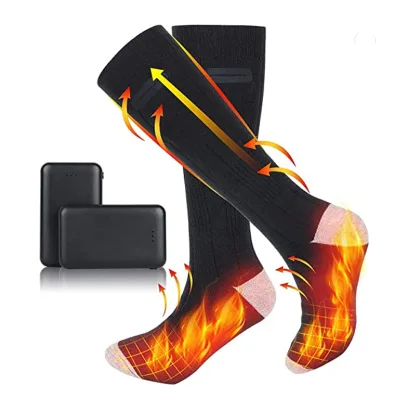
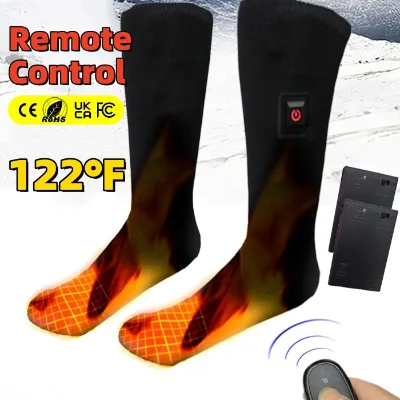
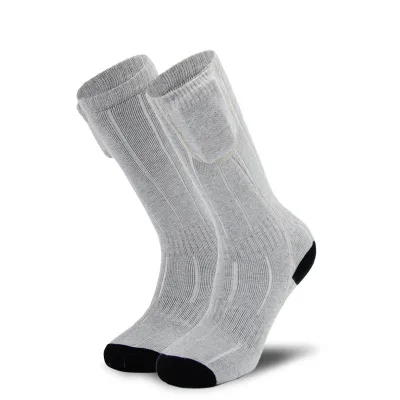


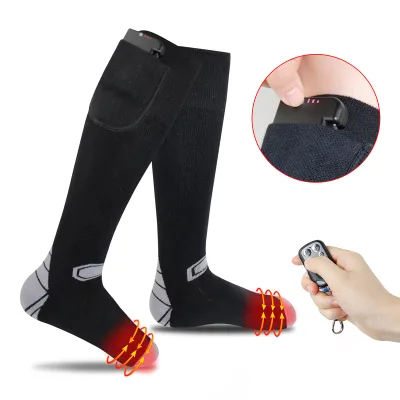
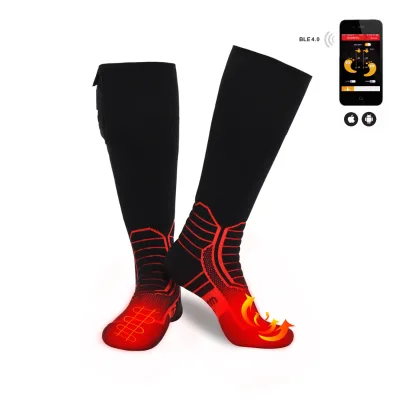
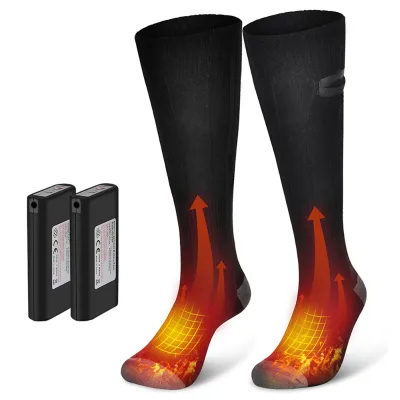
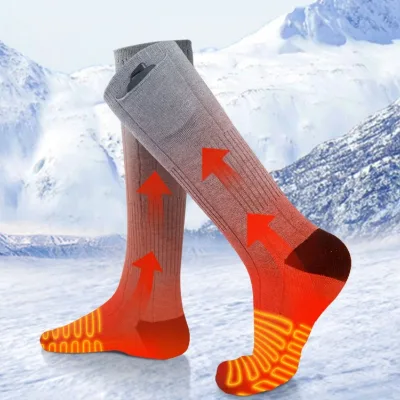


Comprehensive Sourcing Guide
Rechargeable Heated Ski Socks Supplier Concentration and Factory Types
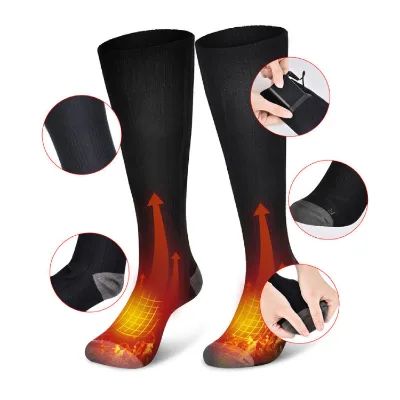
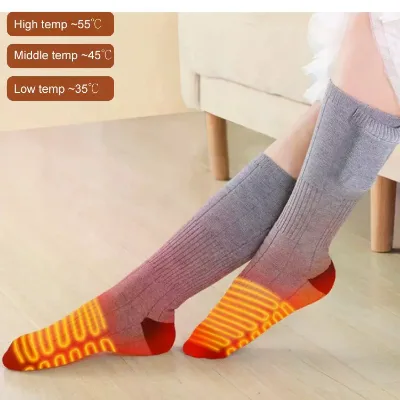
The available data indicates a specific manufacturing cluster for Rechargeable Heated Ski Socks located in Guangdong, China. This region serves as a primary hub where suppliers list their place of origin, suggesting a concentration of production facilities capable of handling the complex integration of heating elements, batteries, and textile components required for these thermal products. Buyers should prioritize verifying this geographic origin when reviewing supplier profiles, as the presence of Guangdong as a stated location often correlates with established supply chains for electronic textiles and winter sports gear.
Within this region, the supplier base comprises both manufacturers and trading companies, offering distinct advantages for different procurement strategies. Manufacturers listed in the results often provide direct control over the production process, which can be critical for customizing technical specifications like battery capacity or heating element placement. Conversely, trading companies may offer a broader portfolio of related items such as heated jackets, gloves, and scarves, allowing buyers to consolidate orders for complete winter apparel kits. Understanding this mix helps buyers decide whether they need direct factory engagement for customization or a trading partner for streamlined logistics and product variety.
How to Verify Rechargeable Heated Ski Socks Suppliers
Verification begins with scrutinizing the specific product attributes and safety standards provided in the supplier listings. Buyers must confirm that the listed safety standard matches recognized regulations, such as the GB2626-2006 standard observed in current results, which pertains to respiratory protection and potentially related safety protocols for the heating components. Additionally, checking for quality certifications like CE is essential to ensure the electronic heating elements meet international safety requirements for electrical appliances. Without explicit evidence of these certifications in the product data, buyers should request documentation directly rather than assuming compliance based on general supplier claims.
Beyond certifications, buyers should validate the operational reliability of the supplier through their response times and order fulfillment capabilities. The data shows response times ranging from 6 to 10 hours, which serves as a preliminary indicator of communication efficiency. A faster response time often suggests a more active sales team capable of addressing technical queries regarding battery charging times or app connectivity features. Furthermore, verifying the supplier's ability to support sample orders, such as the 7-day sample lead time noted in some listings, provides a practical test of their logistical readiness before committing to a larger bulk order.
What to Compare Across Rechargeable Heated Ski Socks Suppliers
When evaluating multiple suppliers, the minimum order quantity (MOQ) is a critical differentiator that impacts inventory planning and cash flow. Current product evidence consistently shows an MOQ of 500 pieces for heated socks, which establishes a baseline for entry-level procurement. Buyers must compare this figure against their specific volume needs, as some suppliers might offer flexibility for smaller batches while others strictly adhere to the 500-piece threshold. Understanding this constraint helps in selecting a partner whose production scale aligns with the buyer's market launch strategy or existing distribution requirements.
Lead times and delivery schedules represent another vital comparison point that affects supply chain responsiveness. The observed data indicates delivery times varying from 5 to 7 working days for specific items, while general lead times are listed as 15 days. Buyers should calculate the total time from order placement to arrival, factoring in both production and shipping durations. Additionally, comparing the main product portfolios reveals whether a supplier specializes solely in heated socks or offers a broader range of thermal gear like heated vests and slippers. This breadth can influence the potential for bundled purchasing and long-term partnership opportunities.
Common Rechargeable Heated Ski Socks Sourcing Risks
One significant risk involves the discrepancy between product descriptions and actual material composition or performance capabilities. Listings may describe materials as 100% cotton or blends containing nylon and polyester, yet the heating functionality relies heavily on the integration of silicon-based components and rechargeable batteries. Buyers must verify that the stated materials, such as the 36% cotton and 45% nylon blend, are compatible with the heating elements and do not compromise safety or comfort during use. Inconsistent material data across different product listings from the same supplier can signal a lack of rigorous quality control or standardized product specifications.
Another risk pertains to the reliability of the electronic components, specifically the battery charging times and app connectivity features. Product attributes mention charging times of 4 to 5 hours, but buyers should confirm if these figures are consistent across all models and if the app control functions as advertised. The absence of detailed test results for battery longevity or heating uniformity in the provided data means buyers cannot assume performance stability without further verification. Relying solely on marketing keywords like "self-heating" or "rechargeable" without demanding technical validation exposes the buyer to potential product failures in the field.
Rechargeable Heated Ski Socks Regional Sourcing and Logistics
Sourcing from the identified Guangdong region offers logistical advantages due to the established infrastructure for exporting electronic textiles and winter sports equipment. The concentration of manufacturers in this area facilitates efficient coordination between production and shipping, potentially reducing transit times for international orders. Buyers should leverage this geographic proximity to negotiate better freight rates and ensure that the single package sizes, such as the 32x16x6 cm dimensions noted in some listings, are optimized for container loading. Understanding the regional logistics network helps in planning inventory replenishment cycles and managing stock levels effectively.
However, buyers must also account for the specific packaging and weight requirements that impact shipping costs and handling. The data indicates single gross weights ranging from 1.0 kg to 2.0 kg per item, which influences the total shipping volume and cost calculations. Additionally, the use of gift box packaging for certain models suggests a need for careful handling to prevent damage during transit. Buyers should verify if the supplier offers protective packaging solutions that maintain the integrity of the electronic components and ensure the product arrives in sellable condition. Proper logistics planning is essential to mitigate risks associated with damage or delays in the supply chain.
Rechargeable Heated Ski Socks Commercial Terms and Order Planning
Commercial terms regarding pricing and payment structures vary significantly among suppliers, with observed price ranges spanning from approximately 22.00 to 40.00 per unit. Buyers must analyze these price points in the context of the specified MOQ and the quality of materials used, such as the inclusion of spandex for stretch or cotton for comfort. It is crucial to understand that lower prices may correlate with different material compositions or reduced feature sets, such as the absence of app control or remote functionality. Careful comparison of unit costs against the feature set ensures that the buyer secures the best value without compromising on essential product attributes.
Order planning must also consider the customization options available, such as OEM and ODM services, which are frequently mentioned in the product attributes. Suppliers offering customized logo positions on the cuff, body, or bottom allow for brand differentiation, but these services often require additional lead time and minimum order quantities. Buyers should confirm the specific requirements for customization, including the need for design files and the timeline for sample approval. Planning for these custom elements early in the procurement process prevents delays and ensures that the final product meets brand standards before mass production begins.
FAQs
What is the minimum order quantity for heated ski socks?
The minimum order quantity is 500 pieces. This standard applies across most available models, including those with APP control or remote settings. Buyers should confirm specific requirements with the supplier before placing bulk orders to ensure production readiness.
How long does charging take for rechargeable heated socks?
Charging typically requires 4 to 5 hours to fully power the battery. This duration ensures the heating elements function effectively for extended periods. Users should plan charging cycles accordingly to maintain warmth during winter activities like skiing or hiking.
What materials are used in these heated socks?
Common materials include cotton, nylon, polyester, and spandex blends. Some models use 100% cotton for comfort. These fabrics provide breathability and durability. The inclusion of spandex ensures a snug fit, while cotton offers softness against the skin for all-day wear.
What certifications do these products hold?
Products often hold CE quality certification and meet GB2626-2006 safety standards. These certifications indicate compliance with specific safety and quality requirements. Buyers should verify current documentation with suppliers to ensure all regulatory needs are met for their target markets.
What is the typical lead time for orders?
Lead times generally range from 5 to 15 working days. Some suppliers offer faster delivery within 5 to 7 days. Production schedules vary by model and customization needs. Early communication with the supplier helps secure timely delivery for seasonal demands.
Can I customize the logo on heated socks?
Yes, OEM and ODM services are available for customization. Logos can be placed on the cuff, body, or bottom. Printing methods include heat-transfer and digital printing. Buyers should discuss design specifications with the supplier to achieve the desired branding outcome.