Thermal Cotton Women Socks Suppliers and Manufacturers
Source Thermal Cotton Women Socks from 16 verified suppliers in China. Compare key dimensions including ISO 9001 certification, SGS verification, response times, and lead times. Review product specifications and pricing to identify the right partner for your procurement needs; review the available evidence before requesting comparable quotations from suitable candidates.
Suppliers List

Nantong Bi'antong Textile Fabrics Trade Co., Ltd.
- Verified by SGS
- Trading Company
- China Jiangsu
- Lead time0 days
- Avg. response≤ 24h
Main productsCotton Socks, Hat, Scarf, Blanket, Knee Pad, Cap, Underwear, Wash Accessories, Fabric, Tool Bag
Haining Huming Knitting Factory
- Manufacturer, Trading Company
- Zhejiang, China
- Lead time35 days
- Avg. response≤ 6h
Main productsrunning socks,printing socks,ski socks,merino wool socks,sports socks
Main marketsNorth America(70.00%), Eastern Asia(28.00%), Domestic Market(2.00%)
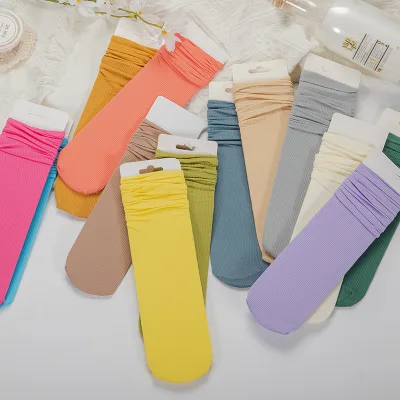
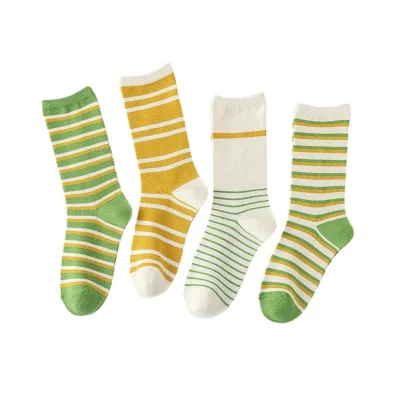
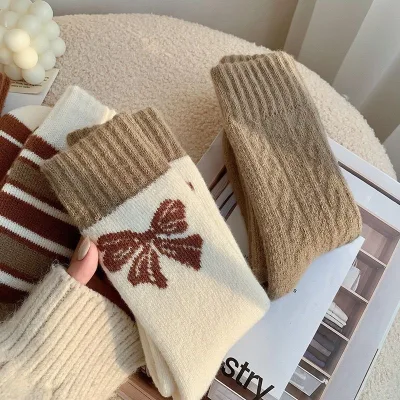
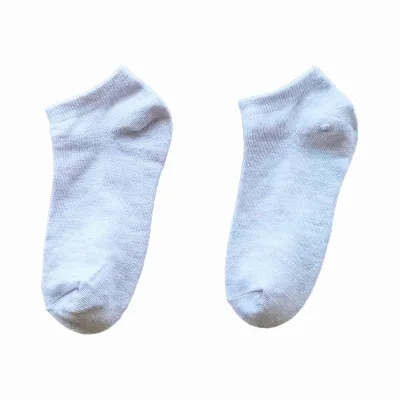
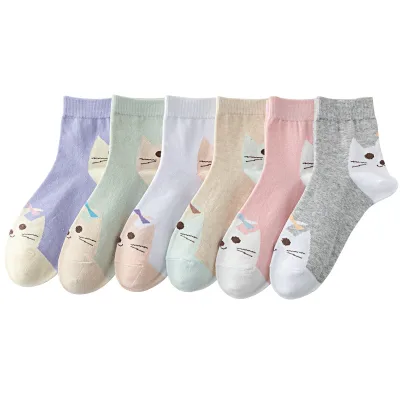
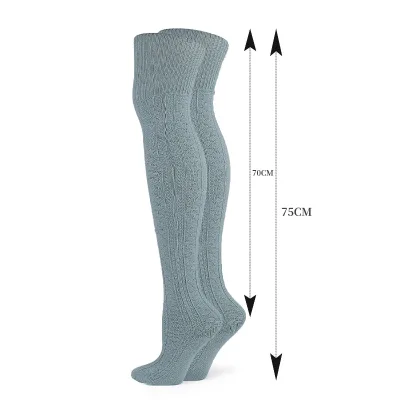
Casual Stockings Autumn and Winter Cotton Socks
$2.10 - $2.80

Zhuji Dongling Knitting & Textile Co., Ltd.
- Combined
- China Zhejiang
- Lead time30 days
- Avg. response≤ 7h
Main productsSocks, Man Socks, Lady Socks, Sport Socks, Baby & Kids Socks, Tights, Wristband, Non-Slip Socks, Mobile Phone Pouch, Hiking Socks
Main marketsAfrica,Europe,North America

- Verified by CTI
- Combined
- China Zhejiang
- Lead time30 days
- Avg. response≤ 2h
Main productsCottton Sock, Crew Sock, Kids Sock, Adult Sock, Men Sock, Sports Sock, Pilates Sock, Football Sock, Ankle Sock
Main marketsEurope,Australia,North America

Colorful Custom Design Thermal Sock Thick Casual Sock Cotton Crew Socks for Women
$0.49 - $1.95
MOQ: 100 Pairs

High Quality Fashion Soft Warm Wool Casual Sock Custom Design Cotton Thermal Crew Socks for Women
$0.49 - $1.95
MOQ: 100 Pairs


Custom Logo Cotton Thermal Breathable Anti-Slip Sport Crew Socks for Women
$0.49 - $1.95
MOQ: 100 Pairs

Sungnan Import & Export Co., Ltd.
- Verified by TUVRHEINLAND
- Combined
- China Zhejiang
- Lead time30 days
- Avg. response≤ 7h
Main productsScarf, Socks, China Scarf, Leggings, Hats, Bags, Gloves
Main marketsNorth America


Womens Ethnic Style Thermal Wool Socks Winter Thick Warm Socks Ladies Bed Socks
$0.46 - $0.79
MOQ: 500 Pieces


Women Knee High Cotton Socks Winter Thick Thermal Soft Comfy Over Knee Long High Socks
$0.95 - $1.69
MOQ: 100 Pairs

Jingjiang Pingdong Import & Export Co., Ltd.
- Verified by TUVRHEINLAND
- Trading Company
- China Jiangsu
- Lead time30 days
- Avg. response≤ 20h
Main productsSock
Main marketsEurope,North America


Wholesale Women's Fashion Wool Thermal Socks Warm Soft Breathable Socks Wool Socks
$0.85 - $0.99
MOQ: 1000 Pairs

Foshan Lion King Clothing Co., Ltd.
- Verified by SGS
- Trading Company,Manufacturer/Factory
- China Guangdong
- Lead time23 days
- Avg. response≤ 7h
Main productsSocks, Clothing
Main marketsSouth America,Eastern Europe,North America,Southeast Asia,Eastern Asia,Western Europe

- Verified by SGS
- Trading Company
- China Zhejiang
- Lead time15 days
- Avg. response≤ 15h
Main productsChristmas Decoration, Christmas Tree, Christmas Gift, Party Decoration, Promotional Product, Festival Items, Gift, Valentine, Party Items, Halloween Decorations
Main marketsEurope,Australia

Sichuan Chenhai International Trade Co., Ltd.
- Trading Company
- China Sichuan
- Lead time0 days
- Avg. response≤ 3h
Main productsSocks, Lingerie

Nanchang ICE BEAR Cooling and Warming Household Products Co., Ltd.
- Manufacturer/Factory
- China Jiangxi
- Lead time45 days
- Avg. response≤ 13h
Main productsCooling Mat, Dog Pool, Pet Pad, Dog Cooling Vest, Dog Cooling Bed, Cooling Cap, Cooling Scarf, Splash Pad, Heating Pad
Main marketsEastern Europe,North America

QUANZHOU VEKEDUO SUPPLY CHAIN MANAGEMENT CO.,LTD
- Verified by SGS
- Trading Company
- China Fujian
- Lead time30 days
- Avg. response≤ 10h
Main productsNon-Woven Bags, Apparel, Stationery, Resin Crafts, Stuffed Toys, Sport Products, Textile, Inflatable Toy
Main marketsSoutheast Asia/ Mideast,East Asia(Japan/ South Korea),Europe,North America

- Verified by CTI
- Trading Company
- China Zhejiang
- Lead time30 days
- Avg. response≤ 4h
Main productsSocks, Men Socks, Sports Socks, Cotton Socks, Custom Socks, Women Socks, Baby Socks, Grip Socks, Crew Socks, Dress Socks
Main marketsSoutheast Asia/ Mideast


High Quality Comfortable Women Cotton Breathable High Solid Color Women Socks
$0.56 - $1.96
MOQ: 200 Pairs


ZHENJIANG KIMTEX INDUSTRIAL INC.
- Verified by SGS
- Combined
- China Jiangsu
- Lead time30 days
- Avg. response≤ 14h
Main productsBaseball Cap, Beanie Hat, Trucker Hat, Snapback Cap, Bucket Hat, Gloves, Scarf, Socks, Bandana, T-Shirt
Main marketsAfrica,Southeast Asia/ Mideast,East Asia(Japan/ South Korea),Europe,Australia,North America

- Verified by BV
- Combined
- China Zhejiang
- Lead time30 days
- Avg. response≤ 8h
Main productsMen Sock, Baby Clothes, Baby Products, Baby Romper, Sock, Baby Bibs, Cotton Socks, Women Socks, Sports Socks, Kids Wear
Main marketsEurope

YANCHENG HAPPYNESS IMP. AND EXP. CO. LTD
- Verified by SGS
- Trading Company
- China Jiangsu
- Lead time15 days
- Avg. response≤ 4h
Main productsCustom Slides Slippers, Custom Indoor Slippers, Custom Socks, Custom Caps, Custom Clothing, Custom Rainboots, Custom Winter Boots, Custom Shoes, Custom Slippers, Custom Flipflops
Main marketsSouth America,Africa,Southeast Asia/ Mideast,East Asia(Japan/ South Korea),Domestic,Europe,Australia,North America

Hangzhou Xingliao Accessories Co., Ltd.
- Verified by BV
- Trading Company
- China Zhejiang
- Lead time30 days
- Avg. response≤ 13h
Main marketsSouth America,Africa,Europe,Australia


Comprehensive Sourcing Guide
Thermal Cotton Women Socks Supplier Concentration and Factory Types
The sourcing landscape for Thermal Cotton Women Socks reveals a distinct concentration of manufacturing and trading entities within specific Chinese provinces, primarily Jiangsu and Zhejiang. These regions serve as critical hubs for textile production, offering buyers access to established supply chains that specialize in hosiery and apparel accessories. When evaluating potential partners, it is essential to distinguish between pure trading companies and integrated manufacturers, as this distinction significantly impacts pricing flexibility, customization capabilities, and communication efficiency. Trading companies often provide a broader catalog of related items such as hats, scarves, and blankets, which can be advantageous for buyers seeking consolidated shipping from a single source. However, manufacturers may offer more direct control over the knitting process, material sourcing, and quality assurance protocols, which are particularly important for thermal products requiring specific insulation properties.
Understanding the operational model of each supplier is the first step in effective sourcing. Some entities operate exclusively as trading companies, leveraging their network to source products from various factories, while others are verified manufacturers capable of handling OEM services. The presence of ISO 9001 certification among some suppliers indicates a baseline commitment to quality management systems, which can be a useful filter when assessing reliability. Buyers should also note that some suppliers offer both manufacturing and trading services, providing a hybrid approach that may balance cost efficiency with production control. It is crucial to verify the actual production capacity and facility type through direct inquiry or third-party verification reports, as the company type listed may not always reflect the full scope of their operational capabilities. This initial classification helps in setting realistic expectations regarding lead times, minimum order quantities, and the level of technical support available during the product development phase.
How to Verify Thermal Cotton Women Socks Suppliers
Verification is a critical step in mitigating risk when sourcing Thermal Cotton Women Socks from international suppliers. Buyers should prioritize suppliers who have undergone third-party verification processes, such as SGS, which provides an additional layer of confidence regarding the legitimacy and operational standards of the business. Beyond basic verification, it is important to assess the supplier's responsiveness, as a quick response time often correlates with efficient communication and problem-solving capabilities during the procurement process. Suppliers with response times under a few days are generally more reliable for urgent orders or when quick clarifications are needed regarding product specifications. Additionally, checking for system certifications like ISO 9001 can help ensure that the supplier adheres to standardized quality management practices, which is particularly relevant for products involving textile safety and durability.
Buyers should also scrutinize the product details provided by suppliers to ensure they align with specific thermal and cotton requirements. Key attributes to verify include the material composition, weaving method, and specific features such as breathability, elasticity, and anti-slip properties. For thermal socks, the presence of needle detection services is a significant indicator of quality control, as it ensures that no metal fragments remain in the finished product, which is a critical safety standard for hosiery. Furthermore, suppliers that support sample orders with a defined lead time, such as seven days, demonstrate a commitment to customer service and product validation. Buyers should request these samples to physically inspect the cotton quality, thermal insulation, and overall construction before committing to larger orders. This hands-on verification process is indispensable for ensuring that the final product meets the intended performance standards for winter wear.
What to Compare Across Thermal Cotton Women Socks Suppliers
When comparing suppliers, buyers must evaluate a range of commercial and operational metrics to determine the best fit for their specific needs. One of the most significant factors is the minimum order quantity (MOQ), which can vary widely depending on the supplier's production model and inventory status. Some suppliers may offer low MOQs, such as 100 pairs, which are ideal for testing the market or fulfilling small-scale orders, while others may require higher volumes, such as 2000 pairs, to achieve optimal production efficiency. Pricing is another critical dimension, with costs ranging from approximately $0.58 to $1.99 per pair depending on the product style, material quality, and order volume. Buyers should analyze these price points in conjunction with the MOQ to calculate the total landed cost and determine the most cost-effective option for their business model.
Lead times and response speeds are equally important considerations that impact supply chain reliability. Suppliers with shorter lead times, such as 35 days, may be better suited for buyers with tight inventory requirements or seasonal demands, while those with longer lead times may require more advanced planning. Response time is also a key indicator of supplier professionalism, with faster responses suggesting a more agile and customer-focused operation. Additionally, buyers should compare the main products offered by each supplier to ensure they have the capacity to handle the specific types of thermal cotton socks required, whether they are ankle, mid-calf, or knee-high styles. The availability of OEM services and customization options, such as custom colors or specific packaging, should also be evaluated to ensure the supplier can meet brand-specific requirements. By systematically comparing these attributes, buyers can make informed decisions that balance cost, quality, and operational efficiency.
Common Thermal Cotton Women Socks Sourcing Risks
Sourcing Thermal Cotton Women Socks from international suppliers involves several potential risks that buyers must proactively manage to ensure a smooth procurement process. One significant risk is the discrepancy between the advertised product specifications and the actual delivered goods, particularly regarding material composition and thermal performance. Cotton blends may vary in quality, and the absence of clear standards can lead to inconsistencies in warmth, durability, and comfort. Buyers should mitigate this risk by requesting detailed product specifications and conducting thorough sample evaluations before placing bulk orders. Additionally, the lack of standardized testing for thermal properties in some regions can make it challenging to verify the effectiveness of the insulation, necessitating reliance on supplier claims and third-party lab tests where available.
Another common risk is the variability in lead times and production delays, which can disrupt inventory planning and sales cycles. Suppliers may face raw material shortages, labor issues, or logistical bottlenecks that extend production times beyond the quoted estimates. This risk is particularly acute for seasonal products like thermal socks, where timing is critical to capturing market demand. Buyers should also be cautious of suppliers who do not offer clear return policies or quality assurance guarantees, as this can leave them vulnerable to defective products. Furthermore, the complexity of international shipping and customs clearance can introduce additional delays and costs, which may not be fully accounted for in the initial supplier quotes. To address these risks, buyers should establish clear communication channels, request regular production updates, and consider using escrow services or other payment protections to safeguard their financial interests until the goods are received and verified.
Thermal Cotton Women Socks Regional Sourcing and Logistics
The geographic location of suppliers plays a crucial role in determining logistics efficiency and overall sourcing costs. Suppliers located in Jiangsu and Zhejiang provinces in China benefit from established textile infrastructure and proximity to major ports, which can facilitate faster and more cost-effective shipping. These regions are known for their concentration of manufacturing capabilities, offering buyers access to a diverse range of suppliers with varying specializations. When sourcing from these areas, buyers should consider the impact of regional logistics networks on lead times and freight costs. Suppliers in these locations may have better relationships with shipping carriers, potentially offering more competitive rates and reliable transit times. However, buyers should also be aware of potential regional disruptions, such as weather events or local policy changes, that could affect production and shipping schedules.
Logistics planning should also account for the specific requirements of thermal cotton socks, which may have different packaging and handling needs compared to other apparel items. Proper packaging is essential to protect the products from moisture and damage during transit, which can compromise the quality of the cotton material. Buyers should work with suppliers to ensure that packaging standards meet international shipping requirements, including the use of export cartons that can withstand long-distance transport. Additionally, understanding the customs regulations and import duties associated with sourcing from China is vital for accurate cost forecasting. Buyers should collaborate with freight forwarders to optimize shipping routes and modes, whether by sea or air, based on the urgency of the order and the volume of goods. By carefully managing regional logistics, buyers can minimize delays and ensure that their Thermal Cotton Women Socks arrive in optimal condition and on time.
Thermal Cotton Women Socks Commercial Terms and Order Planning
Effective order planning for Thermal Cotton Women Socks requires a thorough understanding of commercial terms and payment structures. Buyers should negotiate clear terms regarding pricing, payment methods, and delivery schedules to avoid misunderstandings and financial disputes. It is advisable to use secure payment methods, such as escrow services, which provide protection for both parties until the goods are received and inspected. This is particularly important for first-time transactions or when dealing with new suppliers, as it mitigates the risk of non-delivery or non-conforming products. Additionally, buyers should clarify the responsibilities for shipping costs, insurance, and customs duties to ensure that the total landed cost is accurately calculated. Transparent commercial terms help in building trust and fostering long-term relationships with suppliers.
Order planning should also consider the production cycle and inventory management strategies to align with market demand. Given the seasonal nature of thermal socks, buyers need to plan their orders well in advance to account for production lead times and shipping durations. Establishing a consistent ordering schedule can help in maintaining steady inventory levels and avoiding stockouts during peak seasons. Buyers should also discuss customization options, such as private labeling or specific packaging requirements, early in the planning process to ensure that these details are incorporated into the production timeline. Regular communication with suppliers regarding order status and potential delays is essential for proactive risk management. By integrating commercial terms with strategic order planning, buyers can optimize their supply chain operations and achieve greater efficiency in sourcing Thermal Cotton Women Socks.
FAQs
What is the price range for Thermal Cotton Women Socks?
Prices for Thermal Cotton Women Socks typically range from $0.58 to $1.99 per pair. Specific styles like outdoor hiking socks cost between $1.60 and $1.99, while vintage options are priced at $1.70. Buyers should verify exact costs based on order volume and customization requirements.
What are the minimum order quantities for these socks?
Minimum order quantities vary by supplier and product style. Some manufacturers require a minimum of 2000 pairs for standard stock items, while others accept orders as low as 100 pairs for specialized thermal or hiking socks. Buyers must check specific product listings to confirm the applicable MOQ.
Where are Thermal Cotton Women Socks manufactured?
These socks are primarily manufactured in China, with specific production hubs located in Jiangsu and Zhejiang provinces. Suppliers in these regions offer various styles, including cotton, wool blends, and thermal options. Buyers can filter results by these locations to find suppliers with established manufacturing capabilities.
How long does it take to produce thermal cotton socks?
Production lead times depend on the supplier and order specifics. Some manufacturers report a lead time of 35 days for bulk orders. Others may offer faster turnaround for sample orders, with support for seven-day sample processing. Buyers should confirm production schedules directly with suppliers before placing large orders.
Do suppliers offer OEM services for custom thermal socks?
Yes, many suppliers provide OEM services for custom Thermal Cotton Women Socks. Options include custom colors, heat-transfer printing, and specific material blends. Buyers can request samples to verify quality and customization capabilities. OEM support is commonly available from both manufacturers and trading companies in the region.
What certifications do thermal cotton sock suppliers hold?
Some suppliers hold ISO 9001 system certification and undergo SGS verification. These credentials indicate adherence to quality management standards and independent verification processes. Buyers should request copies of these certificates to ensure compliance with their specific quality and safety requirements for thermal cotton sock procurement.