Leg Warmers Suppliers and Manufacturers in China
Explore 22 verified options for Leg Warmers from Zhejiang, Guangdong, and Henan. Compare response times, lead times, MOQs, and certifications like CE. Contact suppliers directly to request samples or quotes for acrylic, cotton, or bamboo materials; review the available evidence before requesting comparable quotations from suitable candidates.
Suppliers List
Yiwu Yourun Arts And Crafts Co., Ltd.
- Manufacturer, Trading Company
- Zhejiang, China
- Lead time30 days
- Avg. response≤ 3h
Main productsScarves,Abaya&Hijab,Bags&Wallets,Caps&Hats,Fashion accessories
Main marketsNorth America(50.00%), Western Europe(20.00%), Domestic Market(10.00%), South America(10.00%), Eastern Europe(10.00%)

- Combined
- China Guangdong
- Lead time30 days
- Avg. response≤ 9h
Main productsFirst Aid Kits, Kinesiology Tape, Rigid Strapping Tape, Coach Tape, Lite Eab, Precut Kinesio, CPR Mask, Band Aid Box, Zinc Oxide Tape, Cohesive Bandage
Main marketsSouth America,Africa,Southeast Asia/ Mideast,East Asia(Japan/ South Korea),Domestic,Europe,Australia,North America

Popular Design Knee Sleeve Brace Protector Warm Girls Down Leg Warmers Women
$1.71 - $1.90
MOQ: 100 Pieces


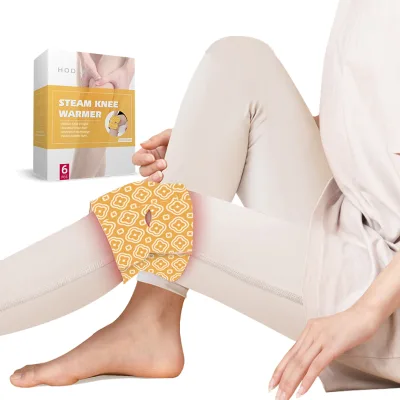
Morden Style Snow Self Heating Patch Down Leg Brace Warm Warmers Knee Protector
$1.40 - $1.55
MOQ: 100 Pieces

Good Selling Self Heating Knee Bamboo Protector Pad Snow Patch Down Leg Warmers
$0.52 - $0.58
MOQ: 100 Pieces

Best Price Knee Protector Brace Warm Girls Down Cycling Pad Self Heating Bamboo Winter Leg Warmers
$3.07 - $3.40
MOQ: 100 Pieces

PUYANG SELFAIDING INDUSTRIAL CO., LTD.
- Verified by SGS
- Manufacturer
- China Henan
- Lead time15 days
- Avg. response≤ 3h
Main productsAdult Bib, Pet Pad, Underpad, Baby Bib, Protective Panties, Washable Sanitary Pad, Compression Stockings, Patient Care Clothing, Pet Nest, Pet Toy

LUOYANG WEIERJIAN BIOTECHNOLOGY CO., LTD.
- Verified by BV
- Manufacturer/Factory
- China Henan
- Lead time30 days
- Avg. response≤ 3h
Main productsPain Relief Patch, Ointment, Topical Care Products, External Use, Nutritional Supplements, Pet Products, Pet Chews, Personal Care Products
Main marketsSouth America,Eastern Europe,Mid East,North America,Southeast Asia,Eastern Asia,Oceania,Western Europe,Africa


Winter Body Warmer - Suitable for Hand, Leg, Foot, Waist and Abdomen Heating Patch
$0.10 - $0.11
MOQ: 10000 pieces

Knee Relief Leg Warmers Winter Knee Self Heating Disposable Winter Cold Protection
$0.12 - $0.20
MOQ: 3000 pieces

Knee Patch Leg Warmers Winter Knee Self Heating Disposable Winter Cold Protection
$0.12 - $0.20
MOQ: 3000 pieces

Knee Relief Patch Leg Warmers Winter Knee Self Heating Disposable Winter Outdoor
$0.12 - $0.20
MOQ: 3000 pieces
Shijiazhuang Aofeite Imp & Exp Co., Ltd.
- Manufacturer, Trading Company
- Lead time旺季: "1 - 100":10,"> 100":"To be negotiated", 淡季: "1 - 100":10,"> 100":"To be negotiated"
- Avg. response≤ 2h
Main productsKnee Brace, Lumbar Support Belt

Ningbo Multi Channel Co., Ltd.
- Trading Company
- China Zhejiang
- Lead time23 days
- Avg. response≤ 13h
Main productsFirst Aid Kit, Wound Dressing, Bandage, Outdoor Emergency Supplies, Hot/Cold Therapy, Surgery Supplies, Laboratory Supplies, Medical Devices, Anethesia Breathing Supplies, Daily Care
Main marketsSouth America,Southeast Asia/ Mideast,East Asia(Japan/ South Korea),Europe,North America

Wholesale Knee Care Self Heating Warmer Patch Health Care Leg Pad Heated Knee Warmers
$0.51 - $0.75
MOQ: 10000 Pieces


The Newest Leg Heating Pad Stockings Extra Long Over Knee Warmers Patch for Pain
$0.51 - $0.75
MOQ: 10000 Pieces

Henan Geesion Medical Devices Co., Ltd.
- Verified by BV
- Trading Company
- China Henan
- Lead time15 days
- Avg. response≤ 6h
Main productsPain Relief Patch, Cooling Gel Patch, Detox Foot Patch, Slimming Patch, Capsicum Plaster, Stop Smoking, Nasal Strips, Dental Mouthguard, Cough Relieve Patch, Wormwood Knee Patch
Main marketsSouth America,Africa,Southeast Asia/ Mideast,East Asia(Japan/ South Korea),Europe,Australia,North America

Junten Keep-Warm Products (Kunshan) Co., Ltd.
- Manufacturer/Factory
- China Jiangsu
- Lead time90 days
Main productsHeat Pack, Hand Warmer, Body Warmer, Toe Warmer, Foot Warmer, Hot Pad, Heat Pad, Hot Pack, Adhesive Body Warmer, No-Adhesive Body Warmer
Main marketsSouth America,Eastern Europe,Mid East,North America,Southeast Asia,Eastern Asia,Oceania,Western Europe,Africa


MOQ: 100000 Pieces

MOQ: 100000 Pieces

5 Hours Warmth Footsole Warmer (JT-D002)
MOQ: 100000 Pieces

Guangzhou Danye Optical Co., Ltd.
- Verified by TUVRHEINLAND
- Combined
- China Guangdong
- Lead time23 days
- Avg. response≤ 2h
Main productsDiode Laser Hair Removal, 808+Q Switch Laser 2 in 1, Health Care Equipment, Body Slimming Machine, CO2 Fractional Laser, Electric Pulse Massage, Zimmer Cryo Skin Cooler, Laser Tattoo Removal, RF Skin Lifting, IPL Skin Laser
Main marketsSouth America,Africa,Southeast Asia/ Mideast,East Asia(Japan/ South Korea),Europe,Australia,North America
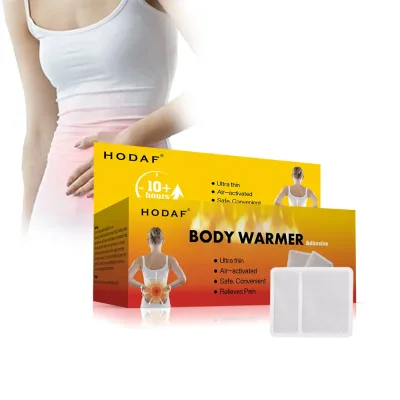
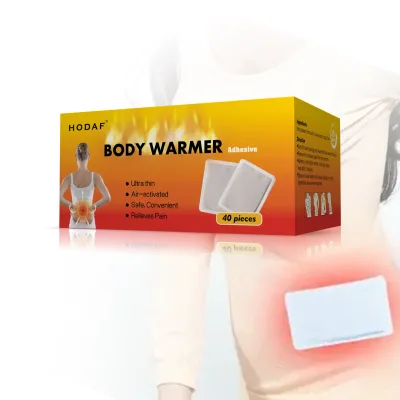
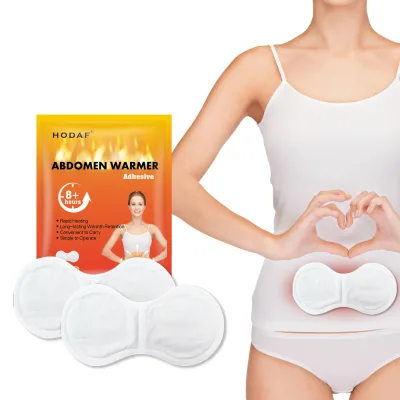
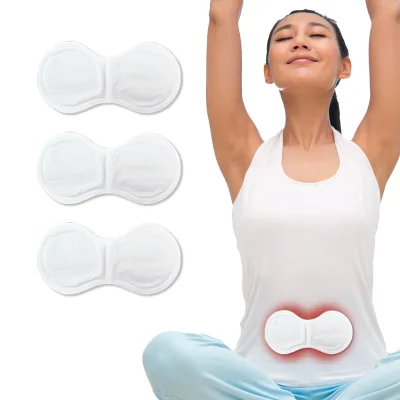
Tianjin Hodaf Technology Co., Ltd.
- Verified by SGS Group
- Manufacturer, Trading Company
- Lead time5 days
- Avg. response≤ 2h
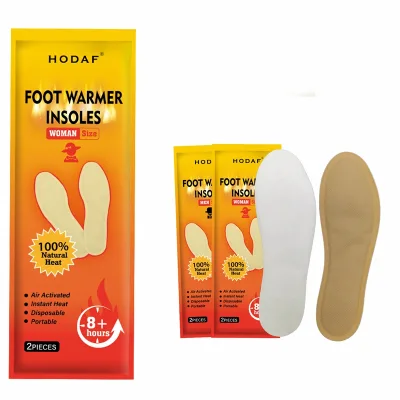
Main productsFoot Mask, Foot Patch, Under Eye Pad, Heat Pack, Steam Eye Mask
Main marketsNorth America(30%), Eastern Europe(30%), Southeast Asia(20%)

Shanghai Touch Industrial Development Co., Ltd.
- Verified by TUVRHEINLAND
- Combined
- China Shanghai
- Lead time15 days
- Avg. response≤ 5h
Main productsInstant Hot Pack, Hot Cold Pack, Gel Eye Mask, Gel Ice Pack, Gel Bottle Cooler, Instant Ice Pack, Hand Warmer, Heat Pack, Cooling Scarf, Gel Beads
Main marketsSouth America,Others(foreignTradeCapacity.exportBusinessCapacityMarketOther),Southeast Asia/ Mideast,East Asia(Japan/ South Korea),Domestic,Europe,Australia,North America


BSCI Factory Reusable Click Heat Pack for Knee Warmer Pad with Logo Printing
$0.35 - $1.25
MOQ: 1000 Pieces


Jiangsu Meilan Medical Devices Co., Ltd
- Verified by BV
- Combined
- China Jiangsu
- Lead time45 days
- Avg. response≤ 4h
Main marketsSoutheast Asia/ Mideast,Europe,North America


132*132mm Back Meilan Jiangsu, China Thermal Knee Patch Warmer Hot Pack in Gj0404
$0.14 - $0.17
MOQ: 10000 piece


Henan Shangchen New Material Technology Co., Ltd.
- Manufacturer, Trading Company
- Henan, China
- Lead time30 days
- Avg. response≤ 2h
Main productsactivated carbon,warmer pad,coconut shell activated carbon,columnar activated carbon,powder activated carbon
Main marketsDomestic Market(50.00%), Mid East(10.00%), Eastern Europe(8.00%), Africa(5.00%), South America(5.00%), Eastern Asia(4.00%), Northern Europe(3.00%), Oceania(3.00%), Southeast Asia(3.00%), South Asia(2.00%), Southern Europe(2.00%), Western Europe(2.00%), Central America(2.00%), North America(1.00%)

Sungnan Import & Export Co., Ltd.
- Verified by TUVRHEINLAND
- Combined
- China Zhejiang
- Lead time30 days
- Avg. response≤ 7h
Main productsScarf, Socks, China Scarf, Leggings, Hats, Bags, Gloves
Main marketsNorth America

Qingdao Anlone Biotechnology Co., Ltd.
- Verified by SGS
- Combined
- China Shandong
- Lead time30 days
- Avg. response≤ 2h
Main productsHand Warmer, Body Wamer, Knee Warmer, Waist / Shoulder Warmer, Moisture Absorber, Odor Elimator, Drain Cleaner, Washing Machine Cleaner, Natural Insect Repellent, Anti Itch Lotion
Main marketsSoutheast Asia/ Mideast,East Asia(Japan/ South Korea),Europe

Portable Knee Warming Patch Convenient to Carry Self Heating Knee Warmer Patch for Winter Warm
$0.06 - $0.12
MOQ: 20000 Pieces

$0.06 - $0.12
MOQ: 20000 Pieces

Professional Manufacture Health Care Body Warmer for Joints Knee Heating Pad Pack for Winter Warm
$0.06 - $0.12
MOQ: 20000 Pieces

OEM Portable Body Warmer Heat Pack for Joints Knee Pain Relief Warmer Patch Warming Pad
$0.06 - $0.12
MOQ: 20000 Pieces

$0.06 - $0.12
MOQ: 20000 Pieces

High Quality 10-12 Hours Body Warmer Patch Heat Pack Warming Pack for Winter Warm
$0.06 - $0.12
MOQ: 50000 Pieces

HAWSON INTERNATIONAL INDUSTRIAL LIMITED
- Trading Company
- China Zhejiang
- Lead time45 days
- Avg. response≤ 25h
Main productsSaddlery, Equestrian Products, Grooming Kit, Whips, Harness, Brush Hoof Pick, Dog Apparel, Girth Halter Lead Rope Bandage, Bag, Horse Stable Rack
Main marketsSouth America,Southeast Asia/ Mideast,Europe

PLANET (ANHUI) INTERNATIONAL CO., LTD.
- Verified by BV
- Combined
- China Jiangsu
- Lead time60 days
- Avg. response≤ 2h
Main productsBandage, First Aid Kits, Band Aid, Wound Dressing, Foot Patch, Knee Brace, Knee Support, Knee Pad, Adhesive Tape, Compression Stocks
Main marketsNorth America
Hebei Houde Hanfang Medical Devices Group Co., Ltd.
- Verified by SGS Group
- Manufacturer, Trading Company
- Hebei, China
- Lead time10 days
- Avg. response≤ 1h
Main productsTransdermal Nutrition, Non Woven Fabric Patch, Sleep & Respiratory, Warmer Heating Pad, Body Contouring
Main marketsDomestic Market(60%), North America(11%), Eastern Europe(9%)
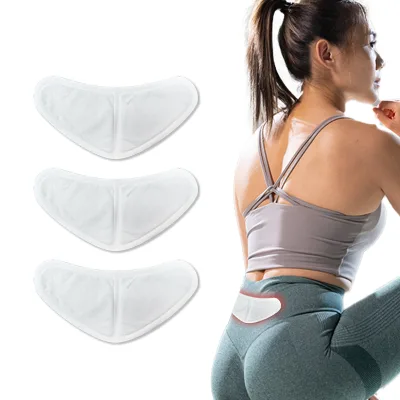
New Healthcare Product Belly and Back Lumbar Spine Waist Keeping Warmer Patch
$0.11 - $0.14
MOQ: 1000 pieces
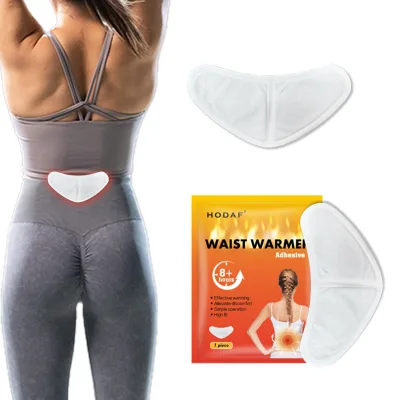
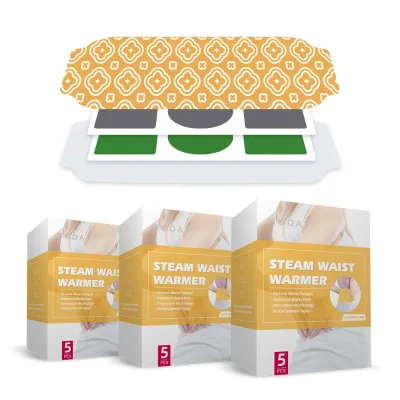
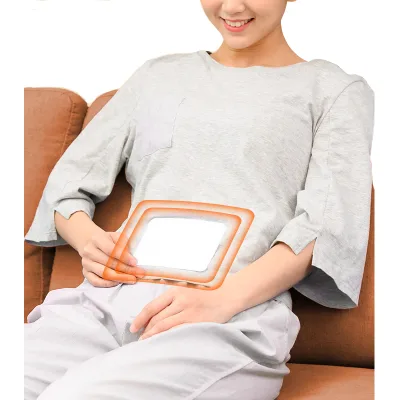
Self Heating Waist Warm Patch Disposable Steam Waist Patch for Waist Protection
$0.11 - $0.14
MOQ: 1000 pieces

Nanchang ICE BEAR Cooling and Warming Household Products Co., Ltd.
- Manufacturer/Factory
- China Jiangxi
- Lead time45 days
- Avg. response≤ 13h
Main productsCooling Mat, Dog Pool, Pet Pad, Dog Cooling Vest, Dog Cooling Bed, Cooling Cap, Cooling Scarf, Splash Pad, Heating Pad
Main marketsEastern Europe,North America

Electric Rechargeable Battery Heated Socks Foot Warmer Thermal Heated Socks
$6.90 - $9.90
MOQ: 100 Pieces

Unisex Rechargeable Electric Heated Socks Battery Powered Knee High Socks
$6.90 - $9.90
MOQ: 100 Pieces

- Verified by SGS
- Manufacturer/Factory
- China Jiangsu
- Lead time45 days
- Avg. response≤ 13h
Main productsHome Textiles, Household Products, Outdoor Product, Sport, Pet, Heated Products
Main marketsSouth America,Eastern Europe,Mid East,North America,Southeast Asia,Eastern Asia,Oceania,Western Europe,Africa


Rechargeable Heated Waist Protector - Relieve Discomfort, Provide Warmth and Comfort
$8.90
MOQ: 1000 Pieces
Hebei Jin Rong Healthcare Product Co., Ltd.
- Verified by SGS Group
- Manufacturer, Trading Company
- Lead time7 days
- Avg. response≤ 2h
Main productsWarmer Patch, Pet Warmer Patch, hand warmer Patch, Neck Warmer Patch, Waist Warmer Patch, Knee Warmer Patch, Foot Warmer Patch, Eye Pads for Eyelash Extension, Steam Eye Mask, Cotton Swab, Tape, Nasal Strips Patch, Closed Mouth Patch, Cooling Gel Patch
Main marketsNorth America(45%), Southeast Asia(25%), Oceania(10%)
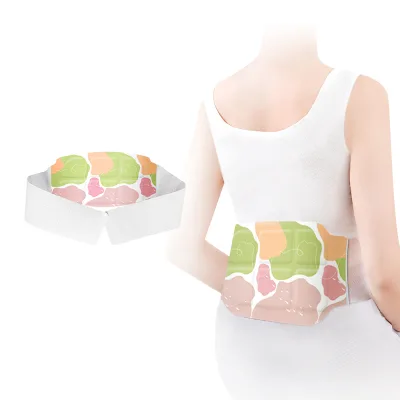
$0.37 - $0.41
MOQ: 1000 bags
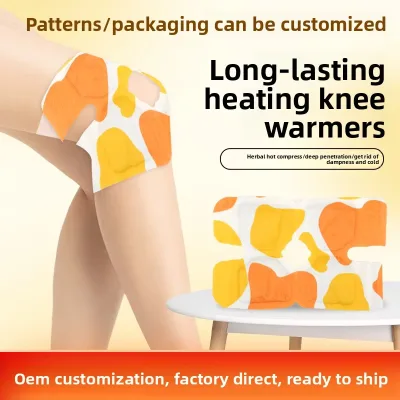
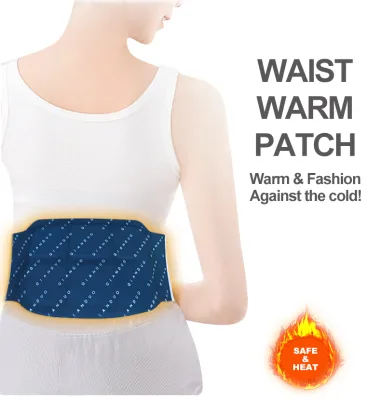
Hangzhou Houde Fuze Technology Co., Ltd.
- Verified by SGS Group
- Manufacturer, Trading Company
- Lead time10 days
- Avg. response≤ 2h
Main productsFoot Mask, Steam Eye Mask, Acne Patch, Collagen Eye Mask, Body Warmer Patch
Main marketsSouth America(17%), Eastern Europe(15%), Western Europe(15%)
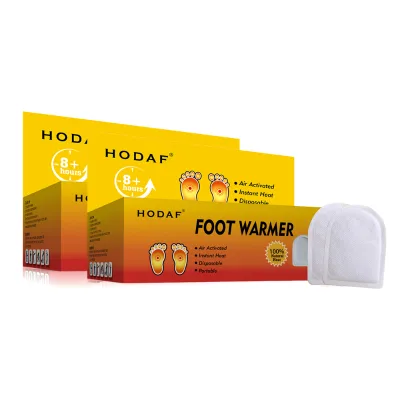
Private Label Air Activated Self Heating Iron Powder Foot Toe Warmer With Adhesive
$0.09 - $0.12
MOQ: 100






Comprehensive Sourcing Guide
Leg Warmers Supplier Concentration and Factory Types
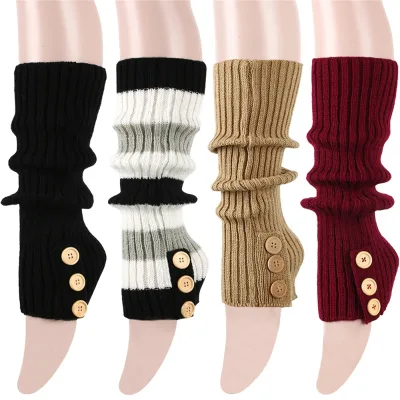
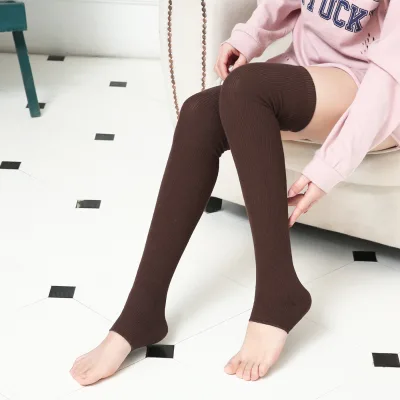
Current data indicates a concentration of manufacturers and trading companies operating primarily within Zhejiang, China, alongside facilities in Guangdong and Henan provinces. These regions host diverse supplier types, including pure manufacturers, trading companies, and combined entities capable of offering both production and sourcing services. The Zhejiang cluster appears to specialize in knitted apparel items, with specific product evidence pointing to acrylic-based Leg Warmers and winter accessories. Meanwhile, suppliers in Guangdong demonstrate a broader capacity for health care and sports safety equipment, including knee sleeves and self-heating patches that function similarly to Leg Warmers. This geographic distribution suggests that buyers seeking traditional knitted Leg Warmers should prioritize Zhejiang-based entities, whereas those interested in functional, heated, or protective variants might find more options in Guangdong.
Factory types vary significantly across the results, ranging from dedicated manufacturers to combined entities offering OEM and ODM services. Some suppliers list themselves as manufacturers, implying direct control over the knitting and assembly processes, while others operate as trading companies that may source from multiple factories. The presence of combined company types suggests a hybrid model where a single entity manages both production and distribution, potentially streamlining communication for international buyers. It is crucial to verify the actual production capability of each supplier, as the label "manufacturer" does not always guarantee in-house knitting machinery. Buyers should examine the main product lists to confirm if Leg Warmers are a core offering or a secondary item, ensuring the supplier has the specific expertise required for the desired material and construction quality.
How to Verify Leg Warmers Suppliers
Verification begins with scrutinizing the response time and communication efficiency, as data shows response times varying from three to over eight hours. A supplier with a three-hour response window may indicate a dedicated sales team or automated systems, whereas longer intervals could signal a smaller operation or limited staffing. Buyers should request detailed product attributes, such as material composition, weave method, and size specifications, to ensure the supplier can provide accurate technical data. For instance, specific product evidence lists materials like acrylic, cotton, bamboo, and ok cloth, each requiring different production expertise. Confirming that a supplier can consistently deliver these specific material properties is essential before proceeding with any order.
Certification and quality control measures must also be rigorously checked, as not all suppliers display valid credentials. Some product listings indicate CE certification, while others show no system certification or needle detection capabilities. Buyers should explicitly ask for proof of these certifications and request samples to verify the absence of metal needles or other safety hazards. Additionally, verifying the supply type, such as whether items are in-stock or made-to-order, helps assess the supplier's inventory management and production flexibility. A supplier claiming to offer customization should demonstrate a clear process for handling design changes, including model numbers and packing specifications. Without concrete evidence of these capabilities, buyers should treat all claims with caution and request third-party verification before committing funds.
What to Compare Across Leg Warmers Suppliers
When evaluating potential partners, buyers must compare minimum order quantities (MOQ) and pricing structures, which vary widely across the supplier pool. Data reveals MOQs ranging from 25 units to 100 units, with prices fluctuating between $0.52 and $3.40 per unit depending on material and complexity. Suppliers offering lower MOQs may be more suitable for startups or test orders, while those with higher volumes might offer better economies of scale for established brands. Price comparisons should account for material differences, such as the cost disparity between acrylic and bamboo-based products. Buyers should also examine the single package size and gross weight, as these factors directly influence shipping costs and logistics planning.
Lead times and sample policies are equally critical dimensions for comparison. While some suppliers indicate a standard lead time of 30 days, others may not support sample orders within seven days, creating potential bottlenecks for product development. Response times also play a role in the overall timeline, as slower communication can delay order confirmation and production scheduling. Buyers should compare the availability of customization options, noting that some suppliers offer design flexibility while others stick to standard models. The ability to provide a "Best Price" or "Best Quality" claim should be backed by concrete data, such as specific model numbers and material specifications. A comprehensive comparison requires looking beyond the headline price to understand the total cost of ownership, including packaging, shipping, and potential rework costs.
Common Leg Warmers Sourcing Risks
One significant risk involves the discrepancy between claimed capabilities and actual production capacity, particularly regarding material sourcing and quality control. Some suppliers list materials like cotton or bamboo but may lack the specific knitting machinery required for consistent quality. The absence of needle detection capabilities in certain product listings raises safety concerns, especially for products intended for children or sensitive skin. Buyers must verify that the supplier has implemented strict quality assurance protocols to prevent metal contamination, as this can lead to costly recalls and brand damage. Relying solely on product descriptions without physical verification of the production line can expose buyers to these hidden risks.
Another risk stems from inconsistent lead times and the lack of standardized response protocols across different suppliers. While some entities promise a 30-day lead time, others may not support sample orders within a week, causing delays in the product development cycle. The variation in response times, ranging from three to over eight hours, can indicate operational inefficiencies that may escalate during peak seasons. Buyers should also be wary of suppliers who claim "Best Price" or "Best Quality" without providing verifiable data or third-party validation. These vague claims often mask underlying issues with production consistency or material quality. Establishing clear communication channels and setting realistic expectations for delivery and quality is essential to mitigate these risks effectively.
Leg Warmers Regional Sourcing and Logistics
Geographic location plays a pivotal role in determining shipping costs and delivery timelines for Leg Warmers. Suppliers in Zhejiang, China, appear to specialize in knitted apparel, while those in Guangdong focus on health care and sports safety equipment. Buyers should consider the proximity of the supplier to major ports, as this can significantly impact freight costs and transit times. For instance, suppliers in Guangdong may have easier access to international shipping routes compared to those in inland provinces like Henan. Understanding the specific logistics capabilities of each supplier is crucial for planning efficient supply chains and minimizing delays.
Logistics planning must also account for packaging specifications and weight constraints. Product data indicates single package sizes of 10x10x6 cm and gross weights of 0.100 kg, which are relatively light but can accumulate quickly in large orders. Buyers should verify the packing method, such as OPP bags, to ensure products arrive in good condition. Additionally, the availability of in-stock items versus made-to-order production affects the speed of fulfillment. Suppliers with in-stock inventory may offer faster shipping, while those producing custom orders will require longer lead times. Coordinating with the supplier to optimize packaging and shipping methods can help reduce overall logistics costs and improve delivery reliability.
Leg Warmers Commercial Terms and Order Planning
Commercial terms for Leg Warmers often include specific pricing tiers based on order volume and material selection. Data shows price ranges from $0.95 to $3.40, with MOQs varying from 25 to 100 units. Buyers should negotiate terms that align with their budget and inventory needs, considering the potential for volume discounts. Payment terms, such as escrow or advance payments, should be clearly defined to protect both parties. It is also important to clarify the return policy and warranty terms, especially for products with specific features like self-heating or custom designs. Clear commercial agreements help prevent misunderstandings and ensure a smooth transaction process.
Order planning requires careful consideration of lead times and production schedules. While some suppliers offer a standard 30-day lead time, others may have different timelines based on material availability and customization requirements. Buyers should plan their orders well in advance to accommodate potential delays and ensure timely delivery. Additionally, the availability of sample orders and the ability to customize designs should be factored into the planning process. Establishing a clear timeline for sample approval, production, and shipping is essential for managing expectations and maintaining a reliable supply chain. By aligning commercial terms with realistic order planning, buyers can optimize their procurement strategy and achieve their business goals.
FAQs
What is the typical lead time for Leg Warmers?
The typical lead time for Leg Warmers is 30 days based on current supplier data. Some suppliers offer in-stock items for faster delivery, but standard production runs require this duration. Buyers should confirm specific timelines with the manufacturer before placing orders.
What are the minimum order quantities for Leg Warmers?
Minimum order quantities vary by supplier, with some requiring as few as 25 units while others set the bar at 100 units. The specific MOQ depends on the product model and customization needs. Always verify the exact requirement for the selected item before committing to a purchase.
Where are leg warmer manufacturers located?
Leg warmer manufacturers are primarily located in Zhejiang and Guangdong provinces in China. Some suppliers also operate from Henan. These regions are known for textile production, offering a wide range of options for buyers seeking specific materials or styles for their sourcing needs.
What materials are used for Leg Warmers?
Common materials include acrylic, cotton, bamboo, and Ok Cloth depending on the product type. Some items are knitted while others use satin weave. Buyers should check the specific product attributes to ensure the material meets their warmth and comfort requirements for the intended season.
Do suppliers offer customization for Leg Warmers?
Yes, customization is available for many leg warmer models, allowing for specific designs or branding. However, not all suppliers support sample orders within seven days. Buyers must confirm customization capabilities and lead times directly with the manufacturer to ensure their specific needs are met.
What is the price range for Leg Warmers?
Prices for Leg Warmers range from approximately 0.52 to 3.40 per unit depending on material and features. Basic acrylic models are often cheaper, while specialized heating or protective pads cost more. The final price is influenced by the order quantity and specific product attributes selected.
How quickly do suppliers respond to inquiries?
Supplier response times vary, with some responding within 3 hours and others taking up to 8.55 hours. Faster response times are common for manufacturers in Zhejiang, while others may take longer. Buyers should expect a range of response speeds and plan their communication accordingly.