Anti Freeze Cryo Barrier Sheets Suppliers and Manufacturers
Compare 13 verified suppliers of Anti Freeze Cryo Barrier Sheets by location, certifications, lead times, and response rates. Review product specs like MOQ and pricing to select the right factory for your cryolipolysis needs; review the available evidence before requesting comparable quotations from suitable candidates.
Updated
Suppliers List

Shanghai Jolly Industrial Co., Ltd.
- Verified by SGS
- Manufacturer/Factory
- China Shanghai
- Lead time15 days
- Avg. response≤ 4h
Main productsBandages and Tapes, Medical Consumables, Wound Dressing, First Aid Kit, Dental Products, Sports Products
Main marketsSouth America,Eastern Europe,Mid East,North America,Southeast Asia,Eastern Asia,Oceania,Western Europe,Africa

Freezing Anti Freezing Membranes Cryo Cool Pad Anti Freeze Cryotherapy Antifreeze Membrane
$0.55 - $1.50
MOQ: 1000 Pieces

$0.55 - $1.50
MOQ: 1000 Pieces

Guangzhou Beir Electronic Technology Co., Ltd.
- Verified by BV
- Trading Company
- China Guangdong
- Lead time15 days
- Avg. response≤ 9h
Main productsLipolaser, Coolsculpting, Diode Lipolaser, Cryo Lipolaser System, Lipo Laser, Cryolipolysis, E-Light and IPL Beauty Equipment, RF Fractional Skin Tighten, Pressotherapy Lymphatic Drainage, Dermaroller and Micro Needles
Main marketsSoutheast Asia/ Mideast,East Asia(Japan/ South Korea),Europe,Australia,North America


28*28cm 4 Sizes Cryo Sheet Anti Freeze Cryolipoly Antifreeze Membrane for Sale
$0.50 - $2.50
MOQ: 50 Bags

28*28cm 4 Sizes Cryo Pad Anti Freeze Cryolipolysis Antifreeze Membrane for Sale
$2.20 - $3.00
MOQ: 100 Bags


Anti Freeze Film for Cryotherapy Cryolipolysis Treatment Anti Freezing Cryo Pad 27*30cm 34*42cm
$1.30 - $2.00
MOQ: 100 Bags
Guangzhou Huang Kai Electronic Technology Company Limited
- Verified by TüVRheinland
- Trading Company
- Lead time3 days
- Avg. response≤ 2h
Main products9 In 1 Hot And Cold Plasma Machine, Pressotherapy Cavitation RF Lipo Laser Cryotherapy Machine, EMS Tecar Shockwave Therapy Machine, EMS Muscle Building Slimming Machine, 3 Wave 755/808/1064 Nm Diode Laser Hair Removal Machine
Main marketsNorth America(31%), Western Europe(24%), Eastern Europe(13%)
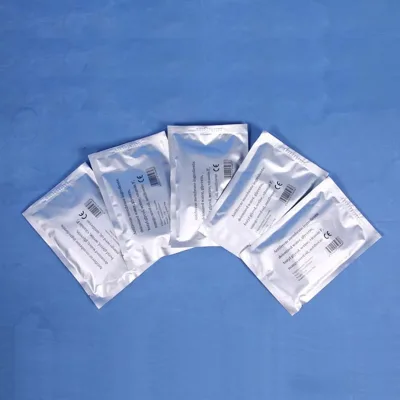
Wholesale Anti Freeze Membrane Sheet for Cryolipolysis Size l Cryo Antifreeze Membrane Cryo Pads
$0.80 - $2.10
MOQ: 1 Minimum
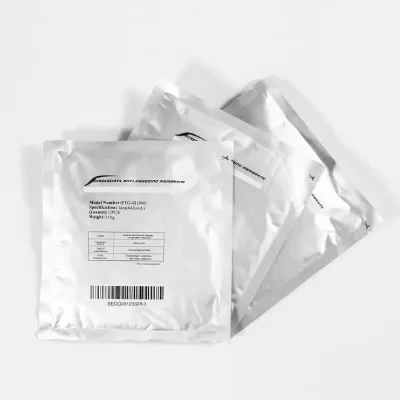
New High Quality Anti Freeze Membrane Cryo Therapy Antifreeze Pad Anti Freezing Film
$0.80 - $2.10
MOQ: 1 Minimum
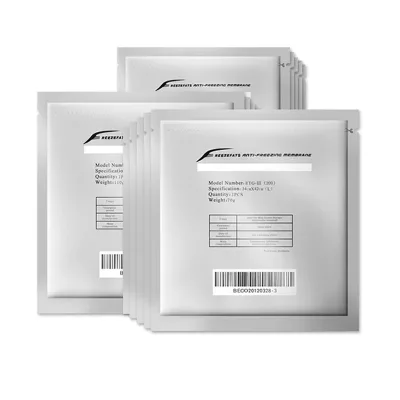
High Quality Anti-freezing Sheet Protective Pads Cryotherapy Pads to Protect Skin From Frostbite
$0.80 - $2.10
MOQ: 1 Minimum
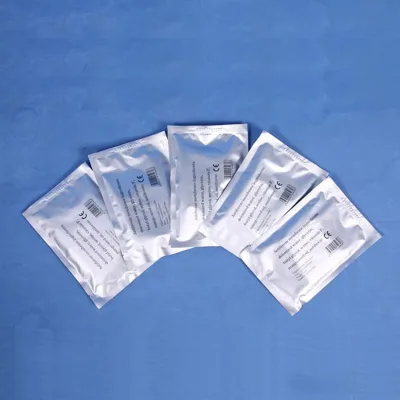
New Factory Price Antifreeze Membrane Criolipolise for 360 360 Cryolipolyse Machine use Machine use
$0.80 - $2.10
MOQ: 1 Minimum

GUANGZHOU KONMISON TECHNOLOGY CO., LIMITED
- Verified by BV
- Trading Company
- China Guangdong
- Lead time30 days
- Avg. response≤ 8h
Main productsBeauty Machine, Beauty Equipment, Slimming Machine, Cavitation Weight Loss Beauty Machine, Skin Care Machine, RF Skin Lifting Rejuvenation Machine, IPL Hair Removal Machine, Laser Hair Removal Machine, LED Facial Mask Beauty Device
Main marketsEurope,Australia


Wholesale Cryo Pad Anti Freeze Antifreeze Membrane Antifreezing Membrane for Machine
$0.70 - $1.10
MOQ: 10 Pieces

Guangzhou Meico Beauty Equipment Co., Ltd.
- Manufacturer, Trading Company, Distributor/Wholesaler
- Guangdong, China
- Lead time3 days
- Avg. response≤ 7h
Main productscryolipolysis machine,cavitation rf machine,ipl shr hair removal machine,face facial care machine,laser tattoo removal machine
Main marketsMid East(30.00%), South America(20.00%), Northern Europe(10.00%), Western Europe(10.00%), Eastern Europe(10.00%), Southern Europe(5.00%), North America(5.00%), Southeast Asia(5.00%), Eastern Asia(5.00%)
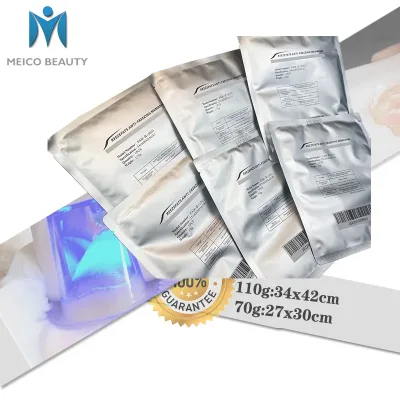
$0.5647 - $0.6981
MOQ: 100 pieces
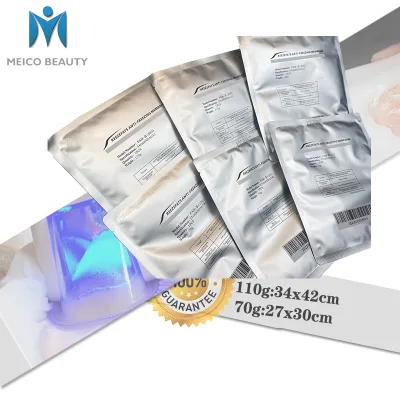
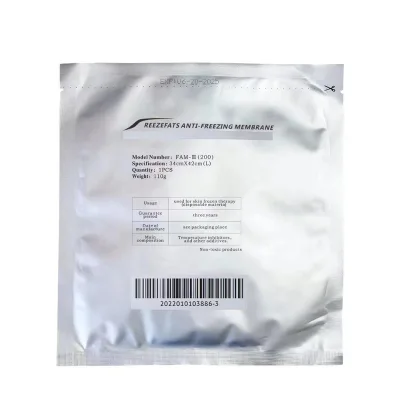
Cryo Machine Use Antifreeze Membrane 70g 110g Anti Freeze Gel Pads Anti-freeze Membrane
$0.5647 - $0.6981
MOQ: 1 sets
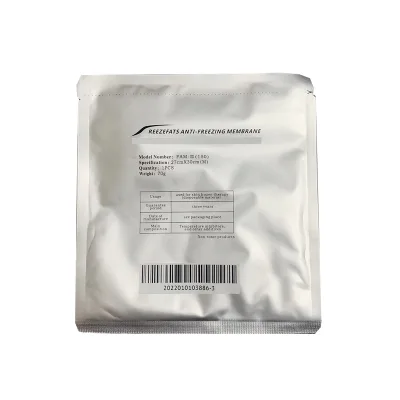
Best Selling Ce Approved Cryotherapy Antifreeze Membrane to Protect Skin
$0.5647 - $0.6981
MOQ: 1 sets
Guangzhou Itech Aesthetics Co., Ltd.
- Manufacturer, Trading Company
- Guangdong, China
- Lead time8 days
- Avg. response≤ 5h
Main productsshockwave therapy machine,ems sculpting machine,derma roller,hydrodermabrasion,ems training suit
Main marketsNorth America(42.00%), Southern Europe(9.00%), Northern Europe(9.00%), Eastern Europe(9.00%), Western Europe(9.00%), Mid East(7.00%), South Asia(2.00%), Africa(2.00%), Southeast Asia(2.00%), Central America(2.00%), South America(2.00%), Eastern Asia(2.00%), Oceania(2.00%), Domestic Market(1.00%)
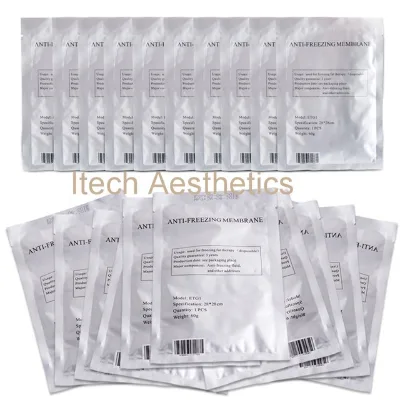
$0.8464 - $1.0606
MOQ: 1 Minimum
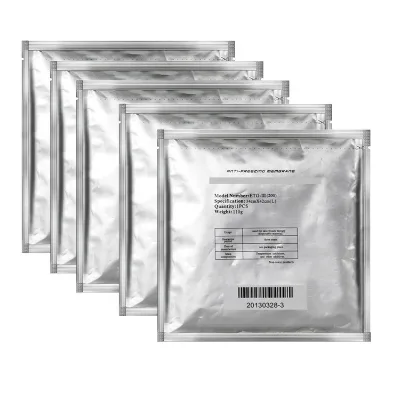
$0.8464 - $1.0606
MOQ: 50 Minimum
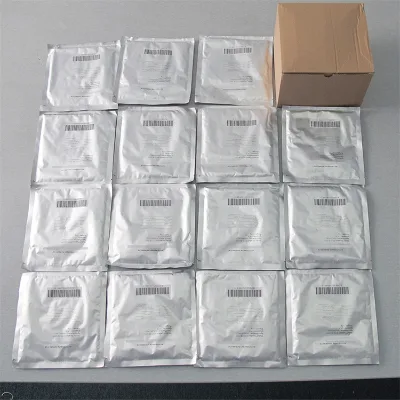
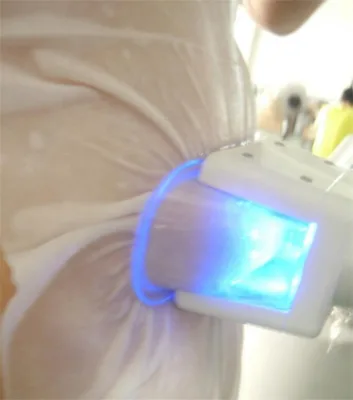
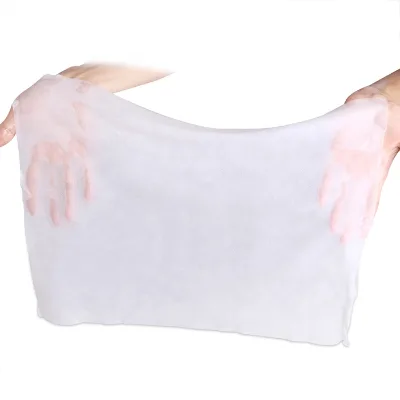
Cheap Price Cryo Pad Anti Freeze Cryotherapy Antifreezing Membrane Cryolipolysis Antifreeze Membrane
$0.8539 - $1.0696
MOQ: 50 Minimum
$0.8539 - $1.0696
MOQ: 1 Minimum
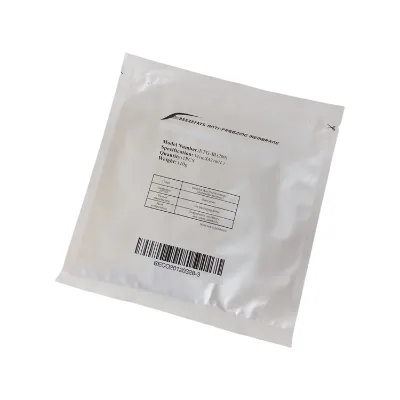
High Quality Wholesale Antifreeze Membrane Film Fat Freezing Large Membranes Antifreez Membrane
$0.8539 - $1.0696
MOQ: 1 Minimum
- Manufacturer
- Guangdong, China
- Lead time5 days
- Avg. response≤ 4h
Main productsfitness machine,shock wave,ems,beauty machine
Main marketsWestern Europe(30.00%), Eastern Europe(30.00%), North America(30.00%), Southern Europe(10.00%)
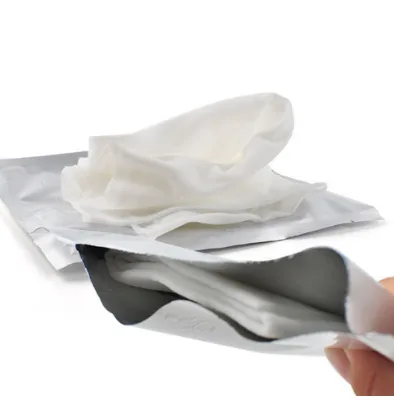
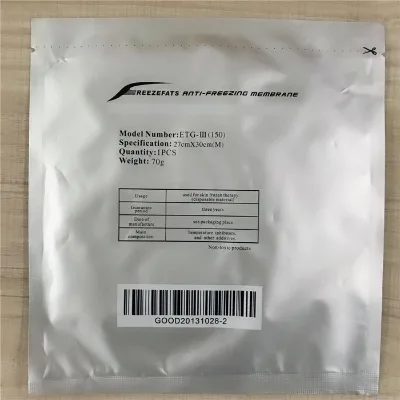
ETG-III Cryo Antifreeze Pads Anti Freeze Membranes for Cryo Freeze Fat Cryolipolysis
$0.8868 - $0.9782
MOQ: 20 pieces
$0.8239 - $0.9782
MOQ: 20 pieces
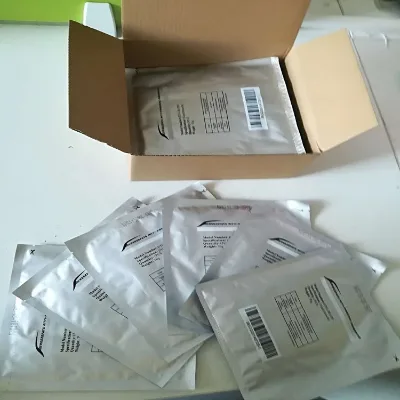
Antifreeze Membrane Cryo Antifreeze Membrane Cryo Lipolysis Antifreeze Membrane for Cold
$0.8269 - $1.0336
MOQ: 20 pieces
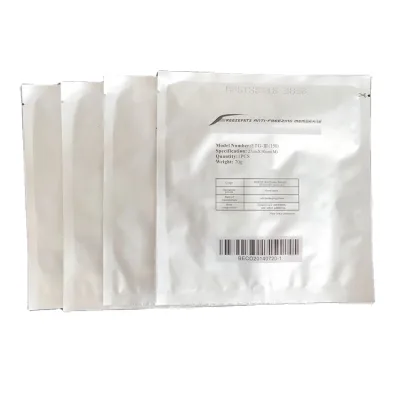
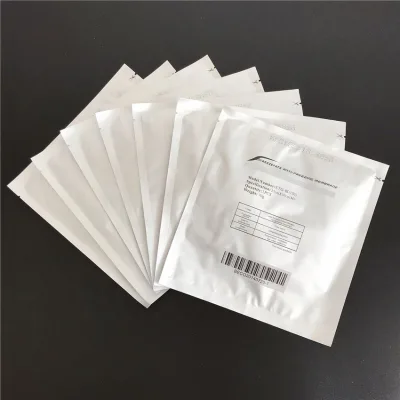
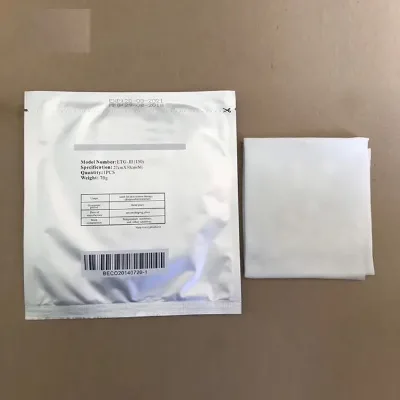
Cryo Antifreeze Membrane Antifreeze Membrane Fat Freeze for Cryolipolyse Anti Freeze Membrane
$0.8239 - $1.0306
MOQ: 50 pieces
$0.8239 - $1.0306
MOQ: 20 pieces

Changsha Baozhinuan Insulation Materials Co., Ltd.
- Verified by CTI
- Combined
- China Hunan
- Lead time15 days
- Avg. response≤ 18h
Main productsXPS Board.
Main marketsDomestic
Luya Thermal Insulation Material Hebei Co., Ltd.
- Verified by SGS Group
- Manufacturer, Trading Company
- Lead time15 days
- Avg. response≤ 4h
Main productsRubber Foam, Glass Wool, Rock Wool
Main marketsSoutheast Asia(40%), South America(30%), Oceania(30%)
Suzhou Best Link New Material Co.,Ltd
- Manufacturer, Trading Company
- Jiangsu, China
- Lead time10 days
- Avg. response≤ 5h
Main productsPE Film,Heat Insulation,Building Insulation,Aerogel Insulation,Roofing Tissue
Main marketsSouth Asia(100.00%), Africa(100.00%), Southern Europe(100.00%), Northern Europe(100.00%), Central America(100.00%), Western Europe(100.00%), Eastern Asia(100.00%), Mid East(100.00%), Domestic Market(82.00%), Southeast Asia(5.00%), Oceania(5.00%), North America(4.00%), South America(3.00%), Eastern Europe(1.00%)
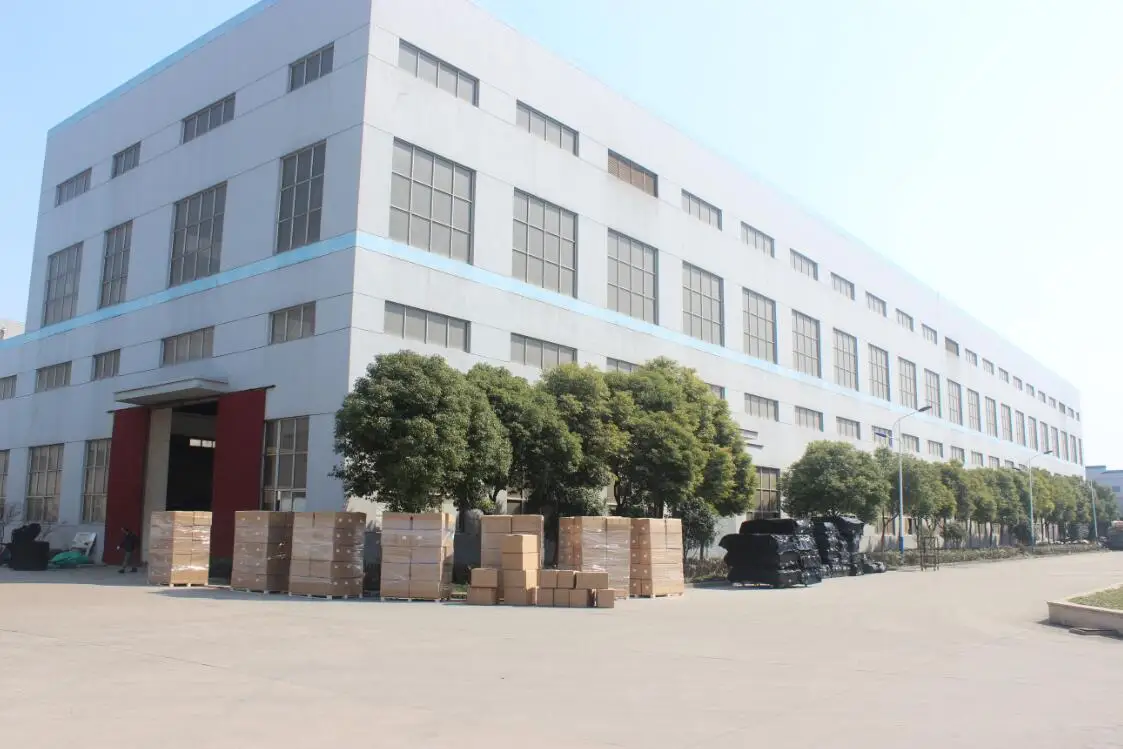
Changzhou Chengda Sponge Co., Ltd.
- Manufacturer
- Jiangs, China
- Lead time7 days
- Avg. response≤ 3h
Main productspolyurethane foam,reticulated foam,packaging foam,acoustic foam,foam insert
Main marketsDomestic Market(40.00%), North America(10.00%), Western Europe(10.00%), Southern Europe(10.00%), Eastern Europe(10.00%), Eastern Asia(5.00%), Central America(5.00%), South Asia(5.00%), Africa(2.00%), Southeast Asia(2.00%), Northern Europe(1.00%)

Wuxi Wanfeng Protection Film Co., Ltd.
- Combined
- China Jiangsu
- Lead time15 days
- Avg. response≤ 2h
Main productsPE Protective Film, Pi Tape, Cold Seal Adhesive Tape, Thermal Release Tape
Main marketsDomestic


White PE Protective Film for Brushed Stainless Steel Refrigerator Panels
$0.78 - $1.80
MOQ: 3000 Square Meters


Rizhao Fenghua Scaffoldings Co., Ltd.
- Verified by BV
- Combined
- China Shandong
- Lead time45 days
- Avg. response≤ 13h
Main productsScaffolding, Scaffold, Forging, Formwork, Scaffold Couplers, Swivel Coupler, Frame System, Hand Tools, Scaffold Plank
Main marketsSouth America,East Asia(Japan/ South Korea),Europe,North America




Comprehensive Sourcing Guide
Anti Freeze Cryo Barrier Sheets Supplier Concentration and Factory Types
The sourcing landscape for Anti Freeze Cryo Barrier Sheets reveals a distinct concentration of manufacturing and trading entities within specific Chinese industrial hubs. Current supplier result facts indicate that production capabilities are heavily clustered in regions such as Shanghai and Guangdong. These locations serve as primary nodes for the fabrication of cryotherapy consumables, including the composite material membranes used in lipolysis treatments. Buyers evaluating potential partners should recognize that Shanghai-based entities often operate as manufacturers or factories, leveraging established industrial infrastructure to produce items like bandages, tapes, and specialized wound dressings that may share supply chain similarities with cryo barriers. Conversely, Guangdong-based suppliers frequently present as trading companies, aggregating products from various factories to offer a broader catalog that includes beauty equipment alongside consumables. This dichotomy between direct manufacturers and trading intermediaries is critical for buyers to understand, as it directly influences pricing structures, customization flexibility, and the depth of technical support available during the sourcing process.
Understanding the company type is essential for aligning procurement strategies with business goals. Manufacturer entities, such as those identified in Shanghai with ISO 13485 and ISO 9001 certifications, typically offer greater control over raw material selection and production quality. These suppliers often provide OEM and ODM services, allowing for significant customization of product attributes like weight, material composition, and packaging dimensions. In contrast, trading companies located in Guangdong may offer faster access to a wider variety of product models and sizes, such as the 12x12cm, 28x28cm, and 34x42cm variants commonly listed in product catalogs. While trading entities might not possess direct manufacturing facilities, they often facilitate easier communication and consolidated shipping for buyers who require multiple product types. Buyers must carefully assess whether their priority lies in deep customization and direct factory oversight or in product variety and logistical convenience, as this decision will dictate whether they engage with a factory in Shanghai or a trading company in Guangdong.
How to Verify Anti Freeze Cryo Barrier Sheets Suppliers
Verification of Anti Freeze Cryo Barrier Sheets suppliers requires a rigorous examination of third-party credentials and system certifications to ensure product safety and manufacturing reliability. The presence of specific verification badges, such as SGS or BV, serves as an initial indicator of a supplier’s operational legitimacy and adherence to international trade standards. However, verification badges alone are insufficient for assessing product quality, particularly for items that come into direct contact with human skin during cryolipolysis procedures. Buyers must prioritize suppliers who hold relevant medical device or quality management certifications, such as ISO 13485, which is specifically designed for medical device quality management systems. This certification is a strong indicator that the supplier maintains rigorous controls over their production environment, material sourcing, and quality assurance processes. Additionally, the presence of ISO 9001 certification further validates the supplier’s commitment to consistent quality management practices. Buyers should request copies of these certificates and verify their validity through the issuing bodies to ensure they are current and applicable to the specific products being sourced.
Beyond certifications, buyers should scrutinize product-specific test reports and compliance documentation to mitigate health and safety risks. Some suppliers list certifications such as MSDS, CE, and TUV Test Reports for their anti freeze membranes, which are crucial for demonstrating that the materials meet regional regulatory requirements. These documents provide evidence that the composite materials used in the barrier sheets are safe for their intended application and do not contain harmful substances. Buyers should also verify the supplier’s response time and verification status, as these metrics can reflect the company’s operational efficiency and transparency. A supplier with a rapid response time, such as those indicating a response time of 2 or 3 hours, often demonstrates a more responsive and customer-centric approach. Furthermore, buyers should inquire about the specific testing protocols used for the anti freeze membranes, including thermal performance tests and material safety assessments. Requesting sample products for independent laboratory testing is a prudent step to validate the supplier’s claims regarding material composition, freezing temperature capabilities, and skin protection efficacy before committing to large-scale orders.
What to Compare Across Anti Freeze Cryo Barrier Sheets Suppliers
When evaluating multiple suppliers for Anti Freeze Cryo Barrier Sheets, buyers must systematically compare key operational metrics to identify the most suitable partner for their specific needs. One of the most critical factors is the minimum order quantity (MOQ), which varies significantly across different suppliers and product lines. For instance, some manufacturers may require an MOQ of 1000 pieces, reflecting their focus on bulk production and cost efficiency, while trading companies might offer lower MOQs, such as 50 or 100 pieces, to accommodate smaller buyers or trial orders. This distinction is vital for buyers who are testing the market or have limited storage capacity. Additionally, buyers should compare the available product sizes and specifications, as the anti freeze membranes come in various dimensions, including 12x12cm, 27x30cm, 34x42cm, and others. The ability to customize these sizes, along with material weight and packaging, can be a decisive factor for buyers who need to match specific cryolipolysis machine models. Suppliers that offer flexible customization options, such as OEM services, provide greater adaptability for buyers with unique requirements.
Lead time and response speed are equally important comparative metrics that impact supply chain reliability and customer satisfaction. Suppliers with shorter lead times, such as those indicating a lead time of 3 to 15 days, can offer faster turnaround for urgent orders, which is beneficial for maintaining inventory levels and meeting customer demand. Response time is another indicator of supplier efficiency, with some suppliers demonstrating response times of under 4 hours, suggesting a high level of operational readiness. Buyers should also compare the range of main products offered by each supplier, as those with a broader catalog may provide better opportunities for consolidated purchasing. For example, suppliers that offer both anti freeze membranes and related beauty equipment can simplify the procurement process. Price ranges should also be analyzed in conjunction with these factors, as lower prices may be associated with higher MOQs or longer lead times. By creating a comparison matrix that includes MOQ, lead time, response speed, product variety, and price, buyers can make data-driven decisions that balance cost, quality, and logistical efficiency.
Common Anti Freeze Cryo Barrier Sheets Sourcing Risks
Sourcing Anti Freeze Cryo Barrier Sheets from international suppliers introduces several risks that buyers must proactively manage to ensure product quality and supply chain stability. One significant risk is the variability in material quality and performance, as the effectiveness of the anti freeze membrane depends heavily on the composite materials used. Buyers may encounter suppliers who use inferior materials that fail to maintain the required sub-zero temperatures or do not provide adequate skin protection, potentially leading to customer complaints or safety incidents. This risk is exacerbated by the lack of standardized industry specifications for these consumables, making it difficult to compare products objectively. Buyers must rely on supplier-provided test reports and samples to assess material quality, but even these can be misleading if not independently verified. Additionally, the risk of intellectual property infringement exists, particularly when dealing with suppliers who offer OEM services. Buyers should ensure that their brand designs and proprietary specifications are protected through clear contractual agreements and non-disclosure clauses.
Another common risk is the discrepancy between advertised product attributes and actual delivered goods, which can result from poor quality control or miscommunication. Suppliers may list product specifications such as weight, size, or packaging details that do not match the final product, leading to logistical issues or customer dissatisfaction. This risk is particularly prevalent when working with trading companies that may not have direct oversight of the manufacturing process. Buyers should implement strict quality assurance protocols, including pre-shipment inspections and third-party verification services, to mitigate this risk. Furthermore, the risk of supply chain disruptions due to geopolitical factors, shipping delays, or raw material shortages can impact order fulfillment. Buyers should diversify their supplier base and maintain safety stock to buffer against such disruptions. Communication barriers and cultural differences can also lead to misunderstandings regarding product requirements and delivery terms. Establishing clear communication channels and using detailed technical specifications can help minimize these risks. Buyers should also be cautious of suppliers who do not provide transparent pricing or hidden fees, which can erode profit margins and complicate financial planning.
Anti Freeze Cryo Barrier Sheets Regional Sourcing and Logistics
Regional sourcing of Anti Freeze Cryo Barrier Sheets from China offers distinct logistical advantages and challenges that buyers must navigate to optimize their supply chain. The concentration of suppliers in Shanghai and Guangdong provides access to well-developed industrial clusters and efficient port infrastructure, facilitating smoother export processes. Shanghai, as a major international shipping hub, offers convenient access to global markets, making it an attractive location for buyers seeking reliable and fast shipping options. Suppliers in this region often have established relationships with freight forwarders and logistics providers, enabling them to offer competitive shipping rates and efficient customs clearance. Guangdong, another key manufacturing hub, benefits from its proximity to major ports in Shenzhen and Guangzhou, which further enhances logistical efficiency. Buyers should consider the location of their suppliers when planning logistics, as proximity to ports can reduce transit times and shipping costs. Additionally, buyers should evaluate the supplier’s shipping options, such as air or sea freight, and their ability to handle different packaging requirements, such as aluminum bags or cartons.
Logistics planning also involves managing packaging and carton dimensions to maximize shipping efficiency and minimize costs. Suppliers often provide specific carton dimensions, such as 44x22x57cm or 31x41x57cm, which buyers can use to calculate container loading quantities and optimize freight expenses. Understanding these dimensions is crucial for buyers who need to plan warehouse storage and distribution logistics. Buyers should also consider the weight of the products, as anti freeze membranes come in various weights, such as 60g, 70g, or 110g, which can impact shipping costs. Additionally, buyers should be aware of any special handling requirements for the products, such as temperature control during transit, although anti freeze membranes are typically stable at room temperature. Buyers should work closely with their suppliers to ensure that packaging is robust enough to protect the products during shipping and handling. Furthermore, buyers should consider the impact of regional trade policies and tariffs on their sourcing decisions, as these factors can influence the total cost of ownership. By carefully planning logistics and leveraging the advantages of regional sourcing, buyers can enhance supply chain efficiency and reduce overall procurement costs.
Anti Freeze Cryo Barrier Sheets Commercial Terms and Order Planning
Commercial terms and order planning are critical components of successful sourcing for Anti Freeze Cryo Barrier Sheets, requiring careful negotiation and strategic foresight. Payment terms, such as TT (Telegraphic Transfer), are commonly used in transactions with Chinese suppliers, and buyers should understand the implications of these terms on cash flow and risk management. Buyers should negotiate favorable payment terms, such as partial upfront payment and balance upon shipment, to mitigate financial risk. Additionally, buyers should clarify any additional costs, such as sample fees, mold charges, or customization fees, to avoid unexpected expenses. The availability of free samples is a valuable commercial term that allows buyers to evaluate product quality before committing to large orders. Buyers should take advantage of this opportunity to assess the anti freeze membranes’ performance and material quality. Furthermore, buyers should establish clear order planning processes, including lead time expectations and production schedules, to ensure timely delivery. Suppliers with shorter lead times, such as 3 to 15 days, offer greater flexibility for order planning, allowing buyers to respond quickly to market demand.
Order planning also involves managing inventory levels and forecasting demand to prevent stockouts or excess inventory. Buyers should work closely with their suppliers to develop accurate demand forecasts and adjust order quantities accordingly. Suppliers that offer flexible MOQs and customization options can help buyers optimize inventory
FAQs
What is the typical lead time for antifreeze membranes?
Manufacturers in China generally offer lead times ranging from 3 to 15 days depending on order volume and customization needs. Some suppliers provide rapid turnaround within 10 days for standard sizes, while others may require up to 15 days for larger batches. Buyers should confirm specific delivery schedules with the supplier before placing orders to ensure timely production and shipping.
What is the minimum order quantity for cryo pads?
Minimum order quantities vary significantly among suppliers, typically ranging from 50 pieces to 1000 pieces. Some manufacturers accept small trial orders of 50 units, while others require bulk purchases starting at 100 or 1000 pieces. Buyers should verify the specific MOQ with each supplier to align with their inventory requirements and budget constraints for initial procurement.
What certifications do antifreeze membrane suppliers hold?
Reputable suppliers often hold ISO 13485 and ISO 9001 certifications for quality management systems. Additionally, product-specific certifications such as CE, RoHS, LVD, EMC, MSDS, and TUV test reports are commonly available. These credentials ensure compliance with international safety and quality standards for medical and beauty equipment accessories used in cryolipolysis treatments.
What is the price range for anti freeze membranes?
Prices for antifreeze membranes typically range from $0.50 to $3.00 per unit depending on size, material, and order quantity. Smaller pads may cost around $0.50 to $1.50, while larger or specialized versions can reach up to $3.00. Buyers should request detailed quotes based on their required dimensions and volume to determine the most cost-effective option for their business.
Are samples available for antifreeze membrane products?
Many manufacturers offer free samples to allow buyers to test product quality before placing bulk orders. These samples are typically available in standard sizes and materials, enabling evaluation of thickness, cooling performance, and packaging. Buyers should contact suppliers directly to request samples, noting that shipping costs may apply depending on the supplier's sample policy and location.
What materials are used in cryo barrier sheets?
Antifreeze membranes are commonly made from composite materials designed to maintain low temperatures effectively. Some products utilize liquid-based formulations or specialized composite structures to ensure uniform cooling. The materials are selected for their durability, safety, and ability to protect skin during cryolipolysis procedures. Buyers should verify material specifications with suppliers to ensure compatibility with their equipment and treatment protocols.
What sizes are available for anti freeze cryo pads?
Standard sizes include 12x12cm, 22x24cm, 27x30cm, 28x28cm, 32x32cm, and 34x42cm. Suppliers offer various dimensions to fit different cryolipolysis machines and treatment areas. Custom sizes may also be available upon request. Buyers should select sizes that match their equipment specifications to ensure optimal performance and coverage during body contouring procedures.