anti-glare mini led spot light Suppliers and Manufacturers
Compare 28 verified suppliers offering anti-glare mini led spot lights with varying lead times, certifications, and response speeds. Review product specs like IP ratings and power sources, then request quotes to confirm pricing and customization options; review the available evidence before requesting comparable quotations from suitable candidates.
Updated
Suppliers List

Zhongshan Fansen Lighting CO., LTD.
- Verified by CTI
- Combined
- China Guangdong
- Lead time30 days
- Avg. response≤ 2h
Main productsLED Light, LED Downlight, LED Tracklight, LED Spotlight, LED Linearlight
Main marketsSoutheast Asia/ Mideast,Domestic
Shenzhen Evolite Lighting Limited
- Manufacturer
- Guangdong, China
- Lead time15 days
- Avg. response≤ 2h
Main productsLED down light,LED MR16 module,LED track light,LED ground light,LED spot light
Main marketsSouth Asia(20.00%), South America(10.00%), Southern Europe(10.00%), Northern Europe(10.00%), Western Europe(10.00%), Eastern Asia(10.00%), Mid East(10.00%), Southeast Asia(10.00%), Eastern Europe(10.00%)

Guangdong Benhao Trading Co., Ltd.
- Verified by SGS
- Combined
- China Guangdong
- Lead time23 days
- Avg. response≤ 3h
Main productsLED Track Light, Ceiling Light, Spot Light, Magnetic Light
Main marketsAfrica,Southeast Asia/ Mideast,Europe
Zhongshan Lendian Opto-Electronic Technology Co., Ltd.
- Verified by SGS Group
- Manufacturer, Trading Company
- Lead time14 days
- Avg. response≤ 2h
Main productsLED Down Light/LED Panel Light/LED Track Light/LED Linear Light/LED Ceiling Light
Main marketsMid East(26%), Domestic Market(20%), Southeast Asia(15%)
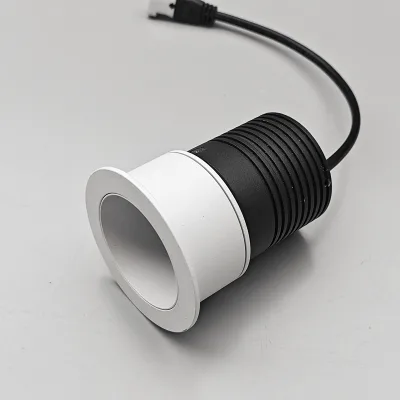
$3.6383 - $5.4469
MOQ: 200 pieces
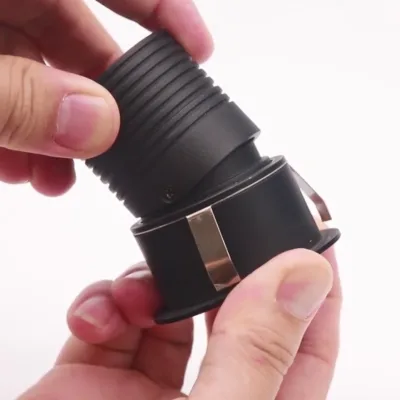
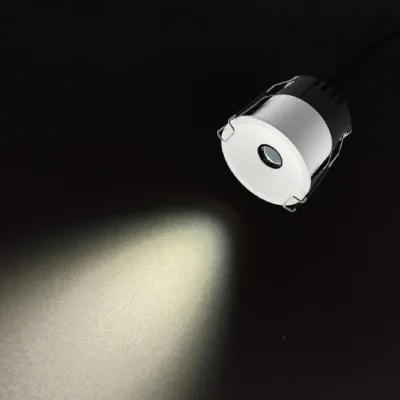
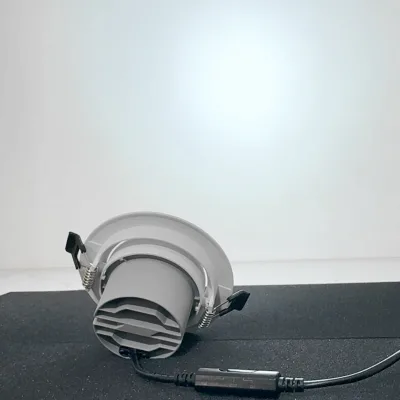
$3.6188 - $5.9975
MOQ: 300 pieces
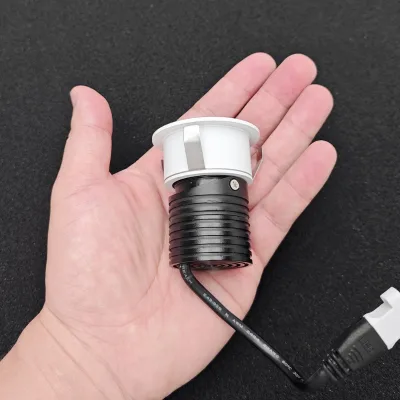
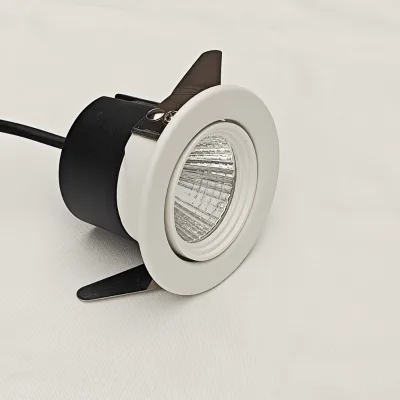

Guangdong The One Studio Co., Limited
- Verified by SGS
- Combined
- China Guangdong
- Lead time15 days
- Avg. response≤ 4h
Main productsLED Studio Light, LED Stage Light, LED Profile Spotlight, LED Leko, Profile Spot Light, LED Fresnel Light, LED Video Panel Light, LED Blinder Light, Stage Lighting, Soft Light
Main marketsSouth America,Southeast Asia/ Mideast,East Asia(Japan/ South Korea),Europe,North America
Guangzhou Oushang Lighting Technogy Co., Ltd.
- Verified by TüVRheinland
- Trading Company
- Lead time15 days
- Avg. response≤ 2h
Main productsMagnetic Track Light, LED Linear Light, LED Track Light, LED Ceiling Light, LED Downlight
Main marketsNorthern Europe(27%), South America(15%), Mid East(15%)
Zhongshan Baron Lighting Co.,ltd
- Verified by SGS Group
- Manufacturer, Trading Company
- Lead time30 days
- Avg. response≤ 1h
Main productsLinear light, Spot light, Down light, Track light, Magnetic track light
Main marketsMid East(40%), North America(20%), Southeast Asia(20%)
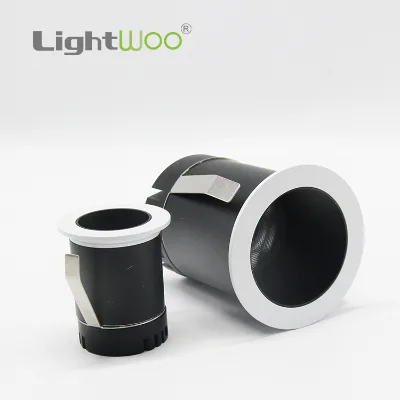
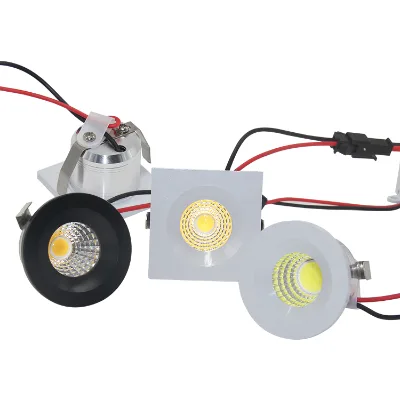
$0.9769 - $2.0465
MOQ: 1 pieces
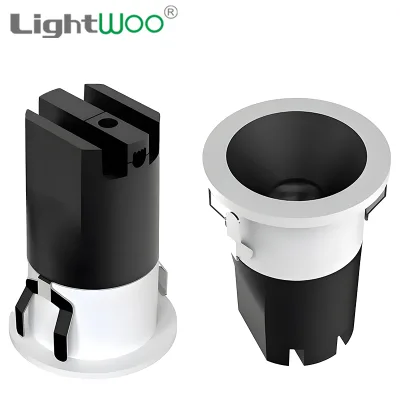
$2.7556 - $4.1649
MOQ: 500 pieces

Shenzhen GISIH Lighting Co., Ltd.
- Manufacturer/Factory
- China Guangdong
- Lead time15 days
- Avg. response≤ 2h
Main productsLED Display Special Lights, LED Ceiling Spotlight, LED Cabinet Spotlight, LED Track Light, LED Ceiling Light, LED Vertical Spotlight, LED Downlight, LED Strip Light, LED Showcase Lights
Main marketsSouth America,Eastern Europe,Mid East,North America,Southeast Asia,Eastern Asia,Oceania,Western Europe,Africa

1W Mini LED Surface-Mounted Spotlight for Jewelry Anti-Glare Museum Cabinet Spot Light
$4.82 - $6.67
MOQ: 10 Pieces

Adjustable 3W LED Spotlight for Display Case Lighting Mini LED Spotlight
$7.00 - $10.00
MOQ: 100 Pieces
Guangdong IG Optoelectronic Technology Co., Ltd.
- Manufacturer, Trading Company
- Guangdong, China
- Lead time20 days
- Avg. response≤ 20h
Main productsled downlight,led spotlight,led track light,led wall washer,led linear light
Main marketsDomestic Market(80.00%), Southeast Asia(5.00%), South America(2.50%), Southern Europe(2.50%), Northern Europe(2.50%), Western Europe(2.50%), Mid East(2.50%), Eastern Europe(2.50%)

Zhongshan Huiheng Lighting Co., Ltd.
- Manufacturer
- Guangdong, China
- Lead time40 days
- Avg. response≤ 11h
Main productsLED Ceiling Spotlight Series,LED Grille Spotlight Series,LED Downlight Series,LED Track Light Series,LED Magnetic Suction Light Series
Main marketsDomestic Market(50.00%), Western Europe(30.00%), North America(10.00%), Mid East(10.00%)
Shenzhen Fredlighting Technology Limited
- Verified by TüVRheinland
- Manufacturer, Trading Company
- Lead time7 days
- Avg. response≤ 3h
Main productsLED Neon Sign, LED Strip Light, LED Down Light Panel Light, Outdoor Solar Lamp
Main marketsNorth America(26%), South America(16%), Northern Europe(16%)

Jiangmen Synno Lighting Co., Ltd.
- Verified by TUVRHEINLAND
- Combined
- China Guangdong
- Lead time30 days
- Avg. response≤ 4h
Main productsDownlight, Garden Light, Underground Light, Inground Light, Swimming Pool Light, LED Flood Lights, LED Track Lights, LED Under Water Light, LED Ceiling Light, Landscape Lighting
Main marketsSoutheast Asia/ Mideast

Mini Spot Light Round COB Spot Light Anti Glare Recessed Trimless Spotlight
$4.90 - $9.90
MOQ: 20 Pieces

Recessed Downlight Anti Glare 3CCT Ra80/90 Round Mini COB LED Spot Lights
$4.90 - $9.90
MOQ: 20 Pieces

Small Size Down Light Ceiling Spotlight Mini Spot Light LED Recessed Downlight
$4.90 - $9.90
MOQ: 20 Pieces

Down Spot Light Indoor Dimmable Commercial Recessed Mini Spotlights LED Downlight
$9.90 - $15.90
MOQ: 50 Pieces

Modern Downlight Recessed Adjustable LED Down Light Anti-Glare LED Spotlight
$6.90 - $7.90
MOQ: 50 Pieces

Recessed Down Light Dimmable LED Wall Spotlight Anti Glare Downlight for Shop
$5.50 - $15.50
MOQ: 20 Pieces
Changsha Dengdu E-commerce Co., Ltd.
- Trading Company
- Hunan, China
- Lead time0 days
- Avg. response≤ 2h
Main productslighting
Main marketsNorth America(51.00%), Northern Europe(49.00%)
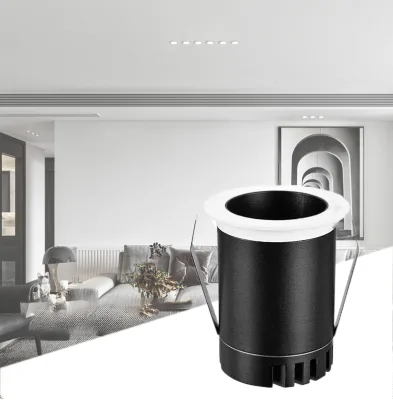
Recess Frameless LED Spotlight Home Office Downlights Mini LED Spotlight
$3.7699 - $8.3761
MOQ: 10 Minimum
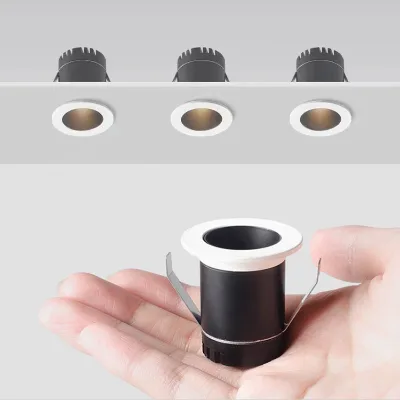
COB Ceiling Mini Spotlight Ra90 Anti-glare Indoor Recessed Narrow Beam Frameless Led Spot Light
$3.7699 - $6.91
MOQ: 10 Minimum

Changzhou Forever Lighting Co., Ltd.
- Manufacturer/Factory
- China Jiangsu
- Lead time30 days
- Avg. response≤ 16h
Main productsLED Downlight, LED Track Light, LED Floodlight, LED Panel Light, LED Bulkhead Light, LED Tri-Proof Light, LED Street Lamp, LED Ceiling Light, LED Down Light, LED Linear Light
Main marketsEastern Europe,North America,Western Europe


Home Office Antiglare 8W Ceiling Recessed Spot Light Lamp LED Downlight
$3.30 - $4.30
MOQ: 1000 Pieces

Antiglare 6W 7W 8W Ceiling Recessed Waterproof Spot Light Lamp LED Downlight
$5.50 - $8.00
MOQ: 10 Pieces

Anti-Glare High Brightness 7W 12W 18W 3CCT LED Spot Light Interior Downlight
$3.00 - $7.00
MOQ: 1000 Pieces

Aluminum Recessed Anti-Glare 20W LED Spotlight LED Downlight for Home
$10.00 - $15.00
MOQ: 1000 Pieces

Zhongshan Chaolang Lighting Co., Ltd.
- Verified by SGS
- Combined
- China Guangdong
- Lead time30 days
- Avg. response≤ 1h
Main marketsEurope

Guangzhou Yi Can Lighting Co.,Ltd
- Verified by TUVRHEINLAND
- Trading Company,Manufacturer/Factory
- China Guangdong
- Lead time15 days
- Avg. response≤ 8h
Main productsSolar Street Light, Solar Flood Light, Solar Ceiling Light, Solar Garden Light, Solar Rubber Light, Solar UFO Light, Solar Hight Bay, LED Track Light, LED Downlight, LED Tube
Main marketsSouth America,Eastern Europe,Mid East,North America,Western Europe


7W-30W Deep Anti Glare Embedded LED Recessed Spotlight Downligh Spot Light
$3.00 - $7.00
MOQ: 1 Pieces

7W-30W Deep Anti Glare Embedded Waterproof LED Recessed Spotlight Downligh Spot Lighting
$3.00 - $7.00
MOQ: 1 Pieces
Zhongshan Fuyi Lighting Electrical Appliance Co., Ltd.
- Manufacturer, Trading Company
- Guangdong, China
- Lead time30 days
- Avg. response≤ 3h
Main productsLED Down Light, Track Light, Spot Light, Outdoor Lights
Main marketsDomestic Market(65.00%), Southern Europe(20.00%), Southeast Asia(10.00%), Mid East(5.00%)
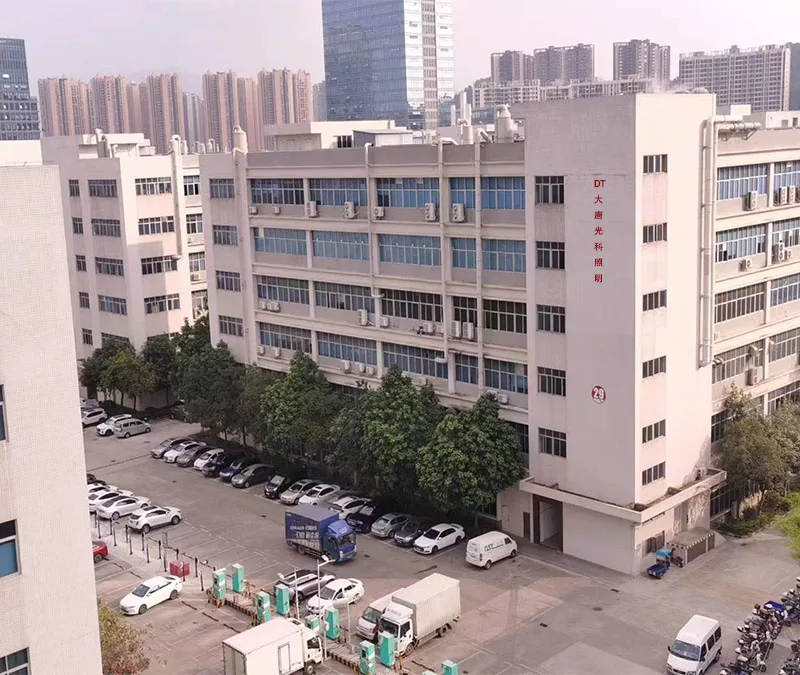
Shenzhen Datang Guangke Lighting Co., Ltd.
- Manufacturer, Trading Company
- Guangdong, China
- Lead time7 days
- Avg. response≤ 3h
Main productsLED Cabinet lights, LED Downlight, LED Spotlights, LED Track lights, LED Smart lamps
Main marketsMid East(40.00%), North America(20.00%), Southern Europe(10.00%), Western Europe(10.00%), Eastern Europe(10.00%), Southeast Asia(10.00%)
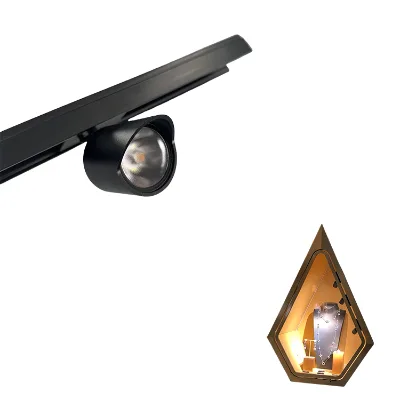
Mini LED Cob Spot Lights Recessed Spotlight for High RA for Jewelry Store & Museum Cabinet Lighting
$12.339 - $13.3668
MOQ: 20 pieces
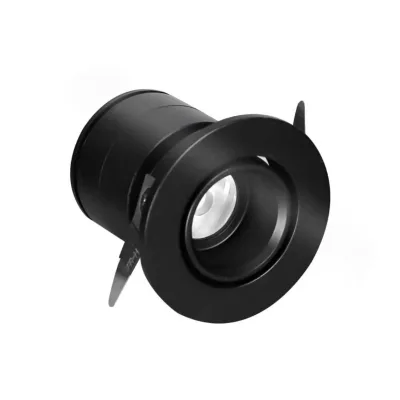
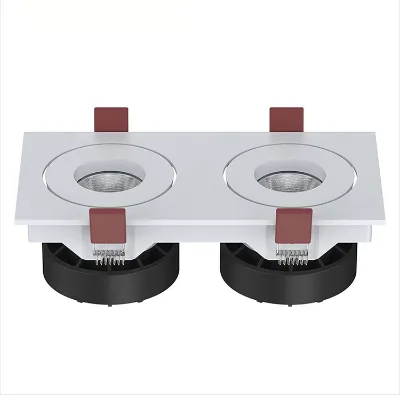
$6.6841 - $7.7942
MOQ: 20 pieces
Zhongshan Ecolux Lighting Co., Ltd.
- Verified by Intertek
- Manufacturer, Trading Company
- Lead time15 days
- Avg. response≤ 1h
Main productsLED Track Lights, LED Downlights, LED Spotlights, LED Magnetic Lights
Main marketsSoutheast Asia(58%), Mid East(10%), Domestic Market(10%)

- Verified by BV
- Manufacturer/Factory
- China Zhejiang
- Lead time30 days
- Avg. response≤ 9h
Main productsLED Light, Tail Light, Work Light, Ceiling Light, Flash Light, Projector, Cabinet Light, Mirror Light, LED Strip, Festival Light
Main marketsSouth America,Eastern Europe,North America,Western Europe,Africa

Zhongshan Kyqee Lighting Co., Ltd.
- Manufacturer
- Guangdong, China
- Lead time15 days
- Avg. response≤ 3h
Main productsMagnetic Lighting Serise,Downlight series,Spot Light Series,Track Light Series,Linear Light Series
Main marketsEastern Europe(18.00%), Southern Europe(18.00%), Domestic Market(17.00%), Mid East(13.00%), Southeast Asia(10.00%), South Asia(10.00%), South America(5.00%), Northern Europe(2.00%), Eastern Asia(2.00%), Oceania(1.00%), Africa(1.00%), North America(1.00%), Western Europe(1.00%), Central America(1.00%)

Dongguan Kangjuhong Photoelectric Technology Co., Ltd.
- Trading Company,Manufacturer/Factory
- China Guangdong
- Lead time23 days
- Avg. response≤ 4h
Main productsLED Light, Landscape Lighting, LED Spotlight, LED Downlight, Smart Light, LED Outdoor Light, Landscape Fixture, Step Light, Path Light, in-Ground Light
Main marketsEastern Europe,North America,Western Europe


Square Trimless 5/7/9/12W LED Downlight 12W Adjustable Anti Glare COB LED Spot Light
$12.00 - $20.00
MOQ: 20 Pieces

Guangdong Allway Lighting Electric Company Limited
- Combined
- China Guangdong
- Lead time15 days
- Avg. response≤ 6h
Main productsLED Down Light, LED Panel Light, LED Bulb, LED Track Light, LED Ceiling Light, LED Spot Light, LED Grill Light
Main marketsSouth America,Southeast Asia/ Mideast,Europe

High Quality LED Spotlight Recessed Mini Spot Light Small Ceiling Down Light
$2.45 - $2.75
MOQ: 10 Pieces


Shenzhen Biyite Optoelectronics Technology Co., Ltd.
- Manufacturer, Trading Company, Buying Office, Agent, Distributor/Wholesaler
- Guangdong, China
- Lead time0 days
- Avg. response≤ 3h
Main productsLED Wall Light,led Hanging light,LED chandiler,LED retro Light,mini LED spot light
Main marketsWestern Europe(35.00%), North America(30.00%), Oceania(10.00%), Northern Europe(10.00%), South America(5.00%), Domestic Market(5.00%), Mid East(3.00%), Southeast Asia(1.00%), Eastern Europe(1.00%)
Huizhou Boy Lighting Technology Co., Limited
- Manufacturer, Trading Company
- Guangdong, China
- Lead time7 days
- Avg. response≤ 3h
Main productsLED Spotlight,LED G4 G9 Bulbs,LED E14 E12 Bulbs,LED Filament Bulbs,LED Smart Light
Main marketsWestern Europe(30.00%), North America(20.00%), Northern Europe(10.00%), South America(10.00%), Southern Europe(10.00%), Eastern Europe(10.00%), South Asia(5.00%), Mid East(5.00%)
- Verified by TüVRheinland
- Manufacturer, Trading Company
- Lead time35 days
- Avg. response≤ 5h
Main productsLED Spot Light, Cabinet Light, LED Track Light, LED Down Light, LED Modular
Main marketsNorthern Europe(30%), Western Europe(25%), Oceania(20%)
Guangdong Kangrun Import & Export Co., Ltd.
- Trading Company
- Guangdong, China
- Lead time30 days
- Avg. response≤ 3h
Main productsLED SPOTLIGHT,LED DOWNLIGHT,LED TRACK LIGHT,GU10,MR16
Main marketsAfrica(20.00%), Mid East(10.00%), Domestic Market(10.00%), South America(10.00%), Southeast Asia(10.00%), Northern Europe(10.00%), Oceania(5.00%), South Asia(5.00%), Southern Europe(5.00%), Eastern Europe(5.00%), Western Europe(5.00%), Eastern Asia(5.00%)

How Bright Electronics Limited
- Trading Company
- China Guangdong
- Lead time23 days
- Avg. response≤ 3h
Main productsWall Lamp, Ceiling Lamp, Pendant Lamp, Spot Light, Down Light, Track Light
Main marketsSouth America,Africa,Southeast Asia/ Mideast,East Asia(Japan/ South Korea),Europe,Australia,North America


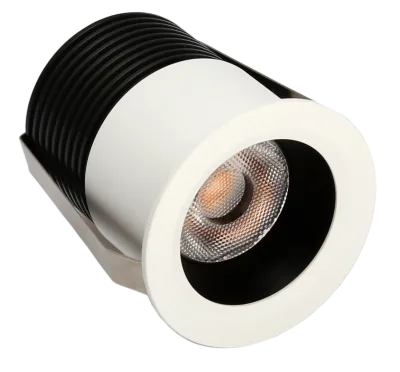
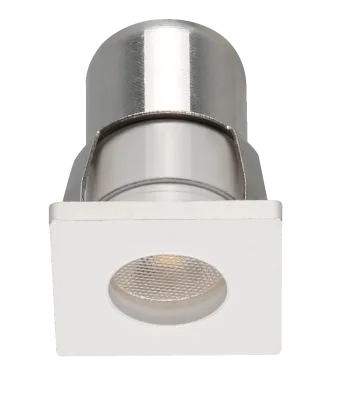


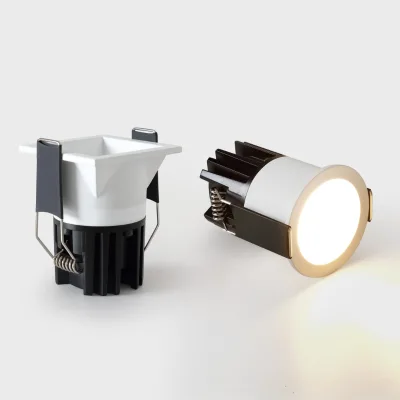
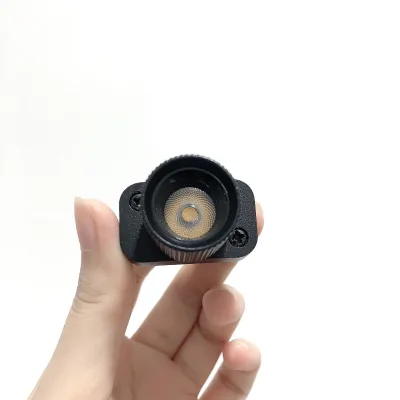


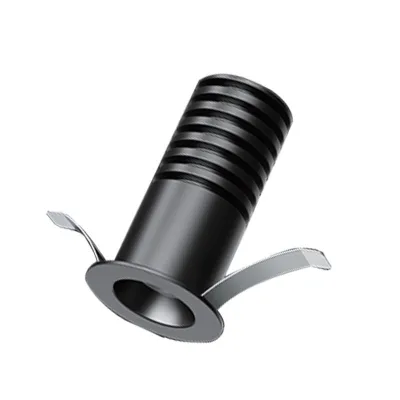
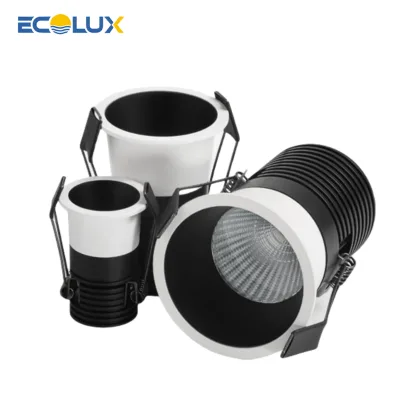
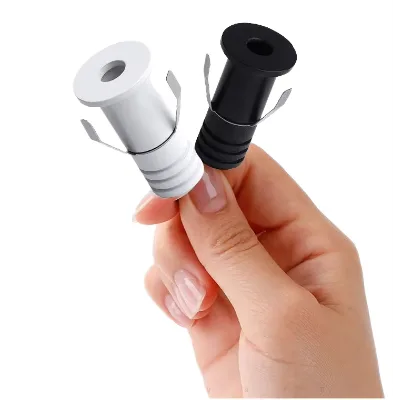


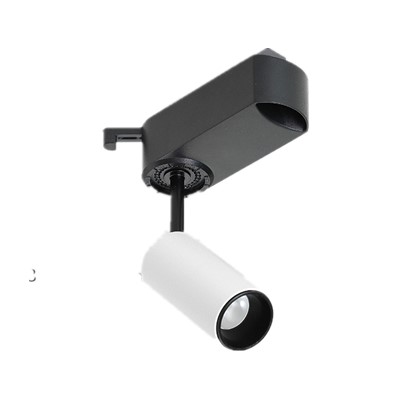


Comprehensive Sourcing Guide
Anti-Glare Mini Led Spot Light Supplier Concentration and Factory Types
The current supplier landscape for anti-glare mini LED spot lights is heavily concentrated in Guangdong, China, a region that serves as a global hub for electronics manufacturing and lighting innovation. This geographic clustering allows for efficient supply chain integration, where component suppliers for LED chips, drivers, and aluminum housings are located in close proximity to assembly facilities. Buyers evaluating this market will find that the majority of verified entities operate within this specific province, leveraging established infrastructure to support both domestic and international demand. The concentration in Guangdong is not merely a statistical observation but a structural reality that impacts lead times, communication efficiency, and the availability of specialized engineering talent. When sourcing these specific lighting fixtures, understanding that the primary production base is located in this region helps buyers set realistic expectations for logistics and factory audits. The density of suppliers in this area also fosters intense competition, which can drive down costs but requires careful vetting to ensure quality consistency.
Within this geographic cluster, the supplier types vary significantly, ranging from pure manufacturers to combined entities that handle both production and trading. The data indicates a mix of company types, including manufacturers who own their production lines and combined firms that may outsource certain stages while managing quality control and sales internally. This distinction is crucial for buyers because it affects transparency, pricing flexibility, and the ability to customize products. Manufacturers often provide more direct access to engineering teams for ODM or OEM projects, allowing for deeper customization of beam angles, color temperatures, and anti-glare mechanisms. Combined suppliers, on the other hand, might offer a broader catalog of related lighting products, such as track lights or downlights, which can simplify sourcing for buyers looking for comprehensive lighting solutions. Understanding the specific operational model of a supplier is essential for determining whether they can meet complex technical requirements or if they are better suited for standard, off-the-shelf purchases. The presence of both types in the Guangdong region provides buyers with options, but it also necessitates a clear definition of their own needs before engaging with potential partners.
How to Verify Anti-Glare Mini Led Spot Light Suppliers
Verification is a critical step in the sourcing process, particularly when dealing with electronic components like LED spot lights where performance and safety are paramount. Buyers should prioritize suppliers who have undergone third-party verification processes, such as CTI, which provides an additional layer of confidence regarding the supplier's business legitimacy and operational capabilities. This verification status is a key indicator that the supplier has been inspected and meets certain baseline standards for business operations. However, verification alone is not sufficient; buyers must also scrutinize the specific certifications held by the supplier and their products. The presence of system certifications like ISO9001:2015 indicates a structured approach to quality management, which is essential for maintaining consistent product quality across large production runs. Buyers should request copies of these certificates and verify their validity through the issuing bodies to ensure they are current and applicable to the specific manufacturing facilities.
In addition to corporate certifications, product-specific certifications are vital for ensuring compliance with international safety and electromagnetic compatibility standards. The anti-glare mini LED spot lights in the current results frequently display certifications such as CE, EMC, LVD, RoHS, and CCC, which are required for sale in various global markets. Buyers must confirm that these certifications are not just claimed but are backed by valid test reports from accredited laboratories. It is also important to verify that the certifications cover the specific models being ordered, as different products may have different compliance requirements. For instance, some products may require SAA certification for the Australian market, while others need specific UL listings for North America. Buyers should ask suppliers to provide the test reports corresponding to the exact model numbers they intend to purchase. This due diligence helps mitigate the risk of receiving non-compliant products that could lead to customs delays, legal liabilities, or safety hazards in the end-user environment.
What to Compare Across Anti-Glare Mini Led Spot Light Suppliers
When evaluating multiple suppliers, buyers should focus on key operational metrics that directly impact their supply chain efficiency and cost structure. Response time is a significant indicator of a supplier's responsiveness and customer service quality. In the current results, response times vary, with some suppliers showing a response time of 1.84 hours and others at 2 hours. While these differences may seem minor, they can accumulate over the course of a complex sourcing project, affecting decision-making speed and problem resolution. Buyers should consider how quickly a supplier responds to initial inquiries and technical questions, as this often correlates with their overall communication efficiency. Additionally, lead times are a critical factor in inventory planning and order fulfillment. The data shows lead times ranging from 15 days to 30 days, depending on the supplier and the specific product configuration. Buyers must align these lead times with their sales forecasts and inventory requirements to avoid stockouts or excessive holding costs.
Another crucial aspect of comparison is the minimum order quantity (MOQ) and pricing structure. The current results indicate an MOQ of 200 units for some products, which may be suitable for small to medium-sized buyers but could be a barrier for others. Buyers should compare the price ranges associated with different MOQs to determine the most cost-effective option for their volume needs. The price ranges observed vary significantly, from as low as $1.00 to over $25.00 per unit, depending on the power, features, and certification level of the product. Buyers should also evaluate the customization options available, such as the ability to adjust beam angles, color temperatures, or housing materials. Suppliers that offer ODM and OEM capabilities, as indicated by their R&D capacity, can provide greater flexibility for buyers looking to differentiate their products. By systematically comparing these operational and commercial factors, buyers can identify suppliers that best align with their specific business requirements and strategic goals.
Common Anti-Glare Mini Led Spot Light Sourcing Risks
One of the primary risks in sourcing anti-glare mini LED spot lights is the potential discrepancy between claimed specifications and actual product performance. Buyers must be vigilant about verifying technical attributes such as beam angle, color temperature consistency, and anti-glare effectiveness. The current results show a variety of beam angles, including 15, 24, 36, and 50 degrees, and color temperatures ranging from 2700K to 6500K. It is essential to request samples to test these parameters in real-world conditions, as laboratory data may not always reflect on-site performance. Additionally, the lifespan of the LEDs, often claimed to be 50,000 hours, should be validated through accelerated life testing or third-party reports. Failure to verify these technical specifications can lead to customer dissatisfaction and product returns, damaging the buyer's brand reputation. Buyers should also be cautious about the quality of components used, such as the LED chips and drivers, as these directly impact the longevity and reliability of the final product.
Another significant risk is the variability in quality control processes among different suppliers. Even within the same geographic region, quality standards can vary widely. Buyers should inquire about the supplier's quality assurance protocols, including incoming material inspection, in-process testing, and final product inspection. The presence of certifications like ISO9001:2015 is a positive indicator, but buyers should also ask for details on how these standards are implemented in daily operations. Furthermore, buyers should be aware of the risks associated with intellectual property infringement, especially when working with suppliers that offer customization services. It is crucial to ensure that any custom designs or branding are protected through appropriate legal agreements. Buyers should also monitor the supplier's financial stability and reputation to avoid disruptions in supply due to business failures. By proactively identifying and mitigating these risks, buyers can build a more resilient and reliable supply chain for their anti-glare mini LED spot light products.
Anti-Glare Mini Led Spot Light Regional Sourcing and Logistics
Sourcing from Guangdong, China, offers logistical advantages due to the region's well-developed infrastructure and proximity to major shipping ports. The concentration of suppliers in this area facilitates efficient consolidation of goods, allowing buyers to combine orders from multiple suppliers into a single shipment, which can reduce shipping costs and simplify logistics management. Buyers should leverage this geographic advantage by working with suppliers who have experience in international shipping and can handle export documentation, customs clearance, and freight forwarding. The lead times observed, ranging from 15 to 30 days, should be factored into the overall logistics planning, including transit time and customs clearance. Buyers should also consider the impact of seasonal fluctuations on shipping availability and costs, particularly during peak holiday seasons when demand for logistics services increases.
Logistics planning should also account for the specific packaging requirements of anti-glare mini LED spot lights to prevent damage during transit. The current results indicate that products are typically packed in cartons, but buyers should verify the packaging standards to ensure adequate protection. Requesting details on packaging materials, such as foam inserts or reinforced corners, can help minimize the risk of damage. Additionally, buyers should consider the environmental impact of packaging and explore options for sustainable packaging solutions if required by their market. Working with suppliers who have experience in exporting to the buyer's target market can also help navigate local regulations and standards related to packaging and labeling. By carefully planning the logistics and leveraging the regional advantages of Guangdong, buyers can ensure a smooth and efficient supply chain for their anti-glare mini LED spot light products.
Anti-Glare Mini Led Spot Light Commercial Terms and Order Planning
Commercial terms and order planning are essential components of a successful sourcing strategy for anti-glare mini LED spot lights. Buyers should negotiate clear payment terms that protect their interests, such as using escrow services or letters of credit for larger orders. The current results do not specify payment terms, so buyers must explicitly discuss and agree on these details with each supplier. It is also important to define the scope of customization and any associated costs upfront to avoid unexpected expenses. Buyers should request detailed quotations that include all costs, such as product price, packaging, shipping, and taxes, to ensure accurate budgeting. Additionally, buyers should establish clear communication channels and regular update schedules with their suppliers to monitor production progress and address any issues promptly.
Order planning should also include a robust quality assurance process, including pre-shipment inspections and final acceptance criteria. Buyers should define specific quality metrics and testing procedures that must be met before the goods are shipped. This may include visual inspections, functional testing, and packaging checks. Buyers should also consider the after-sales support provided by the supplier, including warranty terms and return policies for defective products. Establishing a clear dispute resolution mechanism can help mitigate risks associated with product defects or delivery delays. By carefully planning the commercial terms and order processes, buyers can build a strong foundation for a long-term and mutually beneficial relationship with their suppliers. This proactive approach ensures that both parties are aligned on expectations and responsibilities, leading to a smoother and more successful sourcing experience.
FAQs
What certifications do these LED spotlights have?
The available LED spotlights carry EMC, LVD, CE, CCC, and RoHS certifications. Some models also include SAA certification for specific markets. These credentials ensure compliance with international safety and electromagnetic standards, providing assurance for commercial and residential installations.
What is the typical lead time for orders?
Lead times vary between 15 and 30 days depending on the supplier. Manufacturers in Guangdong, China, often offer faster turnaround times of 15 days, while other suppliers may require up to 30 days for production and shipping preparation.
What is the minimum order quantity for these lights?
The minimum order quantity is typically 200 units. Buyers should verify specific MOQ requirements with individual suppliers, as some may have different thresholds based on customization needs or stock availability for standard models like the 10W or 15W variants.
What is the expected lifespan of these LED lights?
These LED spotlights generally have a lifespan of 50,000 hours. This durability ensures long-term performance for both indoor and decorative applications. The consistent lifespan across various models highlights the reliability of the Bridgelux LED chips used in their construction.
What is the price range for these spotlights?
Prices range from $1.00 to $25.50 per unit depending on specifications. Lower-priced options include basic 6W models, while higher-end items like 15W dimmable versions cost more. Buyers should compare specific product attributes to determine the best value for their budget.
Are customization options available for these lights?
Customization is available for most of these LED spotlights. Suppliers offer OEM, ODM, and own brand services. Buyers can request specific beam angles, color temperatures, or housing materials to meet unique project requirements, ensuring the lighting fits their design aesthetic.