Anti-glare Sun Visor Suppliers and Manufacturers
Compare 25 verified suppliers offering Anti-glare Sun Visor products with varying lead times, MOQs, and customization options. Review response times and certifications to select a partner for your specific vehicle or apparel needs; review the available evidence before requesting comparable quotations from suitable candidates.
Suppliers List

Shanghai Huaqi Industrial Co., Ltd.
- Verified by TUVRHEINLAND
- Trading Company
- China Shanghai
- Lead time15 days
- Avg. response≤ 6h
Main productsCar Mats, Seat Cover, Car Cover, Wiper Blade, Air Compressor, Steering Wheel Cover, Car Lock, Baby Mirror, Car Jack, Racing Seat
Main marketsSouth America,Africa,Southeast Asia/ Mideast,Europe,Australia,North America
Nanjing New Climate Sport Ware Co., Ltd.
- Verified by CTI
- Trading Company
- China Jiangsu
- Lead time15 days
- Avg. response≤ 20h
Main productsCap, Hat, Scarf, Glove, Sock, Bag, Blacket, T-Shirt, Bandana, Beanie
Main marketsSoutheast Asia/ Mideast,East Asia(Japan/ South Korea),Europe,Australia,North America


Summer Roll Foldable Sun Protection Wide Brim Beach Straw Hat Sun Visor Cap
$2.50 - $4.50
MOQ: 500 Pieces


Custom Logo Cotton Twill Heather Color Sun Visor
Contact supplier


Capwindow International Co., Ltd.
- Verified by BV
- Combined
- China Guangdong
- Lead time30 days
- Avg. response≤ 2h
Main productsBaseball Cap, Snapback Hat, Promotion Cap, Cotton Cap, Sports Cap, Trucker Cap, Wrist Band, Bucket Hat, Promotional Gifts, Clothing Accessories
Main marketsSouth America


Manufacturer Wholesale Stylish Sun Visor Cap Summer Outdoor Sports Running Hat
$1.78 - $3.80
MOQ: 50 Pieces

Guangzhou 247 International Co., Ltd
- Trading Company,Manufacturer/Factory
- China Guangdong
- Lead time23 days
- Avg. response≤ 12h
Main productsIron Nails, Screws, Welding Rods, Iron Wire, Welding Wires, Wire Mesh, Safety Products, Welding Gloves, Fastener, Labour Protection Tools
Main marketsSouth America,Eastern Europe,Mid East,North America,Southeast Asia,Eastern Asia,Oceania,Western Europe,Africa

UV-Resistant Reflective Safety Helmet Sunshade with Foldable Sun Visor for Outdoor Work
$1.25 - $1.35
MOQ: 200 Pieces


Shijiazhuang Wangjie Trade Co., Ltd
- Verified by SGS
- Manufacturer/Factory
- China Hebei
- Lead time23 days
- Avg. response≤ 7h
Main productsCap, Hat, Baseball Cap, Sport Cap, Knitted Hat, Snapback Cap, Trucker Cap, Winter Hat, Apron, Shopping Bag
Main marketsSouth America,Eastern Europe,Mid East,North America,Southeast Asia,Eastern Asia,Oceania,Western Europe,Africa


Outdoor Wholesale Summer Custom Promotional Adjustable Blank Cotton Sun Visor Hat
$0.69 - $2.39
MOQ: 50 Pieces

New Design Sport Wear Visor Sun Visor Adjustable Cap Men Women Sun Sports Visor Hat
$0.69 - $2.39
MOQ: 50 Pieces

China Supplier Outdoor Wholesale Summer Custom Promotional Adjustable Blank Cotton Sun Visor Hat/Cap
$0.69 - $2.39
MOQ: 50 Pieces

Linyi Yonglei Labor Protection Supplies Co., Ltd.
- Verified by TUVRHEINLAND
- Combined
- China Shandong
- Lead time30 days
- Avg. response≤ 9h
Main productsWelding Helmets, Welding Mask, Plastic Welding Mask, Safety Glasses, Safety Helmets, Auto-Darkening Welding Helmet, Welding Filter
Main marketsSouth America,Southeast Asia/ Mideast
Con-Star (Tianjin) International Trading Ltd.
- Verified by BV
- Trading Company
- China Tianjin
- Lead time15 days
- Avg. response≤ 1h
Main productsCap and Hat, Towel, T-Shirts
Main marketsEurope,Australia,North America
Guangdong Mingyang Garment Industry Co., Ltd.
- Verified by BV
- Combined
- China Guangdong
- Lead time23 days
- Avg. response≤ 2h
Main productsGarment, Office Equipment, Bags & Gifts, Sports Fitness and Leisure, Toys, Uniform, Clothing Accessories, Workwear, Jacket, Outdoor Clothing
Main marketsSouth America,Southeast Asia/ Mideast,Europe,Australia
Dongyang Huaiwei Hat Industry Co., Ltd.
- Verified by TUVRHEINLAND
- Trading Company,Manufacturer/Factory
- China Zhejiang
- Lead time30 days
- Avg. response≤ 6h
Main productsHats Baseball Caps Truck Driver Hats Fisherma
Main marketsSouth America,North America

Fuzhou Chongkang Gifts Trade Co., Ltd.
- Verified by SGS
- Manufacturer/Factory
- China Fujian
- Lead time23 days
- Avg. response≤ 5h
Main productsPromotional Gifts, Baseball Cap, Beanies Hat, Gift Bags, Scarf, Microfiber Cleaning Cloth, Keychain, USB Charging Line, Luggage Tag, Mobile Phone Holder
Main marketsSouth America,Eastern Europe,Mid East,North America,Southeast Asia,Eastern Asia,Oceania,Western Europe,Africa

Summer Adjustable Colorful PVC Sun Visor Cap UV Protection Sun Visor Hats
$0.57 - $1.40
MOQ: 100 Pieces

Dongguan Monkey Clothes Co., Ltd.
- Verified by SGS
- Combined
- China Guangdong
- Lead time15 days
- Avg. response≤ 5h
Main marketsEurope,North America
- Verified by TUVRHEINLAND
- Trading Company,Manufacturer/Factory
- China Chongqing
- Lead time38 days
- Avg. response≤ 4h
Main productsBaseball Cap, Beanie Hat, Trucker Hat, Bucket Hat, Snapback Hat, Scarf, Gloves, Apron, Sock, T Shirt&Polo Shirt
Main marketsSouth America,Eastern Europe,Mid East,North America,Southeast Asia,Eastern Asia,Oceania,Western Europe,Africa

Custom Colorful Jacquard Sun UV Protection Hat Cotton Canvas Adjustable Sun Visor
$1.90 - $4.90
MOQ: 100 Pieces

Premium Fashion Cotton Foam Black Visor Unisex Breathable UV Protection Hat
$1.90 - $4.90
MOQ: 100 Pieces

Guangdong RongGuang Clothing Co.,Ltd
- Combined
- China Guangdong
- Lead time15 days
- Avg. response≤ 9h
Main productsBaseball Cap, Bucket Hat, Golf Cap, Fisherman Hat, Empty Hat, Wash Cap, Kids Hat, Trucker Hat, Snapback Cap, Camo Hat
Main marketsSouth America,Domestic,Europe


Outdoor Sun Protection Large Brim Sun Visor Cap Multicolor Adjustable Cap for Women Men
$1.26 - $2.86
MOQ: 50 Pieces

Summer Adjustable Solid Color Custom Logo UV Sun Visors Hats for Women Men
$1.25 - $3.20
MOQ: 50 Pieces

Fuzhou Whole Line Trading Co., Ltd.
- Verified by BV
- Trading Company,Manufacturer/Factory
- China Fujian
- Lead time23 days
- Avg. response≤ 6h
Main productsCustomized Products, Lanyard Short Strap, Lanyard, Bandana, Pen, Bags, T-Shirt, Pillow Case, Socks, Promotional Gifts
Main marketsSouth America,Eastern Europe,Mid East,North America,Southeast Asia,Eastern Asia,Oceania,Western Europe,Africa

$1.34 - $2.66
MOQ: 100 Pieces

Hard Hat Sun Shield Reflective Hat Shield High Visibility Full Brim Mesh Neck Sun Shade with Visor
$1.34 - $2.66
MOQ: 100 Pieces

Jiangsu Huibaicheng Group Co., Ltd.
- Verified by SGS
- Trading Company
- China Jiangsu
- Lead time23 days
- Avg. response≤ 7h
Main productsSafety Helmet, Safety Vest, Reflective Clothing, Hard Hat, Safety Gloves
Main marketsSouth America,Eastern Europe,Mid East,North America,Southeast Asia,Eastern Asia,Oceania,Western Europe,Africa

$2.78 - $3.13
MOQ: 100 pieces


Shanghai Touch Industrial Development Co., Ltd.
- Verified by TUVRHEINLAND
- Combined
- China Shanghai
- Lead time15 days
- Avg. response≤ 5h
Main productsInstant Hot Pack, Hot Cold Pack, Gel Eye Mask, Gel Ice Pack, Gel Bottle Cooler, Instant Ice Pack, Hand Warmer, Heat Pack, Cooling Scarf, Gel Beads
Main marketsSouth America,Others(foreignTradeCapacity.exportBusinessCapacityMarketOther),Southeast Asia/ Mideast,East Asia(Japan/ South Korea),Domestic,Europe,Australia,North America

Summer Products Customized OEM Design Good Quality Fabric Big Cooling Visor Sunshade Hat
$1.10 - $1.60
MOQ: 1000 Pieces


Shijiazhuang Dongqi Technology Co., Ltd
- Verified by SGS
- Trading Company
- China Hebei
- Lead time15 days
- Avg. response≤ 9h
Main productsBaseball Cap, Bucket Hat, Snapback Hat, Fisherman Hat, Trucker Hat, Visor Hat, Dad Cap, Sport Cap
Main marketsEurope,North America

Hebei Blue Whale Import and Export Trading Co., Ltd.
- Trading Company,Manufacturer/Factory
- China Hebei
- Lead time90 days
- Avg. response≤ 6h
Main productsWomen Bag, Handbags, School Bags, Backpack, Non Woven Bags, Paper Bags, Kraft Paper Bags, Travel Bag, ABS Luggage, Water Smoking Pipe
Main marketsSouth America,Eastern Europe,Mid East,North America,Southeast Asia,Eastern Asia,Oceania,Western Europe,Africa
Xinxiang Qingqing Technology Limited Company
- Verified by SGS Group
- Trading Company
- Lead time15 days
- Avg. response≤ 7h
Main productsSunglasses/Eyeglasses Frame/Sports Glasses, Eyeglasses Frame, Sports Glasses
Main marketsNorth America(45%), South America(33%), Domestic Market(10%)
- Verified by TUVRHEINLAND
- Combined
- China Guangdong
- Lead time23 days
- Avg. response≤ 9h
Main productsSunglasses, Ski Goggles, Sports Sunglasses, Tactical Goggles, Cycling Helmet
Main marketsNorth America

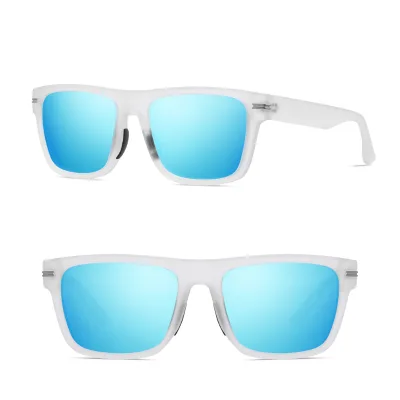
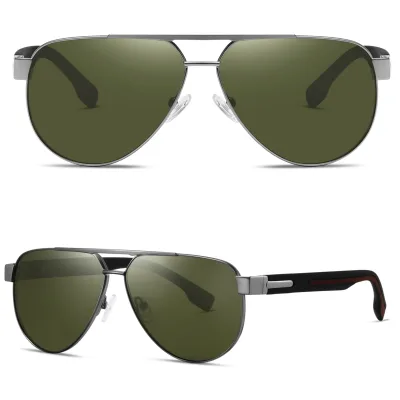
Wholesale Fashion Custom Polarized Sun Glasses Unisex Anti UV Driving Sunglasses
$1.72 - $3.10
MOQ: 50 pairs

Wenzhou Dilicn Optical Co., Ltd
- Verified by TUVRHEINLAND
- Trading Company
- China Zhejiang
- Lead time15 days
- Avg. response≤ 6h
Main productssports sunglasses, reading glasses, optical frames
Main marketsSouth America,Europe,North America


Sport Glasses Cycling Sun Ride Protection Bike Outdoor Eyewear Running Sunglasses
$4.30 - $5.20
MOQ: 12 pcs


- Verified by TUVRHEINLAND
- Trading Company,Manufacturer/Factory
- China Jiangsu
- Lead time23 days
- Avg. response≤ 4h
Main productsMedal, Coin, Lapel Pin, PVC Patch, Embroidery Patch, Keychain, Button Badge, Silicone Wristband, Lanyards, Gift
Main marketsSouth America,Eastern Europe,Mid East,North America,Oceania,Western Europe

Xiamen Miss Home Gifts Limited
- Trading Company,Manufacturer/Factory
- China Fujian
- Lead time15 days
- Avg. response≤ 25h
Main productsLanyards, ID Badge Accessories, Pocket Ashtrays, Bespoke Metal Gifts, Promotional Products
Main marketsEastern Europe,North America,Oceania,Western Europe
Yibin Haixun Machinery Technology Co., Ltd.
- Verified by SGS
- Manufacturer/Factory
- China Sichuan
- Lead time23 days
- Avg. response≤ 2h
Main productsSwimming Goggles, Goggles, Ski Goggles, Cycling Goggles, Protective Goggles, Wrist Guard; Knee Pad, Basketball Glasses, Gymnastics Gloves, Sports Shoes, Sportswear
Main marketsSouth America,Eastern Europe,Mid East,North America,Southeast Asia,Eastern Asia,Oceania,Western Europe,Africa


Polarized Sports Sunglasses with UV400 Protection, Suitable for Driving, Cycling, and Fishing
$2.99 - $16.99
MOQ: 100 Pieces

Xiamen Langxue Spectacles Co., Ltd.
- Combined
- China Fujian
- Lead time30 days
- Avg. response≤ 10h
Main productsSunglasses, Eyeglasses, Reading Glasses, Metal Sunglasses, Optical Frames, Safety Glasses, Eyewears, Optical Glass, Spectacles, Sports Sunglasses
Main marketsSouth America,Domestic,Europe,North America


Sport Sunglasses Polarized Cycling Running Glasses Biker Safety Eyewear UV400 Protection OEM
$6.00 - $14.00
MOQ: 900 Pieces




Comprehensive Sourcing Guide
Anti-glare Sun Visor Supplier Concentration and Factory Types
Current data indicates a concentration of suppliers in China, specifically within Shanghai and Jiangsu provinces, where manufacturing clusters for vehicle accessories and apparel are active. In Shanghai, suppliers often operate as trading companies dealing in diverse automotive parts like car mats, wiper blades, and steering wheel covers, alongside specific window visors and sun shades. These entities typically source from various factories to aggregate inventory, offering a broad range of vehicle fitments such as sedans, SUVs, and pickups. Buyers should verify if a supplier in this region is a direct manufacturer or a trading intermediary by examining their main product list and company type designation. The presence of multiple product categories suggests a trading model that may offer flexibility but requires careful vetting of the actual production source.
In contrast, suppliers located in Jiangsu focus heavily on textile-based headwear, including sun visors, caps, and hats for children and adults. These factories often specialize in materials like polyester, cotton, and straw, producing items with specific features such as breathability, quick-dry capabilities, and adjustable sizing. The distinction between a trading company in Shanghai and a specialized factory in Jiangsu is critical for buyers seeking specific manufacturing capabilities. While Shanghai suppliers might offer a wider variety of automotive accessories, Jiangsu suppliers provide deeper expertise in textile construction and customization for sun visors. Buyers must identify which cluster aligns with their product requirements, as the supply chain dynamics and quality control processes differ significantly between automotive accessory trading firms and textile manufacturing units.
How to Verify Anti-glare Sun Visor Suppliers
Verification of supplier credibility relies on checking specific third-party audit results and company status indicators rather than assuming general reliability. Some suppliers in the current dataset display verification from recognized bodies like TÜV Rheinland or CTI, which indicates a level of external scrutiny regarding their business practices or product quality. However, not all suppliers will have these certifications listed, and the absence of a specific badge does not automatically imply a lack of quality. Buyers should prioritize suppliers with visible verification status and cross-reference these claims with the supplier's stated company type, such as distinguishing between a trading company and a direct manufacturer. The presence of a verification badge is a strong signal, but it must be interpreted alongside other operational data points to form a complete picture of supplier trustworthiness.
Beyond external certifications, buyers must assess the supplier's responsiveness and operational transparency as key verification metrics. Response times recorded in the system, such as 5.32 hours or 19.67 hours, provide a tangible measure of how quickly a supplier engages with inquiries, which is crucial for resolving technical questions about visor fitment or customization. A slower response time may indicate a larger, less agile operation or a trading company managing multiple clients, whereas a faster response often suggests a dedicated sales team. Additionally, buyers should examine the detailed product attributes provided, such as specific model numbers, packing methods, and origin details, to ensure the supplier maintains accurate and consistent records. These data points serve as practical evidence of the supplier's operational maturity and their ability to manage complex orders without errors.
What to Compare Across Anti-glare Sun Visor Suppliers
When evaluating potential partners, buyers should systematically compare minimum order quantities (MOQ) and lead times to ensure alignment with their inventory strategy. The current data shows significant variation in MOQs, ranging from 200 pieces for specific automotive window visors to 2000 pieces for certain sun protection products, and 500 pieces for children's sun hats. These differences reflect the production capabilities and economic thresholds of different suppliers, with textile manufacturers often requiring higher volumes to justify setup costs. Lead times also vary, with some suppliers indicating a standard 15-day production window, while others may have different timelines based on customization needs. Buyers must calculate whether their order volume justifies the MOQ and if the lead time fits their sales cycle, as mismatched expectations can lead to stockouts or excess inventory.
Price structures and customization options represent another critical dimension for comparison across the supplier base. Unit prices for similar items can fluctuate based on material composition, such as 100% polyester versus cotton blends, or specific features like waterproofing and scratch resistance. For instance, prices for automotive visors may range from approximately $1.99 to $3.93 depending on the model and specifications, while textile visors might range from $1.60 to $4.50. Buyers should also scrutinize the availability of customization services, including ODM capabilities and logo printing, which are listed as available for many products. Comparing these factors helps identify suppliers that offer the best value proposition for specific product requirements, ensuring that the chosen partner can deliver the desired quality and design features within the target budget constraints.
Common Anti-glare Sun Visor Sourcing Risks
One significant risk in sourcing involves the potential mismatch between product fitment and actual vehicle compatibility, particularly for automotive accessories. Suppliers often list specific car models, such as the 2013-2019 Toyota Highlander, but buyers must verify that these fitments apply to their target market, as vehicle specifications can vary by region and model year. Relying solely on the provided product attributes without independent validation can lead to returns and customer dissatisfaction. Additionally, the distinction between trading companies and manufacturers introduces a layer of complexity regarding quality control and communication. If a trading company is the primary point of contact, the buyer may face delays in resolving production issues or verifying material standards, as the trading entity may not have direct oversight of the factory floor processes.
Another risk pertains to the consistency of product specifications and the reliability of the supply chain regarding shipping and logistics. While some suppliers list ports like Shanghai and Ningbo, the actual shipping arrangements and potential delays can vary based on the supplier's logistics partners and current market conditions. Buyers should be cautious of suppliers who do not clearly define their packing standards or production origins, as this can lead to confusion during customs clearance or quality inspections. Furthermore, the variability in response times suggests that some suppliers may be less responsive during peak seasons or when handling complex customization requests. This inconsistency can disrupt production schedules and delay order fulfillment, making it essential for buyers to establish clear communication protocols and contingency plans before committing to large orders.
Anti-glare Sun Visor Regional Sourcing and Logistics
Sourcing from China offers access to established manufacturing hubs, but buyers must navigate the logistical nuances of different regions to optimize their supply chain. Suppliers in Shanghai often serve as central distribution points for automotive accessories, leveraging their proximity to major ports like Shanghai and Ningbo for efficient export. This location advantage can reduce transit times for automotive parts, but buyers should confirm the specific port of loading for each order to avoid unexpected delays. In contrast, suppliers in Jiangsu focus on textile production, and their logistics may differ based on the nature of the goods, such as the need for specialized packaging for hats and visors to prevent crushing or damage during transit. Understanding these regional differences helps buyers anticipate shipping costs and delivery timelines more accurately.
Buyers should also consider the impact of regional specialization on product quality and customization capabilities. Shanghai-based trading companies may offer a broader range of automotive accessories, but their ability to customize specific textile features might be limited compared to specialized factories in Jiangsu. Conversely, Jiangsu suppliers with expertise in headwear may provide superior customization for sun visors, including specific brim shapes and material blends, but their logistics for automotive parts might be less streamlined. To mitigate these risks, buyers should request detailed shipping documentation and verify the supplier's experience with international logistics. Establishing a clear understanding of the regional strengths and logistical capabilities of each supplier ensures that the final product arrives on time and meets the required quality standards for the target market.
Anti-glare Sun Visor Commercial Terms and Order Planning
Commercial terms regarding payment, customization, and order planning are critical factors that influence the success of a sourcing relationship. Many suppliers indicate that customization is available, including ODM services and logo printing, but the specific terms for these services must be clarified before placing an order. Buyers should inquire about the costs associated with customization, such as mold fees or setup charges, and how these affect the unit price and minimum order quantity. Additionally, understanding the production timeline for customized items is essential, as these orders often require longer lead times than standard stock items. Clear communication about these terms helps prevent misunderstandings and ensures that the final product meets the buyer's branding and design expectations.
Order planning must also account for the variability in pricing and MOQs across different suppliers and product lines. With prices ranging from $1.60 to $4.50 and MOQs varying from 200 to 2000 pieces, buyers need to develop a flexible procurement strategy that balances cost efficiency with inventory requirements. It is advisable to start with smaller trial orders to test the supplier's quality and reliability before scaling up to larger volumes. Buyers should also consider the impact of seasonal demand on pricing and availability, as some suppliers may adjust their terms during peak seasons. By carefully planning orders and negotiating commercial terms, buyers can secure a reliable supply of anti-glare sun visors while maintaining control over their costs and inventory levels.
FAQs
What is the minimum order quantity for car sun visors?
The minimum order quantity for car sun visors varies by product. One listing requires 200 pieces for window visors, while another demands 2000 pieces for UV protect sun visors. Buyers should check specific product pages to confirm the exact MOQ before placing an order.
Where are these anti glare sun visors manufactured?
Manufacturing locations for these items include Shanghai and Jiangsu in China. Some products originate specifically from Jiangsu, while others are shipped from Shanghai or Ningbo ports. Buyers should verify the specific origin listed on the product page for accurate logistics planning.
How long does it take to receive these visors?
Lead times for these products are typically around 15 days. Response times from suppliers vary, with some taking over five hours and others nearly twenty hours to reply. Buyers should confirm current lead times with the specific supplier before finalizing purchase agreements.
Are customization options available for these sun visors?
Yes, customization is available for many of these sun visor products. Buyers can request custom logos, colors, or designs depending on the specific item. ODM services are also offered for certain models, allowing for tailored production to meet unique business requirements.
What certifications do these suppliers hold?
Supplier verification status includes TUVRHEINLAND and CTI for some vendors. However, specific system certifications like ISO are listed as NIL for certain entries. Buyers must verify individual supplier credentials directly on their profiles to ensure they meet specific compliance standards.
What is the price range for these visors?
Prices for these visors range from approximately 1.60 to 4.50 per unit. Specific items like window visors cost between 3.83 and 3.93, while sun hats range from 2.50 to 4.50. Final pricing depends on the selected model, quantity, and customization requirements.
Can these visors be used on different vehicle types?
Yes, many car sun visors are designed for multiple vehicle types including sedans, SUVs, pickups, and MPVs. Specific fitment details, such as compatibility with 2013-2019 Toyota Highlander models, are provided for each product. Buyers should check the fitment section for their specific vehicle.