Eco Friendly EVA Building Blocks Suppliers and Manufacturers
Source Eco Friendly EVA Building Blocks from 24 verified suppliers. Compare lead times, MOQs, certifications like EN71, and response rates. Review product specs and request quotes to streamline your procurement process; review the available evidence before requesting comparable quotations from suitable candidates.
Updated
Suppliers List
Changsha Running Import & Export Co., Ltd.
- Verified by SGS Group
- Trading Company
- Lead time30 days
- Avg. response≤ 3h
Main productsEVA Foam, Craft Paper, Book Cover, Self Adhesive Film, DIY Items
Main marketsSouth America(24%), Eastern Europe(16%), Eastern Asia(16%)
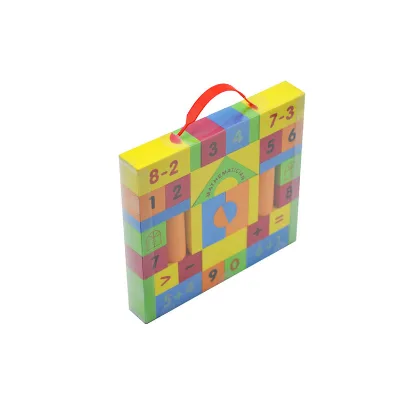
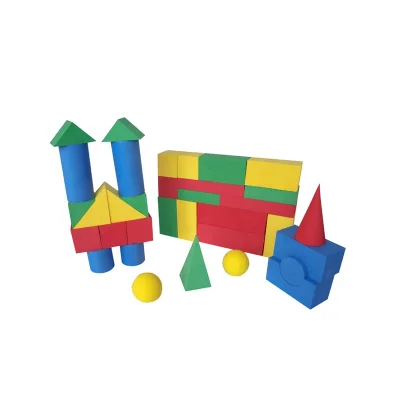
Eco-friendly Eva Letter Alphabet & Eva Number EVA Foam Building Blocks Set .
$1.0263 - $1.3823
MOQ: 200 sets
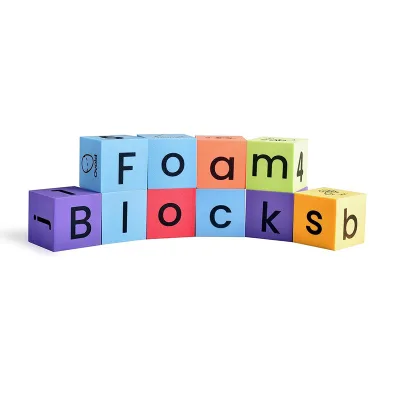
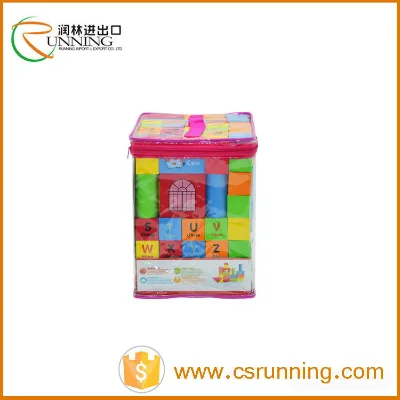

Wenzhou Haoxiang Amusement Toys Co., Ltd.
- Verified by SGS
- Combined
- China Zhejiang
- Lead time15 days
- Avg. response≤ 19h
Main productsWooden Playground, Wooden Outdoor Playground, Plastic Outdoor Playground, Plastic Playground, Kindergarten Furniture, Wooden Furniture, Wooden Adventure Playground, Kindergarten Role Play Toys, Wooden Toys, Swing and Slide
Main marketsSouth America,Southeast Asia/ Mideast,East Asia(Japan/ South Korea),Domestic,Europe
Ji'an Zhicai Packing Products Co., Ltd.
- Manufacturer
- Jiangxi, China
- Lead time15 days
- Avg. response≤ 4h
Main productsBuilding Block Set,DIY Block,Play Mat,Foam Toy,Yoga Item
Main marketsDomestic Market(40.00%), North America(10.00%), South Asia(10.00%), Southern Europe(10.00%), Western Europe(10.00%), Southeast Asia(10.00%), Eastern Europe(10.00%)

Dongguan Langboo Sponge Product Co., Ltd.
- Manufacturer, Trading Company
- Guangdong, China
- Lead time15 days
- Avg. response≤ 2h
Main productspackage,toy,gift,pu foam,sponge
Main marketsNorth America(30.00%), Eastern Europe(15.00%), South Asia(10.00%), Southern Europe(10.00%), Southeast Asia(10.00%), South America(10.00%), Africa(5.00%), Western Europe(5.00%), Northern Europe(3.00%), Mid East(2.00%)
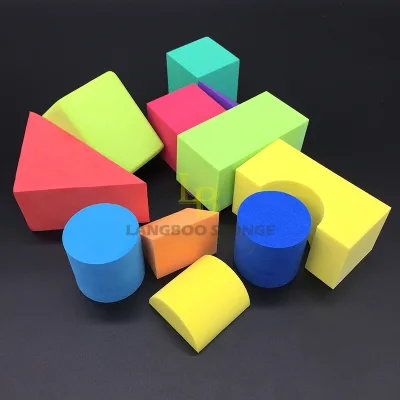
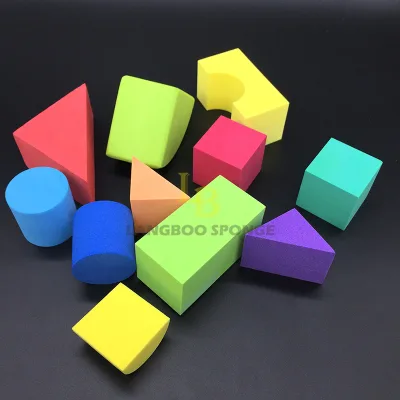
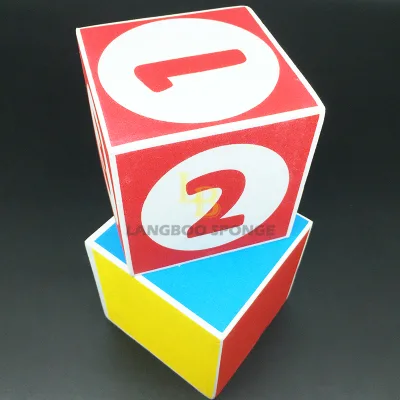
Customized Puzzle EVA Foam Block Toy Children's Tower Building Soft Foam Building Blocks
$0.7181 - $0.8198
MOQ: 3 pieces
Shantou Charmer Toys & Gifts Co., Ltd.
- Verified by TüVRheinland
- Manufacturer, Trading Company
- Lead time15 days
- Avg. response≤ 3h
Main products3D Paper Foam Puzzle, Wooden Puzzle, Jigsaw Puzzle, Corrugated Cardboard Puzzle
Main marketsNorth America(50%), Western Europe(30%), Southeast Asia(10%)
Wenzhou Jiqi Amusement Equipment Co., Ltd.
- Verified by TüVRheinland
- Manufacturer, Trading Company
- Lead time10 days
- Avg. response≤ 2h
Main productsKids Outdoor Playground, Kids Indoor Playground, Outdoor Fitness Equipment, Kindergarten Furniture, Training Combination
Main marketsNorth America(20%), South America(10%), Africa(10%)

Dongguan Zhishang Polymer Materials Co., Ltd
- Verified by SGS
- Combined
- China Guangdong
- Lead time15 days
- Avg. response≤ 13h
Main marketsDomestic
Ningbo Yinzhou Hines Rubber and Plastic Co., Ltd.
- Verified by TüVRheinland
- Trading Company
- Lead time20 days
- Avg. response≤ 4h
Main productsStress Ball, Foam Mat, Foam Craft And Gift, Squeeze Toys, Outdoor Interactive Toys
Main marketsNorth America(27%), Eastern Europe(11%), Western Europe(11%)

Hai Yang International Limited
- Verified by SGS
- Trading Company,Manufacturer/Factory
- China Zhejiang
- Lead time60 days
- Avg. response≤ 3h
Main productsWooden Toy, Montessori Material, Wooden Educational Toys, Wooden Puzzle, Wooden Blocks, Wooden Train Set, Wooden Nutcrackers, Wooden Crafts, Wooden Dolls, Wooden Chess
Main marketsEastern Europe,Mid East,North America,Southeast Asia,Eastern Asia,Oceania

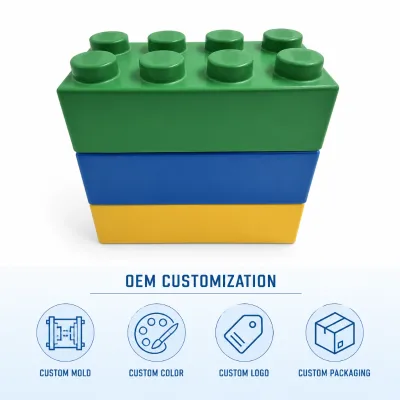
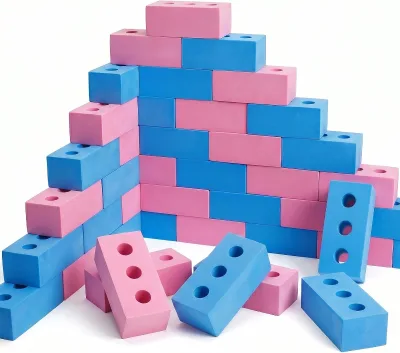
Eco-Friendly DIY Toy EVA Foam Creative Embossed Educational Building Blocks
$1.98 - $4.98
MOQ: 100 Pieces


Educational Construction Toy Passed Safety Non Toxic DIY EVA Large Foam Building Blocks for Kids Toy
$1.98 - $4.98
MOQ: 100 Pieces
Guyue Sanyi (Guangdong) New Material Technology Co., Ltd.
- Verified by SGS Group
- Manufacturer, Trading Company
- Lead time15 days
- Avg. response≤ 5h
Main productsHand Bag, Bump Strip, EVA Foam, PU Foam, Auto Parts
Main marketsNorth America(30%), Mid East(30%), Eastern Asia(20%)

Chenzhou Qunyao Sporting Goods Co., Ltd.
- Manufacturer
- Hunan, China
- Lead time15 days
- Avg. response≤ 2h
Main productsIndustrial Bumper Strip,Foam Cup Sleeve,Foam tube,NBR/EVA Foam Products
Main marketsDomestic Market(60.00%), North America(28.00%), Mid East(5.00%), Western Europe(3.00%), South America(2.00%), Eastern Europe(2.00%)

Zhejiang Beima Education & Technology Co., Ltd.
- Trading Company
- China Zhejiang
- Lead time30 days
- Avg. response≤ 25h
Main productsToy, Building Toy, Education Toy, Building Block, DIY Toy, Puzzle Game, Children Toy, Preschool Toy, Plastic Toy, Plastic Building Toy
Main marketsEast Asia(Japan/ South Korea),Domestic,Europe,North America
- Trading Company
- Taiwan, China
- Lead time45 days
- Avg. response≤ 10h
Main productsEducational Toys,Traning Sport,Water Sport,Teaching aids
Main marketsEastern Asia(10.00%), Mid East(10.00%), Southern Europe(10.00%), Africa(10.00%), Northern Europe(10.00%), Western Europe(10.00%), South America(10.00%), North America(10.00%), Oceania(5.00%), Southeast Asia(5.00%), Central America(5.00%), Eastern Europe(5.00%)
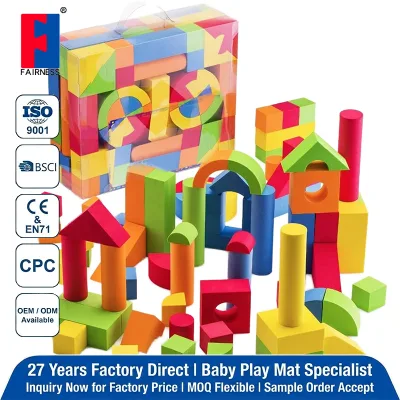
Guangdong Fairness Enterprise Co., Ltd.
- Verified by SGS Group
- Manufacturer, Trading Company
- Lead time30 days
- Avg. response≤ 1h
Main productsXPE Mat, XPE Folding Mat, PU Mat, EVA Puzzle Mat, EVA Playmat
Main marketsNorth America(31%), South America(15%), Domestic Market(14%)
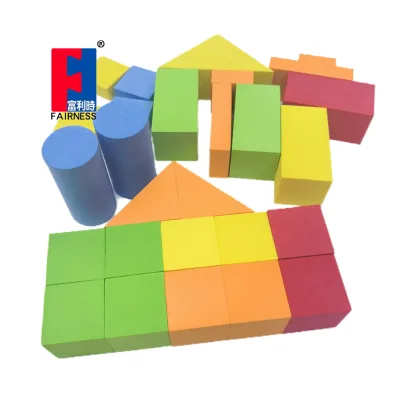
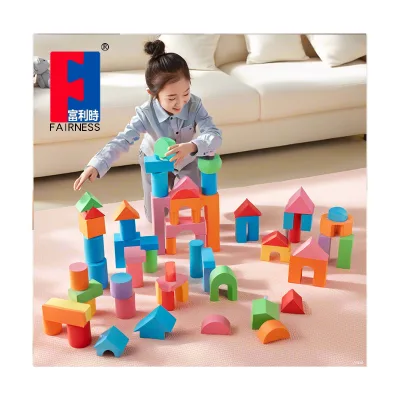
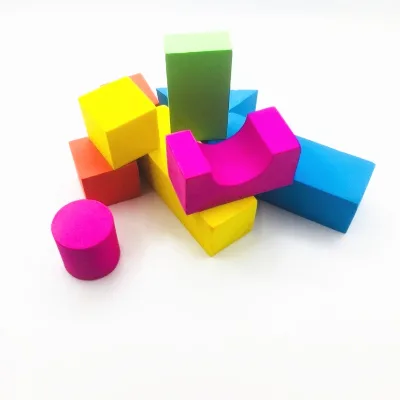
Fairness Wholesale Non-Toxic Soft EVA Intelligence Building Blocks of EVA Foam
$3.20 - $4.28
MOQ: 2 pieces
Dongguan Liangyu Polymer Technology Co., Ltd.
- Verified by TüVRheinland
- Manufacturer, Trading Company
- Lead time20 days
- Avg. response≤ 2h
Main productsEVA Injection Molding Part, EVA Yoga Foam Roller, EVA Knee Pad, EVA Pet Chew Toy, EVA Tablet Case
Main marketsNorth America(35%), Domestic Market(30%), Oceania(10%)
Amy & Benton Toys And Gifts Co., Ltd.
- Verified by SGS Group
- Manufacturer, Trading Company
- Lead time25 days
- Avg. response≤ 2h
Main productsParty Favors, Promotional Toys, Educational Toys, Bubble Toys, Kitchen Toy
Main marketsNorth America(20%), South America(10%), Oceania(10%)
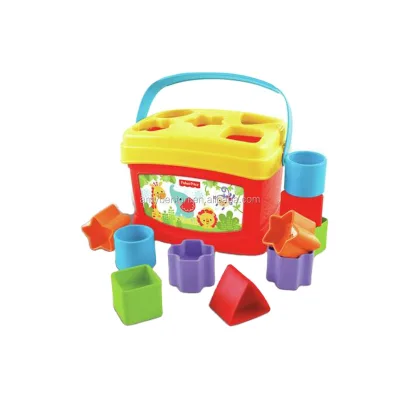
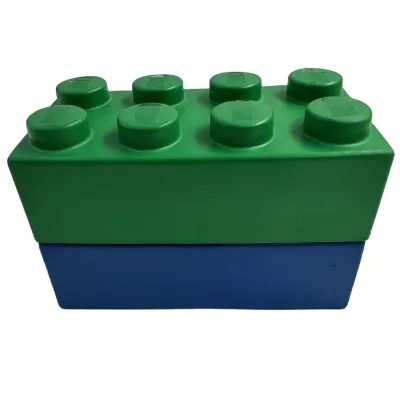
Hot Sale Infant Baby Toys Plastic Building Blocks
$2.30 - $8.56
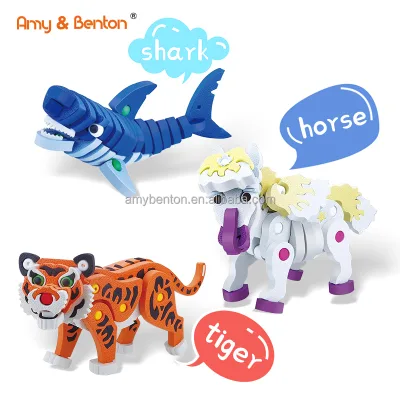

Foshan Tianyi Amusement Equipment Co., Ltd
- Verified by SGS
- Combined
- China Guangdong
- Lead time30 days
- Avg. response≤ 4h
Main productsChildren's Playground, Naughty Fort, Indoor Amusement Equipment, Million Ocean Ball Pool, Slide, Indoor Playground, Interactive Projection, Trampoline, Children's Go Kart, Trampoline Park
Main marketsDomestic

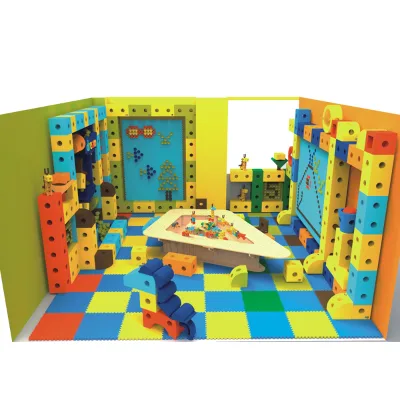
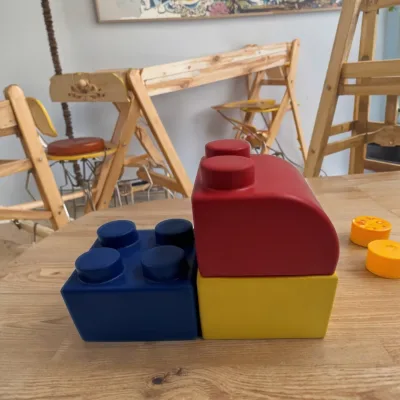
Eco-Friendly EPP Building Blocks for Imaginative Children's Projects
$90.00 - $150.00
MOQ: 10 Square Meters


Shantou Kaixin Trading Co., Ltd
- Verified by BV
- Manufacturer
- China Guangdong
- Lead time23 days
- Avg. response≤ 5h
Main productsToy, Educational Toy, Remote Control Toy, Pretend Play Toy Set, Summer Toy, Vehicle Toy, Doll, Promotion Toy, Baby Toy, Game Toy

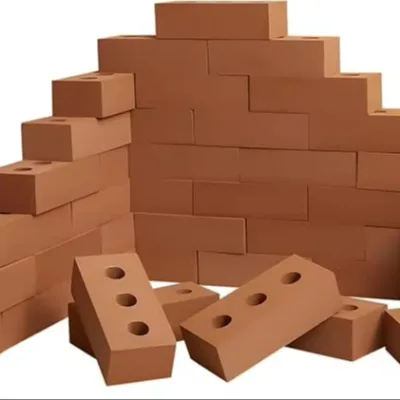
48PCS EVA Foam Creative Building Brick Block Toys Kids Playing Toy DIY Building Blocks
$10.00 - $15.00
MOQ: 160 Sets

Shenzhen Dongtai Sponge Product Co., Ltd.
- Verified by Intertek
- Manufacturer, Trading Company
- Lead time20 days
- Avg. response≤ 3h
Main productsPackaging Foam, EVA Foam, Foam Mat, Kneeling Foam, Foam Toys
Main marketsNorth America(43%), Western Europe(22%), Eastern Asia(20%)

Qingdao Simingrui Precise Technology Co.,Ltd
- Verified by SGS
- Combined
- China Shandong
- Lead time30 days
- Avg. response≤ 11h
Main productsEPP Foam, EPP Mould, EPP Product, EPS Machine, Etpu
Main marketsEast Asia(Japan/ South Korea),Europe,North America

Eco Friendly Foam Toy EPP Foam EPP Building Block for Kids Indoor Playground Blocks
$1.70 - $2.00
MOQ: 500 Pieces


DONGGUAN HUI TAI TONG TECHNOLOGY CO., LIMITED
- Manufacturer/Factory
- China Guangdong
- Lead time23 days
- Avg. response≤ 2h
Main productsPlastic Toy, Children Toy, Educational Toy, Action Figure, PVC Figure, Promotional Gift, Sport Figure
Main marketsNorth America,Eastern Asia,Western Europe
- Manufacturer, Trading Company
- Zhejiang, China
- Lead time0 days
- Avg. response≤ 8h

- Verified by TUVRHEINLAND
- Trading Company
- China Zhejiang
- Lead time15 days
- Avg. response≤ 15h
Main productsStationery Set, Calendar, Promotion Pen, Bottle, Car Products, Fidget Toy, DIY Toy, Education Toy, Art Set, Pencil Case
Main marketsSouth America,Europe,North America

Wooden Hedgehog Shape Building Blocks for Children′ S Early Education Blocks
$1.60 - $1.80
MOQ: 100 Pieces


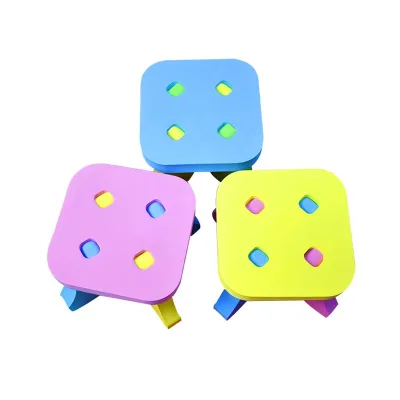
Shaoxing Geili Sports & Leisure Goods,co., Ltd.
- Verified by SGS Group
- Manufacturer, Trading Company
- Lead time20 days
- Avg. response≤ 6h
Main productsGymnastic Mat, Sports Mat, Children's Teaching Products, Pole Mat Products
Main marketsNorth America(50%), Domestic Market(23%), South America(15%)


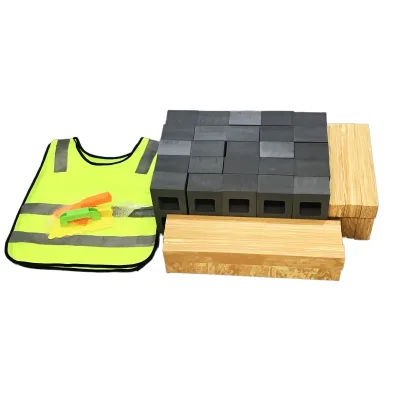
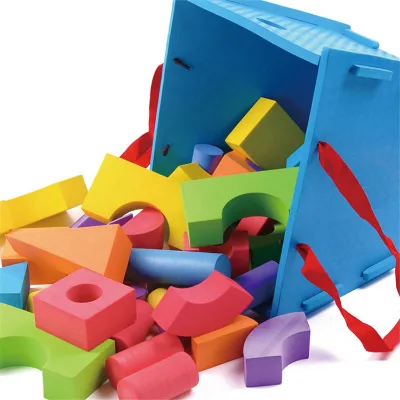
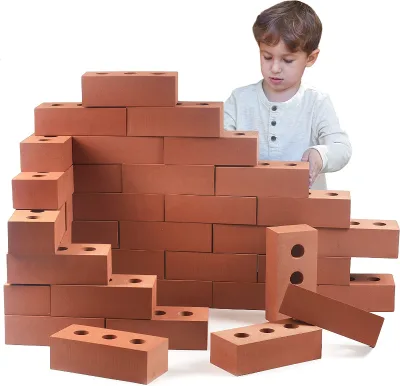






Comprehensive Sourcing Guide
Eco Friendly EVA Building Blocks Supplier Concentration and Factory Types
The current supplier landscape for eco-friendly EVA building blocks reveals a mix of trading companies and combined manufacturing entities operating primarily within China. Specific results indicate a concentration of activity in Hunan and Zhejiang provinces, with Wenzhou also appearing as a production origin for certain block sets. These regions host suppliers offering diverse capabilities, ranging from light customization and sample processing to full ODM and OEM services. Some entities specialize in educational supplies and school furniture, while others focus strictly on soft toy blocks and DIY items. The presence of both trading companies and combined firms suggests that buyers may encounter intermediaries alongside direct manufacturers, requiring careful distinction during the selection process.
Factory types vary significantly in their capacity to handle custom orders. Evidence shows suppliers capable of graphic processing and customized on-demand production, which is critical for branding educational toys. While some listings highlight specific product lines like alphabet blocks or soft building sets, others offer broader ranges including wooden playgrounds and kindergarten furniture. The ability to provide light customization and sample processing is a key differentiator among these entities. Buyers should verify whether a supplier's primary focus aligns with their specific volume needs, as some may prioritize high-volume standard items over bespoke designs. Understanding the specific factory type helps in predicting flexibility and responsiveness to unique product requirements.
How to Verify Eco Friendly EVA Building Blocks Suppliers
Verification of supplier credibility relies heavily on third-party audit results and system certifications rather than self-reported claims. Several suppliers in the current results have undergone verification by SGS Group, providing a baseline level of trust regarding their business operations. Additionally, system certifications such as EN 71, EN 14372, REACH, FSC, and CE are frequently listed, indicating compliance with international safety and environmental standards. These certifications are particularly relevant for products intended for children, ensuring that materials like EVA foam meet strict toxicity and flammability requirements. Buyers must confirm that these certifications are current and applicable to the specific product models being sourced, as standards can vary by region and product type.
Beyond certifications, response time and verification status serve as practical indicators of supplier reliability. Data shows response times ranging from approximately three hours to over eighteen hours, which can significantly impact the speed of the sourcing process. A faster response time often correlates with better communication channels and more active account management. Buyers should prioritize suppliers with verified status and documented response metrics to ensure timely interactions. It is also essential to check if the supplier offers escrow services or secure payment terms, as these mechanisms protect financial interests during the transaction. Verifying these operational metrics helps mitigate the risk of engaging with unresponsive or non-compliant vendors.
What to Compare Across Eco Friendly EVA Building Blocks Suppliers
When evaluating potential partners, buyers should compare key operational dimensions such as lead time, minimum order quantity, and pricing structures. Lead times observed in the results vary, with some suppliers indicating a thirty-day production window while others suggest shorter durations. Minimum order quantities also differ, with some listings requiring 200 sets while others allow for single-unit orders. These variations directly influence inventory planning and cash flow management. Buyers must align their order volume with supplier MOQs to avoid unnecessary costs or stockouts. Comparing these metrics across multiple suppliers provides a clearer picture of which vendors can meet specific logistical and financial constraints.
Pricing and customization capabilities are equally critical factors in the comparison process. Price ranges for similar products can fluctuate significantly, with some sets costing as little as one dollar per unit while others reach nearly ten dollars. This disparity often reflects differences in material quality, packaging, and included features like warranty periods. Suppliers offering customization options, such as specific thicknesses or branding, may command higher prices but provide greater value for unique market needs. Buyers should also examine the payment terms, such as deposit requirements and balance conditions, to assess financial risk. A comprehensive comparison of these elements ensures that the selected supplier offers the best balance of cost, quality, and service flexibility.
Common Eco Friendly EVA Building Blocks Sourcing Risks
One significant risk in sourcing these products involves the potential mismatch between claimed certifications and actual product compliance. While many suppliers list standards like EN 71 or REACH, buyers must verify that these apply to the specific batch or model being ordered. Inconsistent application of safety standards can lead to regulatory issues in the destination market, particularly for children's toys. Additionally, the reliance on third-party verification like SGS does not guarantee that every product unit meets the same quality threshold. Buyers should request recent test reports for the specific items they intend to purchase to ensure that the materials used are genuinely non-toxic and durable as advertised.
Another risk pertains to supply chain transparency and the accuracy of origin claims. Some listings indicate origins in Hunan or Zhejiang, but without clear documentation, verifying the actual manufacturing location can be challenging. This ambiguity can affect lead times and shipping costs, especially if the supplier is a trading company rather than a direct factory. Furthermore, discrepancies in product attributes, such as thickness or package dimensions, can lead to fulfillment errors. Buyers should insist on detailed product specifications and sample approvals before committing to large orders. Mitigating these risks requires rigorous due diligence and clear communication regarding expectations and deliverables throughout the sourcing process.
Eco Friendly EVA Building Blocks Regional Sourcing and Logistics
Regional sourcing strategies should account for the specific locations identified in supplier results, such as Hunan, Zhejiang, and Wenzhou. These areas offer distinct logistical advantages depending on the buyer's target market and shipping preferences. Suppliers in coastal regions like Zhejiang may provide faster access to major ports, potentially reducing transit times for international shipments. Conversely, inland locations might offer lower production costs but could involve longer overland transport to ports. Buyers should evaluate the proximity of the supplier to shipping hubs to optimize logistics costs and delivery schedules. Understanding the geographic distribution of suppliers helps in selecting partners that align with specific supply chain requirements.
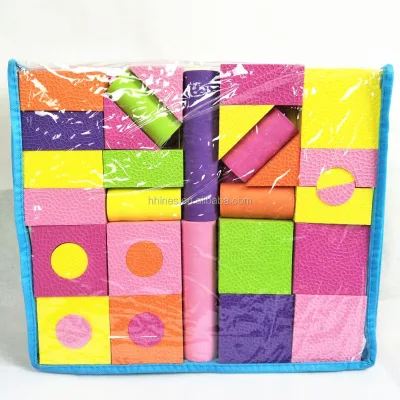
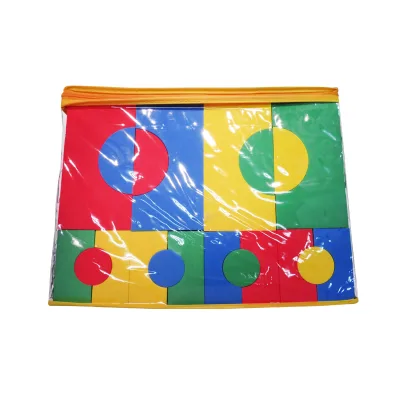
Logistics planning must also consider packaging and shipping units, which vary widely among suppliers. Some products are packed in PVC carry cases or display boxes, while others use standard cartons with specific dimensions. These packaging choices impact the number of units that can fit into a container, directly affecting shipping efficiency and cost. Buyers should calculate the total volume and weight of the order based on the supplier's packaging data to ensure accurate freight quotes. Additionally, the condition of the goods upon arrival depends on the robustness of the packaging. Selecting suppliers with appropriate packaging standards ensures that the eco-friendly EVA blocks arrive in perfect condition, minimizing the risk of damage during transit.
Eco Friendly EVA Building Blocks Commercial Terms and Order Planning
Commercial terms, including payment structures and warranty provisions, play a vital role in order planning and risk management. Many suppliers require a 30% deposit with the balance due against a copy of the bill of lading, a standard practice that balances risk for both parties. Warranty periods, often listed as one year, provide assurance regarding product durability and performance. Buyers should carefully review these terms to ensure they align with their financial policies and risk tolerance. Understanding the payment schedule helps in managing cash flow and planning for the total cost of ownership, including any potential return or replacement costs.
Order planning must also factor in the customization capabilities and production capacity of the chosen supplier. Suppliers offering ODM and OEM services can tailor products to specific brand requirements, but this may extend lead times. Buyers should confirm the production capacity to ensure the supplier can meet demand peaks without delays. Additionally, the availability of samples for quality checks is crucial before finalizing large orders. By integrating these commercial and operational details into the planning phase, buyers can create a robust sourcing strategy that minimizes disruptions. Clear communication of expectations regarding customization, timelines, and quality standards ensures a smoother procurement experience and successful product delivery.
FAQs
What certifications do Eco Friendly EVA Building Blocks have?
Suppliers offer products certified under EN 71, CE, REACH, and FSC standards. Some listings specifically note EN71-2 compliance for safety. These certifications ensure the materials meet international toy safety requirements for children's educational play.
What is the typical MOQ for EVA foam blocks?
The minimum order quantity is typically 200 sets for standard educational block sets. Some suppliers may allow lower quantities for specific customized orders, but 200 sets remains the common baseline for bulk procurement of these soft building toys.
How long does production take for these blocks?
Standard lead times are approximately 30 days for general orders. Some suppliers indicate faster turnaround capabilities, but buyers should confirm specific schedules. Production timelines depend on order volume and customization requirements for the educational toy sets.
Where are these EVA building blocks manufactured?
Manufacturing locations include Hunan and Zhejiang provinces in China. Suppliers operate from these regions, offering both trading and combined company types. Buyers can verify specific factory locations to ensure supply chain transparency and logistics efficiency.
What payment terms are standard for these orders?
Common payment terms require a 30% deposit with the balance paid against a copy of the Bill of Lading. This structure protects both buyers and suppliers during the manufacturing and shipping process for bulk educational toy orders.
What is the price range for EVA foam blocks?
Prices vary significantly based on set size and quantity. Small sets may cost between $0.32 and $1.38 per unit, while larger educational kits range from $18 to over $400. Bulk orders typically secure lower per-unit pricing.