Bath Duck Suppliers and Manufacturers in China
Source 21 verified Bath Duck suppliers from China and Hong Kong. Compare lead times, MOQs, certifications, and prices for plastic and vinyl options. Contact suppliers directly to request samples and confirm production details; review the available evidence before requesting comparable quotations from suitable candidates.
Updated
Suppliers List

Ningbo Haishu Zhongqi Plastics Co., Ltd.
- Verified by SGS
- Trading Company
- China Zhejiang
- Lead time30 days
- Avg. response≤ 5h
Main productsRubber Duck, Fly Trap
Main marketsDomestic

LEEWING TRADING COMPANY LIMITED
- Trading Company
- Hong Kong S.A.R.
- Lead time30 days
- Avg. response≤ 6h
Main productsCoin Banks,Vinyl Ducks,Rubber Ducks,PP Non Woven Bags,Bathing Toys
Main marketsWestern Europe(25.00%), Northern Europe(10.00%), North America(10.00%), Oceania(10.00%), Africa(8.00%), Domestic Market(5.00%), Central America(5.00%), Eastern Europe(5.00%), Eastern Asia(5.00%), Southern Europe(5.00%), South America(5.00%), Mid East(3.00%), Southeast Asia(2.00%), South Asia(2.00%)
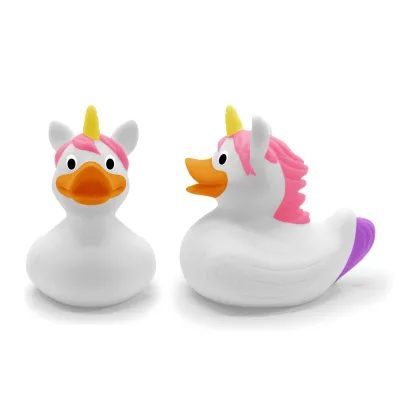
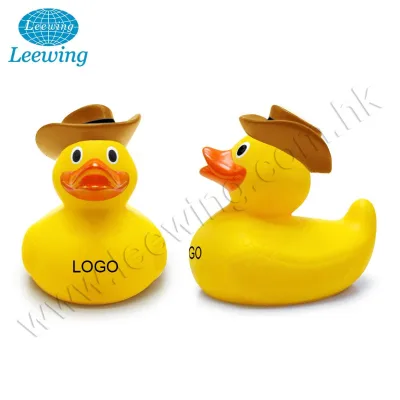
Eco Friendly Cute Cowboy Yellow Rubber Duck with Hat Floating Bath Toy
$0.8303 - $3.1087
MOQ: 1000 Minimum
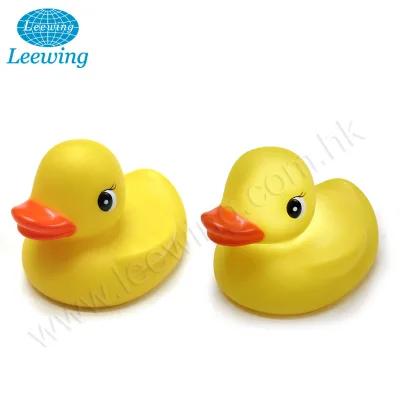
High Quality Flashing Changing Color Floating Bath Duck with Light
$0.3127 - $0.8348
MOQ: 1000 Minimum
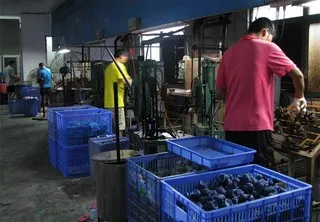
Dongguan Hoking Plastic Toy Co., Ltd.
- Manufacturer, Trading Company
- Guangdong, China
- Lead time30 days
- Avg. response≤ 3h
Main productsPlastic toy,vinyl toy,injection toys,Flashing toy with LED light,OEM&ODM
Main marketsSouthern Europe(10.00%), Northern Europe(10.00%), Oceania(10.00%), Central America(10.00%), Eastern Europe(10.00%), Western Europe(10.00%), North America(10.00%), Domestic Market(5.00%), South Asia(5.00%), Eastern Asia(5.00%), Mid East(5.00%), Southeast Asia(5.00%), South America(5.00%)
Dongguan Jiujie Toys Manufacturing Co., Ltd.
- Verified by Intertek
- Manufacturer, Trading Company
- Lead time25 days
- Avg. response≤ 7h
Main productsRubber Duck, Piggy Bank, Eye Popper Keychains, Plastic Figures, Squishy Toys
Main marketsSoutheast Asia(38%), North America(28%), Eastern Europe(15%)
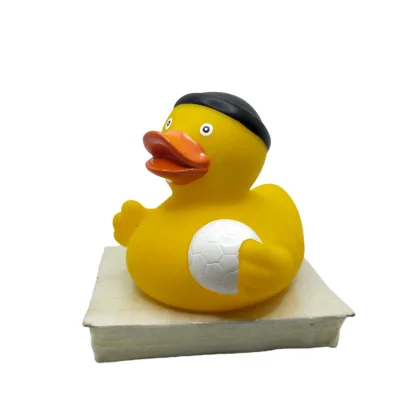
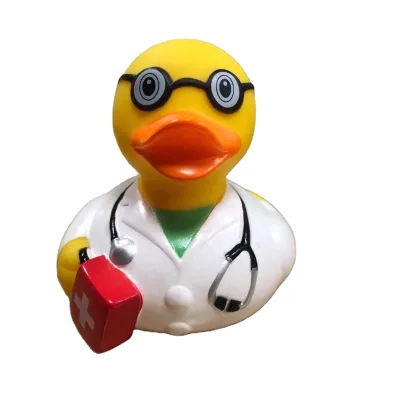
$0.50 - $0.80
MOQ: 1000 pieces
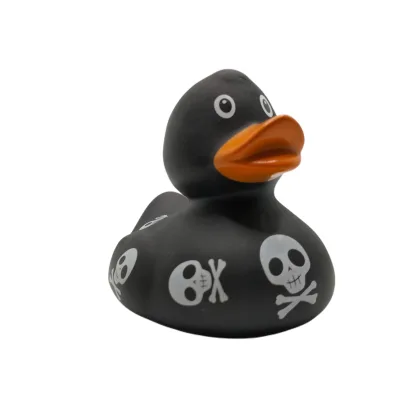
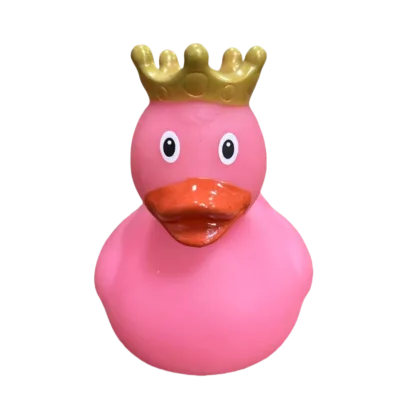
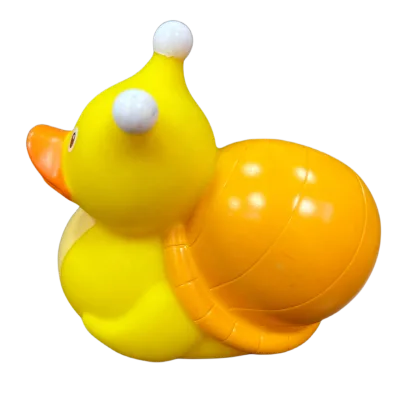
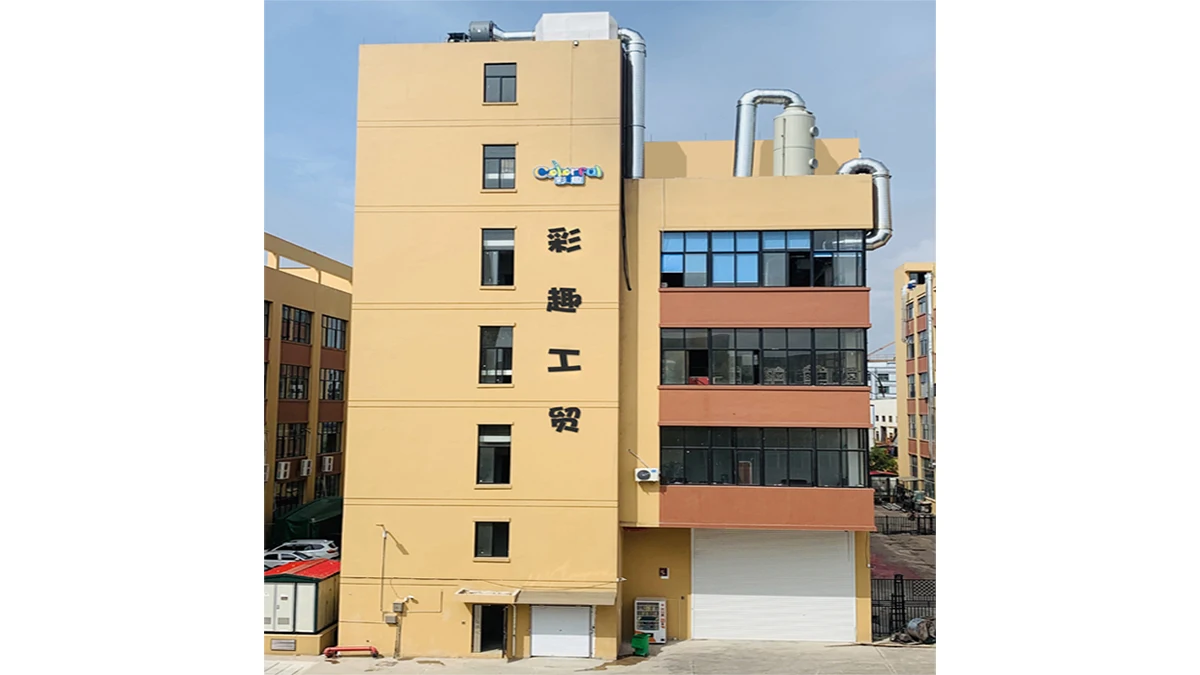
Jinhua Colorful Industry And Trade Co., Ltd.
- Manufacturer, Trading Company
- Zhejiang, China
- Lead time0 days
- Avg. response≤ 3h
Main productsRubber Duck; Finger Puppets; Injection Toy; Rubber Key; Rubber Bank; Bath Toy
Main marketsNorth America(57.00%), Western Europe(15.00%), Southeast Asia(15.00%), Africa(5.00%), Domestic Market(5.00%), Northern Europe(3.00%)
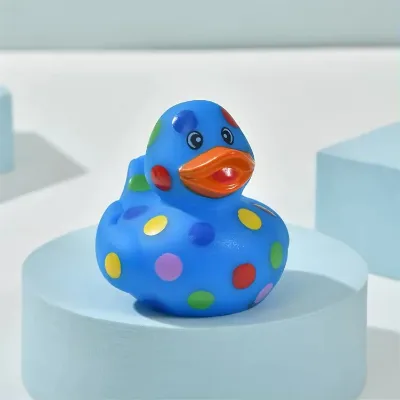
New Design Polka Dot Duckies Bath Duck Bath Toys Bathing Water Mini Rubber Duck
$0.1975 - $0.2902
MOQ: 500 pieces
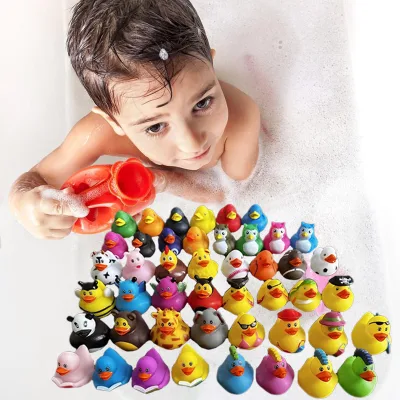
Eco Friendly Safe Summer Beach and Pool Cartoon Funny Bath Toy Rubber Duck
$0.2259 - $0.2678
MOQ: 50 pieces
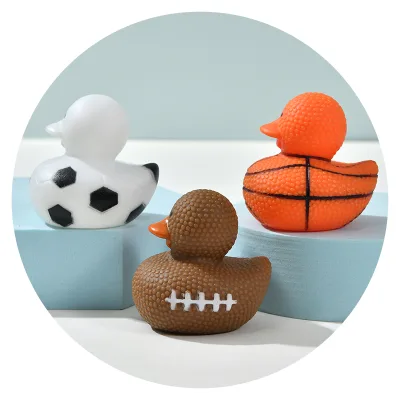
Good Quality PE Style Basketball Floating Rubber Ducks Swimming Bath Duck
$0.24 - $0.30
MOQ: 500 pieces
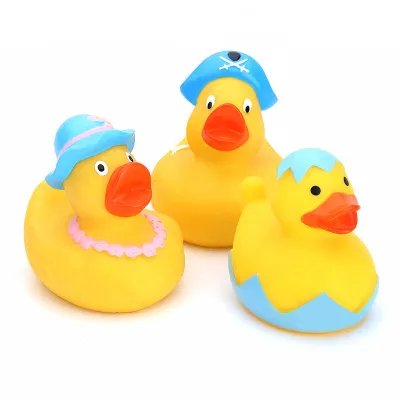
High Quality Small Bulk Rubber Pirate Sample Yellow Duck Bathing Eco Friendly Custom Shape Bath Duck
$0.22 - $0.30
MOQ: 5000 pieces
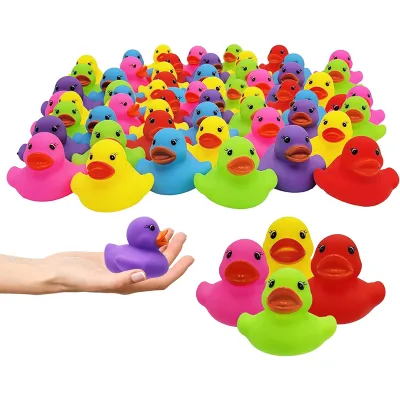
Bulk Eco Friendly Toy Animal Mini 3 Inch Tub Ducky Bathtub Squeeze Squeaky Bath Duck
$0.20 - $0.26
MOQ: 3000
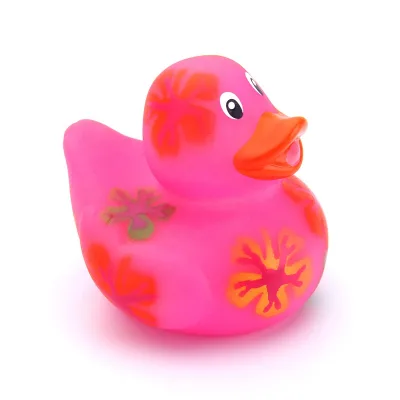
CPC Certification Eco Friendly Multicolor Pvc Plastic Small Ducky Design Your Own Rubber Bath Duck
$0.22 - $0.30
MOQ: 1000 pieces

- Verified by CTI
- Trading Company
- China Anhui
- Lead time23 days
- Avg. response≤ 2h
Main productsFurniture, Home Furniture
Main marketsSoutheast Asia/ Mideast
Ningbo Longco Industry And Trade Co., Ltd.
- Manufacturer, Trading Company
- Zhejiang, China
- Lead time30 days
- Avg. response≤ 18h
Main productsCustomized Rubber Duck,customized figurines,customized plush toy,customized keychian,customized resin crafts
Main marketsEastern Europe(30.00%), Southeast Asia(20.00%), South America(20.00%), Western Europe(10.00%), Eastern Asia(10.00%), Mid East(10.00%)

- Verified by TUVRHEINLAND
- Combined
- China Guangdong
- Lead time23 days
- Avg. response≤ 5h
Main marketsSouth America

Wholesale Plastic Bathtub Funny Waterwheel Animal Baby Spray Water Bath Toy Duck
$2.47 - $2.54
MOQ: 360 Pieces

Wholesale Animal Plastic Funny Baby Bathroom Bathtub Shower Small Yellow Rubber Bath Toy Ducks
$3.79 - $3.90
MOQ: 120 Pieces

Jinjiang Zhengzheng Technology Co., Ltd.
- Trading Company
- China Fujian
- Lead time0 days
- Avg. response≤ 2h
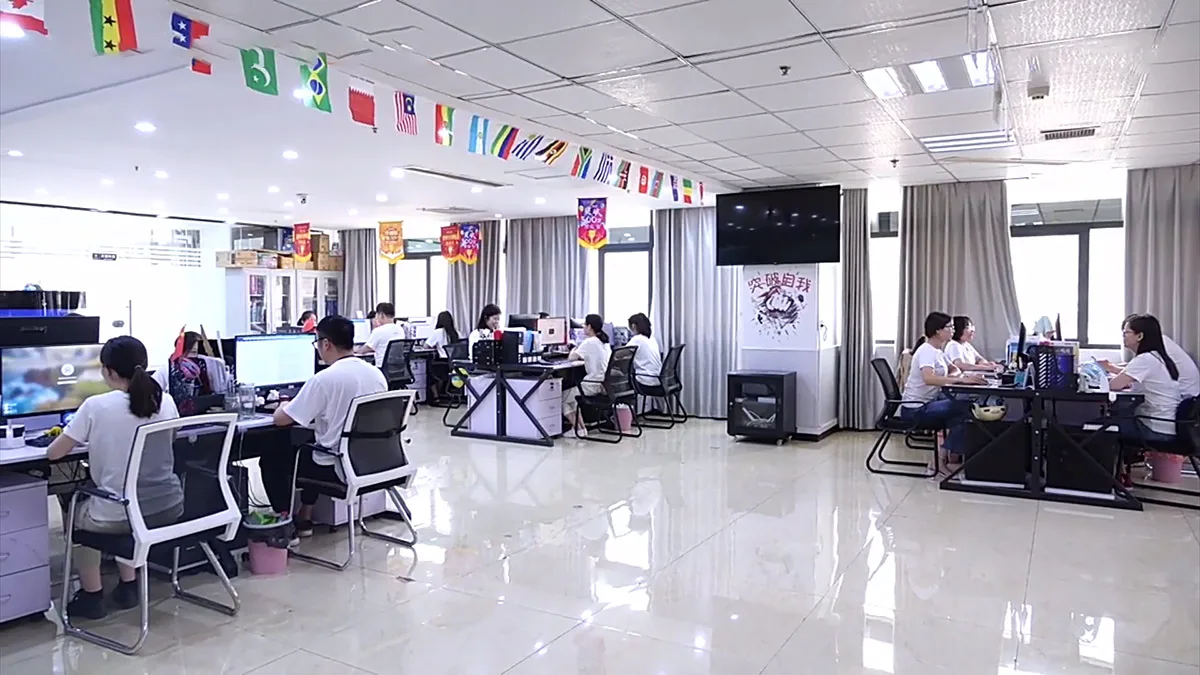
Xinxiang Quchuang Toys Co., Ltd.
- Trading Company
- Henan, China
- Lead time10 days
- Avg. response≤ 7h
Main productsStationery Set,Notebooks & Writing Pads,Pencil Cases & bags,Pens,School Learning Kit
Main marketsNorth America(60.00%), Eastern Europe(15.00%), Southeast Asia(12.00%), Mid East(5.00%), Africa(5.00%), Eastern Asia(3.00%)
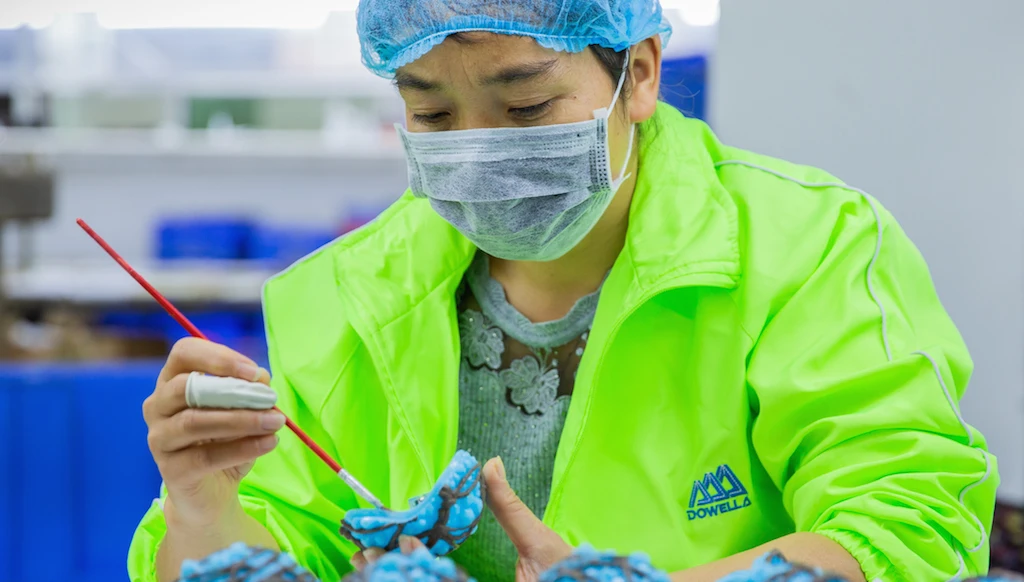
Shenzhen Dowella Plastic & Electric Co., Ltd.
- Manufacturer, Trading Company
- Guangdong, China
- Lead time35 days
- Avg. response≤ 2h
Main productspvc animal,tpr animal,silicone wrist
Main marketsNorthern Europe(16.67%), Mid East(16.67%), Eastern Europe(16.67%), South America(16.67%), North America(16.67%), Western Europe(6.00%)
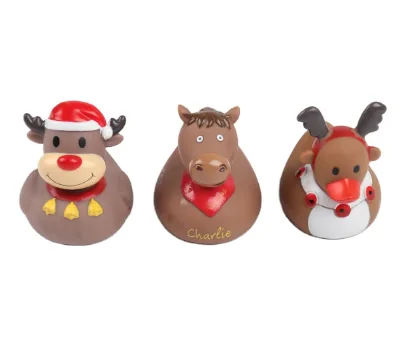
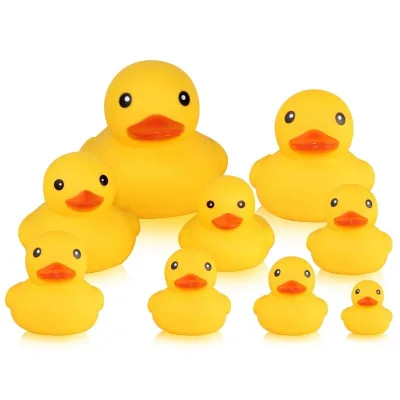
Custom Logo PVC Vinyl Bath Toys Multi-Color Duck with Animal Sounds for Baby's Bath Time
$0.2603 - $0.3635
MOQ: 3000 pieces
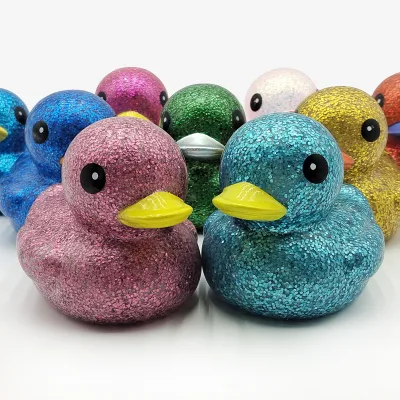
Custom OEM Glittering Duck 4" Rubber Duck Floating Sequined Duck for Wholesale
$0.45 - $0.65
MOQ: 2000

Dongguan Gioriun trading Co., Ltd.
- Trading Company
- Guangdong, China
- Lead time15 days
- Avg. response≤ 4h
Main productsSports & Entertainment,Gifts & Crafts,Home & Garden
Main marketsNorth America(37.00%), Western Europe(25.00%), Northern Europe(10.00%), South America(10.00%), Mid East(8.00%), Domestic Market(5.00%), Eastern Asia(5.00%)
- Verified by TüVRheinland
- Manufacturer, Trading Company
- Lead time35 days
- Avg. response≤ 3h
Main productsBath Toys, Educational Toys, Toy Balls, Baby Teethers, Finger Puppets
Main marketsNorth America(30%), Western Europe(25%), South America(10%)
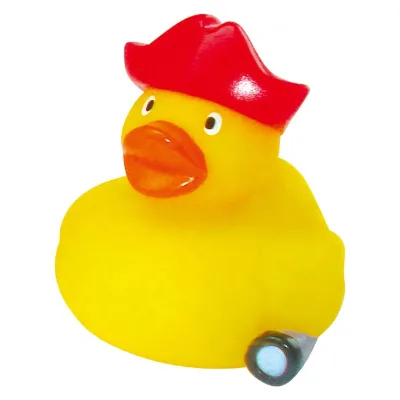
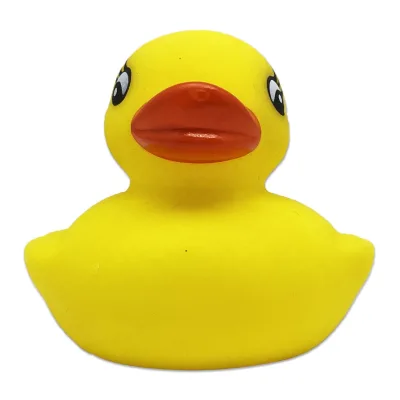
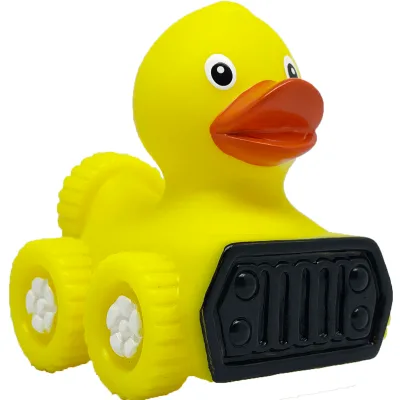
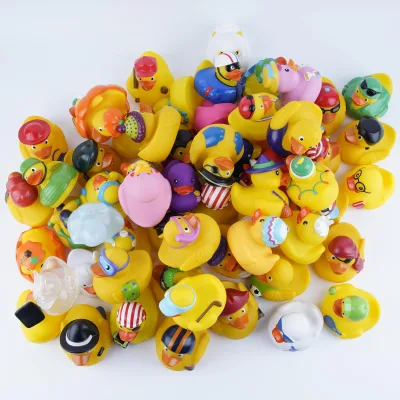
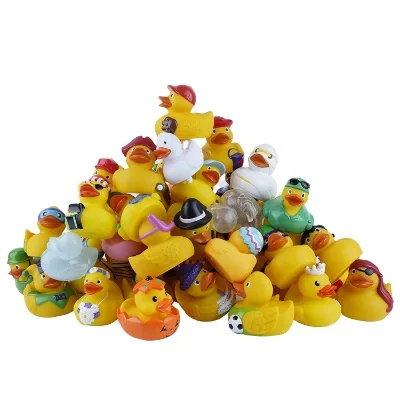
$0.1556 - $0.3426
MOQ: 100 pieces
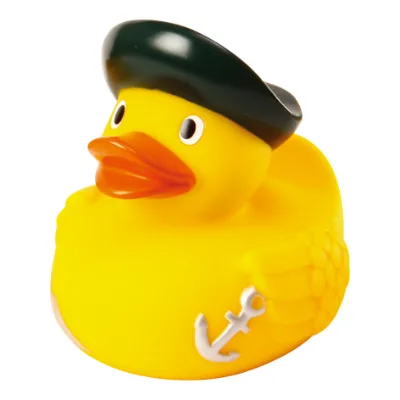
Rubber Ducks Design Your Rubber Ducks in Any Color You Like Play Water Rubber Ducks
$0.58 - $0.60
MOQ: 3000

Qingdao Chenghaoda Science and Technology Co., Ltd.
- Verified by BV
- Manufacturer/Factory
- China Shandong
- Lead time23 days
- Avg. response≤ 16h
Main productsRFID Card, NFC Card, Pcv Card, RFID Wristbands, RFID Sticker/Tag
Main marketsSouth America,Eastern Europe,Mid East,North America,Southeast Asia,Eastern Asia,Oceania,Western Europe,Africa
Shenzhen Hanchuan Industrial Co., Ltd.
- Verified by Intertek
- Manufacturer, Trading Company
- Lead time3 days
- Avg. response≤ 3h
Main productsSilicone Baby feeding set, Silicone Baby Teether, Baby Toys, Silicone Plate Placement, Silicone Baby Bib
Main marketsNorth America(40%), Western Europe(30%), Eastern Europe(10%)

Shantou Chenghai Xaqi Toys Industrial Co., Limited
- Verified by BV
- Combined
- China Guangdong
- Lead time23 days
- Avg. response≤ 4h
Main productsRemote Control Car, Educational Toy, Sport Toy, Pretend Play Toys, Remote Contro Toy, Baby Toy, Summer Toy, B/O Toy
Main marketsSoutheast Asia/ Mideast,Domestic,Europe
Jieyang City Rongcheng District Jixin Toy Factory
- Verified by Intertek
- Manufacturer, Trading Company
- Lead time30 days
- Avg. response≤ 1h
Main productsBathing Toys, Rubber Figurine Toys, Decompression Toys, Doll Toys, Educational Toys

Shenzhen Color Life Lighting Co., Ltd
- Trading Company
- China Guangdong
- Lead time15 days
- Avg. response≤ 4h
Main productsLED Beauty Mask, LED Silicone Facial Mask, Slow Feeder Silicone Bowl, Silicone Bath Toys, Silicone Pet Use Accessories, Silicone Stacking Toy, Silicone Baby Plate, Silicone Pet Bowl, LED Silicone Face Mask, Red Light Therapy Mask
Main marketsSoutheast Asia/ Mideast,East Asia(Japan/ South Korea),Europe,Australia,North America

Shantou Kaixin Trading Co., Ltd
- Verified by BV
- Manufacturer
- China Guangdong
- Lead time23 days
- Avg. response≤ 5h
Main productsToy, Educational Toy, Remote Control Toy, Pretend Play Toy Set, Summer Toy, Vehicle Toy, Doll, Promotion Toy, Baby Toy, Game Toy


$0.60 - $1.00
MOQ: 432 Pieces
Shenzhen Yihong Bo Electronic Technology Co,.Ltd
- Manufacturer, Trading Company, Agent, Distributor/Wholesaler, Other
- guangdong, China
- Lead time5 days
- Avg. response≤ 3h
Main productsKids Toy,Custom Toy,Pets Toy,Electronic products,Animal Toy
Main marketsWestern Europe(20.00%), Eastern Europe(15.00%), South Asia(10.00%), North America(10.00%), Eastern Asia(10.00%), Oceania(10.00%), Southern Europe(10.00%), Domestic Market(5.00%), Central America(5.00%), South America(5.00%)

Qingdao Brother Rubber Co., Ltd.
- Verified by TUVRHEINLAND
- Trading Company,Manufacturer/Factory
- China Shandong
- Lead time15 days
- Avg. response≤ 2h
Main productsRubber&Plastic Molded Parts, Radiator Hose, Rubber&Plastic Extrusion Profile, Rubber Bonded Metal Parts, Rubber Injection Parts, Die Cast, Stamp and Bending, Plastic Injection Parts
Main marketsSouth America,Eastern Europe,North America,Oceania,Western Europe


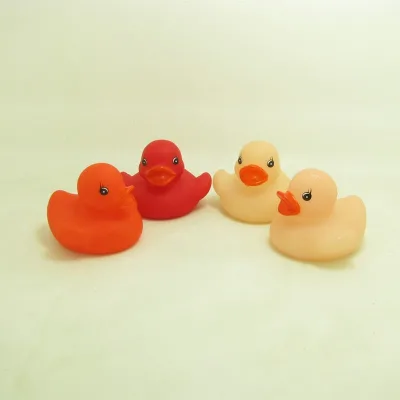


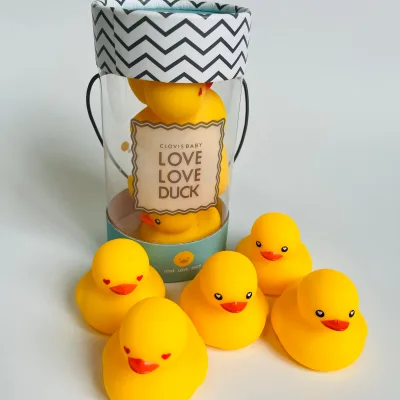
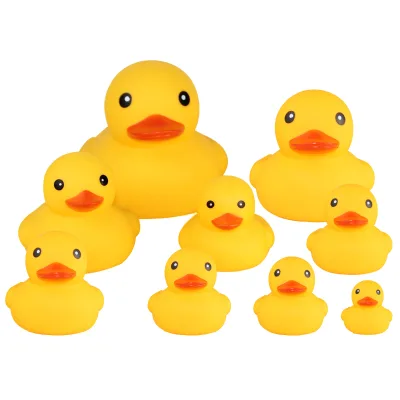
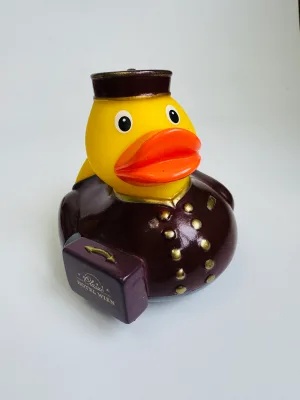


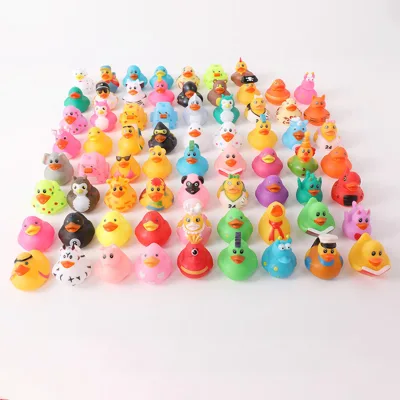
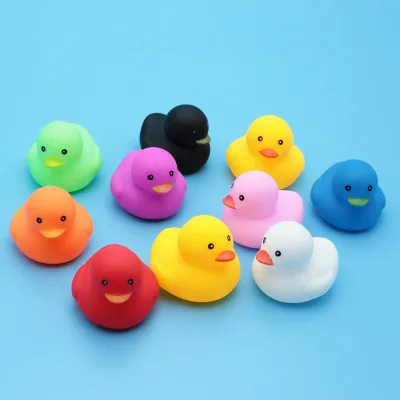
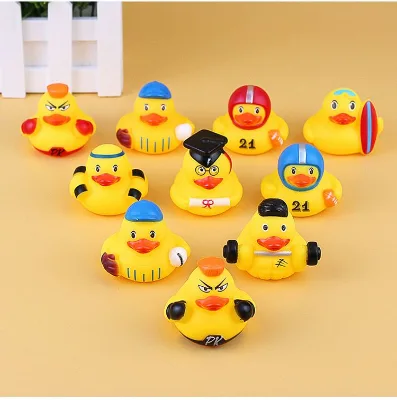
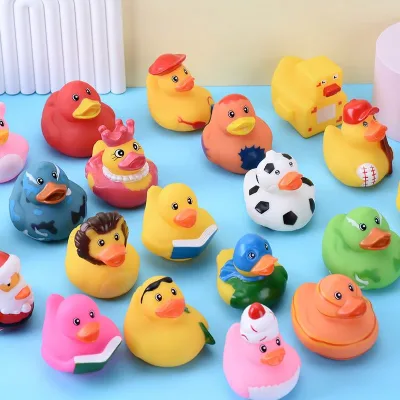


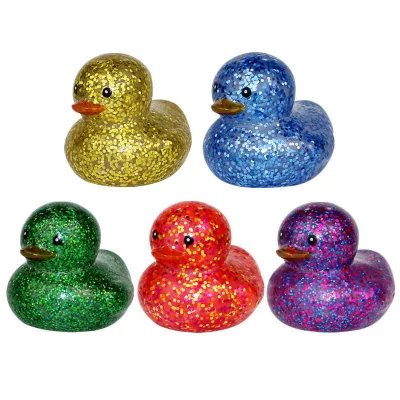
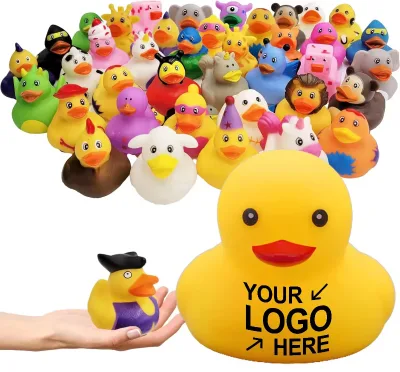


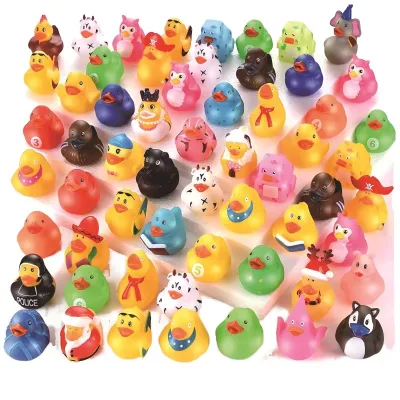


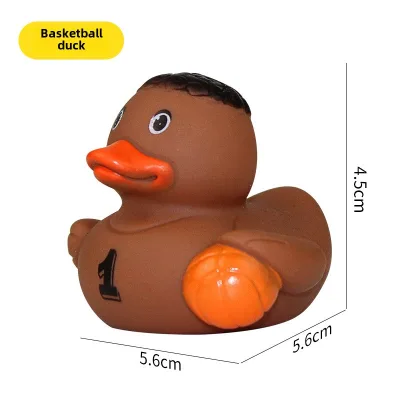


Comprehensive Sourcing Guide
Bath Duck Supplier Concentration and Factory Types
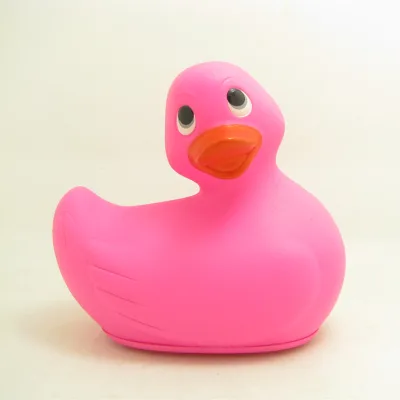
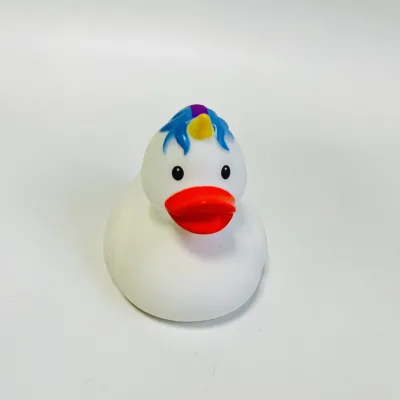
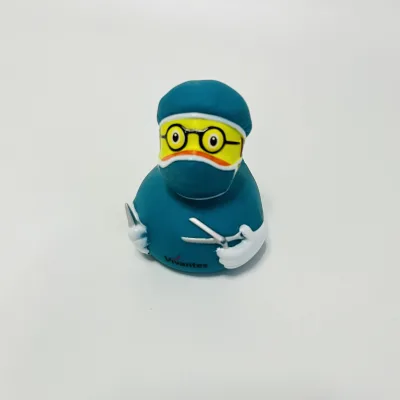
The current supplier landscape for bath ducks reveals a distinct geographic and structural split that influences sourcing strategy. One cluster of suppliers is located in China Zhejiang, operating primarily as trading companies rather than direct manufacturers. These entities often aggregate products from various factories, offering a wide array of styles such as color-changing sensors, floating unicorns, and classic yellow ducks. The presence of SGS verification on some of these profiles suggests a layer of quality assurance, though the trading company model implies they may not control the production line directly. Buyers engaging with these suppliers should understand that while the product range is extensive, the supply chain involves an intermediary layer. This structure can offer flexibility in product selection but may introduce variability in communication and production oversight. The main products listed for these Zhejiang-based entities include rubber ducks, fly traps, and other plastic toys, indicating a broad plastic goods manufacturing capability. This diversity allows buyers to potentially bundle orders, but it also requires careful vetting to ensure the specific Bath Duck quality meets expectations. The trading company type is a critical identifier, as it dictates how orders are managed and how issues are resolved. Understanding this factory type helps buyers set appropriate expectations for direct factory access versus managed sourcing services.
In contrast, another segment of the market features suppliers based in Hong Kong S.A.R., who also operate as trading companies. These suppliers often source from Guangdong, China, as indicated by product origin details. This regional dynamic highlights a common pattern where Hong Kong entities act as the commercial interface for mainland Chinese manufacturing. The main products for these Hong Kong-based suppliers include coin banks, vinyl ducks, and non-woven bags, suggesting a focus on promotional and gift items. The response time for these suppliers is recorded at six, which may differ from the faster response times seen in other regions. This difference in operational speed can impact the efficiency of the sourcing process, particularly for time-sensitive orders. The distinction between Zhejiang-based trading companies and Hong Kong-based ones is subtle but important for logistics and communication. Buyers must assess whether the trading company model aligns with their need for direct factory interaction or if they prefer the streamlined service of a trading partner. The concentration of these types in specific regions provides a clear map for where to look for different sourcing styles. Recognizing these factory types allows buyers to tailor their outreach and negotiation strategies accordingly.
How to Verify Bath Duck Suppliers
Verification is a critical step when evaluating Bath Duck suppliers, especially given the prevalence of trading companies in the results. Buyers should prioritize suppliers with third-party verification badges, such as SGS, which indicates that an independent agency has assessed the company’s credentials. This verification adds a layer of trust, suggesting that the supplier has undergone some level of scrutiny regarding their business operations. However, verification alone does not guarantee product quality or manufacturing capability. Buyers must look beyond the badge and examine the specific product attributes and certifications listed for the bath ducks. For instance, some products list EN or ENCE certifications, which are relevant for toy safety standards in certain markets. These certifications are crucial for ensuring that the plastic materials and manufacturing processes comply with international safety regulations. Buyers should request copies of these certificates and verify their validity with the issuing body. The presence of customization options, such as logo printing and pad print imprinting, also requires verification of the supplier’s ability to maintain quality during the customization process. This is particularly important for promotional items where brand representation is key.
In addition to certifications, buyers should assess the supplier’s response time and communication efficiency. A response time of 4.34 or 6 indicates how quickly a supplier engages with inquiries, which can be a proxy for their operational efficiency. Faster response times often correlate with better customer service and quicker issue resolution. Buyers should also check for other verification indicators, such as established business years or escrow protection, if available. While not all suppliers display these metrics, they are valuable for assessing reliability. The product origin, such as Zhejiang or Guangdong, can also be cross-referenced with the supplier’s location to ensure consistency. Discrepancies between the stated location and the product origin may indicate a trading company model, which is not inherently negative but requires different management. Buyers should ask for factory audits or video tours to verify the actual production environment. This is especially important for suppliers claiming to be manufacturers rather than traders. By combining verification badges, certification checks, and communication assessments, buyers can build a comprehensive picture of supplier reliability. This multi-faceted approach reduces the risk of engaging with unreliable partners.
What to Compare Across Bath Duck Suppliers
When comparing Bath Duck suppliers, buyers should focus on key operational metrics such as lead time, minimum order quantity (MOQ), and price ranges. The lead time for some suppliers is listed as 30 days, which is a standard benchmark for plastic toy manufacturing. Buyers should compare this against their own production schedules to ensure timely delivery. MOQs vary significantly, with some suppliers requiring as few as 1000 pieces, while others demand 3000 or more. This variation allows buyers to choose suppliers that align with their order volume and inventory strategy. Lower MOQs are beneficial for testing new designs or for smaller promotional campaigns, while higher MOQs may offer better unit economics. Price ranges also differ, with some products starting at $0.23 and others going up to $3.12. These price differences reflect variations in material quality, customization complexity, and supplier positioning. Buyers should compare these prices in the context of the product specifications, such as size and material type. For example, a transparent vinyl duck may command a higher price than a standard plastic duck due to material costs.
Another critical factor is the range of customization options available. Suppliers offering full-color logo printing and pad print imprinting provide greater flexibility for branding. Buyers should compare the specific customization capabilities, such as the ability to create unique shapes or colors, across different suppliers. The product attributes, such as age range and safety features, should also be compared to ensure compliance with target market regulations. For instance, some ducks are specified for ages 3-8 years, while others are suitable for a broader range. This information is vital for marketing and compliance purposes. Additionally, buyers should compare the packaging details, such as OPP bags or polybags, as this affects shipping costs and product protection. The supply ability, listed as 100,000 pieces per month for some suppliers, indicates production capacity. Buyers with large volume requirements should prioritize suppliers with higher supply abilities. By systematically comparing these dimensions, buyers can identify the most suitable supplier for their specific needs. This comparative analysis ensures that all critical factors are considered before making a decision.
Common Bath Duck Sourcing Risks
One of the primary risks in sourcing bath ducks is the discrepancy between product samples and mass production quality. Since many suppliers are trading companies, they may not have direct control over the manufacturing process, leading to potential inconsistencies. Buyers must ensure that the samples they receive are representative of the final product. This is particularly important for customized items, where color matching and logo placement are critical. Another risk is the compliance with safety standards. Bath ducks are often used by children, so adherence to regulations such as EN or ENCE is non-negotiable. Buyers should verify that the suppliers have valid certifications and that the products have been tested by accredited laboratories. Failure to do so can result in product recalls or legal issues. The material composition is also a key concern. Some products are made of plastic, while others may use vinyl or PVC. Buyers should confirm the material type and ensure it is free from harmful substances like BPA. This is especially important for products marketed as eco-friendly or safe for young children.
Logistical risks are another significant concern, particularly when dealing with suppliers in different regions. The location of the supplier, whether in Zhejiang, Guangdong, or Hong Kong, can impact shipping costs and lead times. Buyers should be aware of potential delays due to customs clearance or port congestion. Additionally, the packaging method can affect the product’s condition during transit. Poor packaging can lead to damaged goods, resulting in customer complaints and returns. Buyers should specify packaging requirements and ensure they are adequate for the product’s fragility. Another risk is the reliability of the supplier’s communication. Slow response times can delay order processing and problem resolution. Buyers should assess the supplier’s responsiveness during the inquiry phase to gauge their reliability. Finally, price volatility is a risk, especially for raw materials like plastic. Buyers should lock in prices early in the process to avoid unexpected cost increases. By identifying and mitigating these risks, buyers can ensure a smoother sourcing experience. Proactive risk management is essential for successful procurement.
Bath Duck Regional Sourcing and Logistics
The geographic distribution of Bath Duck suppliers significantly influences logistics and sourcing strategy. Suppliers located in China Zhejiang and Hong Kong S.A.R. offer distinct advantages in terms of proximity to manufacturing hubs and shipping ports. Zhejiang is known for its robust plastic manufacturing industry, providing a wide range of product options. Hong Kong, as a major trading hub, offers efficient logistics and access to global markets. Buyers should consider the port of dispatch, which is often listed as Hong Kong or China, when planning their shipping routes. This information helps in estimating transit times and freight costs. The supply ability of suppliers, such as 100,000 pieces per month, also impacts logistics planning. Large orders may require consolidated shipping to optimize costs. Buyers should coordinate with their freight forwarders to ensure timely pickup and delivery. The regional concentration of suppliers also allows for easier factory audits and quality inspections. Buyers can visit multiple suppliers in a short period, reducing travel costs and time.
Logistics risks are minimized by choosing suppliers with established shipping channels. Suppliers with experience in exporting to various regions can provide valuable insights into customs requirements and documentation. Buyers should ensure that all necessary paperwork, such as certificates of origin and safety certificates, is prepared in advance. The packaging details, such as polybag or box packaging, also affect shipping efficiency. Compact packaging can reduce volumetric weight, lowering freight costs. Buyers should specify packaging requirements to optimize space utilization. Additionally, the lead time of 30 days should be factored into the overall logistics timeline. Buyers should plan for potential delays due to holidays or peak seasons. The response time of suppliers, whether 4.34 or 6, can also impact the speed of order processing. Faster response times lead to quicker order confirmation and production start. By understanding the regional logistics landscape, buyers can make informed decisions about supplier selection and shipping strategies. This knowledge is crucial for efficient supply chain management.
Bath Duck Commercial Terms and Order Planning
Commercial terms and order planning are essential for successful Bath Duck procurement. Buyers should negotiate clear payment terms, such as escrow protection, to safeguard their interests. Escrow ensures that payment is released only after the buyer confirms receipt and quality of the goods. This is particularly important for new suppliers or large orders. The minimum order quantity (MOQ) is a key commercial term, with values ranging from 1000 to 3000 pieces. Buyers should align their order volume with the supplier’s MOQ to avoid excess inventory or production delays. Price ranges, from $0.23 to $3.12, should be discussed in detail, including any discounts for larger volumes. Buyers should also clarify the cost of customization, such as logo printing, which may incur additional fees. The lead time of 30 days should be confirmed in writing, with penalties for delays. This ensures accountability and protects the buyer’s schedule.
Order planning involves coordinating production schedules with marketing campaigns or retail seasons. Buyers should provide detailed specifications, including size, color, and packaging, to avoid misunderstandings. The product attributes, such as age range and safety features, must be clearly communicated to
FAQs
What is the price range for wholesale bath ducks?
Wholesale prices for bath ducks typically range from $0.23 to $3.13 per unit depending on the specific model and customization requirements. Basic plastic models start around $0.23, while premium or complex designs can reach $3.13. Buyers should verify exact pricing based on order volume and specific product attributes.
What is the minimum order quantity for bath ducks?
The minimum order quantity for bath ducks varies by supplier, with common thresholds set at 1,000 or 3,000 units. Some suppliers require a minimum of 3,000 pieces for standard items, while others may accept orders starting at 1,000 units. Buyers must check the specific MOQ for their chosen product model.
How long does production take for bath ducks?
Production lead times for bath ducks are generally around 30 days from order confirmation. This timeframe allows for manufacturing, quality control, and packaging preparation. Buyers should confirm the exact lead time with the supplier, as it may vary based on order size and customization complexity.
Are bath ducks customizable with logos or branding?
Yes, most bath ducks offer customization options, including full-color logo printing via pad print. Suppliers typically allow custom shapes, colors, and packaging to match brand requirements. Buyers should specify their customization needs early in the inquiry process to ensure the supplier can accommodate their branding requests.
What certifications do bath ducks have?
Bath ducks often carry EN7 or ENCE certifications, ensuring they meet safety standards for children's toys. Some products may also be labeled as BPA-free or eco-friendly. Buyers should request specific certification documents to verify compliance with their target market's regulatory requirements before placing an order.
Where are bath ducks manufactured?
Bath ducks are primarily manufactured in China, with key production hubs located in Zhejiang and Guangdong provinces. Some suppliers may also dispatch goods from Hong Kong. Buyers should verify the specific place of origin for each product to understand shipping logistics and potential tariffs.