anti-slip portable abdominal exercise mat Suppliers and Manufacturers
Compare 17 verified suppliers offering anti-slip portable abdominal exercise mats with varying lead times, MOQs, and certifications. Review response times and customization options to select the right partner for your fitness equipment needs; review the available evidence before requesting comparable quotations from suitable candidates.
Updated
Suppliers List

Telamon Sports Goods (Shanghai) Co., Ltd.
- Verified by BV
- Trading Company
- China Shanghai
- Lead time15 days
- Avg. response≤ 11h
Main marketsNorth America
Nantong Get-Fit Sports Co., Ltd.
- Verified by TüVRheinland
- Manufacturer, Trading Company
- Lead time30 days
- Avg. response≤ 5h
Main productsDumbbell, Weight Plate, Barbell, Power Rack, Yoga Series
Main marketsNorth America(45%), Southeast Asia(15%), South America(10%)
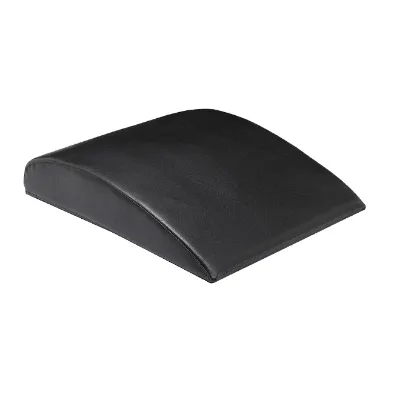
Ab Mat Yoga Abdominal Mat Core Trainer Abdominal Exercise Fitness Abdominal Muscle Training Mat
$10.2611
MOQ: 300 Minimum
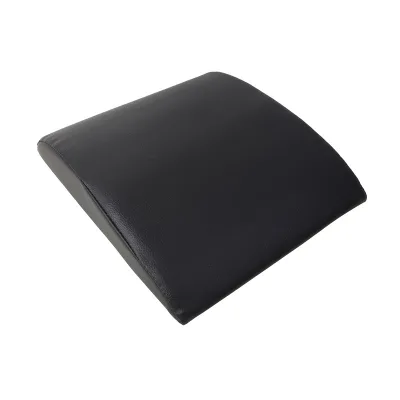
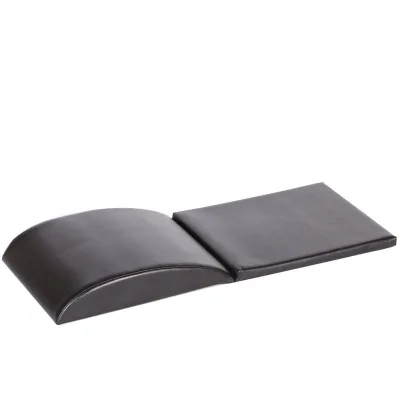
Ningbo Boga Sports Goods Co., Ltd.
- Verified by TüVRheinland
- Trading Company
- Lead time30 days
- Avg. response≤ 2h
Main productsYoga Mats, Yoga Block, Yoga Roller, Yoga Ball, Resistance Bands
Main marketsNorth America(27%), Western Europe(18%), Eastern Asia(7%)

Shanghai Ritmark Sports Co., Ltd.
- Verified by BV
- Trading Company,Manufacturer/Factory
- China Shanghai
- Lead time23 days
- Avg. response≤ 3h
Main productsPVC Boat Fender, Fitness Ball, Fitness Sandbag, Waist Belt, Massage Tools, Acupressure Mat, Buoys, Dock Bumper, Yoga Items, Fitness Products
Main marketsSouth America,Eastern Europe,Mid East,North America,Southeast Asia,Eastern Asia,Oceania,Western Europe,Africa

- Verified by TUVRHEINLAND
- Trading Company
- China Anhui
- Lead time30 days
- Avg. response≤ 6h
Main productsDumbbells, Kettlebells, Barbells, Weight Plates, Crossfit Gym, Home Gym, Power Rack, Aerobic Step, Yoga Mat, Foam Roller
Main marketsEurope,Australia,North America


Exercise Mat Sit up Pad Core Trainer Mat Abdominal Sports Rubber Gym Ab Mat
$2.15 - $2.85
MOQ: 100 Pieces

Qingdao ALS Industry And Trade Co., Ltd.
- Manufacturer, Trading Company
- Shandong, China
- Lead time30 days
- Avg. response≤ 7h
Main productsWeights,Mats,Barbells,Dumbbells,Kettlebells
Main marketsNorth America(35.00%), Domestic Market(30.00%), Western Europe(20.00%), Central America(5.00%), South America(5.00%), Eastern Europe(3.00%), Northern Europe(2.00%)

- Verified by BV
- Trading Company
- China Anhui
- Lead time30 days
- Avg. response≤ 15h
Main productsDumbbell, Cast Iron Plate, Chrome Bar, Fitness Equipment, Traing Set
Main marketsSouth America,Africa,Southeast Asia/ Mideast,East Asia(Japan/ South Korea),Europe,Australia,North America
Nantong Get Power Fitness Equipment Co., Ltd.
- Verified by TüVRheinland
- Trading Company
- Lead time30 days
- Avg. response≤ 2h
Main productsDumbbell, Barbell, Weight Plate, Power Rack, Bench
Main marketsNorthern Europe(40%), North America(20%), Southeast Asia(20%)
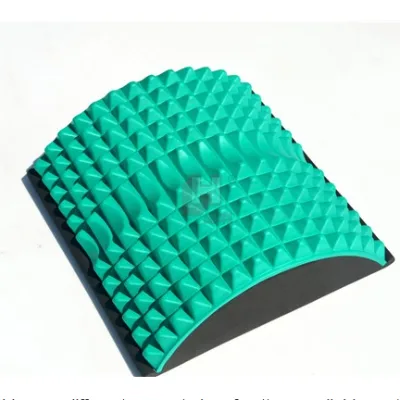
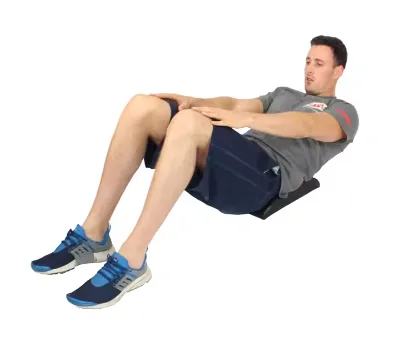
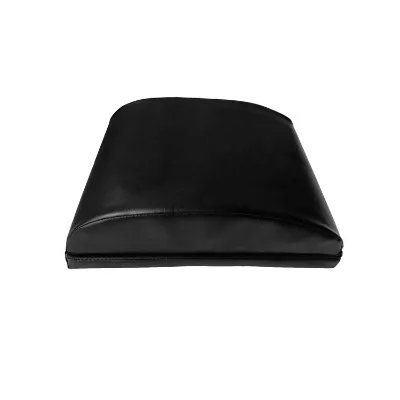
Hot Sale New High Density Abdominal AB Exercise Mat for Core Trainer
$1.0248 - $20.4937
MOQ: 100 Minimum
Nantong Leeton Fitness Co., Ltd.
- Verified by SGS Group
- Manufacturer, Trading Company
- Lead time30 days
- Avg. response≤ 4h
Main productsRubber Hex Dumbbell , Neoprene Dumbbell , Roman Chair, Aerobic Stepper , Jump Plyo Box
Main marketsNorth America(80%), Eastern Europe(5%), Oceania(5%)
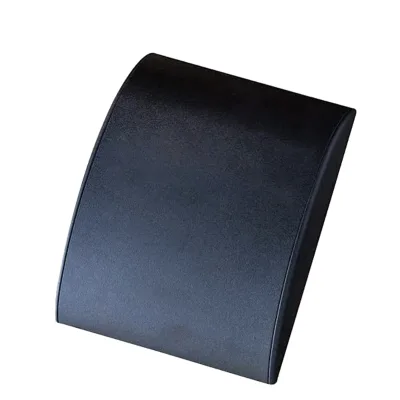
Slip-Resistant Indoor Exercise Mat for Various Surfaces Ab Training Essentials
$5.00 - $8.00
MOQ: 2 pieces
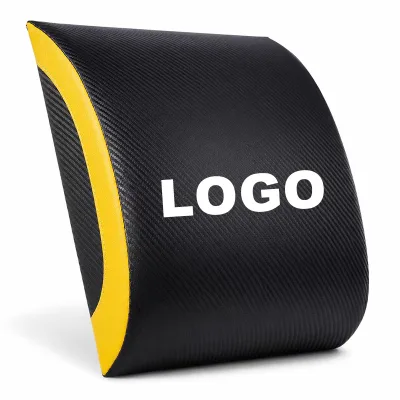
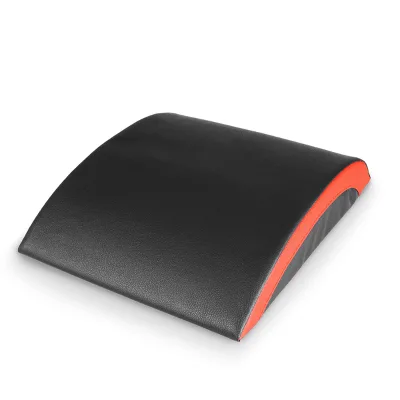
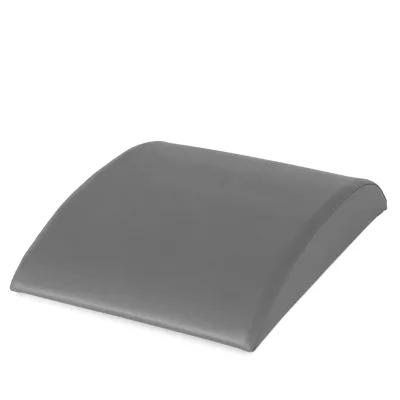
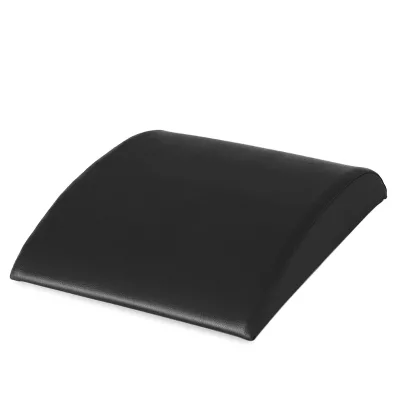
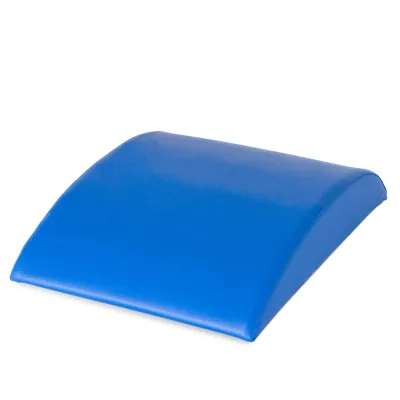
Travel-Friendly Anti-Tear Ab Exercise Mat for Workouts for On-the-Go Training
$3.00 - $4.80
MOQ: 10 pieces

Nantong Enerize Sporting Goods Co., Ltd.
- Trading Company,Manufacturer/Factory
- China Jiangsu
- Lead time0 days
- Avg. response≤ 17h
Main productsBarbells, Weight Plates, Bumper Plate, Dumbbell, Adjustable Bench, Rig and Rack, Power Rack, Kettlebell, Crossfit, Jump Ropes
Main marketsSouth America,Eastern Europe,Mid East,North America,Africa

Nantong Gympro Sports Co., Ltd.
- Verified by CTI
- Trading Company
- China Jiangsu
- Lead time23 days
- Avg. response≤ 3h
Main productsTraining Gear, Free Weight, Fitness Equipment, Yoga&Pilate, Exercise Accessories, Professional Training, Boxing
Main marketsSouth America,Africa,Southeast Asia/ Mideast,East Asia(Japan/ South Korea),Europe,Australia,North America

Dingzhou Ruichuang Metal Products Co., Ltd.
- Verified by TUVRHEINLAND
- Trading Company
- China Hebei
- Lead time30 days
- Avg. response≤ 1h
Main productsBarbell, Fitness Equipment, Gym Equipment, Dumbbell, Stair Master, Fitness Accessories, Track and Field Equipment, Strength Machine, Fitness Machine, Gym Machine
Main marketsNorth America
Dingzhou Caron Sports Co., Ltd.
- Verified by TüVRheinland
- Manufacturer, Trading Company
- Lead time20 days
- Avg. response≤ 2h
Main productsGymnastics Mats, Weight Vest, Power Bag, Bulgarian Bag, Plyometric Box
Main marketsNorth America(30%), Eastern Europe(20%), Oceania(15%)
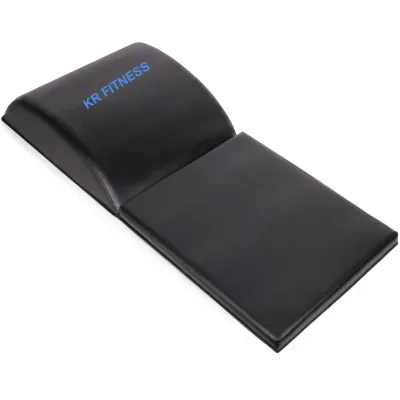
Ab Exercise Mat Sit up Pad Abdominal Trainer for Situp and Core Workouts
$3.50 - $5.00
MOQ: 10 Minimum
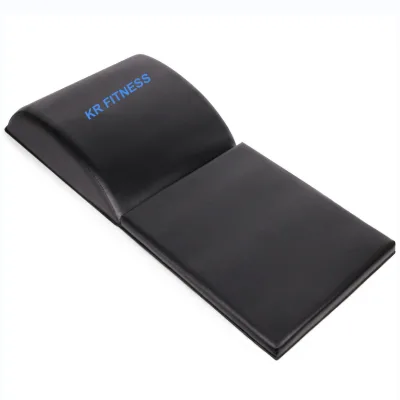
Gym Fitness Assistive Equipment Sit up Mat Abdominal Muscle Training AB Pads for Whole Sale
$8.85 - $15.35
MOQ: 10 pieces

Qingdao Goldroad Industry & Trade Co., Ltd
- Verified by TUVRHEINLAND
- Trading Company
- China Shandong
- Lead time30 days
- Avg. response≤ 11h
Main productsKettlebell, Bumper Plates, Dumbbells, Barbells, Weighted Vest, Weighted Sand Bag, Weight Plate, Training Bench, Wall Ball, Medicine Ball
Main marketsNorth America
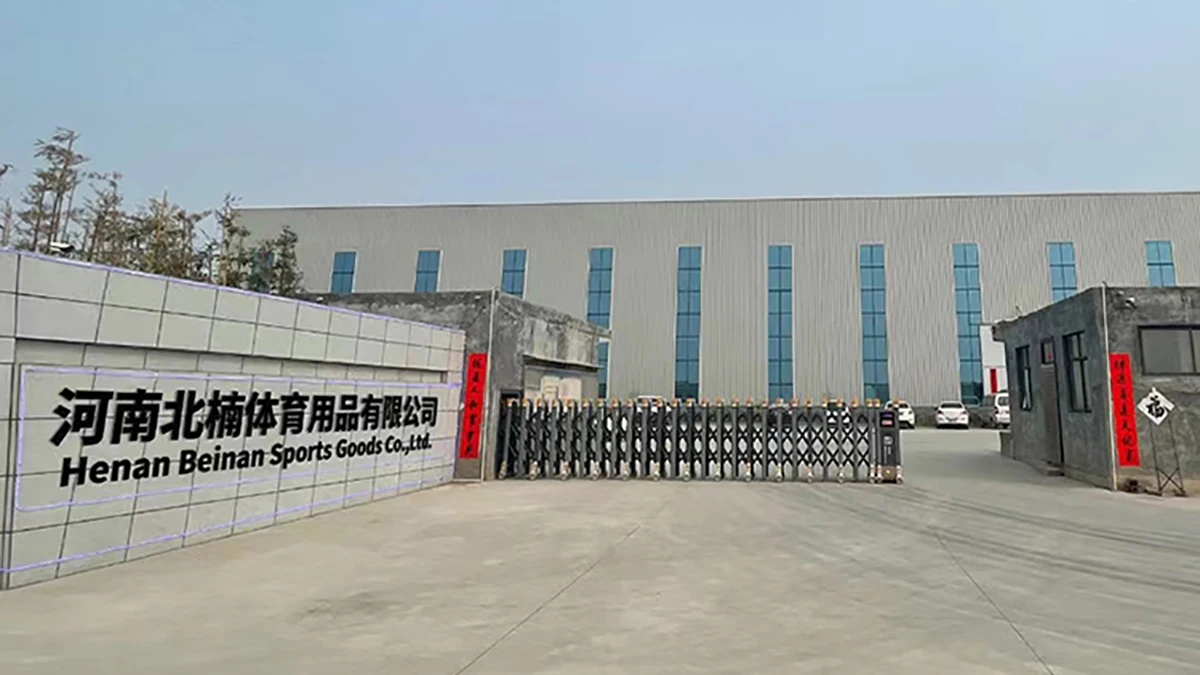
Henan Beinan Sports Goods Co., Ltd.
- Manufacturer, Trading Company
- Henan, China
- Lead time5 days
- Avg. response≤ 1h
Main productsYoga Product,Pilates products,resistance band,Massage Products,jump rope
Main marketsNorth America(22.00%), Eastern Europe(20.00%), South America(20.00%), Southeast Asia(15.00%), Southern Europe(5.00%), Northern Europe(5.00%), Western Europe(5.00%), Oceania(2.00%), Domestic Market(1.00%), South Asia(1.00%), Mid East(1.00%), Eastern Asia(1.00%), Central America(1.00%), Africa(1.00%)

Shandong Memizo New Material Technology Co.,Ltd.
- Verified by BV
- Trading Company
- China Shandong
- Lead time15 days
- Avg. response≤ 10h
Main productsPlay Mat, EVA Mat, Foam Mat
Main marketsSouth America,Southeast Asia/ Mideast,Europe
Jiangyin Kaimiao International Trade Co., Ltd.
- Trading Company
- Jiangsu, China
- Lead time10 days
- Avg. response≤ 3h
Main productsfitness products,sport products,harmonica,massage stick,balance board
Main marketsEastern Europe(20.00%), North America(10.00%), South America(10.00%)
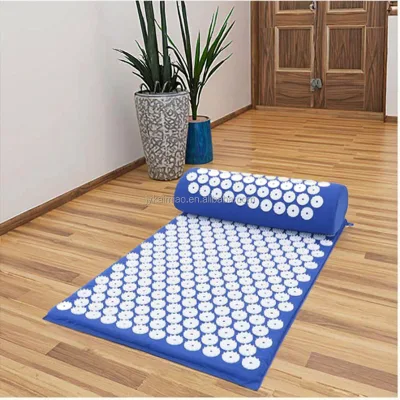
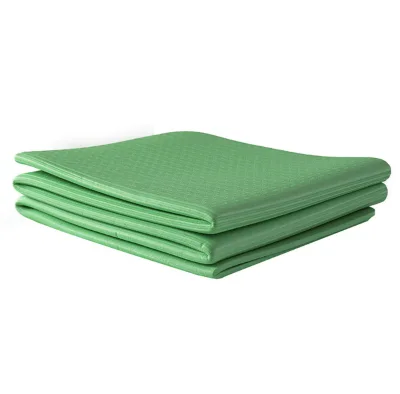
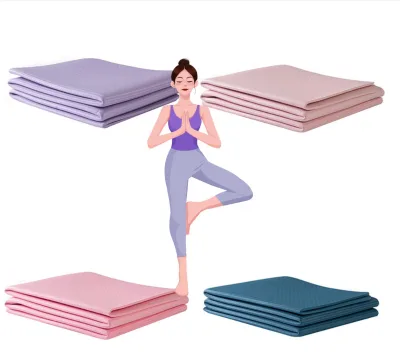
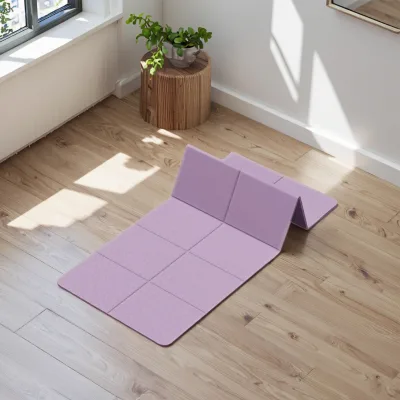
Hot Sale Tpe Yoga Mat 3 Fold Portable Folding Yoga Mat with Best Quality
$5.70 - $6.00
MOQ: 500 pieces


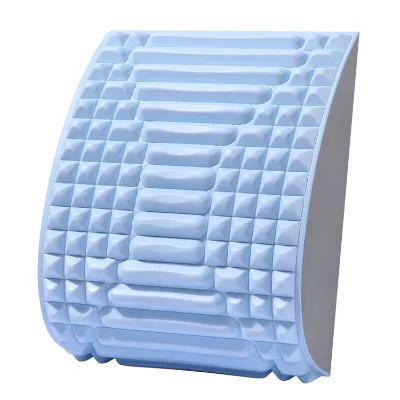
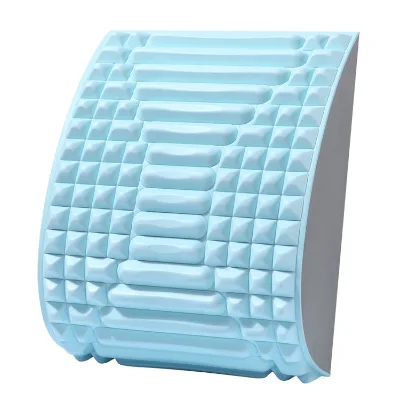


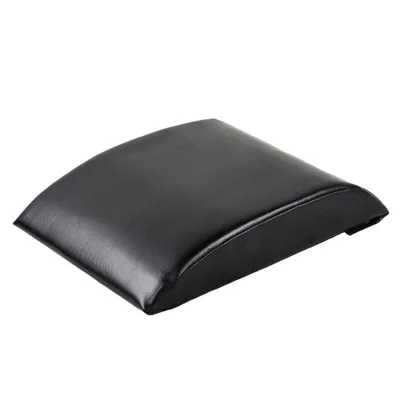
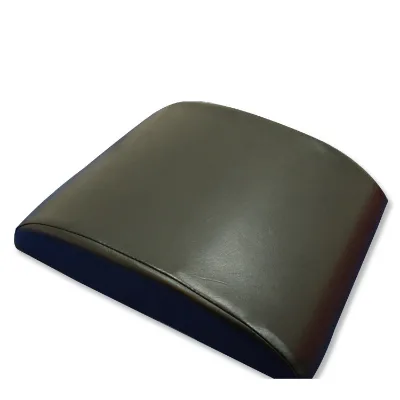


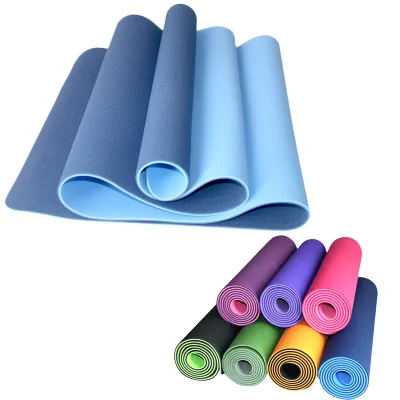


Comprehensive Sourcing Guide
Anti-Slip Portable Abdominal Exercise Mat Supplier Concentration and Factory Types
The current supplier landscape for anti-slip portable abdominal exercise mats reveals a distinct concentration of manufacturing and trading entities within specific geographic regions. Evidence indicates that suppliers are located in China, with Shanghai identified as a key operational hub for trading companies. Furthermore, product origin data points to Jiangsu as a primary production zone for these fitness accessories. This geographic clustering suggests that buyers sourcing these items will likely encounter suppliers operating out of Eastern China, where the infrastructure for both manufacturing and export logistics is well-established. The presence of suppliers in Shanghai often correlates with trading companies that facilitate international sales, while the Jiangsu origin highlights the actual manufacturing base where the physical goods are produced. Understanding this spatial distribution is crucial for buyers, as it influences shipping routes, customs procedures, and the overall supply chain dynamics. Buyers should recognize that while the trading entity may be registered in Shanghai, the product itself originates from Jiangsu, which can impact lead times and communication protocols. This dual-location dynamic is common in the fitness equipment sector, where specialized manufacturing clusters coexist with commercial trading hubs.
In terms of company structure, the available data shows a mix of manufacturer and trading company types. Some suppliers operate exclusively as trading companies, leveraging their location in Shanghai to connect global buyers with factories. Others identify as both manufacturers and trading companies, offering a more integrated service model that may include direct factory access alongside commercial support. This distinction is vital for buyers who need to determine whether they are dealing with the actual production source or an intermediary. The presence of ODM and OEM capabilities among these suppliers indicates that many facilities are equipped to handle custom designs and branding requirements. This flexibility allows buyers to source products that meet specific market demands, whether through standard models or customized solutions. The combination of manufacturing and trading roles within the same entity can streamline the procurement process, reducing the need for multiple points of contact. However, it also requires buyers to verify the extent of the supplier’s manufacturing capabilities to ensure quality control and production capacity align with their order volumes.
How to Verify Anti-Slip Portable Abdominal Exercise Mat Suppliers
Verifying the credibility and operational capacity of suppliers is a critical step in the sourcing process for anti-slip portable abdominal exercise mats. Buyers should prioritize suppliers who have undergone third-party verification processes, as this provides an additional layer of trust regarding their business legitimacy and operational standards. In the current results, verification badges such as BV and TüVRheinland are present, indicating that these suppliers have been assessed by recognized inspection and certification bodies. These verifications often cover aspects like business license authenticity, factory audits, and quality management systems. For buyers, the presence of such badges serves as an initial filter to identify suppliers who are willing to undergo rigorous external scrutiny. It is important to note that verification status can vary among suppliers, so buyers should check the specific type of verification each supplier holds. Some may have basic business verification, while others may have more comprehensive factory audits. Understanding the scope of these verifications helps buyers assess the reliability of the supplier’s claims regarding production capacity and quality control.
Beyond verification badges, buyers should examine the supplier’s response time and communication efficiency as indicators of their operational professionalism. Data shows that response times can vary, with some suppliers responding within a few hours, while others may take longer. A quick response time often correlates with a well-organized sales team and efficient internal processes, which are essential for handling orders and resolving issues promptly. Buyers should also look for suppliers who provide detailed product information, including specifications, materials, and customization options. For instance, some suppliers offer detailed attributes such as material composition (e.g., PU+foam, PVC+EPE+MDF) and size dimensions, which are crucial for evaluating product suitability. Additionally, the availability of sample processing and graphic processing services indicates a supplier’s ability to support custom orders. Buyers should request samples to physically inspect the product quality, including the anti-slip features and durability. This hands-on verification is essential to ensure that the product meets the required standards before committing to a larger order.
What to Compare Across Anti-Slip Portable Abdominal Exercise Mat Suppliers
When evaluating multiple suppliers for anti-slip portable abdominal exercise mats, buyers must compare key operational metrics to identify the most suitable partner. One of the primary factors to consider is the minimum order quantity (MOQ), which can significantly impact inventory management and cash flow. Current data indicates that MOQs vary, with some suppliers requiring as few as 100 pieces, while others may demand 300 pieces or more. Buyers with smaller initial orders should prioritize suppliers with lower MOQs to reduce risk and inventory holding costs. Conversely, buyers planning for large-scale distribution may benefit from suppliers with higher MOQs, as they often offer more competitive pricing tiers. Another critical metric is the lead time, which determines how quickly orders can be fulfilled and shipped. Lead times in the current results range from 15 to 30 days, reflecting differences in production capacity and supply chain efficiency. Buyers should align their order planning with these lead times to ensure timely delivery to their customers. Understanding these variations helps buyers make informed decisions based on their specific business needs and market demands.
Price and customization options are also essential comparison points for buyers. The price range for these mats varies, with some suppliers offering prices as low as $3.00 per unit, while others may charge up to $10.26 per unit. This price disparity can be attributed to differences in material quality, production complexity, and brand positioning. Buyers should evaluate the cost against the product specifications, such as material type (e.g., EVA, PVC, PU) and features (e.g., non-slip, foldable). Additionally, the availability of customization services, including logo printing and color options, can add value for buyers looking to brand their products. Some suppliers offer customized logos and colors, while others may have limited options. Buyers should also consider the supplier’s main product range, as those offering a broader selection of fitness equipment may provide better bundling opportunities. Comparing these factors across suppliers allows buyers to identify the best balance between cost, quality, and service, ensuring they select a partner that aligns with their strategic goals.
Common Anti-Slip Portable Abdominal Exercise Mat Sourcing Risks
Sourcing anti-slip portable abdominal exercise mats from international suppliers involves several potential risks that buyers must proactively manage. One significant risk is the variability in product quality, which can arise from differences in material sourcing and manufacturing processes. For example, some mats are made from EVA foam, while others use PVC or PU materials, each with distinct durability and performance characteristics. Buyers who do not specify clear material requirements may receive products that do not meet their expectations for durability or anti-slip performance. Another risk is the inconsistency in product dimensions and specifications. Data shows that sizes can vary, with some mats measuring 37cm30cm8cm, while others are 3830.57.5cm. These variations can impact packaging, shipping costs, and customer satisfaction if not properly communicated. Buyers must ensure that all specifications are clearly defined in the purchase agreement to avoid discrepancies. Additionally, the risk of delayed shipments is prevalent, especially if suppliers face production bottlenecks or logistical challenges. Buyers should monitor lead times closely and maintain open communication with suppliers to mitigate these delays.
Intellectual property and branding risks are also concerns, particularly for buyers seeking custom logo printing and private labeling. While many suppliers offer customization services, there is a risk of unauthorized use of designs or logos if proper legal protections are not in place. Buyers should ensure that their intellectual property rights are protected through clear contracts and, if necessary, local registration in the supplier’s country. Another risk is the reliability of the supplier’s verification status. While badges like BV and TüVRheinland provide assurance, buyers should verify that these certifications are current and relevant to their specific needs. Some suppliers may have outdated or incomplete verification records, which could indicate potential issues with their business practices. Buyers should also be cautious of suppliers who do not provide transparent information about their production facilities or quality control processes. Conducting thorough due diligence, including requesting factory audits and product samples, is essential to mitigate these risks and ensure a successful sourcing partnership.
Anti-Slip Portable Abdominal Exercise Mat Regional Sourcing and Logistics
The geographic concentration of suppliers in China, particularly in Shanghai and Jiangsu, has significant implications for logistics and shipping strategies. Buyers sourcing from these regions should consider the efficiency of local port infrastructure and the availability of freight forwarding services. Shanghai, as a major global shipping hub, offers extensive connectivity to international markets, which can facilitate faster and more cost-effective shipping for trading companies based there. However, since the products often originate from Jiangsu, buyers must account for the inland transportation leg from the manufacturing site to the port. This additional step can impact lead times and shipping costs, so buyers should clarify the Incoterms with their suppliers to understand who is responsible for these logistics. Understanding the supply chain flow helps buyers plan their inventory and delivery schedules more accurately. Additionally, buyers should be aware of any regional trade regulations or tariffs that may apply to fitness equipment imported from China, as these can affect the final landed cost of the products.
Logistics planning also involves selecting the appropriate shipping method based on order volume and urgency. For smaller orders, air freight may be a viable option despite higher costs, as it offers faster delivery times. For larger volumes, sea freight is typically more economical, though it requires longer transit times. Buyers should work with their suppliers to determine the most efficient shipping route, considering factors such as port congestion and seasonal demand fluctuations. Packaging is another critical aspect of logistics, as improper packaging can lead to product damage during transit. Data indicates that products are often packed in polybags and cartons, or OPP bags, which provide varying levels of protection. Buyers should ensure that the packaging is robust enough to withstand shipping stresses and meets any destination-specific requirements. Collaborating with suppliers to optimize packaging and shipping methods can reduce costs and minimize the risk of damage, ensuring that products arrive in good condition.
Anti-Slip Portable Abdominal Exercise Mat Commercial Terms and Order Planning
Effective order planning for anti-slip portable abdominal exercise mats requires careful attention to commercial terms and payment structures. Buyers should negotiate clear payment terms that align with their cash flow needs, such as partial payments upfront and the balance upon shipment. Understanding the supplier’s payment policies is essential to avoid financial risks and ensure smooth transactions. Additionally, buyers should clarify the warranty and return policies for defective products, as this provides a safety net in case of quality issues. The presence of escrow services can offer an extra layer of security for buyers, ensuring that payments are only released upon satisfactory delivery. Buyers should also consider the supplier’s capacity to handle order fluctuations, especially if they anticipate seasonal demand spikes. Suppliers with flexible production capabilities and robust supply chains are better equipped to handle such variations. By establishing clear commercial terms and planning for potential disruptions, buyers can build a resilient sourcing strategy that supports their business growth.
Long-term relationship building with suppliers is another key aspect of successful sourcing. Buyers should aim to establish open and transparent communication channels with their suppliers to foster trust and collaboration. Regular feedback on product quality and delivery performance can help identify areas for improvement and strengthen the partnership. Buyers should also explore opportunities for volume discounts or preferential pricing as their order quantities increase. This can lead to significant cost savings over time. Additionally, buyers should stay informed about industry trends and product innovations, as suppliers may offer new designs or materials that can enhance their product offerings. By maintaining a proactive approach to supplier management, buyers can leverage their partnerships to gain a competitive edge in the market. This involves not only negotiating favorable terms
FAQs
What is the price range for portable abdominal mats?
Portable abdominal mats are priced between $3.00 and $10.26 per unit. The cost varies based on material composition, such as EVA, PVC, or PU foam, and specific customization requirements. Buyers should check the minimum order quantity to determine the final per-unit cost for their specific order volume.
What is the minimum order quantity for these mats?
The minimum order quantity typically ranges from 100 to 300 pieces. Some suppliers require a minimum of 100 pieces for standard models, while others may require 300 pieces for specific customized designs. Buyers must verify the exact MOQ with the supplier before placing an order.
How long does production take for these mats?
Production lead times generally range from 15 to 30 days. The exact duration depends on the supplier's current workload and the complexity of the customization requested. Buyers should confirm the specific lead time with the supplier to ensure timely delivery for their project schedule.
Are these mats suitable for both indoor and outdoor use?
Yes, many portable abdominal mats are designed for both indoor and outdoor applications. They often feature non-slip surfaces and durable materials like EVA or PVC to withstand various environments. Buyers should check the specific product attributes to confirm suitability for their intended usage location.
Can I customize the logo and color of the mat?
Customization is available for both logos and colors on many models. Suppliers offer options for customized logos and various color choices to match brand requirements. Buyers should provide specific design files and color codes to the supplier to ensure the final product meets their exact specifications.
What materials are used to make these abdominal mats?
Common materials include EVA, PVC, PU foam, and EPE. Some mats combine multiple materials, such as PVC with EPE and MDF, for enhanced durability and comfort. Buyers should review the product specifications to select the material that best suits their performance and safety requirements.