Interactive Educational Water Gun Suppliers and Manufacturers
Source Interactive Educational Water Gun options from 26 verified suppliers in China. Compare key dimensions including lead times, MOQs, certifications, and response rates to identify suitable partners. Review product specifications and pricing details to streamline your procurement process; review the available evidence before requesting comparable quotations from suitable candidates.
Updated
Suppliers List
Shantou Beibeijia Trading Co., Ltd.
- Verified by CTI
- Trading Company
- China Guangdong
- Lead time23 days
- Avg. response≤ 11h
Main productstoy
Main marketsSouth America,Eastern Europe,Mid East,North America,Southeast Asia,Eastern Asia,Oceania,Western Europe,Africa

Shantou XIQI Plastic Products Co., Ltd.
- Verified by SGS
- Manufacturer
- China Guangdong
- Lead time15 days
- Avg. response≤ 2h
Main productsToys Gift Electrical Equipment Household Effe
Main marketsEast Asia(Japan/ South Korea),Europe,North America


$8.50 - $9.50
MOQ: 36 Pieces

Guangzhou Baolilong Toys Trading Co., Limited
- Trading Company
- Guangdong, China
- Lead time45 days
- Avg. response≤ 7h
Main productspromotion toys,dollar chain shop toys,OEM and ODM,candy toy,capsule toy
Main marketsNorthern Europe(35.00%), Mid East(25.00%), Eastern Europe(25.00%), South Asia(10.00%), South America(5.00%)
Juneng (Shaoxing) Network Technology Co., Ltd.
- Trading Company
- Zhejiang, China
- Lead time0 days
- Avg. response≤ 4h
Main productscup,Table setting,Daily necessities,Toys
Main marketsNorth America(40.00%), Africa(20.00%), Eastern Europe(20.00%), South America(20.00%)
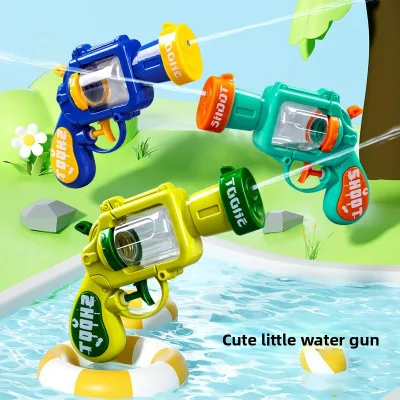
$0.5027 - $0.6567
MOQ: 2 pieces
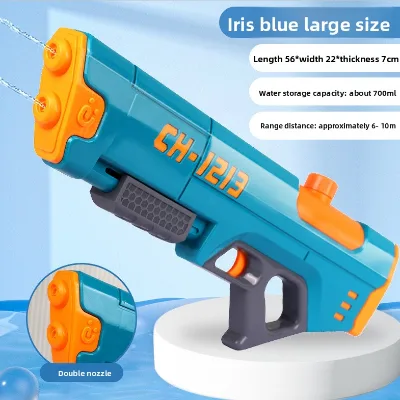
$1.6546 - $6.4014
MOQ: 2 Minimum
Shantou P&C Plastic Products Co., Ltd.
- Verified by TüVRheinland
- Manufacturer, Trading Company
- Lead time30 days
- Avg. response≤ 23h
Main productsBubble Toy, Water Gun, Sport Toy, Beach Toy, Wooden Toy
Main marketsWestern Europe(20%), Eastern Europe(17%), North America(15%)

Shantou Kaixin Trading Co., Ltd
- Verified by BV
- Manufacturer
- China Guangdong
- Lead time23 days
- Avg. response≤ 5h
Main productsToy, Educational Toy, Remote Control Toy, Pretend Play Toy Set, Summer Toy, Vehicle Toy, Doll, Promotion Toy, Baby Toy, Game Toy

Shantou Baishuntong Trading Co., Ltd.
- Verified by CTI
- Trading Company
- China Guangdong
- Lead time15 days
- Avg. response≤ 5h
Main marketsDomestic
Shantou Beilisi Toys Co., Ltd.
- Verified by Intertek
- Manufacturer, Trading Company
- Lead time15 days
- Avg. response≤ 1h
Main productsWater Gun, Candy Toys, Building Block, Toy Car, Bubble Toy
Main marketsDomestic Market(20%), North America(15%), Mid East(15%)

Shantou Xinxin Technology Co., Ltd
- Verified by CTI
- Trading Company
- China Guangdong
- Lead time15 days
- Avg. response≤ 4h
Main productsToys, RC Toys, Children's Cosmetics, Drone, Remote Control Toy, Plasticene, Superlight Clay, Electrical Toys, Remote-Control-Toys, Toy
Main marketsSouth America,Southeast Asia/ Mideast,Europe,North America

Cartoon Giraffe Water Gun Water Spray Guns for Kids Summer Toy Water Toy Gun
$2.63 - $3.16
MOQ: 180 Pieces

SHANTOU BHX TECHNOLOGY CO., LTD.
- Manufacturer, Trading Company
- Lead time旺季: "1 - 320":31,"> 320":"To be negotiated", 淡季: "1 - 320":31,"> 320":"To be negotiated"
- Avg. response≤ 3h
Main productsGun Toy, Educational Toy, Outdoor Toy, Baby Toy, Remote Control Toy
Yiwu B&T Crafts & Arts Co., Ltd.
- Trading Company
- Zhejiang, China
- Lead time12 days
- Avg. response≤ 3h
Main productsChildren Toys, Stationery, Singing Bowl
Main marketsNorth America(40.00%), Western Europe(10.00%), South Asia(5.00%), South America(5.00%), Oceania(5.00%), Southern Europe(5.00%), Eastern Asia(5.00%), Central America(5.00%), Northern Europe(5.00%), Eastern Europe(5.00%), Mid East(5.00%), Southeast Asia(5.00%)
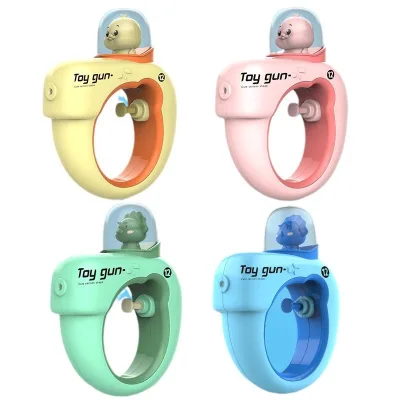
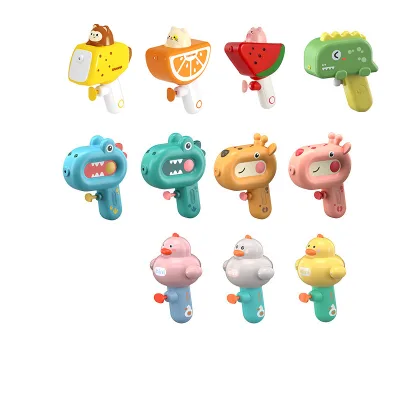
$0.70 - $0.73
MOQ: 400 Minimum

Shantou Chenghai Xaqi Toys Industrial Co., Limited
- Verified by BV
- Combined
- China Guangdong
- Lead time23 days
- Avg. response≤ 4h
Main productsRemote Control Car, Educational Toy, Sport Toy, Pretend Play Toys, Remote Contro Toy, Baby Toy, Summer Toy, B/O Toy
Main marketsSoutheast Asia/ Mideast,Domestic,Europe
Shantou Chengzhong Toys Co., Ltd.
- Trading Company
- Guangdong, China
- Lead time0 days
- Avg. response≤ 8h
Main productsRC Toy,Drone,Bathroom Toys,Gun Toy
Main marketsNorth America(50.00%)
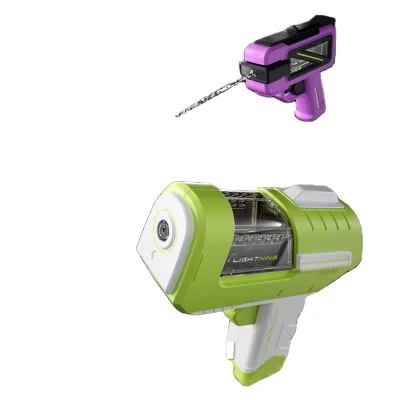
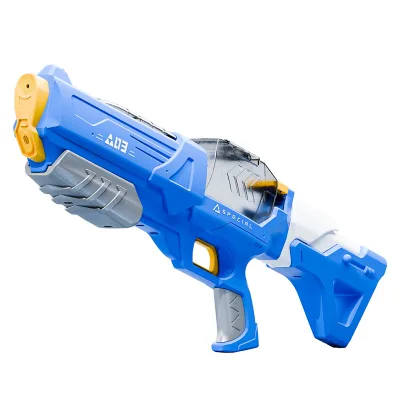
Summer Technology Water Gun Small Cheap Water Gun Large Capacity Transparent Water Tank Manual Gun
$1.0248 - $1.2821
MOQ: 180 pieces
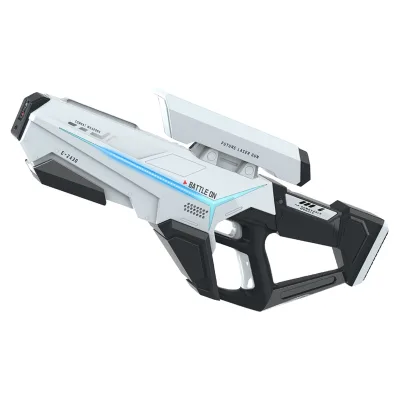
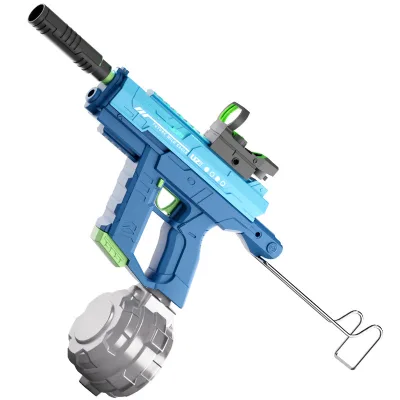
$5.6878 - $9.2228
MOQ: 1 Minimum
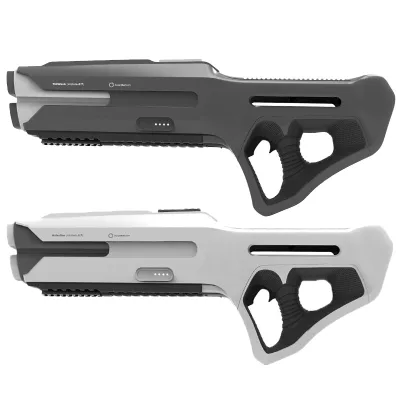
Waterbullit Automatic Electric Water Gun Adult Water Fights High-pressure Water Gun
$82.5957 - $90.8551
MOQ: 1 pieces
$7.7373 - $10.0935
MOQ: 2 pieces

Shantou Chenghai Jiuyi Toy Factory
- Verified by BV
- Combined
- China Guangdong
- Lead time15 days
- Avg. response≤ 1h
Main productsDrone
Main marketsSouth America,Africa,Southeast Asia/ Mideast,Europe,Australia,North America


$20.40 - $22.60
MOQ: 24 Pieces

$10.90 - $13.20
MOQ: 20 Pieces

Xi'an Cowrie Import And Export Trading Co., Ltd.
- Trading Company
- Shaanxi, China
- Lead time7 days
- Avg. response≤ 1h
Main productsPlush toys,Gun Toys,Car toys,Puzzle toys,Electric toys
Main marketsNorth America(19.00%), South America(11.00%), Domestic Market(10.00%), Southeast Asia(10.00%), Eastern Europe(10.00%), Africa(9.00%), Oceania(9.00%), Mid East(8.00%), Eastern Asia(5.00%), Central America(3.00%), Western Europe(2.00%), Northern Europe(2.00%), Southern Europe(1.00%), South Asia(1.00%)
Shantou Denko Toys Co., Limited
- Manufacturer, Trading Company
- Guangdong, China
- Lead time30 days
- Avg. response≤ 11h
Main productsEducational Toys,Baby Toys,R/C Toys,Sport Toys,Plastic Toys
Main marketsWestern Europe(18.00%), Mid East(15.00%), South America(14.00%), Southeast Asia(13.00%), South Asia(11.00%), Domestic Market(8.00%), Oceania(8.00%), Eastern Asia(5.00%), North America(5.00%), Africa(3.00%)
Shantou Dihua Trading Co., Ltd.
- Verified by TüVRheinland
- Manufacturer, Trading Company
- Lead time30 days
- Avg. response≤ 23h
Main productsRemote Control Toys, Educational Toys, Baby Toys, Outdoor Toys, Pretend Play Toys
Main marketsWestern Europe(20%), Eastern Europe(17%), North America(15%)
- Verified by SGS Group
- Manufacturer, Trading Company
- Lead time45 days
- Avg. response≤ 5h
Main productsBaby Toys, Play At Home Toys, Outdoor Toys
Main marketsNorth America(38%), Western Europe(23%), South America(8%)
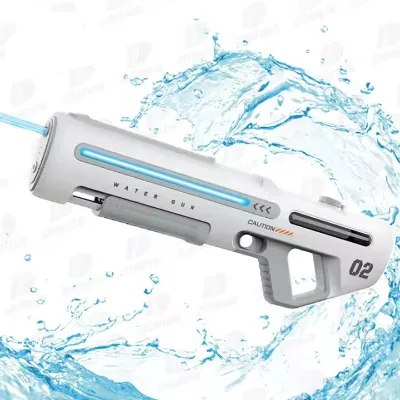
$10.5917 - $11.2948
MOQ: 12 pieces
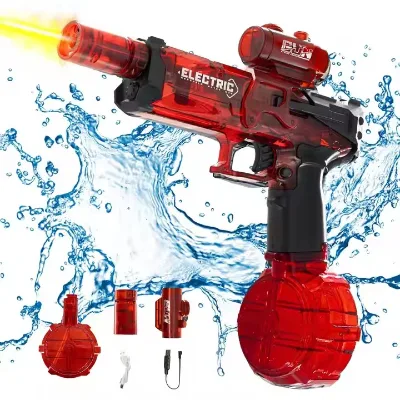
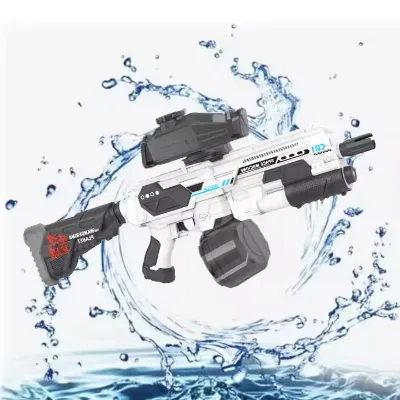
$8.2998 - $8.8533
MOQ: 3 pieces
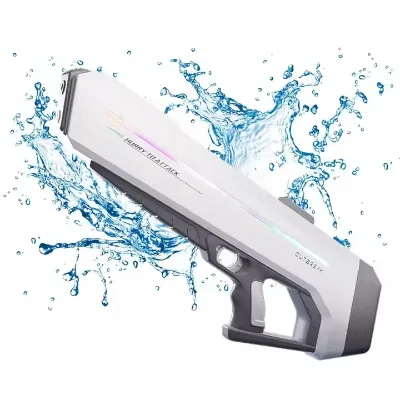
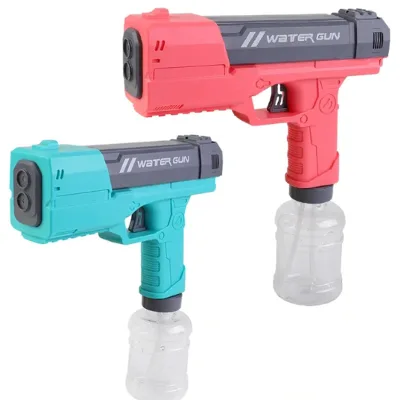
$3.1745 - $3.3884
MOQ: 216 pieces
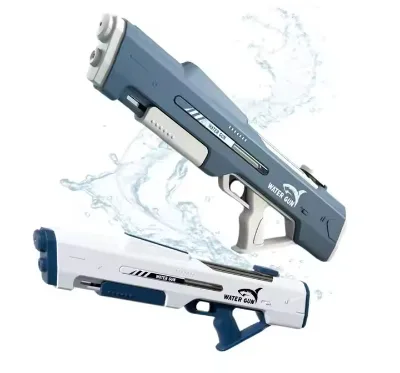
$4.9503 - $5.2794
MOQ: 24 pieces
Shantou Capable Toys Co., Ltd.
- Manufacturer, Trading Company
- Lead time旺季: , 淡季:
- Avg. response≤ 9h
Main productseducational toys,RC drone,RC Toy,Wooden toy,Plastic toy
Shenzhen City Botree Toys Factory
- Manufacturer, Distributor/Wholesaler
- Guangdong, China
- Lead time15 days
- Avg. response≤ 3h
Main productsPlastic Toys,Promotional Toys,Capsule Toys,DIY Toys,Pull Back Car Toys
Main marketsMid East(60.00%), Southeast Asia(35.00%), Africa(5.00%)
- Verified by TüVRheinland
- Manufacturer, Trading Company
- Lead time20 days
- Avg. response≤ 5h
Main productsEducational Toys, Baby Toys, Remote Control Toys, Summer Toys, Outdoor Toys
Main marketsNorth America(21%), Western Europe(20%), South America(10%)
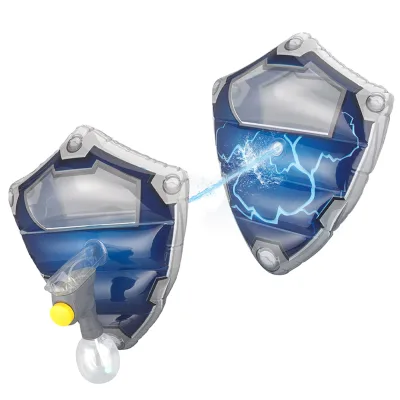
450ml Shooting Funny Electric Automatic Inflation Water Gun Toy for Kids
$4.0766 - $4.1903
MOQ: 240 pieces
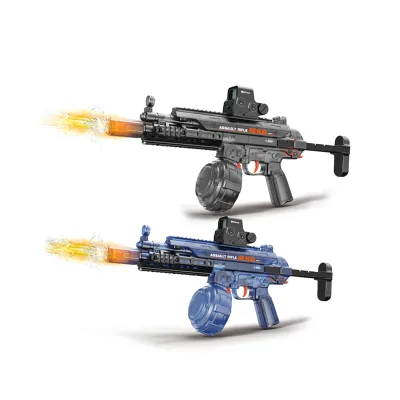

Guangzhou Hongxing Water Park Equipment Co., Ltd.
- Verified by TUVRHEINLAND
- Manufacturer/Factory
- China Guangdong
- Lead time0 days
- Avg. response≤ 4h
Main productsWater Park, Water Slide, Water Park Slide, Water Park Equipment, Amusement Water Park, Fiberglass Slide, Water Park Equipment for Sale, Pool Tube Water Slide, Waterpark Equipment

Safe Durable Highly Interactive Water Spray Toys Double Water Gun Play Sketch Equipment
$1000.00 - $20000.00
MOQ: 1 Pieces

Well - Maintained Highly Interactive Water Spray Toys Double Water Gun Play Sketch Equipment
$1000.00 - $20000.00
MOQ: 1 Pieces
- Verified by TüVRheinland
- Trading Company
- Lead time35 days
- Avg. response≤ 5h
Main productsEducational Toys, Gun Toys, Outdoor Toys, Car Toys
Main marketsWestern Europe(20%), North America(10%), South America(10%)
Shantou Chenghai Hua Nuo Intelligent Technology Co., Ltd.
- Verified by SGS Group
- Manufacturer, Trading Company
- Lead time20 days
- Avg. response≤ 4h
Main productsKid Makeup Toy, Educational Toy, Water Gun, RC Toy-RC Car, Bubble Toys
Main marketsNorth America(40%), Eastern Europe(20%), South America(10%)

Shantou Qunsheng Toys Co., Ltd
- Verified by BV
- Trading Company
- China Guangdong
- Lead time23 days
- Avg. response≤ 6h
Main productsToys, Doll Toys, Metal Toys, Educational Toys
Main marketsSouth America,Africa,Southeast Asia/ Mideast,East Asia(Japan/ South Korea),Europe,Australia,North America

Guangdong qunlong technology co., ltd
- Manufacturer
- China Guangdong
- Lead time15 days
- Avg. response≤ 1h
Main productsOEM/Design Toys, Plastic Products
Main marketsDomestic


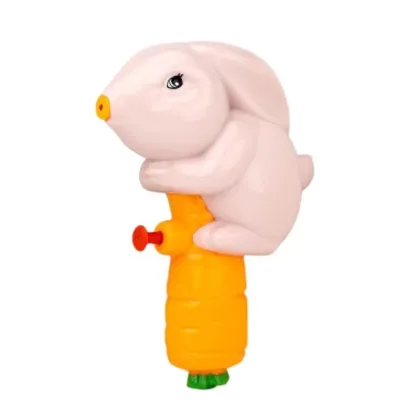
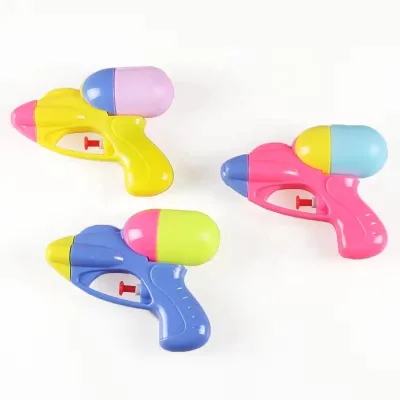
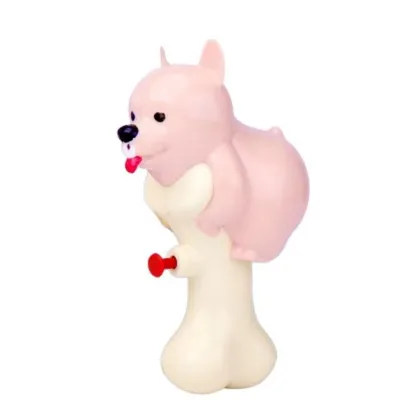
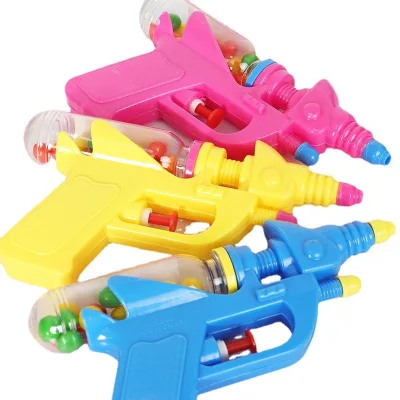


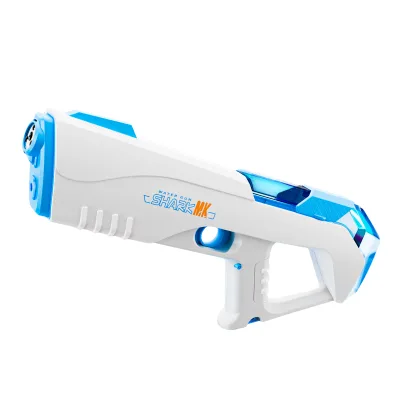
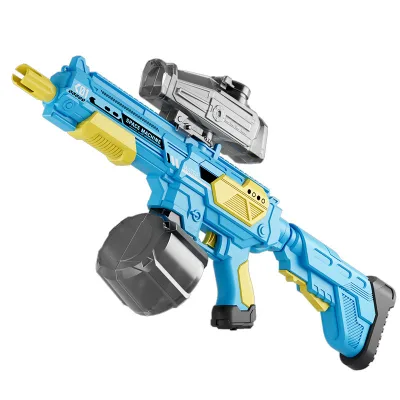
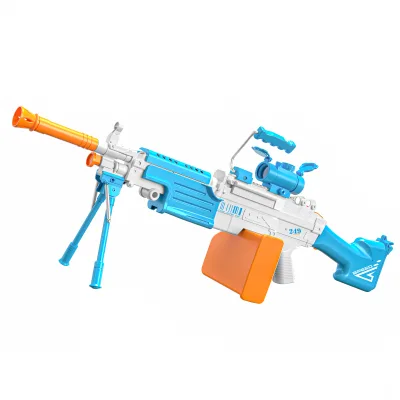
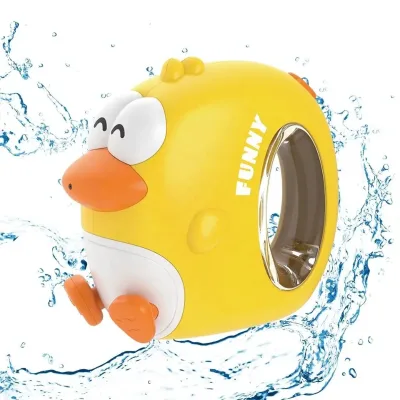
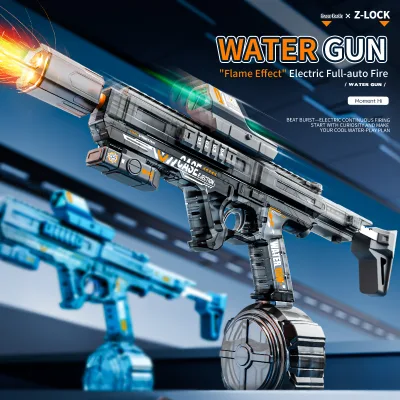
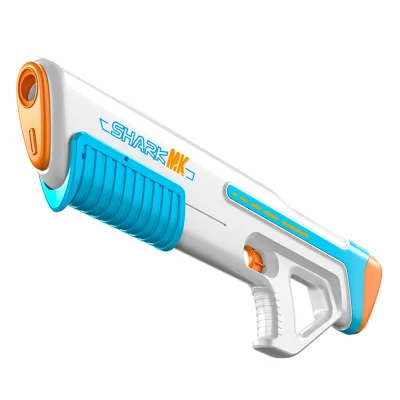
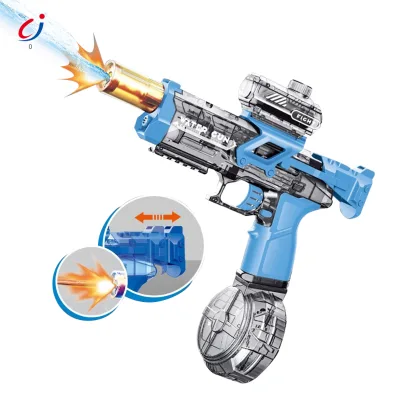
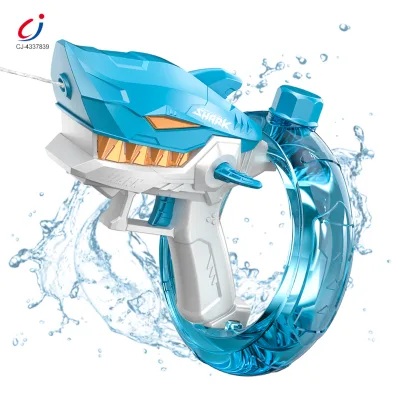




Comprehensive Sourcing Guide
Interactive Educational Water Gun Supplier Concentration and Factory Types
The current supplier landscape for interactive educational water guns reveals a distinct split between trading companies and direct manufacturers, each offering different advantages for procurement teams. Data indicates that a significant portion of available suppliers are classified as trading companies, which often serve as intermediaries connecting buyers with factory capacity. These entities typically focus on product aggregation, offering a wider variety of SKUs such as toy weapons, outdoor water fun items, and educational playsets under one roof. For buyers seeking a broad catalog to mix and match with other promotional goods, trading companies can streamline the ordering process by handling multiple product lines from a single point of contact. However, this model may introduce additional layers of communication and potentially higher margins compared to dealing directly with the production source.
Conversely, direct manufacturers provide specialized production capabilities, often highlighting their ability to handle Original Design Manufacturing (ODM) and Original Equipment Manufacturing (OEM) projects. These factories are equipped to develop custom molds and electronic components, which is crucial for complex interactive water guns that require specific engineering for educational or long-range functionality. Manufacturers often emphasize their research and development capacity, allowing buyers to create unique branded products that stand out in competitive markets. While trading companies offer convenience and variety, manufacturers offer deeper control over the production process, material selection, and quality assurance protocols. Understanding this distinction is vital for buyers who need to decide whether their priority lies in product diversity or in customized, brand-specific manufacturing excellence.
How to Verify Interactive Educational Water Gun Suppliers
Verifying the legitimacy and capability of suppliers requires a multi-layered approach that goes beyond simple profile reviews. Buyers should prioritize suppliers who have undergone third-party verification processes, such as those conducted by CTI or SGS, which provide an independent assessment of the company’s business scope and operational reality. These verification badges serve as a foundational trust signal, indicating that the supplier’s physical existence and core business activities have been validated by an external party. It is essential to review the specific scope of these verifications to ensure they align with the buyer’s needs, particularly for products involving children’s safety where manufacturing standards are strictly regulated. A verified status reduces the risk of engaging with fraudulent entities or shell companies that cannot deliver on their promises.
In addition to verification badges, buyers must scrutinize the specific certifications listed for the products themselves, as these are critical for market entry and consumer safety. Many interactive water guns require compliance with international safety standards, such as EN71 for European markets or ASTM F963 for the United States. The presence of these certifications on product listings indicates that the manufacturer has subjected their goods to rigorous testing for mechanical, physical, and chemical hazards. Buyers should request copies of these test reports to verify their validity and ensure they cover the specific models being ordered. Furthermore, checking for social compliance certifications like BSCI can provide insight into the supplier’s labor practices, ensuring that the supply chain adheres to ethical standards. This comprehensive verification process helps mitigate risks associated with product liability and regulatory non-compliance.
What to Compare Across Interactive Educational Water Gun Suppliers
When evaluating multiple suppliers, buyers should systematically compare key operational metrics to identify the best fit for their specific business model. Lead time is a critical factor, as it directly impacts inventory management and time-to-market for seasonal products like summer water toys. Suppliers may offer lead times ranging from rapid turnaround options to longer production cycles, depending on their current capacity and order volume. Buyers should also examine the Minimum Order Quantity (MOQ) requirements, which can vary significantly based on whether the supplier is a trading company or a manufacturer. Lower MOQs are often preferable for testing new markets or launching limited edition products, while higher volumes may unlock better pricing tiers. Comparing these logistical constraints helps buyers align their procurement strategy with their sales forecasts.
Response time and communication efficiency are equally important indicators of supplier reliability and professionalism. A supplier’s ability to respond quickly to inquiries and provide detailed product specifications demonstrates their commitment to customer service and operational readiness. Buyers should note the average response times listed for each supplier, as slower responses may indicate potential delays in order processing or issue resolution. Additionally, comparing the range of main products offered can reveal a supplier’s specialization and depth of expertise. Suppliers focusing exclusively on toys and educational equipment may offer more innovative designs and better technical support than generalist traders. By analyzing these dimensions together, buyers can create a weighted scorecard to objectively rank suppliers based on their ability to meet both quantitative and qualitative requirements.
Common Interactive Educational Water Gun Sourcing Risks
One of the primary risks in sourcing interactive water guns is the potential mismatch between product claims and actual performance, particularly regarding range and durability. Products advertised as having long-range capabilities or educational value may not consistently deliver on these promises without rigorous quality control. Buyers must be cautious of specifications that lack detailed technical backing, such as vague range estimates or unspecified plastic types. For instance, while some products specify ABS plastic for enhanced durability, others may use lower-grade materials that crack easily under pressure. This discrepancy can lead to high return rates and damage to the buyer’s brand reputation. To mitigate this risk, buyers should request physical samples to test the actual performance of the water guns, including water pressure, range accuracy, and material resilience under typical usage conditions.
Another significant risk involves intellectual property and design infringement, especially when sourcing from regions known for high volumes of toy manufacturing. Many interactive water guns feature popular character designs or unique mechanical innovations that may be protected by patents or trademarks. Buyers must ensure that the suppliers they engage have the legal right to produce and sell these designs, or that they are willing to create fully custom, non-infringing products. Trading companies, in particular, may source from multiple factories, increasing the complexity of IP verification. Buyers should include clear IP indemnification clauses in their contracts and require suppliers to provide proof of design ownership or licensing agreements. Failing to address these legal risks can result in costly disputes, product seizures, and reputational damage in international markets.
Interactive Educational Water Gun Regional Sourcing and Logistics
The geographic concentration of toy manufacturing in China, particularly in provinces like Guangdong, offers buyers access to a mature and efficient supply chain ecosystem. This region is home to a dense cluster of factories and trading companies specializing in plastic toys, water guns, and educational playsets. The proximity of suppliers to major ports and logistics hubs facilitates faster shipping and reduces transportation costs, making it an attractive sourcing destination for global buyers. However, buyers must be aware that not all suppliers within this region offer the same level of service or quality. Some may be located in industrial zones with less stringent environmental or labor regulations, which can impact production consistency. Understanding the specific location of the supplier can provide insights into their logistical advantages and potential operational challenges.
Logistics planning for interactive water guns requires careful consideration of product dimensions and weight, as these factors directly influence shipping costs. Many water guns are bulky relative to their value, especially those with large water capacities or complex packaging. Buyers should analyze the product packing specifications, such as carton dimensions and quantity per carton, to optimize container loading and minimize freight expenses. For example, products packed in sealed colorboxes or gift boxes may require more space than those in simple OPP bags. Additionally, buyers should consider the impact of seasonal demand on logistics availability, as peak summer months can lead to container shortages and increased freight rates. Developing a robust logistics strategy that accounts for these variables ensures timely delivery and cost-effective supply chain management.
Interactive Educational Water Gun Commercial Terms and Order Planning
Commercial terms and order planning are critical components of a successful sourcing strategy, requiring careful negotiation and foresight. Buyers should pay close attention to pricing structures, which can vary based on order volume, customization requirements, and material choices. Some suppliers offer competitive base prices for standard models, while others may charge premiums for custom logos, colors, or packaging. Understanding these cost drivers helps buyers budget accurately and identify opportunities for cost savings through volume consolidation or design simplification. Additionally, buyers should clarify payment terms, such as the use of escrow services or letters of credit, to ensure secure transactions. These financial safeguards protect both parties and provide recourse in case of non-delivery or quality disputes.
Order planning must also account for the supplier’s production capacity and lead times to avoid stockouts or excess inventory. Buyers should establish clear communication channels with their chosen suppliers to monitor production progress and address any issues promptly. For interactive water guns, which often involve electronic components or complex assemblies, it is essential to confirm that the supplier has the necessary technical expertise to meet quality standards. Buyers should also plan for potential delays due to holidays, material shortages, or logistical disruptions. By developing a flexible and well-informed order plan, buyers can maintain a steady supply of products while minimizing risks and maximizing operational efficiency. This proactive approach ensures that the sourcing process aligns with broader business goals and market demands.
FAQs
What certifications do these water guns have?
Most listed models carry EN71, ENASTM, and CE certifications to ensure safety for children. Some entries show no specific certification listed. Buyers should verify the exact standard on the product page before ordering to confirm compliance with regional safety regulations for educational toys.
What is the typical lead time for orders?
Lead times vary significantly among suppliers, ranging from 15 days to 45 days. Faster options are available from manufacturers with shorter production cycles. Buyers requiring urgent delivery should filter for suppliers with lead times under 20 days and confirm capacity before placing bulk orders.
What is the minimum order quantity for these toys?
Minimum order quantities typically range from 30 to 60 pieces per model. Some suppliers offer lower MOQs around 30 units, while others require 48 or 60. Buyers should check the specific product page for the exact MOQ to plan their initial inventory purchase effectively.
Are customization options available for these water guns?
Customization is generally available for many models, including logo printing and packaging changes. Some items are listed as non-customized by default. Buyers seeking branded educational toys should look for suppliers offering OEM or ODM services to tailor the product to their specific market needs.
What is the price range for plastic water guns?
Prices for basic plastic water guns range from approximately $0.46 to $0.52 per unit. More complex electric or larger models cost between $2.10 and $9.50. Buyers should compare unit prices against MOQs to determine the most cost-effective option for their budget.
Where are these suppliers located?
Suppliers are primarily located in Guangdong, China, including the Chenghai region known for toy manufacturing. This location offers a concentrated supply chain for plastic toys. Buyers can expect efficient logistics from this hub, though shipping costs may vary based on the final destination port.