Easy Folding Portable Baby Stroller Suppliers and Manufacturers
Source 25 verified suppliers for easy folding portable baby strollers. Compare key dimensions including location, lead times, MOQs, response times, certifications, and prices. Review product specifications and request quotes to streamline your procurement process; review the available evidence before requesting comparable quotations from suitable candidates.
Updated
Suppliers List

Hebei Miaoou Trading Co., Ltd.
- Trading Company,Manufacturer/Factory
- China Hebei
- Lead time23 days
- Avg. response≤ 8h
Main productsRoad Bike, Mountain Bike, Children Bicycle, Kids Balance Bike, Children Tricycle, Baby Stroller, Children's Electric Cars, Children Scooter, Tyre and Saddle, Snow Bike
Main marketsSouth America,Eastern Europe,Mid East,North America,Southeast Asia,Eastern Asia,Oceania,Western Europe,Africa

Portable Baby Stroller with Easy Folding in Two Directions Baby Stroller
$37.00 - $38.00
MOQ: 1 Pieces


HEBEI XINGJIU VEHICLE INDUSTRY SCI-TECH CO., LTD.
- Combined
- China Hebei
- Lead time23 days
- Avg. response≤ 7h
Main productsBike, Bicycle, Mountain Bike, Children Scooter, Electric Toy Car, Children Bicycle, Kick Scooter, Balance Scooter
Main marketsSouth America,Africa,Southeast Asia/ Mideast,East Asia(Japan/ South Korea),Domestic,Europe,Australia,North America


Customized Baby Stroller and Portable Baby Stroller Can Sit and Lie Down
$14.50 - $15.50
MOQ: 50 Pieces
Hebei Biwei Import&export Trade Co., Ltd.
- Verified by Intertek
- Trading Company
- Lead time20 days
- Avg. response≤ 1h
Main productsBaby Walker, Baby Stroller, Baby Crib
Main marketsWestern Europe(40%), North America(20%), Northern Europe(20%)
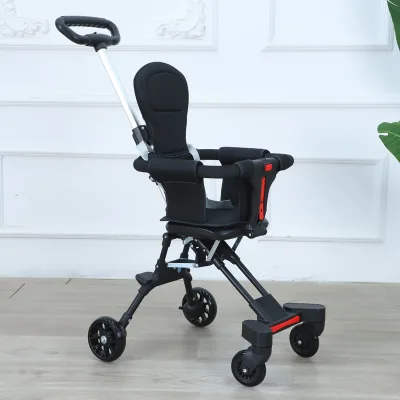
$10.3613 - $14.5052
MOQ: 50 pieces
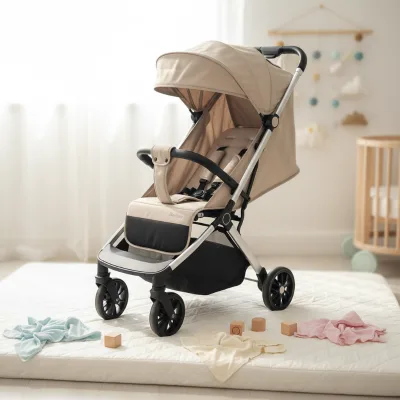
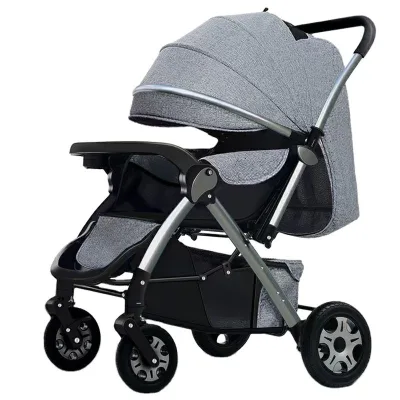
$33.6705 - $38.0223
MOQ: 100 pieces
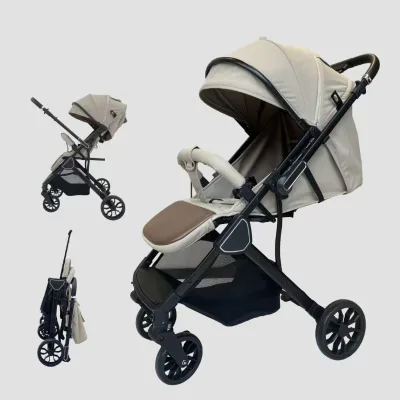
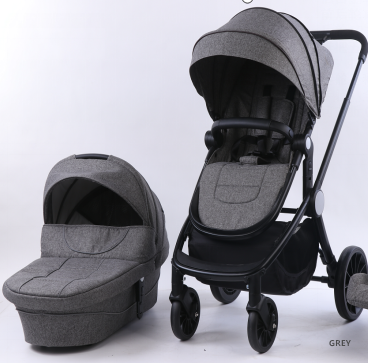
$90.00 - $110.00
MOQ: 50 pieces
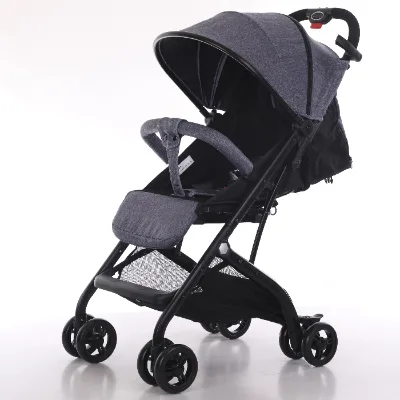
$36.6326 - $40.4698
MOQ: 50 pieces

Kunshan Cool Kids Business Co., Ltd.
- Trading Company
- China Jiangsu
- Lead time45 days
- Avg. response≤ 25h
Main productsBaby Stroller, Playard, Car Seat, Baby Buggy, Travel System, Baby Bed, Baby Dinner Chair, Cradle
Main marketsSouth America,Africa,Southeast Asia/ Mideast,East Asia(Japan/ South Korea),Domestic,Europe


New Baby Pushchair Lightweight Baby Stroller Foldable Pram Buggy Travel Stroller
$28.30 - $30.30
MOQ: 100 Pieces

Ningbo Happy Island Baby Products Co., Ltd.
- Verified by SGS
- Manufacturer/Factory
- China Zhejiang
- Lead time60 days
- Avg. response≤ 5h
Main productsBaby Bed, Baby Stroller, Baby Changing Station, Baby Play Pen, Baby Playard, Baby Camp Cot, Baby Travel Bed, Portable Bed, Foldable Cot, Baby Pram
Main marketsSouth America,Eastern Europe,Mid East,North America,Southeast Asia,Eastern Asia,Oceania,Western Europe,Africa


New Arrival Lightweight Compact Baby Stroller Easy Folding Travel with Pull Handle
$40.00
MOQ: 300 Pieces


HEBEI GREENSKY INDUSTRY GROUP CO., LTD
- Combined
- China Hebei
- Lead time23 days
- Avg. response≤ 18h
Main productsBaby Stroller, Kids Tricycle, Kids Balance Bike, Carseat, Kids Bike, Baby Walker
Main marketsSouth America


$34.00 - $35.70
MOQ: 300 Pieces


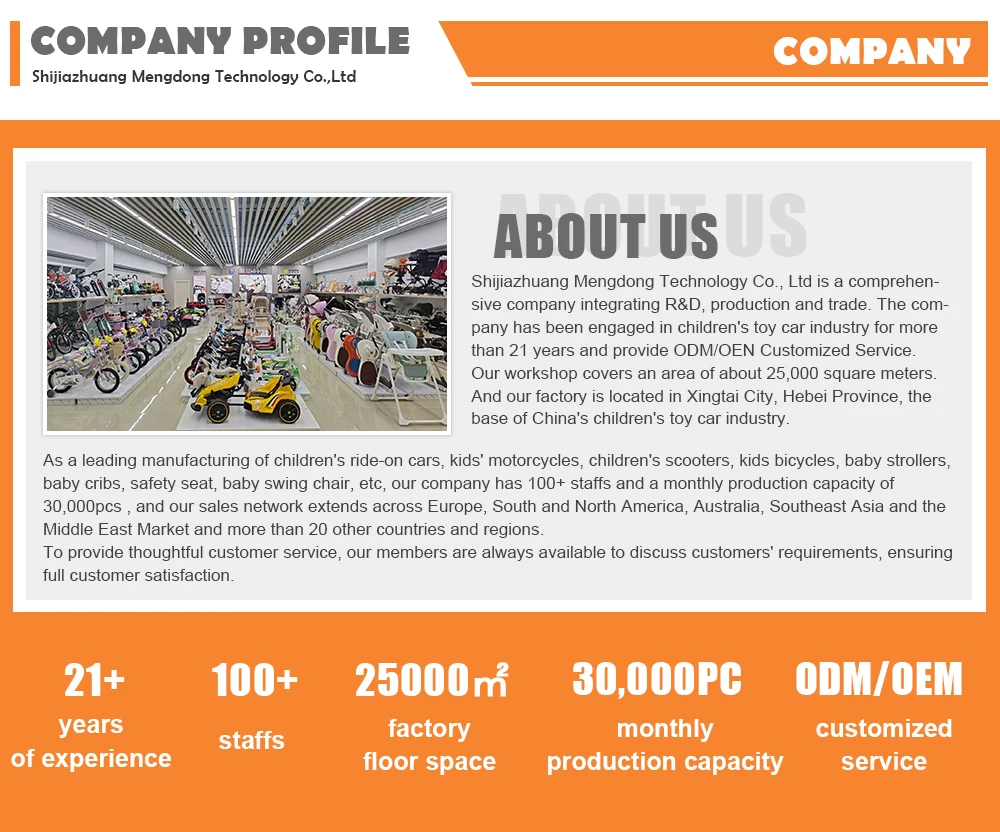
Shijiazhuang Mengdong Technology Co., Ltd.
- Trading Company
- Hebei, China
- Lead time20 days
- Avg. response≤ 5h
Main productsChildren's Electric Cars,Children's Bicycles,Baby Strollers,Baby Cribs,Safety Seat
Main marketsDomestic Market(100.00%)
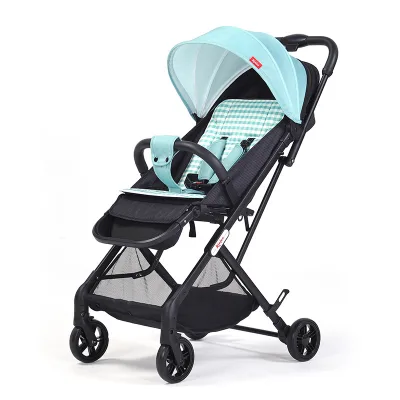
$71.4953 - $80.956
MOQ: 2 pieces
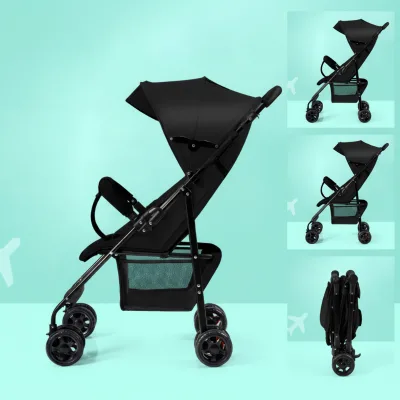
- Manufacturer
- Hebei, China
- Lead time0 days
- Avg. response≤ 4h
Main productsChild stroller,Children's balance
Main marketsAfrica(20.00%), Southeast Asia(20.00%), Eastern Europe(20.00%), South America(20.00%), North America(20.00%)

Hebei Good Mother Childrens Products Co., Ltd.
- Verified by SGS
- Manufacturer/Factory
- China Hebei
- Lead time15 days
- Avg. response≤ 15h
Main productsBike, Ride on Car, Scooter, Bicycle, Baby Walker, Mold, Children Car, Children Motorbike, Children Bike
Main marketsSouth America,Eastern Europe,Mid East,North America,Southeast Asia,Eastern Asia,Oceania,Western Europe,Africa

Jiangmen Junsheng Industrial Co., Ltd
- Verified by TUVRHEINLAND
- Combined
- China Guangdong
- Lead time30 days
- Avg. response≤ 1h
Main productsInjection Mould, Plastic Product, Molde De Silicona, Injection Molding, Mould, Mold, Plastic Injection Molding, Plastic Injection Mold, Plastic Mould, Plastic Part
Main marketsDomestic
Yiwu Modern Jincheng Commodity Co., Ltd.
- Trading Company
- Zhejiang, China
- Lead time35 days
- Avg. response≤ 6h
Main productsKitchenware,Storage products,Daily necessities,Kitchen utensils,Tools
Main marketsSouth America(50.00%), North America(30.00%), Eastern Europe(20.00%)

Ningbo Jiangbei Ringlong Import & Export Co., Ltd.
- Verified by BV
- Combined
- China Zhejiang
- Lead time23 days
- Avg. response≤ 2h
Main productsKitchenware, Textile, Memory Foam Series, Household Items, Outdoor Products, Packing Box, Air Conditioning System, TV Products, Fitness, Baby Products
Main marketsEurope


Lightweight Foldable Reclining Baby Stroller with Anti-Hunchback Design
$17.59 - $20.00
MOQ: 500 Pieces


Zhongshan Evaster Children's Products Co., Ltd
- Verified by SGS
- Combined
- China Guangdong
- Lead time30 days
- Avg. response≤ 3h
Main productsBaby Stroller/Buncer/Rocker/Swing/Highchair, Kids' and Adults' Scooters/Stunt Scooter, Pet Stroller, Hook on Chair, Stroller Rain Covers Foot Muffs Mommy Bags Cu, Indoor Kids' Play Trampoline, Baby Multi-Functional Activity Gym, Nursing Pillow, Kids' Pogo Stick
Main marketsEast Asia(Japan/ South Korea),Europe,North America

Factory Light Weight Compact Easy Folding Travel with Pull Handle Baby Stroller
$45.80 - $46.80
MOQ: 500 Pieces


Factory Auto Folding Light Weight Travel Portable Pushchair Baby Stroller
$45.00 - $52.00
MOQ: 850 Pieces

Factory Hight Quality Light Weight Multi-Function Easy Folding Portable Baby Stroller
$45.80 - $46.80
MOQ: 500 Pieces

Factory Lightweight Autofolding 2 in 1 Reversible Seat Travel Baby Stroller
$58.00 - $65.00
MOQ: 850 Pieces
Hebei Jianran Trading Co., Ltd.
- Trading Company
- Hebei, China
- Lead time10 days
- Avg. response≤ 4h
Main productsmotorcycle tire,bicycle tire,motorcycle tube,inter tube
Main marketsNorth America(50.00%), South America(23.00%), Southeast Asia(10.00%), Southern Europe(2.00%), South Asia(2.00%), Northern Europe(2.00%), Central America(2.00%), Western Europe(2.00%), Mid East(2.00%), Africa(2.00%), Eastern Europe(2.00%), Eastern Asia(1.00%)
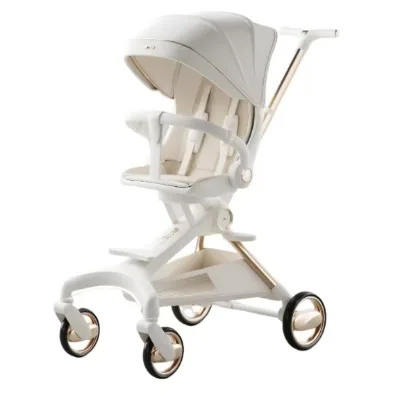
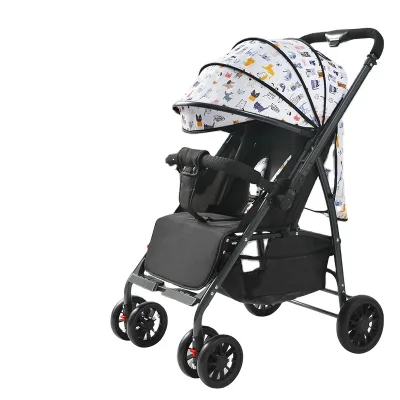
High Appearance Multifunctional Baby Stroller
$54.55 - $62.35
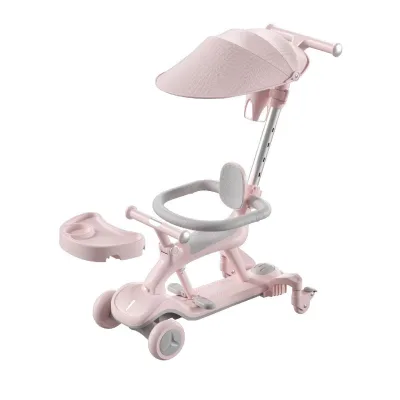
$24.60 - $25.99
MOQ: 100 pieces

XINGTAI REITERSTON VEHICLE CO., LTD.
- Combined
- China Hebei
- Lead time23 days
- Avg. response≤ 3h
Main productsChildrens Scooters, Kick Scooter, Bike, Children's Electric Cars, Mountain Biking, Scooter, Children's Balancing Car, Electric Motorcycle, Electric Car Toys, Juguetes Para Vehiculos Electricos
Main marketsDomestic

Affordable Baby Stroller/Ultra Light and Convenient/Easy to Fold/Baby Stroller
$19.00 - $21.00
MOQ: 300 piece


Convenient Baby Strollers/Suitable for Walking/Convenient/Children's Strollers
$11.50 - $13.50
MOQ: 300 piece


Henan Ibel Mum & Baby Products Co., Ltd.
- Trading Company
- Henan, China
- Lead time15 days
- Avg. response≤ 2h
Main productsBaby Nest,Baby Pillow,Baby Play Mat,Baby Soothing Toy,Baby Sofa Chair
Main marketsNorth America(30.00%), Eastern Europe(15.00%), Southeast Asia(10.00%), South America(10.00%), Africa(7.00%), Southern Europe(5.00%), Northern Europe(5.00%), Western Europe(5.00%), Mid East(5.00%), Oceania(5.00%), South Asia(2.00%), Eastern Asia(1.00%)
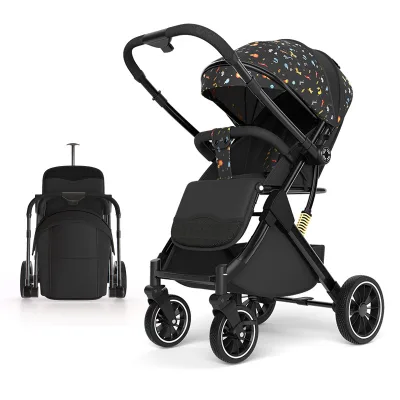
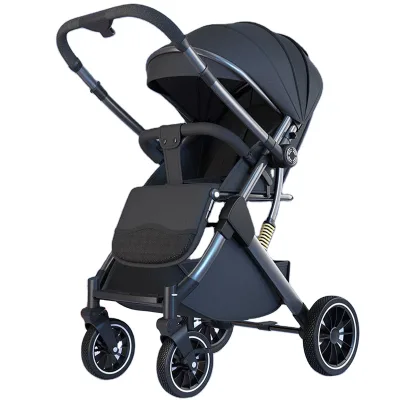
$36.00 - $50.00
MOQ: 5 pieces
Hebei Greensky Bicycle Co., Ltd.
- Verified by SGS Group
- Trading Company
- Lead time20 days
- Avg. response≤ 5h
Main productsBaby Stroller, Baby Car Seat, Kids Bike, Kids Tricycle, Child Highchair
Main marketsSouth America(52%), Southern Europe(18%), Eastern Europe(11%)
HEBEI CUIKE BICYCLE IMPORT AND EXPORT CO.,LTD
- Verified by SGS Group
- Trading Company
- Lead time20 days
- Avg. response≤ 4h
Main productsKids Balance Bike, Kids Bike, Mountain Bike

Anhui Talent Baby Products Co., Ltd.
- Verified by TUVRHEINLAND
- Trading Company
- China Anhui
- Lead time23 days
- Avg. response≤ 6h
Main productsBaby Stroller, Baby Side Rails, Corset Belt, Meternity Bra, Baby Walker, Baby Tricycle, Baby Play Pen, Baby Chair, Baby Car Seat, Baby Cot
Main marketsOthers(foreignTradeCapacity.exportBusinessCapacityMarketOther),Southeast Asia/ Mideast,Domestic

Hot Selling Convenient One Hand Folding Travel System Lightweight Baby Stroller
$40.00 - $50.00
MOQ: 200 Pieces


Lightweight Foldable Pocket Baby Strollercompact Pocket Baby Stroller for Travel
$35.00 - $40.00
MOQ: 200 Pieces


Hebei Binley Children Products Co., Ltd.
- Trading Company
- Hebei, China
- Lead time20 days
- Avg. response≤ 2h
Main productsbaby stroller,baby high chair,baby car seat,baby walker,baby carry cot
Main marketsNorth America(23.00%), Southern Europe(15.00%), Northern Europe(15.00%), Western Europe(10.00%), South America(10.00%), Eastern Europe(7.00%), Africa(6.00%), South Asia(5.00%), Oceania(5.00%), Southeast Asia(4.00%)

- Verified by BV
- Manufacturer/Factory
- China Fujian
- Lead time15 days
- Avg. response≤ 25h
Main productsWater Bottle, Kitchen Ware, Shoes, Plastic Product, Bag, Toy
Main marketsSouth America,Eastern Europe,Mid East,North America,Southeast Asia,Eastern Asia,Oceania,Western Europe,Africa
Anhui Little Bay Furnishings Co., Ltd.
- Manufacturer, Trading Company
- Anhui, China
- Lead time45 days
- Avg. response≤ 7h
Main productsGarments, Kids Crib, Kids Furniture, Baby Strollers, Pillow For Baby And Mum
Main marketsNorth America(30.00%), Northern Europe(30.00%), Southern Europe(10.00%), Africa(10.00%), Eastern Europe(10.00%), South America(5.00%), Western Europe(5.00%)
Shenzhen Atibei Technology Co., Ltd.
- Trading Company, Agent, Distributor/Wholesaler
- Guangdong, China
- Lead time2 days
- Avg. response≤ 3h
Main productsBaby Tray,Infant spoon,baby bottle,Radiation-proof clothes for pregnant women,maternity belly support belt
Main marketsNorth America(28.00%), Eastern Europe(20.00%), Domestic Market(15.00%), South America(11.00%), Northern Europe(10.00%), Southeast Asia(6.00%), Eastern Asia(5.00%), Africa(5.00%)

- Verified by TUVRHEINLAND
- Trading Company
- China Zhejiang
- Lead time15 days
- Avg. response≤ 15h
Main productsStationery Set, Calendar, Promotion Pen, Bottle, Car Products, Fidget Toy, DIY Toy, Education Toy, Art Set, Pencil Case
Main marketsSouth America,Europe,North America

Baby Foldable Sitting & Reclining Toddler Pocket Pushchair Lightweight Simple Stroller
$8.50 - $10.00
MOQ: 500 Pieces


Wholesale Baby Can Sit/Lie Down Simple Ultra-Small Lightweight Folding Portable Stroller
$5.00 - $7.00
MOQ: 500 Pieces

Hot Selling Wholesale Baby's Two-Way Simple Ultra-Lightweight Folding Stroller
$13.00 - $15.00
MOQ: 500 Pieces
Hubei Tomo Baby Products Co., Ltd.
- Trading Company
- Hubei, China
- Lead time30 days
- Avg. response≤ 5h
Main productsBaby Stroller, Pet Stroller, Baby Highchair, Baby Bed, Baby Walker
Main marketsSouth America(30.00%), Domestic Market(20.00%), North America(10.00%), Mid East(10.00%), Southeast Asia(10.00%), South Asia(5.00%), Oceania(5.00%), Western Europe(5.00%), Africa(5.00%)
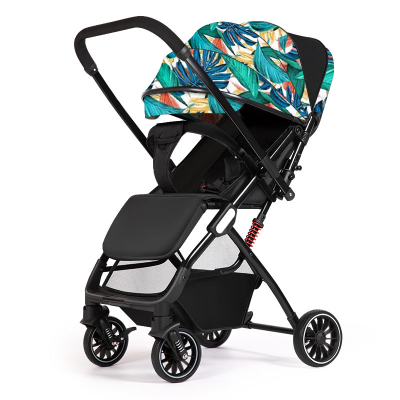
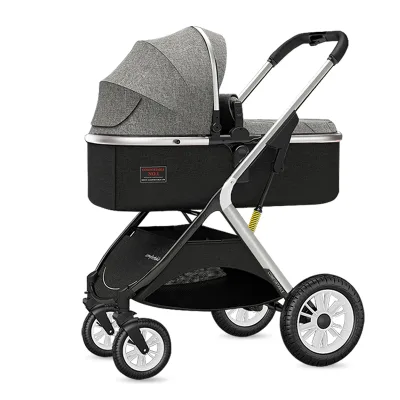
Poussette Carseat and Stroller Baby Pram Reversible Handle Baby Stroller 3 In1 Stroller for Kids
$43.6383 - $45.1777
MOQ: 200 pieces
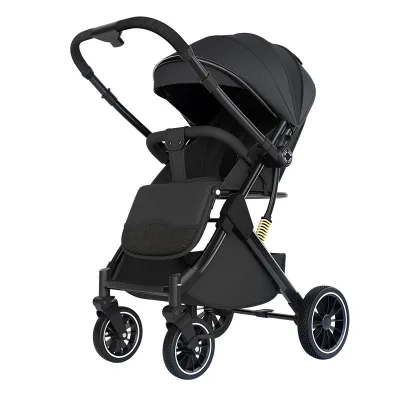
$34.8598 - $39.8385
MOQ: 50 pieces
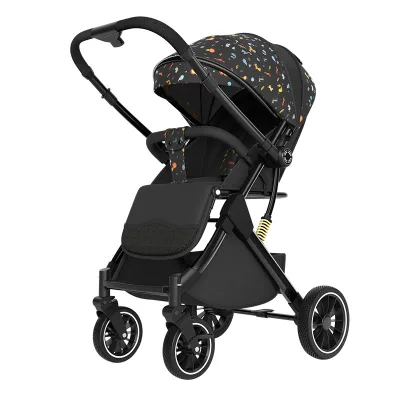
$35.0767 - $40.0868
MOQ: 50 pieces
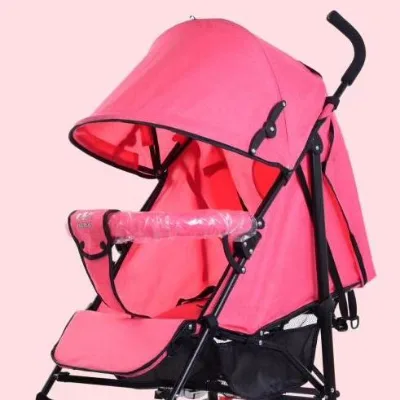
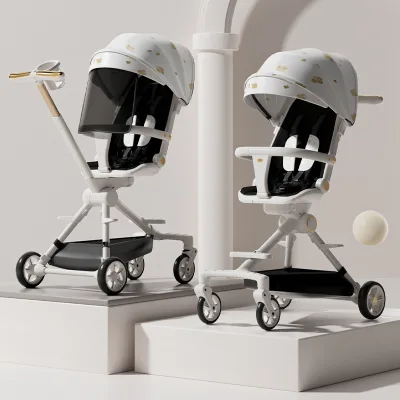
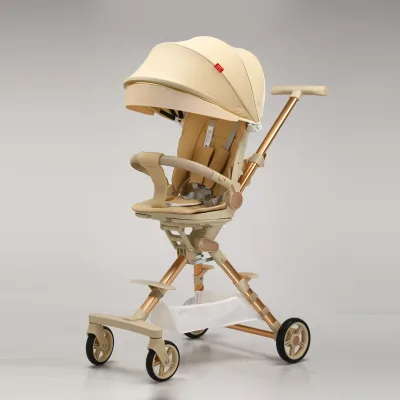
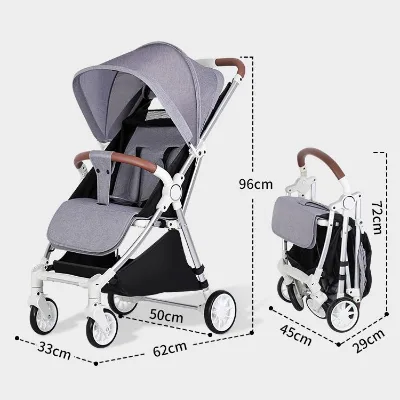




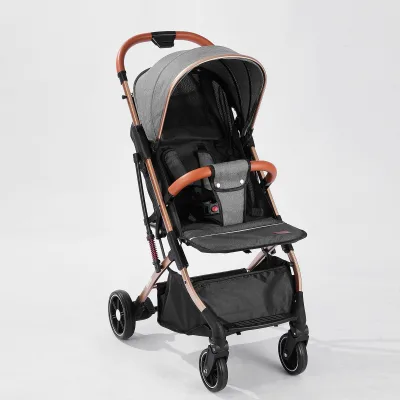
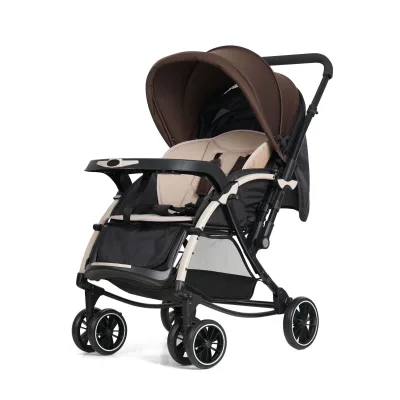
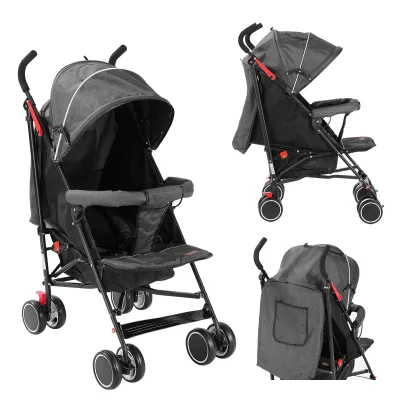
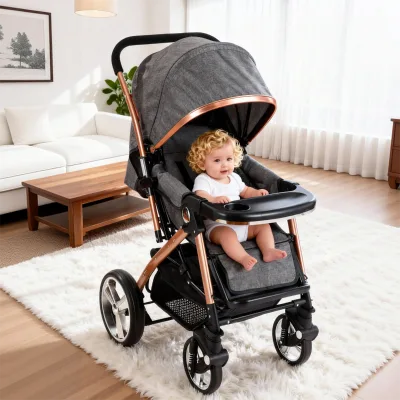
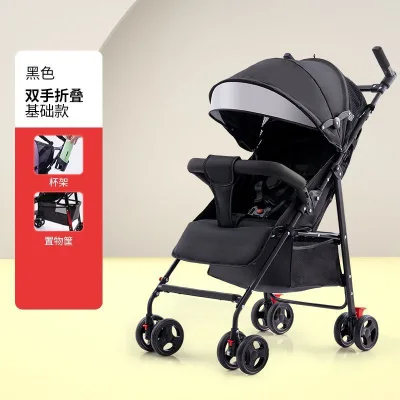
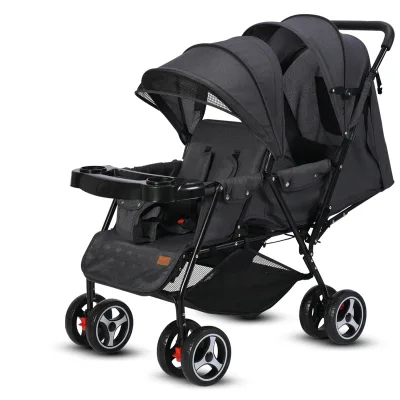
Comprehensive Sourcing Guide
Easy Folding Portable Baby Stroller Supplier Concentration and Factory Types
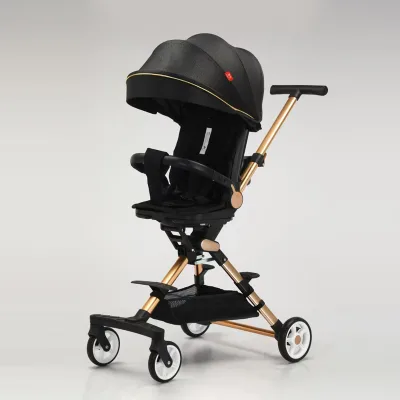
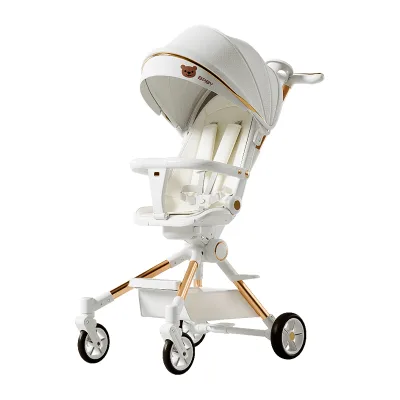
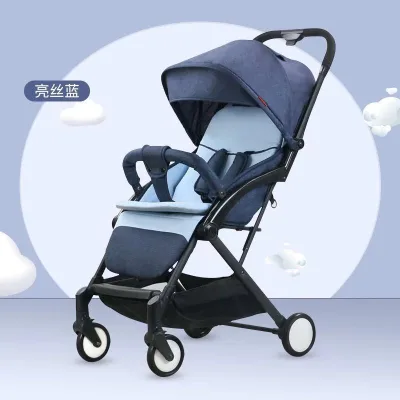
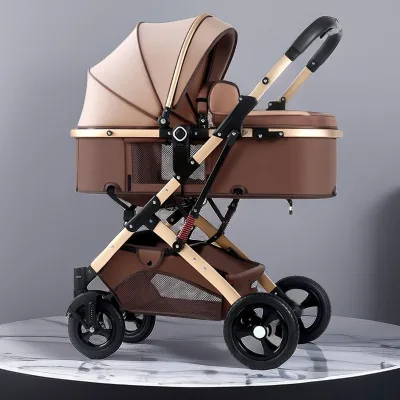
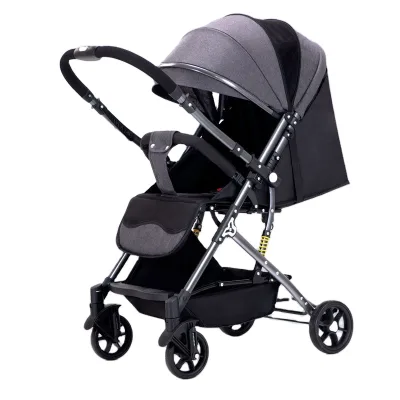
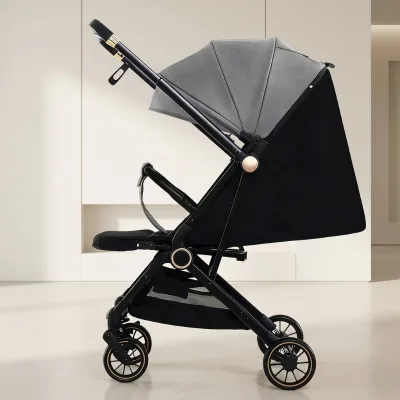
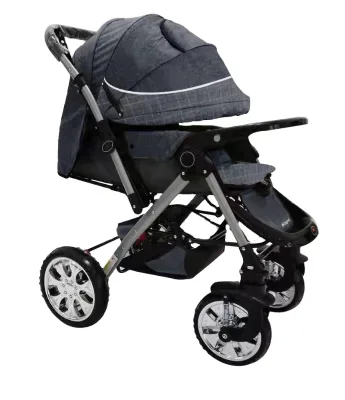
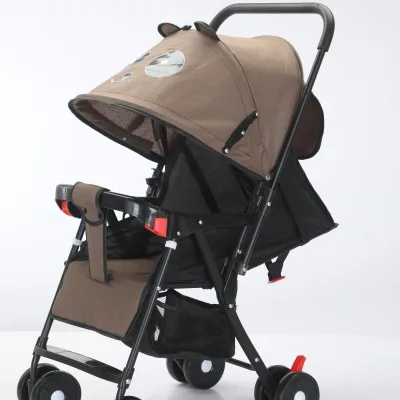
The current supplier landscape for easy folding portable baby strollers shows a distinct concentration in China, specifically within the Hebei region. This area serves as a primary manufacturing hub where both trading companies and direct manufacturers operate side by side. Buyers observing these results will find that the supply base includes entities classified as Trading Companies, Manufacturers, and Combined entities, indicating a mix of direct production capabilities and distribution-focused businesses. The presence of Hebei as a documented origin for multiple product listings suggests a regional cluster where raw materials and assembly lines are centralized, potentially offering logistical advantages for bulk orders.
When evaluating the factory types, it is crucial to distinguish between pure trading firms and those with actual production capacity. Some suppliers in the results list themselves as Combined entities, which may imply they manage both in-house manufacturing and external sourcing. Others are explicitly labeled as Trading Companies, which might rely on third-party factories for production. The main product lists often include a broad range of items such as bicycles, scooters, and electric toy cars alongside baby strollers, suggesting that many suppliers operate as general children's product manufacturers rather than specialized stroller-only factories. This diversification can impact quality control consistency, so buyers should verify if the specific stroller models are produced in-house or outsourced to ensure the claimed specifications are met.
How to Verify Easy Folding Portable Baby Stroller Suppliers
Verification of suppliers requires a rigorous check of their system certifications and third-party audit reports. The available data indicates that some suppliers hold ISO 9001, OHSAS 18001, and ISO 14064 certifications, while others possess specific product safety standards like CE, EN 1130, EN 71, and CPC. These certifications are critical for baby products, as they validate that the manufacturing processes and final goods meet international safety and environmental requirements. Buyers must request valid certificates for the specific models they intend to purchase, as a company might hold general ISO certification but lack the specific child safety approvals required for strollers in their target market.
Beyond certifications, the verification process should include checking the supplier's response time and verification status. Data shows response times varying from one to over seven hours, with some suppliers marked as verified by Intertek. A faster response time often correlates with better communication channels and operational efficiency, which is vital for resolving production issues quickly. Buyers should prioritize suppliers with verified status and documented response metrics, as these factors reduce the risk of miscommunication. Additionally, confirming the supplier's ability to provide samples and their capacity for customization, such as logo printing or color changes, helps validate their operational readiness and commitment to meeting specific buyer requirements before placing a large order.
What to Compare Across Easy Folding Portable Baby Stroller Suppliers
Comparing suppliers requires a detailed analysis of key operational metrics including lead times, minimum order quantities, and pricing structures. The observed data reveals significant variation in lead times, with some suppliers indicating a 23-day production window while others suggest 20 days. Minimum order quantities also differ widely, ranging from a single unit to fifty units per order. Buyers must align these figures with their inventory needs and cash flow constraints; a low MOQ of one unit might suit a test order, whereas a higher MOQ of fifty units could be necessary to achieve a lower unit price. Pricing data shows a range from approximately eight dollars to forty-two dollars per unit, depending on the model and order volume, necessitating a cost-benefit analysis based on the specific features required.
In addition to logistics and cost, buyers should compare product specifications and customization capabilities. The product attributes highlight differences in frame materials, such as stainless steel versus aluminum alloy, and varying gross weights ranging from five kilograms to nine kilograms. Some suppliers offer customization for color, pattern, and logo, while others may have limited options. The age group suitability, such as models designed for infants under three years or toddlers, is another critical comparison point. Buyers should create a standardized comparison matrix to evaluate these attributes side-by-side, ensuring that the selected supplier can meet the specific functional and safety requirements of their target demographic without compromising on quality or delivery schedules.
Common Easy Folding Portable Baby Stroller Sourcing Risks
One significant risk in sourcing easy folding portable baby strollers is the potential mismatch between claimed certifications and actual product safety. While suppliers may list certifications like CE or EN 71, there is a risk that these apply to a different product line or are outdated. Buyers must ensure that the specific stroller model they are purchasing has been tested and certified for the intended market, as non-compliant products can lead to customs seizures or legal liabilities. The variation in certification types across suppliers, from general ISO standards to specific child safety norms, underscores the need for buyers to demand proof of compliance for the exact model number and batch they intend to import.
Another critical risk involves the reliability of lead times and the consistency of product quality across different manufacturing batches. The data shows lead times of around 20 to 23 days, but these figures can fluctuate based on raw material availability or production scheduling. If a supplier is a trading company rather than a direct manufacturer, they may have less control over the production timeline, increasing the risk of delays. Furthermore, the diversity of main products offered by some suppliers, including bicycles and scooters, might indicate that strollers are not their primary focus, potentially affecting the depth of quality control expertise. Buyers should mitigate this by requesting pre-shipment inspections and establishing clear penalty clauses for late deliveries in their contracts.
Easy Folding Portable Baby Stroller Regional Sourcing and Logistics
Sourcing from the Hebei region in China offers specific logistical advantages due to the concentration of manufacturers in this area. The documented origin of multiple products as Hebei, China, suggests a localized supply chain where raw materials and finished goods are processed within a relatively compact geographic area. This concentration can streamline the logistics process, potentially reducing inland transportation costs and simplifying the coordination of multiple orders from different suppliers within the same region. Buyers should leverage this regional clustering to negotiate better freight rates or consolidate shipments from multiple factories located in Hebei to optimize shipping efficiency.
However, buyers must also consider the specific packaging and shipping dimensions provided by suppliers to plan logistics accurately. Product attributes indicate varying packing standards, such as carton sizes of 79.52255 cm or 683742 cm, and different packing quantities per container, like 4 pieces per carton or 6 pieces per carton. These dimensions directly impact container loading efficiency and overall shipping costs. Buyers should calculate the total volume and weight of their order based on these specific packing details to ensure they select the most cost-effective shipping method. Additionally, understanding the origin location helps in assessing potential tariffs and import regulations specific to the destination country, ensuring a smoother customs clearance process upon arrival.
Easy Folding Portable Baby Stroller Commercial Terms and Order Planning
Commercial terms for easy folding portable baby strollers vary significantly based on the supplier's capacity and the order volume. The data indicates that some suppliers support OEM and ODM services, allowing for customized branding and design, while others focus on standard models. Buyers should clarify the terms regarding customization, including any additional costs for logo printing or color changes, and confirm the lead time required for these customizations. The presence of suppliers with response times as low as one hour suggests that communication is generally efficient, but buyers should still establish clear protocols for order confirmation, payment terms, and quality assurance checks to avoid misunderstandings.
Order planning must account for the minimum order quantities and pricing tiers observed in the market. With MOQs ranging from one to fifty units, buyers can start with smaller test orders to validate quality before committing to larger volumes. The price range of eight to forty-two dollars per unit highlights the importance of negotiating based on volume; higher quantities often yield better unit prices. Buyers should also consider the product's gross weight and packing dimensions when calculating total landed costs, including freight and duties. By aligning their order planning with the specific commercial terms and logistical data provided by suppliers, buyers can create a robust procurement strategy that balances cost, quality, and delivery timelines effectively.
FAQs
What is the price range for portable baby strollers?
Portable baby strollers are available within a broad price range, typically starting from approximately $8.80 up to $42.00 per unit. The final cost depends on specific features, materials, and customization options. Buyers should review individual product listings to confirm exact pricing tiers and any applicable volume discounts for their order size.
What is the minimum order quantity for these strollers?
Minimum order quantities vary significantly by supplier and product model. Some manufacturers accept orders as low as one unit, while others require a minimum of 50 pieces. Buyers must check the specific MOQ listed for each product to ensure it aligns with their purchasing volume and inventory requirements before placing an order.
How long does production and delivery take?
Lead times for manufacturing these strollers generally range from 20 to 23 days. Response times from suppliers are typically fast, averaging around one to seven days. Buyers should confirm specific delivery schedules with their chosen supplier to account for production queues and shipping logistics, ensuring timely arrival for their market needs.
Are these strollers certified for safety standards?
Many portable baby strollers come with relevant safety certifications such as CE, EN 1130, EN 71, and CPC. Some suppliers also hold ISO 9001 or OHSAS 18001 system certifications. Buyers should verify the specific certification documents provided for each model to ensure compliance with the safety regulations of their target export markets.
Can I customize the stroller design and logo?
Customization is widely available, with options for color, pattern, and logo printing. Suppliers often support OEM and ODM services to meet specific brand requirements. Buyers should discuss their design specifications and minimum customization quantities directly with the manufacturer to ensure the final product matches their brand identity and quality expectations.
Where are these baby strollers manufactured?
These portable baby strollers are primarily manufactured in China, with a significant concentration in the Hebei province. Buyers can verify the specific place of origin listed for each product to understand the supply chain location. This regional focus often indicates established manufacturing clusters with specialized expertise in bicycle and stroller production.