Asian Zen Round Tea Cup Suppliers and Manufacturers
Source 26 suppliers for Asian Zen Round Tea Cup products. Compare key dimensions including origin, lead times, MOQ, and pricing to identify suitable partners. Contact verified vendors directly to request samples and confirm production details; review the available evidence before requesting comparable quotations from suitable candidates.
Updated
Suppliers List
Fujian Dehua Mingshuo Ceramics Co., Ltd.
- Manufacturer, Trading Company
- Fujian, China
- Lead time15 days
- Avg. response≤ 1h
Main productsFlowerpot,Tea Set,Mug,Ceramic Ornaments,Matcha set
Main marketsNorth America(55.00%), Mid East(10.00%), South America(10.00%), Western Europe(5.00%), Eastern Europe(5.00%), Oceania(5.00%), Northern Europe(5.00%), Central America(3.00%), Southeast Asia(2.00%)

Shanghai Touch Industrial Development Co., Ltd.
- Verified by TUVRHEINLAND
- Combined
- China Shanghai
- Lead time15 days
- Avg. response≤ 5h
Main productsInstant Hot Pack, Hot Cold Pack, Gel Eye Mask, Gel Ice Pack, Gel Bottle Cooler, Instant Ice Pack, Hand Warmer, Heat Pack, Cooling Scarf, Gel Beads
Main marketsSouth America,Others(foreignTradeCapacity.exportBusinessCapacityMarketOther),Southeast Asia/ Mideast,East Asia(Japan/ South Korea),Domestic,Europe,Australia,North America

Rollin Porcelain Industrial Co., Ltd.
- Verified by BV
- Manufacturer/Factory
- China Guangdong
- Lead time45 days
- Avg. response≤ 5h
Main productsPorcelain Dinnerware, Tableware, Dinner Set, Dinner Plate, Hotel and Restaurant Tableware, Bone China, Cutlery, Glassware, Ceramic Plate, Porcelain
Main marketsEastern Europe,Mid East,North America,Southeast Asia,Eastern Asia,Oceania,Western Europe
Shenzhen Nicebest International Import & Export Co., Limited
- Verified by TüVRheinland
- Trading Company
- Lead time2 days
- Avg. response≤ 5h
Main productsKitchen Tabletop, Bathroom Products, Home Decoraction
Main marketsNorth America(40%), South America(30%), Mid East(10%)

Shenzhen Kunshi Trading Co., Ltd
- Verified by SGS
- Trading Company
- China Guangdong
- Lead time15 days
- Avg. response≤ 5h
Main productsKitchenware, Home Decor, Drinkware & Accessories, Festive & Party Supplies, Outdoor Products
Main marketsEurope,North America
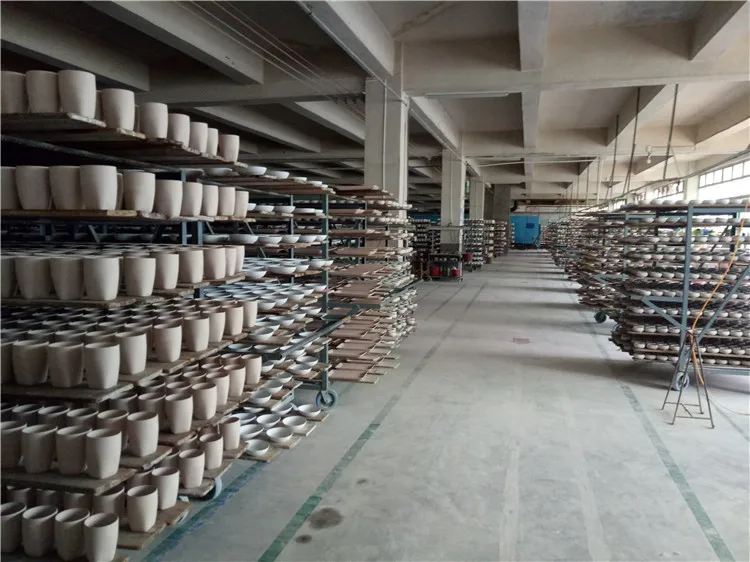
Fujian Dehua Jimo Ceramic Co., Ltd.
- Trading Company
- Fujian, China
- Lead time15 days
- Avg. response≤ 3h
Main productsceramic mug,coffee cup,ceramic vase,ceramic plate,resin crafts
Main marketsNorth America(30.00%), Central America(15.00%), Northern Europe(10.00%), South America(10.00%), Western Europe(10.00%), Southern Europe(10.00%), Eastern Europe(10.00%), Eastern Asia(5.00%)
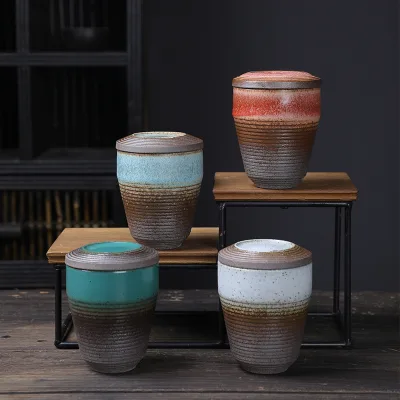
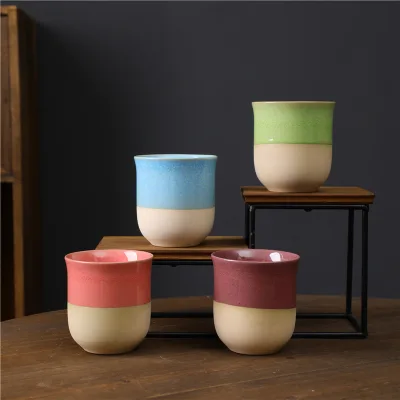
2023 New Ceramic Asian Zen Style 170ml Eco-Friendly Coffee Tea Water Cups for Personalized Gift
$2.02 - $3.62
MOQ: 120 pieces
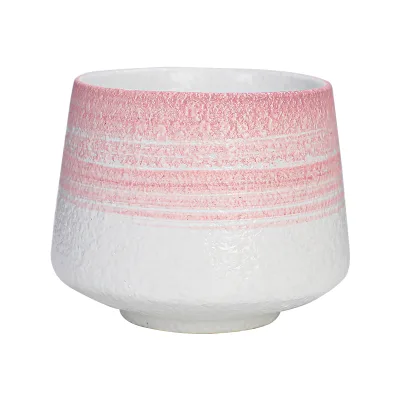
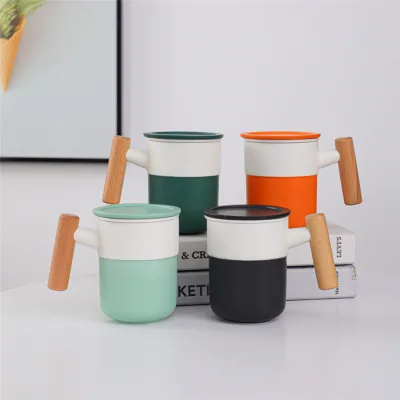
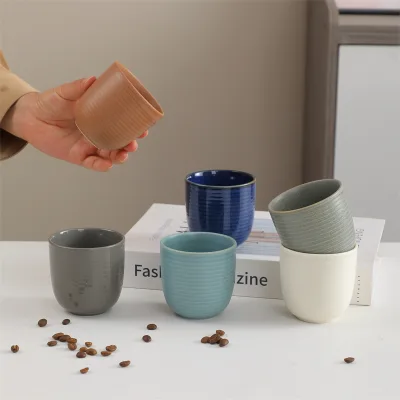
$1.3464 - $2.4026
MOQ: 2 pieces
Jingdezhen High-Tech Zone Xituwa Ceramic Factory (individual Business)
- Trading Company
- Jiangxi, China
- Lead time15 days
- Avg. response≤ 1h
Main productsHigh-temperature Daily Ceramic Products,High-temperature Art & Display Ceramics,Special High-temperature Funeral Ceramics,Customized High-temperature Ceramic Products,Special Industrial High-temperature Ceramics
Main marketsDomestic Market(50.00%), North America(10.00%), Southeast Asia(10.00%), Eastern Europe(5.00%), Southern Europe(5.00%), Western Europe(5.00%), South America(5.00%), South Asia(4.00%), Eastern Asia(1.00%), Mid East(1.00%), Oceania(1.00%), Northern Europe(1.00%), Central America(1.00%), Africa(1.00%)

Chinapack Ningbo Import & Export Co., Ltd.
- Verified by SGS
- Trading Company,Manufacturer/Factory
- China Zhejiang
- Lead time23 days
- Avg. response≤ 17h
Main productsSnowboard, Water Bottle, Promotional Hats, Glass Bottle, Ski Set, Snowboot, Snowboard Binding, Home Sock, Hood, Scarf
Main marketsSouth America,Eastern Europe,North America,Southeast Asia,Eastern Asia,Oceania,Western Europe

- Verified by TUVRHEINLAND
- Trading Company
- China Hunan
- Lead time45 days
- Avg. response≤ 1h
Main productsCeramic Mug, Vacuum Flask, Dinner Set, Cup, Mug, Thermal Bottle, Ceramic Dinner Set, Glass Jar, Glass Cup, Wine Cup
Main marketsSoutheast Asia/ Mideast

Chaozhou City Cha'an District Fengtang Town Sai Si Ceramics Factory
- Verified by CTI
- Combined
- China Guangdong
- Lead time30 days
- Avg. response≤ 6h
Main productsMugs, Ceramic Tissue Boxes, Ceramic Pet Bowls, Ceramic Vases
Main marketsDomestic


$2.00 - $4.00
MOQ: 1000 Pieces

Fujian Dehua Bebon Ceramics Co., Ltd.
- Verified by TüVRheinland
- Trading Company
- Lead time18 days
- Avg. response≤ 5h
Main productsCeramic Mug, Flower Pot, Tea Set, Ceramic Dishes and Plates, Ceramic and Porcelain Vases
Main marketsNorth America(20%), Mid East(20%), Northern Europe(15%)

Foshan Ron Hospitality Supplies Co., Ltd.
- Verified by BV
- Manufacturer/Factory,Group Corporation
- China Guangdong
- Lead time45 days
- Avg. response≤ 2h
Main productsRestaurant Furniture, Restaurant Booth, Restaurant Chair, Restaurant Table, Bar Stools, Wedding Chairs, Flatware Sets, Dinnerware Sets, Garden Chairs, Disposable Dinnerware & Tableware
Main marketsSouth America,Eastern Europe,Mid East,North America,Southeast Asia,Eastern Asia,Oceania,Western Europe,Africa


Hot Sale Chinese China Customized Porcelain Ceramic Tea Cup with Durable Quality
$1.50 - $1.78
MOQ: 72 pieces


Hebei Zhuozhongxi Glass Products Co., Ltd.
- Verified by BV
- Manufacturer/Factory
- China Hebei
- Lead time15 days
- Avg. response≤ 4h
Main productsGlass Cup, Glass Teapot, Coffee Appliance, Tea Set, Glass Crafts, Glass Jug, Glass Food Storage Jar, Wine Glass, Candle Holders, Double Wall Glass
Main marketsSouth America,Eastern Europe,Mid East,North America,Southeast Asia,Eastern Asia,Oceania,Western Europe,Africa

Foshan Ron Hospitality Supplies Co., Ltd.
- Manufacturer/Factory,Group Corporation
- China Guangdong
- Lead time23 days
- Avg. response≤ 2h
Main productsRestaurant Furniture, Customized Restaurant Product, Restaurant Table, Restaurant Chair, Restaurant Booth, Cafe Furniture, Bar Furniture, Coffee Shop Furniture, Dinnerware, Glassware
Main marketsSouth America,Eastern Europe,Mid East,North America,Southeast Asia,Eastern Asia,Oceania,Western Europe,Africa

Longyan Zhanling Industry and Trade Co., Ltd.
- Manufacturer/Factory
- China Fujian
- Lead time150 days
- Avg. response≤ 2h
Main productsStainless Steel Cup, Customized Cup, Stainless Steel Cup & Mug, Double Wall Stainless Steel Cup, Customized Stainless Steel Cup, Water Bottle, Tumbler, Stainless Steel Water Bottle, Stainless Steel Bottle, Whiskey Glass
Main marketsSouth America,Eastern Europe,Mid East,North America,Southeast Asia,Eastern Asia,Oceania,Western Europe,Africa
Xiamen Huidongxin Industry and Trade Co., Ltd.
- Verified by TüVRheinland
- Trading Company
- Lead time25 days
- Avg. response≤ 6h
Main productsMatcha Set, Coffee Accessories, Kitchen Accessories, Bar Accessories, Stainless Steel Part
Main marketsNorth America(20%), Mid East(20%), Western Europe(20%)

Dongguan ShunTa Melamine Products Co., Ltd.
- Verified by CTI
- Combined
- China Guangdong
- Lead time15 days
- Avg. response≤ 9h
Main productsMelamine, Table Ware, Tableware, Household, Kitchen Ware, Pets Accessories, Chopsticks, Ashtray, Cushions, Bowls
Main marketsSoutheast Asia/ Mideast,East Asia(Japan/ South Korea),Domestic,Europe,Australia,North America

Xiamen Yoyo Ceramic Trading Co., Ltd.
- Verified by BV
- Combined
- China Fujian
- Lead time23 days
- Avg. response≤ 10h
Main productsCeramic Mugs, Ceramic Plates, Teawares, Ceramic Canisters, Ceramic Vases, Ceramic Flower Planters, Ceramic Coin Bank, Flowerpot, Canisters, Resin Crafts
Main marketsSouth America,Africa,Southeast Asia/ Mideast,East Asia(Japan/ South Korea),Europe,Australia,North America
Fuzhou Beisuosi E-Commerce Co., Ltd.
- Trading Company
- Fujian, China
- Lead time7 days
- Avg. response≤ 3h
Main productsAluminum Foil Pan,Ceramic tableware,Household products,Restaurant supplies,Chinese ceramic products
Main marketsNorth America(50.00%), Domestic Market(17.00%), South America(5.00%), Oceania(5.00%), Africa(5.00%), Southeast Asia(5.00%), Eastern Europe(5.00%), Western Europe(2.00%), Mid East(1.00%), South Asia(1.00%), Southern Europe(1.00%), Northern Europe(1.00%), Central America(1.00%), Eastern Asia(1.00%)
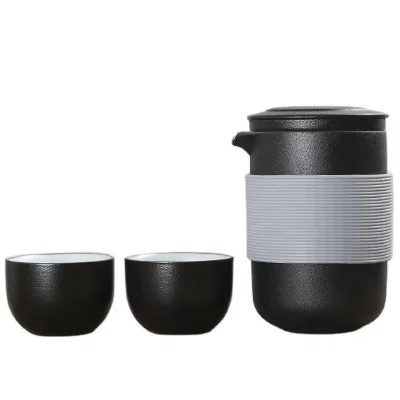
Travel Tea Set Teapot with Ceramic Infuser and 2 Ceramic Teacups,Portable with Carrying Case
$8.1547 - $10.1952
MOQ: 1 sets
Nanping Jianyang Eagle Bamboo And Wood Products Co., Ltd.
- Manufacturer
- Fujian, China
- Lead time30 days
- Avg. response≤ 2h
Main productsBamboo and wooden skewer,bamboo and wooden product,bamboo basket,bamboo and wooden chopstick,willow/rattan/grass picnic box
Main marketsWestern Europe(11.11%), Eastern Asia(11.11%), Mid East(11.11%), Oceania(11.11%), Africa(11.11%), Southeast Asia(11.11%), Eastern Europe(11.11%), South America(11.11%), North America(11.11%)

Wenzhou Guanmin Import and Export Co., Ltd.
- Verified by BV
- Trading Company,Manufacturer/Factory
- China Zhejiang
- Lead time120 days
- Avg. response≤ 6h
Main productsShopping Bag, Cooler Bag, Notebook, Pen, Color Pencil, Lanyard, Beach Ball, Umbrella, Sunshade, Air Freshener
Main marketsSouth America,Eastern Europe,Mid East,North America,Southeast Asia,Eastern Asia,Western Europe

Zibo Timestone International Co., Ltd.
- Manufacturer/Factory
- China Shandong
- Lead time45 days
- Avg. response≤ 11h
Main productsCeramic Dinnerware, Ceramic Mugs, Stainless Steel Bottles Mugs and Tumblers, Glass Bottles Mugs and Tumblers, Dinnerware, Tableware, Glassware, Kitchenware, Household Items, Ceramic Granding Balls and Filters
Main marketsSouth America,Eastern Europe,Mid East,North America,Southeast Asia,Eastern Asia,Oceania,Western Europe,Africa
Guangzhou Garbo International Trading Co., Ltd.
- Verified by SGS Group
- Trading Company
- Lead time35 days
- Avg. response≤ 2h
Main productsGlassware, Opal Glassware, High Borosilicate Glassware, Stainless Steel Flatware, Kitchenware
Main marketsMid East(20%), South America(18%), Eastern Europe(13%)

Guangdong Hongdahuang Ceramics Co. Ltd
- Verified by SGS
- Combined
- China Guangdong
- Lead time45 days
- Avg. response≤ 8h
Main marketsDomestic,North America

Excellent Craftsmanship Environmentally Friendly Ceramic Tea Cup for Hosting Clients
$1.20 - $6.00
MOQ: 100 Pieces


FUZHOU SHOO-IN IMP & EXP CO., LTD.
- Verified by SGS
- Trading Company
- China Fujian
- Lead time15 days
- Avg. response≤ 3h
Main productsPadel Ball, Tennis Ball, Hat, Pet Leash, Pickleball, Yoga Mat, Sports Towel
Main marketsEast Asia(Japan/ South Korea),North America

Changsha Happy Go Products Developing Co., Ltd.
- Trading Company
- China Hunan
- Lead time45 days
- Avg. response≤ 6h
Main productsCoffee Mug, Dinner Set, Bowl, Mug, Dinnerware, Tableware, Plate, Porcelain, Crockery, Coffee Cup
Main marketsSouth America,Africa,Southeast Asia/ Mideast,East Asia(Japan/ South Korea),Europe,Australia,North America

White Bone China Mugs Bone China Tea Cup Bone China 8oz Coffee Cup and Saucer
Negotiable
MOQ: 3000 Sets
















Comprehensive Sourcing Guide
Asian Zen Round Tea Cup Supplier Concentration and Factory Types
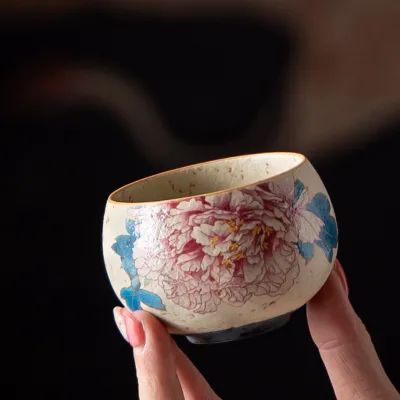
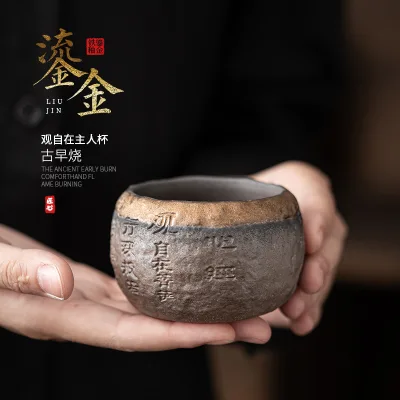
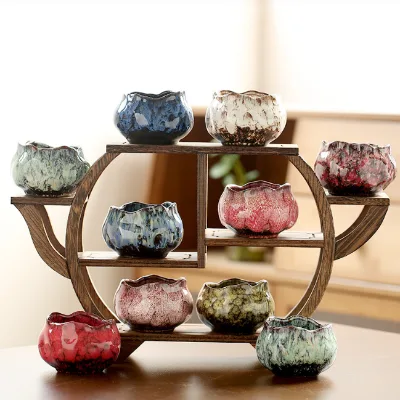
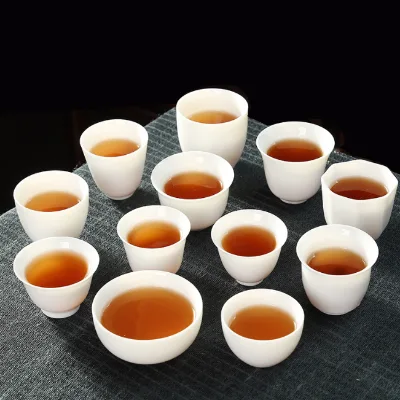
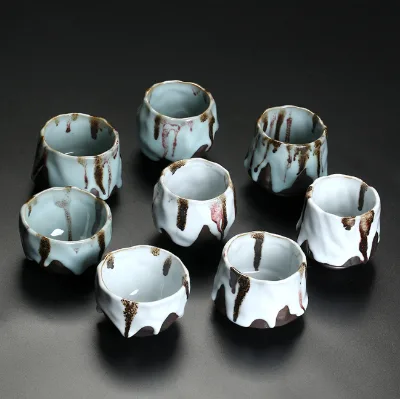
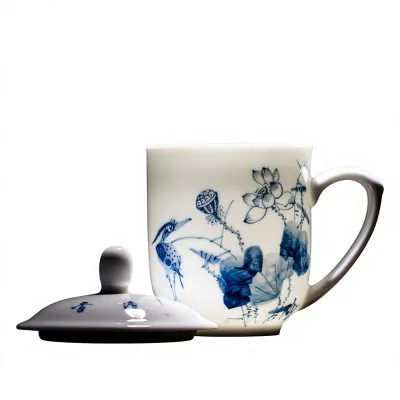
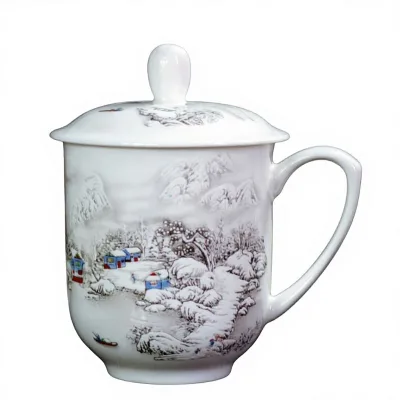
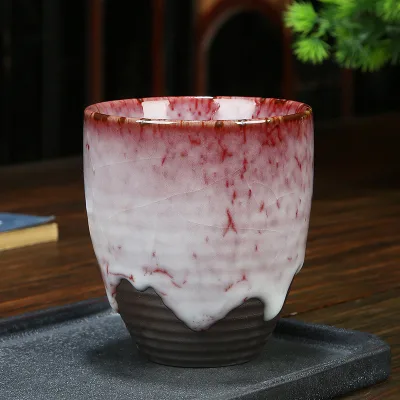
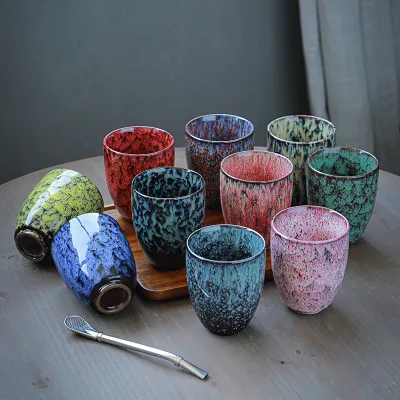
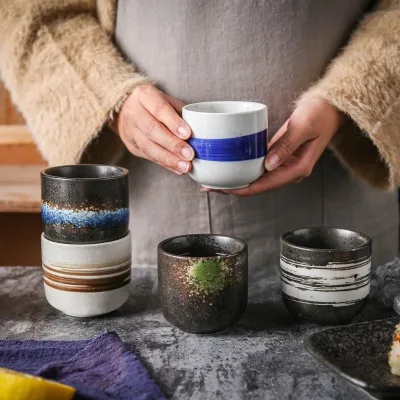
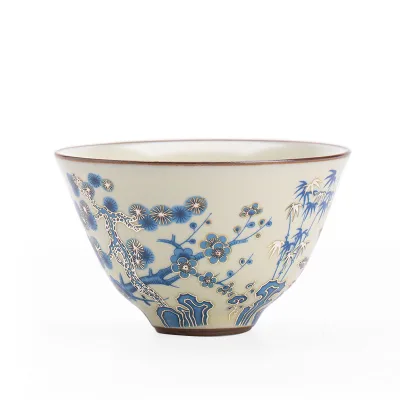
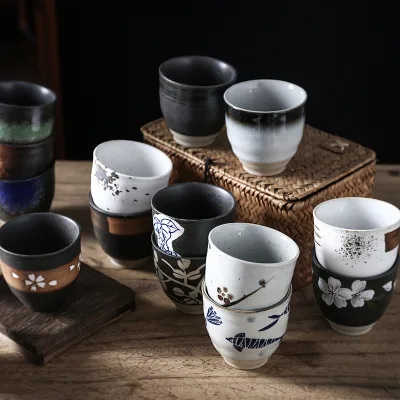
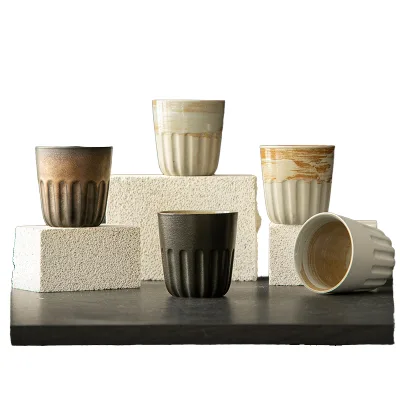
The current supplier landscape for Asian Zen round tea cups reveals a distinct geographic concentration in Fujian, China, which serves as a primary manufacturing hub for this specific aesthetic. Suppliers located in this region often specialize in ceramic and porcelain goods, leveraging local clay resources and established kiln infrastructure to produce items that align with the Japandi and New Chinese Style trends. The product evidence indicates that many of these manufacturers offer a diverse range of drinkware, including tea cups, mugs, and complete tea sets, suggesting that factories in Fujian are equipped to handle both specialized artisanal pieces and broader home goods categories. This concentration allows buyers to source multiple related items from a single geographic cluster, potentially simplifying logistics and reducing shipping costs for consolidated orders. The presence of both manufacturers and trading companies in this area provides flexibility, as trading companies may offer a wider variety of designs from different factories, while direct manufacturers might provide more control over customization and production schedules.
Company types vary significantly among these suppliers, ranging from pure manufacturers to combined entities that offer both OEM and ODM services. Some suppliers are identified as trading companies, which can act as intermediaries, aggregating products from various workshops to offer a broader catalog to international buyers. Others are direct manufacturers, capable of producing custom designs based on buyer specifications, such as the double-layer ceramic structures or specific glaze techniques observed in the product data. The distinction is crucial for buyers seeking specific quality controls or unique design elements, as direct manufacturers often have more direct oversight of the production process. Additionally, some suppliers are verified by third-party inspection agencies like TÜV Rheinland, indicating a higher level of operational transparency and adherence to international quality standards. Buyers should carefully review the company type to determine whether they are dealing with a factory that controls production or a trading company that manages sourcing and logistics, as this impacts communication efficiency and problem-solving capabilities during the manufacturing process.
How to Verify Asian Zen Round Tea Cup Suppliers
Verifying the legitimacy and capability of Asian Zen Round Tea Cup suppliers requires a multi-layered approach that goes beyond simple profile reviews. Buyers should prioritize suppliers who have undergone third-party verification processes, such as those conducted by TÜV Rheinland, which provides an additional layer of trust regarding the supplier's business operations and product quality. It is essential to check for specific certifications that may be relevant to food-contact ceramics, although current data shows some suppliers have NIL system certifications, which necessitates direct inquiry into their internal quality control measures. Buyers must request detailed product specifications, including material composition, glaze safety, and firing temperatures, to ensure the ceramics meet international safety standards. The presence of features like "Eco-Friendly" or "Dishwasher Safe" should be validated through technical data sheets or sample testing, as these claims can vary significantly between suppliers. Additionally, reviewing the supplier's response time and communication history can provide insights into their professionalism and reliability, with faster response times often indicating a more organized and customer-focused operation.
Another critical aspect of verification is assessing the supplier's production capacity and customization capabilities. Buyers should inquire about the supplier's ability to handle OEM and ODM orders, particularly if they require unique designs or branding on the Asian Zen round tea cups. The product evidence shows that some suppliers offer customization options, such as logo printing or specific packaging, which can be valuable for private label projects. It is also important to verify the supplier's inventory status, as some products are marked as "Stocked," which can reduce lead times for immediate orders. Buyers should request samples to evaluate the physical quality of the tea cups, including the finish, weight, and durability, before committing to larger orders. Furthermore, checking the supplier's establishment year and business history can provide context about their experience and stability in the market. By combining these verification steps, buyers can mitigate risks and ensure they are partnering with suppliers who can consistently deliver high-quality Asian Zen round tea cups that meet their specific requirements.
What to Compare Across Asian Zen Round Tea Cup Suppliers
When evaluating multiple suppliers for Asian Zen round tea cups, buyers must compare key operational metrics to determine the best fit for their business needs. Lead time is a critical factor, with some suppliers indicating a lead time of 15 days, which can impact inventory planning and order fulfillment schedules. Buyers should also compare the minimum order quantity (MOQ) requirements, as some suppliers may have an MOQ of just one unit, offering flexibility for small-scale testing, while others may require larger volumes for cost-effective production. Response time is another important metric, with variations ranging from 1 hour to 4.7 hours, indicating differences in customer service efficiency and availability. Suppliers with faster response times are often better equipped to handle urgent inquiries and resolve issues quickly, which is crucial for maintaining smooth supply chain operations. Additionally, buyers should compare the price ranges for similar products, noting that prices can vary significantly based on material quality, design complexity, and customization options.
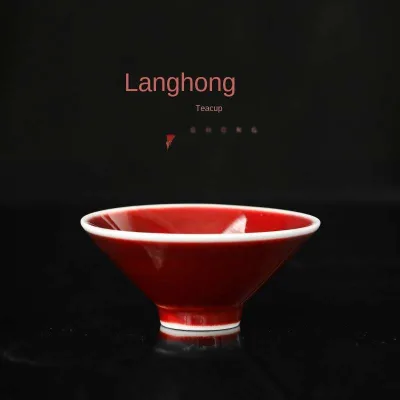
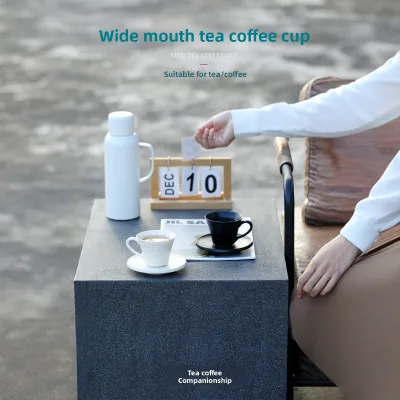
Beyond operational metrics, buyers should compare the product attributes and features offered by different suppliers. The product evidence shows variations in style, such as Japandi, Retro, and New Chinese Style, allowing buyers to select suppliers that align with their target market preferences. Material specifications, such as ceramic or bone china, and functional features like dishwasher and microwave safety, should be compared to ensure the products meet the intended use cases. Buyers should also consider the supplier's main product range, as those specializing in tea sets and ceramic ornaments may offer better expertise and consistency in Asian Zen round tea cups compared to generalist suppliers. Packaging options, including gift boxes and single-item packaging, should be evaluated for their suitability for retail or promotional purposes. By systematically comparing these factors, buyers can identify suppliers that offer the best balance of quality, cost, and service, ensuring a successful sourcing outcome for their Asian Zen Round Tea Cup projects.
Common Asian Zen Round Tea Cup Sourcing Risks
Sourcing Asian Zen round tea cups from international suppliers involves several potential risks that buyers must proactively manage to ensure a smooth procurement process. One significant risk is the variability in product quality, particularly regarding the finish and durability of the ceramic glazes. Since the aesthetic appeal of Asian Zen tea cups relies heavily on their visual and tactile qualities, inconsistencies in firing or glazing can lead to defective products that do not meet buyer expectations. Buyers should mitigate this risk by requesting detailed quality control protocols and conducting thorough sample inspections before placing bulk orders. Another risk is the potential for miscommunication regarding customization requirements, such as specific logo placements or packaging designs. Clear and documented specifications are essential to avoid misunderstandings that could result in non-conforming products. Additionally, buyers should be aware of the risks associated with shipping fragile ceramic items, which can be damaged during transit if not properly packaged. Ensuring that suppliers use robust packaging methods, such as reinforced boxes and protective inserts, is crucial to minimizing breakage rates.
Logistical delays and supply chain disruptions are also common risks in international sourcing. Lead times can vary based on production capacity, raw material availability, and external factors such as holidays or weather conditions. Buyers should maintain open communication with suppliers to stay informed about production progress and potential delays. Furthermore, there is a risk of intellectual property infringement if buyers share proprietary designs with unverified suppliers. It is important to work with suppliers who have a strong reputation for respecting intellectual property rights and to consider using non-disclosure agreements (NDAs) for custom designs. Buyers should also be cautious of suppliers who claim certifications or standards without providing verifiable documentation. By identifying and addressing these risks early in the sourcing process, buyers can protect their interests and ensure a more reliable and efficient procurement experience for Asian Zen round tea cups.
Asian Zen Round Tea Cup Regional Sourcing and Logistics
The geographic location of suppliers plays a significant role in the logistics and cost structure of sourcing Asian Zen round tea cups. Many suppliers are concentrated in Fujian, China, a region known for its ceramic manufacturing heritage, which offers advantages in terms of specialized labor and material availability. However, buyers should also consider suppliers located in other regions, such as Shanghai, which may offer different logistical benefits, such as proximity to major ports and international shipping hubs. The choice of location can impact shipping costs, transit times, and customs clearance processes. Buyers should evaluate the supplier's location in the context of their own distribution network to optimize logistics efficiency. For instance, sourcing from Fujian may be cost-effective for bulk orders due to lower production costs, while sourcing from Shanghai might be preferable for faster delivery to international markets. Additionally, buyers should consider the supplier's experience with international shipping and their ability to handle export documentation and compliance requirements.
Logistics planning should also account for the fragile nature of ceramic products, which requires careful handling and packaging to prevent damage during transit. Buyers should work with suppliers who have established relationships with reliable freight forwarders and carriers that specialize in handling fragile goods. It is important to discuss shipping terms, such as FOB or CIF, to determine who is responsible for transportation costs and risks. Buyers should also consider the impact of seasonal demand and holidays on shipping schedules, as these can lead to delays and increased costs. By carefully planning logistics and selecting suppliers with strong logistical capabilities, buyers can ensure that their Asian Zen round tea cups arrive at their destination in good condition and on time. Additionally, buyers should stay informed about changes in international trade regulations and tariffs that may affect the cost and feasibility of sourcing from specific regions.
Asian Zen Round Tea Cup Commercial Terms and Order Planning
Effective order planning for Asian Zen round tea cups requires a clear understanding of commercial terms and financial considerations. Buyers should negotiate payment terms that align with their cash flow needs and risk tolerance, such as using escrow services or letters of credit for larger orders. It is important to clarify the pricing structure, including any additional costs for customization, packaging, or shipping, to avoid unexpected expenses. The product evidence shows a range of prices, from $1.10 to $8.19 per unit, depending on the product features and customization level. Buyers should compare these prices against their target margins and budget constraints to determine the feasibility of different supplier options. Additionally, buyers should discuss volume discounts and incentives for repeat orders, which can help reduce costs over time. Clear communication about order quantities, delivery schedules, and quality expectations is essential to ensure a smooth transaction and avoid disputes.
Order planning should also include strategies for managing inventory and replenishment cycles. Buyers should work with suppliers to establish a reliable supply chain that can meet their demand fluctuations, particularly during peak seasons. It is important to maintain open communication with suppliers to stay informed about production updates and potential delays. Buyers should also consider the lead time for custom orders, which may be longer than for stocked items, and plan accordingly to avoid stockouts. Additionally, buyers should evaluate the supplier's after-sales support, including their policies for handling defective products or returns. By developing a comprehensive order plan that addresses commercial terms, logistics, and risk management, buyers can ensure a successful and sustainable sourcing relationship for Asian Zen round tea cups. This proactive approach helps minimize disruptions and maximizes the value derived from the supplier partnership.
FAQs
What is the price range for Asian Zen round tea cups?
Prices for these ceramic cups typically range from $1.10 to $8.19 per unit depending on the specific design and material quality. Basic models start near $1.10, while premium hand-painted or unique glaze options can reach up to $7.40 or higher. Buyers should check the specific product listing for exact pricing tiers based on order volume.
What is the minimum order quantity for these tea cups?
The minimum order quantity is generally one unit, allowing buyers to purchase single samples or small batches without a high entry barrier. This low MOQ facilitates easy testing of product quality and design suitability before committing to larger wholesale orders. It is ideal for small businesses or individual buyers seeking specific ceramic styles.
Where are these ceramic tea cups manufactured?
These products are manufactured in Fujian, China, a region known for its ceramic production capabilities. Some suppliers may also be located in Shanghai, China, offering combined trading and manufacturing services. Buyers can verify the specific place of origin listed on each product page to ensure alignment with their sourcing preferences and logistics requirements.
How long does it take to produce these cups?
The standard lead time for production is approximately 15 days from order confirmation. This timeframe allows for manufacturing, quality control, and packaging preparation. Buyers should confirm the exact lead time with the supplier, as it may vary based on order size, customization requirements, or current production schedules.
Are these tea cups eco-friendly?
Many of the available ceramic tea cups are labeled as eco-friendly, reflecting sustainable manufacturing practices or materials. Some products also feature additional attributes like being stocked or having specific design features. Buyers should review the product attributes section to confirm eco-friendly claims and other relevant certifications or features for their specific needs.
What styles are available for Asian Zen tea cups?
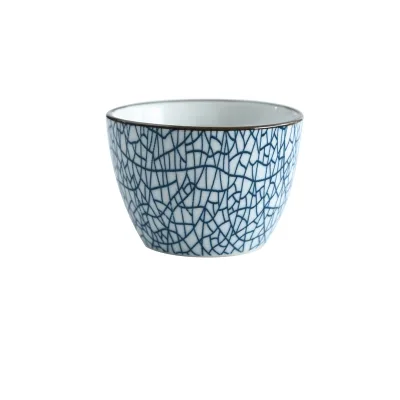
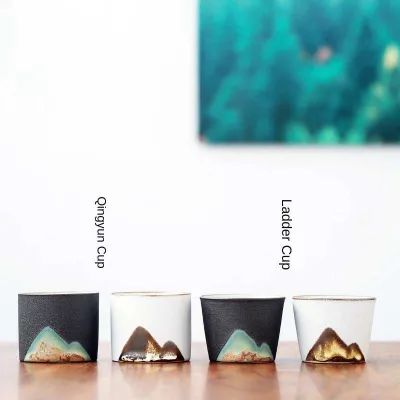
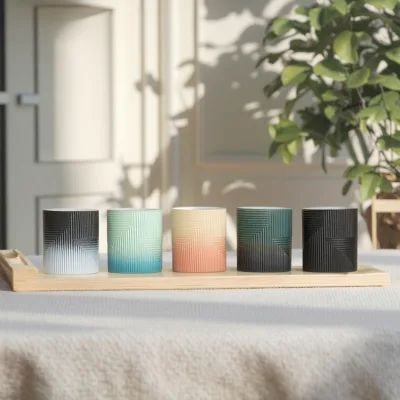
Available styles include Japandi, Retro, New Chinese Style, Modern, and Asian Zen. These designs cater to various aesthetic preferences, from minimalist contemporary looks to traditional hand-painted motifs. Buyers can select from options like solid colors, geometric gradients, or unique glaze finishes to match their brand identity or customer preferences.