Automatic Cake Shaping Machine Suppliers and Manufacturers
Explore 20 verified suppliers offering automatic cake shaping machines with varying lead times, response speeds, and certifications. Buyers can compare locations in China, OEM capabilities, and product specifications like voltage and material before requesting quotes; review the available evidence before requesting comparable quotations from suitable candidates.
Suppliers List
Shanghai Jimei Industry Co., Ltd.
- Verified by BV
- Trading Company
- China Shanghai
- Lead time23 days
- Avg. response≤ 13h
Main productsBiscuit Machine, Cake Machine, Cookie Machine, Bread Machine
Main marketsOthers(foreignTradeCapacity.exportBusinessCapacityMarketOther)

Gelgoog Intelligent Technology Co., Ltd.
- Verified by TUVRHEINLAND
- Manufacturer/Factory
- China Henan
- Lead time23 days
- Avg. response≤ 5h
Main productsBiscuit Making Machine, Ice Cream Cone Machine, French Fries Machine, Snack Frying Machine, Vegetable Washing Machine, Cellophane Wrapping Machine, Peanut Butter Machine, Garlic Processing Machine, Cocoa Procssting Machine, Nut Roasting Machine
Main marketsSouth America,Eastern Europe,Mid East,North America,Southeast Asia,Eastern Asia,Oceania,Western Europe,Africa

Wenzhou Qianding Mechanical Technology Co., Ltd.
- Verified by TUVRHEINLAND
- Combined
- China Zhejiang
- Lead time15 days
- Avg. response≤ 22h
Main productsStripping Machine, Die Cutting Machine, Stamping Machine, Paper Box Machine, Paper Box Making Machine, Paper Cutting Machine, Paper Cup Stripping Machine, Paper Box Stripping Machine, Blanking Machine, Paper Bag Machine
Main marketsSoutheast Asia/ Mideast,East Asia(Japan/ South Korea)

Guangzhou Astar Kitchen Equipment Co., Ltd.
- Verified by BV
- Combined
- China Guangdong
- Lead time15 days
- Avg. response≤ 14h
Main productsBakery Equipment, Oven, Kitchen Equipment, Mixer, Baking Oven, Convection Oven, Rotary Oven, Pizza Oven, Refrigerator, Cake Showcase
Main marketsAfrica,Domestic,Europe

Luohe Quality Mechanical Equipment Co., Ltd.
- Verified by SGS
- Manufacturer/Factory
- China Henan
- Lead time23 days
- Avg. response≤ 5h
Main productsJuice Extractor, Sausage Making Machine, Pita Bread Machine, Biscuit Making Machine
Main marketsSouth America,Eastern Europe,North America,Eastern Asia,Western Europe

Shanghai Keyfood Machinery Co., Ltd.
- Verified by BV
- Trading Company,Manufacturer/Factory
- China Shanghai
- Lead time45 days
- Avg. response≤ 4h
Main productsFood Machine, Instant Coffee Line, Juice Production Line, Cheese Making Machine, Packing Machines, Pancake Making Machine, Waffle Production Line, Candy Making Machine, Biscuit Production Line
Main marketsSouth America,Eastern Europe,Mid East,North America,Southeast Asia,Eastern Asia,Oceania,Western Europe,Africa
Zhengzhou Share Machinery Co., Ltd.
- Trading Company
- Lead time旺季: "1 - 1":7,"> 1":"To be negotiated", 淡季: "1 - 1":7,"> 1":"To be negotiated"
- Avg. response≤ 3h
Main productsConstruction Machinery/Industrial Machinery/Printing Machinery

Zhengzhou Hento Machinery Co., Ltd.
- Verified by SGS
- Trading Company,Manufacturer/Factory,Group Corporation
- China Henan
- Lead time15 days
- Avg. response≤ 6h
Main productsMeat Processing Machinery, Egg Processing Machinery, Dairy Processing Machinery, Fruit & Vegetable Processing Machinery, Grain Product Making Machines, Snack Machines, Nuts Processing Machinery, Packing Machines, Drying Machines, Commodity Making Machines
Main marketsSouth America,Eastern Europe,Mid East,North America,Southeast Asia,Eastern Asia,Oceania,Western Europe,Africa

- Verified by TUVRHEINLAND
- Manufacturer/Factory
- China Shanghai
- Lead time0 days
- Avg. response≤ 3h
Main productsBiscuit Production Line, Cake Production Line, Potato Chips Production Line, Rice Cracker Production Line, Waffle Production Line, Frozen French Fries Production Line, Swiss Roll Layer Cake Production Line, Wafer Stick Production Line, Sandwich Cake &Choco Pie Production Line, Cupcake &Custard Cake Production Line
Guangdong Xunlian Intelligent Technology Co., Ltd
- Verified by SGS
- Combined
- China Guangdong
- Lead time30 days
- Avg. response≤ 7h
Main productsCake Machine, Cookie Machine
Main marketsDomestic,Europe


Commercial Adjustable Cake Cutter Automatic Round Square Triangle Cake Cutting Machine
$7200.00 - $7400.00
Moq: 1

Commercial Automatic Triangles Cake Cream Ultrasonic Line Cutting Cake Machine
$15900.00 - $17900.00
Moq: 1

Round Square Cake Cutting Machine Fully Automatic Multifunctional Cake Cutting Machine
$7200.00 - $7400.00
Moq: 1

Automatic Manual Sponge Square Cup Cake Forming Maker Cutter Machine for Cake
$3400.00 - $3600.00
Moq: 1

Super September Square Round Cake Automatic Ultrasonic Layer Cake Cutting Machine for Cake Industry
$7200.00 - $7400.00
Moq: 1
Beijing Zhongli Machinery Science & Technology Co., Ltd.
- Verified by SGS
- Combined
- China Beijing
- Lead time30 days
- Avg. response≤ 8h
Main productsFood Machine, Bread Production Line, Danish Pasty Forming Machine Line, Multi-Head Stuffing Bun Forming Line, Pie Forming Machine Line, Baguette/Toast Machine Line, Pizza Forming Machine Line, Full Automatic Flatbread Machine Line, Donut Machine Line, Multi-Head Pastry Pancake Forming Line
Main marketsSoutheast Asia/ Mideast

Guangzhou Bossmai Machinery Co., Ltd
- Verified by SGS
- Combined
- China Guangdong
- Lead time15 days
- Avg. response≤ 7h
Main productsRotary Oven, Tipping Spiral Mixer, Automatic Dough Sheeter, Dough Shape Cutting Machine, Dough Moulder, Dough Divider and Rounder, Cookie Machine
Main marketsNorth America


Automatic Cake Slicer Machine Cake Cutting Machine Ultrasonic Cutting Cake Machine
$4538.68 - $4858.01
Moq: 2


Commercial Pastry Making Machine Electric Cake Slicer Bakery Cake Cutting Machine
$4705.88 - $5147.06
Moq: 2

Ultrasonic Cake Cutter Automatic Bread Slicer Machine Pastry Sponge Cake Cutting Machine
$4538.68 - $4858.01
Moq: 2
Henan Smile Technology Industrial Co., Ltd.
- Verified by SGS
- Trading Company,Manufacturer/Factory
- China Henan
- Lead time0 days
- Avg. response≤ 11h
Main productsBaking Oven, Industrial Mixer, Laboratory Equipment, Bakery Equipment, Bakery Processor, Kitchen Equipment, Refrigeration Series, Fast Food Equipment, Juicer Extractor Machine

Zhengzhou Auris Machinery Co., Ltd.
- Verified by TUVRHEINLAND
- Trading Company
- China Henan
- Lead time30 days
- Avg. response≤ 4h
Main productsNut Process Machinery, Fruit &Vegetable Machinery, Meat Process Machinery, Snacks Process Machinery, Printing Machinery, Quilting Machinery, Chocolate Machine, Packing Machine, Paper Pencil Making Machine, Bubble Tea Shop Machine
Main marketsSouth America,Southeast Asia/ Mideast,East Asia(Japan/ South Korea),Europe,Australia,North America
HE NAN PENG HUI MACHINERY AND EQUIPMENT CO., LTD.
- Verified by CTI
- Manufacturer/Factory
- China Henan
- Lead time15 days
- Avg. response≤ 3h
Main productsMeat Processing Machine, Fruit Processing Machine, Vegetable Processing Machine, Seafood Processing Machine, Grain Product Processing Machine, Snack Machine, Nuts Processing Machine, Quilting Machine, Textile Machine, Paper Product Processing Machine
Main marketsSouth America,Eastern Europe,Mid East,North America,Southeast Asia,Eastern Asia,Oceania,Western Europe,Africa

Automatic Sponge Cake Horizontal Cutting Machine Bread Hamburger Cake Cutter Slicer Machine
$3000.00 - $4000.00
Moq: 1

Automatic Toast Bread Forming Machine Bread Baguette Dough Moulder Shaping Machine
$2250.00 - $2480.00
Moq: 1

Tengzhou Allway Machinery Co., Ltd
- Trading Company,Manufacturer/Factory
- China Shandong
- Lead time0 days
- Avg. response≤ 10h
Main productsMachine Tools, Lathe Machine, Milling Machine, Drilling Machine, Sawing Machine, CNC Machine

SHANGHAI BAKER'S KINGDOM CO., LTD.
- Verified by SGS
- Combined
- China Shanghai
- Lead time45 days
- Avg. response≤ 9h
Main productsMixer, Batter Depositor, Cookie Depositor, Cake Cutting Machine, Cake Slicer, Toast Slicer, Tunnel Oven, Rotary Oven, Convection Oven, Leaven Processor
Main marketsSoutheast Asia/ Mideast,East Asia(Japan/ South Korea),North America
Henan Chanda Machinery Co., Ltd
- Verified by TUVRHEINLAND
- Trading Company,Manufacturer/Factory
- China Henan
- Lead time15 days
- Avg. response≤ 3h
Main productsFood Machine, Vegetable Cutting Machine, Bun Making Machine, Roti Making Machine, Samosa Making Machine, Skin Vacuum Packing Machine, Peeling Machine, Tablet Press Machine, Noodle Boiler, Meat Cutting Machine
Main marketsSouth America,Eastern Europe,Mid East,North America,Southeast Asia,Eastern Asia,Oceania,Western Europe,Africa
Innawei Technology (wuhan) Co., Ltd.
- Manufacturer, Trading Company
- Hubei, China
- Lead time0 days
- Avg. response≤ 4h
Main productsFood Machinery,Baking Equipment/Bakery Project,Packaging equipment solutions,Kitchen equipment,Snack Equipment
Main marketsAfrica(25.0%), Mid East(15.0%), Eastern Asia(10.0%), Domestic Market(10.0%), Southeast Asia(6.0%), Southern Europe(5.0%), Western Europe(5.0%), North America(5.0%), Eastern Europe(5.0%), Oceania(5.0%), Central America(3.0%), South America(3.0%), Northern Europe(2.0%), South Asia(2.0%)

Guangzhou Youbake Kitchen Equipment Co., Ltd.
- Verified by BV
- Trading Company,Manufacturer/Factory
- China Guangdong
- Lead time23 days
- Avg. response≤ 4h
Main productsBaking Oven, Rotary Oven, Dough Mixer, Proofer, Toast Moulder, Baguette Moulder, Semi-Automatic Dough Rounder, Full-Automatic Dough Rounder, Electric Dough Divider, Deck Oven
Main marketsSouth America,Eastern Europe,Mid East,North America,Southeast Asia,Eastern Asia,Oceania,Western Europe,Africa

Professional Best-Selling Automatic Toast Bread Shaping Machine Long Shaping Machine Bakery
$890.00 - $1230.00
Moq: 1

Professional Bread Shaping Machines and Automatic Bread Shaping Machines for Sale.
$890.00 - $1230.00
Moq: 1

Professional Dough Shaping Machine for Baking, Bread Baking Equipment, Toasted Bread
$890.00 - $1230.00
Moq: 1


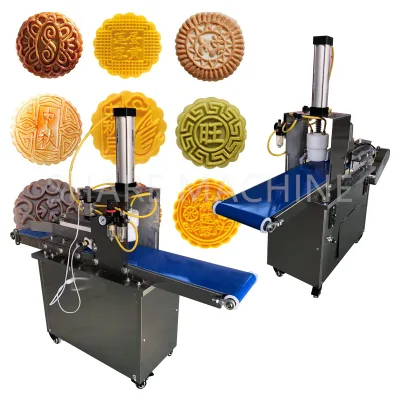
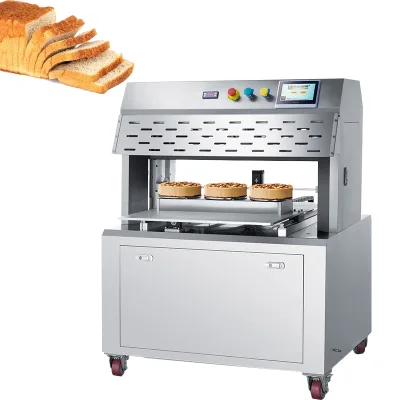


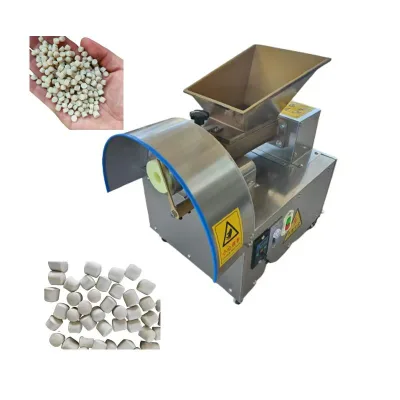
Comprehensive Sourcing Guide
Automatic Cake Shaping Machine Supplier Concentration and Factory Types
Suppliers of automatic cake shaping machines and adjacent bakery equipment in the current results cluster in a few Chinese provinces. Shanghai-based companies list core bakery machinery lines including biscuit, cake, cookie and bread machines, typically operating as trading companies. Henan-based companies present themselves as manufacturers and factories with broader snack and food processing portfolios that include cake making machines, cookie forming machines, biscuit lines and ice cream cone equipment. Zhejiang-based companies concentrate on downstream packaging, listing cake box machines, paper box forming and die-cutting equipment, which matters because your shaping machine may need matching packaging machinery from a different source.
Factory types differ in ways that affect your project. Manufacturers often promote OEM or ODM capability and may carry their own brand names, which suits buyers needing custom molds, depositing heads or line integration. Trading companies can aggregate multiple bakery equipment categories, which simplifies sourcing a complete line, but adds a layer between you and the factory. Verification depth also varies: some profiles carry third-party inspection badges such as BV or TÜV Rheinland, while others show only basic listing information. Before shortlisting, classify each candidate as factory, trading company or combined operation, then match that classification to your priority. If engineering control matters most, seek manufacturers with customization capability; if breadth and consolidation matter, a verified trading company with a full bakery catalog may serve you better.
How to Verify Automatic Cake Shaping Machine Suppliers
Verification starts with documents, not product photos. Ask every candidate for a business license, and confirm whether the profile carries an independent audit badge such as BV or TÜV Rheinland, since those indicate an on-site inspection was performed by a third party. Request certificates covering the quality management system, and in this category you may encounter claims such as ISO 9001 or ISO 14001; ask for the actual certificate number and validity dates so you can confirm them with the issuing body. For the machines themselves, request the certification stated on the product listing, verify which electrical and motor brands are actually fitted, and confirm the stainless steel grade used in food-contact zones.
Verification must also cover capability claims. A supplier advertising ODM or OEM services should be able to show drawings, past customization projects or factory video calls demonstrating the shaping and cutting equipment in operation. Run a video audit of the production floor, checking whether welding, assembly and testing happen in-house. Test responsiveness before committing: response times in the current results range from under five hours to more than twenty hours, and slow pre-sale replies usually worsen after payment. Send identical technical questions to each candidate — mold changeover time, dimensional accuracy of cut pieces, and spare parts availability — and compare the specificity of the answers. A supplier that responds quickly, documents its claims, and permits factory access is far more likely to deliver a machine that matches the specification you agreed.
What to Compare Across Automatic Cake Shaping Machine Suppliers
Build a comparison sheet from attributes suppliers actually display, without assuming every profile shows every field. Useful dimensions include location, company type, main product lines, third-party verification status, response speed, quoted lead time, minimum order quantity and R&D services such as ODM or OEM. In the current results, response times range from roughly five hours to nearly twenty-two hours, and stated lead times run from about fifteen to twenty-three days — gaps large enough to change your production calendar if you are timing a machine arrival to a seasonal bake run or factory commissioning window.
Compare machines on the same technical terms, not headlines. One cake cutting machine in this category is listed with an electric power source, Siemens motor and electrical components, stainless steel construction, automatic grade, ISOCE certification and customization available, priced per unit with a minimum order of one. A bread cutting machine nearby specifies a capacity of 1,200 pieces per hour, 220V/50Hz at 1.2kW, 304 stainless steel, a German-brand PLC and a 200-kilogram machine weight. A pound cake machine lists gas power at 380V with a timing device, while cookie forming machines state capacities such as 100kg/h. Recording voltage, power source, throughput, material grade, component brands, weight and packing format side by side exposes which quotation is genuinely comparable and which omits the details that drive cost, durability and food-safety compliance in your plant.
Common Automatic Cake Shaping Machine Sourcing Risks
The most frequent risk is specification drift between the listing and the delivered machine. A product may advertise a famous-brand motor or PLC, yet the quotation substitutes a cheaper component without notice. Protect yourself by attaching a machine specification sheet to the contract — motor brand, electrical brand, steel grade, voltage, capacity and packing format — and stating that substitution requires written approval. Another common trap is conflating packaging suppliers with shaping-machine makers: several strong profiles in this category build paper cake box and die-cutting machinery, not food-contact shaping equipment, so a convincing bakery-packaging profile is not evidence of bakery machine competence.
Verification asymmetry is a second risk. Some profiles carry third-party audit badges while others rely on self-declared attributes, and treating them equally invites disappointment. Certification claims such as ISOCE or ISO 9001 should be checked against certificate numbers, because food machinery sold into regulated markets often needs documentation your supplier has never been asked for. Price-range communication is a third risk: listings spanning wide bands, such as one cake machine quoted from 15,000 to 23,000 and another from 10,000 to 50,000, mean the advertised figure is a bracket, not a quotation — the final price depends on your configuration. Finally, watch for trading companies presented implicitly as factories. If you need factory-direct accountability for a customized shaping machine, insist on evidence that assembly and testing happen at the address the supplier gives you, and put that address in the contract.
Automatic Cake Shaping Machine Regional Sourcing and Logistics
The results support three sourcing regions, each with a distinct role. Shanghai suppliers sit in a major port city, which simplifies container loading and freight forwarding for heavy machinery; their catalogs center on complete bakery lines including cake, biscuit, cookie and bread equipment. Henan suppliers identify as manufacturers with deep snack and food processing specialization — cake making, cookie forming, frying, nut roasting and cone machinery — making the province a natural first stop for shaping and forming equipment at factory pricing. Zhejiang suppliers cover the paper side, listing automatic cake box machines and box-forming lines, so buyers building a full production chain may source the shaping machine and its cartons from different provinces.
Plan logistics around machine weight and packing. Listings in this category specify wooden case or export-standard wooden packing, and one bread cutting machine lists a 200-kilogram standard weight while a cookie forming machine lists 450 kilograms — figures that determine whether a unit ships in less-than-container load or shares a full container with other equipment. Confirm the packing format in writing, since wooden packaging for export may require treatment. Ask each supplier to state its standard lead time and the port it ships from; stated lead times among current profiles range from roughly fifteen to twenty-three days, and origin provinces differ, so freight cost and transit time to your destination market can vary meaningfully between otherwise similar quotations. Align delivery milestones with your installation schedule before paying a deposit.
Automatic Cake Shaping Machine Commercial Terms and Order Planning
Open commercial discussions by normalizing the quotation. Ask each shortlisted supplier to price one identical configuration — same voltage, capacity, component brands, material and packing — so the price ranges shown in listings, such as a cake cutter bracketed between 15,000 and 23,000 or a pound cake line between 10,000 and 50,000, resolve into comparable numbers. Note that several machines in this category list a minimum order quantity of one, which lowers the cost of a pilot purchase but also means you must judge the supplier on a single-unit transaction rather than volume leverage. Request a proforma invoice that itemizes the machine, customization charges, packing, and which Incoterms apply.
Structure payments and milestones around verifiable stages. A sensible plan ties the deposit to contract signature, a second payment to pre-shipment inspection of the finished machine running your product, and the balance after loading. Confirm the stated lead time in the contract — current profiles range from roughly fifteen to twenty-three days — and add a grace period for customization, since listings offering customization and ODM services rarely deliver custom tooling within standard lead times. Clarify warranty terms, spare parts availability for wear components such as cutting blades and molds, and technical support channels in your language. Finally, sequence a trial order before any multi-machine rollout: one machine, inspected and commissioned, tells you more about a supplier than any document, and it protects your capital while the relationship is still unproven.
FAQs
What is the price range for automatic cake shaping machines?
Prices for automatic cake shaping machines typically range from $10,000 to $50,000. This variation depends on specific features, capacity, and power sources. Buyers should check individual product listings for exact pricing details and available customization options to ensure the machine fits their budget and production needs.
What certifications do these machines usually have?
Many automatic cake shaping machines carry ISOCE certification. This indicates compliance with specific international standards for quality and safety. Buyers should verify the exact certification status for each model, as some listings may specify different standards or require additional verification for specific regional requirements or export regulations.
What is the typical response time for suppliers?
Supplier response times vary, with some averaging around 4.68 hours and others taking up to 21.82 hours. Faster response times often indicate more active trading companies or manufacturers. Buyers should prioritize suppliers with quicker response rates to ensure efficient communication regarding quotes, specifications, and order processing.
What is the minimum order quantity for these machines?
The minimum order quantity for automatic cake shaping machines is often set at just one unit. This allows buyers to purchase single units for testing or small-scale production. Buyers should confirm the MOQ with the specific supplier, as some may have different requirements for customized or high-capacity models.
Where are these machines typically manufactured?
These machines are primarily manufactured in China, with suppliers located in regions like Shanghai, Henan, and Zhejiang. Different locations may offer varying advantages in terms of logistics, supply chain efficiency, and specialized manufacturing capabilities. Buyers should consider the supplier's location when evaluating shipping costs and lead times.
What power sources are available for these machines?
Automatic cake shaping machines are available with electric or gas power sources. Electric models often feature Siemens motors and electrical brands, while gas-powered options may include timing devices. Buyers should select the power source that aligns with their facility's infrastructure and operational requirements for optimal performance and efficiency.