CE Belt Cutting Machine Suppliers and Manufacturers
Compare 24 verified suppliers offering CE Belt Cutting Machine with varying lead times, response speeds, and certifications like CE ISO. Review product specs and request samples to find the right factory for your needs; review the available evidence before requesting comparable quotations from suitable candidates.
Updated
Suppliers List
Kunshan Dapeng Precision Machinery Co., Ltd.
- Verified by SGS Group
- Manufacturer, Trading Company
- Lead time30 days
- Avg. response≤ 6h
Main productsDie Cutting Machine, Roll To Sheet Cutting Machine, Slitting Rewinding Machine, Laminating Machine, Half Cutting Machine
Main marketsDomestic Market(68%), North America(5%), Mid East(4%)

Qingdao Judong Industry Co., Ltd.
- Verified by TUVRHEINLAND
- Trading Company,Manufacturer/Factory,Group Corporation
- China Shandong
- Lead time38 days
- Avg. response≤ 25h
Main productsRubber Vulcanizing Press, Rubber Mixing Mill, Rubber Extruder Machine, Rubber Kneader, Plate Vulcanizing Press, Reclaimed Rubber, Rubber Calendar Machine, Conveyor Belt Machine, Banbury Mixer, Rotocure Machine
Main marketsSouth America,Eastern Europe,Mid East,North America,Southeast Asia,Eastern Asia,Oceania,Western Europe,Africa

Kunshan Hexin Precise Machinery Co., Ltd.
- Verified by CTI
- Combined
- China Jiangsu
- Lead time30 days
- Avg. response≤ 4h
Main productsCutting Machine, Slitting Machine, Blade Knife, Die Cutting Machine, Laminating Machine, Industrial Blade, Sharpening Machine, Other Packing Machinery
Main marketsSouth America,Africa,Southeast Asia/ Mideast,East Asia(Japan/ South Korea),Domestic,Europe,Australia,North America
Zhuhai Loyicn Machinery Co., Ltd.
- Manufacturer, Trading Company, Distributor/Wholesaler
- Guangdong, China
- Lead time15 days
- Avg. response≤ 3h
Main productsconveyor belt,timing belt,jointing equipmentments,pvc press,slitter
Main marketsSouth Asia(10.00%), Northern Europe(10.00%), Central America(10.00%), Western Europe(10.00%), Eastern Europe(10.00%), South America(10.00%), North America(10.00%), Domestic Market(5.00%), Eastern Asia(5.00%), Southern Europe(5.00%), Mid East(5.00%), Africa(5.00%), Southeast Asia(5.00%)
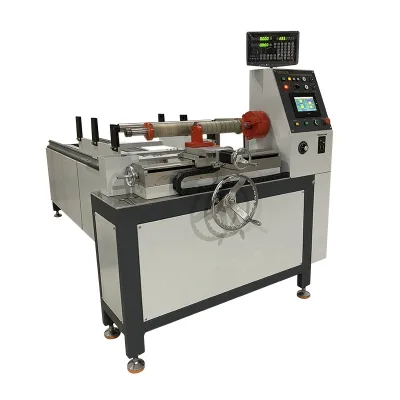
$11927.00
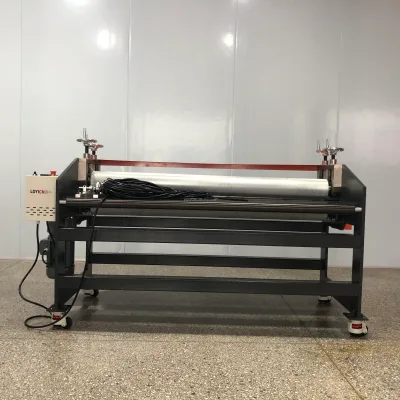
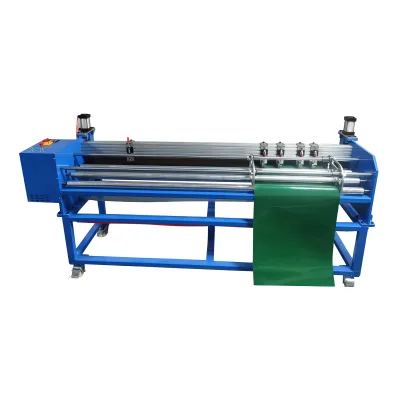
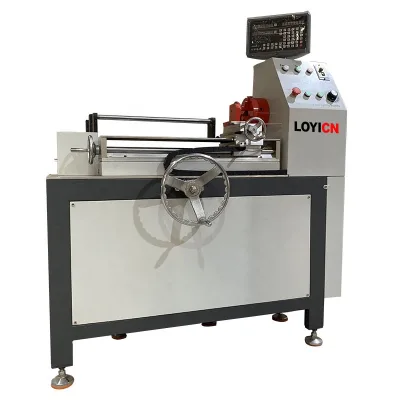
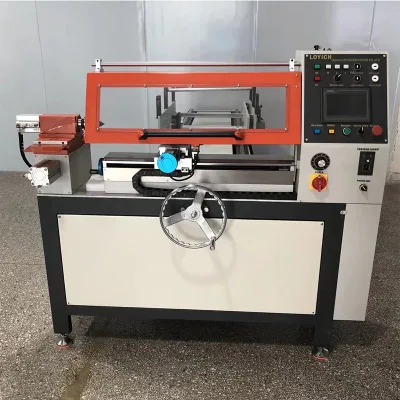
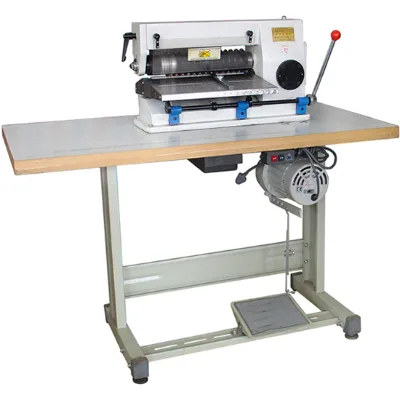
Automatic Strip Cutting Machine for Transmission Belts Rubber Processing Machinery
$11170.3358
MOQ: 1 Minimum

Wenzhou HOLO Industrial EQP Manufacturing Co., Ltd.
- Verified by TUVRHEINLAND
- Trading Company,Manufacturer/Factory
- China Zhejiang
- Lead time15 days
- Avg. response≤ 12h
Main productsV Belt, PU Synchronous Belt, PVC Conveyor Belt, Rubber Tube, PVC Conveyor Belt Joint Machine, Shaft Rubber Tube, Finger Punch Machine, Air Cooling Splice Press, Water Cooling Splice Press, Belt Piy Separator
Main marketsSouth America,Eastern Europe,Mid East,North America,Southeast Asia,Eastern Asia,Oceania,Western Europe,Africa


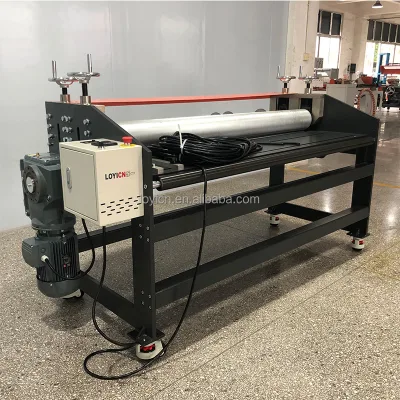
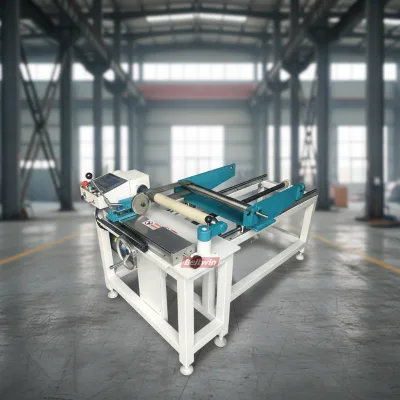
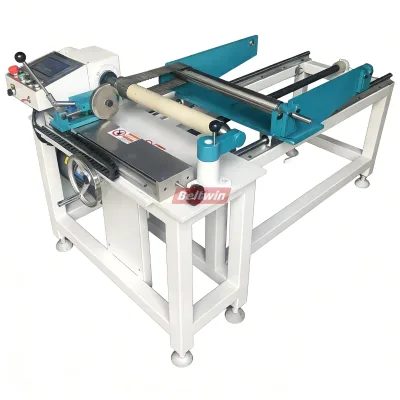
Slitter Equipment Conveyor Belt Cutting Machine 2000mm Width Belt Cutting
$3988.00 - $5504.00
MOQ: 1 Sets
Henan Share M&E Equipment Co.,Ltd
- Verified by SGS Group
- Trading Company
- Lead time7 days
- Avg. response≤ 3h
Main productsTextile Machinery, Printing Machinery, Construction Machinery, Wood Machinery
Main marketsNorth America(20%), South America(20%), Eastern Europe(10%)
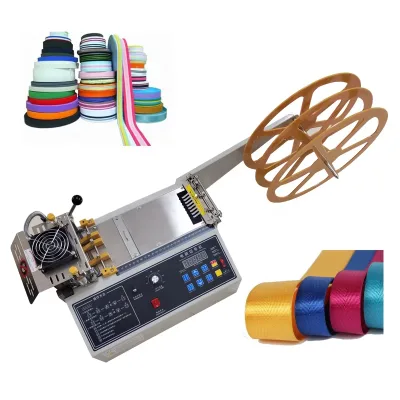
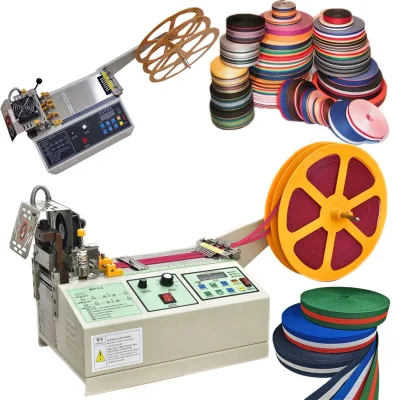
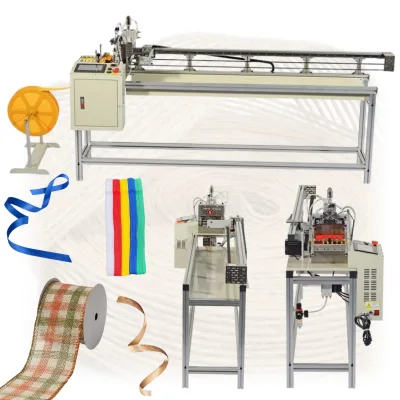
Hot Automation Multi Functional Knife Ribbon Cutter Timing Belt Cutting Label Cutting Machine
$417.2709 - $469.4298
MOQ: 1 sets
Jiangsu Xianhe Machinery Manufacturing Co., Ltd.
- Manufacturer, Trading Company
- Jiangsu, China
- Lead time25 days
- Avg. response≤ 10h
Main productsLaminating Machine,Cutting Machine,Moulding Machine
Main marketsSoutheast Asia(39.00%), Domestic Market(30.00%), South Asia(25.00%), Africa(2.00%), Eastern Europe(2.00%), Central America(1.00%), South America(1.00%)
Zhengzhou Jawo Machinery Co., Ltd.
- Trading Company
- Henan, China
- Lead time10 days
- Avg. response≤ 6h
Main productsFruit and vegetable processing machine,Grain processing machine,Meat processing machines,Drying Machines,Building Machines
Main marketsNorthern Europe(15.00%), Mid East(10.00%), Western Europe(10.00%), Oceania(9.00%), Eastern Europe(8.00%), South America(8.00%), North America(8.00%), South Asia(6.00%), Southeast Asia(6.00%), Africa(6.00%), Southern Europe(5.00%), Eastern Asia(5.00%), Domestic Market(2.00%), Central America(2.00%)
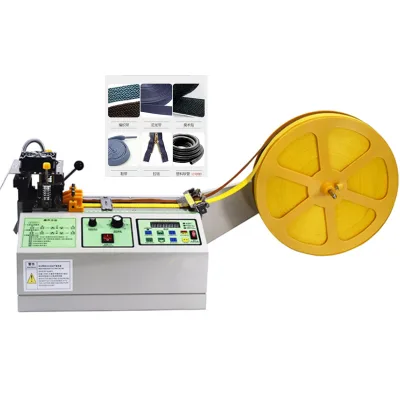
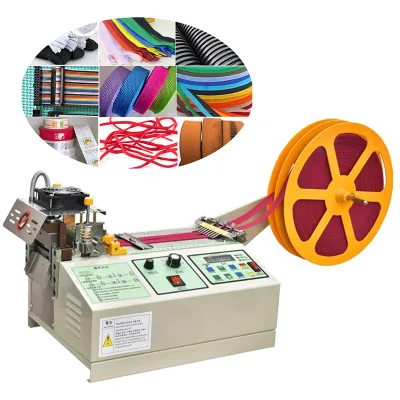
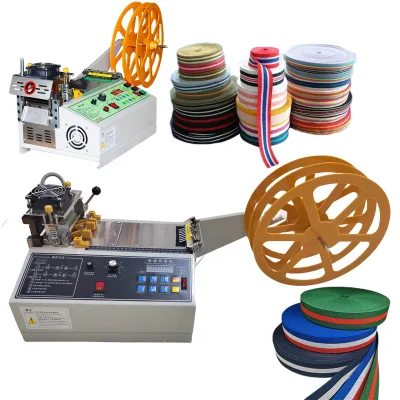
High Efficiency Hot Cut Satin Ribbon Cutting Machine Belt Cutting Machine
$202.8756 - $407.799
MOQ: 1 sets
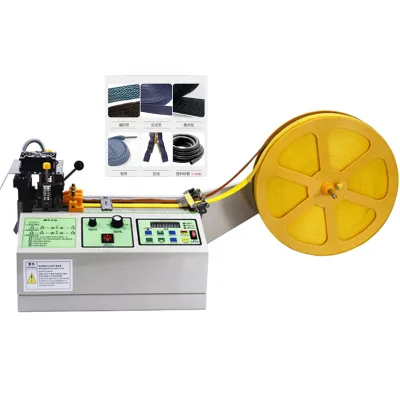
Commercial Machine Cut Tape Timing Belt Cutting Machine Leather Belt Cutting Machine
$203.5722 - $409.1997
MOQ: 1 sets
Zhengzhou Share Machinery Co., Ltd.
- Trading Company
- Lead time旺季: "1 - 1":7,"> 1":"To be negotiated", 淡季: "1 - 1":7,"> 1":"To be negotiated"
- Avg. response≤ 3h
Main productsConstruction Machinery/Industrial Machinery/Printing Machinery

Shanxi Jingwei Chemical Fiber Machinery Co.,Ltd
- Verified by BV
- Combined
- China Shanxi
- Lead time15 days
- Avg. response≤ 18h
Main productsgear pump
Main marketsOthers(foreignTradeCapacity.exportBusinessCapacityMarketOther),Domestic
Yancheng Gsb Industrial Co., Ltd.
- Manufacturer, Trading Company
- Jiangsu, China
- Lead time0 days
- Avg. response≤ 7h
Main productshydraulic cutting machine,shoe machinery,sewing machine,electronic machine
Main marketsSouth Asia(10.00%), Eastern Asia(10.00%), Mid East(10.00%), Africa(10.00%), Southeast Asia(10.00%), Northern Europe(10.00%), South America(10.00%), North America(10.00%), Western Europe(5.00%), Southern Europe(5.00%), Eastern Europe(5.00%), Central America(5.00%)

Nanjing Geekung Hydraulic Machinery Co., Ltd.
- Verified by BV
- Trading Company
- China Anhui
- Lead time30 days
- Avg. response≤ 6h
Main productsRubber Hydraulic Press, Vacuum Rubber Vulcanizing Machine, Rubber&Silicone Injection Moulding Machine, Platen Press Vulcanizing Machine, Transfer Type Rubber Molding Machine, Rubber&Silicone Compression Moulding Press
Main marketsEurope

Rubber Sheet Cutting Machine/Rubber Roll Cutting Machine/Rubber Belt Cutting Machine
$3500.00 - $10500.00
MOQ: 1 set

Rubber Cutting Machine / Rubber Belt Cutting Machine /Rubber Roll Cutting Machine
$3800.00 - $10000.00
MOQ: 1 Sets
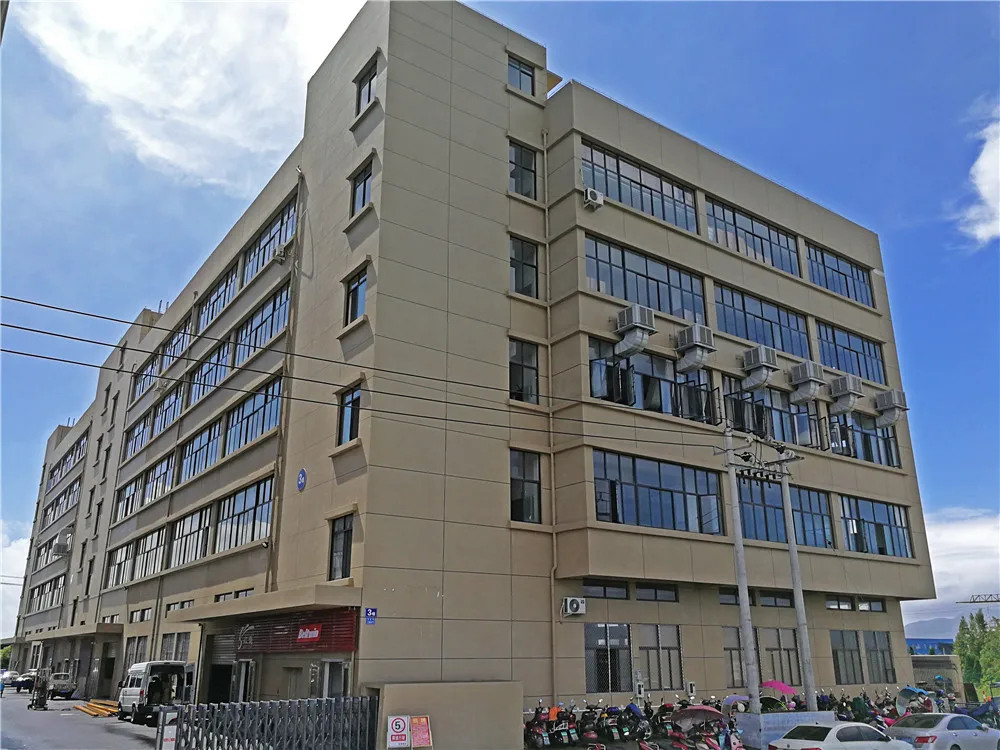
WENZHOU HOLO INDUSTRIAL EQP MFG CO., LTD.
- Manufacturer, Trading Company
- Zhejiang, China
- Lead time20 days
- Avg. response≤ 10h
Main productsConveyor Belt Splicing Press,Rubber Belt Vulcanizer,Belt Ply Separator,PVC Belt Cutting Machine,PVC Belt Finger Puncher
Main marketsDomestic Market(20.00%), Northern Europe(10.00%), Western Europe(10.00%), North America(10.00%), South America(7.00%), South Asia(5.00%), Southern Europe(5.00%), Southeast Asia(5.00%), Central America(5.00%), Eastern Europe(5.00%), Eastern Asia(5.00%), Mid East(5.00%), Oceania(5.00%), Africa(3.00%)
Foshan Wenmei Machinery Technology Co., Ltd.
- Trading Company, Agent, Distributor/Wholesaler
- Guangdong, China
- Lead time3 days
- Avg. response≤ 9h
Main productsShoe machine,sewing machine,Gluing Machine,Leather making machine,Belts making machine
Main marketsDomestic Market(60.00%), Southeast Asia(15.00%), Eastern Asia(8.00%), Southern Europe(6.00%), Northern Europe(6.00%), Africa(5.00%)
Henan Jinfuda Trading Co., Ltd.
- Trading Company
- Lead time旺季: "1 - 1":14,"> 1":"To be negotiated", 淡季: "1 - 1":14,"> 1":"To be negotiated"
- Avg. response≤ 3h
Main productsFruit Vegetables Processing Machines, Meat Processing Machines, Bakery Pastry Processing Machines, Snack Processing Machines, Packaging Machines
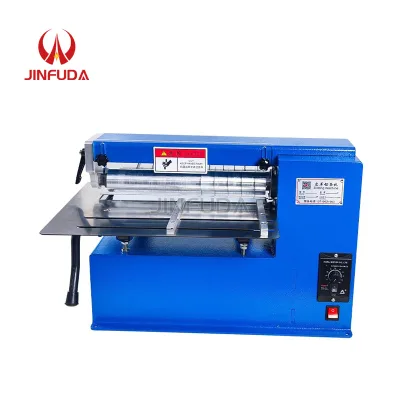
Industrial Manufacturing Belt Cutting Machine with Folding Leather Cut Into Strips
$510.00 - $570.00
MOQ: 1 sets
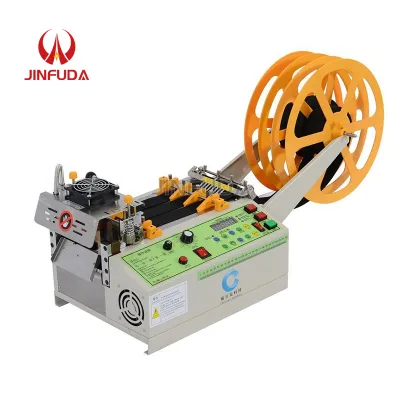
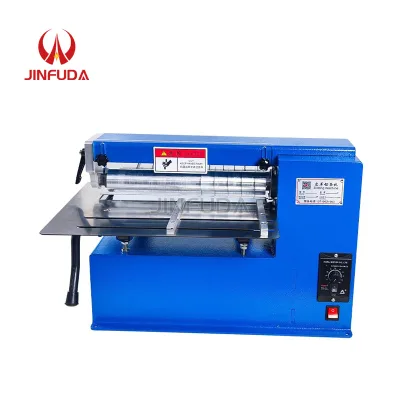
Leather Strap Strip Belt Cutting Machine and Tape Folding Machine for Sale
$510.00 - $570.00
MOQ: 1 sets

Qingdao Boria Machinery Manufacturing Co., Ltd.
- Combined
- China Shandong
- Lead time30 days
- Avg. response≤ 2h
Main productsRubber Vulcanizing Press, Rubber Tile Making Machine, Rubber Sheet Cooling Machine, Batch off Cooler, Rubber Mixing Mill, Rubber Compound Production Line, Two Roll Mill, Open Mixing Mill, Conveyor Belt Vulcanizing Machine, Waste Tyre Recycling Equipment
Main marketsSouth America,Africa,Southeast Asia/ Mideast,East Asia(Japan/ South Korea),Domestic,Europe,Australia,North America


$2000.00 - $10000.00
MOQ: 1 Sets

iSharp Abrasives Tools Science Institute
- Combined
- China Henan
- Lead time15 days
- Avg. response≤ 15h
Main productsCutting Disc Cutting Disc Making Machine, Abrasive Disc Cutting Wheel Making Machine, Grinding Wheel Grinding Wheel Making Machine, Abrasive Wheel Abrasive Wheel Making Machine, Flap Disc Machine Flap Disc Making Machine, Flap Wheel Machine Flap Wheel Making Machine, Abrasive Belt Skiving Machine, Abrasive Belt Slitting Machine, Abrasive Belt Press Machine, Honing Stone Grinding Stick Dress Stick
Main marketsSouth America,Africa,Southeast Asia/ Mideast,East Asia(Japan/ South Korea),Domestic,Europe,Australia,North America
Qingdao Blade Network Technology Co., Ltd.
- Trading Company
- Shandong, China
- Lead time0 days
- Avg. response≤ 6h
Main productsLift Tables,Hoists,Crane,Forklift,Industrial Machinery
Main marketsNorth America(40.00%), Mid East(15.00%), Southeast Asia(15.00%), Eastern Europe(15.00%), Central America(10.00%), South Asia(5.00%)

Shandong Zeye Machine Tool Manufacturing Co., Ltd.
- Verified by BV
- Combined
- China Shandong
- Lead time120 days
- Avg. response≤ 1h
Main productsSlitting Line, Cut to Length Line, Moving Cut to Length Machine, Slitting and Cut to Length Line, Slitting & Cut to Length Compound Line, Decoiler Machine, Steel Coil Slitting Line, Steel Coil Rotary Shear, Combined Line
Main marketsSoutheast Asia/ Mideast,Domestic,Europe

Jinan Eagle CNC Machine Co., Ltd.
- Combined
- China Shandong
- Lead time120 days
- Avg. response≤ 5h
Main productsCut to Length Line, Slitting Line, Rotary Shear, Rotary Shear Cut to Length Line, Flying Shear Line, Flat Bar Cutting Production Line, Slitting & Cut to Length Combined Line, Tension Leveling Line, Recoiling Line, Levelling Machine
Main marketsSouth America,Southeast Asia/ Mideast,Europe
Zhengzhou Hanchuang Machinery Co., Ltd
- Trading Company
- Henan, China
- Lead time20 days
- Avg. response≤ 2h
Main productsPeeling machine,vegetable processing machine,meat processing machine,potato sorting machine,food sterilizer machine
Main marketsSouth Asia(35.00%), Southeast Asia(20.00%), Mid East(15.00%), Africa(15.00%), North America(10.00%), Eastern Asia(5.00%)

Changzhou CONOVO CNC Tech. Co., Ltd.
- Verified by BV
- Combined
- China Jiangsu
- Lead time30 days
- Avg. response≤ 20h
Main productsFiber laser cutting equipment, Water-guided laser cutting equipment
Main marketsDomestic

Tianjin Glory Tang New Material Co., Ltd.
- Verified by SGS
- Trading Company
- China Tianjin
- Lead time15 days
- Avg. response≤ 5h
Main productsYarn, Fiber, Nonwoven, Boppfilm, BOPET Film, Polyester Yarn, Plugging Agent, Defoamers, Fabric, Eco-Friendly Nonwoven Fabric
Main marketsSouth America,Others(foreignTradeCapacity.exportBusinessCapacityMarketOther),Southeast Asia/ Mideast,East Asia(Japan/ South Korea),Europe,North America

Jiangsu Bozhiwang Automation Equipment Co., Ltd.
- Verified by TUVRHEINLAND
- Combined
- China Jiangsu
- Lead time15 days
- Avg. response≤ 10h
Main productsCrimping Machine, Stripping Machine, Automatic Terminal Machine, Tinning Machine, Wire Tying Machine, Wire Marking Machine, Applicator, Wire Inspecting Machine, Tensile Testing Machine
Main marketsSouth America,Africa,Others(foreignTradeCapacity.exportBusinessCapacityMarketOther),Southeast Asia/ Mideast,East Asia(Japan/ South Korea),Domestic,Europe,Australia,North America
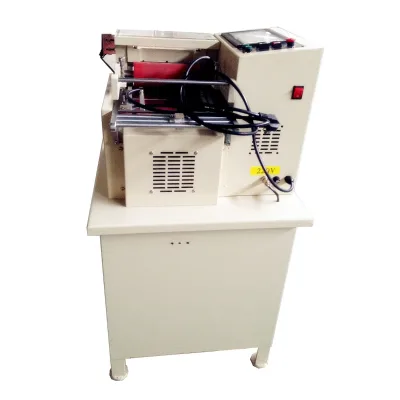


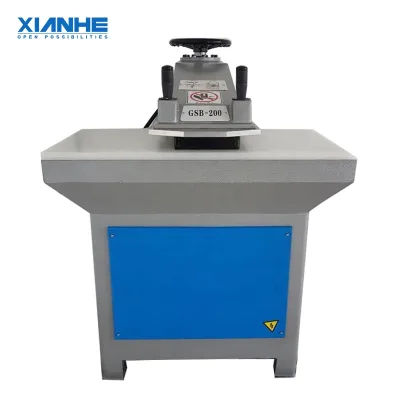
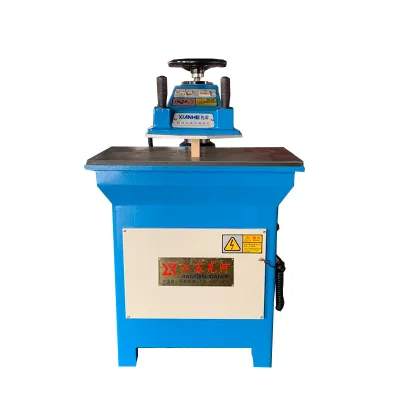
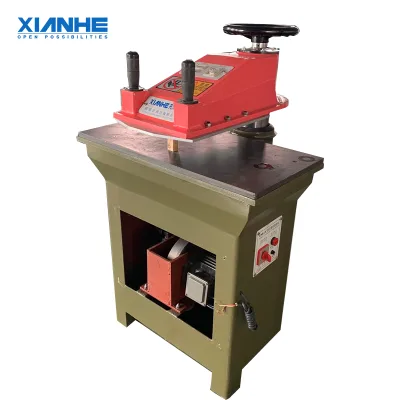


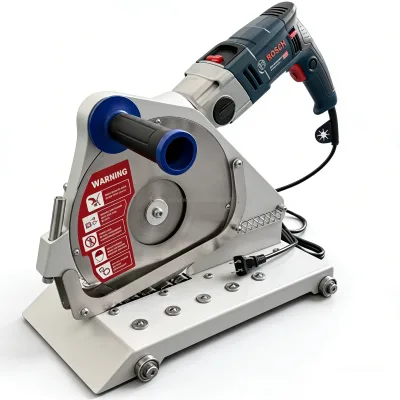
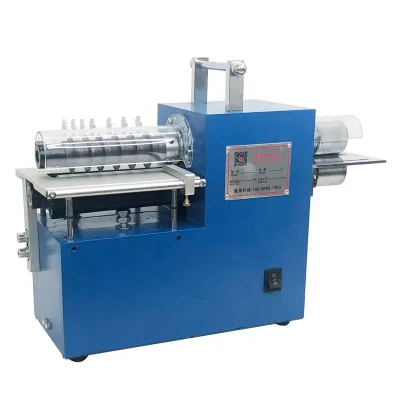
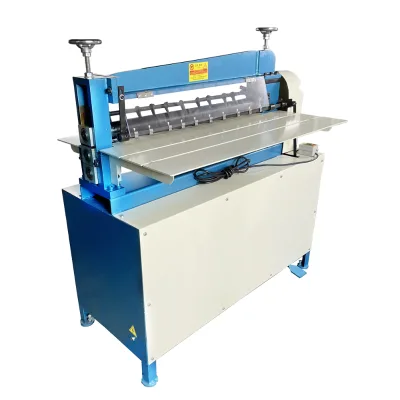


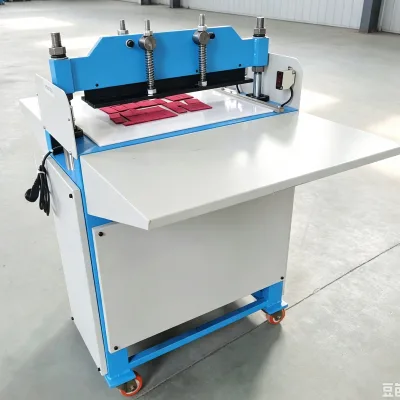




Comprehensive Sourcing Guide
CE Belt Cutting Machine Supplier Concentration and Factory Types
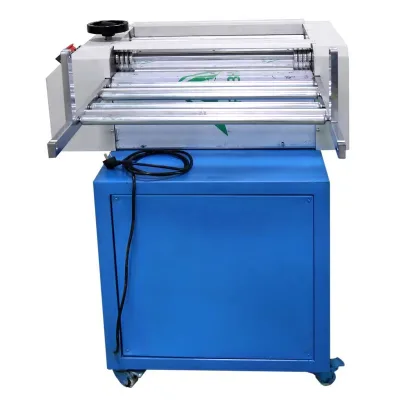
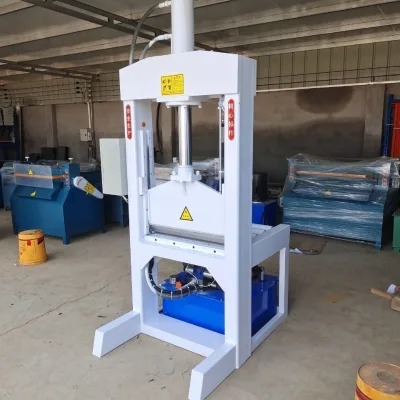
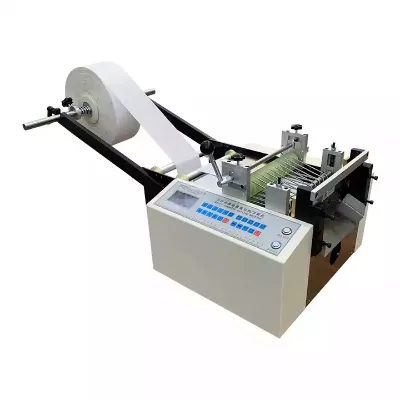
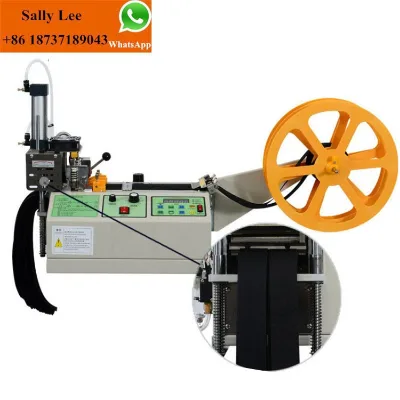
The current supplier landscape for CE Belt Cutting Machine equipment reveals a mix of manufacturing entities and trading companies operating within the industrial machinery sector. Available data indicates that suppliers are categorized as either Manufacturers or Trading Companies, with some entities functioning as Group Corporations or Factory/Manufacturer hybrids. This structural diversity suggests that buyers may encounter direct production facilities alongside intermediaries who aggregate products from multiple sources. The presence of both types requires careful distinction, as manufacturers typically control the production process while trading companies focus on logistics and market access.
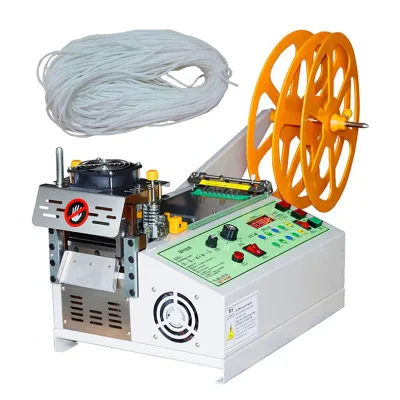
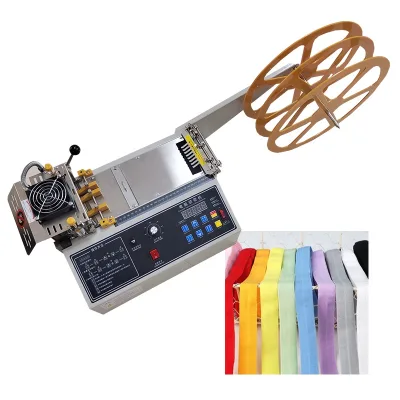
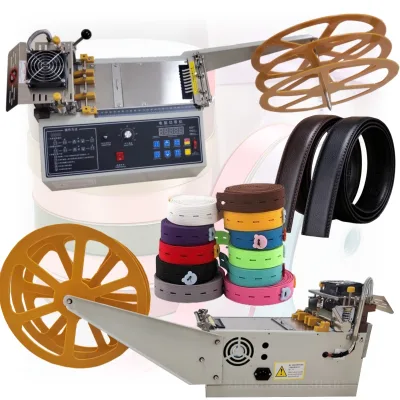
Specific product evidence points to manufacturers specializing in leather, rubber, and timing belt cutting solutions, often listing core components like PLCs and motors. Some suppliers highlight extensive experience, such as twenty years of manufacturing history, while others emphasize customization capabilities including OEM and ODM services. The main product lists vary significantly, ranging from die-cutting and slitting machines to specialized rubber vulcanizing presses and conveyor belt machinery. This variation implies that a single supplier might offer a broad portfolio of related industrial equipment rather than a single specialized product line. Buyers must verify whether a specific listing represents a dedicated factory or a trading entity to understand the depth of technical support and production control available for their specific CE Belt Cutting Machine requirements.
How to Verify CE Belt Cutting Machine Suppliers
Verification of CE Belt Cutting Machine suppliers relies heavily on third-party audit reports and specific certification standards rather than self-declared claims. Current data shows that some suppliers have undergone verification by recognized groups such as SGS Group or TÜV Rheinland, which provides a baseline for operational legitimacy. Additionally, system certifications like EN ISO 12100, ISO 9001, and CE ISO are frequently cited in product attributes, indicating adherence to safety and quality management protocols. Buyers should prioritize suppliers who can provide machinery test reports and video outgoing-inspection documentation, as these serve as tangible proof of product functionality and compliance before shipment.
Beyond certifications, the response time and lead time metrics offer insight into supplier reliability and operational efficiency. Data indicates response times can vary, with some suppliers responding within six hours while others may take up to twenty-five hours. Lead times for production and delivery also differ, with observed ranges extending from thirty to thirty-eight days. These metrics are critical for planning procurement schedules and assessing the supplier's capacity to handle urgent orders. Buyers should cross-reference these response and lead time figures against their own project timelines to ensure the supplier can meet delivery expectations. Furthermore, checking for specific after-sales services like field installation, commissioning, and video technical support helps confirm the supplier's commitment to long-term operational support.
What to Compare Across CE Belt Cutting Machine Suppliers
When evaluating CE Belt Cutting Machine options, buyers must compare key commercial and technical dimensions including price ranges, minimum order quantities, and supply abilities. Product data reveals significant price variations, with some models listed between approximately fifteen hundred and four thousand six hundred dollars, while others are priced around five thousand dollars. The minimum order quantity (MOQ) appears flexible in some cases, with a single item being acceptable, whereas supply abilities range from fifty to one hundred sets per month. These figures directly impact the total cost of ownership and the feasibility of small-batch testing versus large-scale deployment.
Technical specifications and customization capabilities form another critical comparison point. Attributes such as cutting precision, speed, and material thickness tolerance vary across listings, with some machines offering precision down to 0.05 mm and speeds up to 120 cuts per minute. Core components like PLCs and motors are standard, but the specific brands and configurations may differ. Buyers should also compare warranty periods, which are often listed as twelve months, and the scope of after-sales service, including free spare parts and field maintenance. Additionally, the availability of customized solutions, such as graphic processing or on-demand modifications, allows buyers to tailor the machinery to specific production needs. Comparing these detailed attributes ensures the selected machine aligns with both technical requirements and budget constraints.
Common CE Belt Cutting Machine Sourcing Risks
One significant risk in sourcing CE Belt Cutting Machine equipment involves the potential mismatch between advertised specifications and actual product performance. While product attributes list precise cutting tolerances and speeds, buyers must verify these claims through independent testing or video inspections before finalizing orders. The reliance on third-party test reports and video outgoing-inspection services is essential to mitigate the risk of receiving machinery that does not meet the stated performance standards. Without such verification, there is a possibility that the core components or cutting mechanisms may not function as expected in a real-world production environment.
Another risk pertains to the variability in lead times and response speeds among different suppliers. Data shows response times ranging from six to twenty-five hours and lead times from thirty to thirty-eight days. If a buyer does not account for these variations, they may face production delays or inventory shortages. Furthermore, the distinction between manufacturers and trading companies can lead to communication gaps or reduced technical support if the intermediary lacks deep engineering knowledge. Buyers should also be cautious of warranty terms that may vary in scope, ensuring that after-sales services like field installation and repair are clearly defined. Understanding these risks allows buyers to structure contracts that protect their interests and ensure reliable machine operation.
CE Belt Cutting Machine Regional Sourcing and Logistics
Regional sourcing for CE Belt Cutting Machine equipment often centers on specific manufacturing hubs in China, such as Jiangsu, Shandong, and Qingdao. Product evidence indicates that machines originate from these locations, with dispatch ports typically located in Shanghai. Buyers should verify the specific place of origin for each supplier to understand the logistics chain and potential shipping costs. The concentration of suppliers in these regions suggests established supply chains and infrastructure, which can facilitate smoother transportation and customs clearance processes. However, buyers must confirm the exact location to avoid assumptions about regional capabilities or local support networks.
Logistics planning must also account for packaging and shipping requirements, as industrial machinery often requires specialized handling. Product attributes frequently mention wooden case packing or wooden case packing details, which are crucial for protecting the equipment during transit. The dimensions of the machines, such as 600x700x1000mm or 700x700x1100mm, influence the choice of shipping containers and freight methods. Buyers should calculate the total volume and weight, noting that some units weigh up to 200 kg, to determine the most cost-effective shipping solution. Additionally, understanding the port of dispatch helps in coordinating with freight forwarders and ensuring that the machinery arrives at the destination facility in optimal condition.
CE Belt Cutting Machine Commercial Terms and Order Planning
Commercial terms for CE Belt Cutting Machine orders include pricing structures, payment conditions, and warranty provisions that must be clearly defined before purchase. Price ranges observed in the market vary significantly, with some models starting around fifteen hundred dollars and others reaching five thousand dollars. Buyers should negotiate based on the specific model, customization level, and order volume to secure favorable terms. The minimum order quantity of one unit allows for flexibility in testing, but larger orders may qualify for better pricing or extended supply capabilities. Understanding these commercial variables is essential for accurate budgeting and financial planning.
Order planning should also incorporate lead times and after-sales service commitments to ensure a smooth procurement process. With lead times ranging from thirty to thirty-eight days, buyers need to schedule their production cycles accordingly to avoid bottlenecks. Warranty periods of twelve months are common, but the scope of coverage, including spare parts and technical support, should be explicitly detailed in the contract. Buyers should also verify the supplier's ability to provide video technical support and online assistance, which are critical for troubleshooting issues post-delivery. By carefully aligning commercial terms with operational needs, buyers can minimize risks and ensure a successful acquisition of CE Belt Cutting Machine equipment.
FAQs
What is the price range for CE belt cutting machines?
Prices for CE belt cutting machines typically range from approximately $1,539 to $5,000 per unit. Specific costs depend on the machine type, such as leather, rubber, or timing belt cutters. Buyers should verify exact pricing based on their required specifications and order volume to ensure accurate budgeting.
What is the minimum order quantity for these machines?
The minimum order quantity is generally one unit for most CE belt cutting machines. This low MOQ allows buyers to test equipment quality before committing to larger orders. It is advisable to confirm specific supplier terms, as some manufacturers may have different requirements for customized or bulk industrial machinery purchases.
How long does delivery usually take for these machines?
Standard lead times for CE belt cutting machines are typically around 30 to 38 days. This timeframe covers production and preparation for shipment. Buyers should confirm exact delivery schedules with suppliers, as lead times may vary based on customization needs, stock availability, and specific manufacturing capacity constraints.
What certifications do these belt cutting machines hold?
Most CE belt cutting machines carry CE and ISO certifications, ensuring compliance with international safety and quality standards. Some suppliers also provide EN ISO 12100 system certifications. Buyers should verify specific certification documents, such as machinery test reports or video outgoing inspections, to confirm compliance with their local regulatory requirements.
What after-sales support is provided for these machines?
Suppliers typically offer comprehensive after-sales support, including free spare parts, online support, and video technical assistance. Many also provide field installation, commissioning, training, and maintenance services. Buyers should confirm the specific warranty period, which is often 12 months, and verify the availability of remote troubleshooting capabilities for operational continuity.
Where are these belt cutting machines manufactured?
These machines are primarily manufactured in China, with specific origins including Jiangsu, Shandong, and Qingdao regions. Buyers can verify the exact place of origin for each model, as manufacturing locations may vary by supplier. Understanding the origin helps in assessing logistics costs, supply chain reliability, and regional manufacturing standards.