Poultry Farming Pressure Regulator Suppliers and Manufacturers
Source Poultry Farming Pressure Regulator options from 22 verified suppliers. Compare key dimensions including lead times, MOQs, certifications, and response rates. Review product specifications and request quotes to streamline your procurement process; review the available evidence before requesting comparable quotations from suitable candidates.
Updated
Suppliers List

Zhejiang Kangrui Apparatus Technology Co., Ltd.
- Verified by BV
- Combined
- China Zhejiang
- Lead time30 days
- Avg. response≤ 14h
Main productsSyringe, Needle, Ear Tag, Applicator, Veterinary, Drencher, Drinker, Feeder, Ai Equipments, Feeding Equipments
Main marketsSouth America,Southeast Asia/ Mideast,Domestic,Europe,Australia,North America


Farm Poultry Use Plastic Water Pressure Regulator Valve for Birds Drinking
$6.11 - $6.42
MOQ: 200 Pieces

Automatic & Adjusting Poultry Drinking Lines Chicken Water Pressure Regulator
$7.86 - $8.25
MOQ: 200 Pieces

Poultry Automatic Drinking Water System Chicken Plastic Water Pressure Regulator
$6.11 - $6.42
MOQ: 200 Pieces


Farm Drinking Equipment Chicken Cage Water Pressure Regulator Valve Price
$7.86 - $8.25
MOQ: 200 Pieces
Gaotang Yitong Import And Export Trade Co., Ltd.
- Verified by TüVRheinland
- Trading Company
- Lead time0 days
- Avg. response≤ 6h
Main productsPig Farming Equipment, Chicken Farming Equipment, Casual Hunting Products, Farm Equipment
Main marketsSouth America(30%), Southeast Asia(25%), North America(10%)

Qingdao Baichen Husbandry Co., Ltd.
- Verified by TUVRHEINLAND
- Trading Company
- China Shandong
- Lead time15 days
- Avg. response≤ 1h
Main productsPoultry Farm Equipment, Breeder Suspension Chain Feeding System, Breede Pan Feeding System, Poultry Steel Prefab House, Breede Egg Nest, Broiler Equipment
Main marketsOthers(foreignTradeCapacity.exportBusinessCapacityMarketOther),Europe
Cangzhou Phoenix Breeding Equipment Co., Ltd.
- Manufacturer, Trading Company
- Hebei, China
- Lead time15 days
- Avg. response≤ 2h
Main productsChicken nipple drinker,Poultry drinking system,Chicken feeding system,Poultry farm equipment,Chicken transport cages
Main marketsDomestic Market(40.00%), Southeast Asia(20.00%), North America(10.00%), Eastern Asia(10.00%), South America(10.00%), Mid East(5.00%), Africa(5.00%)

Qingdao Farm Lyric Agri-tech Co., Ltd.
- Verified by BV
- Combined
- China Shandong
- Lead time30 days
- Avg. response≤ 4h
Main productsPoultry Farm Equipme, Goat Plastic Slatted Floor, Poultry Feeding System, Grain Silo, Poultry Drinking Line System, Egg Incubator
Main marketsSouth America,Domestic,Europe

Qingdao Agrieso Machinery Company Limited
- Verified by CTI
- Manufacturer/Factory
- China Shandong
- Lead time23 days
- Avg. response≤ 8h
Main productsPoultry Farm Equipment, Chicken Automatic Feeding, Chicken Automatic Drinking, Livestock Ventilation, Poultry Cages
Main marketsSouth America,Eastern Europe,Mid East,North America,Southeast Asia,Eastern Asia,Oceania,Western Europe,Africa

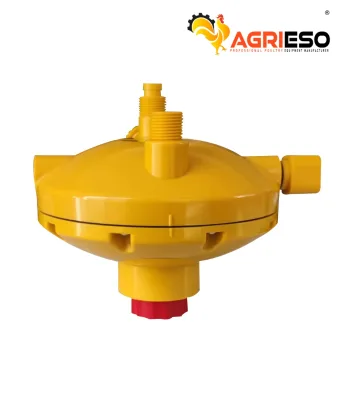
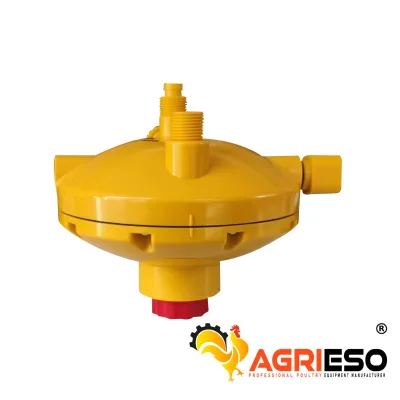
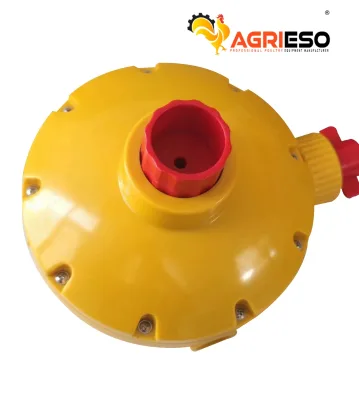
Agrieso Poultry Farming Equipment Nipple Drinking Line Water Pressure Regulator
$15.00 - $23.00
MOQ: 5 Pieces

Agrieso Adjustable Poultry Farming Water Pressure Regulator for Chicken Automatic Drinking System
$15.00 - $23.00
MOQ: 5 Pieces

Agrieso Poultry Farm Automatic Drinking Water System Chicken House Plastic Water Pressure Regulator
$9.00 - $15.00
MOQ: 5 Pieces


Agrieso Automatic Drinker Water Pressure Regulator for Poultry Chicken Farm
$9.00 - $15.00
MOQ: 5 Pieces

Agrieso Adjustable Poultry Water Pressure Regulator for Chicken Nipple Drinking Line
$15.00 - $23.00
MOQ: 10 Pieces
Zhengzhou Zhimuren Machinery Co,, Ltd.
- Verified by SGS Group
- Manufacturer, Trading Company
- Lead time15 days
- Avg. response≤ 6h
Main productsWater bowls for pigs/ cattle and sheep, Cow and sheep milking machine, Ear tag pliers, Ear tag, Water bucket/ Feeder bucket
Main marketsSouth America(25%), Eastern Europe(21%), North America(18%)
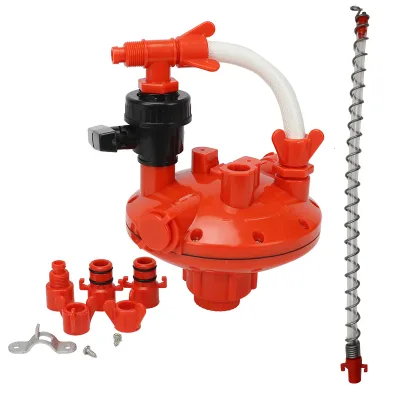
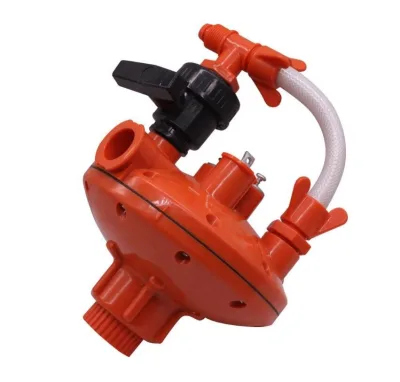
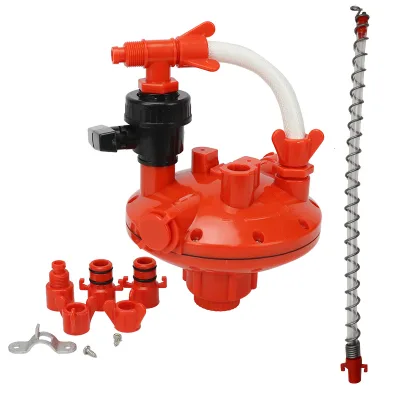
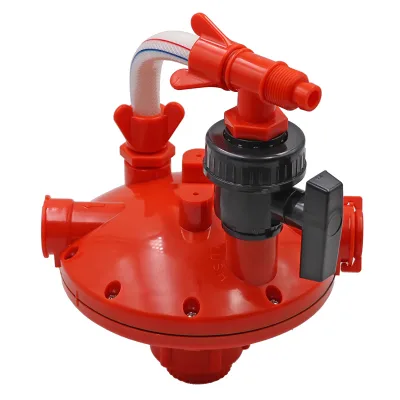
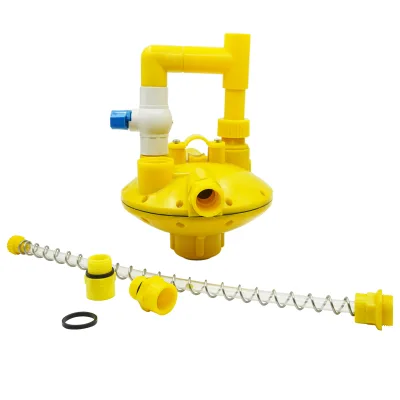
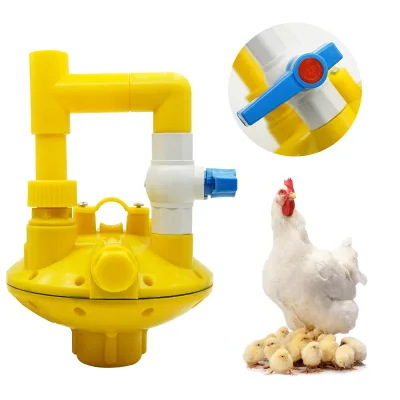
$5.8538 - $6.6752
MOQ: 1 pieces
Zhengzhou Jinhui Agricultural S&T Co., Ltd.
- Verified by SGS Group
- Manufacturer, Trading Company
- Lead time10 days
- Avg. response≤ 2h
Main productsSteel processing, Plastic products, Animal artificial breeding equipment and tools, Automation control systems
Main marketsSoutheast Asia(20%), Mid East(15%), North America(10%)
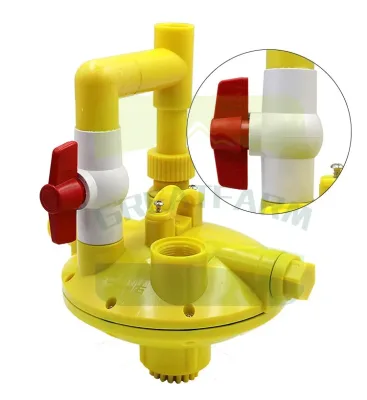
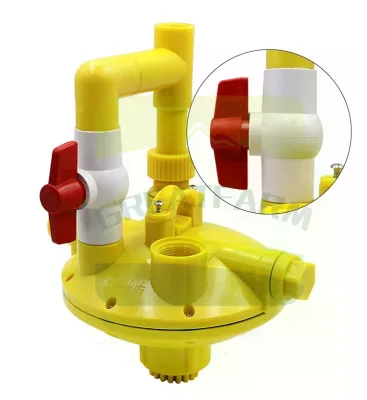
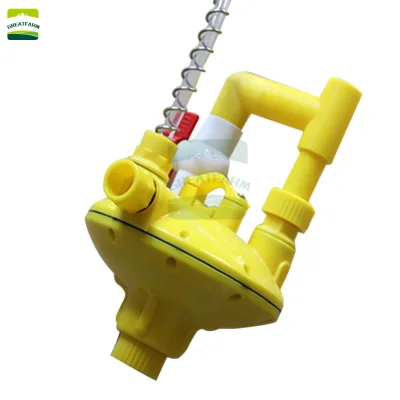
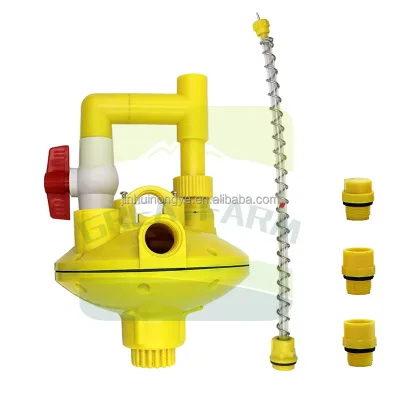
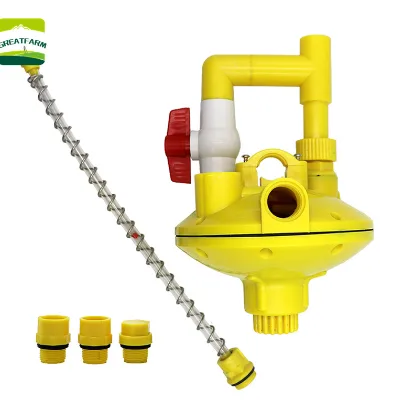
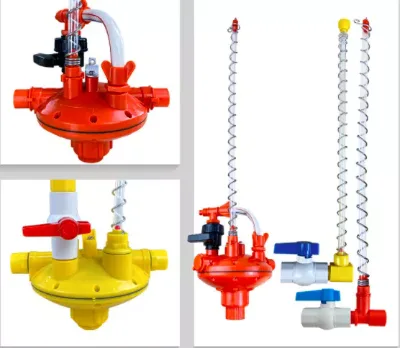
Automatic water line pressure reducing valve for chicken farm Chicken cage water pressure regulator
$6.60 - $7.00
MOQ: 10 sets
Dongguan Yaoshun Spray Technology Co., Ltd.
- Verified by SGS Group
- Trading Company
- Lead time1 days
- Avg. response≤ 2h
Main productsSpray Nozzle, Spray Gun, Fog Machine, Humidifier, Water Pump
Main marketsNorth America(30%), Southeast Asia(15%), Mid East(15%)
Qingzhou Gongle Electric Fan Co., Ltd.
- Verified by Intertek
- Manufacturer, Trading Company
- Lead time15 days
- Avg. response≤ 3h
Main productsVentilation Exhaust Fan, Evaporative Cooling Pad, Industrial Air Cooler, Cow Hanging Fan, Poultry Equipment
Main marketsDomestic Market(38%), Mid East(16%), Southeast Asia(15%)
$6.1695 - $7.1988
MOQ: 1 pieces
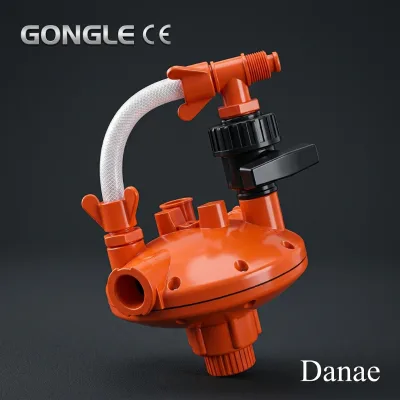
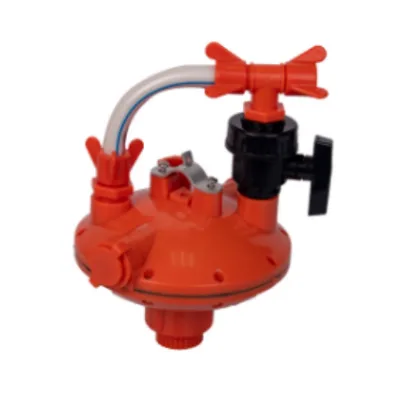
$80.00 - $211.00
MOQ: 20 Minimum
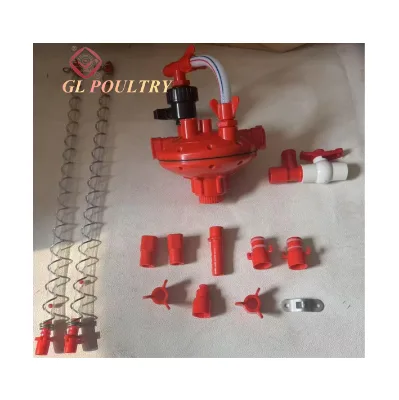
Dezhou Decheng Yuancheng Poultry Equipment Factory
- Manufacturer, Trading Company
- Shandong, China
- Lead time5 days
- Avg. response≤ 6h
Main productspoultry feeders,poultry drinkers,poultry equipment,livestock products,incubator relevant prodcuts
Main marketsMid East(30.00%), North America(10.00%), Africa(10.00%), Southeast Asia(10.00%), Eastern Europe(10.00%), Northern Europe(10.00%), Western Europe(5.00%), Domestic Market(5.00%), Southern Europe(4.00%), Eastern Asia(2.00%), South Asia(2.00%), South America(2.00%)
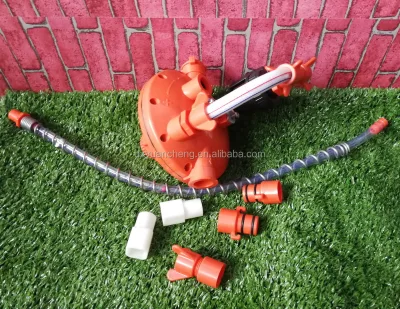
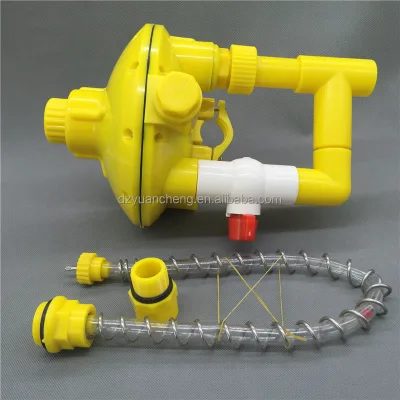
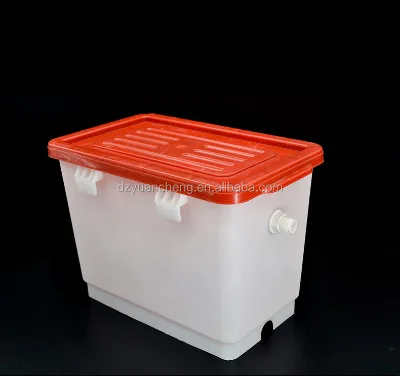
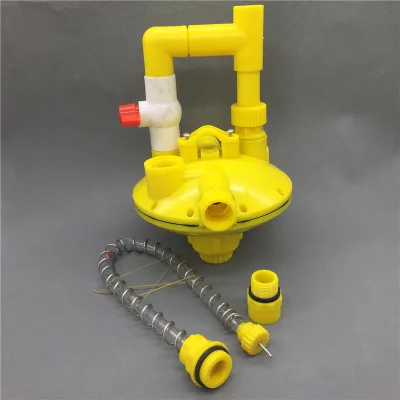
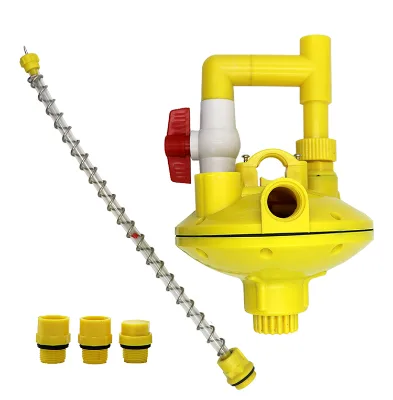
Factory Direct Sale Automatic Poultry Water Pressure Regulator and Water tank
$1.0278 - $3.0818
MOQ: 10 Minimum

Zhengzhou Chuangduo Machinery Manufacturing Co., Ltd.
- Manufacturer, Trading Company
- Henan, China
- Lead time0 days
- Avg. response≤ 1h
Main productsFarming machinery for breeding,Livestock breeding machinery,Feed processing machinery,Poultry Farming Equipment,Pet Supplies
Main marketsSoutheast Asia(20.00%), South America(20.00%), North America(20.00%), Africa(10.00%), Eastern Europe(10.00%)
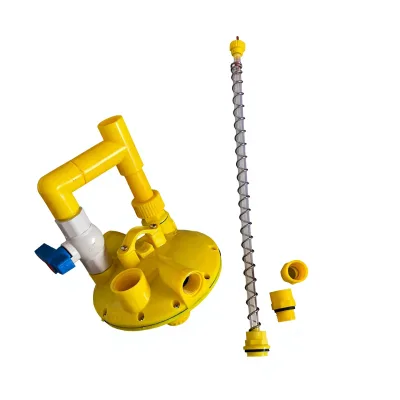
New Automatic Chicken Water Pressure Regulating Valve Poultry Water Pressure Regulator
$16.3288 - $18.3694
MOQ: 1 Minimum
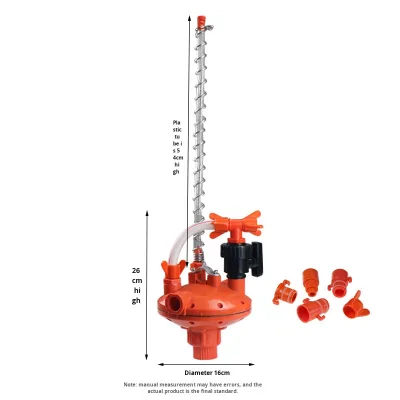
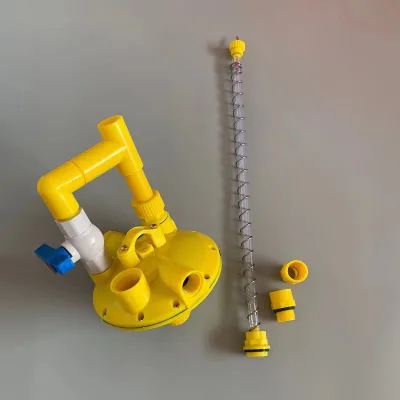
$6.7365 - $7.9602
MOQ: 100 Minimum
Dongguan Geshifeng Metal Products Co., Ltd.
- Manufacturer, Trading Company
- Lead time旺季: "1 - 100":14,"> 100":"To be negotiated", 淡季: "1 - 100":14,"> 100":"To be negotiated"
- Avg. response≤ 3h
Main productsEgg Incubator, Poultry Ear Tag, Poultry Cage, Chicken/Bird Ring, Poultry Feeder And Drinker
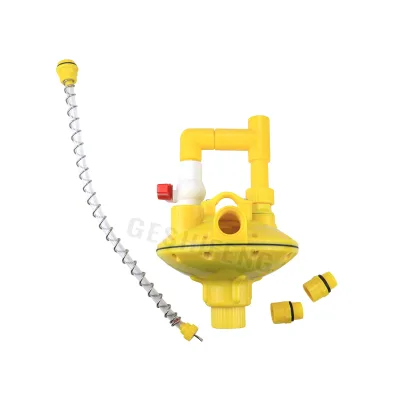
$4.5822 - $4.8889
MOQ: 20 pieces
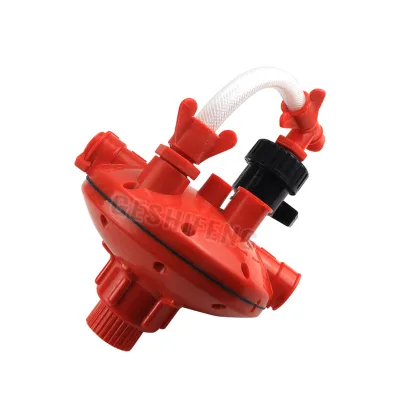
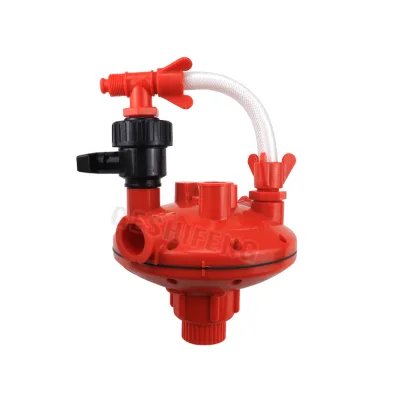
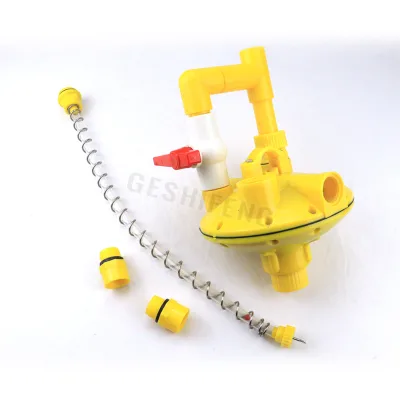

Qingdao Jun and Yuan Technology Co., Ltd.
- Verified by SGS
- Trading Company
- China Shandong
- Lead time30 days
- Avg. response≤ 3h
Main productsChicken Poultry, Poultry Farm, Poultry Feeder, Egg Farm, Ventilation Fan, Pig Farm, Dairy Farm, Duck Cage, Layer Chicken Cage, Poultry Equipment
Main marketsDomestic

Poultry Drinking Line Pressure Control Valve Chicken Water Pressure Regulator
$10.00 - $11.00
MOQ: 10 Pieces


Chicken Farm Poultry Water Line Layer Cage Used Plastic Water Pressure Regulator
$10.00 - $11.00
MOQ: 10 Pieces


Automatic Poultry Broiler Chicken Drinking Water Pressure Regulator System
$4.00 - $5.00
MOQ: 10 Pieces

Cangzhou Hengyun Plastic Industry Co., Ltd.
- Manufacturer, Trading Company
- Hebei, China
- Lead time15 days
- Avg. response≤ 3h
Main productsPlastic slatted flooring,goat plastic tray,chicken cage,chicken feeder,Plastic floor panel
Main marketsSouth Asia(15.00%), Mid East(12.00%), Southeast Asia(10.00%), Africa(9.00%), South America(8.00%), Eastern Europe(7.00%), Eastern Asia(7.00%), Domestic Market(5.00%), Northern Europe(5.00%), Central America(5.00%), North America(5.00%), Oceania(5.00%), Southern Europe(3.00%), Western Europe(3.00%)
Longmu Animal Husbandry Technology (cangzhou) Co., Ltd.
- Trading Company
- Hebei, China
- Lead time20 days
- Avg. response≤ 1h
Main productsAnimal feeder and drinker,chicken feeder,Chicken drinker,Poultry feeding systems,Poultry drinking systems
Main marketsNorth America(30.00%), Southeast Asia(25.00%), South America(10.00%), Southern Europe(5.00%), Northern Europe(5.00%), Western Europe(5.00%), Mid East(5.00%), Oceania(5.00%), Africa(5.00%), Eastern Europe(5.00%)
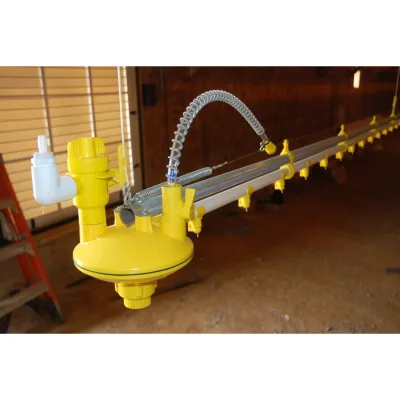
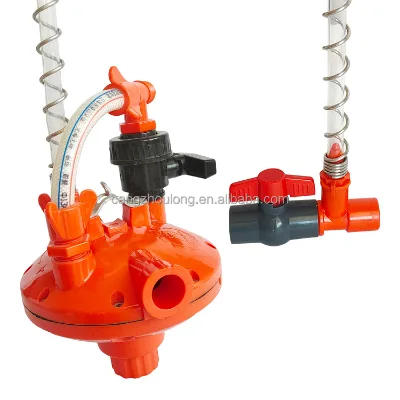
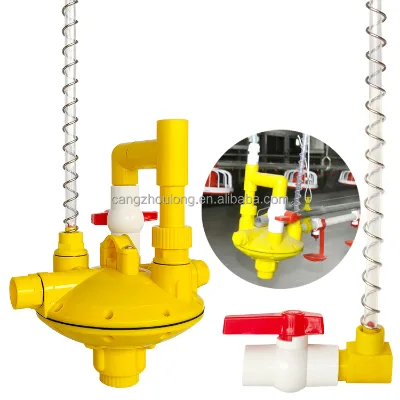
YTU LML19 Poultry Farm Water Drinking Line System Middle Chicken Water Pressure Regulator
$3.00 - $12.00
MOQ: 1 Minimum
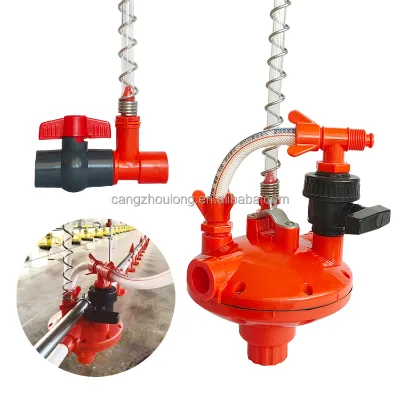
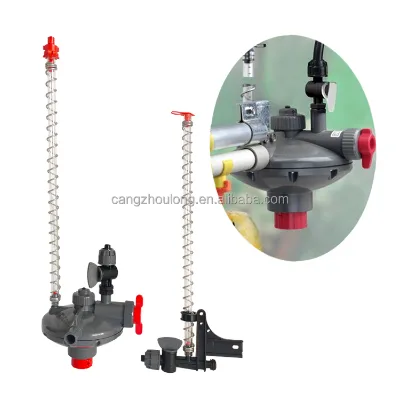
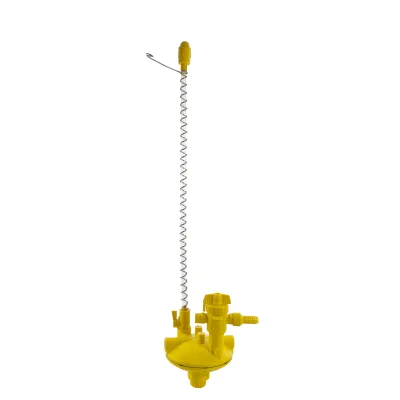
$22.7766 - $27.9543
MOQ: 10 Minimum
Dezhou Tongda Incubation Equipment Factory
- Manufacturer, Trading Company
- Shandong, China
- Lead time3 days
- Avg. response≤ 10h
Main productsincubator,hatchery,farm equipment,poultry equipment,plucker machine
Main marketsAfrica(60.00%), Mid East(10.00%), Southeast Asia(5.00%), North America(5.00%), Western Europe(3.00%)
Qingdao Agrieso Machinery Company Limited
- Verified by TüVRheinland
- Manufacturer, Trading Company
- Lead time10 days
- Avg. response≤ 4h
Main productsAutomatic Nipple Drinking Line Equipment, Automatic Feeding Line Equipment, Ventilation Exhaust Fans Cooling Pads And Heaters Equipment, Poultry Farm Plastic Products, Automatic Chicken Cage System
Main marketsSouth America(35%), Mid East(30%), Southeast Asia(20%)
Shandong Lianrun Machinery Co., Ltd.
- Verified by TüVRheinland
- Manufacturer, Trading Company
- Lead time10 days
- Avg. response≤ 3h
Main productsExhaust Fan, Cooling Pad Wall, Air Cooler, Silo, Poultry Euipment
Main marketsSoutheast Asia(50%), South America(10%), Africa(10%)

Shandong Lufeng Intelligent Equipment Co., Ltd.
- Verified by TUVRHEINLAND
- Combined
- China Shandong
- Lead time15 days
- Avg. response≤ 2h
Main productsDrop Hammer Fan, Push Pull Fan, Cooling Pad, Air Circulation Fan, Air Cooler, FRP Cone Fan, Automatic Chicken System, Exhaust Fan, Butterfly Cone Fan, Cow Hanging Exhaust Fan
Main marketsSoutheast Asia/ Mideast

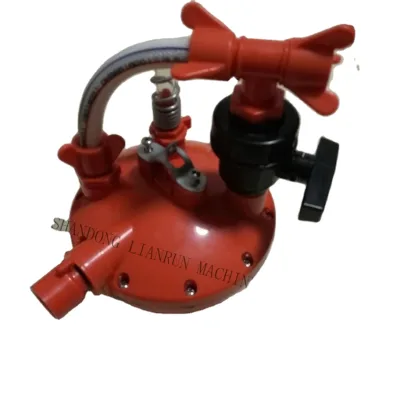
Poultry Pressure Regulator for Automatic Poultry Chicken/Duck/Pig Drinking System
$0.70 - $200.00
MOQ: 1 Pieces

High Quality Pressure Regulator for Broiler Chicken Water Line Poultry Drinking System
$0.70 - $200.00
MOQ: 1 Pieces
Foshan Shunde Maoduoyu Trading Co., Ltd.
- Manufacturer, Trading Company, Distributor/Wholesaler
- Guangdong, China
- Lead time0 days
- Avg. response≤ 1h
Main productsIndustrial machinery,Commercial machinery,Packaging machinery,Filling machinery,Food machinery
Main marketsNorth America(50.00%), Southeast Asia(10.00%), Mid East(10.00%), Central America(10.00%), Domestic Market(5.00%), Western Europe(5.00%), Northern Europe(3.00%), South Asia(2.00%), Oceania(1.00%), Eastern Asia(1.00%), Eastern Europe(1.00%), South America(1.00%), Africa(1.00%)
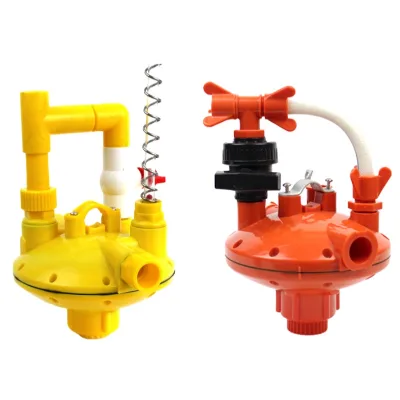
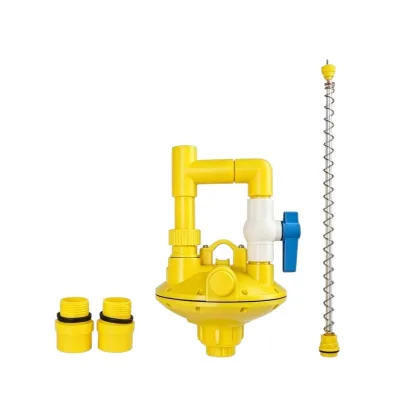
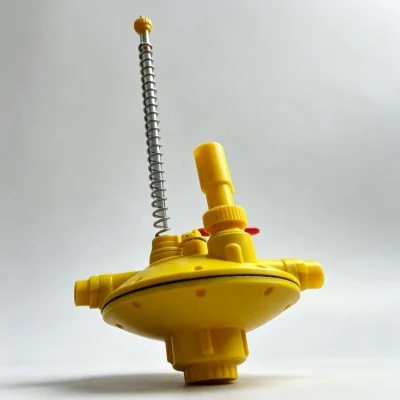
Smart Pressure Regulating Valves for Poultry Farms Improving Water Efficiency
$9.8422 - $20.8333
MOQ: 1 units
Qingzhou Tailai International Trade Co., Ltd.
- Manufacturer, Trading Company
- Shandong, China
- Lead time15 days
- Avg. response≤ 3h
Main productsPan Feeder, Nipple Drinker, Ventilation Fan, Egg Incubator, Layer Cage
Main marketsSoutheast Asia(75.00%), Oceania(5.00%), Africa(5.00%), Eastern Europe(5.00%), Domestic Market(5.00%), Mid East(5.00%)
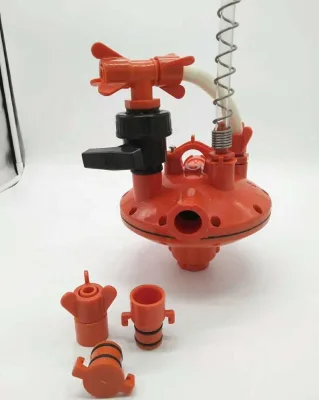
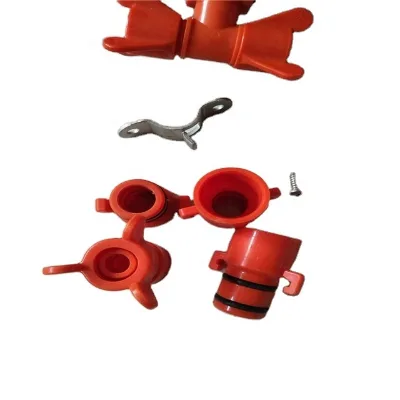


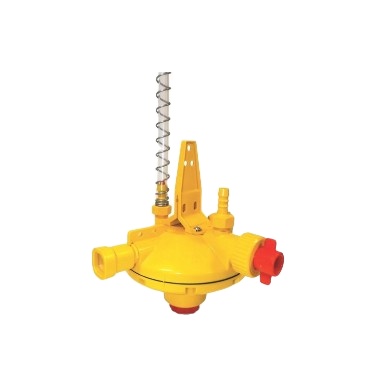
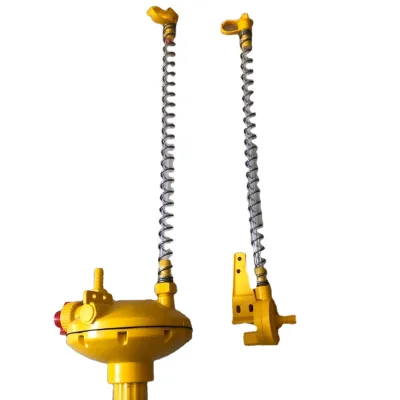


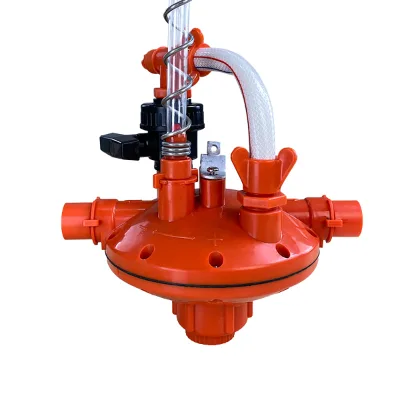
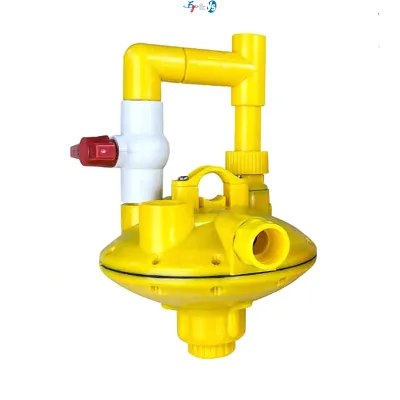
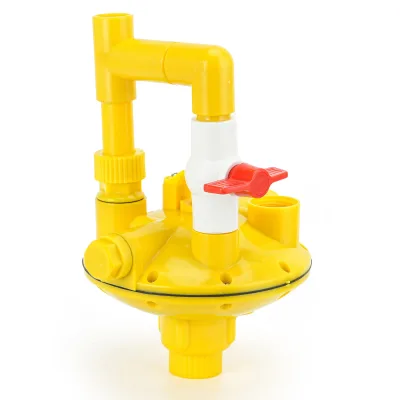
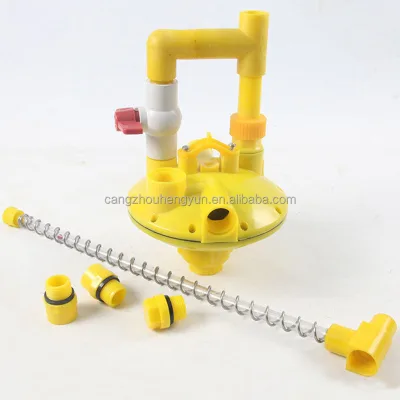
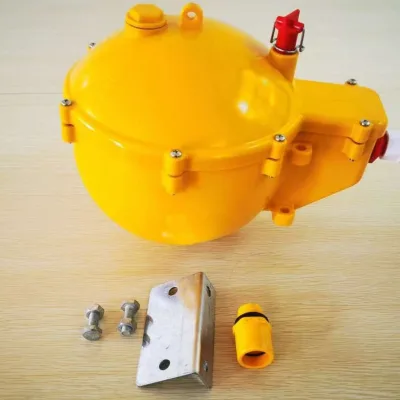
Comprehensive Sourcing Guide
Poultry Farming Pressure Regulator Supplier Concentration and Factory Types
When sourcing a Poultry Farming Pressure Regulator, the first structural question is who actually makes the part. Supplier results in this category typically split between combined manufacturers that also produce syringes, needles, ear tags, applicators, drenchers, drinkers, feeders and AI or feeding equipment, and trading companies whose main products span pig farming equipment, chicken farming equipment, casual hunting products and general farm equipment. A combined manufacturer with a broad veterinary and husbandry catalogue can be convenient if you want regulators alongside other drinking-line components, while a trading company may offer wider factory access but adds a layer between you and production. Checking the company type label early tells you which conversation you are about to have.
Cluster identification should follow the evidence on each listing rather than assumptions. In the current results, locations appear as Zhejiang and Shandong in China, and one product listing independently states a place of origin of Shandong, which is consistent with the supplier location label. Where a location is not displayed, you should ask the supplier directly for the factory address, confirm whether the production site differs from the registered office, and request photographs or a video walk-through of the regulator assembly area. Because a pressure regulator is a small, precisely moulded component, the distance between you and the actual moulding line matters more than the distance to a sales office, so verify the physical source before comparing prices.
How to Verify Poultry Farming Pressure Regulator Suppliers
Verification starts with the platform credentials displayed on each supplier card. In these results, verification marks include BV, TüV Rheinland and TUVRHEINLAND, meaning independent inspection bodies have assessed those companies in some form. Treat verification as a screening filter, not a guarantee of regulator quality; it confirms a company was audited at a point in time, not that every batch of valves leaving the line meets your pressure specification. Note also that a company-type label of Trading Company is not disqualifying, but it changes what you can verify: you should ask which factory manufactures the regulator, whether you may audit that factory, and who holds responsibility for defects.
System certification evidence in this category is uneven. One supplier shows an ISO14001:2015 certificate, another shows CE as a system certification, and a third shows no system certification at all, while individual product attributes on some listings cite CE and ISO9001 certification claims. This spread means you must never assume a certification exists; ask for the certificate number, the issuing body, the scope, and the expiry date, and check the scope actually covers plastic drinking-line components. Product-level evidence you can cross-check includes model numbers such as KD623, BC-695 and BC-1422, material declarations, and stated inlet diameters of 19mm. Request samples against those exact model numbers so the certificate, listing and physical part can be reconciled before any volume order.
What to Compare Across Poultry Farming Pressure Regulator Suppliers
Build a comparison table from the attributes suppliers actually display, without assuming every card shows every field. Lead time in the current results ranges from a listed fifteen days for one supplier to thirty days for another, with one trading company showing zero, which usually means the field is unfilled rather than same-day shipping, so confirm in writing. Response time varies too, from around half an hour to roughly six hours to more than thirteen hours, a meaningful difference when you are iterating on regulator drawings or resolving a pressure-test failure mid-production. Record these as displayed, then validate them with a timed inquiry before you commit.
Product and commercial attributes deserve equal weight. Minimum order quantities shown in the results range from one piece on a listed regulator priced at fifteen dollars to two hundred pieces on models priced between roughly six and eight dollars, so MOQ sensitivity differs sharply across listings. Compare materials, plastic versus PP, application fit for chicken drinking lines, connection types such as a 45mm square pipe versus a 19mm inlet, outlet configuration of one or two outlets, and features like bi-directional backflushing. Also weigh capacity labels: ODM, OEM and own-brand capability on one supplier versus sample processing, graphic processing and customization on demand on another. Finally, compare main products to judge whether regulators are a core line or an add-on to a broader equipment catalogue.
Common Poultry Farming Pressure Regulator Sourcing Risks
The most common risk is treating listing data as contractual data. Prices shown per piece, such as ranges between roughly six and eight dollars or around fifteen dollars, are typically indicative and may reflect a specific quantity, configuration or currency assumption. Package details like twenty pieces per carton, carton weights of twenty-five kilograms, single gross weights around three kilograms, and package sizes of 76 by 46 by 36 centimetres help you estimate freight, but you must confirm carton quantities and dimensions in the proforma invoice, because packaging errors at this stage surface as container-loading failures later.
Technical and warranty risks follow. One listing shows a six-month warranty on a pressure regulator, which is short for a component expected to run continuously in a drinking line, so clarify what the warranty covers, whether replacement parts ship free, and how failures are diagnosed remotely. Material ambiguity is another trap: plastic and PP are both cited, but not all drinking-grade plastics tolerate the pressure, chlorine levels and temperature swings in poultry houses, so ask for the specific resin and request pressure-tested samples. Finally, customization labels such as "available" or "on demand" can mean anything from logo printing to full mould changes; define exactly which customizations are included, what tooling costs apply, and who owns any mould created for your regulator design before you pay a deposit.
Poultry Farming Pressure Regulator Regional Sourcing and Logistics
The regional picture in this category, based on displayed evidence, centres on two Chinese provinces: Zhejiang, home to a combined manufacturer of veterinary and husbandry equipment, and Shandong, home to poultry equipment specialists and a trading company, with one product listing independently confirming a Shandong place of origin. Because both provinces host suppliers, logistics differences between them are unlikely to dominate your decision; instead, compare port proximity, freight-forwarder access and whether the supplier ships ex-works, FOB a named port, or door to door. Ask each supplier which port they normally use so freight quotes are comparable across candidates.
Lead-time behaviour matters more than raw distance. Displayed lead times of fifteen and thirty days likely reflect stock versus production runs, so ask whether regulators are made to order or held in inventory, and whether peak poultry-house construction seasons extend queues. Carton data in the listings gives you planning inputs: package sizes of 76 by 46 by 36 centimetres, twenty pieces per carton, and carton weights around twenty-five kilograms let you calculate units per cubic metre and estimate container utilization before negotiating freight. Confirm whether packaging is export-grade or retail-grade, since regulators with threaded connections can crack in transit if cartons are stacked without dividers. Finally, verify Incoterms, insurance responsibility, and who books the forwarder, because small-component shipments are often consolidated with other equipment and split shipments can delay an entire drinking-line installation.
Poultry Farming Pressure Regulator Commercial Terms and Order Planning
Order planning should begin with a paid sample phase tied to the exact models you shortlisted, such as the KD623, BC-695 or BC-1422 listings, since MOQs as low as one piece make sampling cheap on some cards while two-hundred-piece MOQs on others signal a production-oriented seller. Order samples from every finalist, test them on a live drinking line at your target pressure, and only then negotiate volume pricing, using the displayed per-piece ranges as opening references rather than fixed numbers. Put the agreed price, material specification, connection dimensions, carton configuration and warranty into the contract, not the chat log.
Commercial terms deserve the same discipline. Confirm the payment structure explicitly, ask whether platform-supported escrow or trade-assurance-style protection is available on the transaction, and prefer instruments that release funds against inspection or shipping documents rather than full prepayment. Match payment milestones to the displayed lead times of fifteen to thirty days, and add buffer for moulding and pressure testing if regulators are customized. For repeat orders, negotiate a blanket arrangement with call-off quantities so your drinking-line projects are not hostage to a single production run. Finally, align response-time expectations in the contract: a supplier answering within half an hour during sourcing may slow after deposit, so specify a maximum reply window and an escalation contact for quality claims during the warranty period.
(Article word count: approximately 1395 words; each section falls within the 225–235-word limit.)
FAQs
What is the price range for poultry water pressure regulators?
Prices typically range from $6.11 to $15.00 per unit depending on specifications. Some models are priced between $7.50 and $8.25. Buyers should verify exact costs based on quantity and customization needs before placing orders.
What is the minimum order quantity for these regulators?
Minimum order quantities vary by supplier. Some require a minimum of 200 units, while others accept orders as low as one piece. Buyers must check individual product listings to confirm the specific MOQ applicable to their purchase.
How long does delivery take for these products?
Lead times generally range from 15 to 30 days. Some suppliers list zero days, which may indicate stock availability or data variance. Buyers should confirm actual shipping schedules with the supplier to ensure timely delivery for their farm operations.
What certifications do these regulators have?
Common certifications include CE and ISO14001:2015. Some listings mention ISO9001 alongside computerized features. Buyers should request valid certificates from suppliers to ensure compliance with local safety and quality standards for agricultural equipment.
Where are these regulators manufactured?
Manufacturing locations include Zhejiang and Shandong provinces in China. Products originate from the China Mainland. Buyers can verify specific factory locations to assess logistics costs and supply chain reliability for their international shipments.
What materials are used in these regulators?
Regulators are primarily made from plastic or PP material. Some models feature ABS plastic for enhanced durability. Buyers should select materials based on chemical resistance and longevity requirements for their specific poultry farming water systems.