Automatic EPS Pre Expander Machine Suppliers and Manufacturers
Find 17 verified sources for the Automatic EPS Pre Expander Machine to compare response times, lead times, certifications, and locations. Review product specifications like CE and ISO 9001 standards before contacting suppliers directly; review the available evidence before requesting comparable quotations from suitable candidates.
Updated
Suppliers List

Hangzhou Fuyang Wealth Imp & Exp Co., Ltd.
- Trading Company
- China Zhejiang
- Lead time30 days
- Avg. response≤ 13h
Main productsEPS Machine, EPS Raw Material Project, EPS Raw Material, Sandwich Panel Line, Tea Machine, EPS Shape Machine, Color Coated Steel Coil, Roll Forming Machine, Cold Room, EPS Block Machine
Main marketsSoutheast Asia/ Mideast,Europe,North America
Hebei Guangxing Machinery Technology Co., Ltd.
- Verified by SGS Group
- Manufacturer, Trading Company
- Lead time45 days
- Avg. response≤ 2h
Main productsEPS Machine, Sandwich Panel Line, Rock Wool Production Line
Main marketsSouth America(35%), Southeast Asia(35%), Mid East(20%)

Hebei Zhenyou Technology Co., Ltd
- Verified by SGS
- Trading Company
- China Hebei
- Lead time30 days
- Avg. response≤ 3h
Main productsEPS Machine, Rock Wool Production Line, PU Sandwich Panel Production Line, Tube Mill
Main marketsSouth America,Africa,Others(foreignTradeCapacity.exportBusinessCapacityMarketOther),Southeast Asia/ Mideast,Europe,North America

Continuous Mini EPS Pre Expander Machine EPS Expander Machinery EPS Expander Machine
$5460.00 - $5850.00
MOQ: 1 sets

Mini EPS Pre-Expander Machine EPS Batch Pre Expander Machine EPS Foam Pre Expander Machine
$7000.00 - $7500.00
MOQ: 1 sets

EPS Per Expander Polystyrene EPS Foam Expander Continuous EPS Pre Expander Machine
$6900.00 - $7300.00
MOQ: 1 sets


Machine EPS Expanded Polystyrene EPS Continuous Expandible Pre Expander Machine
$5460.00 - $5850.00
MOQ: 1 sets

Hangzhou Fuyang D&T Industry Co., LTD.
- Verified by Intertek
- Manufacturer, Trading Company
- Zhejiang, China
- Lead time30 days
- Avg. response≤ 2h
Main productsFoam Cutting Machine, Sponge Cutting Machine
Main marketsNorth America(20%), Domestic Market(20%), Southeast Asia(10%)
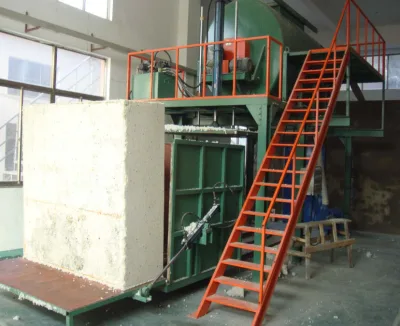
Automatic EPS Foam Pre-expander Eps Expanded Machine for Sale
$20950.00 - $48900.00
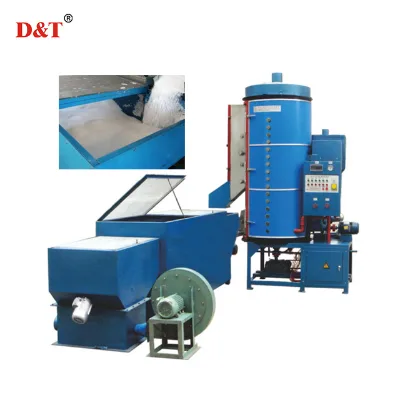
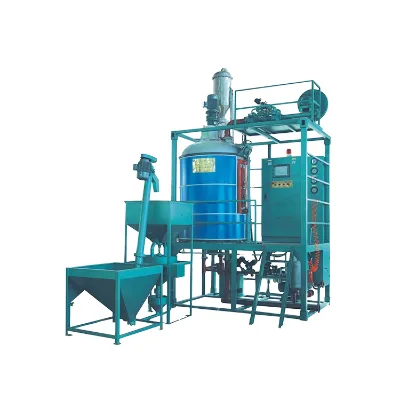
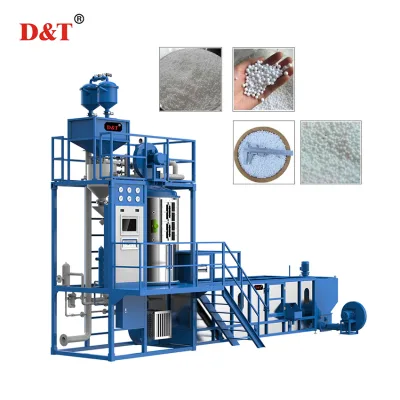
$30000.00 - $38900.00
MOQ: 1 units
Hebei Zhenyou Technology Co., Ltd.
- Verified by Intertek
- Manufacturer, Trading Company
- Lead time60 days
- Avg. response≤ 4h
Main productsEPS Moulding Machine, Rock Wool Production Line, PU Sandwich Panel Machine
Main marketsDomestic Market(75%), Eastern Europe(10%), Mid East(8%)
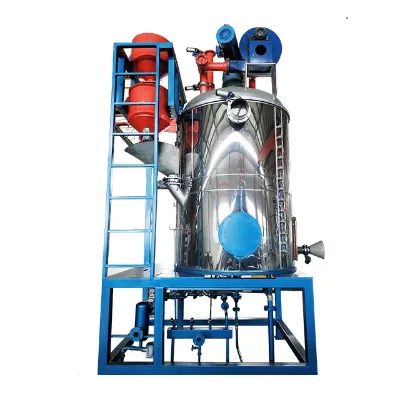
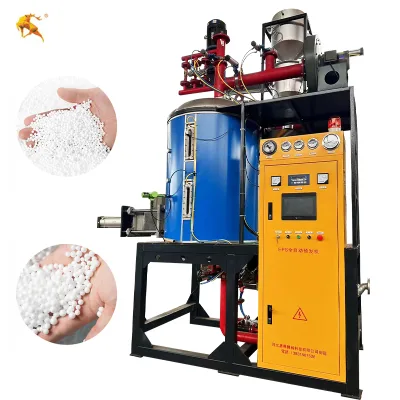
$16562.9096 - $23062.2792
MOQ: 1 sets
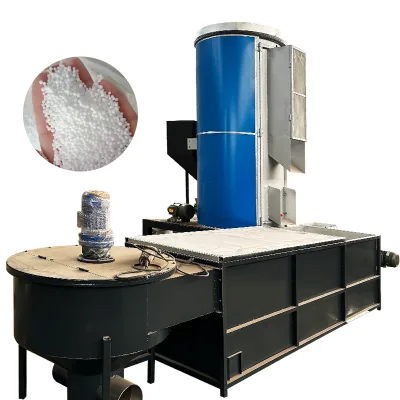
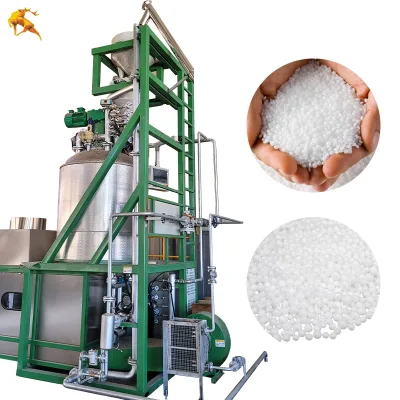
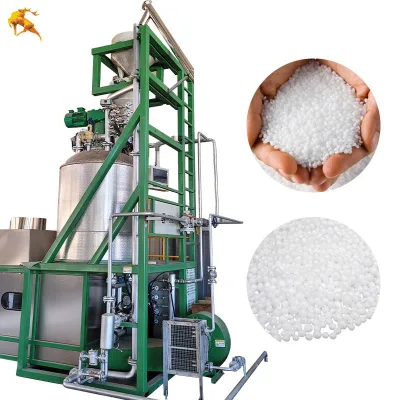
New High Precision Foam Pre Expander EPS Thermocol Bean Making Machine Pre-Expander
$15800.00 - $22000.00

Hangzhou Fuyang Dongshan Plastic Machinery Co., Ltd.
- Verified by BV
- Combined
- China Zhejiang
- Lead time30 days
- Avg. response≤ 2h
Main productsEPS Pre-Expander Machine, EPS Block Molding Machine, EPS Shape Molding Machine, EPS Cutting Machine, EPP Machine, EPS Auxiliary Equipment, EPS Recycle Machine
Main marketsAfrica,Southeast Asia/ Mideast,Domestic,Europe,North America

Superior Efficiency EPS Continuous Pre Expander Machine with Automation System
$30000.00 - $100000.00
MOQ: 1 Sets

Secure EPS Continuous Pre Expander Machine with Intelligent Control System
$30000.00 - $100000.00
MOQ: 1 Sets

High Capacity EPS Bulk Pre Expander Expansion Machine with Automation System
$30000.00 - $100000.00
MOQ: 1 Sets

EPS Pre Expander Expansion Machinery with Adjustable Foaming Process Parameters
$30000.00 - $100000.00
MOQ: 1 Sets

Advanced EPS Pre Expander Expansion Machinery with Temperature Control
$30000.00 - $100000.00
MOQ: 1 Sets

Precise EPS Pre Expander Expansion Machinery with Customized Service
$30000.00 - $100000.00
MOQ: 1 Sets

Hangzhou Epsole Technologies Co., Ltd.
- Trading Company
- China Zhejiang
- Lead time45 days
- Avg. response≤ 5h
Main productsEPS Machine, EPS Raw Material, EPS Moulds, EPS Accessories
Main marketsSouth America,Africa,Southeast Asia/ Mideast,Europe,Australia,North America


EPS Batch Pre-Expander Machine EPS Expandable Polystyrene Automatic Machine
$28000.00 - $32000.00
MOQ: 1 Sets


EPS Polystyrene Expander Machine Price Customized Continuous Pre-Expander Machine
$9000.00 - $11000.00
MOQ: 1 Sets


Full Automatic EPS Pre-Expander Machine Which Belong to Plastic Machine
$28000.00 - $32000.00
MOQ: 1 Sets

Zhejiang Huasheng Machinery Equipment Co., Ltd
- Verified by BV
- Manufacturer/Factory
- China Zhejiang
- Lead time23 days
- Avg. response≤ 4h
Main productsEPS Machine, EPS Pre-Expander Machine, EPS Shape Molding Machine, EPS Mould, EPS Lost Foam Machine, EPS Block Moulding Machine, EPS Cutting Machine, Styrofoam Machine, Expanded Polystyrene Machine, EPS Machinery
Main marketsSouth America,Eastern Europe,Mid East,North America,Southeast Asia,Eastern Asia,Oceania,Western Europe,Africa


Expanded Polystyrene Production Lines Expandable Polystyrene EPS Pre-Expander Machine
$20000.00 - $50000.00
MOQ: 1 set
Longkou Hoty Manufacture And Trade Co., Ltd.
- Manufacturer, Trading Company
- Shandong, China
- Lead time60 days
- Avg. response≤ 1h
Main productsvacuum forming machine,extrusion line,pu foam production
Main marketsDomestic Market(20.00%), South Asia(20.00%), Mid East(20.00%), North America(20.00%), Southeast Asia(10.00%), Western Europe(10.00%), South America(10.00%), Africa(5.00%)
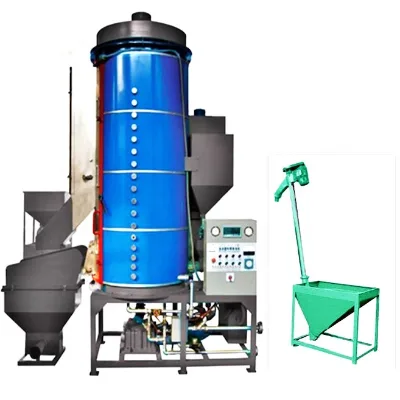
Fully Automatic EPS Foam Pre Expander Machine for EPS Polystyrene Foaming Equipment
$9000.00
MOQ: 1 Minimum
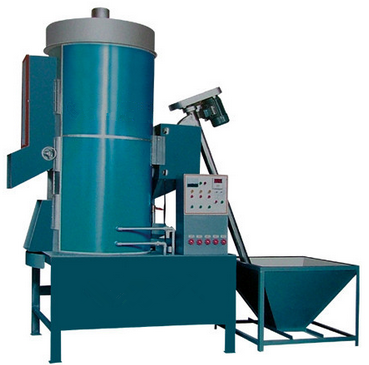
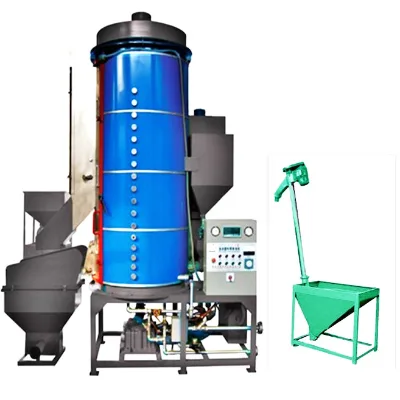
Hangzhou Fuyang Longwell Industry Co., Ltd.
- Verified by SGS Group
- Manufacturer, Trading Company
- Lead time30 days
- Avg. response≤ 2h
Main productsEPS Mold, EPS Machine, EPS Machine Accessories
Main marketsSoutheast Asia(30%), Africa(20%), Mid East(20%)
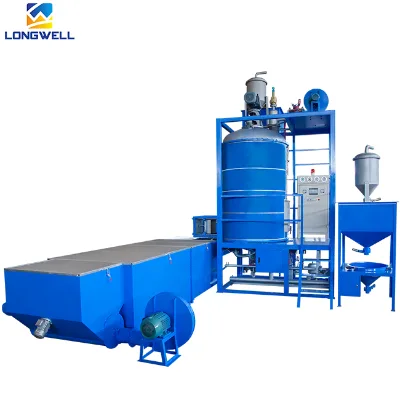
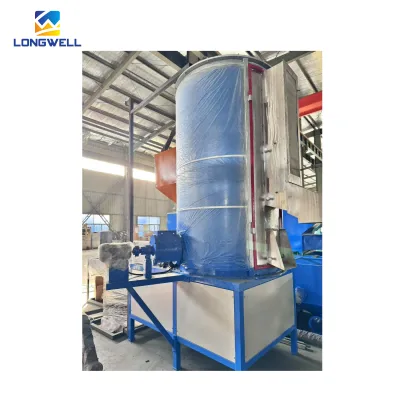
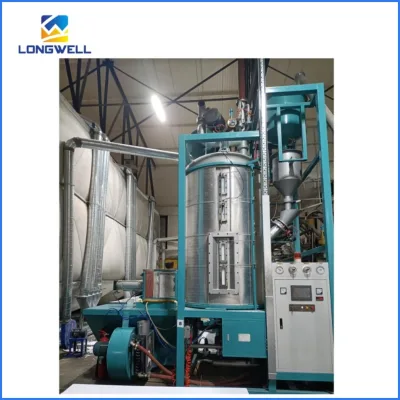
High Quality New Bach Auto EPS Pre-Expander Machine with CE Featuring Core PLC Components
$22418.9781
MOQ: 1 Minimum
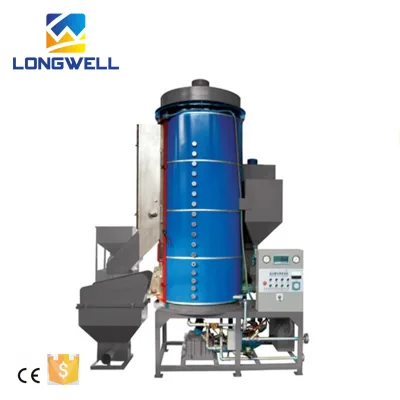
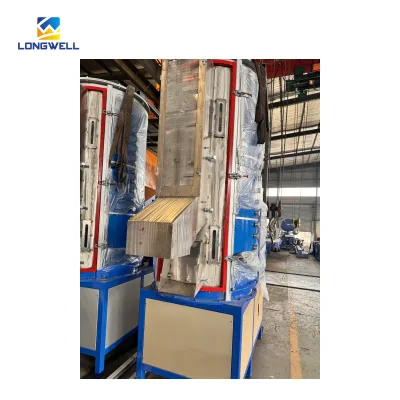
Hangzhou Fuyang Dongshan Plastic Machinery Co., Ltd.
- Verified by TüVRheinland
- Manufacturer, Trading Company
- Lead time35 days
Main productsEPS Pre-expander Machine, EPS Block Molding Machine, EPS Shape Molding Machine, EPP Shape Molding Machine, EPS Cutting Machine
Main marketsDomestic Market(60%), Southeast Asia(15%), South America(10%)
Hangzhou Minglong Technology Co., Ltd.
- Manufacturer, Trading Company
- Zhejiang, China
- Lead time30 days
- Avg. response≤ 6h
Main productseps machinery,recycle machine,plastic machine,mould,valves
Main marketsDomestic Market(20.00%), South Asia(10.00%), Southeast Asia(10.00%), Mid East(10.00%), South America(10.00%), North America(5.00%), Africa(5.00%), Southern Europe(5.00%), Central America(5.00%), Western Europe(5.00%), Eastern Asia(5.00%), Eastern Europe(5.00%), Oceania(5.00%)
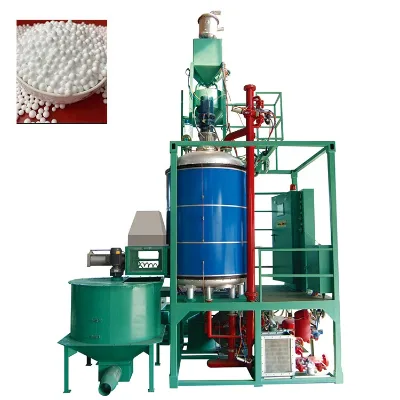
$20000.00 - $25000.00
MOQ: 1 sets
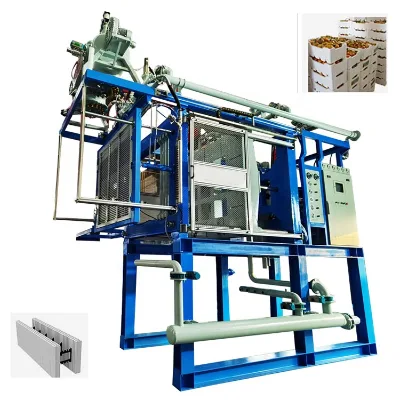
Hangzhou Epsole Technologies Co., Ltd.
- Verified by SGS Group
- Manufacturer, Trading Company
- Lead time0 days
- Avg. response≤ 2h
Main productsEPS Shape Moulding Machine, EPS Pre-Expander, EPS Block Moulding Machine, EPS Raw Material, EPS Cutting Machine
Main marketsSouth America(30%), Mid East(30%), Africa(17%)
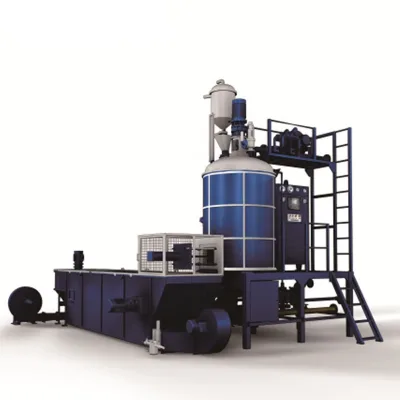
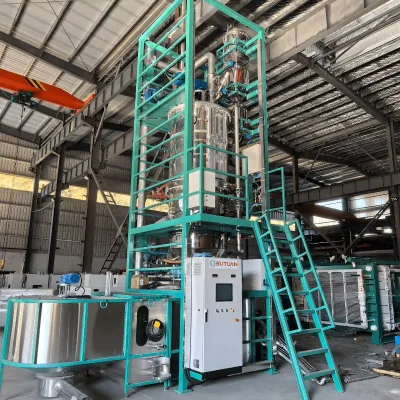
$9000.00 - $11000.00
MOQ: 1 sets
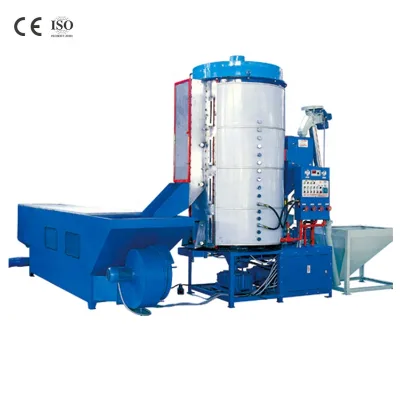
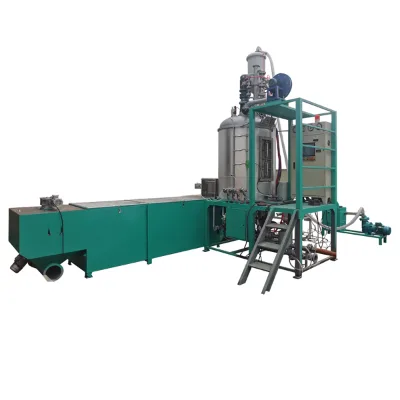
EPS Pre Expansion Equipment with Steam and Air Mixing Control
$7500.00 - $21000.00
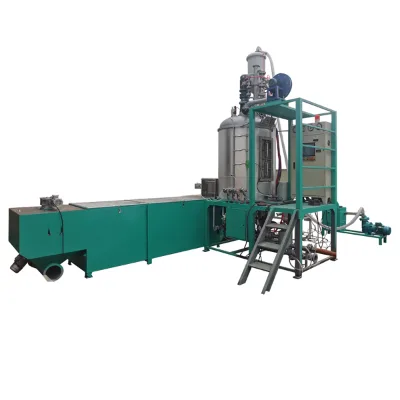
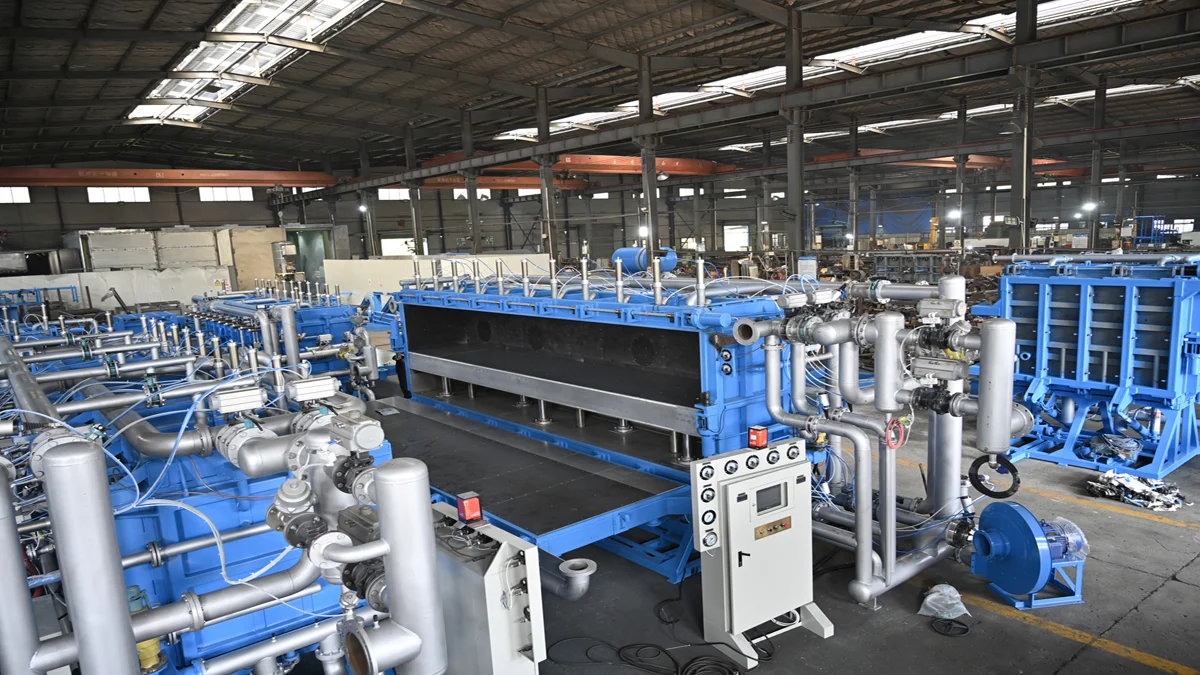
Continuous Pre Expander for Styrofoam Beads with Insulated Steam Chamber
$7500.00 - $21000.00
Hangzhou Max Machinery Co., Ltd.
- Manufacturer, Trading Company
- Zhejiang, China
- Lead time0 days
- Avg. response≤ 2h
Main productsEPS Machine; EPS Accessary,EPP Machine,EPS Moulds,EPS Raw Material
Main marketsSouth America(20.00%), North America(20.00%), Western Europe(10.00%), Eastern Asia(10.00%), Oceania(10.00%), Africa(10.00%), Southeast Asia(10.00%), Eastern Europe(10.00%)
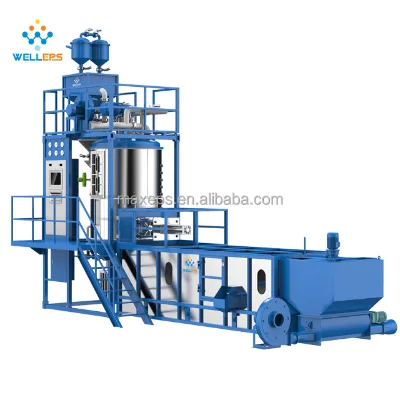
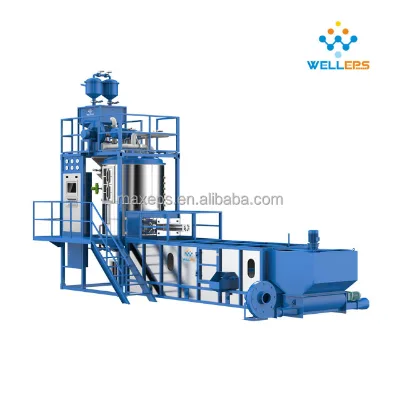
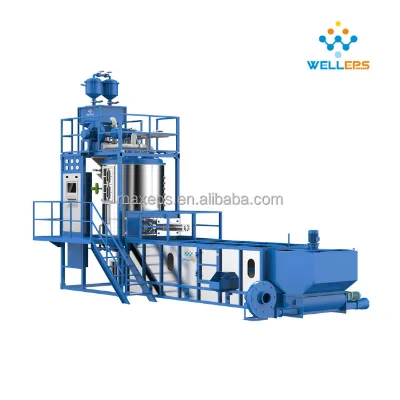
Continous EPS Preexpander Machine EPS Raw Material Thermocol Foaming Machine
$18506.4718 - $30844.1196
MOQ: 1 sets
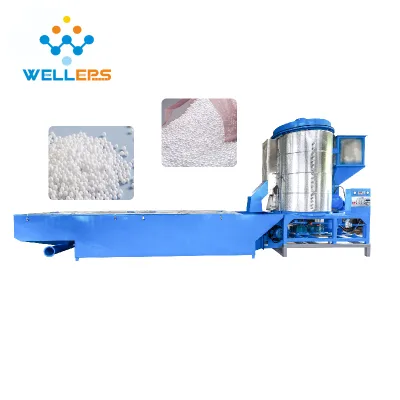
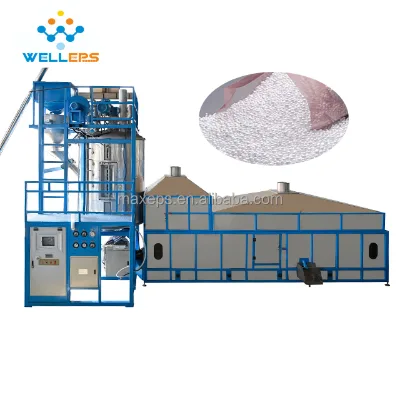
$18000.00 - $26000.00
MOQ: 1 sets
Lanxi Green Building New Material Co., Ltd.
- Manufacturer, Trading Company
- Zhejiang, China
- Lead time60 days
- Avg. response≤ 3h
Main productsEPS MACHINERY,FOAM CUTTER,EPS MOULDS,EPS CORNICE MOULDING,FOAM RECYCLE MACHINE
Main marketsDomestic Market(40.00%), Mid East(40.00%), Eastern Asia(10.00%)
Longkou Tongyi Machinery Equipment Co., Ltd.
- Verified by TüVRheinland
- Manufacturer, Trading Company
- Lead time60 days
- Avg. response≤ 3h
Main productsPlastic Package Equipment, Building Board Making Machine, Paper Pulp Machine, Nitrile Gloves Production Line, Latex Gloves Production Line
Main marketsSouth Asia(22%), Africa(18%), Mid East(15%)
$34884.8548 - $35910.8799
MOQ: 1 sets

Longkou Shunda Machinery Equipment Co., Ltd.
- Manufacturer, Trading Company
- Shandong, China
- Lead time30 days
- Avg. response≤ 5h
Main productsEPS machine,eps factory,EPS shape moulding machine,EPS block moulding machine,eps foam machine
Main marketsSouth Asia(20.00%), Northern Europe(20.00%), Southeast Asia(20.00%), Eastern Europe(20.00%), North America(20.00%)
$20000.00 - $150000.00
MOQ: 1 sets
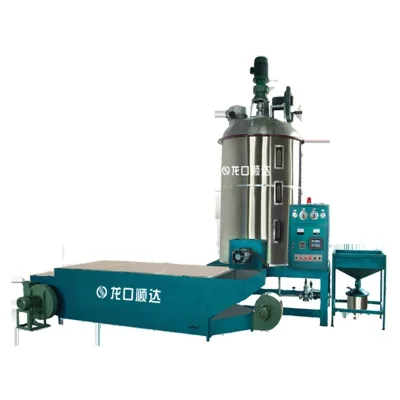
$25000.00 - $68000.00
MOQ: 1 sets


Comprehensive Sourcing Guide
Automatic EPS Pre Expander Machine Supplier Concentration and Factory Types
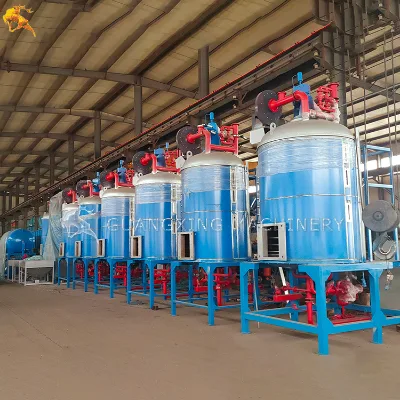
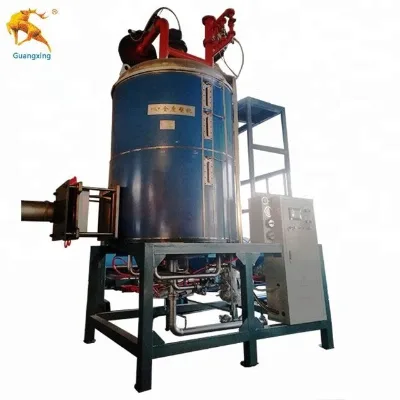
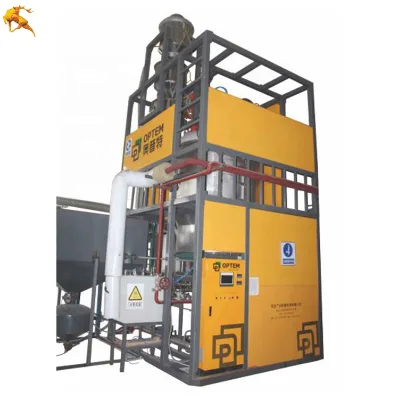
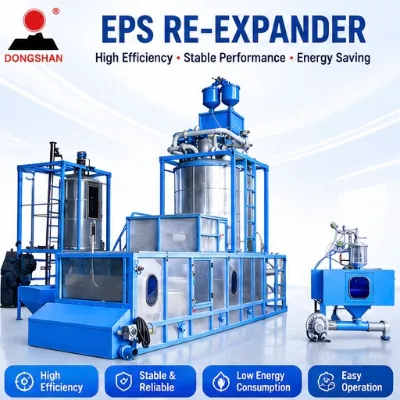
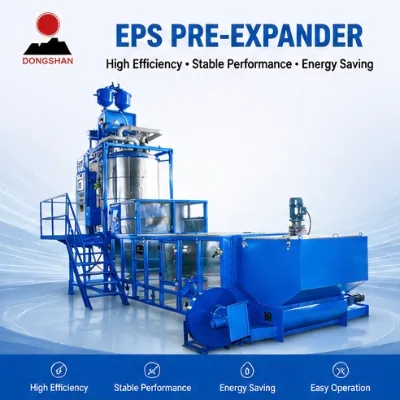
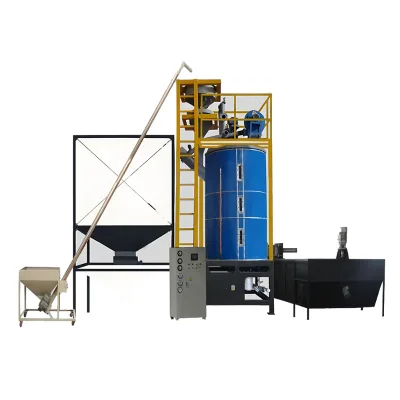
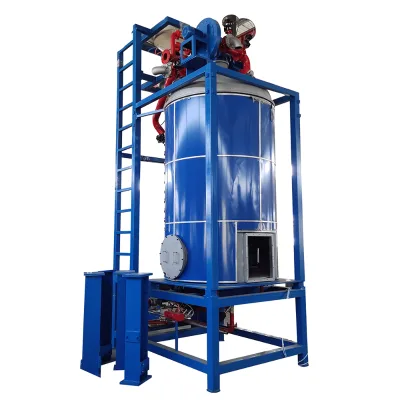
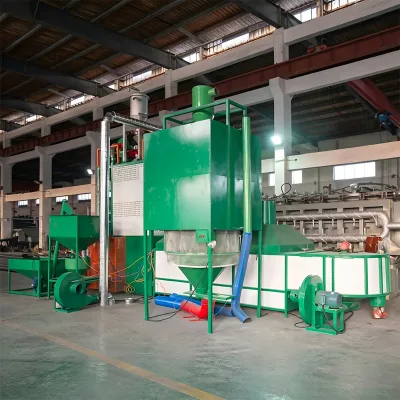
The current supplier landscape for automatic EPS pre expander machines reveals a distinct concentration of manufacturing and trading entities within specific industrial regions in China. Evidence indicates that suppliers are primarily located in Zhejiang and Hebei provinces, with Zhejiang emerging as a notable hub for this specialized machinery. Buyers evaluating these results will observe that the majority of listed entities operate as trading companies, although some suppliers identify themselves as manufacturers or hybrid entities offering both production and trading services. This distinction is critical for procurement strategies, as trading companies often aggregate products from multiple factories, potentially offering a wider variety of models such as the Dongshen brand or Guangxing Tech equipment, while direct manufacturers may provide more customized engineering support. The presence of both types in the search results suggests that buyers must carefully distinguish between the legal entity they are contracting with and the actual production facility to ensure accurate communication regarding technical specifications and after-sales support.
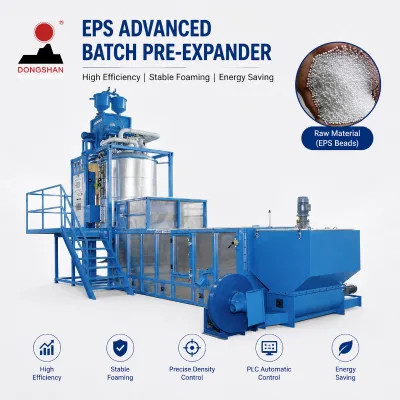
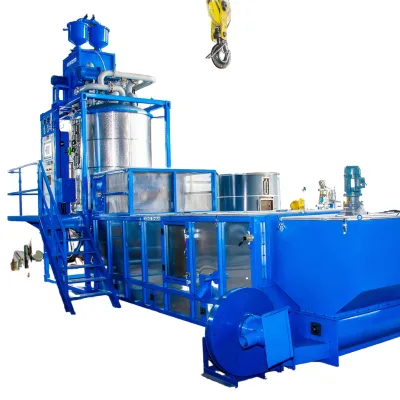
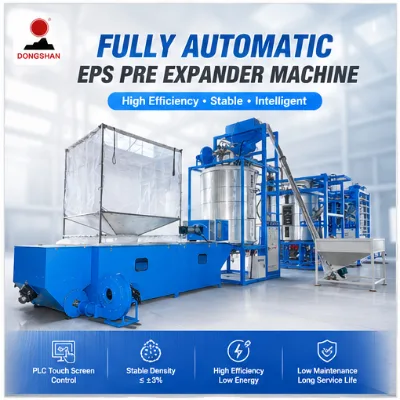
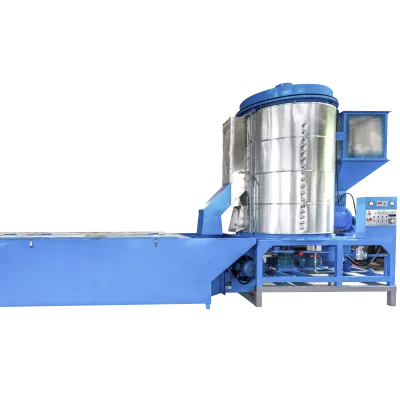
Furthermore, the product evidence highlights a diverse range of machine types available from these concentrated suppliers, including batch pre-expanders, high-density pre-expanders, and fully automatic foam expander lines. Many suppliers emphasize features such as computerized control systems, high-pressure air principles, and automatic operation, catering to modern EPS plant requirements. The main products listed often extend beyond just the pre-expander to include related equipment like sandwich panel lines, roll forming machines, and cold rooms, indicating that many suppliers operate as comprehensive solution providers for insulation material production. This bundling capability can simplify the sourcing process for buyers looking to equip an entire facility, but it also requires careful verification of each machine’s individual performance metrics. Buyers should note that while the location data points to China, the specific province can influence logistics costs and lead times, making regional identification a key part of the initial supplier assessment phase before deeper technical due diligence begins.
How to Verify Automatic EPS Pre Expander Machine Suppliers
Verifying the legitimacy and capability of Automatic EPS Pre Expander Machine suppliers requires a multi-layered approach that goes beyond simple profile reviews. Buyers should prioritize suppliers who display third-party verification badges, such as those from SGS Group, which provide an additional layer of trust regarding the company’s operational status and business scope. It is essential to cross-reference the supplier’s declared company type, whether they claim to be a manufacturer or a trading company, with their actual facility capabilities. For instance, some suppliers list ISO 9001 and CE certifications, which are standard for machinery exported to international markets, but buyers must verify that these certifications are current and applicable to the specific models being purchased. The presence of CE certification is particularly important for European buyers, as it ensures compliance with safety and environmental standards, while ISO 9001 indicates a standardized quality management system in place for production processes.
In addition to certifications, buyers should request and review machinery test reports and video outgoing-inspection data, which are increasingly common in the provided supplier results. These documents offer tangible proof of the machine’s performance before shipment, allowing buyers to assess critical components such as PLCs, bearings, motors, and gears. Suppliers who provide detailed specifications, such as the use of Siemens PLCs or specific power ratings like 7kw, 11kw, or 15kw, demonstrate a higher level of transparency and technical competence. Buyers should also inquire about the supplier’s experience, with some manufacturers citing establishment years dating back to 1987, which can be a strong indicator of industry stability and accumulated technical expertise. However, buyers must be cautious not to accept these claims at face value and should request recent customer references or case studies to validate the supplier’s long-term reliability and service quality in the global market.
What to Compare Across Automatic EPS Pre Expander Machine Suppliers
When comparing suppliers for automatic EPS pre expander machines, buyers must evaluate a range of commercial and operational metrics to determine the best fit for their production needs. Key comparison points include lead times, which can vary significantly, with some suppliers indicating a standard lead time of 30 days while others may require up to 45 days for production and preparation. Response time is another critical factor, as suppliers with faster response rates, such as those averaging under three hours, are often more responsive to urgent inquiries and technical questions. Buyers should also compare the minimum order quantities (MOQ), which in some cases are as low as one unit, allowing for flexible purchasing options for smaller operations or trial orders. Additionally, the price range for these machines can vary, with some models starting around $8,000 and others reaching higher price points depending on the complexity and capacity of the equipment, such as high-density or continuous pre-expanders.
Beyond these basic metrics, buyers should compare the specific technical attributes and customization options offered by each supplier. Factors such as automation level, certification status, and the availability of computerized control systems are essential for ensuring the machine integrates smoothly into existing production lines. Some suppliers offer customization services, allowing buyers to tailor the machine to specific density ranges or production capacities, which can be a decisive factor for specialized applications. Buyers should also compare the warranty terms, with some suppliers offering one-year warranties while others provide three-year coverage, reflecting their confidence in product durability. Furthermore, the inclusion of core components like PLCs, bearings, and motors should be evaluated for brand quality and availability of spare parts. By systematically comparing these attributes, buyers can identify suppliers that not only meet their technical requirements but also offer favorable commercial terms and reliable after-sales support.
Common Automatic EPS Pre Expander Machine Sourcing Risks
Sourcing automatic EPS pre expander machines from international suppliers involves several inherent risks that buyers must proactively manage to ensure a successful procurement outcome. One significant risk is the potential discrepancy between the supplier’s claimed capabilities and their actual production capacity, particularly when dealing with trading companies that may not have direct control over manufacturing quality. Buyers may encounter issues with lead time delays, which can disrupt production schedules if not properly accounted for in the project timeline. Additionally, the complexity of the machinery, which often involves advanced PLC systems and high-pressure air principles, means that improper installation or commissioning can lead to operational failures. Suppliers who do not provide adequate technical support or erection period guidance, such as the 5-7 days mentioned in some listings, may leave buyers without the necessary assistance to get the machine running efficiently.
Another common risk is the variability in product quality and compliance with international standards. While many suppliers claim CE and ISO certifications, buyers must verify that these certifications are valid and that the machine meets the specific safety and performance requirements of their local market. There is also the risk of hidden costs, such as shipping, insurance, and customs duties, which can significantly impact the total cost of ownership if not carefully calculated during the sourcing phase. Buyers should also be wary of suppliers who do not provide detailed machinery test reports or video inspections, as this lack of transparency can mask potential defects or performance issues. Furthermore, the availability of spare parts and after-sales service can be a challenge, especially if the supplier is located in a remote industrial cluster. Buyers must ensure that the supplier has a robust support network or clear protocols for handling warranty claims and technical troubleshooting to minimize downtime and maintain production continuity.
Automatic EPS Pre Expander Machine Regional Sourcing and Logistics
The regional sourcing of automatic EPS pre expander machines is heavily influenced by the industrial clusters in China, particularly in Zhejiang and Hebei provinces, which serve as major manufacturing hubs for this equipment. Buyers sourcing from these regions must consider the logistical implications of transporting large, heavy machinery, which can weigh several tons and require specialized shipping arrangements. The dimensions of the machines, such as the 4500 x 2150 x 2950mm footprint noted in some listings, necessitate careful planning for container loading or break-bulk shipping to ensure safe transit. Logistics costs can vary significantly depending on the port of origin and destination, and buyers should work closely with their freight forwarders to optimize shipping routes and reduce transit times. Additionally, the lead time for production must be factored into the overall logistics timeline, as delays in manufacturing can cascade into shipping delays and impact project completion dates.
Furthermore, buyers should be aware of the regulatory requirements for importing machinery from China, including customs clearance procedures and documentation needs. Suppliers in these regions are generally experienced in exporting to international markets and can often assist with the preparation of necessary documents, such as commercial invoices, packing lists, and certificates of origin. However, buyers must ensure that all documentation is accurate and complete to avoid delays at customs. The choice of shipping method, whether by sea or air, will also impact the cost and speed of delivery, with sea freight being the more economical option for large machinery but requiring longer transit times. Buyers should also consider the installation and commissioning process, which may require the supplier’s engineers to travel to the site, adding to the logistical complexity and cost. Proper planning and coordination with the supplier and logistics partners are essential to ensure a smooth and efficient import process.
Automatic EPS Pre Expander Machine Commercial Terms and Order Planning
Effective order planning for automatic EPS pre expander machines requires a thorough understanding of the commercial terms offered by suppliers, including payment structures, warranty policies, and after-sales support agreements. Buyers should negotiate clear payment terms, such as a deposit followed by balance payment upon shipment or against copy of bills of lading, to mitigate financial risk. It is also crucial to clarify the warranty period, which can range from one to three years depending on the supplier, and to understand what components are covered and what constitutes normal wear and tear. Buyers should also inquire about the availability of spare parts and the cost of replacement components, as these can significantly impact long-term operational costs. Additionally, suppliers may offer training services for operators and maintenance staff, which should be included in the commercial agreement to ensure proper machine operation and longevity.
Furthermore, buyers must plan for the total cost of ownership, which includes not only the purchase price but also installation, commissioning, and ongoing maintenance expenses. Some suppliers provide erection periods of 5-7 days, during which their engineers may assist with installation, but buyers should confirm whether these services are included in the price or billed separately. It is also important to consider the energy consumption of the machine, with power ratings ranging from 7kw to 15kw, as this will impact operational costs over time. Buyers should request detailed technical specifications and performance data to ensure the machine meets their production requirements and efficiency standards. By carefully planning the commercial terms and considering all associated costs, buyers can make informed decisions that align with their budget and operational goals, ensuring a successful and sustainable procurement outcome for their EPS production facility.
FAQs
What is the price range for automatic EPS pre expander machines?
Prices for automatic EPS pre expander machines typically range from $8,000 to $20,000. Specific models like the Dongshen PSY110 start around $8,000, while specialized units such as the Guangxing EPS Granulator are priced at $20,000. Buyers should verify exact costs based on the selected model and customization requirements.
What certifications are available for these machines?
Most automatic EPS pre expander machines come with CE and ISO9001 certifications. These standards ensure compliance with international safety and quality management protocols. Buyers should confirm specific certification details with suppliers, as some models may offer additional computerized control features or specific regional compliance documentation upon request.
What is the typical lead time for delivery?
The typical lead time for these machines ranges from 30 to 45 days. Some suppliers offer a 30-day turnaround, while others may require up to 45 days for production and preparation. Buyers should confirm the exact schedule with the supplier, as lead times can vary based on order volume and customization needs.
What is the minimum order quantity for these machines?
The minimum order quantity is generally one unit. Suppliers typically allow buyers to purchase a single machine for initial testing or small-scale production. This low MOQ makes it accessible for startups or businesses looking to expand their EPS foam production capabilities without committing to large bulk orders.
Where are these machines manufactured?
These machines are primarily manufactured in China, with specific origins in Zhejiang and Hebei provinces. Zhejiang suppliers often provide Dongshen branded units, while Hebei suppliers offer Guangxing Tech models. Buyers should verify the exact place of origin to ensure alignment with their logistical and sourcing preferences.
What is the response time for supplier inquiries?
Supplier response times vary, with some responding within 2 hours and others taking up to 12.78 hours. Faster response times indicate higher availability and potentially quicker communication during the negotiation process. Buyers should prioritize suppliers with quicker response times to ensure efficient project planning and timely issue resolution.
What is the warranty period for these machines?
Warranty periods typically range from one to three years. Some suppliers offer a one-year warranty, while others provide up to three years of coverage. Buyers should carefully review the warranty terms, including what components are covered and the conditions for claiming support, to ensure long-term operational reliability.