Source High Productivity Potato Processing Line for Chips, Fries, and Snacks
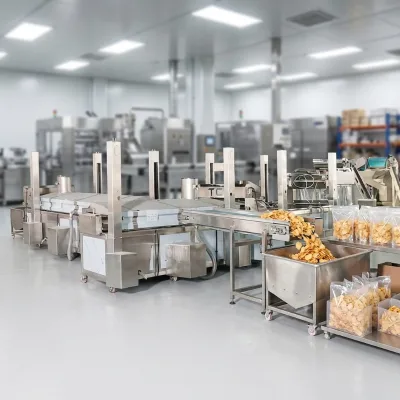
Find and compare 30 High Productivity Potato Processing Line options from Chinese manufacturers. These systems support root vegetable cleaning, washing, cutting, and thermal processing for commercial snack production. Features include SUS 304 stainless steel construction, CE certification, and customizable output capacities ranging from 50 to 1200 kg/h for efficient batch and continuous operations.
Updated
Key considerations
Products List
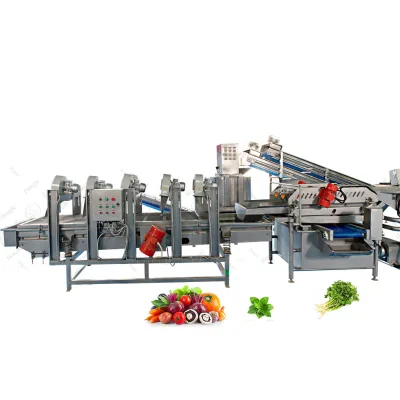
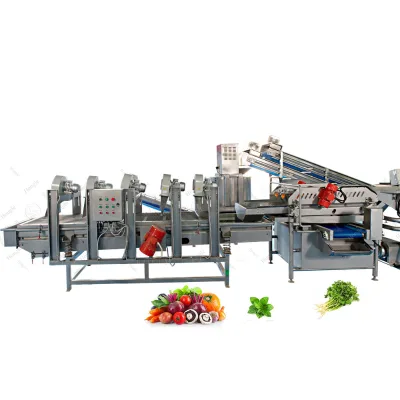


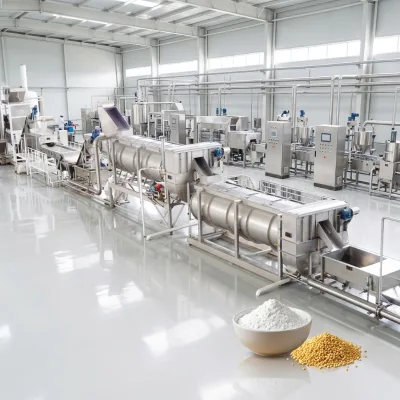
High Precision Potato Chip Production Line for Food Processing Enterprises
$5800.00 - $12000.00
MOQ: 1 Sets

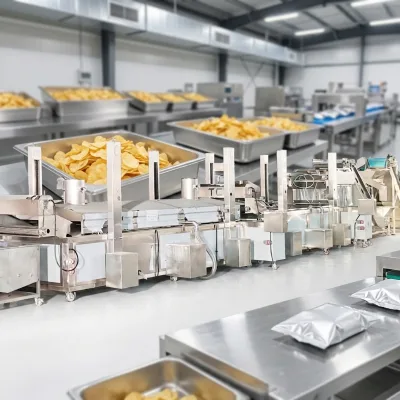
High Efficiency Potato Chips Machine Production Line for Food Processing Plant
$5800.00 - $12000.00
MOQ: 1 Sets

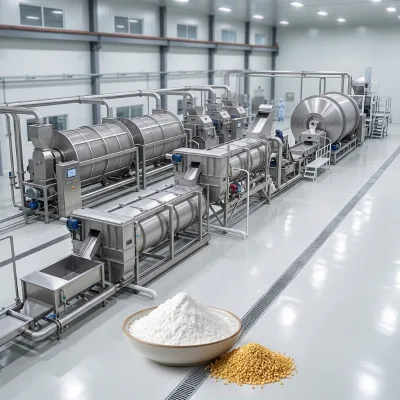
High Quality Standardized Process Potato Chip Production Line for Pre-Processing
$5800.00 - $12000.00
MOQ: 1 Sets

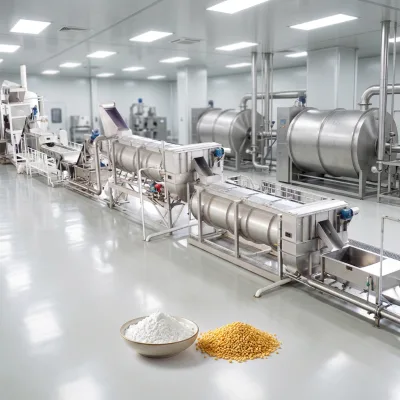
High Quality Potato Chip Processing Production Line for Large-Scale Food Processing
$5800.00 - $12000.00
MOQ: 1 Sets


Standardized Process Chips Potato Production Line for Food Processing Plant
$5800.00 - $12000.00
MOQ: 1 Sets
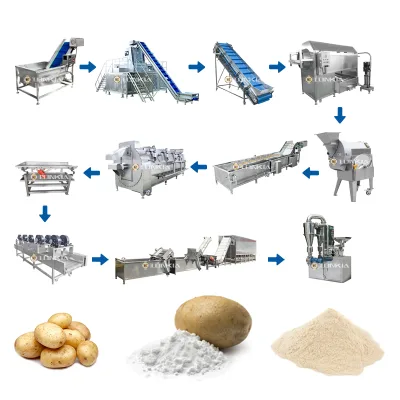
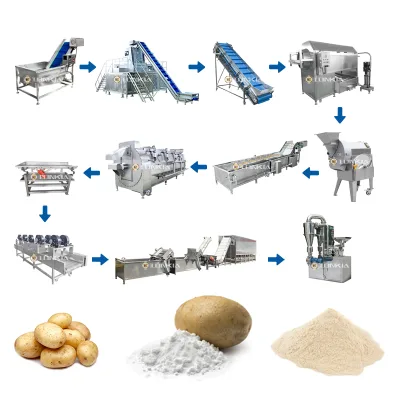


$350000.00 - $370000.00
MOQ: 1 Sets

$450000.00 - $470000.00
MOQ: 1 Sets

$550000.00 - $570000.00
MOQ: 1 Sets
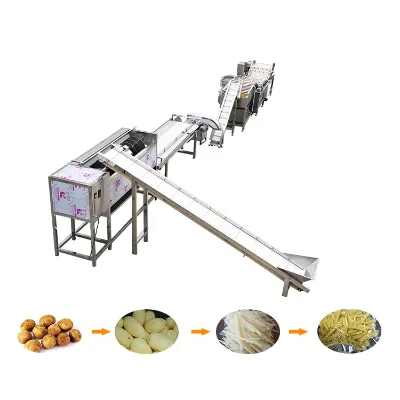
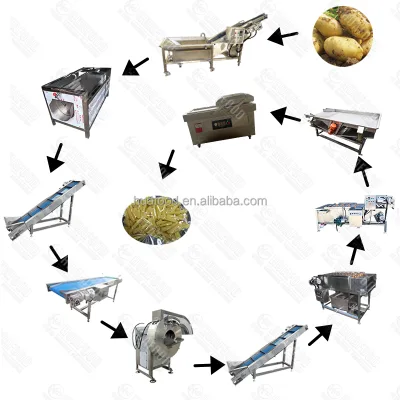
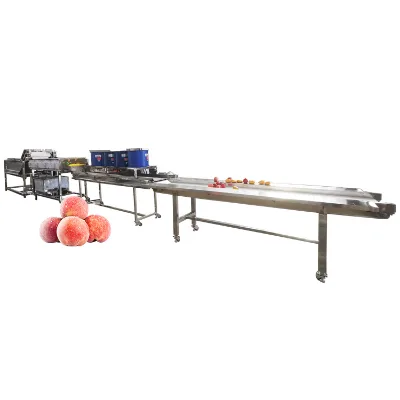
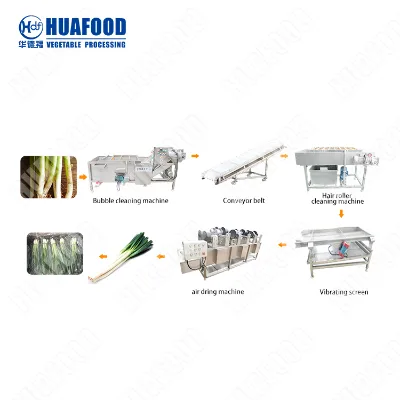
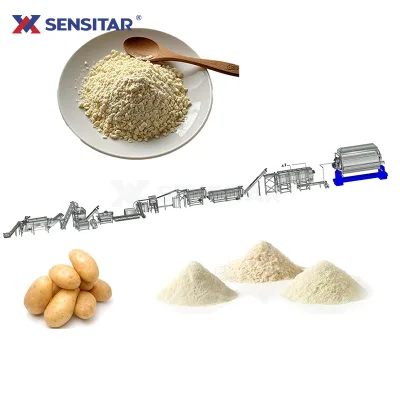
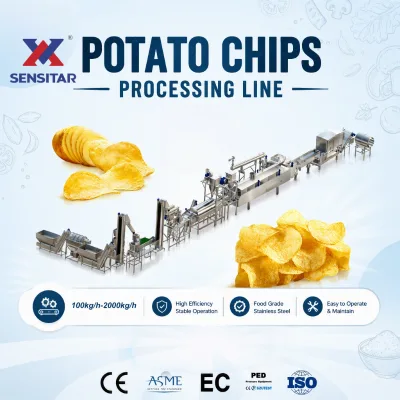

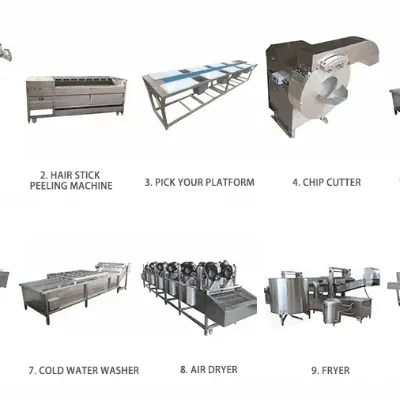
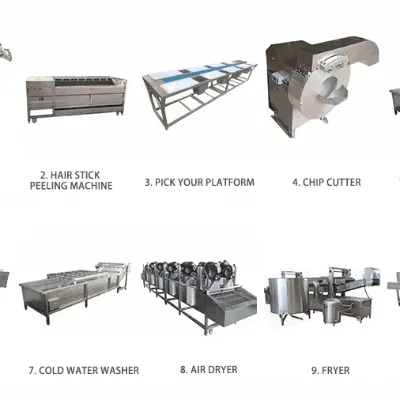
Modular Potato Processing Line: Cleaning Peeling Cutting to Packaging 200kg/h Output
$9000.00 - $15000.00
MOQ: 1 sets
Comprehensive Sourcing Guide
High Productivity Potato Processing Line Sourcing Guide
Procuring a High Productivity Potato Processing Line requires careful alignment of machinery capabilities with your specific throughput targets and product formats. The market offers diverse configurations, ranging from dedicated washing and peeling units to fully integrated lines capable of handling root vegetables and producing chips or popcorn. Buyers must first define whether their primary need is raw material preparation or finished snack production, as this dictates the complexity and scale of the required equipment.
Understanding the observed market signals is crucial for setting realistic expectations. Current listings indicate a wide price range from approximately $4,990 to $670,000, reflecting the disparity between single-unit machines and complete automated lines. Minimum order quantities are typically set at one unit, allowing for flexible procurement, but the significant variance in cost underscores the importance of verifying exactly which components and automation levels are included in any quoted package.
Product Scope and Observed Listing Signals
The product scope encompasses a variety of machines designed for vegetable and fruit processing, with specific emphasis on root vegetables and potato-based products. Listings highlight multifunctional units suitable for commercial usage, including batch deep fryers for snacks like fries and banana chips, as well as full automatic potato chip production lines. These systems are often marketed with keywords such as "cleaning washing cutting line," indicating a comprehensive approach to processing raw ingredients into market-ready formats.
Observed listing signals reveal distinct operational characteristics across different machine types. Some units are described as having easy operation and high efficiency, with capacities ranging from 50-200 kg/h for smaller fryers to 800-1200 kg/h for larger processing lines. The materials used are predominantly SUS 304 stainless steel, ensuring durability and hygiene. Buyers should note that while some machines are labeled automatic, others may be manual or semi-automatic, requiring careful verification of the automation grade to match labor constraints.
Technical Specifications to Verify
Technical verification must begin with power and voltage requirements, as listed units show variations such as 1.1 kW power consumption and 380V voltage specifications. It is essential to confirm that the electrical infrastructure at your facility can support these demands, especially for high-capacity lines. Additionally, the core components, which may include bearings, gearboxes, or PLCs, significantly impact reliability and maintenance needs. Buyers should request detailed component lists to assess the quality and brand of these critical parts.
Capacity and weight are also critical technical parameters that influence installation and logistics. Machines vary in weight from 500 kg to 600 kg, affecting floor load requirements and handling equipment needs. The output capacity, often customizable, should be matched precisely to your production goals. Furthermore, the temperature range for heating elements, such as those in fryers, typically spans 0-300 degrees, which must be verified against the specific thermal requirements of your potato processing recipes to ensure optimal product quality.
Compliance and Safety Documentation
Compliance documentation is a non-negotiable aspect of sourcing industrial food processing equipment. Buyers must ensure that all machinery carries valid CE certification, which is a common requirement for markets in Europe and many other regions. This certification indicates that the equipment meets essential health, safety, and environmental protection standards. It is advisable to request copies of the certification documents directly from the supplier to verify their authenticity and ensure they cover the specific model numbers being purchased.
Beyond certification, machinery test reports provide valuable insights into the performance and reliability of the equipment. Suppliers are observed to provide these reports, which should be reviewed to understand the tested parameters and results. These documents can help verify claims regarding efficiency, durability, and operational stability. Additionally, warranty terms, typically offered as a one-year guarantee, should be clearly defined in the contract, outlining what components are covered and the procedures for claiming repairs or replacements.
Cost Drivers and Commercial Terms
Cost drivers for potato processing lines include the level of automation, material quality, and included features. Fully automatic lines with PLC controls and high-efficiency designs command higher prices compared to manual or semi-automatic units. The use of 304 stainless steel throughout the construction adds to the cost but ensures longevity and compliance with food safety standards. Buyers should analyze the total cost of ownership, considering not just the purchase price but also energy consumption and maintenance requirements.
Commercial terms such as packaging and customization options also influence the final cost and logistics. Machines are typically packed in wooden cases to protect them during transit, which is a standard practice but should be confirmed to avoid unexpected damage. Customization is available for many units, allowing buyers to tailor specifications to their specific needs. However, custom orders may incur additional costs and longer lead times, so these factors should be factored into the procurement timeline and budget planning.
Supplier Qualification and Quality Control
Supplier qualification involves verifying the manufacturer's location and production capabilities. Most observed suppliers are located in Henan, China, a hub for machinery manufacturing. Buyers should assess the supplier's reputation and experience in producing potato processing equipment. Requesting references or case studies from previous clients can provide valuable insights into the supplier's reliability and after-sales support. It is also important to verify that the supplier has the capacity to produce the required volume and quality consistently.
Quality control measures should be established before placing orders. This includes reviewing the supplier's quality management systems and inspection processes. Buyers should insist on pre-shipment inspections to verify that the equipment meets the agreed-upon specifications. Additionally, clear communication regarding the warranty terms and support services is essential. Ensuring that the supplier provides comprehensive training and technical support can significantly reduce downtime and operational issues once the equipment is installed.
Long-Term Procurement Checks
Long-term procurement checks focus on the sustainability and scalability of the equipment. Buyers should consider the availability of spare parts and the ease of maintenance. Machines with common core components like bearings and gearboxes are generally easier to maintain, but the specific brands and models should be verified. Establishing a relationship with the supplier for ongoing support and part supply is crucial for minimizing operational disruptions over the life of the equipment.
Scalability is another key consideration for future growth. As production demands increase, the ability to upgrade or expand the processing line becomes important. Buyers should inquire about the modularity of the equipment and the supplier's capacity to provide additional units or upgrades. Additionally, staying informed about industry trends and technological advancements can help buyers make informed decisions about future investments. Regular reviews of equipment performance and maintenance records will also help identify potential issues early and ensure continued efficiency.
FAQs
What is the capacity of the vegetable fruit processing machine?
The machine offers a capacity of 800-1200kg/h for root vegetables and other produce. This high throughput supports commercial usage in processing plants. The system is designed for efficient handling of fruits and vegetables, ensuring consistent output for industrial applications.
Can the potato chip production line be customized?
Yes, customization is available for the full automatic potato chip production line. Buyers can request specific configurations to match their facility requirements. The manufacturer supports tailored solutions for various snack food industry needs, ensuring the equipment fits unique operational workflows.
What certifications does the processing equipment hold?
The equipment holds CE certification, ensuring compliance with European safety standards. This certification is provided for the vegetable fruit processing machine and related lines. Buyers can rely on this documented proof of quality and safety for international sourcing and deployment.
How long is the warranty for the machinery?
The warranty period is one year for the core components and overall machinery. This guarantee covers bearing and gearbox issues for the vegetable fruit processing machine. Buyers receive a one-year warranty guarantee to protect their investment against early operational failures.
What material is used for the batch deep fryer?
The batch deep fryer is constructed from 304 stainless steel. This material ensures durability and hygiene for frying fries, potato chips, and banana chips. The use of SUS 304 stainless steel meets commercial usage standards for food processing equipment.
What is the power consumption of the processing line?
The processing line operates with a power rating of 1.1kw. It uses electric power sources for efficient thermal processing and cleaning. This energy specification supports the high efficiency and easy operation features required for commercial vegetable and fruit processing plants.