Source Multi-Function Oil Press Machine for Vegetable, Seed, and Nut Processing
Explore 30 multi-function oil press machine options designed for vegetable, seed, and nut processing. Compare specifications, voltage, and automatic grades to find the ideal cold and hot pressing solution for your agricultural needs; compare the available evidence and request quotations based on your requirements.
Updated
Key considerations
Products List


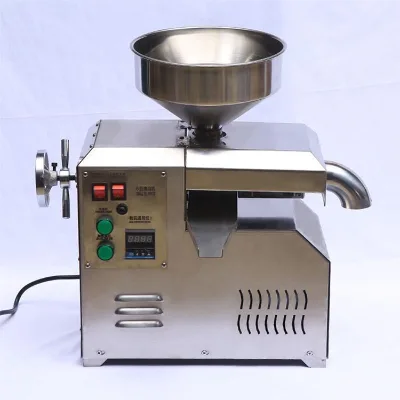
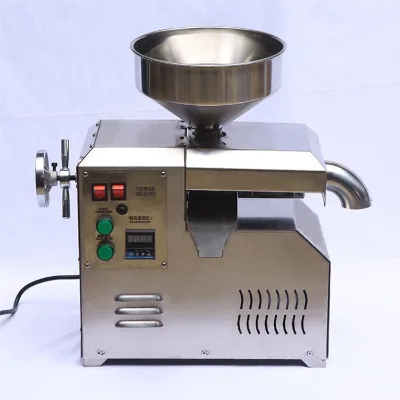

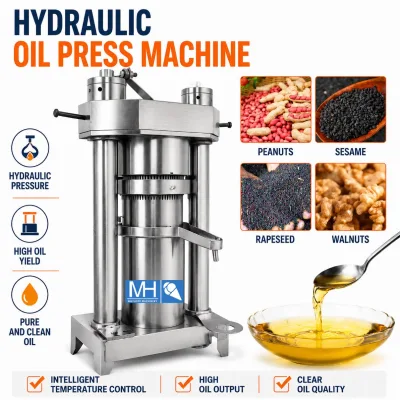
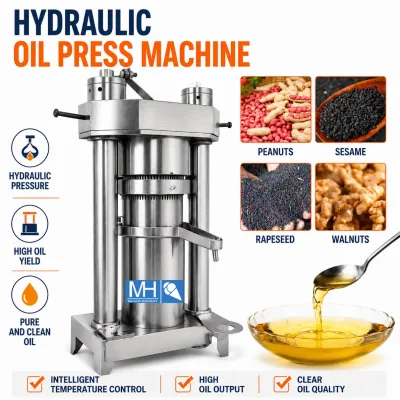
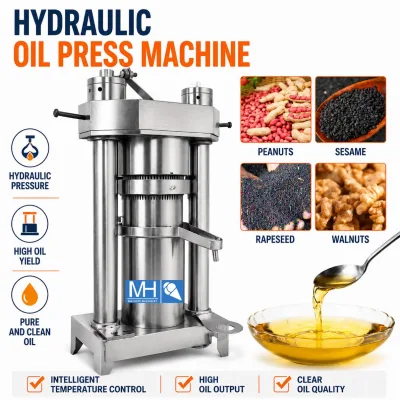
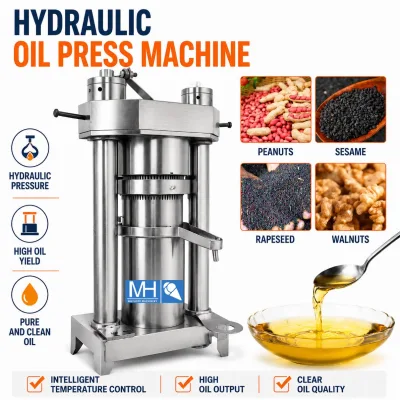
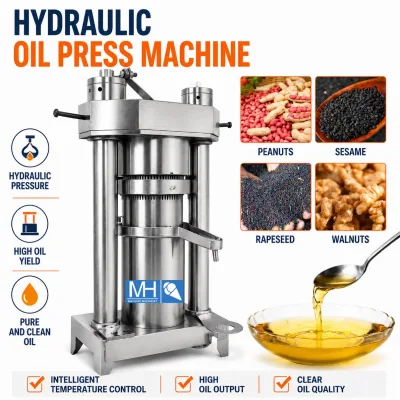
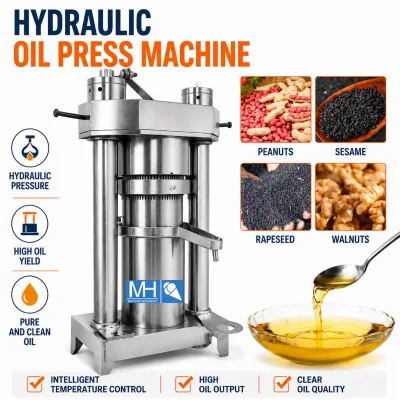

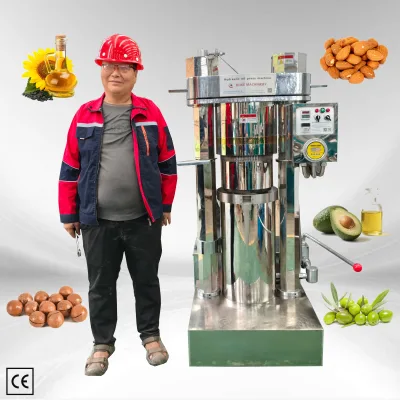
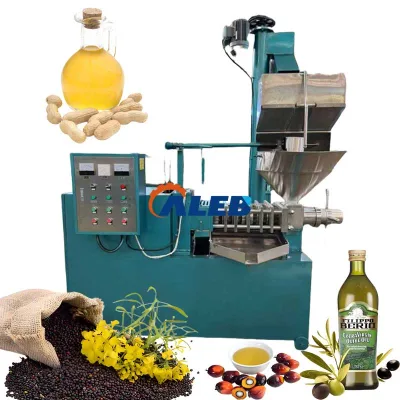
Multifunctional Walnut Oil Press Olive Oil Extraction Peanut Oil Pressing Machine
$1800.00 - $2050.00
MOQ: 1 sets


Energy Saving and Easy to Use Quality Reliable Grain Oil Press Machine
$420.00 - $800.00
MOQ: 1 Pieces


Comprehensive Sourcing Guide
Multi-Function Oil Press Machine Sourcing Guide
Procuring a multi-function oil press machine requires careful evaluation of the equipment’s versatility and operational efficiency. The observed market listings indicate a strong focus on electric-powered units capable of handling a diverse range of raw materials, including natural ingredients, agronomic products, garden products, special agricultural products, forest products, and animal raw materials. This broad material compatibility suggests that buyers can utilize these machines for various oil extraction needs, from common vegetable seeds to more specialized agricultural outputs. The ability to process such a wide array of inputs is a critical factor for businesses looking to diversify their production lines or adapt to changing market demands for different types of edible oils.
The product range includes both cold and hot pressing machines, offering flexibility in processing methods depending on the desired oil quality and yield. Listings highlight features such as high oil yield, high efficiency, and energy-saving capabilities, which are essential for maintaining profitability in oil production operations. Additionally, the availability of customized options allows buyers to tailor the machinery to specific production requirements, ensuring that the equipment integrates seamlessly into existing workflows. Understanding these core attributes helps buyers identify machines that align with their specific operational goals, whether they prioritize throughput, energy consumption, or product versatility.
Product Scope and Observed Listing Signals
The current market signals reveal a significant variation in product specifications, with observed prices ranging from $420 to $35,000 USD. This wide price band reflects differences in machine capacity, automation levels, and structural design, such as vertical versus horizontal configurations. Buyers should note that the minimum order quantity (MOQ) is consistently listed as one unit, indicating that suppliers are willing to accommodate small-scale purchases or pilot projects. This flexibility is advantageous for smaller enterprises or research facilities that need to test equipment performance before committing to larger orders. The presence of both compact home-use models and larger industrial-scale lines suggests a segmented market catering to different production volumes.
Listing attributes frequently emphasize the automatic grade of the machinery, with many units described as fully automatic and featuring simple, safe operation. The production capacity is noted as 20 sets per month for certain oil press product lines, which may indicate the manufacturing capability of specific suppliers rather than the output of a single machine. Buyers must distinguish between the supplier’s production rate and the machine’s processing capacity. The inclusion of vacuum filter cartridges with excellent air tightness and wear-resistant, corrosion-resistant pressing strips highlights key durability features that contribute to long-term operational reliability and reduced maintenance costs.
Technical Specifications to Verify
When evaluating technical specifications, buyers must verify the voltage requirements to ensure compatibility with their facility’s power infrastructure. Observed listings show units operating at both 220V and 380V, which necessitates careful planning for electrical installations. The structural design varies between vertical and horizontal configurations, each offering distinct advantages in terms of space utilization and maintenance access. Buyers should assess the frame stability and sturdiness, as these factors directly impact the machine’s ability to handle high-pressure operations without excessive vibration or wear. The pressing strips’ resistance to wear and corrosion is another critical specification that influences the lifespan of the equipment and the quality of the extracted oil.
Dimensional standards and packaging details are also essential for logistics planning. Listings provide various standard dimensions, such as 80130160, 15508701580mm, and 1.600.701.35m, alongside packaging options like wooden boxes and wooden packages. Buyers must confirm the exact dimensions and weight of the specific model they intend to purchase to ensure it fits within their production space and can be transported efficiently. The weight of some units is listed as 43, which may refer to kilograms, but this should be verified with the supplier. Understanding these physical constraints helps in designing the factory layout and arranging appropriate handling equipment for installation.
Compliance and Safety Documentation
Compliance with international standards is a critical aspect of sourcing industrial machinery. The observed listings mention certifications such as ISOSAMET and CE, which indicate adherence to specific quality and safety protocols. Buyers should request valid certification documents to verify that the equipment meets the regulatory requirements of their target market. The CE mark, in particular, is often a mandatory requirement for selling machinery within the European Union, ensuring that the product conforms to health, safety, and environmental protection standards. Verifying these certifications helps mitigate legal risks and ensures that the machinery can be legally operated and sold in various jurisdictions.
Safety features are integral to the operation of oil press machines, which involve high pressure and moving parts. Listings highlight simple and safe operation as a key feature, suggesting that the machines are designed with user safety in mind. Buyers should inquire about specific safety mechanisms, such as emergency stop buttons, protective guards, and automatic shut-off systems. Additionally, the warranty period is listed as one year for some units, which provides a baseline for after-sales support. Buyers should clarify the scope of the warranty, including coverage for parts and labor, to ensure adequate protection against potential defects or malfunctions during the initial period of operation.
Cost Drivers and Commercial Terms
The cost of a multi-function oil press machine is influenced by several factors, including the level of automation, material quality, and production capacity. Fully automatic machines with high efficiency and energy-saving features typically command higher prices due to their advanced technology and operational benefits. Buyers should consider the total cost of ownership, which includes not only the initial purchase price but also ongoing costs such as energy consumption, maintenance, and spare parts. The observed price range of $420 to $35,000 USD reflects these variations, with higher-priced units likely offering greater throughput and durability.
Commercial terms such as payment methods, shipping arrangements, and lead times are crucial for effective procurement planning. While specific lead times are not detailed in the observed listings, buyers should negotiate clear delivery schedules to align with their production timelines. The packaging in wooden boxes or packages suggests that suppliers are aware of the need for secure transportation, but buyers should confirm the handling instructions to prevent damage during transit. Understanding the supplier’s production capacity, noted as 20 sets per month for certain lines, can also help in planning for larger orders and ensuring timely delivery.
Supplier Qualification and Quality Control
Supplier qualification is essential to ensure the reliability and quality of the purchased machinery. Buyers should verify the supplier’s manufacturing capabilities, including their production facilities and quality control processes. The observation that the products originate from Henan, China, provides a geographical context, but buyers should conduct due diligence to assess the supplier’s reputation and track record. Requesting references from previous clients and visiting the manufacturing site, if possible, can provide valuable insights into the supplier’s operational standards and commitment to quality.
Quality control measures should be integrated into the procurement process to minimize the risk of receiving defective equipment. Buyers should specify acceptance criteria and inspection protocols before shipment, ensuring that the machinery meets the agreed-upon specifications. The mention of high oil yield and good quality in the listings suggests that suppliers aim to deliver high-performance products, but buyers must validate these claims through independent testing or third-party inspections. Establishing a clear quality assurance framework helps protect the buyer’s investment and ensures that the machinery performs as expected in real-world operating conditions.
Long-Term Procurement Checks
Long-term procurement success depends on establishing strong relationships with suppliers and ensuring ongoing support for the machinery. Buyers should evaluate the supplier’s after-sales service capabilities, including technical support, spare parts availability, and maintenance services. The one-year warranty mentioned in some listings is a starting point, but buyers should negotiate extended warranty options or service contracts to cover the long-term operational needs of the equipment. Regular maintenance and timely repairs are essential to maximize the lifespan of the oil press machine and maintain consistent oil production quality.
Continuous monitoring of market trends and technological advancements is also important for staying competitive in the oil production industry. Buyers should stay informed about new developments in oil press technology, such as improvements in energy efficiency, automation, and material processing capabilities. This knowledge can inform future procurement decisions and help buyers upgrade their equipment to meet evolving market demands. By maintaining a proactive approach to supplier management and technology adoption, buyers can ensure that their oil production operations remain efficient, cost-effective, and aligned with industry best practices.
FAQs
What certifications do the oil press machines have?
The machines hold ISOSAMET and CE certifications. These credentials ensure compliance with international safety and quality standards. Buyers can verify these marks on product listings to confirm regulatory adherence for industrial or commercial operations.
Can the machine handle various raw materials?
Yes, the equipment processes natural ingredients, agronomic products, garden products, special agricultural products, forest products, and animal raw materials. This versatility allows users to extract oil from diverse sources including oil seeds and other botanical materials effectively.
What is the voltage requirement for operation?
The machines operate on 380V or 220V power sources. This electric configuration supports both industrial and smaller-scale applications. Users should select the appropriate voltage model based on their local power infrastructure and specific production capacity needs.
How is the machine customized for buyers?
Customization is available to meet specific operational requirements. Buyers can request tailored specifications to align with their production lines. This flexibility ensures the equipment integrates seamlessly into existing workflows while maintaining high efficiency and output standards.
What is the warranty period for the equipment?
The equipment comes with a one-year warranty. This coverage provides assurance for the machine's performance and durability. Buyers benefit from this guarantee which supports long-term reliability and reduces initial risk for industrial oil pressing operations.
Which models are available for different capacities?
Available models include FL-Akali, FL, YS-68A, YS-95A, YS-120A, YS-140A, YS-168A, YS-1.0, YS-3.0, YS-5.0, YS-10, and YS-15. These variants cater to varying production scales, from small batches to large industrial outputs.