Source Assist Calf Breathing Rebreather for cattle, sheep, and pigs
Find 30 Assist Calf Breathing Rebreather options from China. Compare models like GR and HL-Q28, materials including aluminum alloy and stainless steel, and warranty terms to select the right calf respirator for veterinary use; compare the available evidence and request quotations based on your requirements.
Updated
Key considerations
Products List
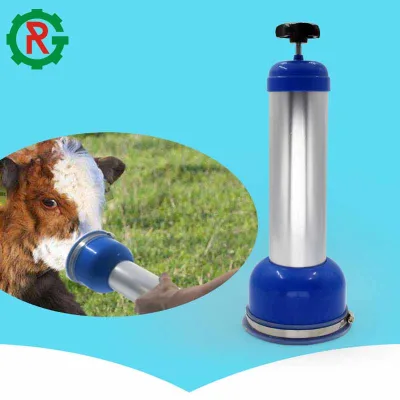


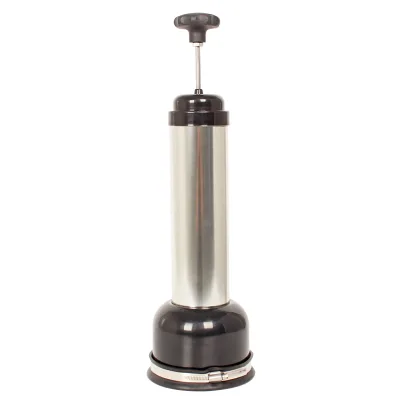
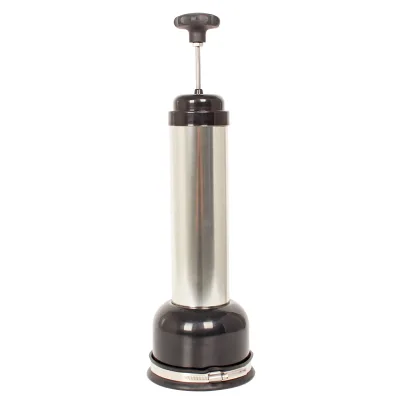
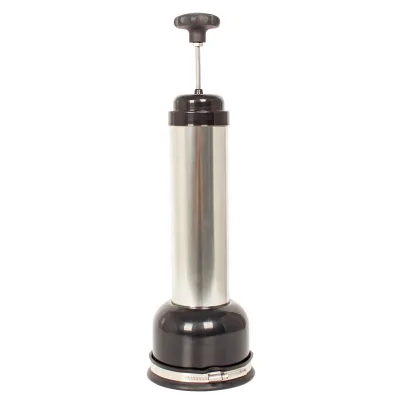





Comprehensive Sourcing Guide
Assist Calf Breathing Rebreather Sourcing Guide
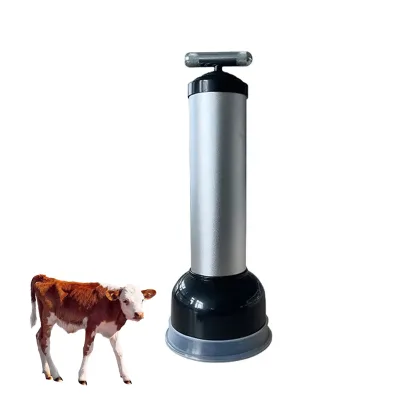
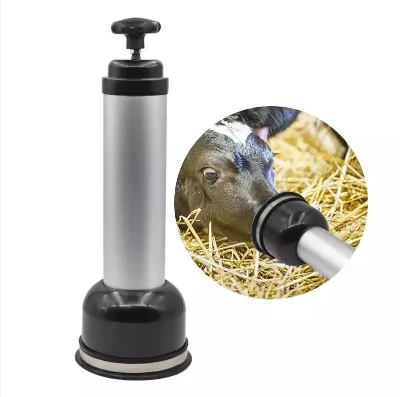
Procuring equipment designed to assist calf breathing requires a careful evaluation of mechanical reliability and material safety, as these devices are critical for emergency veterinary interventions. Buyers must distinguish between manual labor-powered units and automated systems, noting that observed listings frequently specify manual operation as the primary power source. This distinction is vital for field use where electricity may be unavailable, ensuring that the device can be deployed immediately during respiratory distress events without dependency on external power grids.
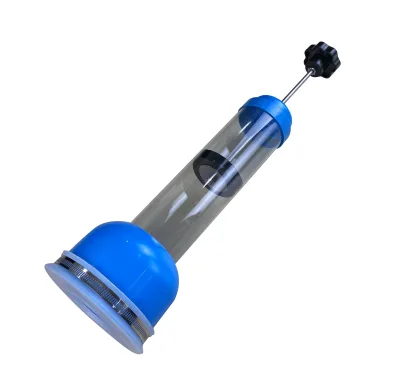
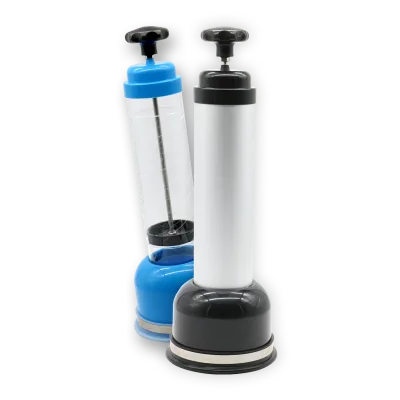
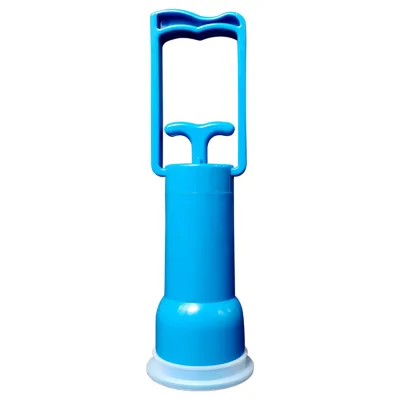
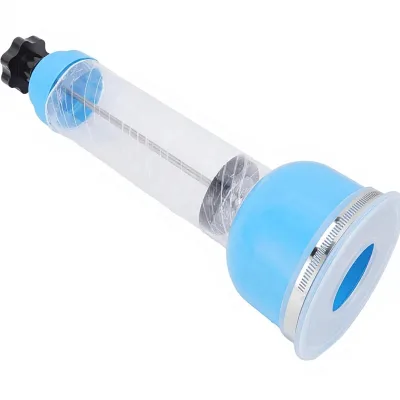
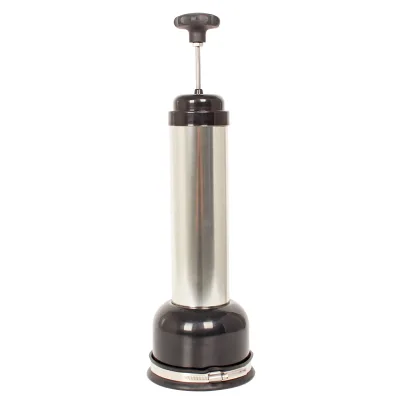
The market presents a variety of configurations, ranging from simple nipple-type attachments to more complex pump assemblies. Sourcing teams should prioritize devices constructed from food-grade aluminum alloy or stainless steel, as these materials offer the necessary durability and hygiene standards for repeated use in agricultural settings. Verifying the specific application scope, which often includes compatibility with cattle, sheep, and other livestock, ensures that the purchased unit meets the diverse needs of mixed-species farming operations or specialized veterinary clinics.
Product Scope and Observed Listing Signals
Current market data indicates a wide price range, with observed listings spanning from low-cost individual components to high-value complete apparatuses. This variance suggests that buyers can source either replacement parts, such as rubber cups or specific model components, or fully integrated breathing systems. Understanding this spectrum allows procurement teams to budget accurately for either bulk consumable purchases or capital equipment investments, depending on whether the goal is to maintain existing fleets or acquire new emergency response tools.
Listing signals also reveal significant variation in minimum order quantities, ranging from single units to larger batches. This flexibility supports both small-scale veterinary practices and large agricultural cooperatives, enabling buyers to test individual units before committing to larger orders. Additionally, the presence of customization options in several listings indicates that suppliers are willing to adapt product specifications to meet specific operational requirements, providing an opportunity for buyers to tailor devices to their unique herd management protocols.
Technical Specifications to Verify
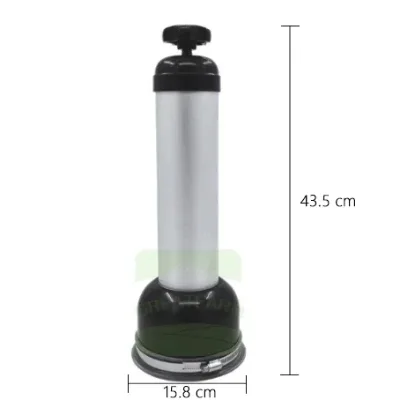
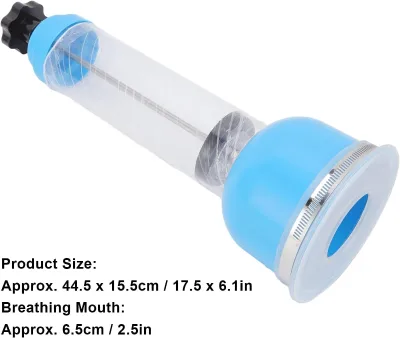
When evaluating technical specifications, buyers must closely examine the physical dimensions and weight of the units to ensure portability and ease of handling. Observed data shows single package sizes varying significantly, with some units measuring up to 53x23x29 cm, which impacts storage and transport logistics. Verifying the gross weight, which ranges from lightweight components to heavier assemblies, is essential for determining the ergonomic suitability of the device for field veterinarians who may need to operate it for extended periods during emergency procedures.
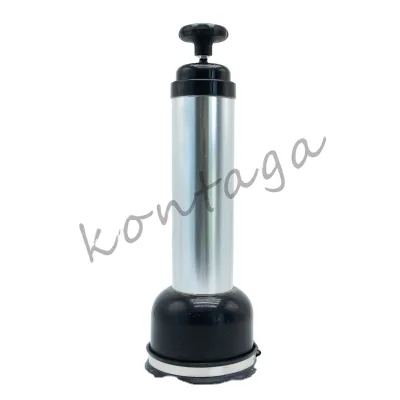
Material composition is another critical technical factor, with listings specifying food-grade aluminum alloy, stainless steel, and rubber components. Buyers should verify that all materials contacting the animal are safe and non-toxic, ensuring compliance with agricultural safety standards. Additionally, checking the model numbers, such as KD981 or HL-Q28, helps in identifying specific functional attributes and compatibility with existing veterinary equipment, preventing mismatches that could delay critical care during respiratory emergencies.
Compliance and Safety Documentation
Documentation requirements for calf breathing devices often include machinery test reports and certification marks, which serve as indicators of manufacturing quality and safety. Buyers should request these documents to verify that the devices have undergone rigorous testing for reliability and performance under stress conditions. The presence of ISO9001 certification, as noted in some listings, suggests a standardized quality management system, although buyers must confirm the specific version and scope of this certification to ensure it applies to the production of medical or veterinary equipment.
Warranty terms also play a crucial role in risk mitigation, with observed warranties ranging from three months to one year. These terms provide a safety net against manufacturing defects and indicate the supplier’s confidence in their product’s durability. Buyers should carefully review the warranty conditions to understand what is covered, including parts and labor, and whether the warranty extends to international shipments, ensuring that support is available regardless of the buyer’s location.
Cost Drivers and Commercial Terms
Several factors influence the final cost of calf breathing rebreathers, including material quality, manufacturing complexity, and packaging requirements. Devices made from stainless steel or food-grade aluminum typically command higher prices due to the cost of raw materials and the precision required in their fabrication. Additionally, the inclusion of specialized components, such as custom-designed rubber cups or ergonomic handles, can increase the unit price, reflecting the added value of enhanced usability and comfort for the operator.
Commercial terms, such as shipping methods and packaging standards, also impact the total cost of ownership. Observed listings indicate that ocean shipment and paper carton packaging are common, which affects logistics planning and potential damage risks during transit. Buyers should negotiate clear terms regarding packaging integrity and insurance coverage to minimize the risk of receiving damaged goods, ensuring that the investment is protected from the point of manufacture to the final destination.
Supplier Qualification and Quality Control
Supplier qualification involves verifying the origin and manufacturing capabilities of the providers, with many listings indicating origins in China, including Henan and Jiangsu provinces. Buyers should assess the supplier’s production capacity and quality control processes to ensure consistent product quality across batches. Requesting samples before placing large orders allows for hands-on evaluation of the device’s build quality, material feel, and functional performance, providing critical insights into whether the supplier meets the buyer’s standards for reliability and safety.
Quality control checks should also include verification of the supplier’s ability to provide customization services, as indicated by several listings. This capability is valuable for buyers with specific operational needs, such as custom sizing or branding requirements. Ensuring that the supplier has a robust process for handling customization requests, including clear communication channels and quality assurance steps, helps prevent misunderstandings and ensures that the final product aligns with the buyer’s expectations.
Long-Term Procurement Checks
Long-term procurement success depends on establishing a reliable supply chain that can support ongoing maintenance and replacement needs. Buyers should monitor supplier performance over time, tracking metrics such as delivery times, product consistency, and responsiveness to issues. Building a relationship with a trusted supplier ensures access to genuine replacement parts and technical support, which is crucial for maintaining the functionality of calf breathing devices in emergency situations where downtime can be critical.
Regular reviews of product performance and user feedback are essential for identifying potential improvements or issues that may arise during extended use. Buyers should encourage feedback from veterinarians and farm staff to assess the device’s ease of use, durability, and effectiveness in real-world scenarios. This continuous improvement loop helps in making informed decisions about future purchases, ensuring that the procurement strategy evolves to meet changing operational needs and technological advancements in veterinary care equipment.
FAQs
What material is used for the calf rebreather?
The device is constructed from food-grade aluminum alloy and rubber cups. This combination ensures durability and safety for veterinary use. Some models also feature stainless steel components. The materials are selected to withstand repeated cleaning and sterilization processes required in clinical settings.
Can the calf breathing apparatus be customized?
Yes, customization is available for these rebreather units. Buyers can request specific modifications to meet unique veterinary requirements. The product page explicitly states that customization options are open. This allows for tailored solutions for different animal types or specific clinical protocols.
What is the warranty period for this equipment?
The warranty coverage varies by supplier, typically offering either one year or three months of support. This ensures reliability for veterinary practices. Buyers should verify the specific warranty terms with the manufacturer before purchase. The warranty covers defects in materials and workmanship under normal use.
Which animals can this rebreather be used on?
The device is designed for use on cattle, cows, mules, donkeys, pigs, sheep, dogs, and horses. It serves as a versatile calf respirator for various livestock. The broad application range makes it suitable for mixed farms. It helps animals recover quickly by assisting with breathing during critical moments.
What is the minimum order quantity for this product?
The minimum order quantity is two pieces. This low MOQ allows small veterinary clinics to test the product. It reduces initial investment risks for buyers. The selling unit is listed as a single item, facilitating easy procurement for individual practice needs.
How is the product packaged for shipment?
The rebreather is packaged in cartons or paper cartons for protection. Ocean shipment is the standard method for delivery. The single package size varies, with some units measuring 53x23x29 cm. Proper packaging ensures the device arrives in new condition without damage.