Ball Bearing Polyurethane Caster Wheel Suppliers and Manufacturers
Compare 25 verified suppliers offering Ball Bearing Polyurethane Caster Wheel options with varying lead times, certifications, and response speeds. Review product specifications like wheel material and brake types, then request samples to verify quality before placing orders; review the available evidence before requesting comparable quotations from suitable candidates.
Updated
Suppliers List

Guangzhou Ylcaster Metal Co., Ltd.
- Trading Company,Manufacturer/Factory
- China Guangdong
- Lead time60 days
- Avg. response≤ 5h
Main productsCaster, Caster Wheel, Trolley Wheel, Heavy Duty Trolley Wheels, Rubber Wheels, Industrial Caster, Hospital Bed Caster, Steel Caster Wheel, Pneumatic Caster Wheels, Central Lock Caster
Main marketsSouth America,Eastern Europe,Mid East,North America,Southeast Asia,Eastern Asia,Oceania,Western Europe,Africa

Dongguan Carsun Caster Co., Ltd.
- Verified by BV
- Combined
- China Guangdong
- Lead time15 days
- Avg. response≤ 5h
Main productsCasters, Caster Wheels, Industrial Casters, Swivel Caster, Heavy Duty Caster Wheel, Conductive Antistatic Casters, Thermo Casters, Agv Robot Casters, Stainless Steel Caster Wheels, Shipping Container Caster Wheels
Main marketsEurope,North America

China Heavy Duty 8 Inch Polyurethane Industry Caster Wheel with PU Material Wheel
$6.00 - $6.62
MOQ: 100 Pieces

Light Duty PU Casters 62X24 Transparent Polyurethane Wheels with 608 Ball Bearings
$0.99 - $1.25
MOQ: 1000 Pieces

Heavy Duty 6" 8" Inch Polyurethane PU Industry Caster Wheel with PU Material
$5.30 - $6.62
MOQ: 500 Pieces

Good Quality Heavy Duty 6" 8" Inch Polyurethane PU Industry Caster Wheel
$5.30 - $6.62
MOQ: 500 Pieces

OEM Heavy Duty 6" 8" Inch Polyurethane PU Industry Caster Wheel for Sale
$5.30 - $6.62
MOQ: 500 Pieces


- Verified by SGS
- Manufacturer/Factory
- China Guangdong
- Lead time15 days
- Avg. response≤ 2h
Main productsCastor, Wheels, Caster, Truckle, Castor&Wheels, Caster Wheels, Trolley Casters, PU Casters, Rubber Casters, Globe Castors
Main marketsSouth America,Eastern Europe,Mid East,North America,Southeast Asia,Eastern Asia,Oceania,Western Europe,Africa

Super Polyurethane Single Wheel for Caster PU Caster Wheels with Ball Bearing
$21.55 - $22.55
MOQ: 100 Pieces


Qingdao Lixiang Yutai Innovation Technology Co., Ltd
- Manufacturer, Trading Company
- Shandong, China
- Lead time30 days
- Avg. response≤ 6h
Main productsWheels
Main marketsNorth America(30.00%), South America(30.00%), Eastern Europe(20.00%), Northern Europe(10.00%), Southeast Asia(10.00%)

Xiangshan Tongzhou Plastic Products Co., Ltd.
- Verified by BV
- Combined
- China Zhejiang
- Lead time30 days
- Avg. response≤ 17h
Main productsCaster, PU Wheel, Rubber Wheel, Nylon Wheel, PU Roller, PU Products, Rubbber Products
Main marketsSouth America,Southeast Asia/ Mideast,Europe,North America
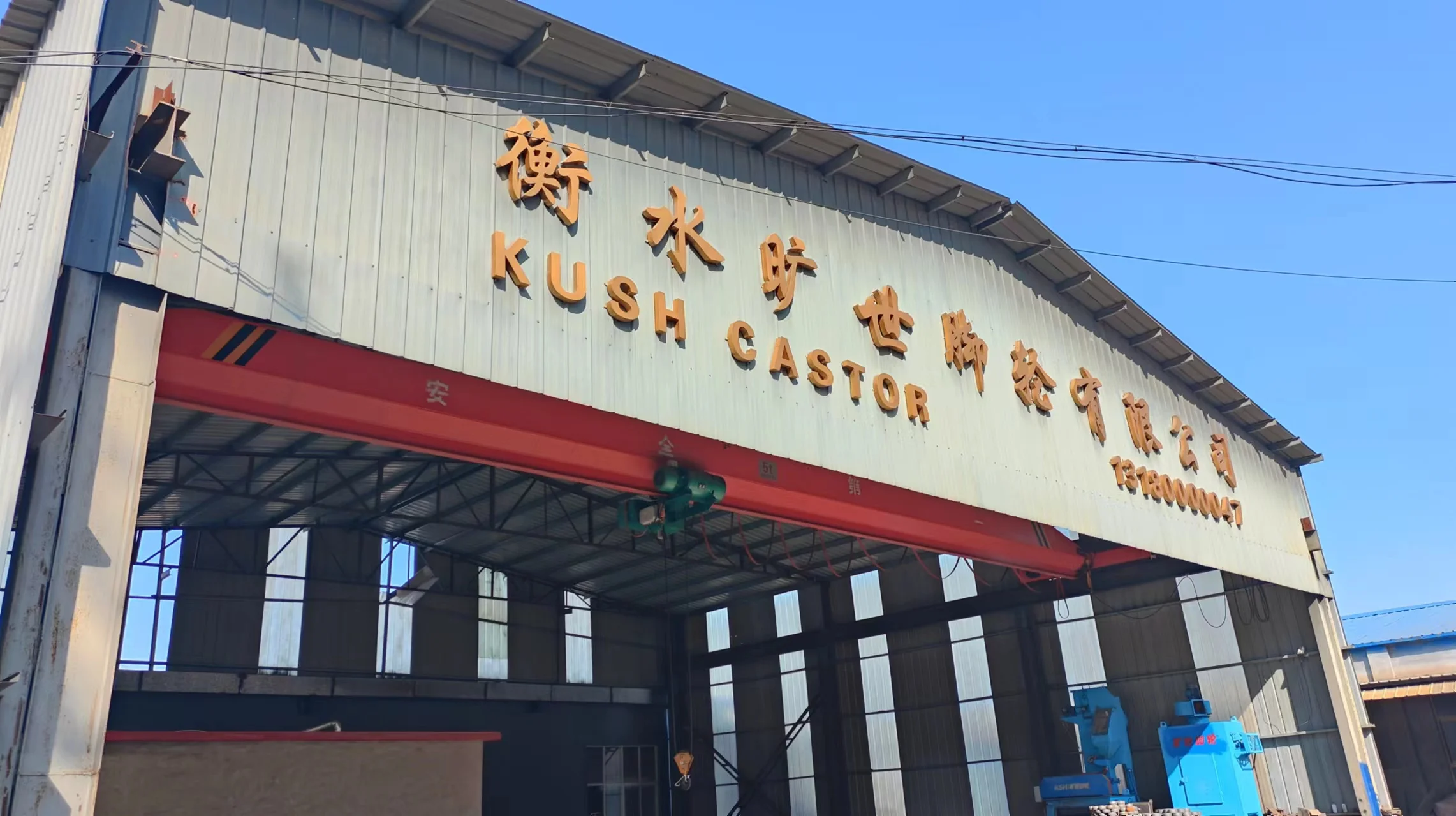
Hengshui Kuangshi Caster Co., Ltd.
- Manufacturer, Trading Company
- Hebei Province, China
- Lead time15 days
- Avg. response≤ 1h
Main productsForklift wheels,Extra heavy duty casters,Industrial casters,Lightweight casters,Heavy duty casters
Main marketsNorth America(18.00%), Domestic Market(16.00%), Southeast Asia(15.00%), Western Europe(7.00%), South Asia(5.00%)
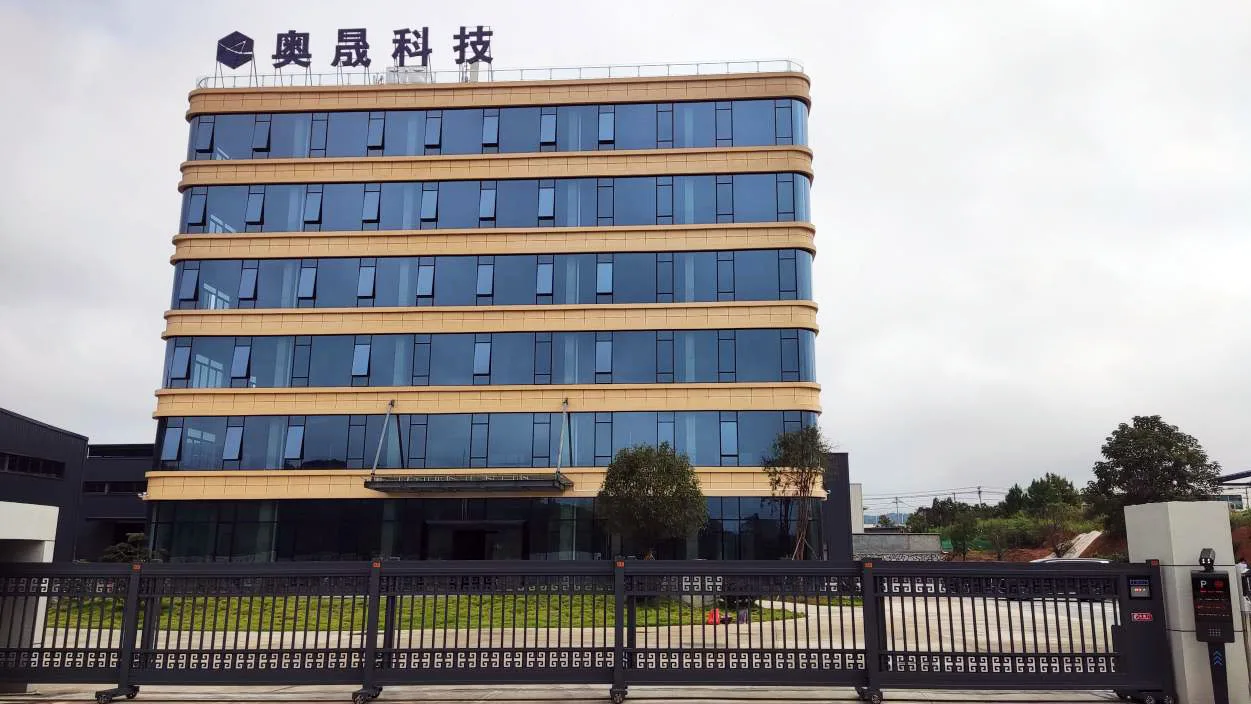
Fujian Authon Technology Co., Ltd.
- Manufacturer, Trading Company
- Fujian, China
- Lead time10 days
- Avg. response≤ 3h
Main productsPU raw material,Anvil cover,Sun wheel,Hydrocyclone,Rubber roller
Main marketsNorth America(55.00%), Western Europe(32.00%), Northern Europe(13.00%)
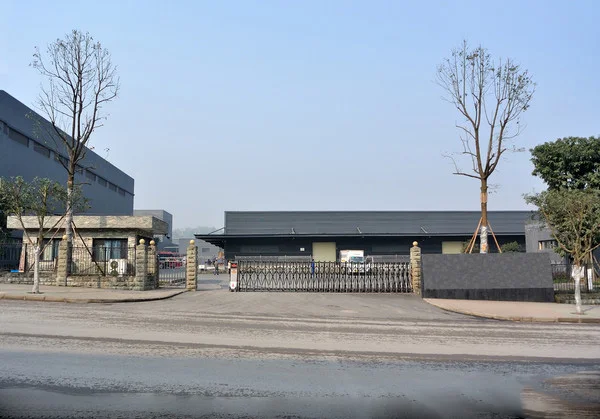
Tangshan Hardware Trading Co., Ltd.
- Trading Company
- Hebei, China
- Lead time30 days
- Avg. response≤ 2h
Main productscaster wheel,hand pallet truck,plastic pallet,material handling equipment,hand truck
Main marketsSoutheast Asia(30.00%), North America(20.00%), Mid East(20.00%), Western Europe(10.00%), South America(10.00%), Africa(10.00%)
Jiaxing Hengshun Rubber Plastic Co., Ltd.
- Manufacturer
- Zhejiang, China
- Lead time30 days
- Avg. response≤ 3h
Main productsHeavy Duty Transport Tool Carts, Heavy Duty Swivel PP Plastic Caster, rubber plastic wheel
Main marketsNorth America(40.00%), Western Europe(30.00%), Northern Europe(20.00%), Eastern Asia(10.00%)
HENGSHUI JIAPENG RUBBER PRODUCTS CO., LTD.
- Verified by SGS Group
- Manufacturer, Trading Company
- Lead time5 days
- Avg. response≤ 2h
Main productsCaster, Trolley
Main marketsEastern Asia(70%), Mid East(20%), Southeast Asia(10%)
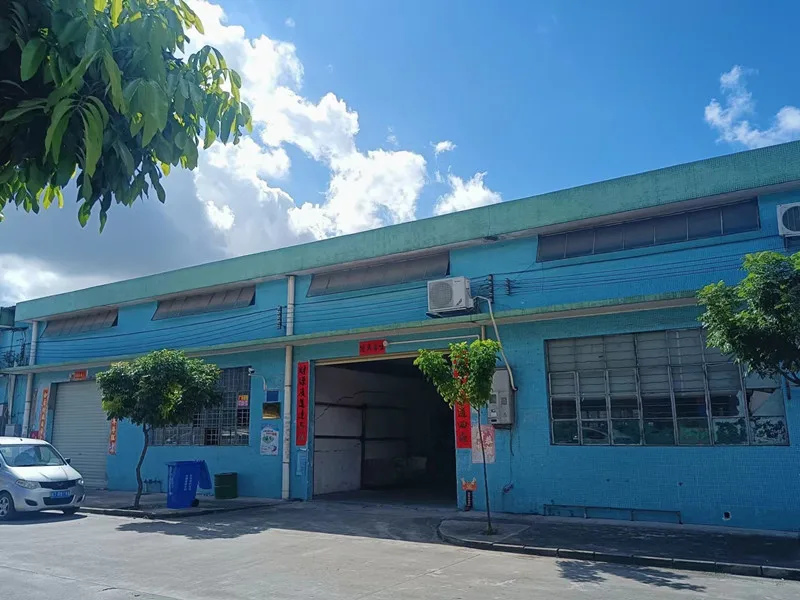
Zhongshan Augus Hardware Products Co., Ltd.
- Manufacturer
- Guangdong, China
- Lead time20 days
- Avg. response≤ 12h
Main productsCaster Wheel,castor wheel,caster
Main marketsDomestic Market(78.00%), Southeast Asia(10.00%), North America(5.00%), Southern Europe(4.00%), South America(3.00%)
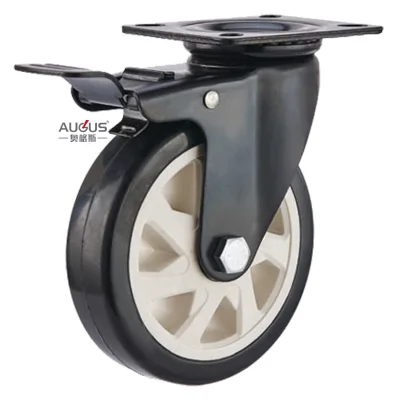
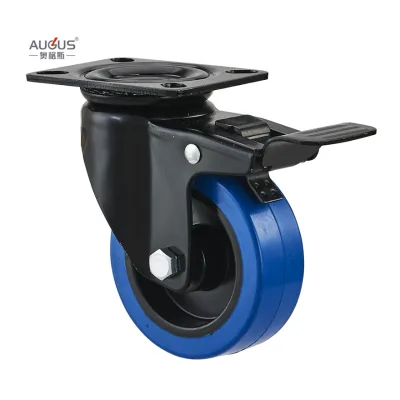
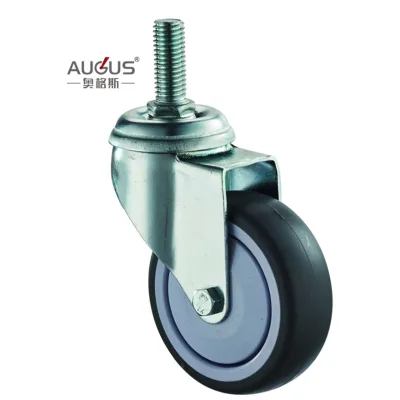
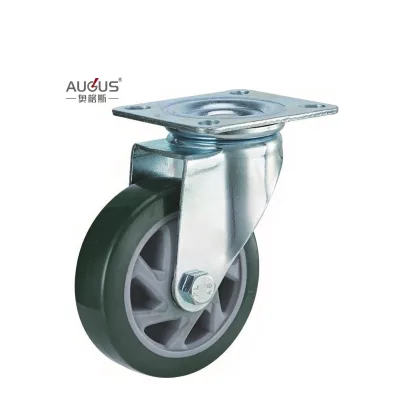
Hot Selling Roller bearing heavy duty wheel fixed casters caster 4 inches leveling wheels PU
$3.1398 - $3.5503
MOQ: 100 pieces
Cixi Lenew Hardware Fittings Co., Ltd.
- Trading Company
- Zhejiang, China
- Lead time5 days
- Avg. response≤ 16h
Main productscaster,caster whel,furniture caster wheel,industrial caster wheel,medical caster wheel
Main marketsNorth America(20.00%), Western Europe(15.00%), South America(10.00%), Southeast Asia(10.00%), Oceania(10.00%), South Asia(5.00%), Southern Europe(5.00%), Northern Europe(5.00%), Africa(5.00%), Eastern Asia(5.00%), Mid East(5.00%), Eastern Europe(5.00%)
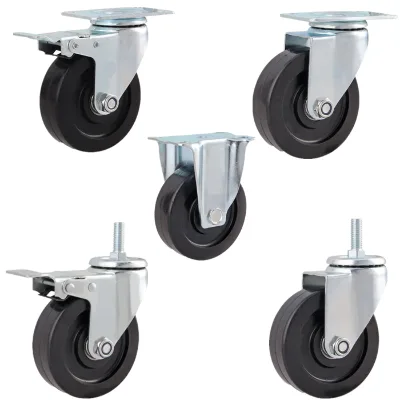
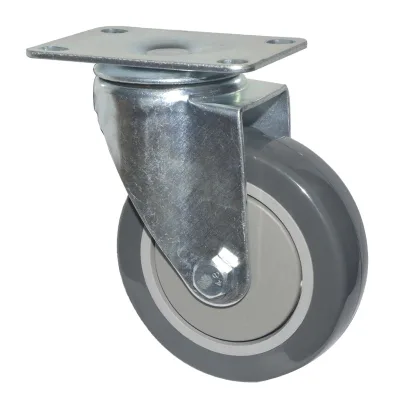
$1.99 - $2.19
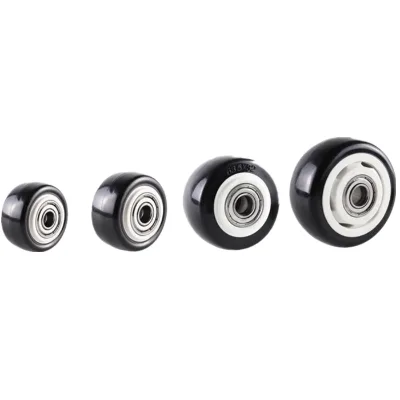
High Quality Single Caster Wheel Without Bracket
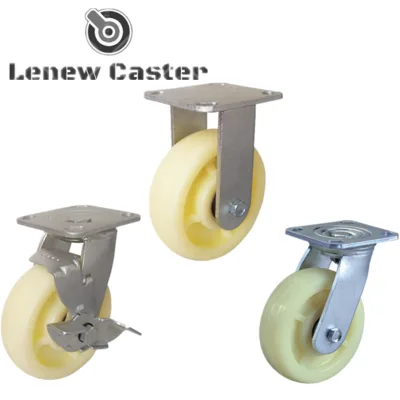
$0.09 - $0.20

Jiaxing Xingjie Machinery Co., Ltd.
- Verified by BV
- Trading Company
- China Zhejiang
- Lead time30 days
- Avg. response≤ 4h
Main productsCaster Wheel, Castor, Wheel, PU Foam Wheel, Shopping Cart, Shopping Basket, Foldable Trolley, Rack, Medical Equipment, Customized Products
Main marketsSouth America,Africa,Southeast Asia/ Mideast,Domestic,Europe,North America

Factory Rigid Fixed Medium Polyurethane PU Castor Wheel Industrial Caster with Doule Ball Bearing
$1.90 - $3.80
MOQ: 1 Pieces


High Quality for 5inch Rigid Castor Fixed Castor Wheel with Polyurethane Wheel
$3.00 - $5.00
MOQ: 1 Pieces


Stardrawing International Trading (Shanghai) Co., Ltd.
- Verified by BV
- Trading Company
- China Shanghai
- Lead time30 days
- Avg. response≤ 4h
Main productsCaster Wheel, Wheel, Lifting Jack, Agv and Other Industrial Equipments and Parts
Main marketsSouth America,Africa,Southeast Asia/ Mideast,East Asia(Japan/ South Korea),Domestic,Europe,Australia,North America


Stardrawing 200/250/300mm Polyurethane Cast Iron Wheels Caster Heavy Duty PU Caster
$20.00 - $800.00
MOQ: 100 Pieces

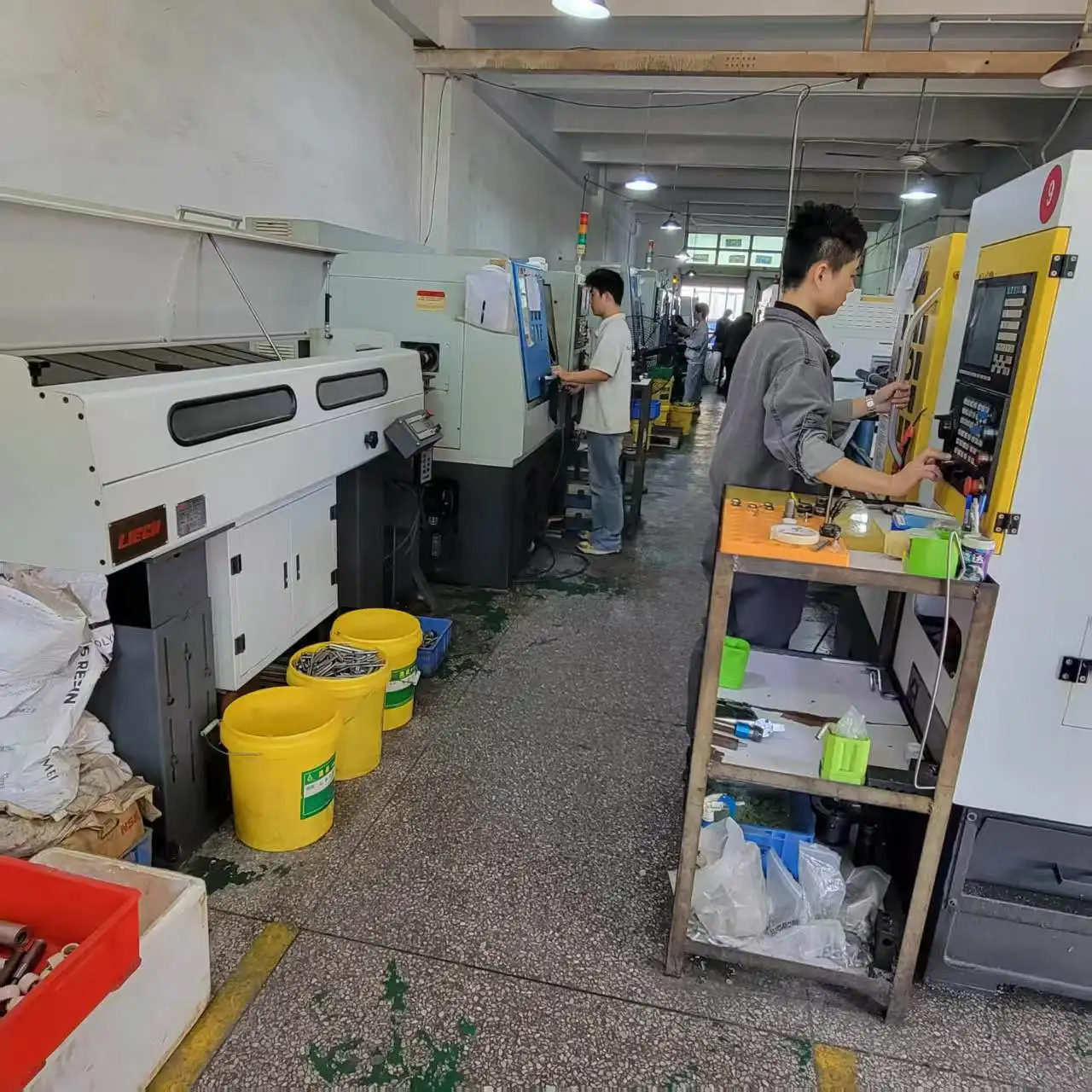
Juxingda Precision Technology Limited
- Manufacturer, Trading Company
- Hong Kong S.A.R.
- Lead time10 days
- Avg. response≤ 2h
Main productsPolyurethane Rollers, Rubber Rollers, Pulley Wheel, Rubber Bearing
Main marketsEastern Asia(30.00%), Domestic Market(30.00%), North America(20.00%), Western Europe(20.00%)
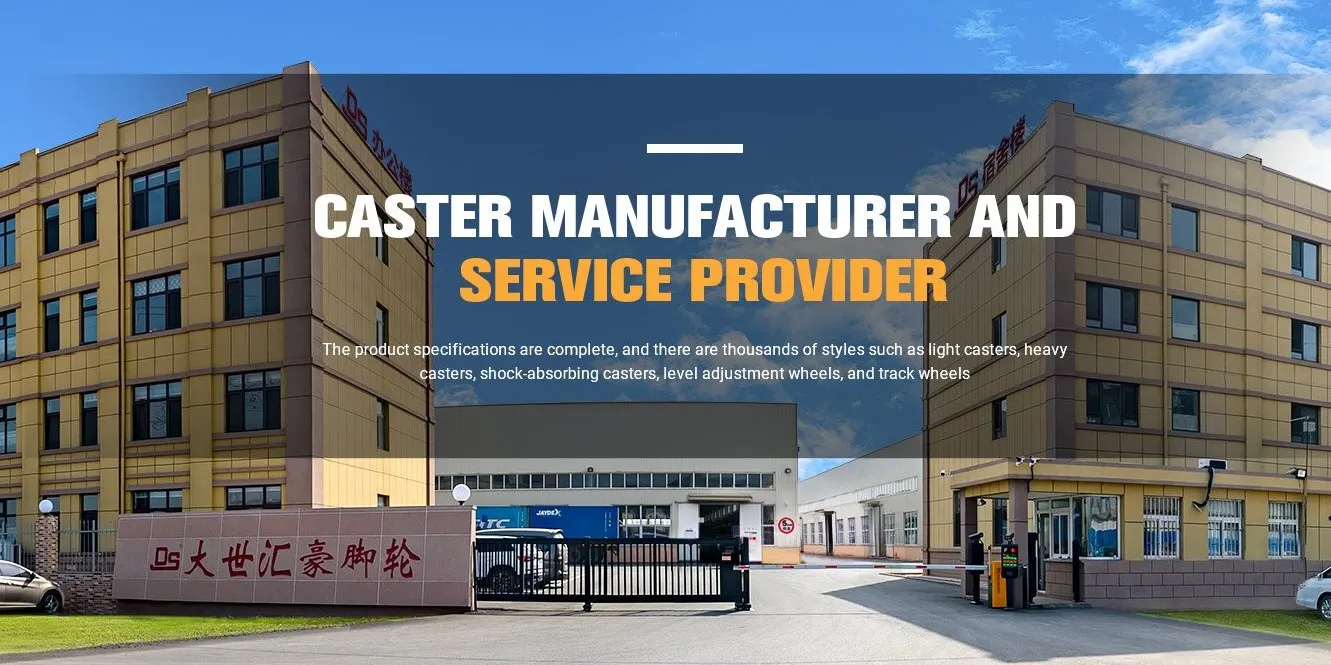
Qingdao Dashi Huihao Caster Co., Ltd
- Manufacturer, Trading Company
- Shandong, China
- Lead time10 days
- Avg. response≤ 2h
Main productsindustrial castor,heavy duty caster,shock absorbing caster,leveling adjustable caster,casters
Main marketsEastern Asia(80.00%), Domestic Market(15.00%), North America(5.00%)
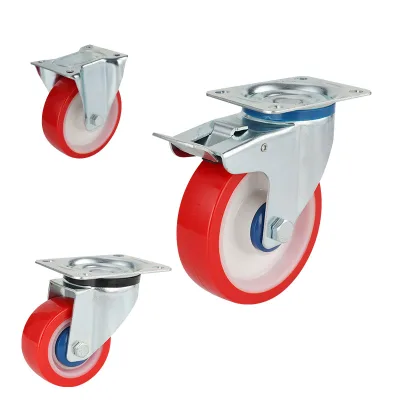
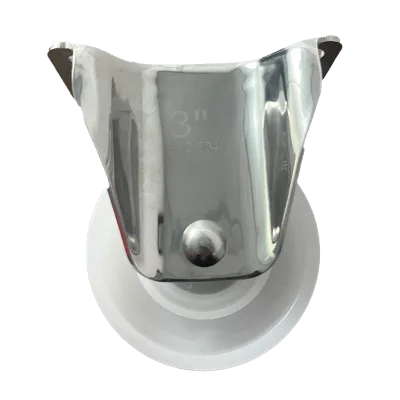
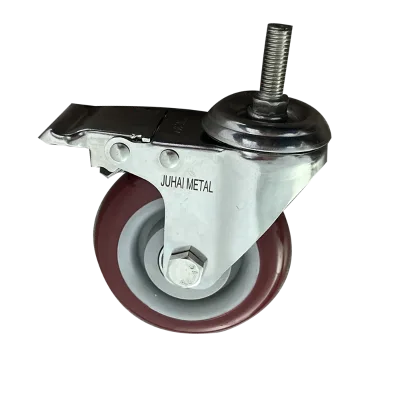
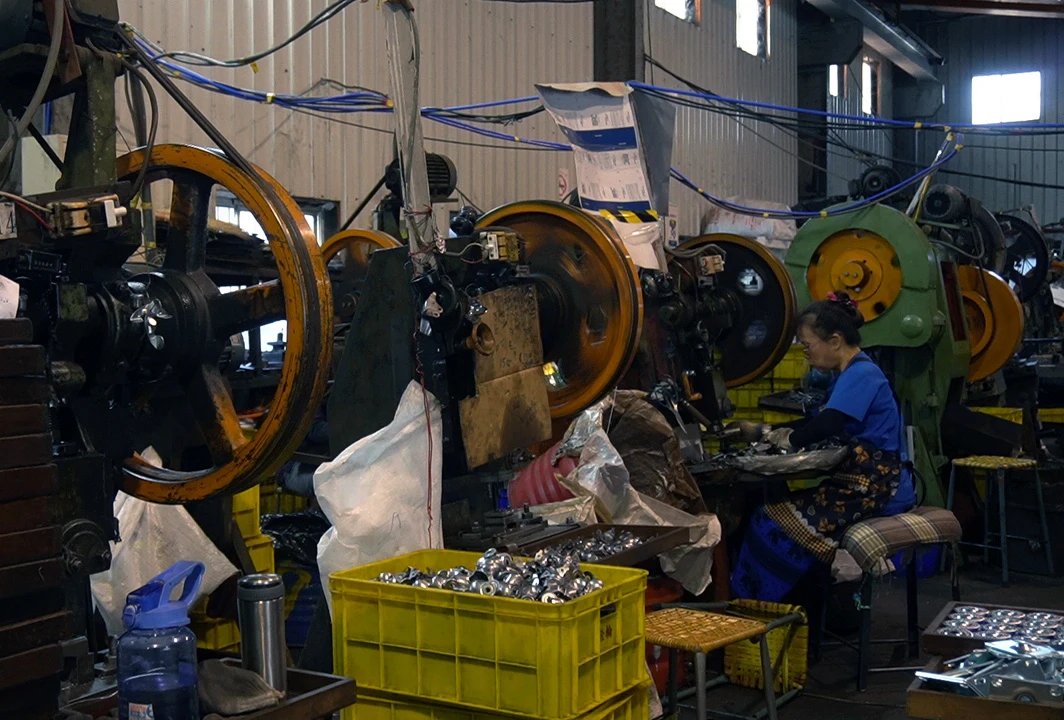
Zhongshan Juhai Metal Products Co., Ltd.
- Verified by SGS Group
- Manufacturer, Trading Company
- Lead time15 days
- Avg. response≤ 2h
Main products304 Stainless Steel Casters, Nylon Caster, TPR Casters, Polyurethane Caster, PP Caster
Main marketsDomestic Market(60%), North America(25%), Eastern Asia(5%)
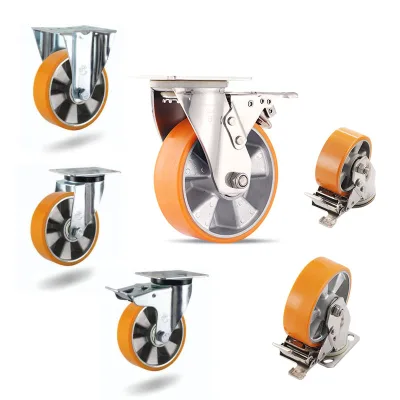
$8.6495 - $16.4166
MOQ: 10 pieces
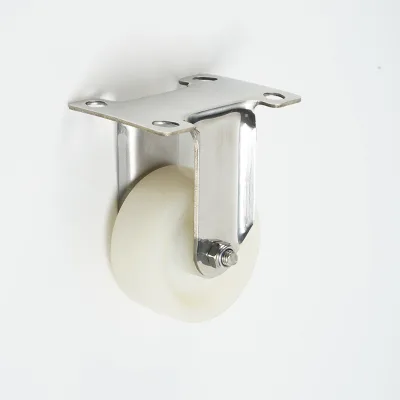
CHANG CHUAN ENTERPRISE CO., LTD.
- Manufacturer, Trading Company
- Taiwan, China
- Lead time45 days
- Avg. response≤ 13h
Main productsCasters
Main marketsNorth America(93.00%), Eastern Europe(6.00%), Eastern Asia(1.00%)
- Manufacturer
- Guangdong, China
- Lead time20 days
- Avg. response≤ 3h
Main productscaster,castor,furniture caster,medical caster,industry caster
Main marketsSouthern Europe(10.00%), Northern Europe(10.00%), Western Europe(10.00%), Eastern Europe(10.00%), South America(10.00%), North America(10.00%), Domestic Market(5.00%), South Asia(5.00%), Oceania(5.00%), Africa(5.00%), Central America(5.00%), Southeast Asia(5.00%), Eastern Asia(5.00%), Mid East(5.00%)
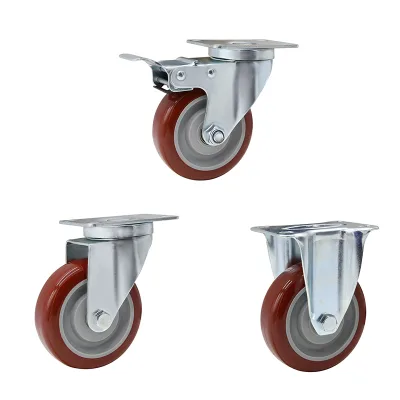
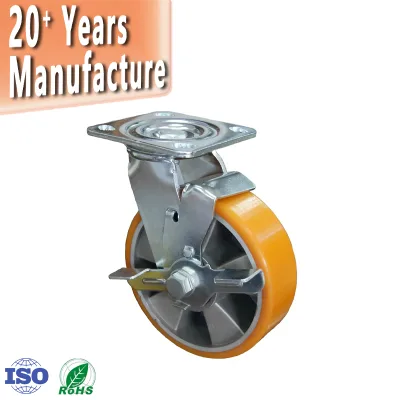
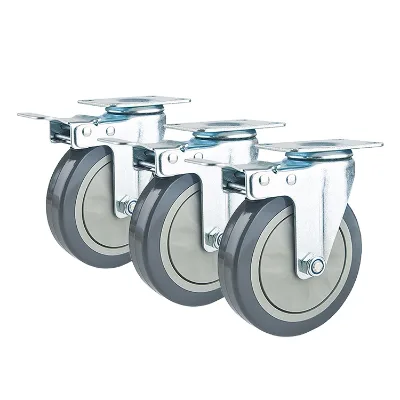
4-Inch Medium-Sized Polyurethane Flat Wheel with Universal Brake Customizable OEM Support
$1.2928 - $1.3961
MOQ: 2000 pieces
Wen'an County Junsheng Metal Products Co., Ltd.
- Verified by SGS Group
- Manufacturer, Trading Company
- Lead time15 days
- Avg. response≤ 6h
Main productsUniversal Wheel
Main marketsDomestic Market(70%), Mid East(20%), Western Europe(10%)
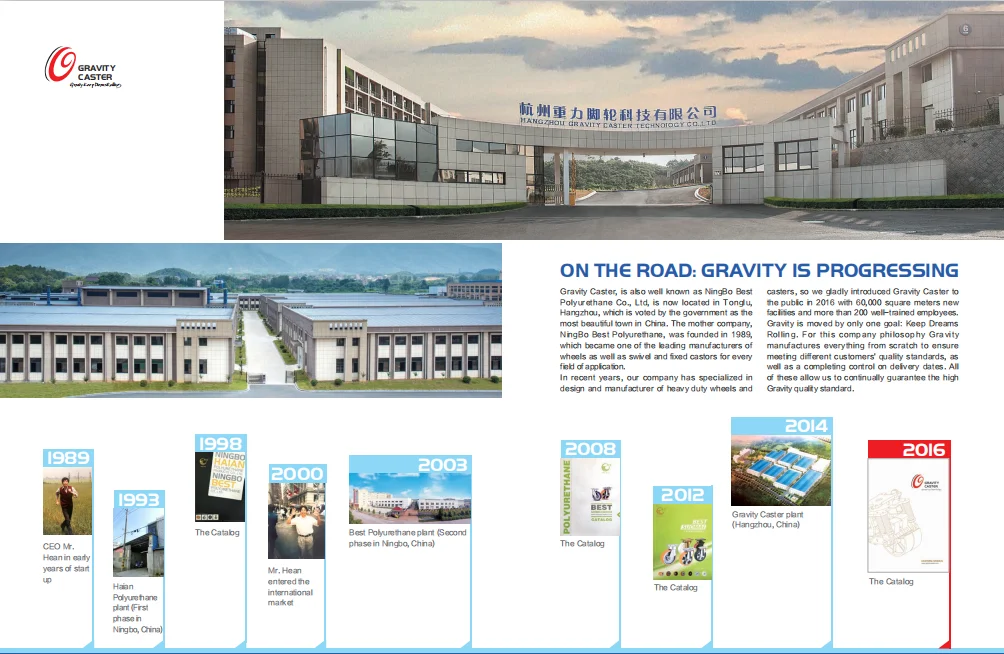
Hangzhou Gravity Caster Technology Co., Ltd.
- Manufacturer, Trading Company
- Zhejiang, China
- Lead time30 days
- Avg. response≤ 6h
Main productsCasters,Wheels
Main marketsNorth America(35.00%), Domestic Market(15.00%), Western Europe(15.00%), Eastern Europe(15.00%), Northern Europe(10.00%), Southern Europe(5.00%), Southeast Asia(4.00%), South America(1.00%)
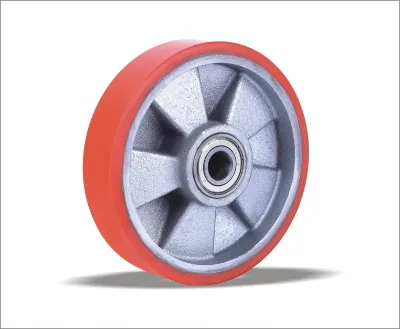
$1.0082 - $1.1834
MOQ: 100 pieces
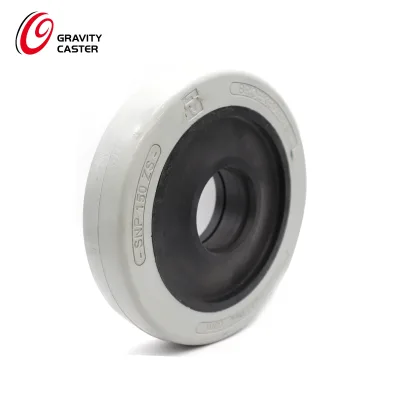
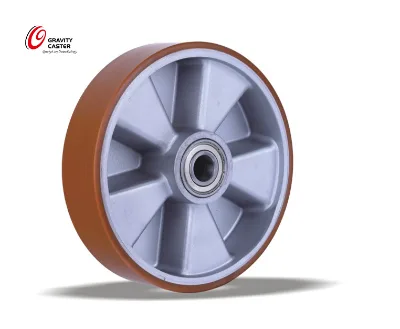
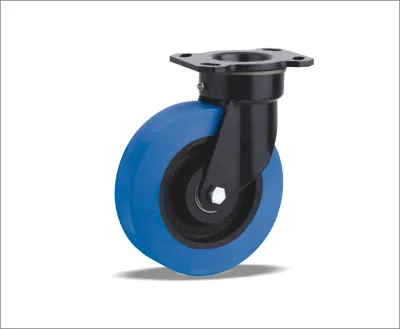
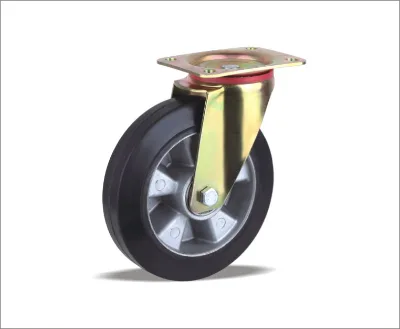
Hot Sale 4 5 6 Inch Casters Heavy Duty Polyurethane Industrial Trolley Used Fixed Caster Wheels
$2.5751 - $4.3951
MOQ: 10 pieces
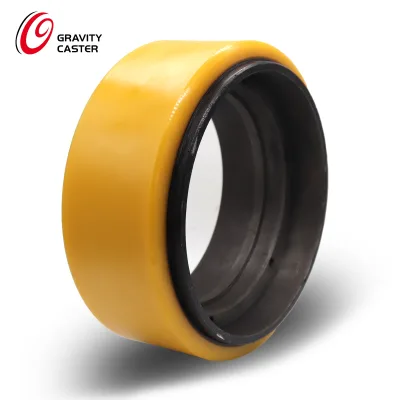
Dongguan Carsun Caster Co., Ltd.
- Verified by TüVRheinland
- Manufacturer, Trading Company
- Lead time15 days
- Avg. response≤ 2h
Main productsCaster Wheels
Main marketsDomestic Market(40%), North America(18%), Southeast Asia(7%)
Puyang Zhongda Precision Automation Co., Ltd.
- Verified by TüVRheinland
- Trading Company
- Lead time10 days
- Avg. response≤ 2h
Main productsCoupling, Packaging Machine Accessories, Belt Pulley Accessories, Rubber And Plastic Products, Linear Bearing Lead Screw
Main marketsMid East(22%), North America(21%), South Asia(11%)
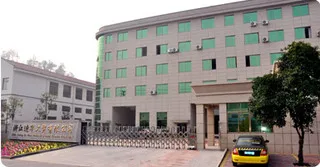
Zhejiang Dihua Industry&trade Co., Ltd.
- Manufacturer, Trading Company
- Zhejiang, China
- Lead time30 days
- Avg. response≤ 1h
Main productscaster,wheel,polyurethane caster,Nylon Wheel,polyurethane wheel
Main marketsNorth America(40.00%), Eastern Europe(20.00%), Western Europe(20.00%), South America(10.00%), Southeast Asia(10.00%)
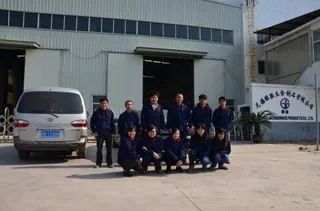
Wuxi Gujia Hardware Products Co., Ltd.
- Manufacturer
- Jiangsu, China
- Lead time5 days
- Avg. response≤ 1h
Main productsPlastic Coated Pipe,Metal Joint,Roller Track,Caster Wheel,Pipe
Main marketsWestern Europe(12.50%), Eastern Asia(12.50%), Mid East(12.50%), Africa(12.50%), Southeast Asia(12.50%), Eastern Europe(12.50%), South America(12.50%), North America(12.50%)




Comprehensive Sourcing Guide
Ball Bearing Polyurethane Caster Wheel Supplier Concentration and Factory Types
The current supplier landscape for ball bearing polyurethane caster wheels reveals a distinct concentration of manufacturing and trading entities within specific industrial regions. Evidence indicates that a significant portion of these suppliers are located in China, with Guangdong province emerging as a primary hub for production. This geographic clustering is not accidental but reflects the established supply chain infrastructure for metal components, rubber processing, and polyurethane molding. Buyers evaluating this market should recognize that suppliers in this region often benefit from proximity to raw material sources and specialized logistics networks, which can influence both lead times and shipping costs. The presence of these factories suggests a mature ecosystem where component sourcing is streamlined, allowing for efficient production of heavy-duty and light-duty caster variants. Understanding this concentration helps buyers anticipate the competitive dynamics and the availability of diverse product lines, from standard industrial casters to specialized conductive or antistatic models.
Supplier types in this sector vary between pure manufacturers, trading companies, and combined entities that offer both production and sourcing capabilities. Data shows that many suppliers identify as Manufacturer/Factory, indicating direct control over the production process, while others operate as Trading Company, leveraging networks to aggregate products from multiple factories. Some suppliers are classified as Combined, suggesting a hybrid model that may offer the flexibility of a trader with the oversight of a manufacturer. This diversity impacts how buyers should approach engagement, as factory-direct suppliers might offer more customization options for OEM and ODM projects, whereas trading companies might provide broader catalog access. The presence of ISO 9001 and ISO 14001 certifications among these entities signals a baseline commitment to quality management and environmental standards, which is crucial for buyers requiring consistent product reliability. Recognizing these structural differences allows buyers to align their sourcing strategy with their specific needs for control, variety, or speed.
How to Verify Ball Bearing Polyurethane Caster Wheel Suppliers
Verifying the legitimacy and capability of suppliers requires a multi-layered approach that goes beyond basic profile reviews. Buyers should prioritize suppliers who display third-party verification badges, such as BV or SGS, as these indicate that an independent agency has audited the company’s business operations and legal status. For instance, some suppliers in the current results hold BV verification, while others have undergone SGS audits, providing a layer of trust regarding their corporate existence and operational integrity. Additionally, checking for system certifications like ISO 9001:2015 or ISO 14001 is essential, as these standards verify that the supplier has implemented formalized quality and environmental management systems. These certifications are not merely decorative; they often correlate with consistent production processes and traceability, which are critical for industrial components like caster wheels. Buyers should request copies of these certificates and verify their validity through the issuing bodies to ensure they are current and applicable to the specific products being sourced.
Beyond certifications, buyers must assess the supplier’s responsiveness and technical transparency to gauge their reliability. Response time metrics, such as those showing averages around 4.34 or 1.38 hours, can serve as an indicator of the supplier’s operational efficiency and customer service commitment. A faster response time often suggests a more agile organization capable of handling urgent inquiries or custom requests. Furthermore, examining the detailed product attributes provided, such as bearing types, wheel materials, and surface treatments, helps verify technical competence. For example, suppliers listing specific bearing types like ball bearings and surface treatments like zinc plating or electrophoresis demonstrate a level of product knowledge that is essential for ensuring durability and performance. Buyers should also look for evidence of customization capabilities, such as available OEM/ODM services or specific model numbers, which indicate the supplier’s ability to tailor products to specific application requirements. This technical depth is a strong proxy for manufacturing capability.
What to Compare Across Ball Bearing Polyurethane Caster Wheel Suppliers
When evaluating multiple suppliers, buyers must systematically compare key operational metrics to identify the best fit for their specific procurement needs. Lead time is a critical factor, with some suppliers offering rapid turnaround times of 15 days, while others may require up to 60 days for production. This variance can significantly impact inventory planning and project timelines, making it essential to align supplier capabilities with delivery expectations. Similarly, Minimum Order Quantities (MOQ) vary widely, ranging from 100 units for certain heavy-duty models to 1000 units for others. Buyers with smaller volume requirements should seek suppliers with lower MOQs to avoid excessive inventory costs, while those with large-scale needs might leverage higher MOQs for potential price advantages. Comparing these operational constraints helps buyers filter suppliers based on their capacity to meet volume and timing requirements without compromising on quality or service.
Price and product specifications are equally important dimensions for comparison, as they directly affect the total cost of ownership and product performance. Price ranges for polyurethane caster wheels can vary from approximately $0.99 to $8.11 per unit, depending on factors such as wheel size, load capacity, and additional features like brakes or swivel mechanisms. Buyers should analyze these prices in the context of the product’s technical attributes, such as the use of ball bearings, polyurethane material quality, and surface treatments like zinc plating or electrophoresis. Additionally, comparing main product offerings helps identify suppliers with specialized expertise, whether in heavy-duty industrial casters, hospital bed casters, or conductive antistatic models. Suppliers offering a broad range of applications, from furniture to machinery, may provide greater flexibility for future sourcing needs. By systematically comparing these metrics, buyers can make informed decisions that balance cost, quality, and operational efficiency.
Common Ball Bearing Polyurethane Caster Wheel Sourcing Risks
One of the primary risks in sourcing ball bearing polyurethane caster wheels is the potential discrepancy between advertised specifications and actual product performance. Suppliers may list generic attributes such as "ball bearing" or "polyurethane material" without providing detailed technical data on load ratings, bearing precision, or polyurethane hardness. This lack of specificity can lead to receiving products that do not meet the required durability or load-bearing standards for specific applications, such as heavy-duty industrial carts or medical equipment. Buyers must mitigate this risk by requesting detailed technical datasheets and conducting sample testing before committing to large orders. Verifying the actual bearing type, such as whether it is a sealed ball bearing or an open type, and the polyurethane composition is crucial to ensure the product’s longevity and performance under real-world conditions.
Another significant risk involves the variability in manufacturing quality and consistency across different production batches. Even among suppliers with ISO certifications, there can be fluctuations in product quality due to differences in raw material sourcing, production processes, or quality control measures. For instance, surface treatments like zinc plating or electrophoresis may vary in thickness and corrosion resistance, affecting the caster’s lifespan in harsh environments. Additionally, the use of different core materials, such as PP, nylon, or iron, can impact the wheel’s weight and strength. Buyers should address this risk by establishing clear quality assurance protocols, including pre-shipment inspections and regular audits of the supplier’s production line. Engaging with suppliers who offer trial orders or provide video evidence of their manufacturing processes can also help assess their consistency and reliability. By proactively managing these risks, buyers can ensure that their sourced caster wheels meet the required standards for safety and performance.
Ball Bearing Polyurethane Caster Wheel Regional Sourcing and Logistics
Sourcing ball bearing polyurethane caster wheels from regional hubs like Guangdong, China, offers logistical advantages but also presents specific challenges that buyers must navigate. The concentration of suppliers in this region facilitates efficient access to raw materials and specialized manufacturing services, which can reduce production lead times and costs. However, buyers must consider the implications of international shipping, including transit times, customs clearance, and potential tariffs. Understanding the local logistics infrastructure is crucial for planning effective supply chain strategies, as delays in port operations or transportation can impact overall delivery schedules. Buyers should work closely with their suppliers to establish clear shipping terms, such as FOB or CIF, to define responsibilities for transportation and insurance. This clarity helps avoid unexpected costs and ensures that goods are delivered in a timely manner.
Additionally, regional sourcing requires buyers to be mindful of cultural and communication differences that can affect the sourcing process. While many suppliers in Guangdong are experienced in international trade, language barriers and differing business practices can sometimes lead to misunderstandings regarding product specifications or order details. Buyers should invest in clear communication channels, such as dedicated account managers or translation services, to ensure that all requirements are accurately conveyed and understood. Furthermore, leveraging digital tools for real-time order tracking and communication can enhance transparency and efficiency. By understanding the logistical and cultural nuances of regional sourcing, buyers can build stronger relationships with suppliers and streamline their procurement processes, ultimately leading to more reliable and cost-effective sourcing outcomes.
Ball Bearing Polyurethane Caster Wheel Commercial Terms and Order Planning
Effective order planning for ball bearing polyurethane caster wheels requires a thorough understanding of commercial terms and payment structures to mitigate financial risks. Buyers should negotiate clear payment terms, such as partial upfront payments with the balance due upon shipment or completion of inspections, to align cash flow with project milestones. Additionally, understanding the supplier’s return and warranty policies is essential, especially for custom or high-volume orders. Suppliers offering trial orders or sample availability provide an opportunity to test product quality before committing to larger purchases, reducing the risk of receiving substandard goods. Buyers should also clarify the scope of customization services, including any additional costs for OEM branding or specific design modifications, to avoid unexpected expenses.
Furthermore, buyers must plan for potential fluctuations in raw material costs and currency exchange rates, which can impact the final price of caster wheels. Establishing long-term contracts with fixed pricing or price adjustment mechanisms can provide stability and predictability for budgeting purposes. It is also important to consider the supplier’s capacity for scaling production, especially if demand is expected to grow. Suppliers with robust OEM/ODM capabilities and flexible production lines are better positioned to accommodate increasing order volumes without compromising quality or lead times. By carefully planning commercial terms and order volumes, buyers can secure reliable supply chains and optimize their procurement costs, ensuring that their operations run smoothly and efficiently.
FAQs
What is a Ball Bearing Polyurethane Caster Wheel used for?
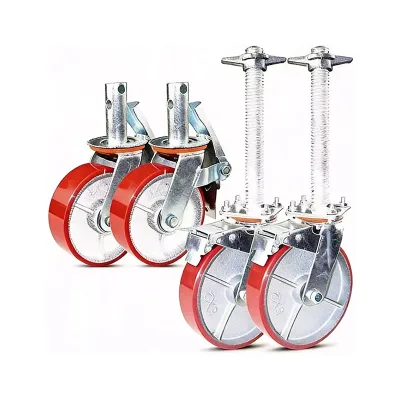
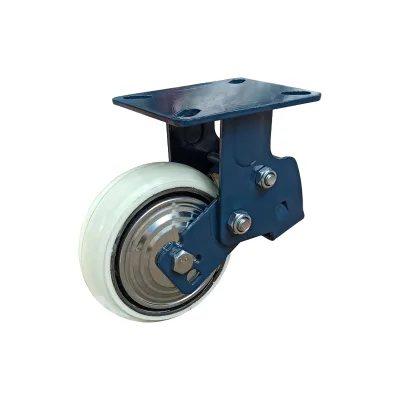
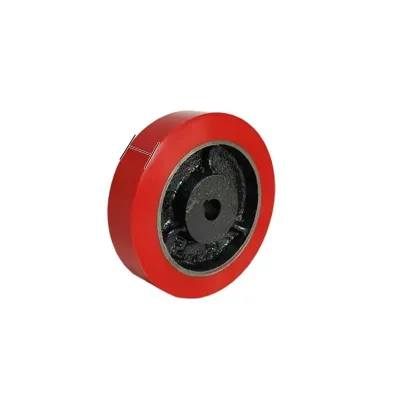
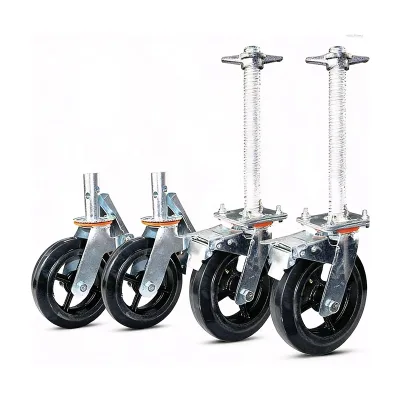
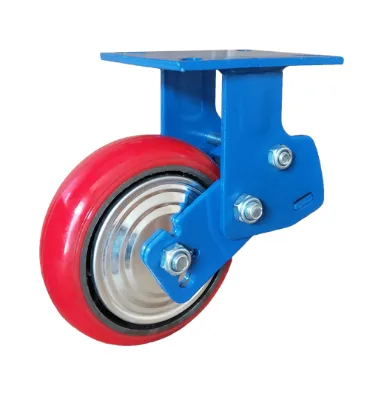
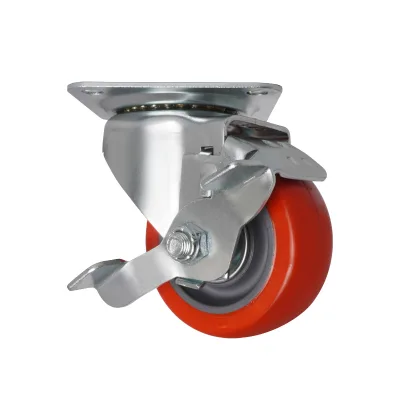
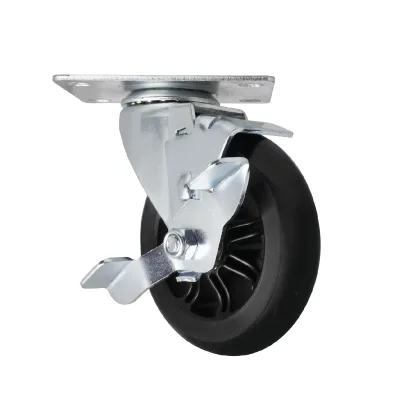
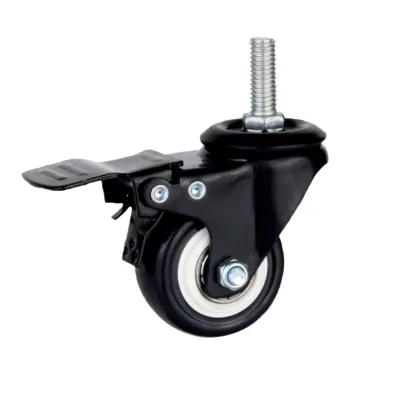
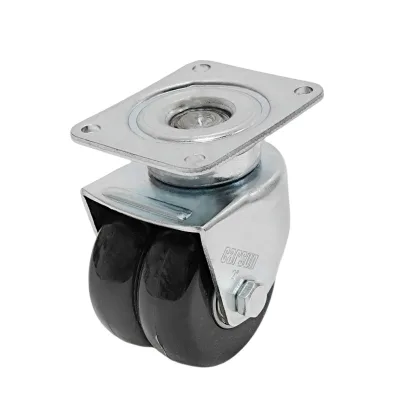
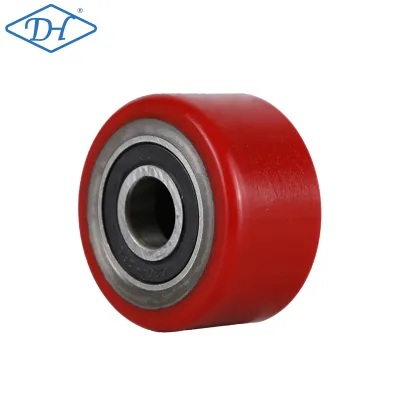
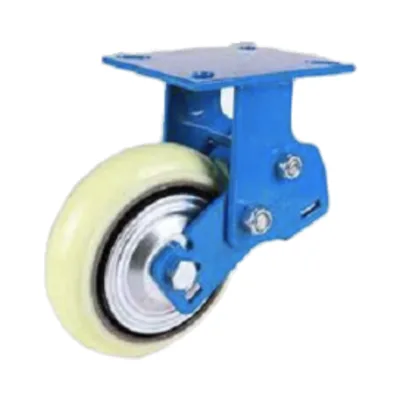
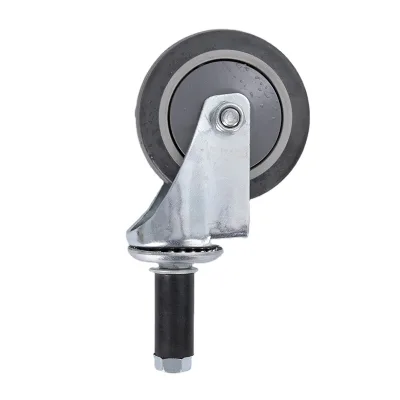
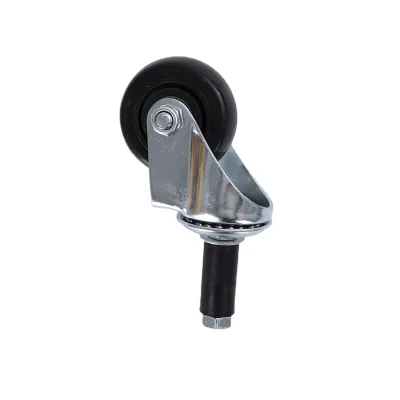
A Ball Bearing Polyurethane Caster Wheel is used on trolleys, hand carts, furniture, industrial equipment, and machinery that needs smooth rolling and quiet operation. The polyurethane tread protects floors while the ball bearing reduces rolling resistance under load. Buyers typically choose swivel, fixed, or braked versions depending on how the equipment must move and turn.
What MOQ should I expect when sourcing polyurethane caster wheels?
MOQs commonly range from about 100 pieces for heavy-duty industrial models to 500 or 1,000 pieces for lighter cart and furniture casters. Standard-size wheels usually carry lower MOQs than customized colors or brackets. Always confirm the MOQ per model before requesting a quote, because listings within the same category can differ significantly in minimum order requirements.
How long is the typical lead time for caster wheel orders?
Lead times vary by supplier and order complexity, with published examples ranging from around 15 days for faster producers to roughly 60 days for others. Stock or standard items ship sooner, while customized wheels, special bearings, or branded packaging extend production. Confirm lead time in writing before placing a trial order, and factor in shipping time separately.
Which certifications matter for polyurethane caster wheels?
Look for ISO 9001 quality management certification as a baseline signal of consistent production, and check whether specific wheels carry RoHS or CE markings for your market. Some suppliers hold ISO 14001 environmental certification as well. Ask for certificate copies with the certificate number and verify them independently, since certification claims in listings are not always current.
Where are most polyurethane caster wheel suppliers located?
A large share of manufacturers and trading companies are concentrated in Guangdong, China, which offers mature supply chains for wheel materials, brackets, and bearings. This cluster makes it practical to combine factory visits with nearby component sourcing. When shortlisting suppliers, confirm the exact production address rather than relying only on a sales office location.
Can I get customized colors, sizes, or brakes on caster wheels?
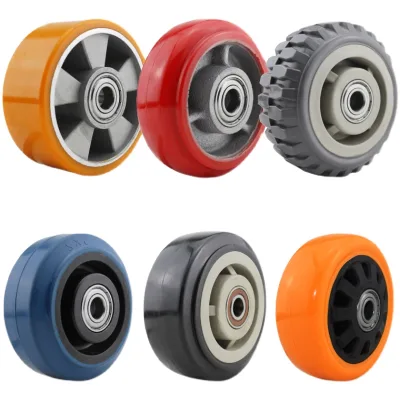
Yes, many suppliers list customization as available, covering wheel diameter, tread color, brake options, surface treatment, and logo printing. Common configurations include PU wheels on PP, nylon, or iron cores with ball bearings and zinc-plated or electrophoresis finishes. Customization usually requires higher MOQs and longer lead times than standard catalog items, so confirm both before ordering samples.
Should I choose swivel or fixed polyurethane caster wheels?
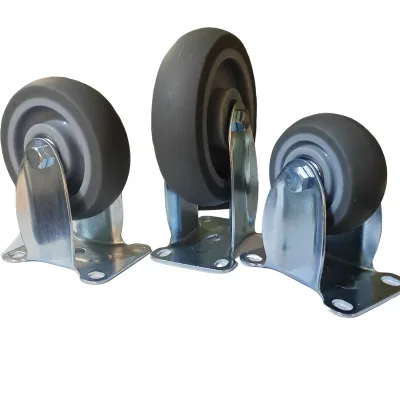
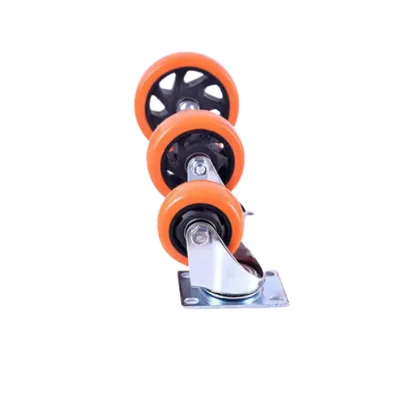
Choose swivel casters when equipment needs to turn in tight spaces, and fixed casters for straight-line tracking on long runs. Many trolleys combine both, with swivel wheels at the steering end and fixed wheels at the rear. Braked swivel versions add positional security on ramps or during loading, and heavy loads generally benefit from larger wheel diameters.
How quickly do caster wheel suppliers typically respond to inquiries?
Average response times among active suppliers in this category range from under 1.5 hours to around 4.8 hours during business hours. Faster responders often indicate dedicated export sales teams, which helps during quoting and production stages. Test responsiveness with a detailed technical inquiry before committing, and prefer suppliers who answer specification questions clearly and consistently.