PET Film Membrane Switch Overlay Suppliers and Manufacturers
Compare 19 verified PET Film Membrane Switch Overlay suppliers by location, lead time, and certifications. Review response times and MOQs to select a manufacturer for your custom graphic overlay needs; review the available evidence before requesting comparable quotations from suitable candidates.
Updated
Suppliers List
Foshan Shunde Ronggui Aigao Foam Rubber Products Factory
- Verified by SGS Group
- Manufacturer, Trading Company
- Lead time5 days
- Avg. response≤ 2h
Main productsPacking Foam Product, Silicone Rubber Product, Adhesive Tape Product, Mica Series Product, Electronic Hardware Accessories
Main marketsNorth America(25%), South America(15%), Domestic Market(13%)
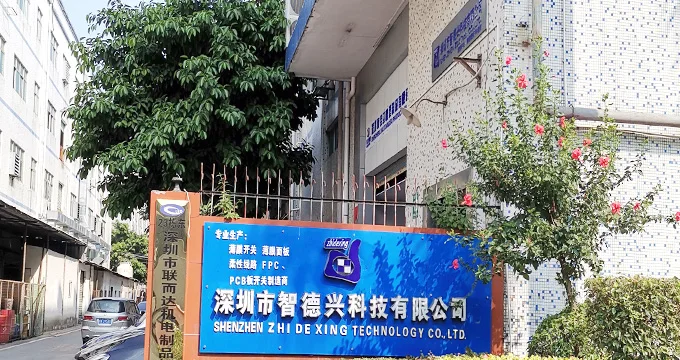
Shenzhen Zdx Technology Co., Limited
- Manufacturer
- Guangdong, China
- Lead time0 days
- Avg. response≤ 2h
Main productsmembrane keypad,overlay sticker,membrane switch,LED backlight membrane keypads,graphic overlay
Main marketsEastern Europe(15.00%), North America(10.00%), Southern Europe(5.00%), Northern Europe(5.00%), Western Europe(5.00%), Southeast Asia(5.00%)

SHENZHEN YANMING PLATE PROCESS CO., LTD.
- Manufacturer
- China Guangdong
- Lead time15 days
- Avg. response≤ 6h
Main productsMetal Etching, Speaker Grill, Chemical Netching, Metal Nameplate, Stainless Steel Etching, Ceiling Speaker, Graphic Overlay, Photo Etching
Main marketsEast Asia(Japan/ South Korea),Europe,North America

Shen Zhen Jinttron Technology Co., Limited
- Manufacturer, Trading Company, Distributor/Wholesaler
- Guangdong, China
- Lead time10 days
- Avg. response≤ 15h
Main productsMembrane Switch,Membrane Keyboard/keypad,Membrane Overlay,Membrane Panel,Label
Main marketsDomestic Market(30.00%), North America(30.00%), Western Europe(10.00%), South America(5.00%), Mid East(5.00%), Eastern Europe(5.00%), Southeast Asia(5.00%), Southern Europe(4.00%), Oceania(2.00%), Northern Europe(2.00%), Eastern Asia(1.00%), South Asia(1.00%)
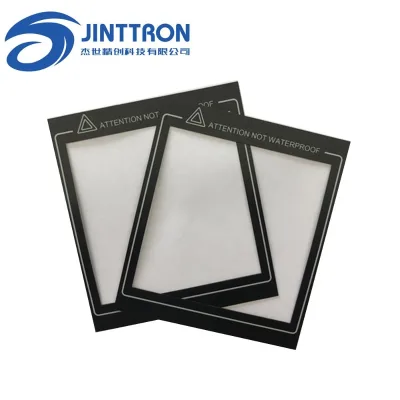
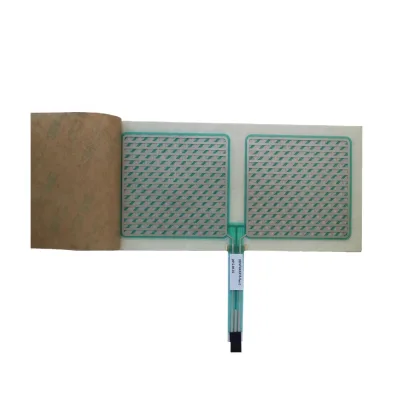
$1.86 - $2.36
MOQ: 50 pieces
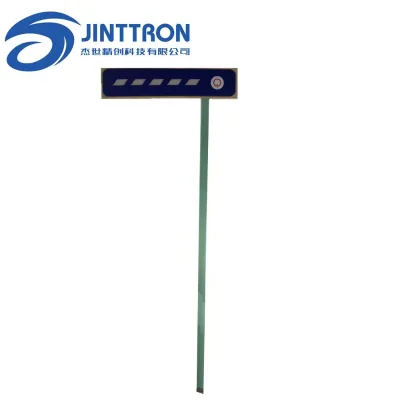
Matte PET Overlay Single One Key poly dome push button Membrane Switch
$0.2169 - $2.1662
MOQ: 25 Minimum
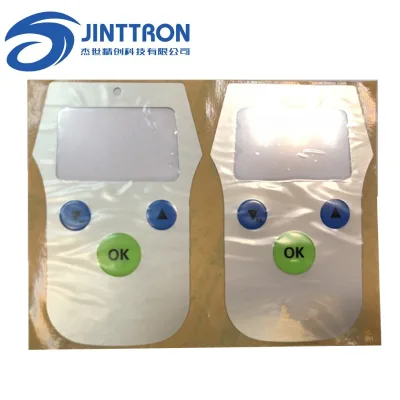
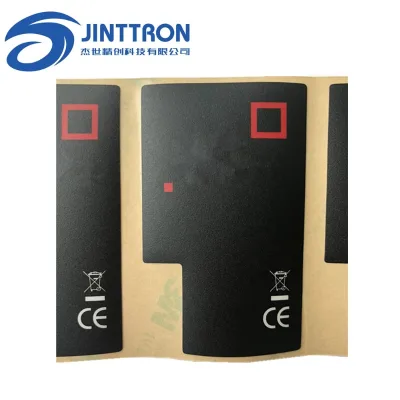
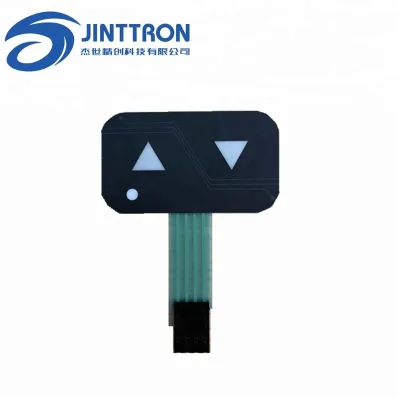
PC/PET membrane graphic overlay/LEXAN Label
$0.11 - $0.84
Dongguan Hongmao Electronic Technology Co., Ltd.
- Verified by SGS Group
- Manufacturer, Trading Company
- Lead time15 days
- Avg. response≤ 2h
Main productsMembrane Switch, Metal Dome
Main marketsDomestic Market(70%), North America(12%), Western Europe(8%)
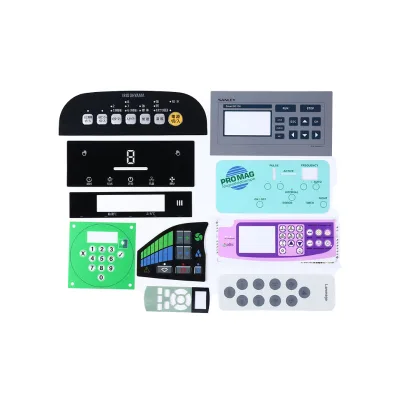
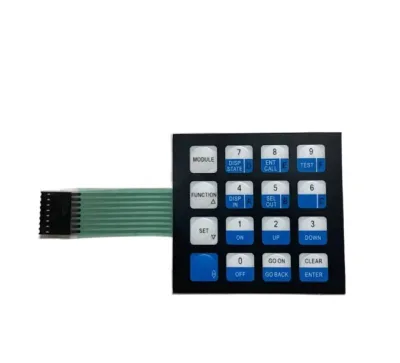
custom diy 4x4 tactile dome flexible membrane switch graphic overlay membrane keypad
$0.90 - $1.85
MOQ: 100
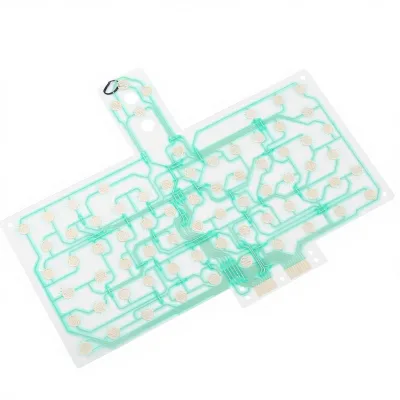
Customized PET Circuit/line Membrane Switch
$0.65 - $0.80
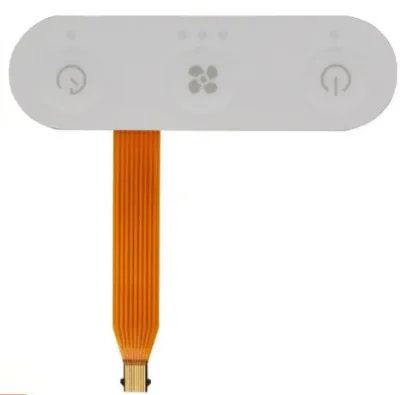
Supply PC membrane switch panel PVC touch membrane switch Inverter key membrane panel
$0.3605 - $0.5146
MOQ: 100 pieces
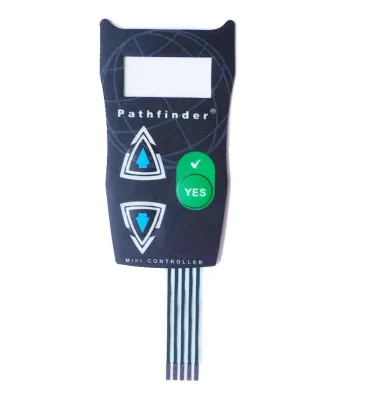
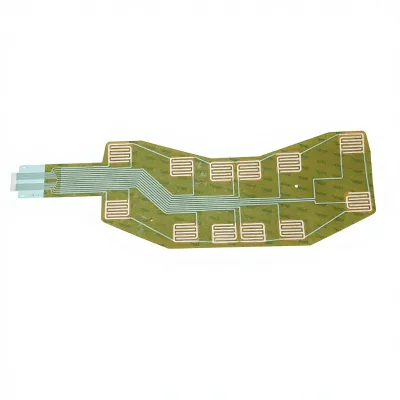
- Manufacturer
- Taiwan, China
- Lead time30 days
- Avg. response≤ 5h
Main productsFaceplate,Overlays,Souveniors,Stickers,Nameplates
Main marketsSoutheast Asia(10.00%), North America(8.00%)

Shenzhen Yizexin Technology Co., Ltd.
- Verified by BV
- Trading Company,Manufacturer/Factory,Group Corporation,Other
- China Guangdong
- Lead time15 days
- Avg. response≤ 8h
Main productsMembrane Switch, Membrane Panel, Flexible Circuit, Lenses Series, Stickers Series, Crystal Glue, Roll up Piano, Roll up Drum, Hand Spinners, Hand Cube
Main marketsSouth America,Eastern Europe,Mid East,North America,Southeast Asia,Eastern Asia,Oceania,Western Europe,Africa


Custom Glossy Pet Tactile Touch Button Membrane Switch Panel Graphic Overlay
$0.30 - $0.36
MOQ: 5 Pieces

Kay-EE Membrane Keyboard Switch Co., Ltd.
- Combined
- China Guangdong
- Lead time30 days
- Avg. response≤ 3h
Main productsTouch Panel, Membrane Switch, Graphic Overlay, Touch Screen, Label, SMT Product
Main marketsSouth America,Africa,Southeast Asia/ Mideast,East Asia(Japan/ South Korea),Domestic,Europe,Australia,North America
Shenzhen Higoal Technology Limited
- Verified by SGS Group
- Manufacturer, Trading Company
- Lead time7 days
- Avg. response≤ 3h
Main productsSilicone Products, Membrane Switch, Plastic Parts , Assembly Project
Main marketsNorth America(50%), Eastern Europe(21%), Mid East(20%)
- Verified by Intertek
- Manufacturer, Trading Company
- Lead time15 days
- Avg. response≤ 2h
Main productsMembrane Switch, Graphic Overlay, Silicon/Rubber Keypad
Main marketsNorth America(28%), Domestic Market(20%), Western Europe(15%)
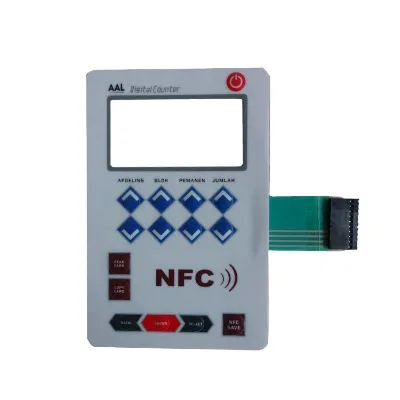
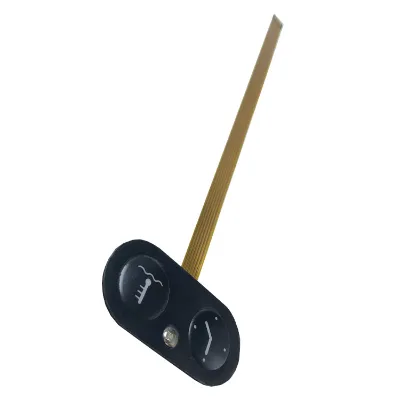
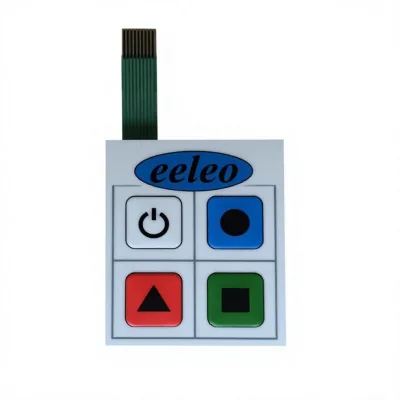
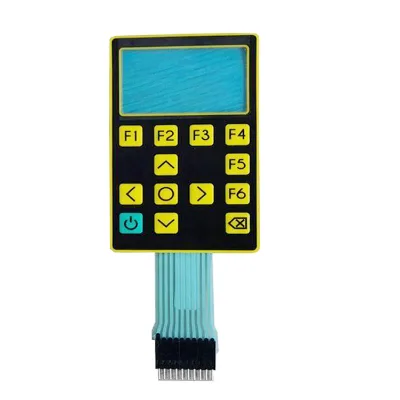
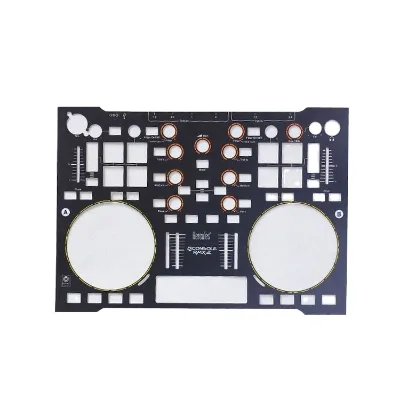
professional factory electronic silk printing plastic membrane overlay panel label
$2.00 - $3.00
MOQ: 100 pieces
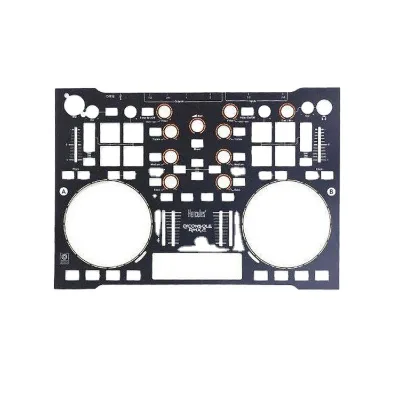
Meiborui (xianghe) Electronic Information Technology Co., Ltd.
- Verified by Intertek
- Manufacturer, Trading Company
- Lead time20 days
- Avg. response≤ 4h
Main productsMembrane Switch Keypad , Polycarbonate Graphic Overlay Panel
Main marketsDomestic Market(50%), North America(20%), Western Europe(15%)
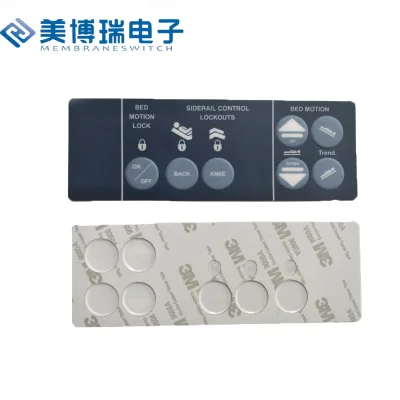
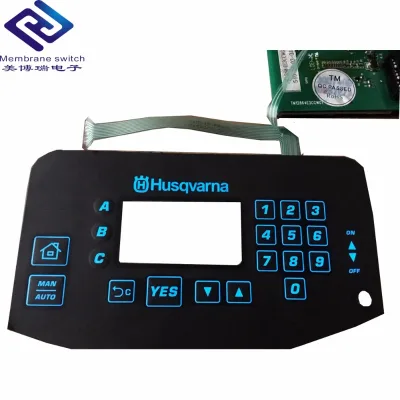
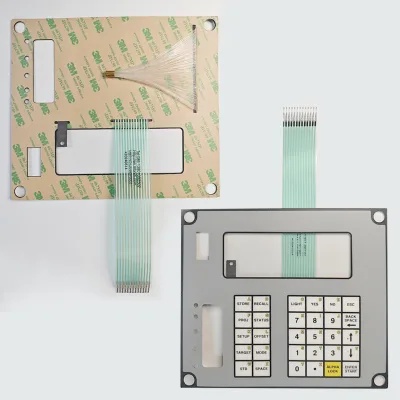
High quality directly membrane keyboard film adhesive tape matte graphic overlay membrane switch
$1.85 - $2.65
MOQ: 50 pieces
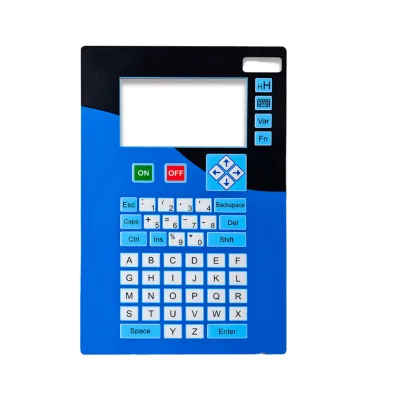
$1.5888 - $2.7167
MOQ: 100 pieces

- Trading Company
- China Guangdong
- Lead time0 days
- Avg. response≤ 3h
Main productsMembrane Switches, Pet/PC Panels, Membrane Panels, Acrylic Panels

Waterproof Graphic Overlay Thin Film Panel Membrane Switch Panel Pet Panel for Automation Device
$0.30 - $0.50
MOQ: 100 Pieces

$0.30 - $0.50
MOQ: 100 Pieces

$0.30 - $0.50
MOQ: 100 Pieces

$0.30 - $0.50
MOQ: 100 Pieces

$0.30 - $0.50
MOQ: 100 Pieces

Custom Logo Membrane Switch Panel Pet Panel Thin Film Panel Graphic Overlay Automation Control Panel
$0.30 - $0.50
MOQ: 100 Pieces

SNT Electronics Technology Co., Ltd.
- Verified by SGS
- Combined
- China Guangdong
- Lead time30 days
- Avg. response≤ 1h
Main productsMembrane Switches, Overlay Panel, Backlight Membrane Switches, Pet Printed Circuit
Main marketsDomestic,Europe,Australia,North America

TKM (DONGGUAN) MEMBRANE TECHNOLOGY LTD.
- Verified by BV
- Combined
- China Guangdong
- Lead time15 days
- Avg. response≤ 7h
Main productsMembrane Switch, Silicone Rubber Products, Membrane Keypad, Touch Screen panel, Rocker Switch, Push Button Switch, Silicone Rubber Keypad, Nameplate of Different Material, Switch, Flexible Membrane Switch
Main marketsSouth America,East Asia(Japan/ South Korea),Europe,Australia,North America
Shenzhen Hochuen Technologies Co., Ltd.
- Verified by Intertek
- Manufacturer, Trading Company
- Lead time7 days
- Avg. response≤ 4h
Main productsLabels, Stickers, Die Cut Parts, Gaskets, Overlay
Main marketsSoutheast Asia(58%), North America(30%), Oceania(12%)
- Manufacturer, Trading Company
- Jiangsu, China
- Lead time15 days
- Avg. response≤ 3h
Main productsMembrane keypad,Laber / Sticker,IMD or IML mold molding,Force sensor,PCBA / FPCBA.
Main marketsEastern Europe(30.00%), North America(20.00%), Africa(20.00%), Domestic Market(15.00%), Western Europe(10.00%), South America(5.00%)
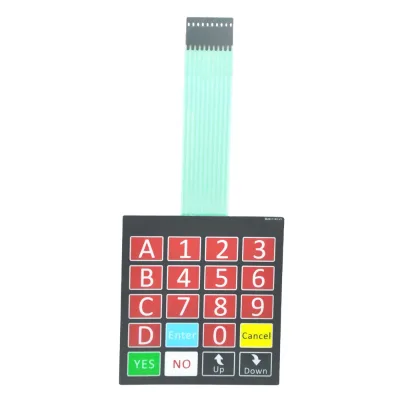
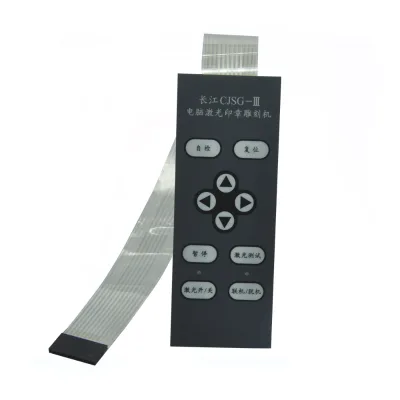
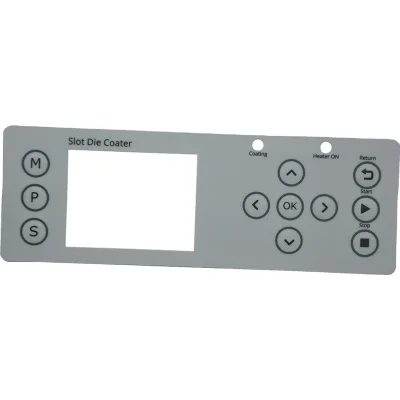
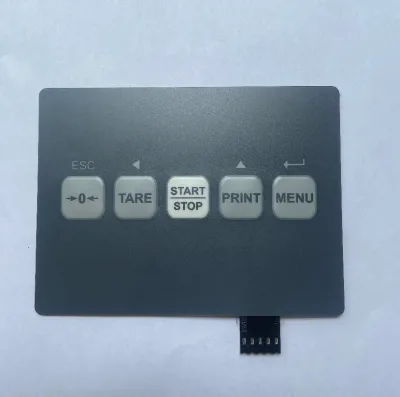
Customized PET 5-keys Poly dome emboss membrane switch used in electronic scales
$0.50 - $2.00
MOQ: 100 pieces
Dongguan Tiantai Electonics Co., Ltd.
- Manufacturer
- Guangdong, China
- Lead time7 days
- Avg. response≤ 1h
Main productsMembrane Switch Keypad, Graphic Overlay, Nameplate, Pressure Sensor, Silicone Keypad And Silicone Products
Main marketsNorth America(20.00%), Western Europe(15.00%), Southeast Asia(15.00%), Southern Europe(12.00%), Northern Europe(12.00%), Eastern Europe(10.00%), Oceania(8.00%), Domestic Market(8.00%)
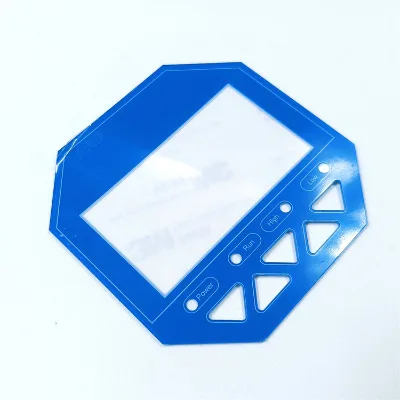
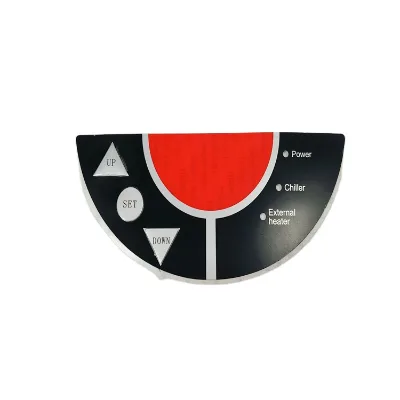
Quick samplling high Quality Graphic Overlay with adhesive membrane switch keypad
$0.18 - $0.23
MOQ: 10 pieces
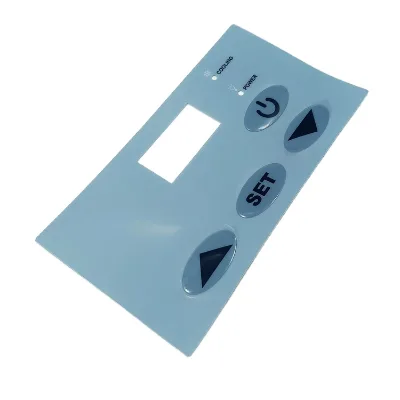
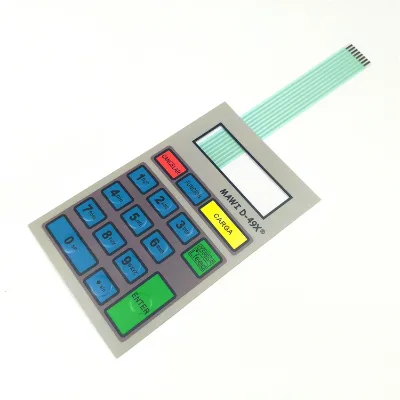
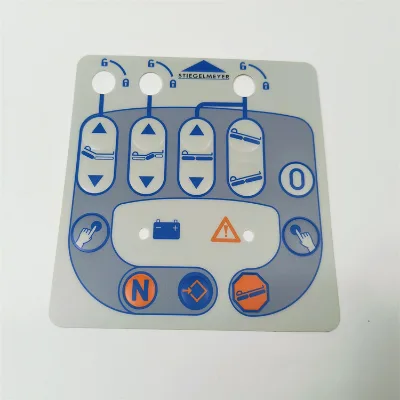
Custom Silk Printing Or Digital Printing Membrane Panel graphic overlay Supplier
$0.25 - $0.35
MOQ: 100 pieces
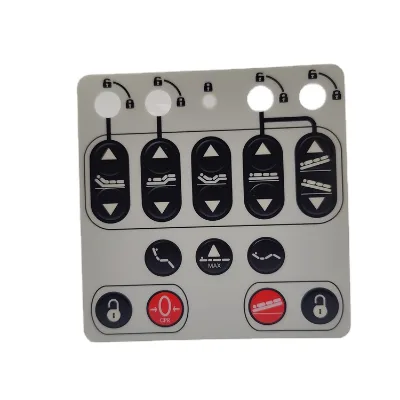
Foshan Kuliwei Industrial Material Co., Ltd.
- Manufacturer, Trading Company
- Lead time旺季: "1 - 1000":7,"1001 - 5000":35,"5001 - 10000":40,"> 10000":"To be negotiated", 淡季: "1 - 1000":7,"1001 - 5000":35,"5001 - 10000":40,"> 10000":"To be negotiated"
- Avg. response≤ 3h
Main productsInsulation Material, Electronic Accessories, Foam Products, Adhesive Tape, Silicone And Rubber
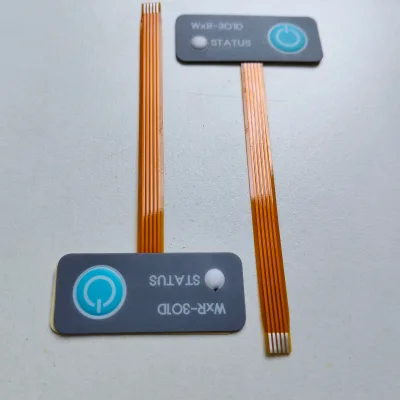
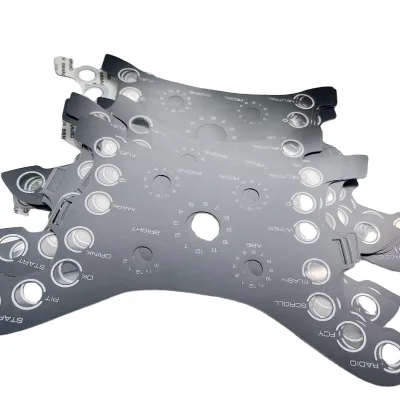
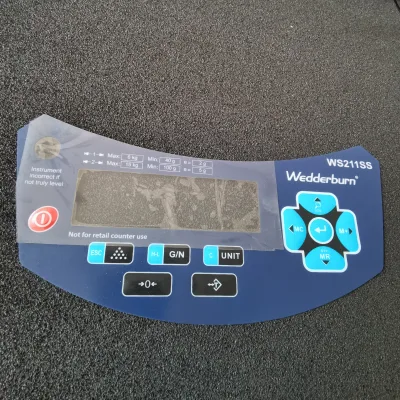
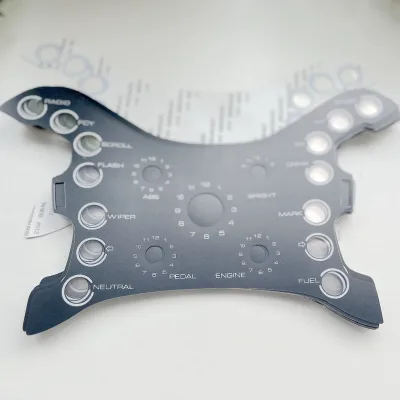
Self-adhesive OEM printing PC membrane switch graphic overlay with window
$0.01 - $0.03
MOQ: 1000 pieces

Cangzhou Jixing Chassis Panel Co., Ltd.
- Verified by SGS
- Combined
- China Hebei
- Lead time15 days
- Avg. response≤ 1h
Main productsMembrane Switch, Film Switch, Polycarbonate Label, Polycarbonate Sticker, Membrane Keypads
Main marketsDomestic,Europe,North America

Graphic Overlay Silk Screen Printing Electric Circuit Control Membrane Switch
$0.50 - $1.00
MOQ: 100 Pieces

Custom Membrane Switch with Screen Printed Silver Paste Circuit Dustproof Waterproof
$0.50 - $1.00
MOQ: 100 Pieces
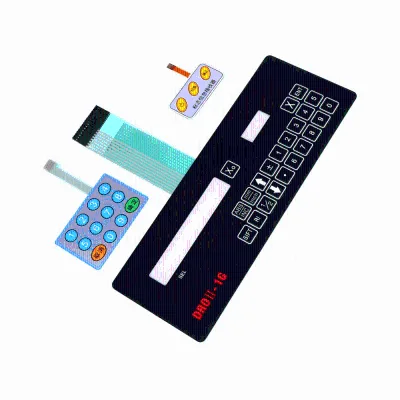
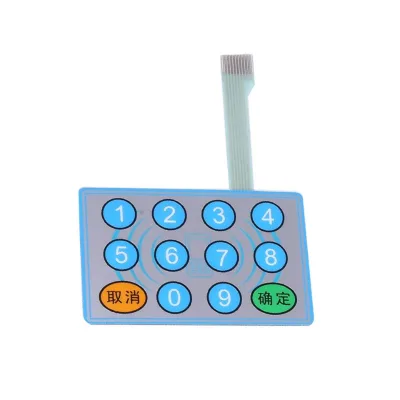


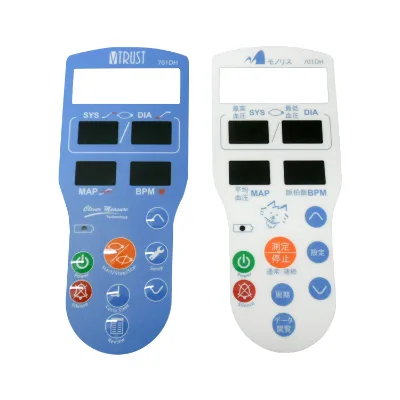




Comprehensive Sourcing Guide
PET Film Membrane Switch Overlay Supplier Concentration and Factory Types
The current supplier pool for pet film membrane switch overlays includes both manufacturers and trading companies, offering distinct advantages depending on your procurement strategy. Manufacturers in this category often provide direct access to production lines, enabling capabilities such as light customization, sample processing, and graphic processing on demand. These entities typically handle the full lifecycle from material selection to final assembly, which can streamline communication for complex projects requiring specific technical adjustments. Trading companies, conversely, may aggregate products from multiple factories, potentially offering a broader range of main products like packing foam, silicone rubber, and adhesive tape alongside membrane switches. This diversity allows buyers to consolidate orders for electronic hardware accessories and related components, though it may introduce an additional layer between the buyer and the actual production facility.
When evaluating the concentration of these suppliers, it is essential to note that specific geographic clusters are not universally confirmed for every vendor in the current dataset. While some product evidence indicates origins in Guangdong, China, relying on a single location for all sourcing decisions is risky without verifying individual factory addresses. Buyers should actively investigate whether a supplier operates a dedicated production facility or functions primarily as a broker. The presence of a manufacturer status often correlates with the ability to handle customized requests for specifications, whereas trading companies might focus on ready-to-ship inventory. Understanding this distinction helps in determining who holds the technical expertise for your specific overlay requirements and who manages the logistics of moving goods from the factory floor to your destination.
How to Verify PET Film Membrane Switch Overlay Suppliers
Verification of suppliers in the PET Film Membrane Switch Overlay sector requires a rigorous check of their stated credentials and third-party validations. Several suppliers in the current results display system certifications such as ISO 9001, RoHS, and in some cases, ISO 14001 or ISO 13485, which indicate adherence to quality management and environmental standards. Additionally, verification status from groups like SGS Group serves as a critical indicator of a supplier's legitimacy and operational stability. Buyers must confirm that these certifications are current and applicable to the specific products being ordered, as a general company certification does not automatically guarantee that every batch of membrane switches meets the required specifications. It is also prudent to request recent audit reports to ensure the claims are not outdated or generic.
Beyond certifications, the response time and verification status of a supplier provide immediate insights into their operational readiness. A response time of two days suggests a structured communication channel, which is vital for resolving technical queries regarding overlay materials or circuit control switch panels. However, buyers should not assume all suppliers maintain this speed; some may have longer lead times or slower communication cycles that could delay project timelines. It is crucial to test the responsiveness of a potential partner before committing to a large order. Furthermore, verifying the supplier's ability to handle specific product attributes, such as waterproof features or custom mounting types, through direct inquiry ensures they possess the necessary technical capacity. Always cross-reference the claimed capabilities with the actual product evidence provided to avoid discrepancies between marketing claims and delivery reality.
What to Compare Across PET Film Membrane Switch Overlay Suppliers
Comparing suppliers requires a detailed analysis of key operational metrics such as lead time, minimum order quantity (MOQ), and pricing structures. The current data reveals significant variation in these areas; for instance, some suppliers list a lead time of five days, while others indicate zero days, suggesting immediate availability or a drop-shipping model. MOQs also fluctuate widely, ranging from as low as five units for specific prototype items to 1000 units for standard production runs. Buyers must align these figures with their production volume needs, as ordering small quantities might incur higher per-unit costs or require special handling fees. Pricing data shows a wide spectrum, with some items listed at $0.01 per unit and others reaching $2.50, heavily influenced by material choices like PET, PC, or PVC and the complexity of the graphic overlay design.
In addition to cost and volume, the scope of customization and product specifications is a critical comparison point. Suppliers offer varying degrees of flexibility, with some providing fully customized sizes and shapes, while others may have fixed model numbers like ZDX-M313. The material composition, such as the use of PET, PC, PVC, or metal, directly impacts the durability and application suitability of the membrane switch. Buyers should compare the specific attributes listed, such as keypad button materials, mounting types, and application environments like medical, storage, or industrial settings. It is also important to evaluate the printing methods available, including screen printing or silk screen printing, as these affect the clarity and longevity of the graphic overlay. A thorough comparison ensures that the selected supplier can meet both the technical and commercial requirements of the project without compromising on quality or delivery schedules.
Common PET Film Membrane Switch Overlay Sourcing Risks
One of the primary risks in sourcing pet film membrane switch overlays is the potential mismatch between claimed specifications and actual product performance. While product evidence lists features like water-proof and dust-proof capabilities, these attributes must be validated through independent testing or sample evaluation before mass production. Relying solely on supplier descriptions can lead to failures in harsh environments, particularly for applications in medical or industrial sectors where reliability is paramount. Buyers should request physical samples to verify the tactile feel, adhesion strength, and resistance to environmental factors. Additionally, the variability in material composition, such as the use of different adhesives like 3M 467 or 9080A, can significantly affect the longevity of the overlay, making it essential to confirm the exact adhesive type used in the final product.
Another significant risk involves the inconsistency in lead times and the potential for supply chain disruptions. Although some suppliers advertise a zero-day lead time, this may apply only to stock items and not to customized orders requiring graphic processing or light customization. Delays in production can cascade, affecting downstream assembly lines and final product launches. Furthermore, the reliance on a single supplier for critical components like membrane switches can create vulnerability if that supplier faces capacity constraints or quality issues. Buyers should diversify their supplier base to mitigate these risks and maintain a buffer stock of essential components. It is also crucial to verify the supplier's ability to handle unexpected changes in order volume or design specifications, as rigid production lines may struggle to adapt to last-minute modifications without incurring significant costs or delays.
PET Film Membrane Switch Overlay Regional Sourcing and Logistics
Regional sourcing plays a pivotal role in the efficiency and cost-effectiveness of procuring pet film membrane switch overlays. Evidence from the current supplier pool indicates a concentration of manufacturers in Guangdong, China, a region known for its robust electronics manufacturing ecosystem. This geographic clustering can offer logistical advantages, such as shorter transit times and lower shipping costs for buyers located in Asia or those utilizing major shipping hubs in the region. However, buyers must verify the specific location of each supplier, as not all vendors may be based in this cluster. Some suppliers might operate from different regions, which could impact lead times and freight expenses. Understanding the specific origin of the goods is essential for accurate logistics planning and cost estimation.
Logistics considerations extend beyond just the origin of the goods to include packaging and handling requirements. Product attributes often specify single package sizes and gross weights, which are critical for calculating shipping volumes and costs. For instance, items with dimensions like 20x18x25 cm and weights around 1.2 kg require specific handling to prevent damage during transit. Buyers should also consider the impact of customs regulations and import duties associated with sourcing from specific regions. Ensuring that the packaging meets international shipping standards is vital to protect the delicate nature of membrane switches and graphic overlays. Additionally, coordinating with freight forwarders who have experience in handling electronic components can help mitigate risks related to damage or loss during transit. A well-planned logistics strategy ensures that the supply chain remains resilient and responsive to market demands.
PET Film Membrane Switch Overlay Commercial Terms and Order Planning
Commercial terms and order planning are fundamental to a successful procurement process for pet film membrane switch overlays. Buyers must carefully review the pricing structures, which can vary significantly based on order volume and customization levels. Some suppliers offer competitive pricing for standard items, while customized orders may command a premium due to the additional processing required. It is essential to negotiate clear terms regarding payment schedules, currency, and any potential price adjustments for raw material fluctuations. Understanding the MOQ requirements is equally important, as ordering below the minimum threshold may result in higher per-unit costs or the inability to fulfill the order. Buyers should aim to align their order quantities with the supplier's production capabilities to optimize costs and ensure timely delivery.
Order planning also involves establishing clear communication channels and setting realistic expectations for delivery timelines. While some suppliers claim a lead time of zero days, this is often contingent on the availability of stock and the simplicity of the order. For customized projects, lead times can extend significantly, requiring careful scheduling to avoid production bottlenecks. Buyers should factor in time for sample approval, production, and shipping when planning their orders. Additionally, it is crucial to define the scope of work clearly, including specifications for materials, printing methods, and quality standards. Establishing a detailed purchase order that outlines all these parameters helps prevent misunderstandings and ensures that both parties are aligned on the project goals. Regular follow-ups and progress checks can further enhance the planning process, ensuring that the supply chain remains on track and any issues are addressed promptly.
FAQs
What is the price range for PET film membrane switches?
Prices for these switches typically range from $0.01 to $2.50 per unit depending on specifications. Basic graphic overlays start around $0.01, while customized tactile panels with backlighting or specific certifications cost more. Buyers should verify exact pricing based on their required size, material thickness, and order volume to get accurate quotes.
What is the minimum order quantity for these products?
Minimum order quantities vary significantly by product type. Some standard graphic overlays require a minimum of 1,000 units, while customized membrane switches may have a lower MOQ of just 5 pieces. Buyers should confirm the specific MOQ with the supplier before placing an order to ensure it aligns with their production needs.
How long does production take for custom orders?
Lead times for these products generally range from zero to five days for standard items. Customized graphic overlays and membrane switches may require additional time for tooling and printing. Buyers should always confirm the exact lead time with the supplier, as it depends on the complexity of the design and current production capacity.
What certifications are available for these membrane switches?
Suppliers offer various certifications including ISO 9001, RoHS, ISO 14001, and ISO 13485. Some products also carry ISO 9000 certification. These certifications ensure quality management and environmental compliance. Buyers requiring specific standards for medical or industrial applications should verify the exact certification status with the supplier before purchasing.
Where are these PET film switches manufactured?
These products are primarily manufactured in Guangdong, China. This region is known for its strong electronics manufacturing ecosystem. Buyers sourcing from this location should consider logistics and shipping times. The specific factory location within Guangdong may vary, so verifying the exact address is recommended for supply chain planning.
What materials are used for the keypad buttons?
Keypad buttons are commonly made from PET, PC, PVC, or metal. The choice of material affects durability, tactile feel, and resistance to environmental factors like water or dust. Buyers should select materials based on their application requirements, such as using PET for general purpose or metal for high-durability industrial environments.