Kids Educational Felt Story Board Suppliers and Manufacturers
SourcingX lists 18 suppliers of Kids Educational Felt Story Board products, so buyers can compare verified status, certifications, MOQ, lead times, response times and manufacturing location in one place. Shortlist matching suppliers and request samples or quotes to confirm fit before committing to an order.
Updated
Suppliers List
Nangong Kangnai Felt Products Co., Ltd.
- Verified by TüVRheinland
- Manufacturer, Trading Company
- Lead time0 days
- Avg. response≤ 3h
Main productsFelt Children's Busy Board, Felt Bag, Felt Mat, Christmas Pendant, Felt
Main marketsDomestic Market(50%), North America(30%), Oceania(10%)
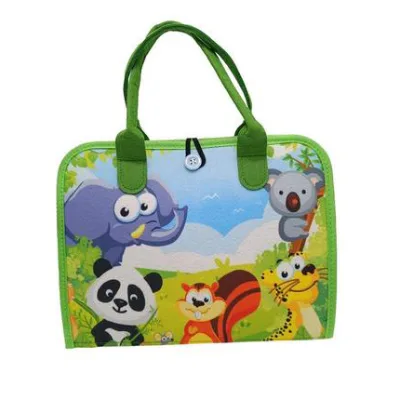
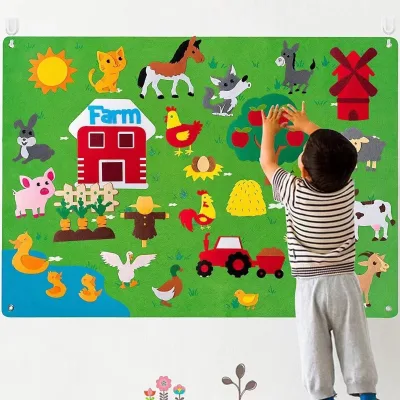
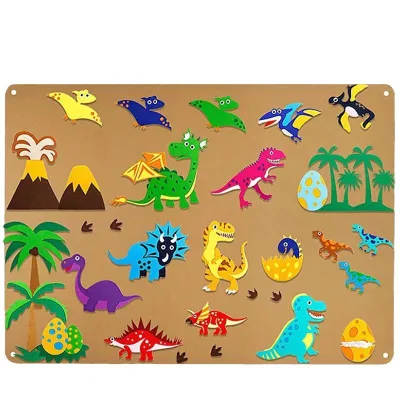
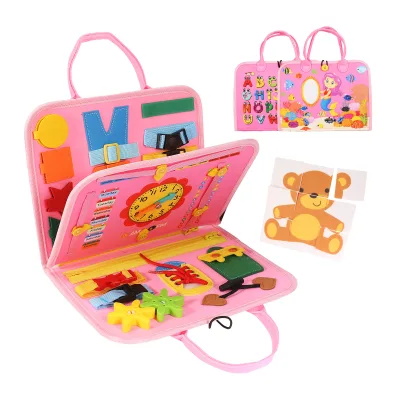
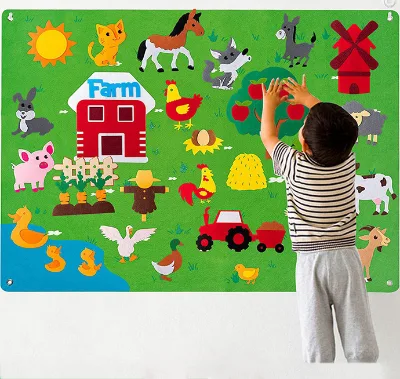
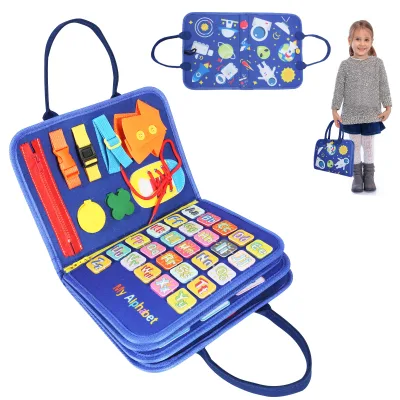
3 Year Old Boys Girls Birthday Gift Learning Activities Life Skill Felt Busy Board
$5.5075 - $6.1991
MOQ: 1 pieces
- Trading Company
- Jiangsu, China
- Lead time10 days
- Avg. response≤ 6h
Main productswhatsapp:15161989378,Silicone Toy,Squeeze Toy,Flippy chain toy,Educational Toy
Main marketsDomestic Market(15.00%), South America(15.00%), North America(15.00%), Southern Europe(10.00%), Northern Europe(10.00%), Central America(10.00%), Western Europe(10.00%), Eastern Europe(10.00%), Mid East(5.00%)
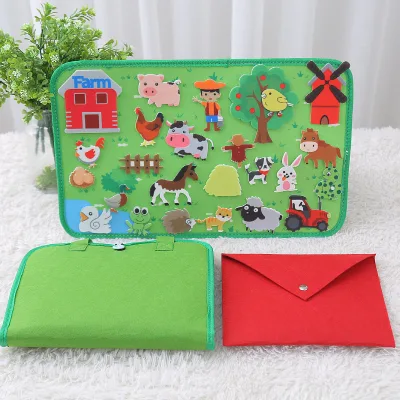
$3.7769 - $4.5898
MOQ: 200 pieces
$2.6242 - $6.0614
MOQ: 300 pieces
- Manufacturer, Trading Company
- Hebei, China
- Lead time30 days
- Avg. response≤ 5h
Main productsFelt Book, Busy Board, Felt Toy, Cloth Diapers, Diaper Bag/Mommy Bag
Main marketsNorth America(20.00%), Western Europe(20.00%), South America(15.00%), Oceania(10.00%), Eastern Europe(10.00%), Domestic Market(10.00%), Southeast Asia(10.00%), Northern Europe(5.00%), South Asia(0.00%), Eastern Asia(0.00%), Southern Europe(0.00%), Central America(0.00%), Africa(0.00%), Mid East(0.00%)
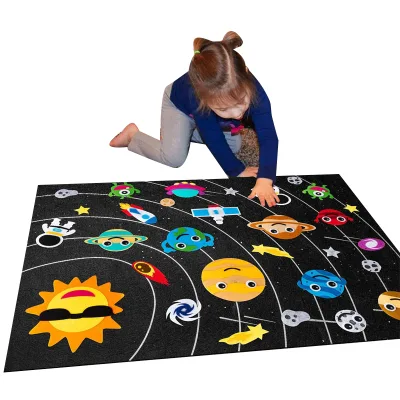
$3.99 - $4.79
MOQ: 500 pieces
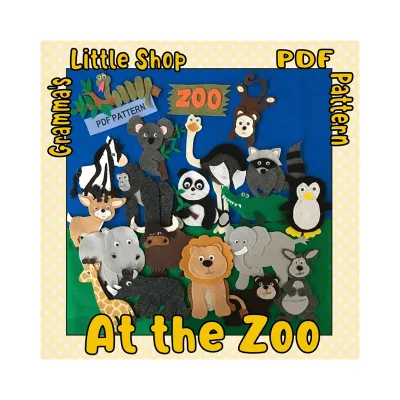
Felt Story Board Educational Toddlers Toy Smontessori Felt Foldable Kids Alphabet Game Set
$4.0943 - $4.9161
MOQ: 500 pieces
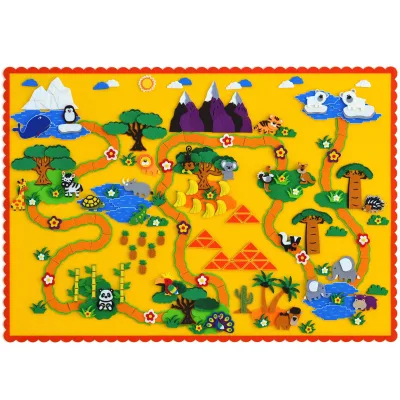
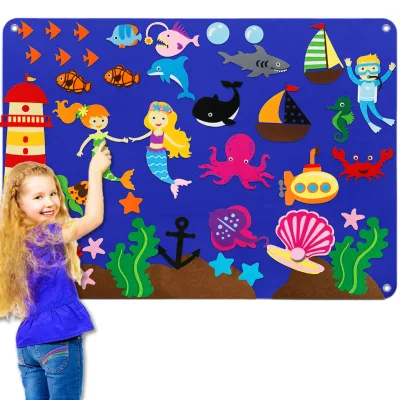
$4.6557 - $5.1736
MOQ: 300 pieces
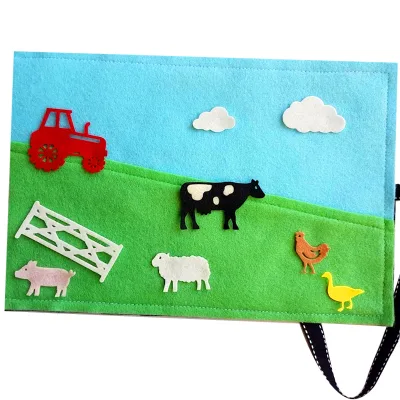
$4.1317 - $4.9596
MOQ: 500 pieces
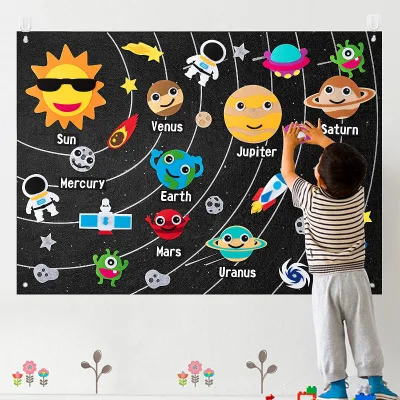
$4.1287 - $4.2425
MOQ: 500 pieces

Dongguan Yuexin Industrial Co., Ltd.
- Manufacturer
- China Guangdong
- Lead time15 days
- Avg. response≤ 3h
Main productsFelt, Wadding/Padding/Batting, Fiber Fillings, Pillow Insert, Christmas Decoration, Non Woven Fabric, Non Slip Rug Pad, Moving Blanket, Filter Medium, Fire Barrier
Main marketsSouth America,Europe,North America
Hebei New Future Trading Co.,Ltd.
- Trading Company
- Hebei, China
- Lead time10 days
- Avg. response≤ 1h
Main productsMontessori Toys Busy Board,Busy Book,Felt Story Board,Felt Grow Bag,Felt Festival Product
Main marketsNorth America(39.00%), Western Europe(35.00%), Oceania(5.00%), Eastern Europe(5.00%), Southeast Asia(3.00%), Africa(3.00%), Central America(2.00%), South America(2.00%), Northern Europe(2.00%), Mid East(2.00%), Southern Europe(1.00%), Eastern Asia(1.00%)
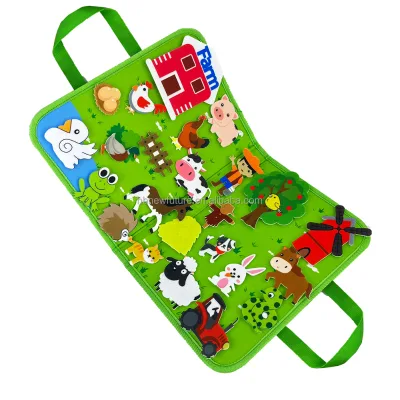
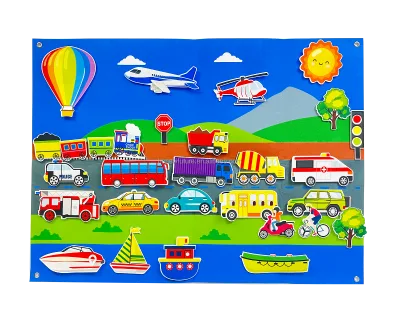
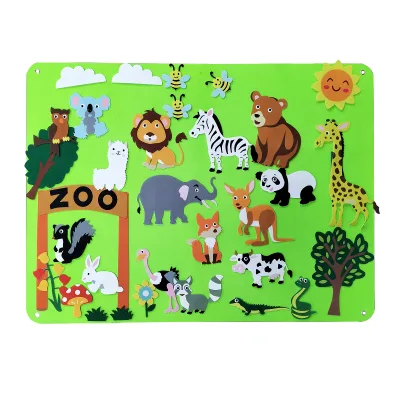
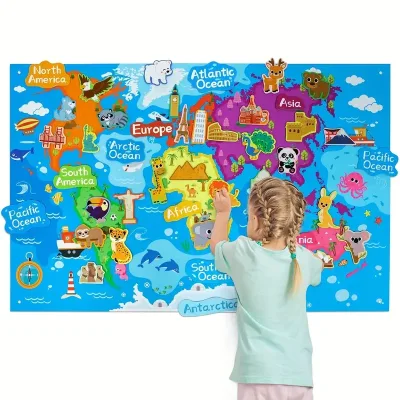
$2.8712 - $5.0254
MOQ: 2 pieces
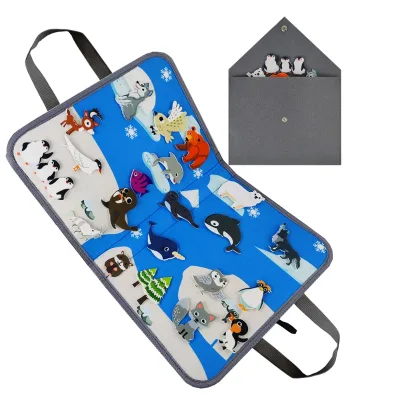
$1.6213 - $3.4566
MOQ: 30 pieces
- Verified by SGS Group
- Manufacturer, Trading Company
- Lead time5 days
- Avg. response≤ 2h
Main productsFelt Cat Cave, Felt Storage Bins, Felt Handbag, Felt Busy Board, Felt Plant Pot
Main marketsNorth America(40%), Eastern Europe(25%), South America(10%)
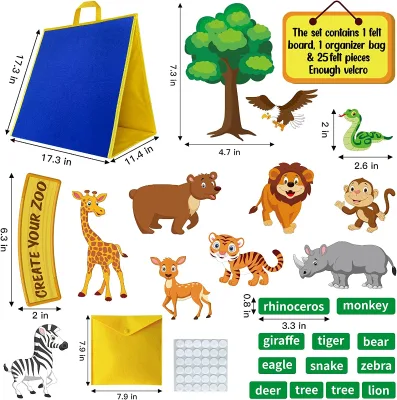
$4.7156 - $5.3069
MOQ: 300 pieces
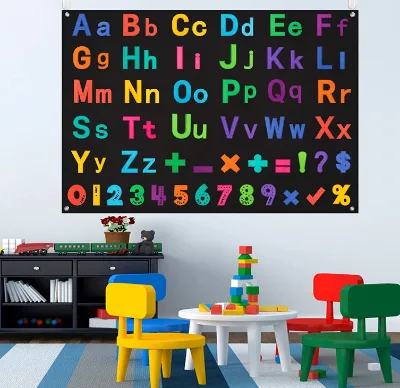
$4.4371 - $4.7694
MOQ: 300 pieces
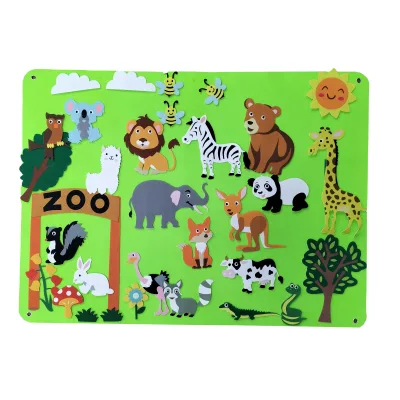
$4.6153 - $5.1272
MOQ: 300 pieces
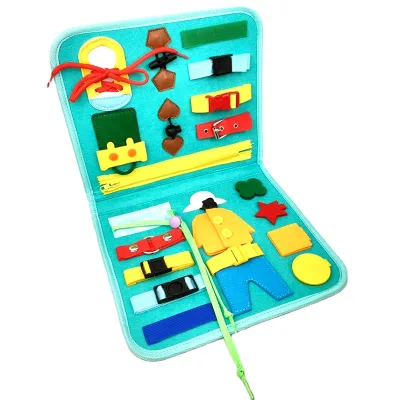
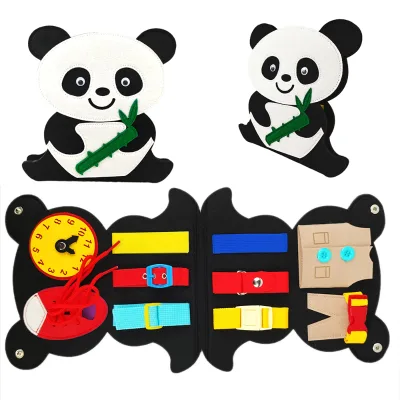
Felt Busy Board Children's Early Educational Montessori Toys Teaching Aids Math Felt Learning Board
$3.0973 - $6.2949
MOQ: 300 pieces
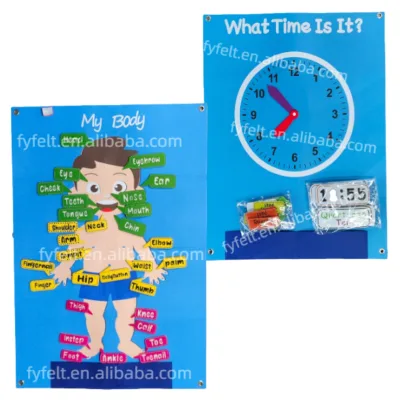
$4.1482 - $5.1841
MOQ: 300 pieces
Nanjing Cool March International Trade Co., Ltd.
- Trading Company
- Jiangsu, China
- Lead time25 days
- Avg. response≤ 3h
Main productsToys,Home&Garden,Crafts&Gifts,Sports and Entertainment,Personal care and home cleaning
Main marketsNorth America(38.00%), Western Europe(25.00%), Northern Europe(5.00%), Eastern Asia(5.00%), Southern Europe(5.00%), Oceania(5.00%), Southeast Asia(5.00%), Eastern Europe(5.00%), South Asia(3.00%), Central America(2.00%), South America(2.00%)

Hebei Walutz Import and Export Trading Co., Ltd
- Verified by SGS
- Trading Company
- China Hebei
- Lead time15 days
- Avg. response≤ 1h
Main productsFelt Bags, Wool Dryer Balls, Felt Polishing Products, Felt Letter Board, Industrial Felt, Christmas Gifts, Felt Diaper Bags, Felt Storage Bags, Felt Organizer Bags, Household Felt
Main marketsSouth America

Felt Activity Toddler Busy Board Sensory Learning Felt Board for Kids Montessori Toys Busy Board
$3.75 - $4.92
MOQ: 500 Pieces


Felt Board&Story Sets and Pieces for Toddlers, Flannel Board Quiet Time Books for Children
$3.99 - $4.85
MOQ: 500 Pieces

Girl Boy Activity Felt Montessori Parent-Child Interaction My Quiet Book Kids Baby Toys Felt Book
$3.75 - $4.92
MOQ: 500 Pieces

Beijing Ulike Technology Co., Ltd.
- Trading Company,Manufacturer/Factory
- China Beijing
- Lead time23 days
- Avg. response≤ 10h
Main productsHome Storage, Laundry and Kitchen Products
Main marketsSouth America,Mid East,North America,Southeast Asia,Eastern Asia,Western Europe


Montessori Sensory Board Travel Toys Learning Educational Activity Felt Busy Board
$3.90
MOQ: 1000 Pieces

Hebei Dibei Import & Export Trading Co., Ltd.
- Verified by SGS Group
- Manufacturer, Trading Company
- Hebei, China
- Lead time15 days
- Avg. response≤ 5h
Main productsFelt Bag, Pet Cave, Felt Grow Pot, Felt Decoration, Felt Pieces
Main marketsWestern Europe(30%), North America(20%), Mid East(10%)
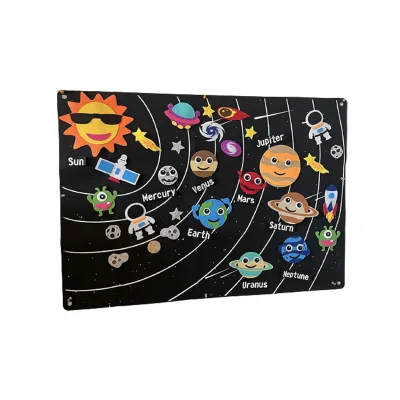
Outer Space Felt Story Board Set Universe Felt Story Board for Boys Girls Gift
$5.7021 - $6.2215
MOQ: 50
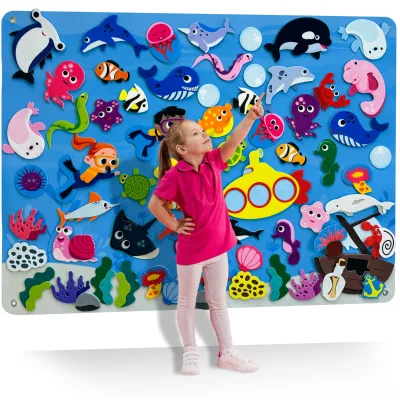
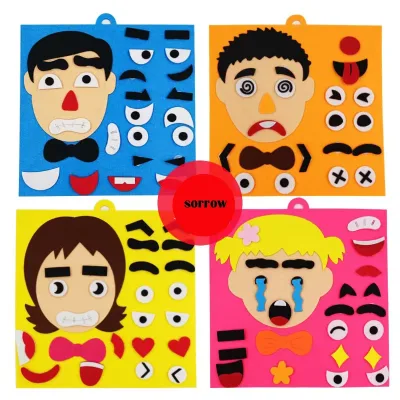
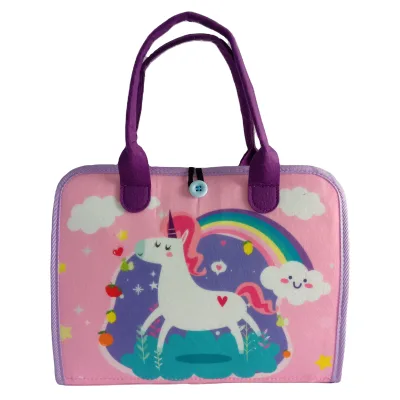
4-Layer Preschool Learning Toy Felt Learning Board for Basic Life Learning
$4.00 - $4.80
MOQ: 100 pieces
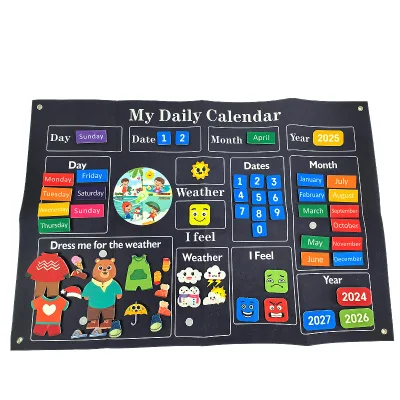
$4.3428 - $5.3772
MOQ: 300 pieces
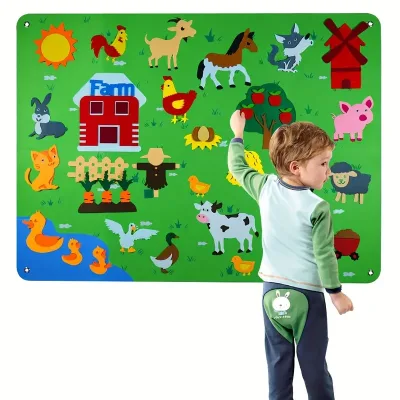

WENZHOU TIMES ARTS&CRAFTS CO., LTD.
- Verified by SGS
- Manufacturer/Factory
- China Zhejiang
- Lead time23 days
- Avg. response≤ 5h
Main productsToys, Montessori Toys, Wooden Toy, Educational Toy, Role Play Toys, Children Furniture, Puzzle, Kid Bike, Musical Toy, Wooden Blocks
Main marketsSouth America,Eastern Europe,Mid East,North America,Southeast Asia,Eastern Asia,Oceania,Western Europe,Africa

Wholesale Early Educational Storytelling Toy Set Felt Story Board for Kids W12D507
$2.00 - $8.00
MOQ: 100 Pieces

Customize Educational Wall Hanging Farm Animals Felt Story Board for Kids W12D510
$2.00 - $8.00
MOQ: 100 Pieces

High Quality Educational Activity Sensory Toy Felt Busy Board for Kids W12D514
$2.00 - $8.00
MOQ: 100 Pieces

Interactive Educational Toy DIY Zoo Animal Felt Story Busy Board for Kids W12D509
$2.00 - $8.00
MOQ: 100 Pieces

Wall Hanging Learning Toy Set DIY Outer Space Felt Story Board for Kids W12D508
$2.00 - $8.00
MOQ: 100 Pieces

Wall Hanging Montessori Learning Toy Dinosaur Felt Story Busy Board for Kids W12D512
$2.00 - $8.00
MOQ: 100 Pieces

- Verified by TUVRHEINLAND
- Combined
- China Hebei
- Lead time30 days
- Avg. response≤ 3h
Main productsRide on Car, Children Electric Car, Children Electric Bike, Kids Toy Car, Toy Car, Children Car, Children Motor Bike, Battery Car, Battery Bike, Kids Bike
Main marketsSouth America,Domestic

$6.15 - $6.92
MOQ: 10 Pieces

$6.00 - $7.30
MOQ: 50 Pieces

Life Skills Felt Learning Book Felt Montessori Sensory Board Children's Busy Book Children's Toys
$9.20 - $10.30
MOQ: 50 Pieces

$5.08 - $5.85
MOQ: 10 Pieces

Felt Busy Board Early Childhood Educational Toys Creative Handmade Learning Board Felt
$4.15 - $4.92
MOQ: 10 Pieces

NINGBO JIUCHUANG COMMODITY CO.,LTD
- Manufacturer
- Zhejiang, China
- Lead time15 days
- Avg. response≤ 19h
Main productsCat Cardboard House,Doodle Paper House,Paper Display Shelve,Greeting Card,Stationery Gifts
Main marketsDomestic Market(65.00%), Northern Europe(15.00%), North America(10.00%), Eastern Asia(10.00%)
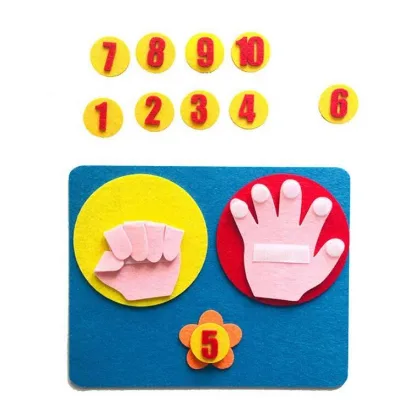
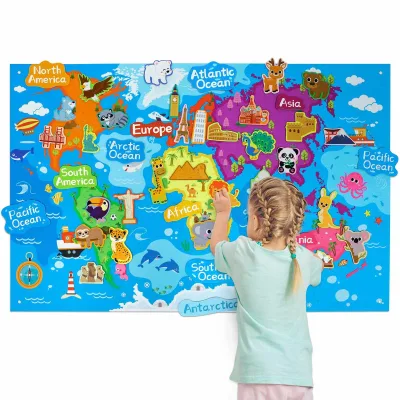
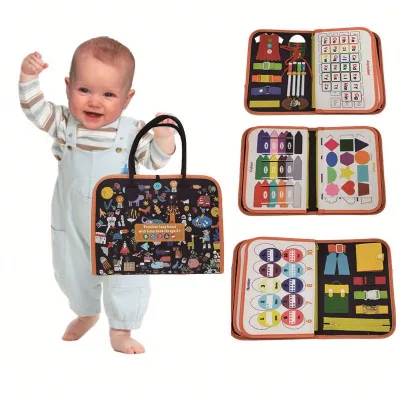
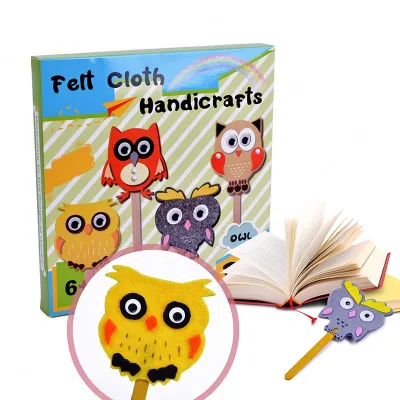
DIY OEM Customise Kids Toddler Felt Educational Felt Busy Book Toys Felt Busy Board
$6.94 - $11.10
MOQ: 100


- Verified by TUVRHEINLAND
- Combined
- China Guangdong
- Lead time15 days
- Avg. response≤ 5h
Main marketsSouth America,Southeast Asia/ Mideast,Europe,North America


$3.25 - $3.99
MOQ: 200 Pieces

PIN INTERNATIONAL (NINGBO) LTD.
- Verified by TUVRHEINLAND
- Manufacturer/Factory
- China Zhejiang
- Lead time90 days
- Avg. response≤ 3h
Main productsWooden Toys Kids Toys Educational Toys, Arts and Crafts, Stem Toys, DIY Products, Subscription Box for Kids
Main marketsSouth America,Eastern Europe,North America,Eastern Asia,Western Europe

Baby Sensory Learning Toy Montessori Educational Felt Busy Activity Board for Toddler
$2.65 - $2.76
MOQ: 1000 Pieces


Felt Busy Board Toys for Toddlers DIY Activity Board Basic Skills Learning
$2.65 - $2.76
MOQ: 1000 Pieces
Xiamen Hengji Hengxin Trading Co., Ltd.
- Trading Company
- Fujian, China
- Lead time20 days
- Avg. response≤ 2h
Main productsRemote Control Toys,Educational Toys,Baby Toys,Outdoor Toys,rc planes
Main marketsSouth America(70.00%), Mid East(20.00%), North America(5.00%), Africa(3.00%), Northern Europe(1.00%), Eastern Europe(1.00%)

DEZHOU MUJIN BUILDING MATERIAL CO., LTD.
- Trading Company
- China Shandong
- Lead time15 days
- Avg. response≤ 4h
Main productsCarpet, Carpet Tile, Rugs and Mats, Shaggy Carpet, Artificail Carpet, Printed Rugs, Sublimation Carpet, Carpet Tape, Nonwoven Needle Punch Carpet, Plain Carpet
Main marketsSouth America,Africa,Southeast Asia/ Mideast,East Asia(Japan/ South Korea),Europe,Australia,North America
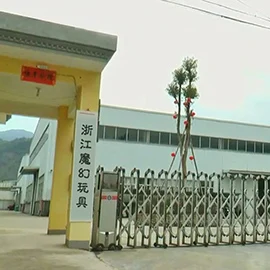
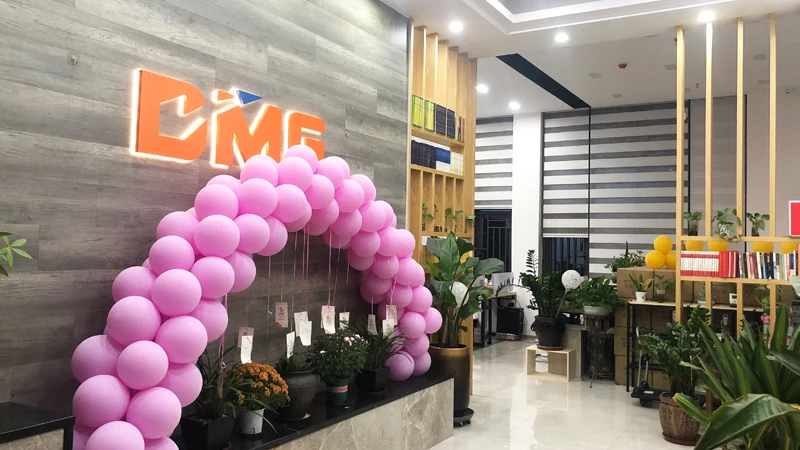
Wenzhou Magic Color Technology Co., Ltd.
- Manufacturer, Trading Company
- Zhejiang, China
- Lead time40 days
- Avg. response≤ 4h
Main productstoy,wooden toy,children toy,kids toy,baby toy
Main marketsNorthern Europe(30.00%), North America(10.00%), Eastern Europe(10.00%), Western Europe(10.00%), Southeast Asia(7.00%), Africa(7.00%), Domestic Market(6.00%), Mid East(6.00%), Eastern Asia(4.00%), South America(4.00%), Oceania(2.00%), South Asia(2.00%), Southern Europe(2.00%)
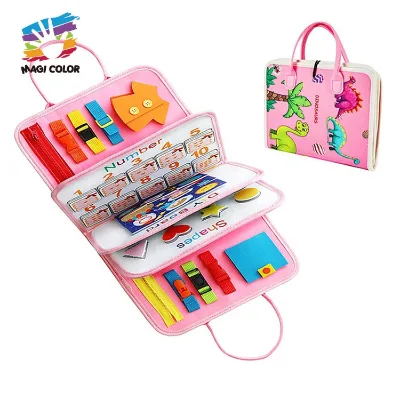
Hot Sale Early Educational Activity Book Felt Busy Learning Board for Kids W12D514
$5.4416 - $5.7021
MOQ: 100 sets
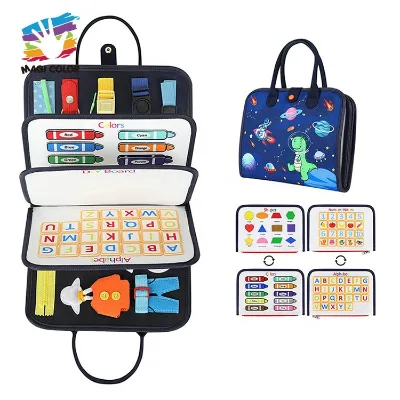
Hot Selling Early Learning Portable Multi-layers Felt Busy Board for Kids W12D521
$5.23 - $5.48
MOQ: 100 sets


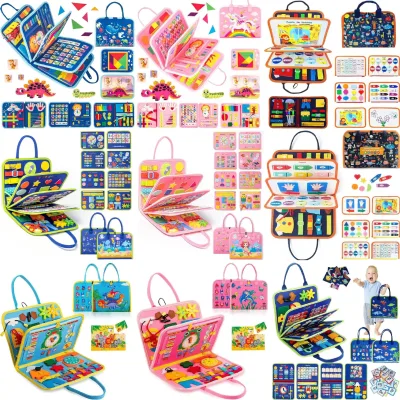
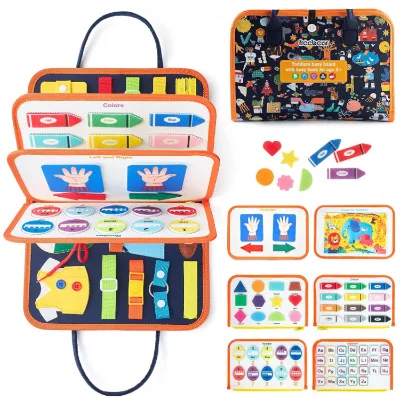
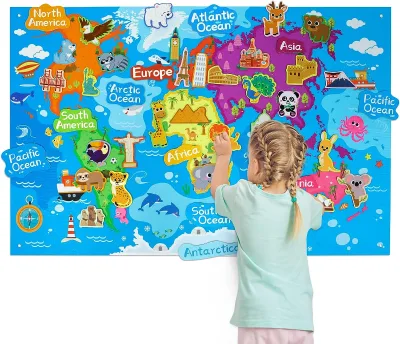
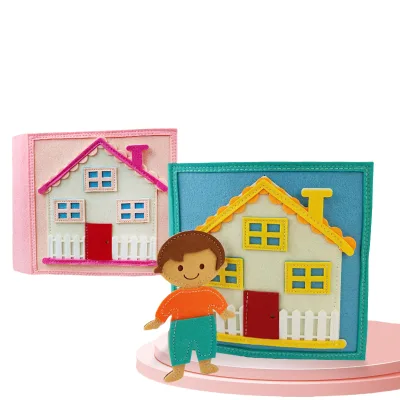


Comprehensive Sourcing Guide
Kids Educational Felt Story Board Supplier Concentration and Factory Types
The current supplier landscape for kids educational felt story boards features a mix of manufacturers and trading companies, offering buyers distinct advantages depending on their procurement strategy. Manufacturers typically provide direct access to production capabilities, allowing for deeper customization of materials and designs, while trading companies often streamline the process by aggregating products from multiple sources. In this specific market, some suppliers are identified as manufacturers with capabilities in sample processing, graphic processing, and customized on-demand production, which is crucial for brands seeking unique educational tools. Others operate as trading companies, potentially offering a broader range of related items such as silicone toys or squeeze toys alongside felt boards. This diversity means buyers must carefully assess whether they need direct factory engagement for cost efficiency or the logistical ease of a trading partner. The presence of both types indicates a mature supply chain where specialization varies, requiring buyers to look beyond the company type label and examine the actual product evidence and production claims to determine the most suitable partner for their specific volume and customization needs.
Location data provides some insight into where these suppliers are concentrated, with specific results indicating origins in Jiangsu and Hebei provinces in China. Jiangsu is a known hub for textile and educational toy manufacturing, suggesting that suppliers located there may have established supply chains for cotton and felt materials. Hebei is also a significant region for toy production, often associated with competitive pricing and large-scale manufacturing capabilities. When evaluating suppliers, buyers should use these location facts to gauge logistical proximity and potential shipping costs, although the exact factory address is not always disclosed. It is important to verify if the listed location corresponds to the actual production site, especially when dealing with trading companies that may list a headquarters address different from the manufacturing floor. Understanding these regional distinctions helps in assessing the reliability of the supply chain and the potential for consistent quality control, as regional clusters often share common labor practices and material sourcing networks that can impact the final product's consistency and delivery timelines.
How to Verify Kids Educational Felt Story Board Suppliers
Verification is a critical step in ensuring that the suppliers you engage with meet safety and quality standards, particularly for products intended for young children. One key indicator of supplier credibility is the presence of third-party verification badges, such as those from TüVRheinland, which suggest that the supplier has undergone rigorous audits of their business operations and production facilities. Additionally, certifications like ISO 9001, EN 71, CE, and CPC are prominently displayed by some suppliers, indicating compliance with international quality management and safety standards. EN 71 and CPC are particularly relevant for educational toys, as they address specific safety requirements for materials and construction that prevent hazards to children. Buyers should prioritize suppliers who can provide documentation for these certifications, as they serve as a baseline for product safety. However, it is essential to verify the validity of these certificates directly with the issuing bodies, as claims can sometimes be outdated or misapplied. The presence of these certifications does not guarantee every product batch will meet standards, but it significantly reduces the risk of sourcing from unverified or non-compliant manufacturers.
Beyond certifications, buyers should assess the supplier's responsiveness and transparency in their communication. Response times are a useful metric for gauging operational efficiency, with some suppliers showing response times of around three to six hours, indicating a dedicated customer service team. A quick response often correlates with better project management and faster issue resolution during the sourcing process. Furthermore, examining the detailed product attributes can reveal the supplier's attention to detail and capability. For instance, specific details like material composition (felt or cotton), color options, and even packaging dimensions (such as single package sizes of 40x40x30 cm) demonstrate a level of professionalism and readiness to fulfill orders. Buyers should also look for evidence of customization support, such as the ability to add custom logos or handle graphic processing, which are key differentiators for branded educational products. By combining verification of credentials with an analysis of communication speed and product detail accuracy, buyers can build a more comprehensive picture of a supplier's reliability and suitability for their sourcing needs.
What to Compare Across Kids Educational Felt Story Board Suppliers
When evaluating multiple suppliers, it is essential to compare key operational metrics such as minimum order quantities (MOQ), lead times, and pricing structures to find the best fit for your business model. MOQs can vary significantly, with some suppliers offering low entry points like one piece for sampling or small test orders, while others may require higher volumes such as 200 pieces for standard production runs. This variation allows buyers to start with small batches to test market response before committing to larger orders, reducing initial inventory risk. Lead times are another critical factor, with some suppliers indicating a lead time of zero for immediate stock or very short production cycles, while others may have longer lead times of ten days or more, depending on customization requirements. Understanding these timelines helps in planning inventory replenishment and meeting customer demand without delays. Pricing should also be compared across similar product specifications, noting that prices can range from approximately $2.60 to over $6.00 per unit depending on complexity, material quality, and order volume. Buyers should request detailed quotes that break down costs to understand the value proposition of each supplier.
In addition to operational metrics, buyers should compare the range of main products and customization capabilities offered by each supplier. Some suppliers specialize in a narrow range of felt products, such as busy boards and story boards, while others may offer a broader array of educational toys, including silicone or squeeze toys. A supplier with a diverse product range might offer better bundling opportunities or cross-selling potential. Customization capabilities, such as support for custom logos, specific color choices (like green, black, pink, or orange), and tailored packaging, are vital for brands looking to differentiate their products. Suppliers that explicitly state support for OEM/ODM services and graphic processing are better equipped to handle unique design requirements. Furthermore, comparing the specific product attributes, such as the use of eco-friendly materials or specific educational functions like developing intelligence, can help align supplier offerings with your brand's values and target audience. By systematically comparing these dimensions, buyers can identify suppliers that not only meet their immediate product needs but also support their long-term brand strategy and operational efficiency.
Common Kids Educational Felt Story Board Sourcing Risks
One of the primary risks in sourcing kids educational felt story boards is the potential discrepancy between claimed certifications and actual product safety. While suppliers may display certifications like CPC or EN 71, there is a risk that these may not apply to every item in the order or may be based on outdated testing. Buyers must ensure that the specific products they order are covered by the provided certificates and that the testing was conducted by an accredited laboratory. Another risk is the variability in material quality, as felt and cotton can differ significantly in durability, colorfastness, and safety. Some products may use lower-grade materials that pose choking hazards or contain harmful chemicals, despite claims of being eco-friendly. This risk is heightened when dealing with suppliers who have a wide range of product types, as quality control processes may not be uniform across all items. Buyers should request physical samples to inspect the material quality, stitching, and overall construction before placing bulk orders. Additionally, the risk of intellectual property infringement exists if suppliers use unlicensed characters or designs, so buyers must ensure that all custom designs are original or properly licensed.
Logistical and communication risks are also prevalent, particularly when dealing with suppliers in different regions or with varying levels of English proficiency. Miscommunication regarding product specifications, such as size, color, or packaging requirements, can lead to costly errors and delays. For example, a misunderstanding about the single package size or carton dimensions can result in inefficient shipping and higher freight costs. Furthermore, lead time variability can disrupt supply chains, especially if suppliers do not have robust production planning systems. Some suppliers may quote short lead times but fail to meet them due to capacity constraints or material shortages. Buyers should establish clear communication channels and confirm all details in writing to mitigate these risks. Another risk is the reliance on a single supplier for critical components, which can create vulnerability if that supplier faces production issues. Diversifying suppliers or maintaining a buffer stock can help mitigate this risk. Finally, buyers should be cautious of suppliers who are not transparent about their manufacturing processes or who resist third-party inspections, as this lack of transparency can hide underlying quality or ethical issues in the supply chain.
Kids Educational Felt Story Board Regional Sourcing and Logistics
Sourcing from specific regions in China, such as Jiangsu and Hebei, offers distinct logistical advantages and challenges that buyers must consider. Jiangsu, being a major manufacturing hub, often provides access to well-developed infrastructure and a concentrated supply chain for textiles and educational toys. This concentration can lead to more efficient material sourcing and potentially faster production times due to the proximity of suppliers and raw material providers. However, buyers should verify the exact location of the factory, as trading companies may list a headquarters in a major city while the actual production occurs in a different industrial zone. Hebei, on the other hand, is known for its competitive pricing and large-scale manufacturing capabilities, which can be beneficial for high-volume orders. The logistical network in Hebei is also robust, with easy access to major ports for export. Buyers should evaluate the shipping routes and freight costs associated with each region, as these can significantly impact the total landed cost of the products. Understanding the regional strengths helps in selecting suppliers that align with your logistical preferences and cost targets.
Logistics planning also involves considering packaging and shipping efficiency, which can vary based on the supplier's product specifications. For instance, some felt story boards are packaged in compact sizes, such as 35x25x10 cm for single items, which can optimize container space and reduce shipping costs. Others may have larger packaging dimensions, such as 40x40x30 cm, which could increase freight expenses. Buyers should work with suppliers to optimize packaging designs to maximize container utilization and minimize waste. Additionally, the weight of the products, such as a single gross weight of 0.500 kg or 2.000 kg, affects shipping calculations and customs duties. Buyers should ensure that suppliers provide accurate weight and dimension data to avoid unexpected costs. Furthermore, considering the environmental impact of packaging and shipping is increasingly important, with some suppliers offering eco-friendly packaging options. By integrating regional logistics insights with packaging optimization, buyers can create a more efficient and cost-effective supply chain for their kids educational felt story boards, ensuring timely delivery and competitive pricing in their target markets.
Kids Educational Felt Story Board Commercial Terms and Order Planning
Effective order planning requires a clear understanding of commercial terms, including payment methods, pricing structures, and after-sales support. Buyers should negotiate favorable payment terms, such as partial upfront payments and balance upon shipment, to manage cash flow and mitigate financial risk. It is also important to clarify the pricing model, whether it is based on fixed unit prices or tiered pricing based on order volume. Some suppliers offer competitive pricing for larger orders, which can be leveraged to reduce per-unit costs. Additionally, buyers should inquire about the cost of customization, such as logo printing or custom packaging, as these can add to the overall expense. Understanding these commercial terms helps in creating accurate cost projections and ensuring that the project remains profitable. Buyers should also establish clear expectations for quality assurance and return policies, including procedures for handling defective products or discrepancies in the order. This clarity helps in managing risks and maintaining a positive relationship with the supplier.
Long-term relationship building is crucial for securing consistent supply and better commercial terms. Buyers should aim to develop partnerships with suppliers who demonstrate reliability, responsiveness, and a commitment to quality. Regular communication and feedback can help identify areas for improvement and strengthen the business
FAQs
What is the price range for kids educational felt story boards?
Prices typically range from $2.60 to $6.20 per unit depending on complexity and customization. Basic math learning boards start around $2.60, while detailed busy boards with multiple themes cost up to $6.20. Buyers should verify specific pricing tiers with suppliers for bulk orders.
What certifications are available for these educational toys?
Suppliers offer CPC, EN 71, CE, and ISO 9001 certifications to ensure product safety and quality standards. Some manufacturers also hold TüVRheinland verification for added reliability. Buyers must confirm which specific certificates apply to their target market regulations before placing orders.
What is the minimum order quantity for these boards?
MOQs vary significantly, ranging from 1 piece for sample orders to 200 pieces for standard bulk production. Some suppliers accept single-unit purchases for testing, while others require higher volumes. Buyers should check individual product listings to determine the exact MOQ requirements for their needs.
Where are these felt story boards manufactured?
Manufacturing locations include Jiangsu and Hebei provinces in China. Suppliers in these regions offer various materials like cotton and felt for different educational themes. Buyers should verify the specific place of origin for each product to ensure alignment with their sourcing preferences.
How quickly do suppliers respond to inquiries?
Response times generally range from 3 to 6 hours for most listed suppliers. This ensures prompt communication regarding quotes, samples, and production details. Buyers can expect relatively fast replies, but it is advisable to contact multiple suppliers to compare service levels and availability.
Can I customize the logo and design on these boards?
Yes, many suppliers support customized logos and graphic processing on demand. Options include OEM and ODM services for tailored educational content and branding. Buyers should discuss specific design requirements and minimum quantities for customization directly with the manufacturer to ensure feasibility.