Zoom LED Pixel Moving Light Suppliers and Manufacturers
Source 29 verified suppliers for Zoom LED Pixel Moving Light. Compare response times, lead times, certifications, and pricing to find the right partner. Review product specs and request quotes today; review the available evidence before requesting comparable quotations from suitable candidates.
Updated
Suppliers List

Hesheng Stage Lighting Co., Ltd.
- Combined
- China Guangdong
- Lead time15 days
- Avg. response≤ 16h
Main productsLED Moving Head, Moving Head Light, LED PAR Can, LED Wall Wash Light, LED Strobe Light, Outdoor Waterproof Light
Main marketsDomestic

Guangzhou Sanfei Stage Lighting Co., Ltd
- Verified by BV
- Manufacturer/Factory
- China Guangdong
- Lead time15 days
- Avg. response≤ 5h
Main productsMoving Head Light, LED Stage Light, LED Moving Head Spot Light, LED PAR Light, LED Effect Light, LED Waterproof Light, LED Auto-Show Light, Laser Light, LED Matrix Light, LED Beam Light
Main marketsSouth America,Eastern Europe,Mid East,North America,Southeast Asia,Eastern Asia,Oceania,Western Europe,Africa

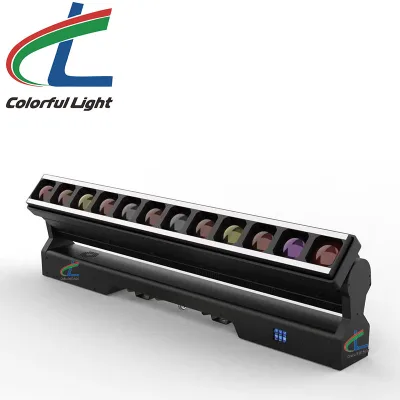
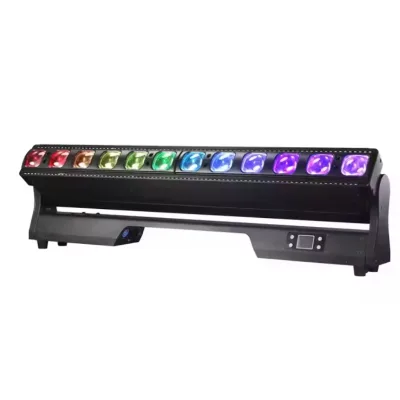
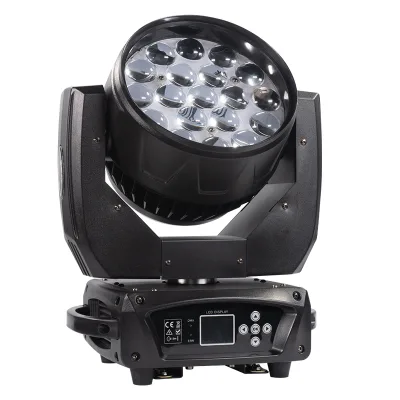
12X40W Zoom LED Moving Light Pixel Stage Lights RGBW 4in1 LED Wash Beam Zoom Moving Head
$338.24 - $352.94
MOQ: 1 Pieces


LED Bar Light Pixel LED Control 12X40W 4-in-1 RGBW LED Zoom Moving Head
$338.24 - $352.94
MOQ: 1 Pieces

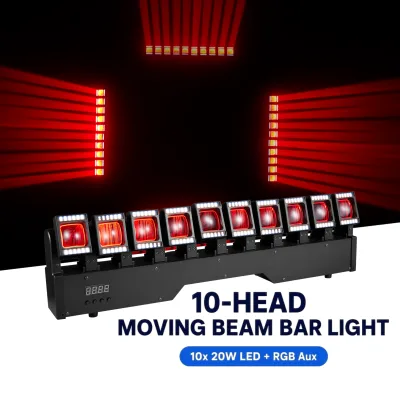
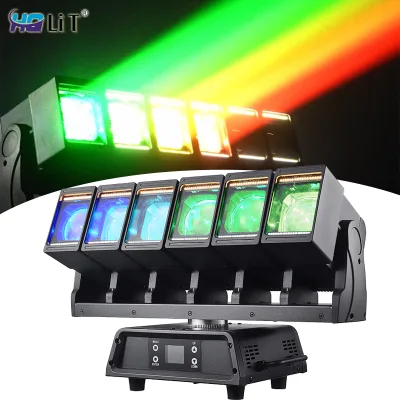
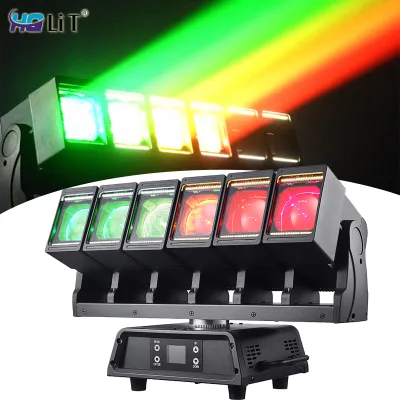
LED 6X60W RGBW 4in1 LED Moving Beam Bar Pixel Zoom Sweeper Wash Light Good Effect
$315.00 - $350.00
MOQ: 1 Pieces


- Verified by SGS
- Trading Company
- China Guangdong
- Lead time15 days
- Avg. response≤ 2h
Main productsStage Lights, Moving Head, LED Lights, LED Stage Light, LED Wash, LED Stage Fixture
Main marketsSoutheast Asia/ Mideast,Europe,North America


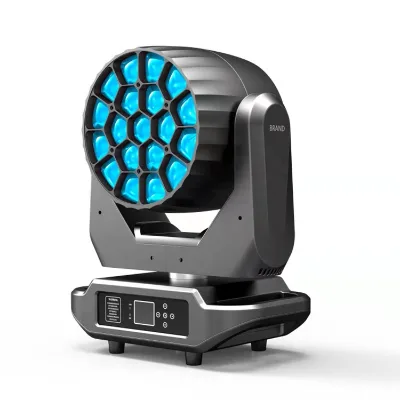
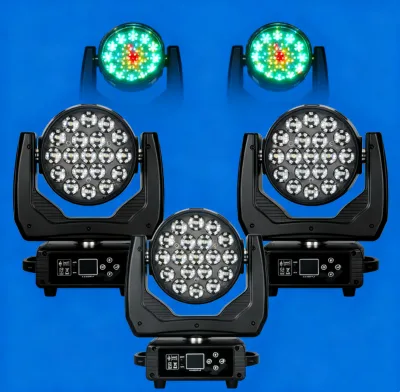
LED 19PCS 80W High Output Bee Eye Pixel Zoom Wash Spot Beam Moving Light for Large Concert Stage
$995.00 - $1100.00
MOQ: 2 Pieces

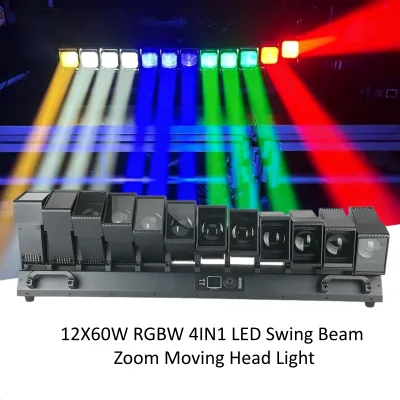
12X60W Pixel Control LED Moving Head Beam Bar Light with Zoom Function
$548.00 - $585.00
MOQ: 2 Pieces

Hot Selling 12X60W RGBW 4-in-1 LED Moving Beam Pixel Zoom Stage Bar Light
$548.00 - $585.00
MOQ: 2 Pieces

Guangzhou Geliang Lighting Technology Co., Ltd.
- Verified by SGS
- Combined
- China Guangdong
- Lead time15 days
- Avg. response≤ 6h
Main productsLED Stage Light/Stage Lighting, LED Stage Lighting, LED Dance Floor, DMX Controller, LED Indoor and Outdoor Display Screen, LED PAR Can/LED PAR Light, Moving Head Light, LED Wall Washer, LED DMX Tube, LED Moving Head Light
Main marketsAfrica,Southeast Asia/ Mideast,Europe,Australia,North America


12LEDs 40W LED with Strip Zoom Pixel LED Moving Head Beam Bar for Stage Events
$290.00 - $325.00
MOQ: 1 Pieces

Factory Direct Sell 19LEDs 15W RGBW 4in1 Zoom LED Moving Head Stage Light
$151.00 - $159.00
MOQ: 1 Pieces

Guangzhou Ao Mei Di Stage Lighting Equipment Co., Ltd.
- Combined
- China Guangdong
- Lead time15 days
- Avg. response≤ 10h
Main productsStage Lighting Moving Head Light Beam Light
Main marketsSouth America,Africa,Southeast Asia/ Mideast,East Asia(Japan/ South Korea),Europe,Australia,North America

Guangdong Changyuan Stage Lighting Equipment Company Limited
- Verified by TUVRHEINLAND
- Combined
- China Guangdong
- Lead time15 days
- Avg. response≤ 22h
Main productsStage Light, LED Moving Head, Moving Head Light, Stage Effect, LED PAR Light, Battery Powered PAR Light, CO2 Machine, Foam Machine, Smoke Machine, Fire Machine
Main marketsDomestic

Guangdong GBR Prolight Group Co.,Ltd
- Verified by BV
- Combined
- China Guangdong
- Lead time15 days
- Avg. response≤ 5h
Main productsMoving Head Light, Outdoor Moving Head Light, Beam Moving Head Light, Sharpy Beam Moving Head Light, Sky Searchlight, Wall Washer Light, LED PAR Light, LED Stage Light, LED Stage Moving Head Light, Outdoor LED Flood Light
Main marketsSouth America,Africa,Southeast Asia/ Mideast,East Asia(Japan/ South Korea),Domestic,Europe,Australia,North America
Guangzhou Huineng Photoelectric Technology Co., Ltd.
- Verified by SGS Group
- Manufacturer, Trading Company
- Lead time7 days
- Avg. response≤ 3h
Main productsLED Display And Stage Lights
Main marketsSouth America(30%), North America(20%), Southern Europe(18%)
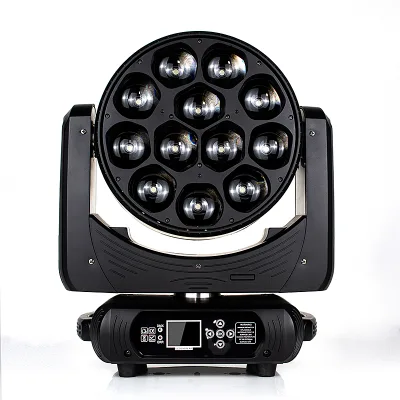
Mixing Full Color 40w 12pcs Led Lamp Pixel Control Elation Led Moving Head With Zoom
$303.5083 - $308.6524
MOQ: 2 pieces
Guangzhou Miss Photoelectric Technology Partnership (limited Partnership)
- Manufacturer
- Guangdong, China
- Lead time10 days
- Avg. response≤ 3h
Main productsStage Light,Stage Equipment,LED Dance Floor,LED Screen,LED Furniture
Main marketsWestern Europe(25.00%), Domestic Market(20.00%), North America(20.00%), Northern Europe(8.00%), South America(5.00%), Mid East(5.00%), Southeast Asia(3.00%), South Asia(3.00%), Africa(3.00%), Eastern Europe(2.00%), Oceania(2.00%), Eastern Asia(2.00%), Southern Europe(1.00%), Central America(1.00%)
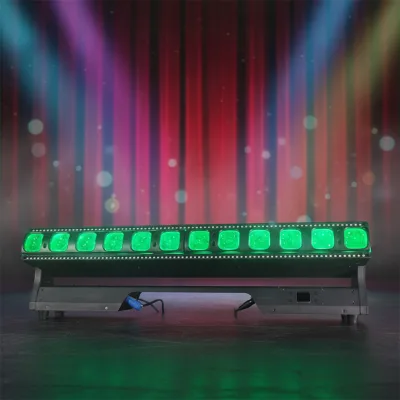
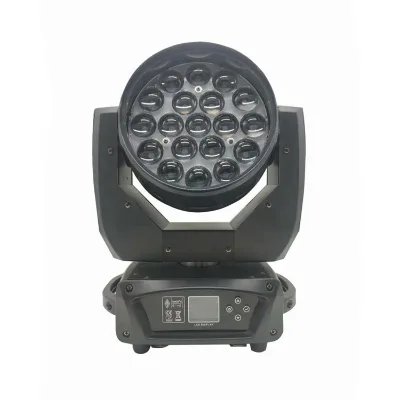
12pcs 40W RGBW 4-in-1 Zoom Bar Pixel LED Moving Head Lights
$200.00 - $220.00
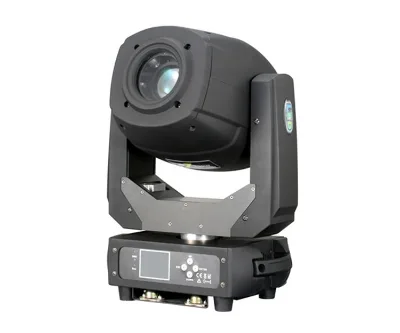
230W Spot LED Moving Head Zoom Light GOBO Light
$270.00 - $285.00
Guangzhou Huayang Stage Light Equipment Co., Ltd.
- Manufacturer
- Guangdong, China
- Lead time7 days
- Avg. response≤ 2h
Main productsbeam light,moving light,led par light,led wall wash light,laser light
Main marketsWestern Europe(20.00%), Northern Europe(20.00%), Africa(10.00%)
- Manufacturer, Trading Company
- Guangdong, China
- Lead time15 days
- Avg. response≤ 2h
Main productsStage Lighting,LED Wash Light,LED Moving Head Light,Moving Head Light,Lighting Controller and Accessories
Main marketsSoutheast Asia(20.77%), South Asia(17.91%), North America(10.22%), Domestic Market(9.77%), Mid East(8.19%), Western Europe(7.39%), Southern Europe(5.43%), Africa(5.11%), Eastern Europe(4.61%), South America(4.44%), Oceania(2.59%), Northern Europe(1.41%), Central America(1.33%), Eastern Asia(0.83%)
Gaoyu Optoelectronics (Shenzhen) Co., Ltd.
- Manufacturer
- Guangdong, China
- Lead time7 days
- Avg. response≤ 4h
Main productsLED moving head,Moving head,Stage light,LED PAR,DJ equipment
Main marketsWestern Europe(30.00%), Eastern Europe(22.00%), North America(15.00%), South America(10.00%), Northern Europe(5.00%), Southern Europe(5.00%), Domestic Market(3.00%), Eastern Asia(3.00%), Mid East(2.00%), Central America(2.00%), Southeast Asia(1.00%), South Asia(1.00%), Africa(1.00%)
Guangdong Eastsun Lighting Technology Co., Ltd.
- Manufacturer
- Guangdong, China
- Lead time7 days
- Avg. response≤ 2h
Main productsKinetic Lighting,Moving Head Lighting,adcMotion,dmxLift,Weblight
Main marketsWestern Europe(34.00%), Domestic Market(12.00%), North America(12.00%), Southern Europe(8.00%), Eastern Asia(8.00%), Eastern Europe(7.00%), Mid East(7.00%), Oceania(5.00%), South America(3.00%), South Asia(2.00%), Southeast Asia(1.00%), Northern Europe(1.00%)
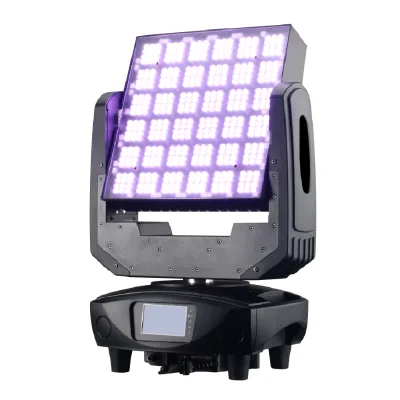
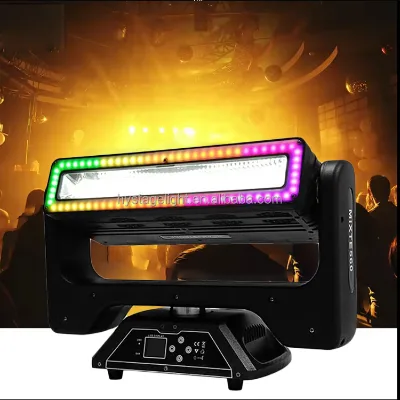
6x6 Pixel Rgb Led Strobe Light 16bit Control Led matrix Flashing Light Moving Head
$370.00 - $470.00
MOQ: 3 Minimum
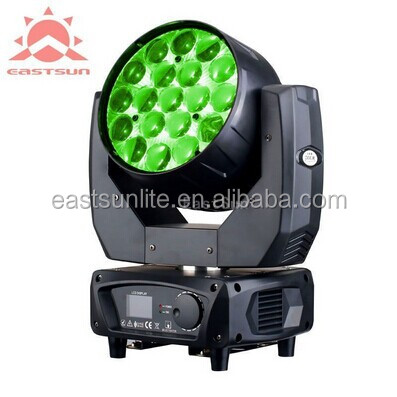
Led Light for Stage Decor/discotheque Equipment /moving Head Studio Light
$400.00 - $600.00
MOQ: 1 Minimum

Guangzhou HOMEI Lighting Equipment Factory
- Verified by TUVRHEINLAND
- Combined
- China Guangdong
- Lead time15 days
- Avg. response≤ 4h
Main productsLED Star Cloth, LED Video Curtain, RGB Star Curtain, LED Stage Light, LED Dance Floor, LED Starlit Dance Floor, LED Star Curtain, LED Twinkling Dance Floor, LED Moving Head, LED Parcans Light
Main marketsSouth America,Africa,Southeast Asia/ Mideast,East Asia(Japan/ South Korea),Domestic,Europe,Australia,North America

RGBW 4in1 LED Moving Bar Pixel Zoom Moving Head Beam 12X60W Sweeper Wash Stage Light
$650.00 - $780.00
MOQ: 2 Pieces


Guangzhou Zenith Aurora Lighting Equipment Co., Ltd.
- Manufacturer
- Guangdong, China
- Lead time15 days
- Avg. response≤ 4h
Main productsStrobe light,Beam Moving Head,Led Moving Head,Led Beam Light,ebike
Main marketsEastern Asia(13.00%), Eastern Europe(12.00%), North America(12.00%), South America(11.00%), Southeast Asia(11.00%), Domestic Market(8.00%), Western Europe(5.00%), Oceania(4.00%), South Asia(4.00%), Southern Europe(4.00%), Northern Europe(4.00%), Central America(4.00%), Mid East(4.00%), Africa(4.00%)
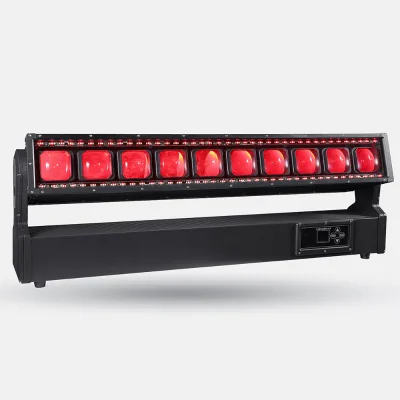
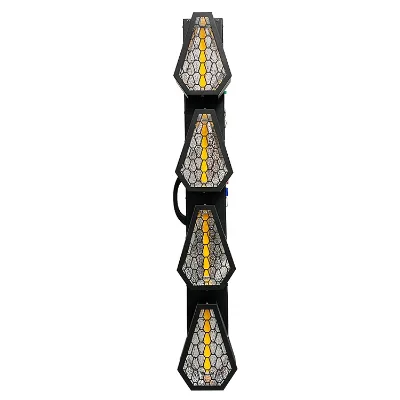
New RGBW Colorful Infinite Rotating Compass Retro Pixel Stage Background Effect Led Moving Light
$332.7747 - $360.9401
MOQ: 1 pieces

Guangzhou MINGXUAN Stage Light Equipment CO.,LTD
- Verified by CTI
- Trading Company,Manufacturer/Factory
- China Guangdong
- Lead time38 days
- Avg. response≤ 25h
Main productsMoving Head Light, Line Array Speaker, Truss Stage, Tent, Microphone, LED Screen, Mixer, LED PAR Can, LCD Screen, Small Speaker
Main marketsSouth America,Eastern Europe,Mid East,North America,Southeast Asia,Eastern Asia,Oceania,Western Europe,Africa
Guangzhou Botai Photoelectric Equipment Co., Ltd.
- Verified by SGS Group
- Manufacturer, Trading Company
- Lead time5 days
- Avg. response≤ 5h
Main productsLED Stage Lighting, Dancing Floor, LED Display Screen, 3D Holographic Fan, Controller
Main marketsSouth America(25%), North America(20%), Mid East(15%)
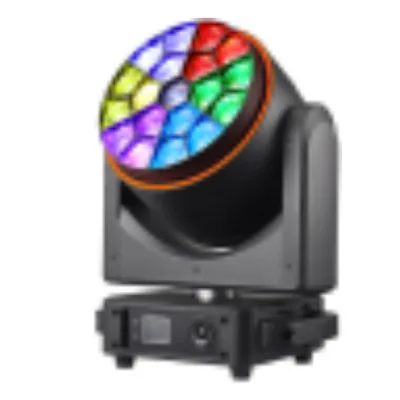
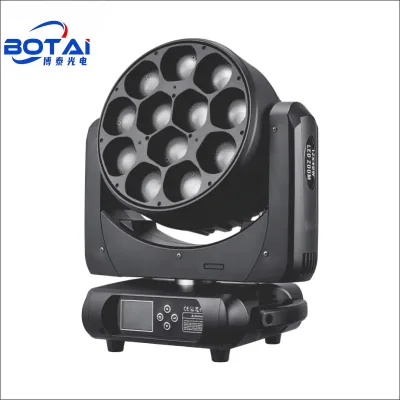
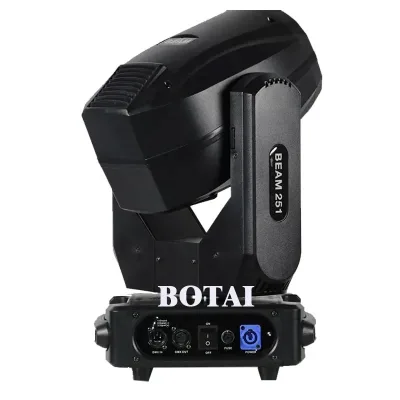
19x40W Zoom B-eye LED Moving with Pixel Circle LED 74*0.5
$307.00 - $317.00

Foshan Hongda Lighting Equipment Co., Ltd.
- Manufacturer, Distributor/Wholesaler
- Guangdong, China
- Lead time15 days
- Avg. response≤ 4h
Main productsBattery wireless led lights,moving head lights,laser lights,stage effects machines,led par light
Main marketsNorth America(35.00%), South America(15.00%), Eastern Europe(10.00%), Western Europe(9.00%), Southern Europe(8.00%), Central America(6.00%), Southeast Asia(5.00%), Northern Europe(4.00%), Eastern Asia(2.00%), Oceania(2.00%), South Asia(2.00%), Mid East(1.00%), Africa(1.00%)

Guangzhou Gothy Stage Lighting Equipment Co., Ltd
- Manufacturer
- Guangdong, China
- Lead time5 days
- Avg. response≤ 1h
Main productsMoving heads,Par leds,Lekos fresnels,Led Wash lights,Effects
Main marketsOceania(15.00%), Western Europe(10.00%), Northern Europe(10.00%), North America(10.00%), Southern Europe(10.00%), Southeast Asia(10.00%), Eastern Europe(10.00%), South America(10.00%), Central America(5.00%), Eastern Asia(5.00%), Mid East(2.00%), Domestic Market(1.00%), South Asia(1.00%), Africa(1.00%)

Guangzhou Brightsun Lighting Electronic Co., Ltd
- Verified by SGS
- Manufacturer/Factory
- China Guangdong
- Lead time23 days
- Avg. response≤ 1h
Main productsMoving Head Light, LED Moving Head Light, Batten Moving Head Light, Static Wash Light, Battery Wireless Light, LED PAR Light, Strobe Light, LED Blinder Light, Outdoor Moving Head Light, Fresnel & Ellipsoidals Lights
Main marketsSouth America,Eastern Europe,Mid East,North America,Southeast Asia,Eastern Asia,Oceania,Western Europe,Africa
Guangzhou Flystar Lighting Co., Limited
- Manufacturer, Trading Company
- Guangdong, China
- Lead time7 days
- Avg. response≤ 2h
Main productsMoving Head Light, LED Moving Head Light, LED Par Light, Led Wall Washer Light, LED Strober Light
Main marketsNorth America(30.00%), Western Europe(20.00%), Domestic Market(15.00%), Southeast Asia(15.00%), South America(10.00%), Mid East(10.00%)
Guangzhou Fengsheng Performance Equipment Co., Ltd.
- Verified by TüVRheinland
- Manufacturer, Trading Company
- Lead time10 days
- Avg. response≤ 2h
Main productsAluminum Truss, Stage Tabale, Tent Roof Truss
Main marketsMid East(25%), Southeast Asia(20%), Africa(20%)
Foshan Very Stage Equipment Co., Ltd.
- Manufacturer
- Guangdong, China
- Lead time7 days
- Avg. response≤ 3h
Main productsstage lighting,moving head,led par light,beam light,LED wall washer
Main marketsNorth America(51.00%), South America(15.00%), Western Europe(8.00%), Northern Europe(6.00%), Eastern Europe(5.00%), Southern Europe(4.00%), Central America(2.00%), South Asia(2.00%), Oceania(2.00%), Southeast Asia(2.00%), Eastern Asia(1.00%), Mid East(1.00%), Africa(1.00%)
LAMAVITA INTERNATIONAL CORP. LTD.
- Trading Company
- Taiwan, China
- Lead time35 days
- Avg. response≤ 2h
Main productsLED MOVING HEAD,Moving Head Beam,LED PAR,LED DISCO LIGHT,Smoke Machine
Main marketsWestern Europe(38.00%), Domestic Market(15.00%), North America(15.00%), South America(15.00%), Mid East(5.00%), South Asia(5.00%), Africa(2.00%), Southeast Asia(1.00%), Eastern Asia(1.00%), Southern Europe(1.00%), Northern Europe(1.00%), Eastern Europe(1.00%)
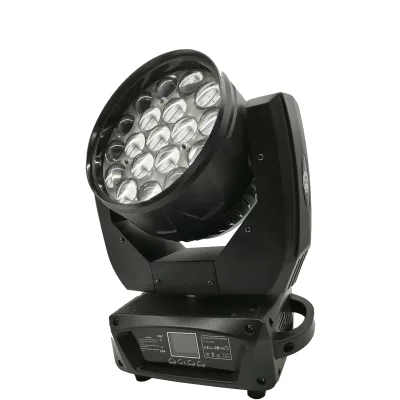
19 x 15W Zoom Circle Control LED Moving Head Lights DMX512 Control Mode
$161.00 - $201.00
MOQ: 1 pieces
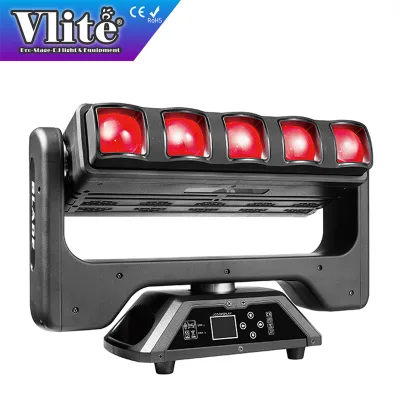
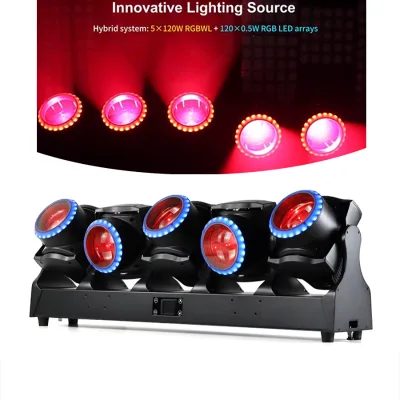
2023 New Design 5*60w RGBW 4in1 Led Pixel Control Moving bar 2in1 Light
$365.00 - $460.00
MOQ: 2 pieces
Guangzhou Hotion Technology Co., Ltd.
- Manufacturer
- Guangdong, China
- Lead time7 days
- Avg. response≤ 2h
Main productsTheater light,Professional light,Entertainment light,Stage accessories,Studio lighting
Main marketsDomestic Market(40.00%), Western Europe(30.00%), Mid East(15.00%), Southeast Asia(10.00%), North America(5.00%)
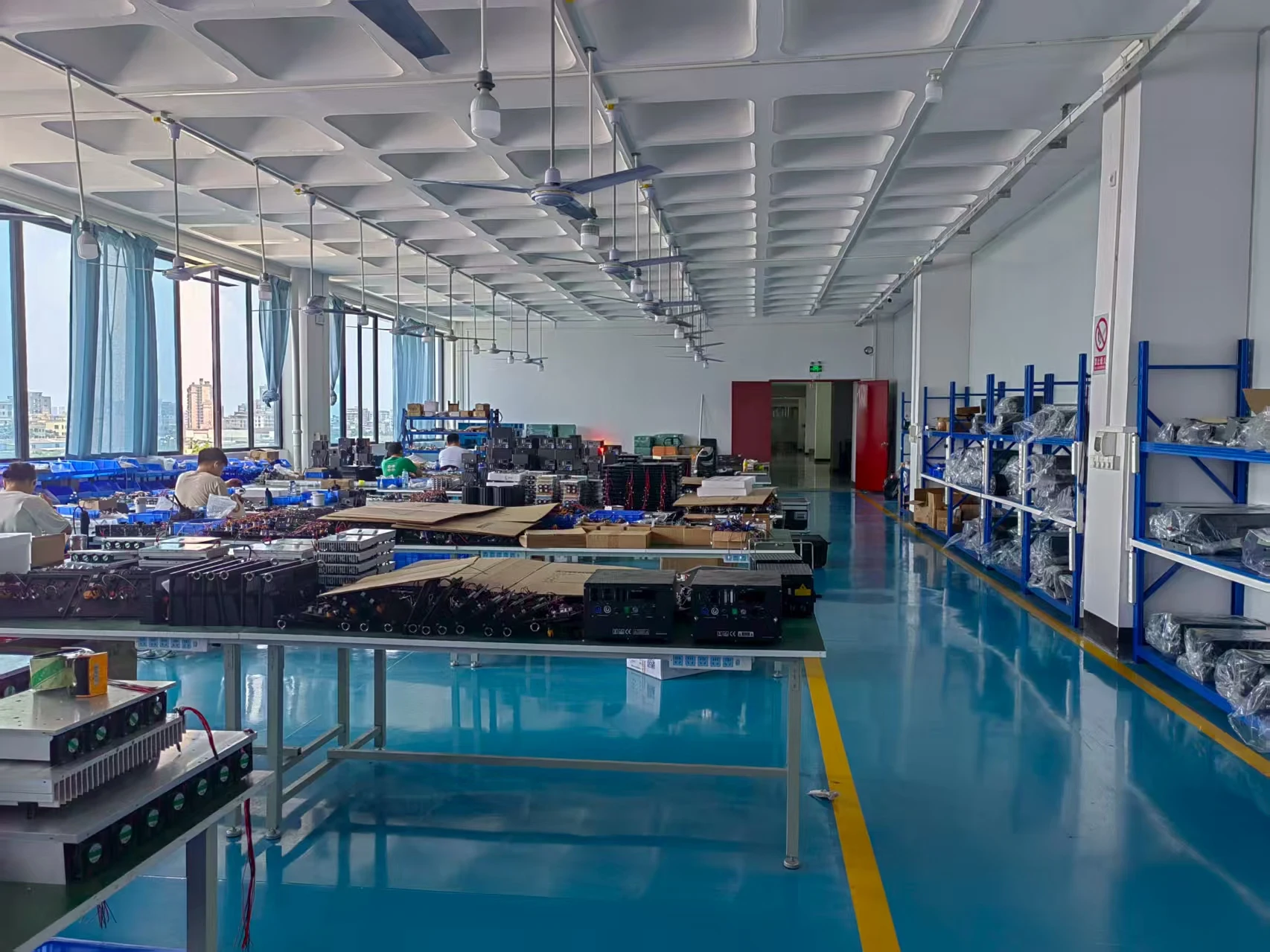
Guangzhou Hongqiao Light Electronics Co., Limited
- Manufacturer
- Guangdong, China
- Lead time7 days
- Avg. response≤ 2h
Main productsstage theater wedding dj light,led moving head,sharpy beam moving,RGB animation laser light,battery wireless uplight
Main marketsNorth America(20.00%), South America(13.00%), Southern Europe(8.00%), Oceania(8.00%), Eastern Asia(8.00%), Southeast Asia(8.00%), Eastern Europe(8.00%), Western Europe(7.00%), Northern Europe(5.00%), Central America(5.00%), Domestic Market(5.00%), South Asia(2.00%), Mid East(2.00%), Africa(1.00%)
Guangzhou Weiming International Trade Co., Ltd.
- Manufacturer
- Guangdong, China
- Lead time0 days
- Avg. response≤ 2h
Main productsstage lights,Strobe light,wash lights,beam lights,moving head lights
Main marketsNorthern Europe(20.00%), Eastern Europe(19.00%), Western Europe(19.00%), Southern Europe(15.00%), North America(9.00%), South America(4.00%), Central America(3.00%), Southeast Asia(3.00%), South Asia(3.00%), Mid East(2.00%), Eastern Asia(2.00%), Africa(1.00%)
- Manufacturer, Trading Company
- Lead time旺季: "1 - 100":28,"> 100":"To be negotiated", 淡季: "1 - 100":28,"> 100":"To be negotiated"
- Avg. response≤ 3h
Main productsStage Lights, Moving Head Lights, LED Par Light, LED Wall Wash Light, Battery Stage Lights
Guangzhou Homei Lighting Equipment Factory
- Verified by TüVRheinland
- Manufacturer, Trading Company
- Lead time7 days
- Avg. response≤ 1h
Main productsLED Dance Floor, LED Star Curtain, LED Par Can Light, LED Moving Head Light, LED Wall Washer Bar
Main marketsNorth America(24%), Eastern Europe(10%), Western Europe(10%)


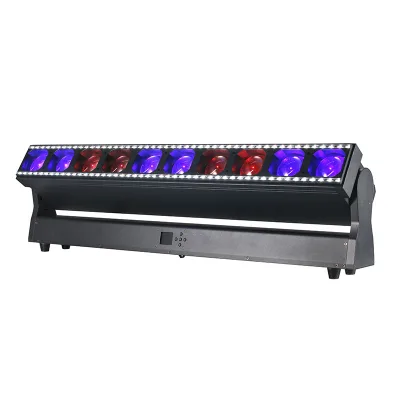
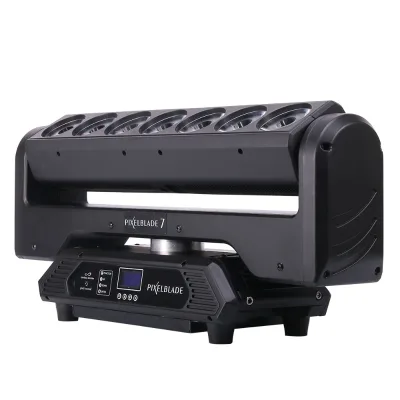
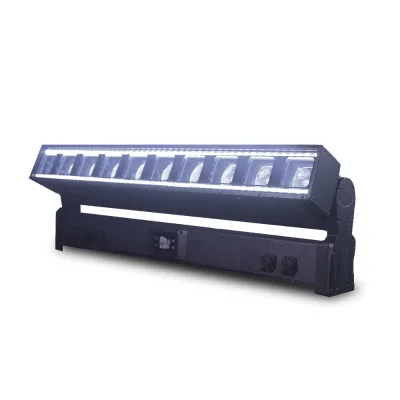
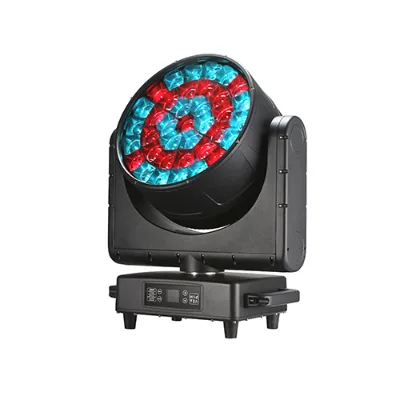
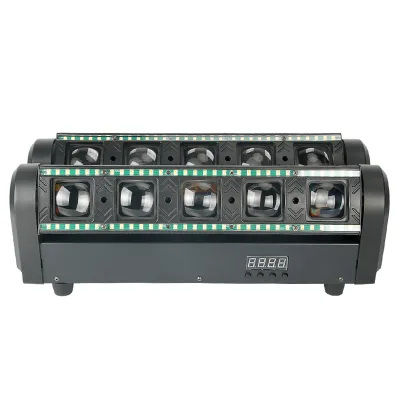
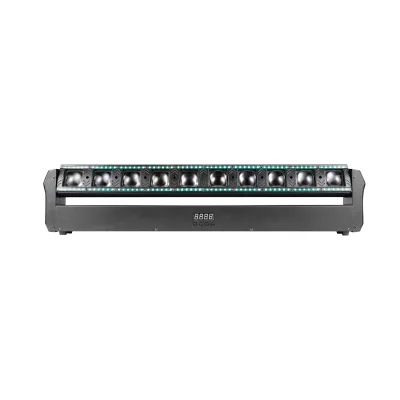


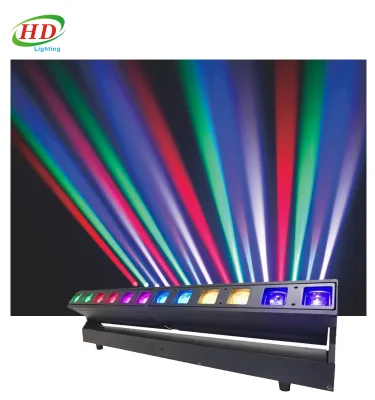
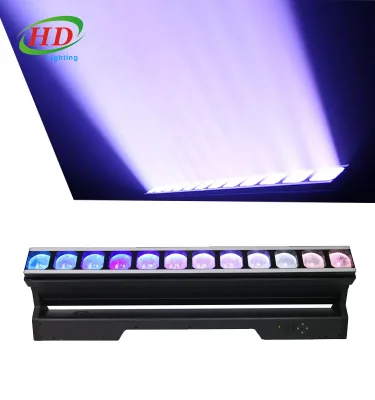
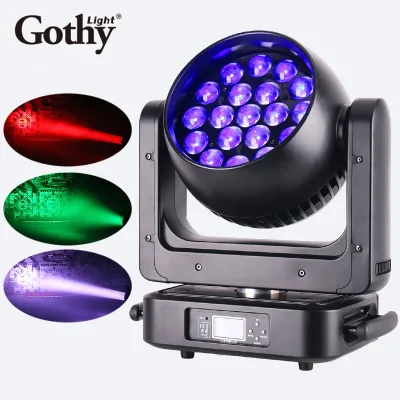
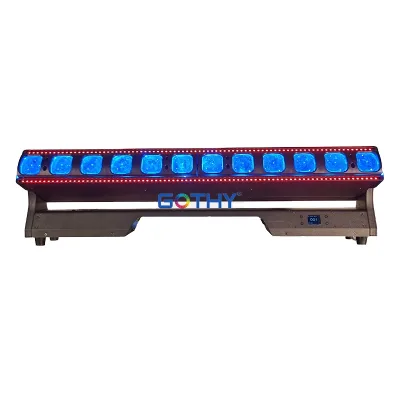


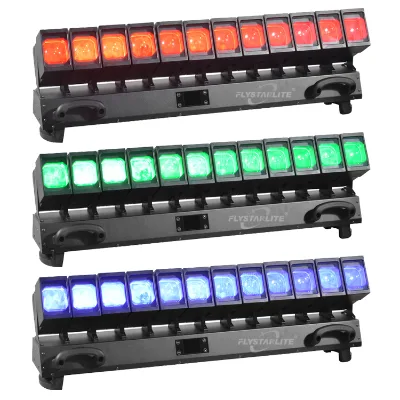
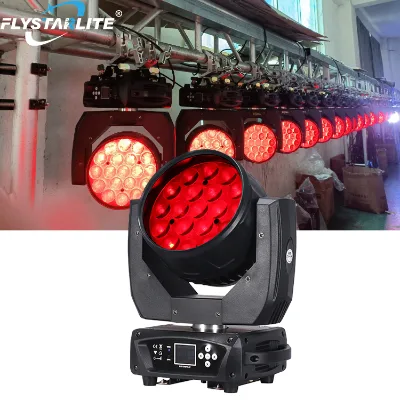
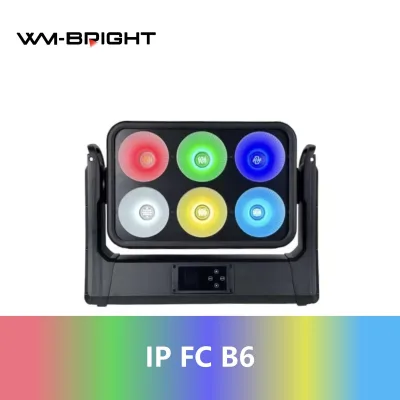
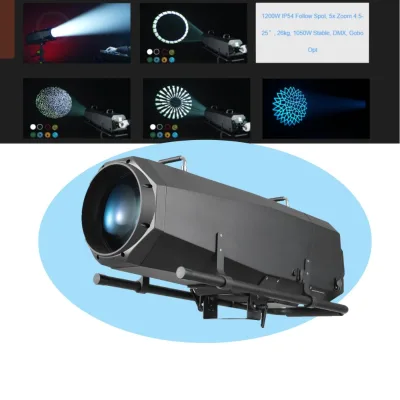
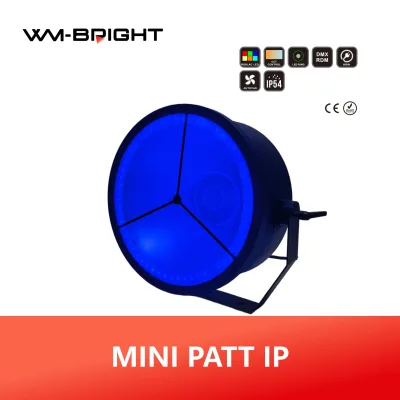
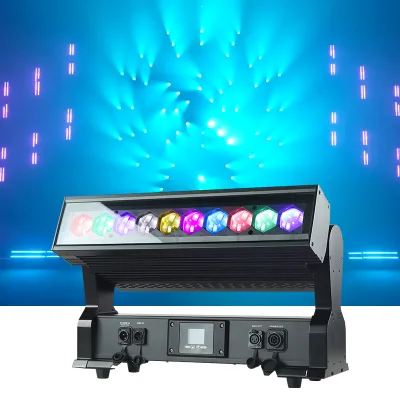
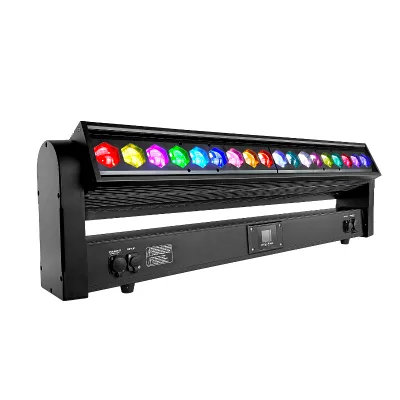
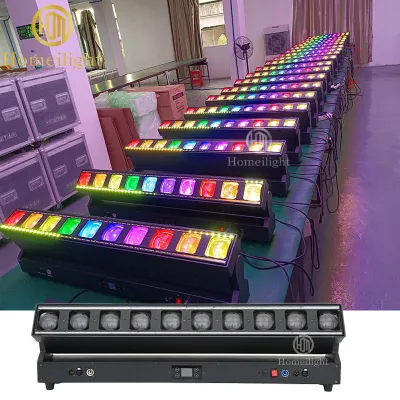
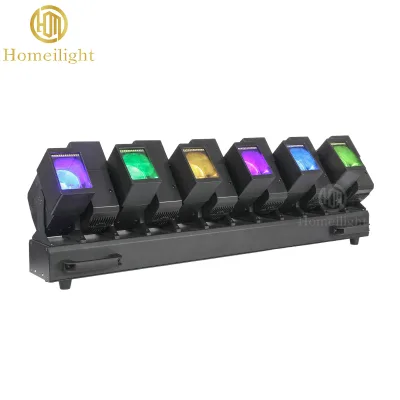
Comprehensive Sourcing Guide
Zoom LED Pixel Moving Light Supplier Concentration and Factory Types
Sourcing results for zoom LED pixel moving lights point clearly to Guangdong, China, as a core manufacturing region, which matters because lighting fixtures of this type depend on dense local supply chains for LED sources, moving-head yokes, drivers, and aluminum housings. When a region is confirmed in supplier data, buyers can plan factory visits, consolidated shipping, and comparative audits around that geography instead of scattering inquiries worldwide. When region data is absent for a particular listing, identify clusters by checking the product origin field on individual fixtures, asking where assembly and SMT work actually occur, and noting whether a seller's contact details and shipment ports align with the same area.
Supplier profiles in this category split into two visible types. Some are labeled as manufacturers or factories, while others are combined companies that both produce and trade. Manufacturer/factory profiles often list R&D capabilities such as OEM and ODM, and some carry system certifications like ISO 9001 alongside third-party verification badges. Combined-type profiles may list broader main-product ranges—moving heads, LED PAR cans, wall washers, strobes, and outdoor waterproof fixtures—which can indicate a versatile workshop or a trading operation aggregating products. Neither type is automatically better; the buyer's task is to match the label to the order: deep customization and pin-tolerant pixel control usually favor a genuine factory, while mixed-fixture orders can suit a combined supplier.
How to Verify Zoom LED Pixel Moving Light Suppliers
Verification should begin with the claims visible in supplier data and move outward to evidence the buyer generates. On the profile level, check whether the company is independently verified (for example, by a BV audit), whether it holds system certifications such as ISO 9001, and what company type it declares—manufacturer, factory, or combined. Note that GMP appears in one certification listing, which is unusual for stage lighting and should prompt a direct question about its scope rather than being accepted as a lighting credential. Response time is another observable data point: results in this category range from roughly four hours to nearly sixteen hours average reply, and that spread is a legitimate, measurable way to rank communication reliability before any money moves.
On the product level, verification means confirming fixture specifics rather than marketing descriptions. Listings in this category show attributes worth demanding in writing: LED configuration (for example, 7×40W pixel blades, 12×40W zoom wash beams, or 19×15W RGBW arrays), zoom angle ranges, DMX channel modes, strobe behavior, IP ratings, housing material, and certification marks such as CE and RoHS. Ask for the actual test reports behind those marks, since a certification string on a product page is a claim, not proof. Request a video of the fixture running a pixel-mapping sequence and zoom sweep, or a sample unit for evaluation. Finally, cross-check the declared product origin against the supplier's address and shipping arrangements to confirm the manufacturing story holds together end to end.
What to Compare Across Zoom LED Pixel Moving Light Suppliers
Build a comparison sheet from dimensions the supplier results actually expose. Lead time is one: one listed lead time in this category is 15 days, so use quoted production windows as a differentiator and validate them by asking which fixtures are stock versus built-to-order. MOQ is another—listings here show minimums as low as one unit, which is favorable for sampling and pilot orders, but confirm whether the MOQ holds at the quoted price or rises for customized configurations. Response time, discussed above, should sit in the same sheet. Location matters for audit cost and freight consolidation, and company type (factory versus combined) shapes who answers engineering questions.
Then compare technical and commercial depth per fixture. Price ranges are visible on several listings—for example, one 12×40W zoom moving head lists from roughly $338 to $353, a 19×15W RGBW wash from roughly $140 to $170, and larger IP65 or pixel-blade fixtures from around $420 up to nearly $500—so capture the range, not just the floor, and ask what drives movement between them (optics, drivers, case options). Compare warranty terms (one-year warranties appear in this category), customization availability, packing choices such as carton versus flight case, and R&D capacity claims like OEM/ODM. Do not assume every supplier displays all these attributes; where a field is missing, treat it as a question to ask, not a gap to penalize silently, and score suppliers on how quickly and concretely they fill it.
Common Zoom LED Pixel Moving Light Sourcing Risks
The first risk cluster is technical misrepresentation. Pixel-controlled zoom moving heads are complex fixtures, and a listing's attribute table can diverge from the shipped product: a declared zoom range may not match the optical reality, an "adjustable speed strobe" may lag in firmware, or RGBW 4-in-1 claims may mask weak color mixing at the beam edges. Because some fixtures in this category carry CE and RoHS marks while others list only CE, or carry fuller standard strings on certain models, ask specifically which certification applies to the exact model number quoted—model identifiers in the results, such as the ones attached to 7×40W and 19×15W units, show why quoting by model, not description, matters.
The second cluster is operational and commercial. IP ratings are a frequent trap: an IP65-rated wash/zoom tilt fixture exists in this category, but outdoor claims on other models may be unverified, and water ingress failures are expensive to remediate after installation. Voltage mismatches are another—fixtures list 220V and AC100-240V 50-60Hz variants, so confirm the version for your market. Warranty coverage (one year is common here) needs definition: parts, labor, freight, and who pays return shipping. Finally, packing assumptions create risk—a flight case or carton choice affects landed condition and cost—and long response times, as seen with some suppliers averaging near sixteen hours, can stall a production run when a defect question needs fast answers. Mitigate each risk contractually, not conversationally.
Zoom LED Pixel Moving Light Regional Sourcing and Logistics
For this category, regional planning starts with the confirmed Guangdong, China concentration. That clustering benefits buyers in concrete ways: shorter domestic legs from component makers to assembly plants, more freight-forwarder options familiar with lighting fixtures, and the practical possibility of visiting multiple candidate factories in one trip. Several fixtures in the results also list product origin fields—some declare Guangzhou, China at the model level—so use the product-level origin, not just the company location, when planning. If a prospective supplier's region is not stated in the data, verify it directly before calculating freight; a combined-type seller may be shipping from a partner plant elsewhere.
Logistically, treat fixtures as fragile, moderately heavy cargo. Dimension data appears in the listings—one model at 470×400×270 mm, another at 520×410×201 mm, a bar-type unit at 95×12.8×33 cm—and packing options include carton or flight case, which changes both volume and protection level. Ask each supplier for packed dimensions and gross weights per unit and per master carton, then compare air versus sea economics for your order size. Production lead time of 15 days appears in the category data, so build a schedule that adds sampling, QC inspection, and booking time on top of any quoted window. Confirm which Incoterms the supplier quotes, who clears export, and whether humidity-protected packing is offered, since LED drivers and moving-head mechanics are sensitive to transit moisture.
Zoom LED Pixel Moving Light Commercial Terms and Order Planning
Order planning in this category should be sequenced deliberately. Begin with a sample at the low MOQs visible in the data (some listings allow a minimum of one unit), testing the zoom mechanism, pixel mapping, strobe, and DMX/RDM behavior against the supplier's own attribute sheet. Then place a pilot order sized between sample and production quantities, because 15-day lead times and typical one-year warranties suggest a build-and-ship rhythm that punishes discovered defects after full payment. Negotiate payment milestones that keep leverage until pre-shipment inspection passes, and specify the exact model number, packing type (carton or flight case), and certification documents in the contract—not just the product name from a listing.
Commercially, use the observed price ranges as negotiation anchors while asking what configuration each endpoint represents; a spread from roughly $140–$170 on a 19×15W wash to $420–$500 on pixel-blade and IP65 fixtures reflects genuine capability tiers, not arbitrary markup. Compare suppliers on whether customization is included in the quoted price or billed separately, whether OEM/ODM capacity affects tooling fees, and whether the response-speed gap between roughly four-hour and sixteen-hour suppliers correlates with after-sales support quality, not just pre-sales eagerness. Finally, verify escrow or secure payment availability before wiring deposits, since supplier data does not guarantee it for every listing. Plan reorders with the same discipline: lock model numbers, firmware versions, and case quantities so repeat orders reproduce the approved sample exactly.
(word count check: sections approximately 229, 230, 231, 231, 230, 231 = ~1382, within range.)
FAQs
What is the typical lead time for these lights?
The typical lead time is 15 days for orders of these moving head lights. This duration applies to standard production runs from suppliers in China Guangdong. Buyers should confirm specific timelines with the manufacturer before placing large orders to ensure timely delivery for events.
Do suppliers offer customization for these moving heads?
Yes, customization is available for many of these LED moving head lights. Suppliers provide options for branding and specific design requirements under OEM or ODM models. Buyers can request tailored solutions for stage lighting needs while maintaining standard safety certifications like CE and RoHS.
What certifications do these stage lights hold?
These lights commonly hold CE and RoHS certifications to ensure safety and environmental compliance. Some products also meet GB7000.15-GB7000.217 standards for specific regional requirements. Buyers should verify the exact certification list for each model to ensure it matches local regulations for their events.
What is the minimum order quantity for these lights?
The minimum order quantity is often as low as one unit for these pixel moving lights. This allows buyers to test products before committing to larger volumes. However, pricing may vary based on the quantity ordered, with bulk purchases potentially offering better rates per unit.
How quickly do suppliers typically respond to inquiries?
Suppliers typically respond within 4 to 16 hours based on current data. Faster response times around 4 hours are common for verified manufacturers. Buyers should expect prompt communication regarding product specifications and availability when contacting these suppliers for their stage lighting projects.
What materials are used to construct these moving heads?
These moving head lights are primarily constructed from aluminum or aluminum alloy materials. This ensures durability and effective heat dissipation for high-power LED sources. The robust construction supports long-term use in demanding environments like concerts, nightclubs, and outdoor festivals.
What is the price range for these LED moving lights?
Prices for these lights range from approximately 140 to 498 US dollars depending on the model. Specific units like the 19PCS 15W light start near 140 dollars, while higher power 800W models reach nearly 500 dollars. Buyers should check current listings for the most accurate pricing.